Responsibilities of Licensure
Not sure you’re ready?
Take the ~3-minute readiness diagnostic and see where you stand.
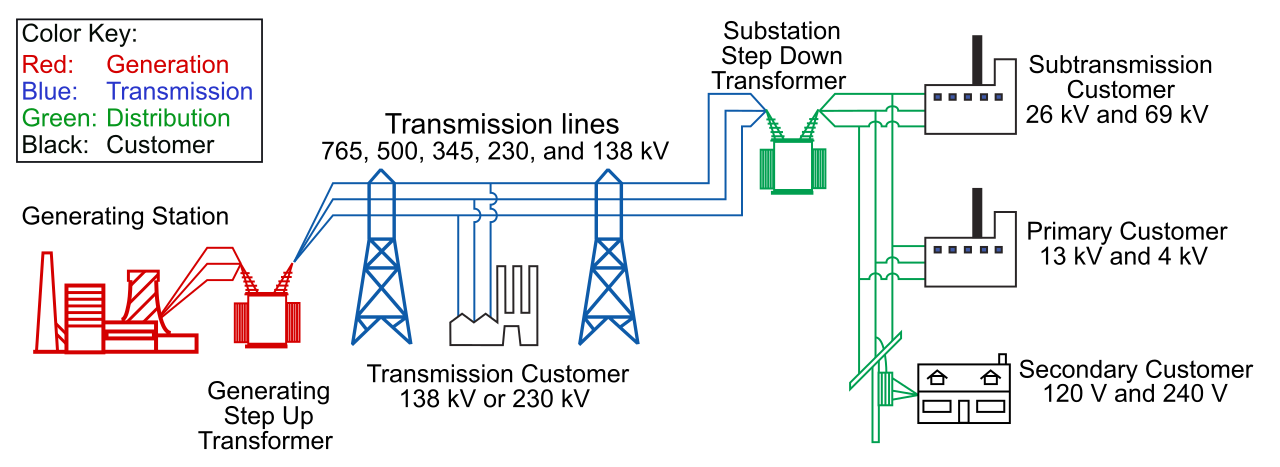
Imagine a vast electrical grid. On its own, a single lightbulb—no matter how perfectly engineered—cannot illuminate a room. It requires a socket, a connection to a centralized power source that regulates the voltage and safely distributes the current. In New York real estate law, the salesperson is the bulb, and the sponsoring broker is the grid. The entire apparatus of real estate licensure is built upon this specific, unyielding dependency. A salesperson’s license is a legally inert document until it is plugged into the operational structure of a licensed brokerage. Understanding the responsibilities of licensure means mapping this exact flow of authority, liability, and duty—from the state to the broker, from the broker to the salesperson, and ultimately from the brokerage out to the public.
To practice real estate in New York, you must understand your precise legal geometry within the industry. A New York real estate salesperson cannot legally work independently without a broker affiliation.
Why? Because the state requires a singular point of accountability to protect consumers. Consequently, the sponsoring broker provides the legal and operational framework that permits a real estate salesperson to practice real estate.
When you pass your exam and receive your license, you do not simply put it in your wallet and start selling houses. A real estate salesperson's license in New York is physically held by the salesperson's sponsoring broker. Think of it as the state entrusting the broker with the keys to your professional vehicle. Because of this dynamic, several strict operational rules apply:
- Exclusive Supervision: A real estate salesperson in New York must operate exclusively under the supervision of a licensed sponsoring broker. You cannot moonlight for a competing firm or run side-deals.
- Mandatory Routing: A real estate salesperson must conduct all real estate transactions through the salesperson's sponsoring brokerage.
- Inactive Status: Without an affiliation with a sponsoring broker, a New York real estate salesperson's license is considered inactive.
The Department of State tracks this intricate web of affiliations digitally. A sponsoring broker must manage agent association information through the New York Department of State eAccessNY system. If you decide to take your talents to a new firm, you do not just pack up your desk. If a salesperson changes brokerages, the new sponsoring broker must process the change of association through the eAccessNY system. Until that digital switch is flipped, you cannot legally operate.
The Flow of Capital
The state's strict control over the broker-salesperson relationship extends to the flow of money. If you remember one mechanical rule about your income, let it be this: A real estate salesperson can only receive commission payments directly from the salesperson's sponsoring broker.
- A real estate salesperson is legally prohibited from receiving compensation directly from a client. Even if a grateful seller tries to hand you a check for $5,000 at the closing table, you must refuse it. The check must be cut to the brokerage.
- A real estate salesperson cannot legally earn commissions while the salesperson's license is inactive. If your license lapses or your broker severs your affiliation before a deal closes, you are legally barred from earning a fee on that transaction.
- Furthermore, a real estate broker or salesperson cannot legally pay a commission or referral fee to an unlicensed individual. You cannot pay a "finder's fee" to your cousin for recommending a buyer. The protection of the public demands that only licensed individuals partake in the financial spoils of a real estate transaction.
The Independent Contractor Paradox
Here is where the law presents a fascinating paradox. While you are strictly supervised for legal and compliance purposes, your tax and business structure is quite different. Most New York real estate salespersons operate as independent contractors rather than traditional employees of the sponsoring broker.
Because you are an independent contractor, you are running your own micro-enterprise under the broker's umbrella. Therefore, a real estate salesperson enters into a written contract with the sponsoring broker that establishes the commission split for closed transactions. This document outlines precisely how the pie is divided when the broker gets paid. Furthermore, a real estate salesperson classified as an independent contractor is legally responsible for paying the salesperson's own income taxes. Your broker will not withhold payroll taxes; you will receive a 1099-NEC form at the end of the year, making you entirely responsible for your own tax liabilities.
With great regulatory power comes immense liability. A sponsoring broker assumes legal responsibility for the real estate activities of the salespersons the broker sponsors. If you make a catastrophic error in the field, your broker is legally on the hook.
Because the broker absorbs this risk, the law dictates how they must manage their office:
- A real estate broker must supervise the real estate brokerage business and ensure all associated agents comply with New York state laws.
- New York Real Property Law requires a licensed broker to provide regular, frequent, and consistent personal guidance to associated salespersons. A broker cannot merely lend their name to an office and vanish; they must be actively involved.
- Large brokerages operate multiple locations, but the standard of supervision remains unbroken. Every real estate branch office must be under the direct supervision of a licensed broker or a duly appointed office manager.
- If a branch relies on a manager, that manager must be highly qualified: An associate broker acting as an office manager must exercise the same duty of supervision over salespersons as a representative real estate broker.
In real estate, "agency" is not a vague concept—it is a heavy, legally binding chain of loyalty.
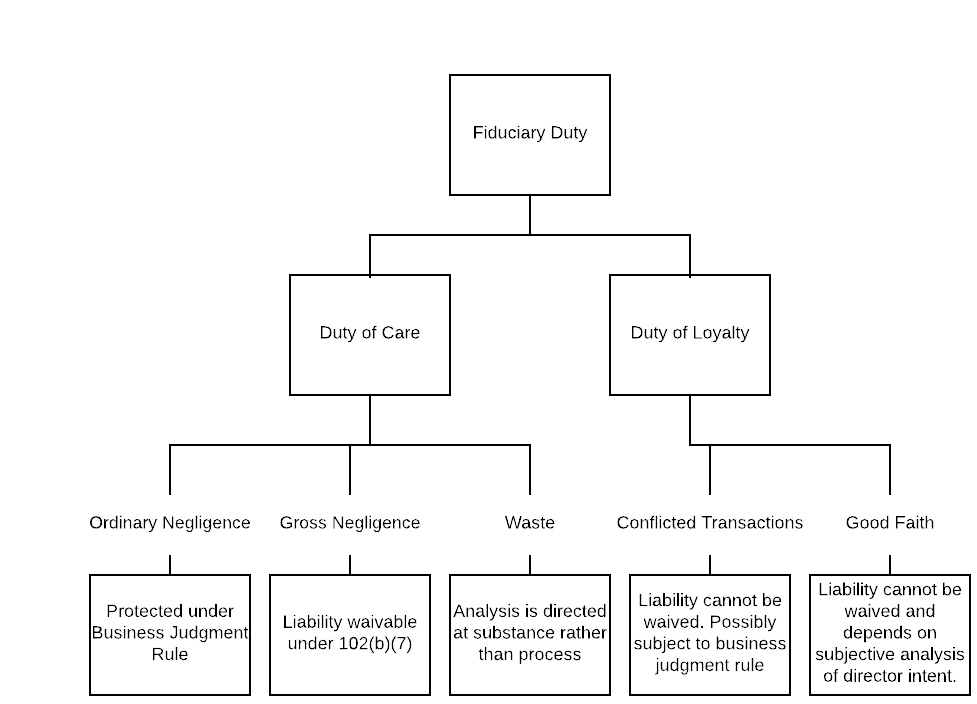
A real estate salesperson acts as an agent of the salesperson's sponsoring broker and owes fiduciary duties to that broker. You are effectively an extension of the broker's legal persona. Consequently, a real estate salesperson owes a fiduciary duty of obedience to the lawful instructions of the salesperson's sponsoring broker. If your broker establishes a lawful office policy regarding how listings are inputted or how open houses are run, you must obey it.
Interactions with the Public
Your duties to your client (the person who hired your brokerage) are comprehensive and fiduciary. But how do you treat the public (customers, unrepresented buyers, the person walking into an open house)?
- A real estate broker owes a duty of fair and honest dealing to all members of the public.
- Likewise, a real estate salesperson owes a duty of honesty and fairness to all members of the public.
You do not owe unrepresented members of the public your fiduciary loyalty, but you absolutely owe them the truth.
| Duty Owed to Clients (Fiduciary) | Duty Owed to the Public (Customer) |
|---|---|
| Undivided loyalty and strict confidentiality. | Fairness, honesty, and accurate factual information. |
| A real estate broker must not disclose confidential information about a client to members of the public. | Full disclosure of known material defects regarding the property. |
This boundary between client and customer can confuse consumers. To solve this, New York mandates rigorous transparency. A real estate broker or salesperson must present a New York state agency disclosure form to consumers at the first substantive contact. The moment a conversation shifts from casual pleasantries (e.g., "What a lovely kitchen!") to substantive real estate strategy (e.g., "I'm pre-approved for $500,000, will they take less?"), you must halt the conversation and present the disclosure. You are explicitly telling the consumer exactly who you represent.
The Absolute Limits of Representation
Your license limits the scope of what you are legally permitted to say and do.
- A real estate salesperson is strictly prohibited from providing unauthorized legal advice to members of the public. You are an expert in real estate marketing and negotiation, not a licensed attorney. If a client asks, "How should I structure the deed to avoid inheritance taxes?", your only acceptable answer is: "You must consult a real estate attorney."
- A real estate salesperson must not deliberately misrepresent a property's market value to a property owner in order to secure a listing. Promising a seller an artificially inflated price just to win their business is legally and ethically impermissible.
- A real estate licensee must fully disclose any personal interest when buying or selling real property for the licensee's own account. If you are buying a home for yourself, or selling one you own, you must loudly and legally declare to all parties that you are a licensed real estate professional. You cannot use your insider knowledge to exploit an unrepresented party.
Fair Housing: The Unbreakable Rule
Few areas of law are prosecuted with more vigor than Fair Housing. A real estate broker must adhere to Fair Housing Laws and avoid discriminatory practices toward the public.
This creates a fascinating intersection with your fiduciary duty of obedience to your client. What happens if an owner tells you, "I only want you to show my home to families with no children"?
The Rule of Supremacy: A real estate broker cannot follow a client's instructions if those instructions violate Fair Housing Laws. Fiduciary obedience applies only to lawful instructions. If a client demands you discriminate, you must refuse the instruction, educate the client, and if they persist, terminate the agency relationship.
Real estate is a business of physical assets and large sums of capital. The state regulates how you communicate about properties and how you handle money.
Property Condition and Defects
When representing a seller, the burden of disclosure rests heavily on your shoulders.
- A listing broker must advise the seller of the seller's obligation to provide a Property Condition Disclosure Statement to the buyer. New York law generally requires sellers of 1-4 family residential properties to complete this statutory form detailing the home's condition.
- Furthermore, a listing broker must disclose known material defects about a property to any prospective buyer. If your seller casually mentions that the basement floods every spring, you cannot keep that a secret. You owe honesty to the public.
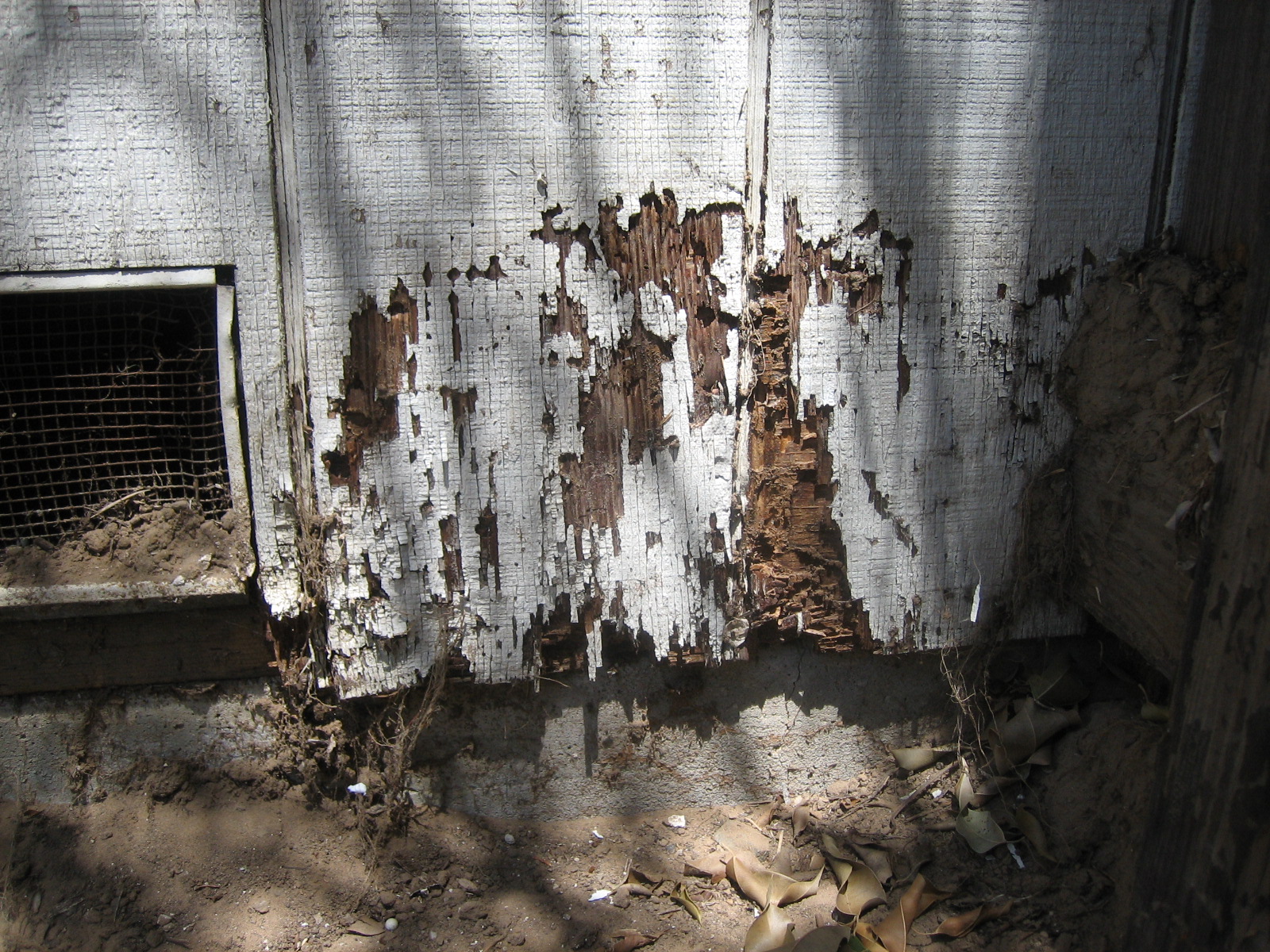
However, the legal burden shifts when representing the buyer. A buyer's broker is not required by New York law to conduct an independent inspection of a property to discover material defects. While you must advise your buyer to hire a professional home inspector, you are not legally expected to crawl under a foundation with a flashlight to uncover hidden termite damage yourself.
The Strict Mechanics of Advertising
Every time you draft a property description, post on social media, or hammer a sign into the dirt, you are engaging in commercial speech regulated by the state.
- A real estate broker is legally prohibited from making deceptive representations in advertising to the public.
- A real estate salesperson must accurately represent the salesperson's licensure status in all public advertising. You cannot call yourself an "Associate Broker" if you hold a salesperson's license.
- A real estate salesperson must not place a 'For Sale' sign on a property without the property owner's explicit consent.
Crucially, because you are merely an extension of your broker, the public must always know exactly which firm stands behind you. A real estate salesperson must include the name of the salesperson's sponsoring broker or brokerage in all real estate advertising.
Blind Advertising: Any real estate advertisement that fails to include the broker's or brokerage's name is legally defined as a blind ad. Blind advertising is strictly prohibited in New York. If you run an ad that just says, "Great 3-bedroom house, call 555-1234," you are violating license law.
Escrow and Commingling
Imagine a client hands you an earnest money deposit—a check for $25,000. This is not your money. This is not the brokerage’s money. It is money held in trust.
A real estate broker must keep all escrow funds and client monies in a separate trust account to avoid commingling.
Commingling of client funds with a real estate broker's personal or business operating funds is a strict violation of New York license law. Mixing a client's escrow check with the account used to pay the brokerage's electric bill or agent commissions is legally equivalent to mixing drinking water with industrial runoff. It taints the capital and is grounds for immediate license revocation.
Real estate deals generate mountains of paperwork, and the state requires you to preserve the archaeology of every transaction.
Record Retention
If a legal dispute arises over a closed property, the state will demand the files.
- A real estate broker must retain real estate transaction records and documents for a minimum of three years.
- This requirement is expansive. A real estate broker must maintain written records of all real estate listings obtained by an associated salesperson.
- Additionally, a real estate broker must maintain written records of all sales and transactions effected by an associated salesperson.
Because these records belong to the broker (who holds the ultimate legal liability), you do not own your files. A real estate salesperson must turn over all real estate transaction documents to the sponsoring broker upon leaving the brokerage. You cannot take your listing agreements or client folders to your new firm.
Education and the Path to Broker
Licensure is not a static achievement; it requires continuous maintenance. A real estate licensee must complete 22.5 hours of approved continuing education every two years to maintain an active license in New York.
Because the state continuously seeks to ensure equitable housing access, the curriculum is highly specific: Real estate continuing education in New York must include at least 3 hours of Fair Housing instruction and 2 hours of implicit bias training.
Finally, what if you want to become the grid yourself? What if you want to hold licenses, manage escrows, and sponsor agents? To upgrade from a salesperson to a broker, you must demonstrate extensive, full-time experience in the trenches. A real estate salesperson must work under the supervision of a broker for at least 35 hours per week for 50 weeks a year to qualify for a broker's license (accumulating enough transaction points as mandated by the Department of State).
By mastering these rules, you do more than just pass an exam. You understand the foundational mechanics of a multi-billion dollar industry. You realize that every form you sign, every ad you place, and every disclosure you make is an essential link in the chain that connects you to your broker, protects the public, and upholds the integrity of New York real estate.