Sales Contract Provisions
Not sure you’re ready?
Take the ~3-minute readiness diagnostic and see where you stand.
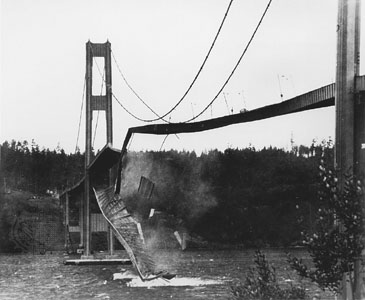
A real estate contract is not merely a record of a sale; it is the physical blueprint for a high-stakes transfer of risk, liability, and physical matter. When a buyer agrees to trade a massive sum of capital for a plot of land and the structures upon it, the intervening time between agreement and execution is filled with profound legal instability. The sales contract acts as a suspension bridge across this gap. If a single structural component fails—if the boundary is poorly described, if the exact moment of risk transfer is ambiguous, or if an escape hatch like a loan contingency is improperly calibrated—the entire transaction plunges into litigation. Mastering the provisions of this contract is equivalent to an engineer understanding tensile strength: it is the fundamental physics of the real estate profession.
To have a transaction at all, you must first construct a flawless foundation. A valid real estate sales contract requires the legal names of all competent parties involved in the transaction. If a party lacks legal competence, the bridge collapses before it is even built. Furthermore, the contract must include a legally acceptable description of the property boundaries and location. You cannot sell "the house with the red door on Elm Street" because physical reality changes; doors are painted. The contract must lock onto the exact mathematical and legal coordinates of the earth being transferred.

To make this agreement legally enforceable, the real estate sales contract must be signed by all participating parties. Without those signatures, you are holding a piece of theoretical paper, not a binding obligation.
The Mechanics of Capital: Terms of Payment and Escrow
Money is the kinetic energy of a real estate deal. The contract harnesses this energy through the terms of payment clause, which explicitly outlines the total agreed purchase price. But it goes deeper—this clause also specifies the exact required down payment amount the buyer will bring to the table.
When a buyer puts down an earnest money deposit to demonstrate serious intent, that money does not go directly into the seller's pocket. It is placed into an escrow account, which is a specialized trust account used to hold funds safely until the real estate transaction closes.
New York Practice Note: In New York, earnest money deposits are typically held in an escrow account by the seller's attorney. The attorney acts as the neutral gravitational center holding the capital securely while the legal machinery of the deal turns.
When someone buys real estate, they do not buy a blank slate; they buy a piece of the world with all its pre-existing invisible strings. A "subject to" provision in a real estate contract lists the existing encumbrances that the buyer agrees to accept along with the title.
A buyer taking title "subject to" is essentially saying, "I accept this property with these specific historical attachments." A "subject to" provision can include:
- Existing mortgages (in rare assumption scenarios)
- Utility easements (acknowledging the power company has the right to run lines across the backyard)
- Municipal zoning restrictions (accepting that local laws dictate how the property can be used)
In engineering, you design fail-safes. In real estate, you design contingencies. A contingency is a specific condition that must be met before a real estate contract becomes legally binding. If the condition fails, the hatch opens, and the parties can escape the contract safely.
The Mortgage Contingency
Most buyers do not have a million dollars sitting in checking; they require leverage. A mortgage contingency clause allows a buyer to cancel a real estate contract if the buyer cannot secure financing. Crucially, if the deal collapses due to a financing failure, this clause allows a buyer to recover the earnest money deposit.
However, a mortgage contingency cannot be a vague "if I get a loan" statement. It must be a highly calibrated mechanism. To protect both parties, a mortgage contingency explicitly states:
- The required loan amount the buyer must secure.
- The maximum interest rate the buyer is willing to accept (because a buyer shouldn't be forced into an exorbitant 15% interest rate just because a predatory lender offered it).
- A strict deadline by which the buyer must obtain a formal loan commitment letter.
Buyers cannot use this clause maliciously. A buyer is legally required to make a good faith effort to obtain a mortgage when a contract includes a loan contingency clause. You cannot sign a contract, refuse to submit your tax returns to the bank, and then claim "financing failed."
The Property Inspection Contingency
Similarly, a property inspection contingency allows the buyer to cancel the real estate contract if professional inspections reveal unacceptable defects. It ensures the buyer isn't forced to purchase a structure rotting from the inside.
How exactly must the property look on the day it changes hands? The condition of property clause establishes the physical state in which the seller must deliver the real estate to the buyer at closing.
Standard New York real estate contracts require the seller to deliver the property vacant at closing. Furthermore, the standard dictates the property must be delivered in "broom swept" condition. It does not need to be surgically sterilized, but it must be entirely cleared of debris and swept clean.
Disclosures and "As Is" Conditions
Sometimes, a seller refuses to do any work. An "as is" clause indicates the buyer agrees to purchase the property in the property's current physical condition. This clause fundamentally shifts the burden, as it relieves the seller of any obligation to make physical repairs to the property before closing.
Yet, "as is" does not mean "hide the truth." Sellers face strict disclosure laws:
- Lead-Based Paint: Disclosure provisions are mandatory in sales contracts for residential properties built before 1978 due to federal law.
- Property Condition: The New York Property Condition Disclosure Act requires sellers of one-to-four-family residential properties to provide a specific disclosure statement to buyers, detailing known defects.
- Crucial 2024 Update: Historically, sellers could choose to simply pay a $500 credit to the buyer at closing in lieu of providing this property disclosure statement. However, effective March 20, 2024, New York eliminated the seller's option to pay this $500 credit. Providing the Property Condition Disclosure Statement is now strictly mandatory for these properties.
What Stays and What Goes?
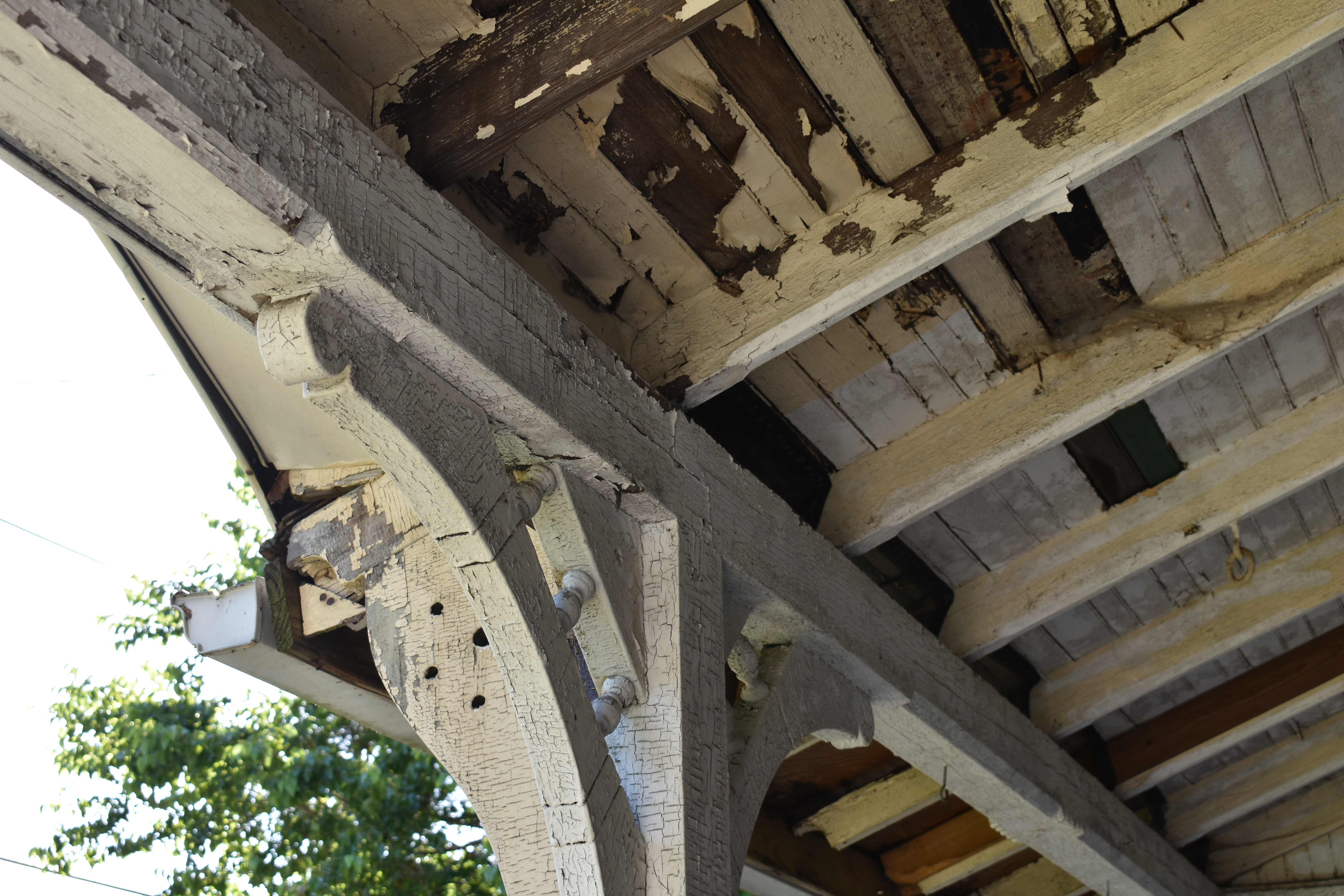
The line between the real estate (which stays) and personal property (which goes) can blur. To prevent fistfights over chandeliers on closing day, a real estate sales contract typically details any specific fixtures that the seller intends to remove before closing (e.g., a sentimental dining room light fixture). Conversely, the contract explicitly lists any specific items of personal property included in the sale transaction (e.g., the patio furniture or the specific stainless steel refrigerator).
The ultimate destination of the contract is the closing date, the precise moment legal ownership transfers. A real estate contract specifies a target closing date for transferring the property title to the buyer. But time in real estate can be elastic or rigid, depending on the language used.
| Phrasing | Legal Reality |
|---|---|
| "On or about" | This language allows either the buyer or the seller a reasonable amount of additional time (usually around 30 days) beyond the target date to complete the transaction without being in breach of contract. |
| "Time is of the essence" | This clause legally compels the buyer and seller to close the transaction on the exact date specified in the contract. Missing this deadline by a single day constitutes a breach of contract. |
Who Bears the Risk?
Imagine lightning strikes the house three days before closing. Who pays? A risk of loss clause determines which party bears financial responsibility if the real estate is damaged between the contract signing and the closing date.
By default, the Uniform Vendor and Purchaser Risk Act governs this perilous window. It places the risk of property damage firmly on the seller until the title passes to the buyer. However, there is a fascinating physical caveat: the Act transfers the risk of property damage to the buyer as soon as the buyer takes physical possession of the property, even if title hasn't legally passed yet. If you move in early, you carry the risk.
Additionally, financial responsibilities that span the closing date—like municipal levies—must be divided fairly. Therefore, a real estate sales contract must outline the specific apportionment of property taxes between the buyer and seller, ensuring each pays strictly for the days they owned the asset.
During negotiations, a seller might verbally promise to leave their riding lawnmower. If it is not in the contract, does the buyer get the lawnmower? No.
A merger clause is the contract's protective event horizon. It explicitly states that the written real estate contract constitutes the entire agreement between the buyer and seller. By doing so, a merger clause legally invalidates any prior oral agreements not explicitly written into the final real estate contract. It also legally invalidates any prior written promises not explicitly incorporated into the final real estate contract. If it isn't in the final document, it effectively never happened.
What Happens When Things Fall Apart?
Contract default provisions outline the legal remedies available to either the buyer or the seller if the opposing party fails to fulfill contract obligations.
The most prominent of these is the liquidated damages clause. If the buyer simply gets cold feet and walks away, abandoning their contractual duties, the liquidated damages clause allows the seller to retain the buyer's earnest money deposit as compensation. It is a predefined penalty for wasting the seller's time and taking the property off the market.
If the boilerplate contract requires modifications to fit a unique deal, the parties use a rider. A rider is a supplementary document attached to a real estate contract to add specific customized provisions (e.g., a rider detailing the terms of a seller post-closing occupancy).
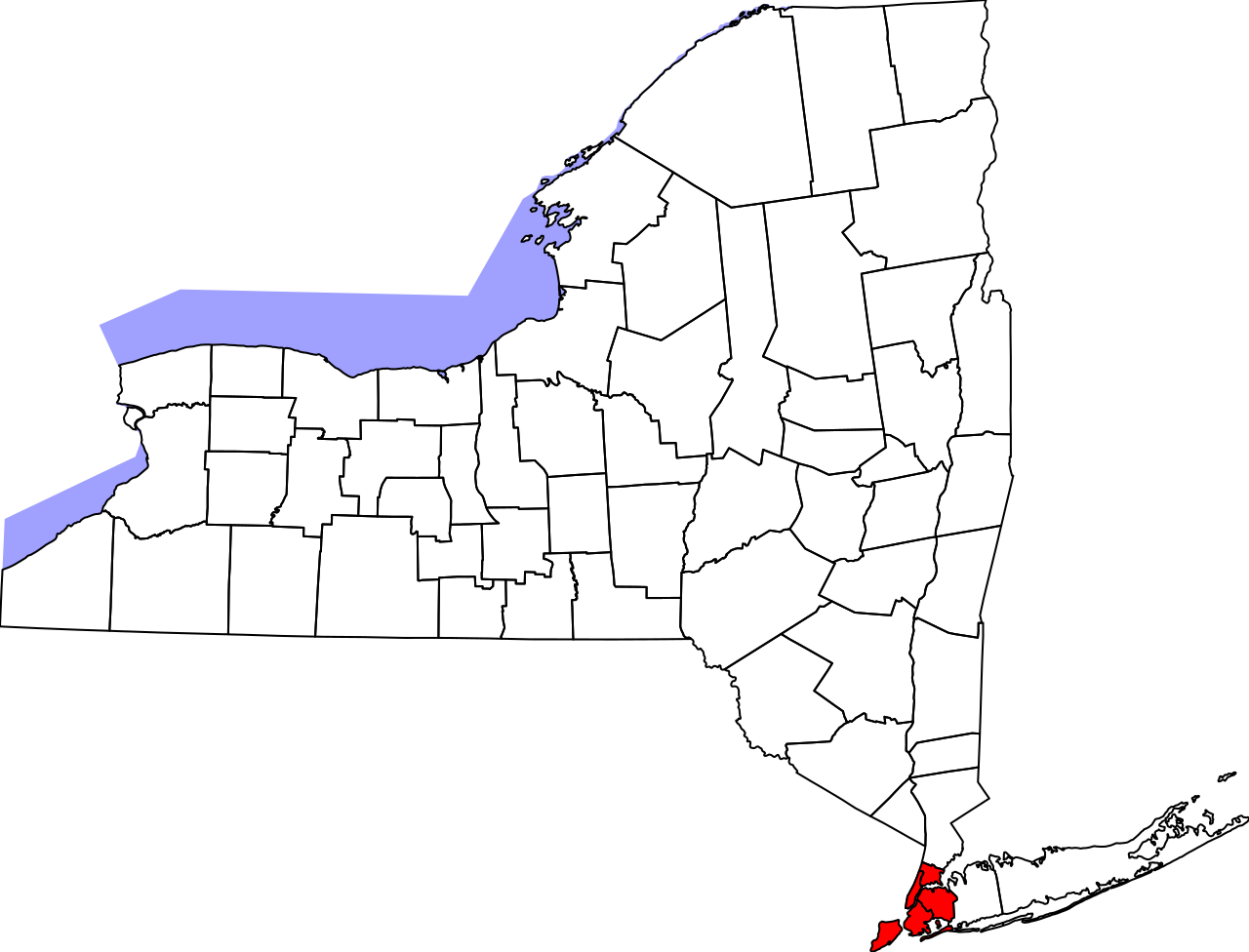
In New York, the very drafting of the contract is subject to geographic culture.
In many upstate New York regions, real estate agents prepare the initial contract. Because agents are not lawyers, these contracts are submitted subject to an attorney approval clause. This clause allows a specified number of days for the legal representatives of the buyer and seller to review and cancel the contract if they find the legal terms unsatisfactory.
In stark contrast, in downstate New York (including New York City and Long Island), agents do not draft the agreements. Instead, real estate contracts are typically drafted directly by the seller's attorney rather than by a real estate agent. The attorneys negotiate the fine print before the buyer ever sets pen to paper, making the attorney approval clause effectively obsolete in the downstate workflow.
By deeply understanding these provisions—from the flow of escrowed capital to the exact phrasing that dictates the speed of a closing—you cease to be a mere tour guide of houses. You become a master of the mechanism, capable of safely guiding your clients across the perilous bridge of property transfer.