Binders and Purchase Offers
Not sure you’re ready?
Take the ~3-minute readiness diagnostic and see where you stand.
When a prospective buyer stands in a sunlit living room and declares to the seller, "I love it, I will give you $750,000 for this house," they have created nothing more than a vibration in the air. In the physical, emotional world, two human beings have reached an understanding. In the eyes of New York real estate law, absolutely nothing has happened.
The transition of real property—a fixed, immovable, and highly valuable asset—demands a level of empirical certainty that human memory and handshakes simply cannot provide. This fundamental friction between human eagerness to "close the deal" and the law's demand for absolute permanence is managed through a highly choreographed sequence of documentation. To navigate this space as a real estate salesperson is to operate the machinery that translates a fleeting human desire into an enforceable transfer of land.

If you master the instruments of this translation—binders, purchase offers, and the unyielding rules of the Statute of Frauds—you protect your clients, safeguard your license, and ensure your transactions actually cross the closing table.
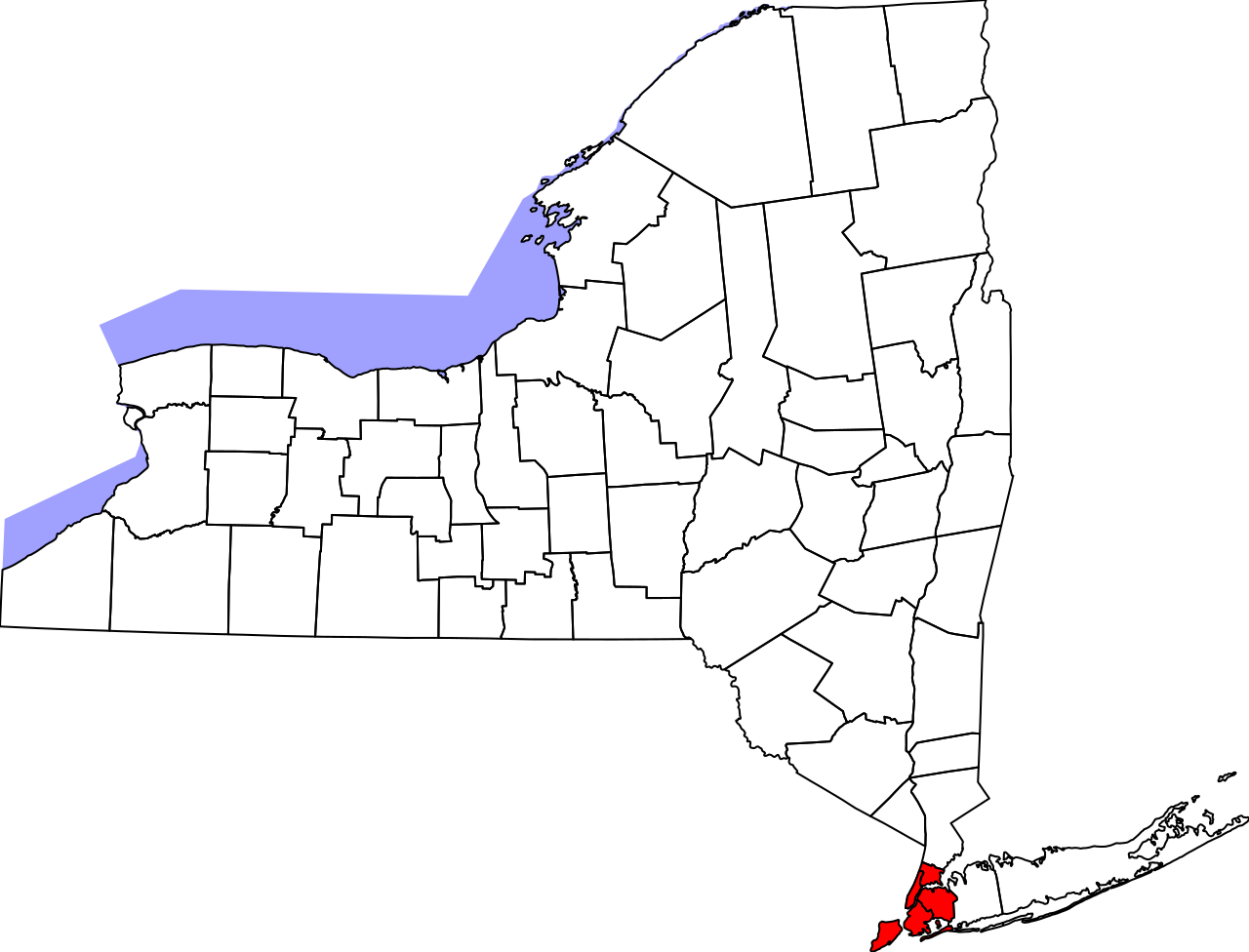
New York is a geographically and legally bifurcated state when it comes to initiating a real estate transaction. How you paper a deal in Manhattan or Long Island is fundamentally different from how you paper a deal in Syracuse or Buffalo. We must understand both the downstate "binder" and the upstate "purchase offer."
The Downstate Dance: The Binder
In downstate New York (New York City, Long Island, and the lower Hudson Valley), the bridge between a verbal agreement and a formal legal contract is a document called a binder.

Think of a binder as a written manifestation of serious intent. A binder is a preliminary agreement used to secure a real estate property before drafting a formal contract. To prove that the buyer is not just window shopping, a binder typically includes a small monetary deposit to demonstrate the buyer's good faith (often a few hundred to a few thousand dollars).
However, you must clearly explain to your client what this document is—and more importantly, what it is not. In downstate New York, a binder is generally treated as a non-binding agreement to agree rather than a formal contract. It does not legally force the seller to sell or the buyer to buy. Because it lacks this binding permanence, a binder deposit is fully refundable if the parties fail to execute a formal contract of sale. If the deal falls apart the next day, the buyer gets their good-faith money back.
So, why use it at all? Because a binder serves to outline the basic transaction terms agreed upon by the buyer and seller—the price, the closing date, the included appliances, and basic financing contingencies. Once signed, the basic terms outlined in a real estate binder are forwarded to the respective real estate attorneys.
At this point, your job as the salesperson is to pass the baton. A real estate attorney uses the agreed-upon binder terms to draft the formal contract of sale.
The Upstate Reality: The Purchase Offer
Cross into upstate New York, and the legal environment shifts dramatically. Here, real estate professionals bypass the preliminary binder and move directly to a purchase offer, which is a document submitted by a buyer proposing specific terms for acquiring a property.
Here is the critical distinction: In upstate New York, a signed purchase offer often functions as the binding contract of sale upon seller acceptance.
When your buyer signs this document, they are pulling the pin on a legal grenade. If the seller signs it, a legally binding contract is instantly formed. Because a salesperson is directly facilitating the creation of a binding contract without an attorney present at the table, the law requires a safety valve. Upstate New York purchase offers prepared by real estate licensees must include an attorney approval contingency clause.
The Attorney Approval Contingency An attorney approval contingency allows legal counsel to review and cancel the purchase offer within a specified timeframe (usually 3 to 5 business days). This ensures that while the real estate agent facilitates the rapid formation of the deal, the lawyers still get the final look to protect the clients' legal rights.
Offer, Counteroffer, and Acceptance
Whether dealing with a formal contract or a purchase offer, the mechanics of mutual agreement follow strict rules.
Acceptance of a purchase offer occurs when the seller signs the document without making any changes. The law calls this the "mirror image rule." The acceptance must perfectly reflect the offer.
What happens if a seller loves the $500,000 price but crosses out the June 1st closing date and writes in June 15th? Any modification to a purchase offer by the seller constitutes a counteroffer rather than an acceptance.
By changing that date, the seller has effectively done two things simultaneously:
- They have made a new offer to the buyer.
- They have destroyed the buyer's original offer. A counteroffer automatically terminates the original purchase offer. The seller cannot change their mind tomorrow and say, "Okay, we'll do June 1st after all," because the June 1st offer no longer exists.
| Feature | Downstate Binder | Upstate Purchase Offer |
|---|---|---|
| Legal Status | Non-binding "agreement to agree." | Binding contract upon seller acceptance. |
| Deposit | Small good-faith deposit; fully refundable. | Earnest money deposit, subject to contract terms. |
| Next Steps | Sent to attorneys to draft the actual contract. | Is the contract; sent to attorneys for review via contingency. |
As a real estate salesperson, your daily environment brings you dangerously close to the practice of law. You are constantly dealing with contracts, contingencies, and legal descriptions. Yet, you are not a lawyer. Real estate licensees must avoid the unauthorized practice of law when handling binders and purchase offers.
Crossing this line is one of the fastest ways to lose your license. For example, if a buyer tells you, "I want to buy this house, but only if my uncle can retain the right to park his boat in the driveway for the next ten years," you might be tempted to draft a paragraph legally defining this arrangement. Stop immediately. Real estate licensees cannot draft custom legal clauses for insertion into binders or purchase offers.
The exact boundaries of what you can do were established in a landmark judicial ruling. The Duncan and Hill Realty versus Department of State court decision established rules for New York licensees filling out contract forms.
To keep business moving without requiring an attorney to sit in the passenger seat of your car, the Duncan and Hill decision permits licensees to fill in blanks on pre-printed real estate purchase offers. However, you cannot just download any form off the internet. Pre-printed purchase offers filled out by licensees must be approved by a recognized joint committee of the bar association and realtors.
When you use an approved form, you act as a scribe, filling in dates, names, and dollar amounts. The moment you start writing custom legal sentences, you are practicing law without a license.
We return to our buyer making a verbal $750,000 offer in the living room. Why does the law completely ignore this? Because of a legal concept dating back to 1677 England, designed to stop people from lying in court about land deals.
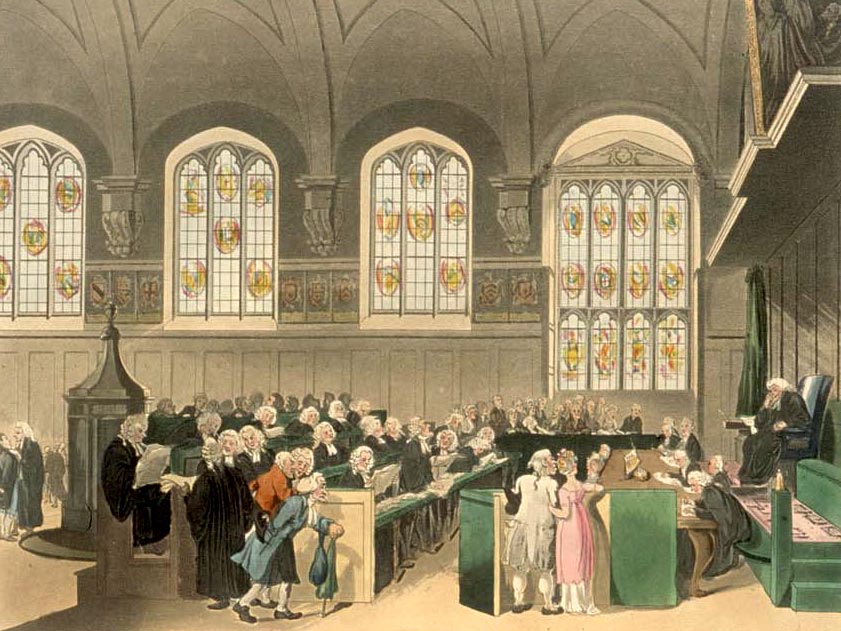
In our state, the New York Statute of Frauds is codified in the General Obligations Law.
The fundamental purpose of the Statute of Frauds is to prevent fraudulent claims concerning the transfer of real property interests. Before this rule, a person could hire three friends to falsely testify that you verbally agreed to sell your farm to them, and the court might be forced to believe them. The Statute of Frauds eliminates this by demanding empirical proof.
Consequently, the Statute of Frauds requires all contracts for the sale of real estate to be in writing to be legally enforceable. A handshake means nothing. A recorded phone call means nothing. An oral contract for the sale of real estate is completely unenforceable under the Statute of Frauds.
The Anatomy of an Enforceable Writing
To satisfy the Statute of Frauds, a written document doesn't need to be a 50-page printed booklet. Historically, it could be written on a napkin, provided it meets three strict criteria:
- A written real estate contract must clearly identify the contracting buyer and seller to satisfy the Statute of Frauds.
- A written real estate contract must adequately describe the subject property to satisfy the Statute of Frauds. (A legal description or a highly specific address).
- A written real estate contract must state all essential terms and conditions of the sale to satisfy the Statute of Frauds. (Most notably, the price).
The "Party to be Charged"
Perhaps the most universally misunderstood concept by real estate students is who actually has to sign the document.
The Statute of Frauds requires real estate contracts to be signed by the party to be charged.
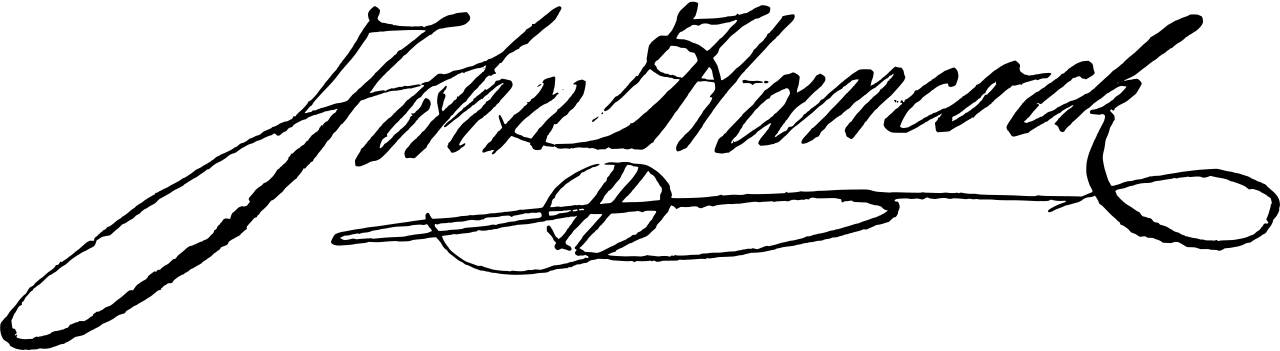
Who is that? The party to be charged is the individual against whom enforcement of the real estate contract is sought.
Imagine a scenario: The seller signs a written promise to sell their home to the buyer for $500,000, but the buyer never signs it. A week later, the seller changes their mind and refuses to sell. Can the buyer sue the seller to force the sale? Yes. The buyer is seeking to enforce the contract against the seller. The seller is the "party to be charged." Because the seller's signature is on the document, the Statute of Frauds is satisfied against them.
Now reverse it: Can the seller sue the buyer to force them to buy? No. The seller is trying to enforce the contract against the buyer, making the buyer the "party to be charged." But the buyer never signed it, so the seller has no legally enforceable claim.
Rule of thumb: You can only enforce a real estate contract against someone if you have their signature.
The Statute of Frauds applies to almost every transfer of an interest in real estate, but there is a highly specific, highly practical exception regarding rentals.
The Statute of Frauds requires real estate leases for a period exceeding one year to be in writing. If you are negotiating a two-year commercial lease for a retail client, or an 18-month residential lease, it absolutely must be in writing.
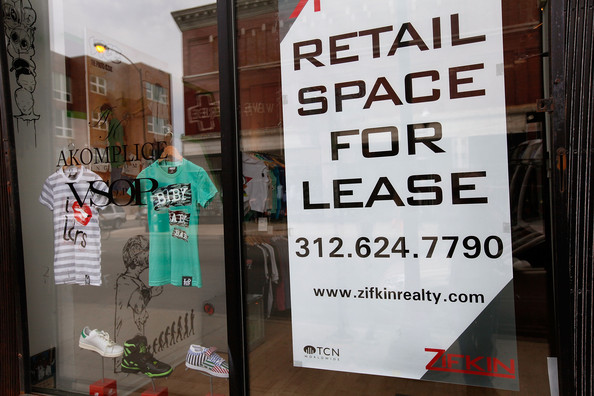
However, an oral real estate lease for a period of exactly one year or less is legally enforceable in New York.
Why? Because the courts recognized that low-stakes, short-term arrangements (like month-to-month room rentals or a standard one-year apartment lease) happen quickly and frequently. While relying on an oral lease is a terrible business practice that you should actively discourage as an agent, if a landlord verbally agrees to let a tenant rent an apartment for exactly 12 months for $2,000 a month, that is a valid, enforceable legal agreement in New York State.
As you step into the field, remember that your primary tool is clarity. Understand where you are operating—downstate binders requiring formal contracts versus upstate purchase offers requiring attorney contingencies. Know your boundaries—fill in the blanks, but never act as a lawyer under the Duncan and Hill doctrine. And always, always get it in writing, because under the General Obligations Law and the Statute of Frauds, if it isn't written down, signed by the party to be charged, and complete with essential terms, it is nothing more than a vibration in the air.