Use and Area Variances
Not sure you’re ready?
Take the ~3-minute readiness diagnostic and see where you stand.
A client stands on an empty corner lot in a residential zone, pointing to where they intend to construct a mixed-use commercial space. Another client points to a strictly enforced twenty-foot boundary line, frustrated that it prevents them from adding a master suite to their aging colonial. In both scenarios, the absolute letter of municipal zoning law prohibits the client's vision. Yet, real estate is rarely absolute. To navigate the space between rigid municipal codes and a property owner's ability to utilize their land, we rely on a specific legal relief valve: the variance. Understanding the mechanics of how and why municipalities grant these exceptions is what separates a passive order-taker from an elite real estate professional capable of rescuing a complex transaction.
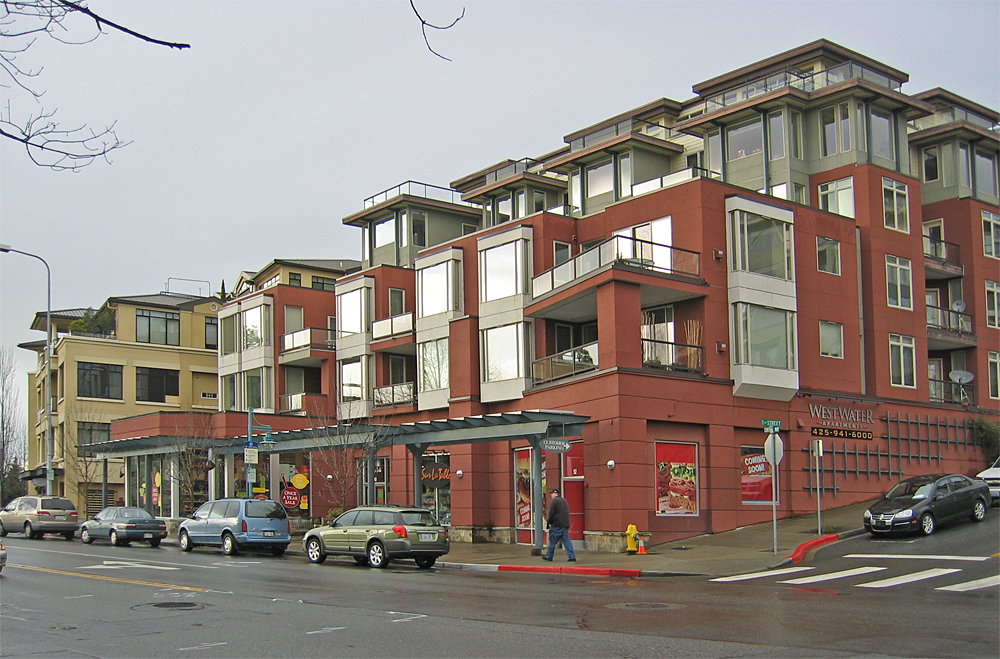
Before we can bypass a rule, we must understand who enforces it and what it regulates. In New York, local zoning ordinances dictate the rhythm and structure of a municipality. They separate industrial noise from residential quiet, and they control the density of populations to ensure municipal services are not overwhelmed.

When these zoning rules apply too harshly to a specific parcel of land, the property owner cannot simply ignore them. They must appeal to a specific governing body. A local Zoning Board of Appeals (ZBA) holds the legal authority to grant use variances in New York municipalities. Similarly, a local Zoning Board of Appeals holds the legal authority to grant area variances in New York municipalities. The ZBA acts as the localized judicial body of zoning, interpreting the code and deciding when exceptions are legally justified.
To the ZBA, all zoning regulations fall into two distinct categories: Use and Area.
- Use regulations dictate the purpose of the land (e.g., residential, commercial, industrial).
- Dimensional requirements dictate the physical geometry of the property. Dimensional requirements in zoning laws include physical property constraints like minimum building setbacks, maximum building heights, and minimum lot sizes.
Because the nature of these two regulations is vastly different, the legal tests to bypass them are equally distinct.
Let us begin with the more common of the two: the area variance. An area variance permits a property owner to build or alter a structure in a way that violates the dimensional requirements of current municipal zoning laws.
Imagine a client who wants to build a deck, but the town requires a 15-foot minimum setback from the rear property line. The client's ideal deck would push that setback to 10 feet. The client isn't trying to open a nightclub in a residential zone; they simply want to alter the physical footprint of their structure.
The Legal Standard: To obtain an area variance in New York, the applicant must demonstrate practical difficulty.
"Practical difficulty" implies that strict application of the zoning law creates a physical or geometric hurdle that prevents the owner from reasonably utilizing the property. To determine if a practical difficulty exists, New York state law requires zoning boards to use a five-factor statutory balancing test to evaluate area variance applications.
The statutory balancing test for an area variance weighs the benefit to the applicant against the detriment to the health, safety, and welfare of the neighborhood. The ZBA must place the homeowner's desire for a deck on one side of the scale, and the neighborhood's need for space, light, and safety on the other.
The Five-Factor Balancing Test
When representing a buyer whose purchase hinges on securing an area variance, you must prepare them to argue these five specific factors in front of the ZBA:
- Neighborhood Character: The first factor for evaluating an area variance assesses whether the variance will produce an undesirable change in the character of the neighborhood. If every house on the block has a sprawling, open backyard, a structure that eats up the entire property line might be deemed undesirable.
- Feasible Alternatives: The second factor for evaluating an area variance assesses whether the benefit sought by the applicant can be achieved by a feasible alternative method. Can the client build the deck on the side of the house instead of the rear, thereby avoiding the variance altogether? If an alternative exists without requiring a variance, the board will likely reject the application.
- Proportionality: The third factor for evaluating an area variance assesses whether the requested variance is mathematically or proportionally substantial. Asking to reduce a 15-foot setback to 14 feet (a roughly 6% variance) is minor. Asking to reduce a 15-foot setback to 2 feet (an 86% variance) is tremendously substantial and harder to justify.
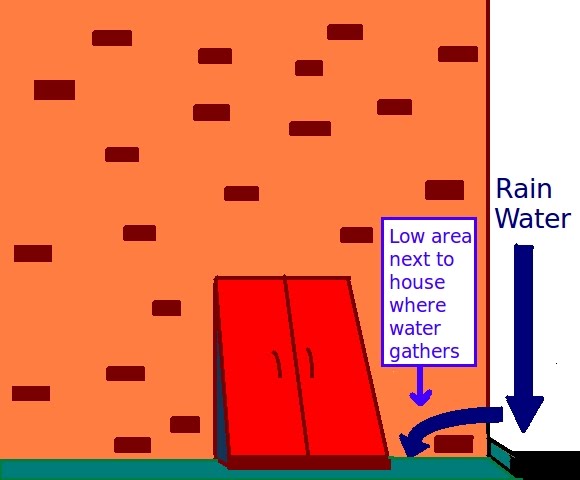
- Physical and Environmental Impact: The fourth factor for evaluating an area variance assesses whether the variance will have an adverse effect on the physical conditions in the neighborhood, as well as whether it will have an adverse effect on the environmental conditions in the zoning district. Will building this structure alter the water runoff and flood the neighbor's basement? Will it block out the sun or destroy a protected tree canopy?
- Self-Created Difficulty: The fifth factor for evaluating an area variance assesses whether the alleged practical difficulty was self-created by the property owner. For instance, if a buyer purchases a lot knowing it is too small to fit their desired home design, the difficulty is self-created. However—and this is a critical distinction in New York law—a self-created difficulty does not automatically preclude a zoning board from granting an area variance. It is simply one weight on the balancing scale, not an automatic disqualifier.
While an area variance asks to bend a physical boundary, a use variance asks to rewrite the fundamental identity of the land. A use variance permits a property owner to use land for a purpose prohibited by current municipal zoning laws.
If a client wishes to convert a single-family residential home into a commercial tire-repair shop, they require a use variance. Because this fundamentally alters the zoning blueprint of a municipality, the ZBA guards use variances fiercely.
The Legal Standard: To obtain a use variance in New York, the applicant must prove the existence of an unnecessary hardship.
Notice the shift in language. We have moved from "practical difficulty" (a friction of geometry) to "unnecessary hardship" (a severe economic deprivation). Proving an unnecessary hardship requires the variance applicant to satisfy four specific statutory criteria under New York state law. Unlike the area variance's balancing test—where a failure on one factor might be outweighed by success on others—a use variance applicant must rigorously satisfy all four of these criteria.
The Four Statutory Criteria for Unnecessary Hardship
If you are brokering a commercial deal contingent on a use variance, your client's legal counsel must prove every single one of the following:
1. Total Economic Deprivation
The first criterion for proving unnecessary hardship requires the applicant to demonstrate a deprivation of all economic use or benefit from the property. It is not enough for the client to argue, "I could make more money if I opened a tire shop here." They must prove that under the current zoning, the property is economically useless. Furthermore, the deprivation of all economic use for a use variance application must be established by competent financial evidence. The ZBA will not accept mere verbal complaints; they require hard financial data—appraisals, profit-and-loss statements, and contractor estimates demonstrating that no permitted use can yield a reasonable return.
2. Uniqueness of the Hardship
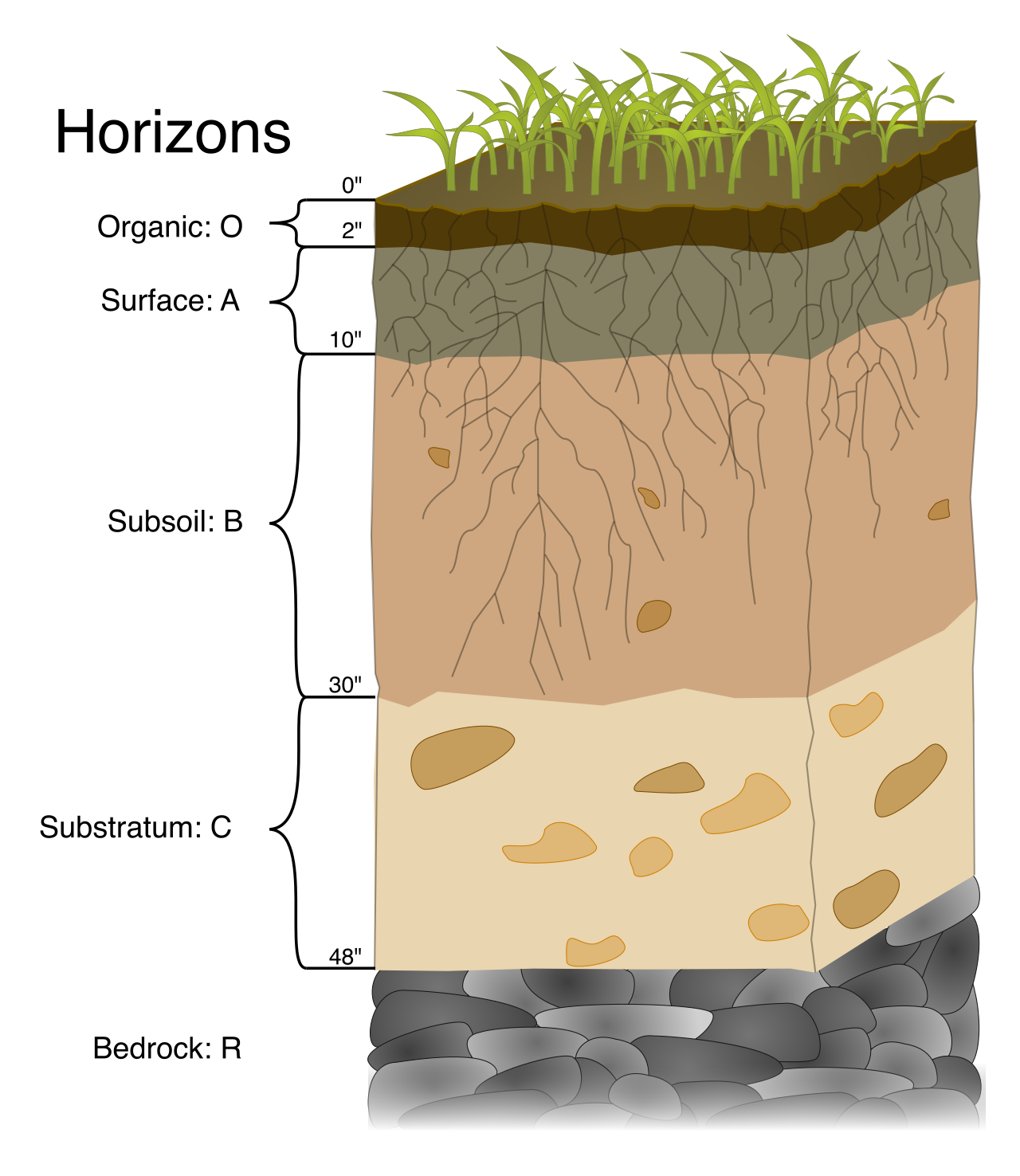
The second criterion for proving unnecessary hardship requires that the alleged hardship is unique to the specific property. The physical conditions causing the economic ruin must be specific to this one plot of land—perhaps a massive, unmovable bedrock outcropping makes residential construction financially impossible. If the entire street suffers from the same poor soil conditions, the ZBA cannot grant a variance. A hardship shared by a substantial portion of the local neighborhood cannot justify the granting of a use variance. In such cases, the remedy is not a variance for one person, but a legislative rezoning of the entire neighborhood by the town council.
3. Preservation of Neighborhood Character
The third criterion for proving unnecessary hardship requires that the requested use variance will not alter the essential character of the neighborhood. Even if a property is economically useless as a residential lot, the ZBA will not allow a toxic chemical plant to open next to a kindergarten. The proposed alternative use must still harmonize with the surrounding ecosystem.
4. Not Self-Created (The Fatal Flaw)
The fourth criterion for proving unnecessary hardship requires that the alleged hardship has not been self-created by the property owner. In area variances, a self-created difficulty is just one factor in a balancing test. In use variances, a self-created hardship is fatal to the application.
What constitutes a self-created hardship? Purchasing a property with prior knowledge of existing zoning restrictions constitutes a self-created hardship in the context of a use variance. If your buyer closes on a residentially zoned parcel with the dream of petitioning the ZBA to open a commercial warehouse, their application will be denied the moment the board realizes they bought the property knowing it was residential. The hardship was entirely manufactured by the buyer's own investment decision.
When walking a property with a client who proposes altering a building or changing its function, an elite agent instantly categorizes the hurdle.
| Feature | Area Variance | Use Variance |
|---|---|---|
| Relief Requested | Dimensional requirements (setbacks, height, lot size) | Purpose of the land (residential, commercial, industrial) |
| Legal Standard | Practical Difficulty | Unnecessary Hardship |
| Evaluation Method | 5-Factor Balancing Test | 4 Strict Statutory Criteria |
| Financial Burden | Weighs neighborhood impact | Requires competent financial evidence of total deprivation |
| Self-Created Impact | A factor, but not an automatic denial | Automatic denial if the hardship was self-created |
You are not an attorney, and you will not argue before the ZBA on your client's behalf. However, your ability to identify whether a client is facing a "practical difficulty" or an "unnecessary hardship" prevents catastrophic investments. If a buyer mentions buying a property to change its use, and you understand that purchasing with knowledge is a self-created hardship, you can advise them that a use variance is virtually impossible, saving them millions of dollars and establishing yourself as a deeply knowledgeable real estate professional.