Local Enforcement
Not sure you’re ready?
Take the ~3-minute readiness diagnostic and see where you stand.
Imagine selling a high-performance engine to a pilot, but nobody has checked if the fuel lines leak, if the bolts are torqued, or if the design even belongs in an aircraft. In real estate, the property boundary and the deed represent the theoretical idea of ownership, but the physical reality of the structure—its safety, its impact on the environment, and its legal right to exist—must be relentlessly verified. This verification is the domain of local enforcement. Municipalities do not simply trust that a builder knows best; they deploy building departments, health boards, and local courts to actively bridge the gap between theoretical plans and physical reality. For a real estate professional, understanding these local enforcement mechanisms is not merely a matter of legal trivia; it is the fundamental difference between facilitating a seamless transfer of wealth and watching a client unwittingly purchase a legally paralyzed liability.
Before a shovel strikes the earth or a sledgehammer hits a wall, the municipality must be involved. We often think of property rights as absolute, but those rights are heavily subordinated to public safety.
Local building departments issue building permits prior to the commencement of construction or major property alterations. Why? Because the municipality must review the architectural plans to ensure that the proposed physical reality will not collapse, catch fire, or violate the zoning code.
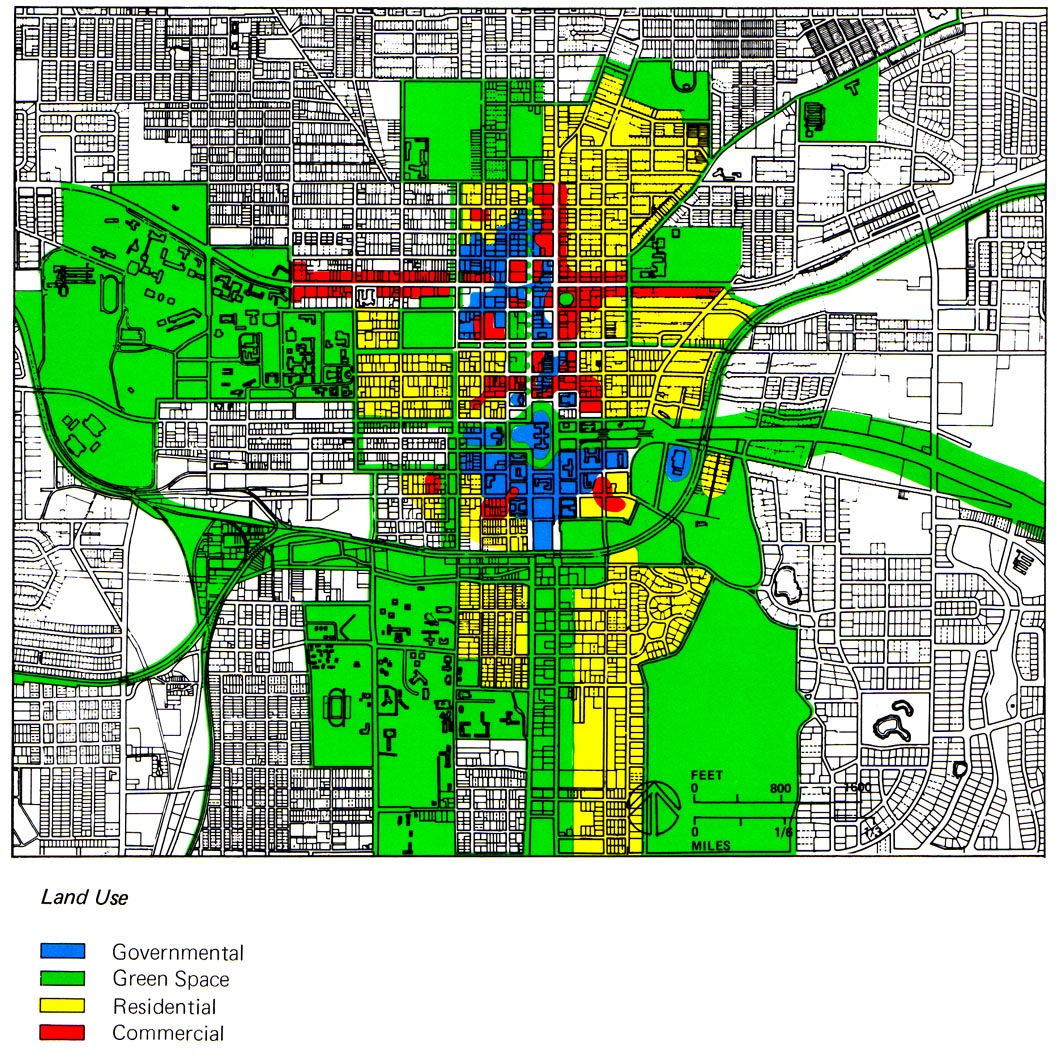
Once the permit is granted, the work begins, but the oversight does not end. Building inspectors conduct on-site inspections at critical phases of construction (such as foundation pouring, framing, and electrical rough-ins). Their primary job is to verify compliance with the New York State Uniform Fire Prevention and Building Code. This is the master rulebook governing structural integrity, fire safety, and energy efficiency.

Why this matters for your clients: If a seller tells your buyer, "We just finished the basement," your immediate internal question must be: "Was a permit pulled?" Unpermitted work was never inspected by a building inspector, meaning there is zero municipal guarantee that the wiring won't cause a fire.
What happens when property owners ignore the rules? Municipalities employ code enforcement officers, individuals armed with the policing power to maintain the integrity of local regulations.
Local code enforcement officers issue notices of violation to property owners who breach zoning ordinances or property maintenance codes. If a homeowner builds a multi-story addition right on the property line—violating the required zoning setbacks—the code enforcement officer will step in. Unresolved building code violations can result in the municipality levying severe financial penalties against the property owner.
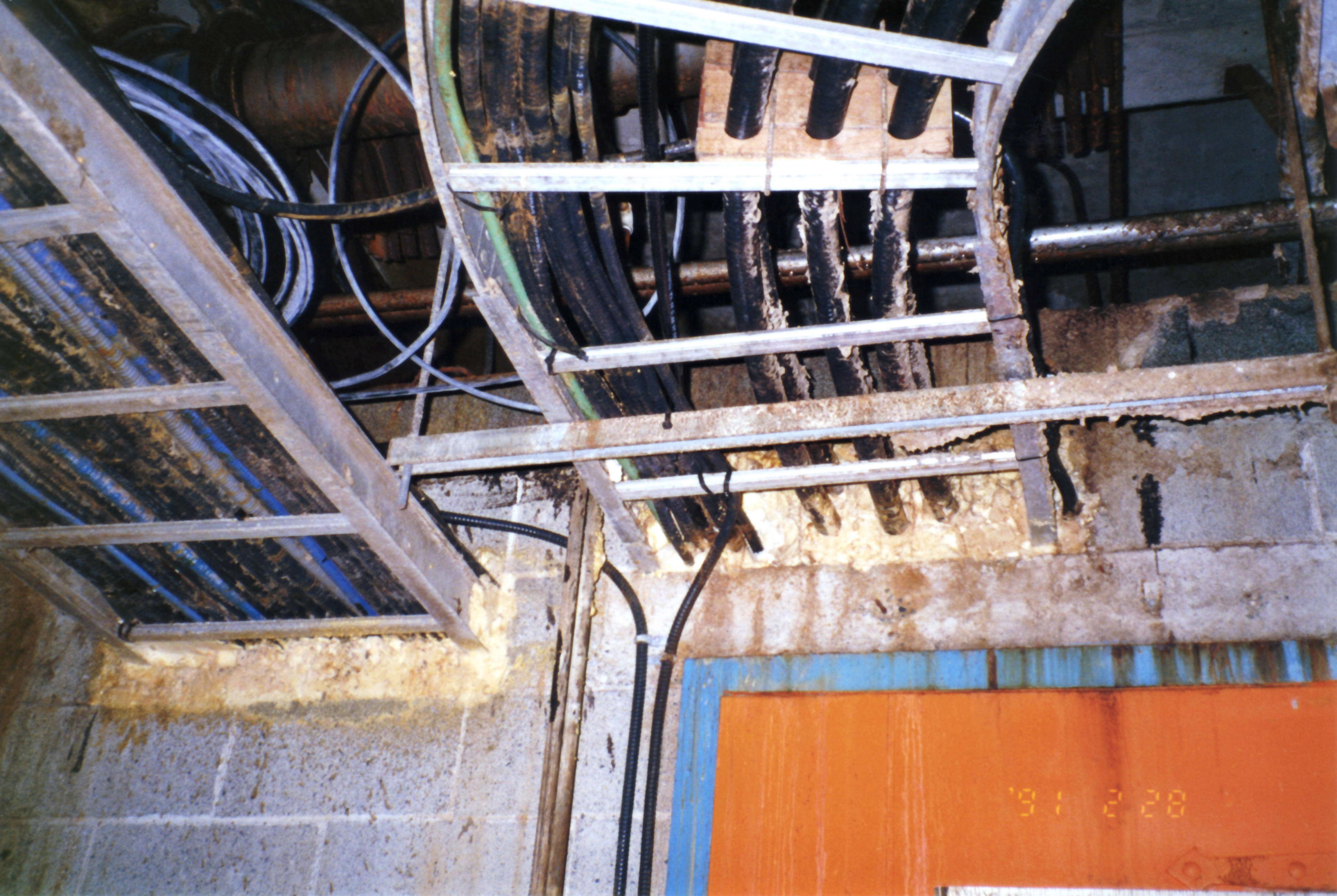
When a situation is actively dangerous or blatantly illegal, code enforcement officers possess the legal authority to escalate the situation by issuing a stop-work order on non-compliant construction sites.
Stop-Work Order: A legal directive that immediately halts all building activities on a property until the property owner resolves the cited code violations. A stop-work order physically freezes a site. Hammers drop. Saws turn off.
If a property owner defiantly ignores a stop-work order or refuses to pay fines, the municipality must seek judicial intervention. Local courts possess the jurisdiction to adjudicate disputes regarding local zoning and building code violations. To force compliance, a municipality can petition a local court for an injunction to immediately compel a property owner to cease an illegal land use. If an injunction is granted, violating it is contempt of court—moving the issue from a simple municipal fine to a severe legal penalty.
For an aspiring real estate salesperson, the most critical piece of paper at the closing table—besides the deed and the check—is the proof that a building is legally habitable. Lenders will not fund a mortgage without it.
The local building department issues a Certificate of Occupancy (CO) upon the satisfactory completion of a final building inspection.
Here is how the municipal paperwork breaks down depending on the scope of the project:
| Document | What It Does | Common Scenario |
|---|---|---|
| Certificate of Occupancy (CO) | Certifies that a building is safe for habitation and complies with all applicable local zoning and building codes. | A brand-new single-family home is completed, inspected, and ready for its first buyer to move in. |
| Temporary Certificate of Occupancy (TCO) | Allows partial use of a building for a limited time while minor non-safety issues are resolved. | The house is structurally sound and safe, but winter weather prevents the builder from pouring the final asphalt driveway. The buyer can move in on a TCO, expiring in 90 days. |
| Certificate of Compliance | Issued by a building department for completed property alterations that do not require a new Certificate of Occupancy. | A homeowner legally adds a deck or installs a new swimming pool. The overall use of the house hasn't changed, but the specific addition is certified safe. |
Before a single lot is sold in a new development, the raw land must be tamed. Physics always wins—water flows downhill, and heavy soil requires robust roads. Managing the interaction between raw land and new development is the domain of the town engineer and professional municipal engineers.
When a developer wants to turn a 50-acre farm into a 100-home neighborhood, municipal engineers step in to review the proposed subdivision plans. Their job is to ensure there is adequate road, water, and sewer infrastructure to support the sudden influx of hundreds of residents.

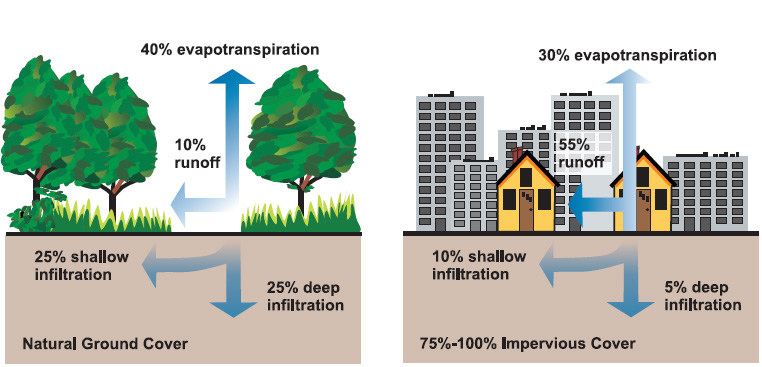
Furthermore, professional municipal engineers evaluate stormwater management plans to prevent flooding in new real estate developments. When you pave over 50 acres of soil with concrete and asphalt, rainwater no longer absorbs into the earth; it runs off. Without engineered retention ponds and drainage systems, that water will flood neighboring properties.
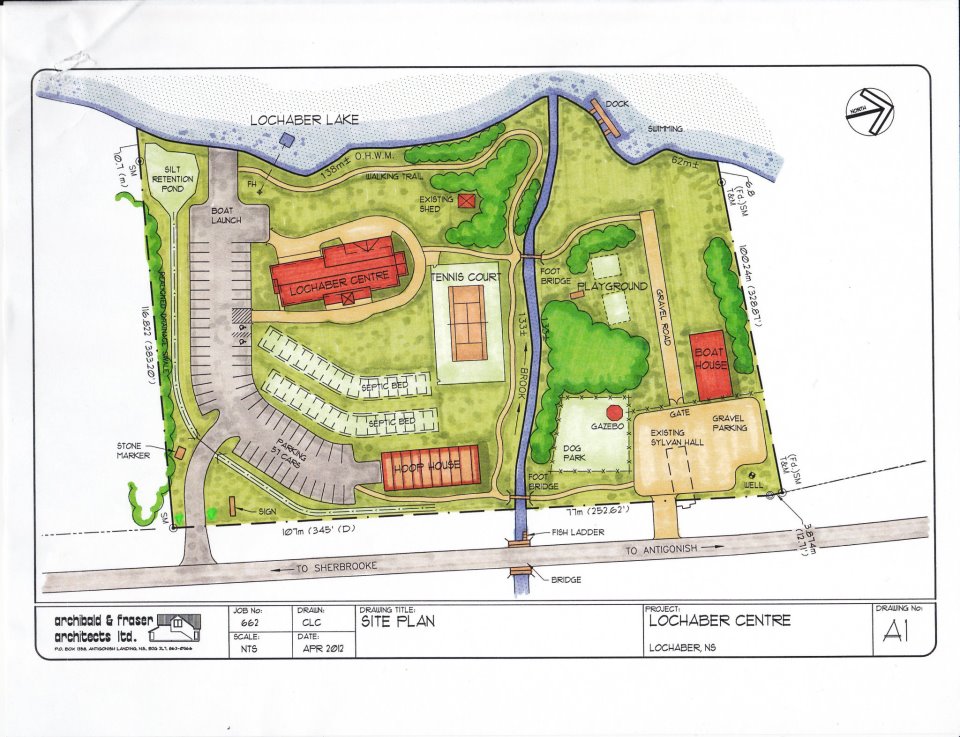
Because local planning boards are often comprised of volunteer citizens, the town engineer provides critical technical advisory services to the local planning board during the review of complex site plan applications.
Finally, when the developer finishes building the roads and sewer lines inside the new subdivision, they usually "dedicate" them to the town (meaning the town takes over maintenance and snowplowing). Municipal engineers verify that public infrastructure improvements dedicated by developers meet established structural and safety standards before the municipality accepts the liability.
While building departments govern the physics of a structure, the biology of human habitation is governed by the health department. Local Boards of Health enforce municipal and state sanitary codes to protect public health and environmental safety.
If your clients are buying property in a rural or suburban area without municipal water and sewer lines, the local health department becomes the most important regulatory body in your transaction.
Soil and Septic Systems
When a property lacks access to municipal sewers, human waste must be safely treated on-site. The local health department must approve the design and installation of private residential septic systems.
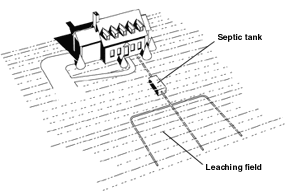
To determine if the land can even support a septic system, the local health department mandates percolation tests (often called "perc tests"). A perc test determines soil suitability for septic system drainage fields by measuring how quickly water drains through the soil.
- Why this matters: If the soil is dense clay, water won't drain. The bacteria won't filter. The perc test fails. If the perc test fails, a septic system cannot be installed. If a septic system cannot be installed, the lot is functionally unbuildable.
Water Quality
Similarly, you cannot sell a home as a livable structure if the water is toxic. The local Board of Health oversees the testing and approval of private drinking water wells for residential properties. They ensure the well is properly cased, adequately distanced from the septic field, and free of dangerous bacteria and heavy metals.
Commercial Food Service
If you expand your career into commercial real estate, you will frequently deal with the health department. Municipal health departments regulate the sanitary conditions and health code compliance of commercial food service establishments. Before a client can sign a lease and open a restaurant, the health department must inspect the kitchen layout, grease traps, and refrigeration capabilities to ensure compliance with stringent public health codes.
Summary for the Real Estate Professional
You are the conductor of the transaction. You do not need to perform the percolation test, pour the concrete, or calculate the stormwater runoff. But you absolutely must know who oversees these elements. When a title search reveals an open permit, you must know to call the building department. When a buyer wants a rural property, you must ensure the contract is contingent upon Board of Health approval for the well and septic. By understanding local enforcement, you protect your client's $500,000 investment from becoming an uninhabitable, financially devastating mistake.