Uses of Real Property
Not sure you’re ready?
Take the ~3-minute readiness diagnostic and see where you stand.
When a developer stands on an empty lot in the Bronx, they do not just see soil and rock; they are observing a matrix of legal, physical, and economic potential. Real estate is fundamentally the study of human interaction with geography. As a real estate professional, every transaction you facilitate—whether securing a commercial lease for a Manhattan storefront or closing a residential mortgage in a Brooklyn cooperative—relies on understanding exactly what a specific parcel of land can do, how the law restricts it, and the inherent physical and economic laws that dictate its value.
Real property is categorized into different classifications based on the primary use of the land and structures. However, these classifications are not merely theoretical; they form the bedrock of local governance, urban planning, and market valuation. The inherent characteristics of real property are divided into physical characteristics and economic characteristics, both of which operate in tandem to dictate how a property can be utilized and what it is ultimately worth.
Before evaluating the physical dirt or the economic forces acting upon it, we must understand the legal parameters of its use. Real property is not a free-for-all; local government zoning ordinances dictate the legally permissible uses for any given parcel of real estate within a municipality. These zoning laws sort real estate into distinct classifications, ensuring that loud factories are not built next to quiet suburban bedrooms.
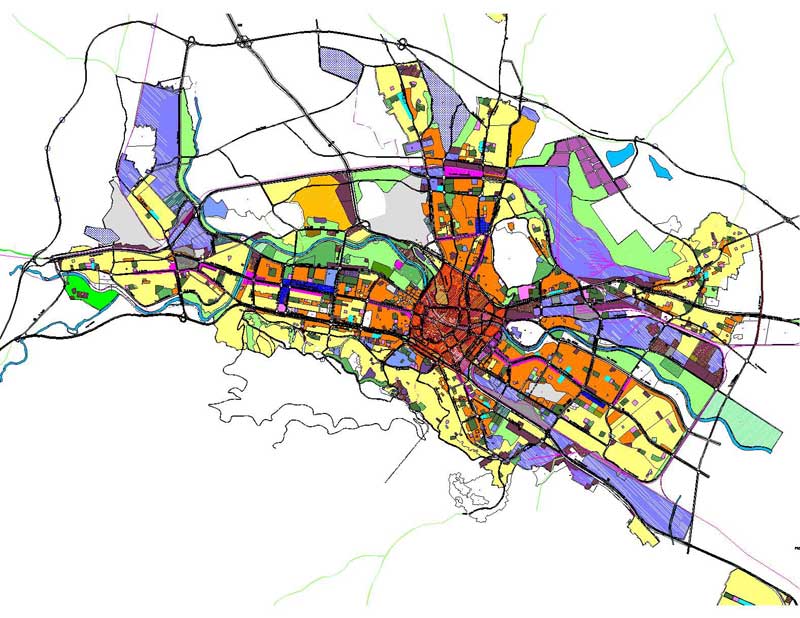
Understanding these classifications is critical for a real estate salesperson, as your fiduciary duties to a client require you to know whether a property is legally viable for their intended purpose.
The Six Core Uses of Real Property
| Classification | Definition & Examples | Why It Matters to You |
|---|---|---|
| Residential | The residential use classification of real property includes single-family homes, multi-family homes, condominiums, and cooperatives. | This is the bread and butter of consumer real estate. You will navigate strict fair housing laws, consumer mortgage financing, and emotional client decisions. |
| Commercial | The commercial use classification of real property includes office buildings, retail stores, parking facilities, and shopping centers. | Driven by return on investment (ROI). Clients care about foot traffic, cap rates, and lease terms. |
| Industrial | The industrial use classification of real property includes warehouses, factories, power plants, and manufacturing facilities. | Valued for utility, access to transportation (highways/ports), and environmental compliance. |
| Agricultural | The agricultural use classification of real property includes farms, orchards, ranches, and timberland. | Governed by soil quality, water rights, and specific agricultural tax exemptions. |
| Special Purpose | Special purpose real estate includes properties like places of worship, schools, cemeteries, hospitals, and government-held lands. | These properties are rarely sold on the open market and are often exempt from traditional property taxes or zoning norms. |
| Vacant Land | Vacant land is a classification of real estate that lacks any buildings or significant man-made structures. | High potential but high risk. Requires deep understanding of zoning laws, utility access, and development costs. |
The Modern Urban Standard: Mixed-Use Property
In dense urban environments like New York City, strict segregation of uses is often inefficient. This is where mixed-use development comes into play. Mixed-use real property incorporates multiple distinct property classifications within a single building or development.
Example in Practice: An example of mixed-use real estate is a building with commercial retail space on the ground floor and residential apartments on the upper floors.
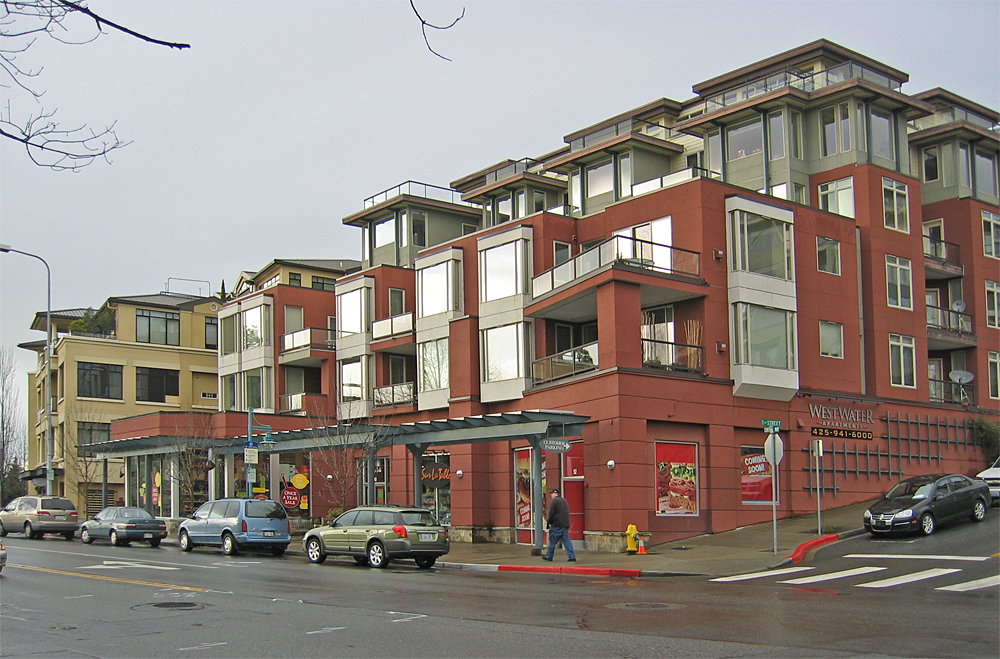
For a real estate professional, selling or leasing a mixed-use building requires a dual competency. You must understand commercial lease structures for the ground-floor coffee shop while simultaneously navigating residential tenant rights for the apartments upstairs.
While laws and zoning can be amended by city councils, the physical nature of land cannot be legislated away. The three physical characteristics of real property are immobility, indestructibility, and uniqueness. These are the physical truths of real estate.
1. Immobility
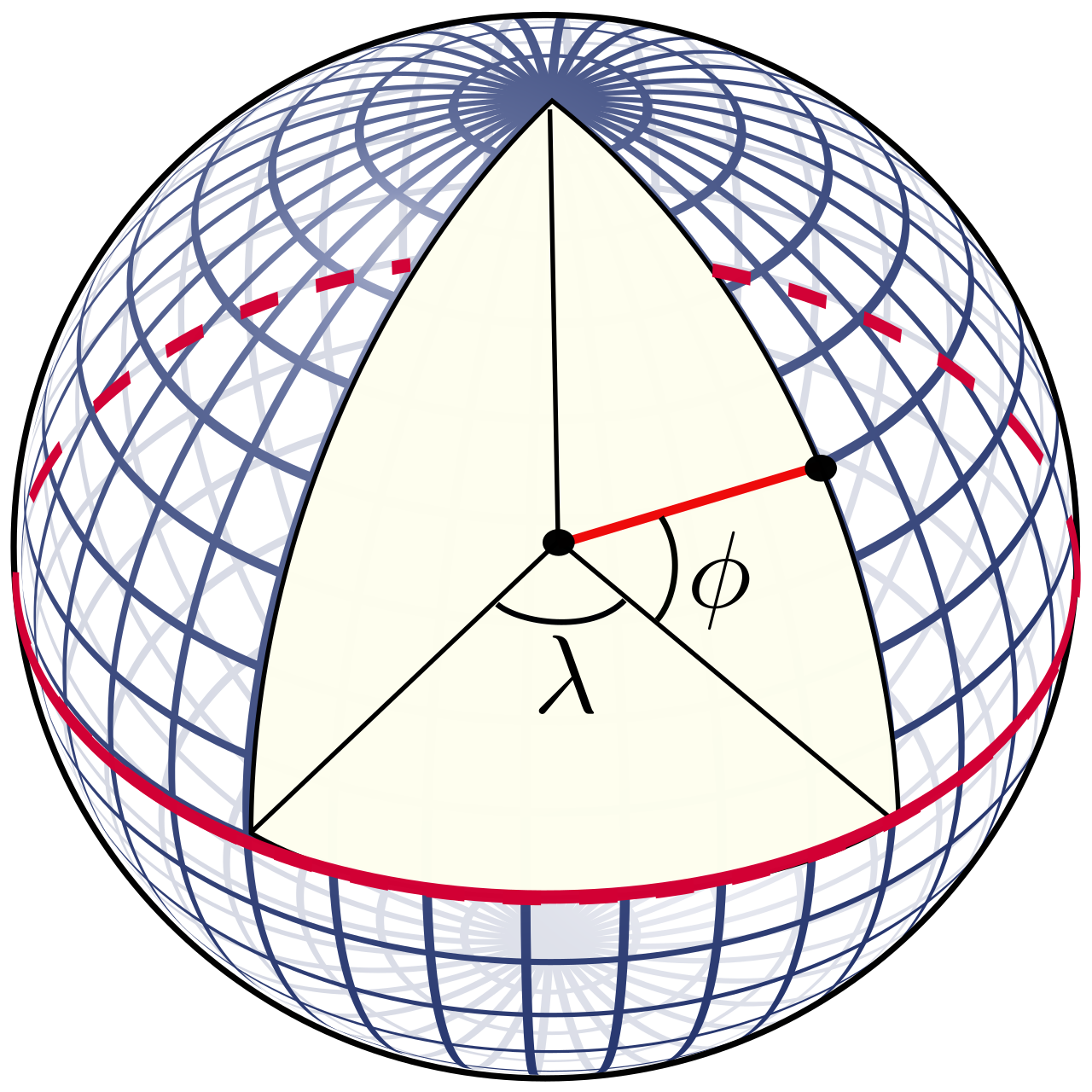
The physical characteristic of immobility dictates that the geographic location of a parcel of land can never be changed. If a client purchases a parcel of land in Albany, they cannot pack it up and move it to Syracuse. Furthermore, the geographic coordinates of a specific parcel of land remain fixed indefinitely regardless of natural disasters or environmental changes. Even if a flood washes away the topsoil or a mudslide alters the terrain, the legal boundaries defined by those exact latitude and longitude coordinates remain firmly intact.
2. Indestructibility
Structures burn down. Houses decay. But the land itself endures. The physical characteristic of indestructibility means that land cannot be permanently destroyed or worn out. You can dig a hole in it, you can pave over it, but the geographic space extending to the center of the earth and up into the atmosphere remains. This permanence is the reason land is rarely insured—property insurance covers the improvements (the house, the warehouse), not the indestructible dirt underneath it.
3. Uniqueness (Non-Homogeneity)
In the eyes of the law, there is no such thing as a "duplicate" piece of real estate. The physical characteristic of uniqueness is legally defined as non-homogeneity. Non-homogeneity dictates that no two parcels of real estate are exactly alike in both geographic location and physical features. Even two identical townhouses sitting side-by-side on the Upper East Side occupy entirely different geographic coordinates, subject to different lighting, different structural settling, and different immediate neighbors.
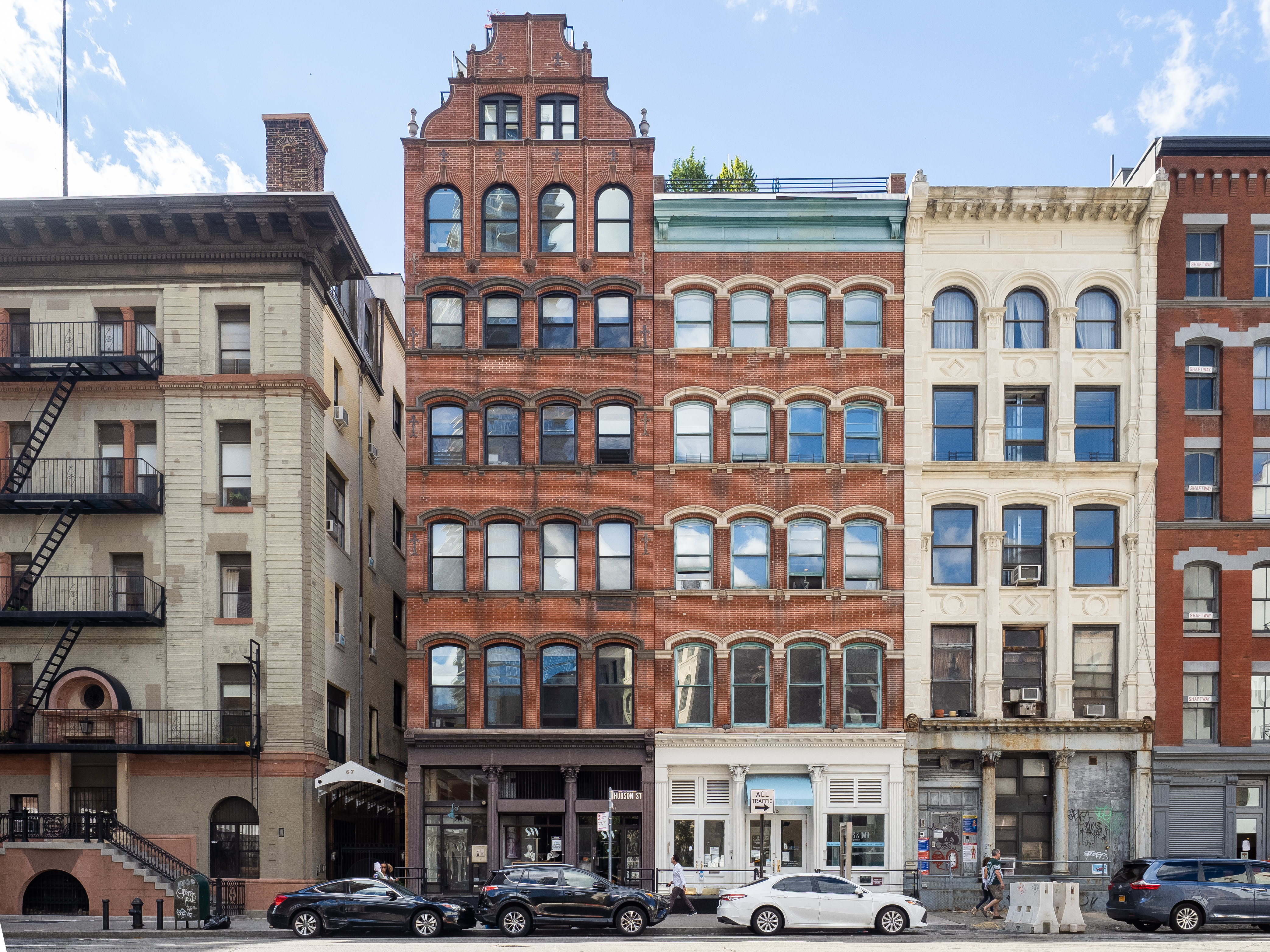
Legal Consequence of Non-Homogeneity: Because every parcel is absolutely unique, the uniqueness of land prevents courts from forcing a buyer to accept a substitute parcel of land in a specific performance lawsuit.
If your client signs a contract to buy 123 Main Street, and the seller attempts to breach the contract and offer 125 Main Street instead, the courts side with the buyer. The seller cannot argue, "It is the exact same house model next door." The law recognizes that 123 Main Street is wholly unique, and specific performance can be utilized to force the seller to hand over that exact piece of property.
If physical characteristics dictate what the land is, the economic characteristics dictate what it is worth. Economics is the study of how human behavior allocates scarce resources. The four economic characteristics of real property are scarcity, improvements, permanence of investment, and situs.
1. Scarcity
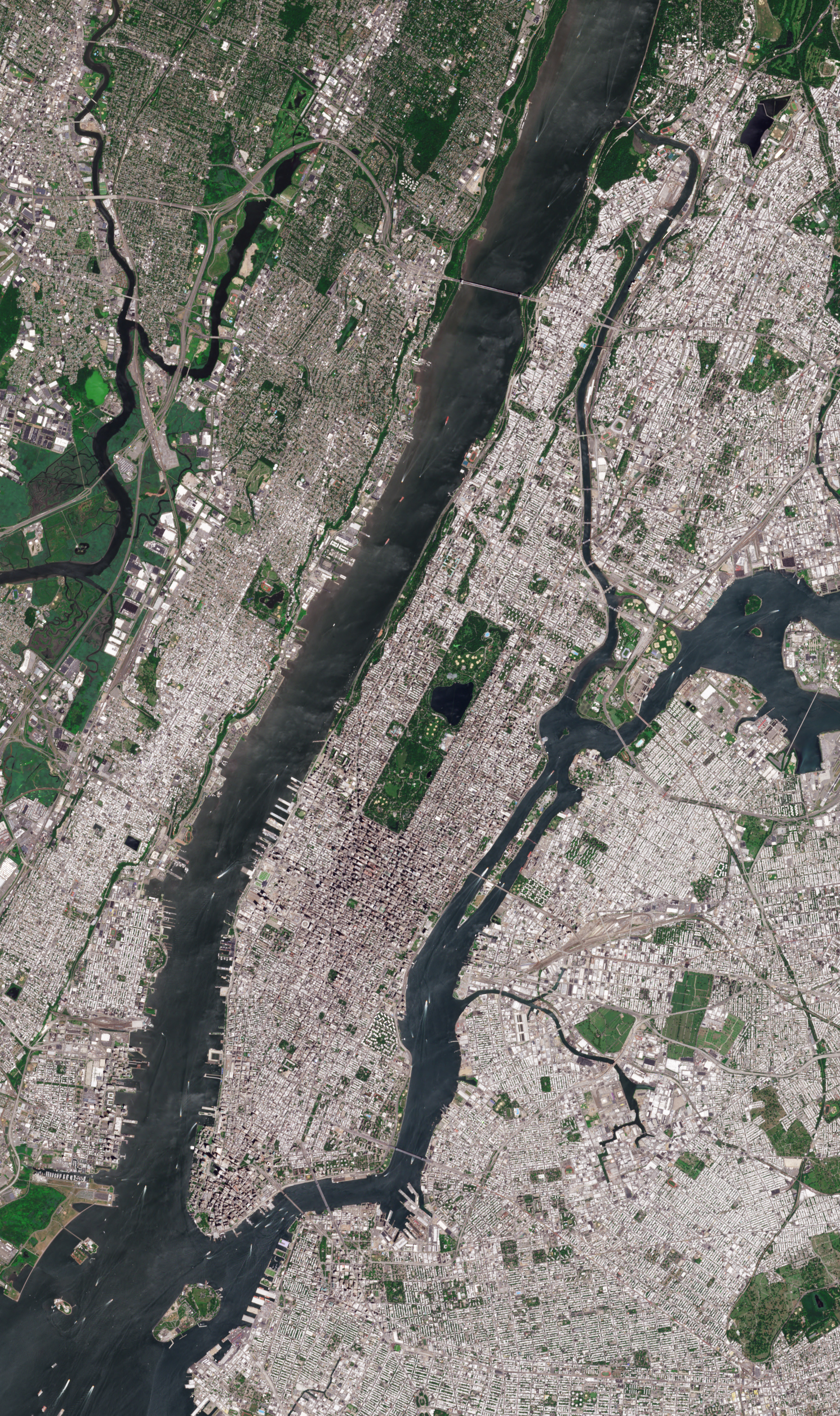
You have likely heard the old adage: "Buy land, they're not making it anymore." This is the essence of scarcity. The economic characteristic of scarcity refers to the limited supply of usable land in a specific geographic location. Manhattan is an island; there is a finite amount of square footage available. As demand to live and work in that specific geographic boundary increases against a scarce supply, prices are forced upward.
2. Improvements
A vacant lot is just a vacant lot until human capital acts upon it. The economic characteristic of improvements dictates that adding structures or modifying a parcel of land directly affects the value of that specific parcel.
However, the power of improvements extends beyond the property line. Real estate exists in an interconnected web. Constructing improvements on one parcel of land can significantly alter the economic value of adjacent neighboring properties.
- Positive impact: A developer transforms an abandoned warehouse into a high-end grocery store. Instantly, the residential property values on the surrounding blocks increase because the neighborhood just became more desirable.
- Negative impact: A municipality approves the construction of a loud, highly-polluting manufacturing plant. The neighboring residential properties will suffer a severe drop in economic value.
3. Permanence of Investment (Fixity)
Real estate is a heavy, slow-moving asset class. Permanence of investment is an economic characteristic of real estate that is also known as fixity.
Permanence of investment refers to the long-term, fixed nature of the capital and labor used to build real estate improvements. When a developer sinks $50,000,000 into constructing a luxury condominium tower, that capital is literally bolted to the ground in the form of steel, concrete, and glass. They cannot liquidate the building with the click of a button.

Consequently, the economic characteristic of permanence of investment means that real estate typically yields slower, less liquid returns compared to other asset classes, like stocks or bonds. Investors park their capital in real estate for stability, tax benefits, and long-term appreciation, accepting the trade-off that their money is effectively "fixed" in place.
4. Situs (Area Preference)
Why does a 500-square-foot studio apartment overlooking Central Park cost more than a sprawling 5,000-square-foot mansion in rural North Dakota? The physical dirt and the wood used to build them do not account for the price disparity. The answer is situs.
Situs is an economic characteristic referring to the human preference for a specific geographic location over another location. Situs is commonly referred to in the real estate industry as area preference (or "Location, Location, Location").

Human beings assign value based on schools, proximity to employment, climate, culture, and views. Because of this, area preference is widely considered the single most significant economic characteristic determining the overall value of a piece of real estate. Your job as a salesperson often boils down to marketing the situs—selling the lifestyle, the commute, and the neighborhood—just as much as you are selling the drywall and the plumbing.