Estates and Interests Overview
Not sure you’re ready?
Take the ~3-minute readiness diagnostic and see where you stand.
When a client purchases a brownstone in Brooklyn or a sprawling estate in the Hudson Valley, they are not simply buying bricks, mortar, and soil. They are acquiring an abstract, invisible framework of legal privileges known as the bundle of legal rights. To the untrained eye, property is a physical object. To the real estate professional, property is a dynamic collection of relationships between the owner, the state, and the rest of the world. Understanding exactly what is being bought, sold, and transferred is the foundational bedrock of real estate law.

To a layperson, "land" and "real estate" are synonyms. In property law, they represent distinct, progressive levels of ownership. We must build our definition from the ground up.
1. Land
Land is legally defined as the earth's surface extending downward to the center of the earth and upward to infinity. It is the raw canvas of nature. The legal definition of land includes naturally attached objects such as trees, boulders, and naturally occurring bodies of water.
2. Real Estate
When human beings interact with land, they alter it. Real estate is defined as land at, above, and below the earth's surface plus all artificial things permanently attached to the land. These artificial attachments to land that turn land into real estate are legally referred to as improvements. A house, a fence, a municipal sewer line, and a paved driveway are all improvements.
3. Real Property
This is the ultimate evolution of ownership. Real property encompasses both the physical real estate and the intangible legal bundle of rights associated with real estate ownership. When you facilitate a closing, your client is ultimately receiving real property: the physical dirt, the artificial improvements, and the legal authority to rule over them.
The Transfer Instrument: Because real property is fixed and profound, it requires a formalized public record of transfer. A deed is the specific legal document used to transfer ownership of real property from one party to another.

The bundle of legal rights is the set of legal privileges of ownership that automatically attach to the ownership of a parcel of real estate. Imagine ownership not as a solid block of stone, but as a bundle of wooden sticks. Each stick represents a distinct, severable right. The bundle of legal rights consists of the right of possession, the right of control, the right of enjoyment, the right of exclusion, and the right of disposition.
- The Right of Possession: This stick grants the property owner the legal authority to physically occupy the property. If you own it, you have the right to be there.
- The Right of Control: This stick allows the property owner to determine how the property is used within the framework of local laws. If your client wants to paint their living room neon green or build a swimming pool (zoning permitted), this right allows it.
- The Right of Enjoyment: This stick ensures the property owner can use the property in any legal manner without third-party interference. "Enjoyment" in the legal sense does not mean having fun; it means experiencing uninterrupted, unharassed dominion over the premises.
- The Right of Exclusion: This stick allows the property owner to legally prevent others from entering or using the property. It is the legal basis for "No Trespassing" signs.
- The Right of Disposition: This stick grants the property owner the authority to sell, will, transfer, or otherwise encumber the property. When a seller signs a listing agreement with your brokerage, they are exercising their right of disposition.

Because land legally extends from the earth's core to the heavens, the law allows owners to slice their property horizontally as well as vertically.
- Surface rights are the specific property rights to use the uppermost layer of the earth.
- Subsurface rights are the legal property rights to extract the natural resources below the earth's surface. Minerals, oil, and gas are common examples of resources governed by subsurface rights.
- Air rights are the legal property rights to use the open space situated directly above a parcel of land.
Why does this matter in daily practice? Because these rights are severable. A property owner can legally transfer subsurface rights to one party while selling surface rights to a completely different party. A farmer in Upstate New York could sell their natural gas subsurface rights to an energy company while simultaneously selling the surface rights to a residential developer. In Manhattan, developers routinely buy the air rights of adjacent low-rise buildings to construct towering skyscrapers.
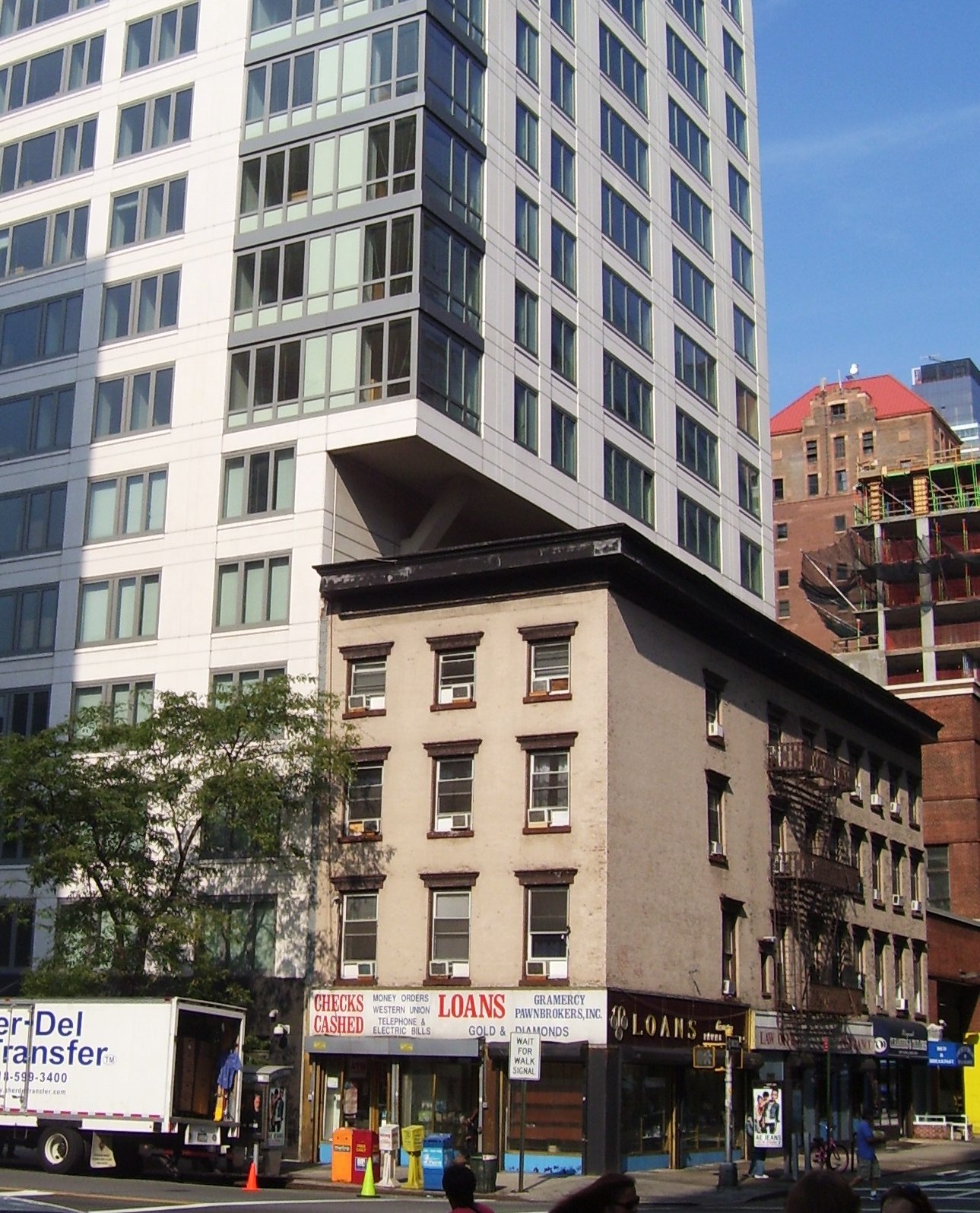
The law categorizes everything your client owns into two buckets: real property and personal property. If a transaction goes to litigation, it is almost always because the buyer and seller disagreed on which bucket a particular item belonged to.
Personal property is movable property that is not permanently attached to the land or the improvements. It goes with the person, not the real estate. Personal property is legally referred to as chattel, and it is also legally referred to as personalty. When your client moves out, they take their personalty with them.
The Transfer Instrument: While real property is conveyed by a deed, a bill of sale is the specific legal document used to transfer ownership of personal property from one party to another. If a buyer wants the seller's ride-on lawnmower included in the purchase, you must draft a bill of sale to accompany the deed.
Nature's Rule: Trees vs. Crops
Even vegetation must be categorized.
- Fructus naturales are plants, trees, and perennial bushes that do not require annual cultivation. Because they are permanent, fructus naturales are legally classified as real property. They transfer with the deed.
- Emblements are annually cultivated crops planted by a tenant or owner (like corn, wheat, or pumpkins). Because they represent the ongoing labor of the planter, emblements are legally classified as personal property. The formal legal term for emblements is fructus industriales. A tenant farmer has the right to return and harvest their fructus industriales even after the property changes hands.

The Physics of Property Law: Severance and Annexation
Matter can change forms, and so can property. Real property can become personal property, and vice versa.
- Severance is the physical act of converting real property into personal property by detaching the property from the land. Cutting down a live tree converts real property into personal property through the process of severance. The moment the saw cuts through the trunk, the real estate becomes a chattel (firewood).
- Annexation is the exact opposite. It is the physical process of converting personal property into real property by permanently attaching the property to the land or improvements. Using loose lumber to build a permanent deck on a house converts personal property into real property through the process of annexation.

When annexation occurs, the newly attached item gets a new legal identity. A fixture is an item of personal property that has been so affixed to land or a building that the item becomes legally classified as part of the real property. Central heating systems and custom-built cabinetry are common examples of fixtures.
Because fixtures are real property, they are automatically included in the sale of a home unless specifically excluded in the contract. But how do we know if a questionable item—like a bolted-down flat-screen TV or an intricate chandelier—is a fixture or just personalty? Courts use three legal tests:
| The Legal Test | How It Works | Practical Context |
|---|---|---|
| 1. The intention of the annexing party | This is a primary legal test used by courts to determine if an item of personal property has become a real property fixture. Did the installer intend for this to be a permanent addition to the home? | If a homeowner installed a $5,000 chandelier but kept the original standard light fixture in a box in the attic, their intention was likely to take the chandelier when moving. |
| 2. The method of attachment | Evaluates how permanently the item is physically attached to the real estate. | Can it be removed without causing damage to the structure? A painting hung by a nail is personal property; custom wallpaper glued to the drywall is a fixture. |
| 3. The adaptation to real estate | Evaluates if the item is custom-made or essential to the function of the real property. | Even if an item is somewhat movable, is it highly tailored? Custom window blinds fitted exactly to a uniquely shaped window are adapted to the real estate and generally considered fixtures. |
Crucial Advice for Salespersons: Never leave fixtures to interpretation. If your seller wants to keep their grandmother's chandelier, instruct them to replace it with a standard fixture before listing the house, or explicitly write its exclusion into the rider of the sales contract.
The rules of fixtures undergo a radical inversion in the world of commercial real estate. Trade fixtures are articles installed by a commercial tenant under the terms of a lease to conduct specific business operations. Examples include industrial ovens in a bakery, dental chairs in a clinic, or customized display racks in a retail boutique.
To protect business operations and encourage commerce, the law dictates that trade fixtures remain the personal property of the commercial tenant despite being attached to the real estate. A commercial tenant is legally permitted to remove trade fixtures before the commercial lease expires.
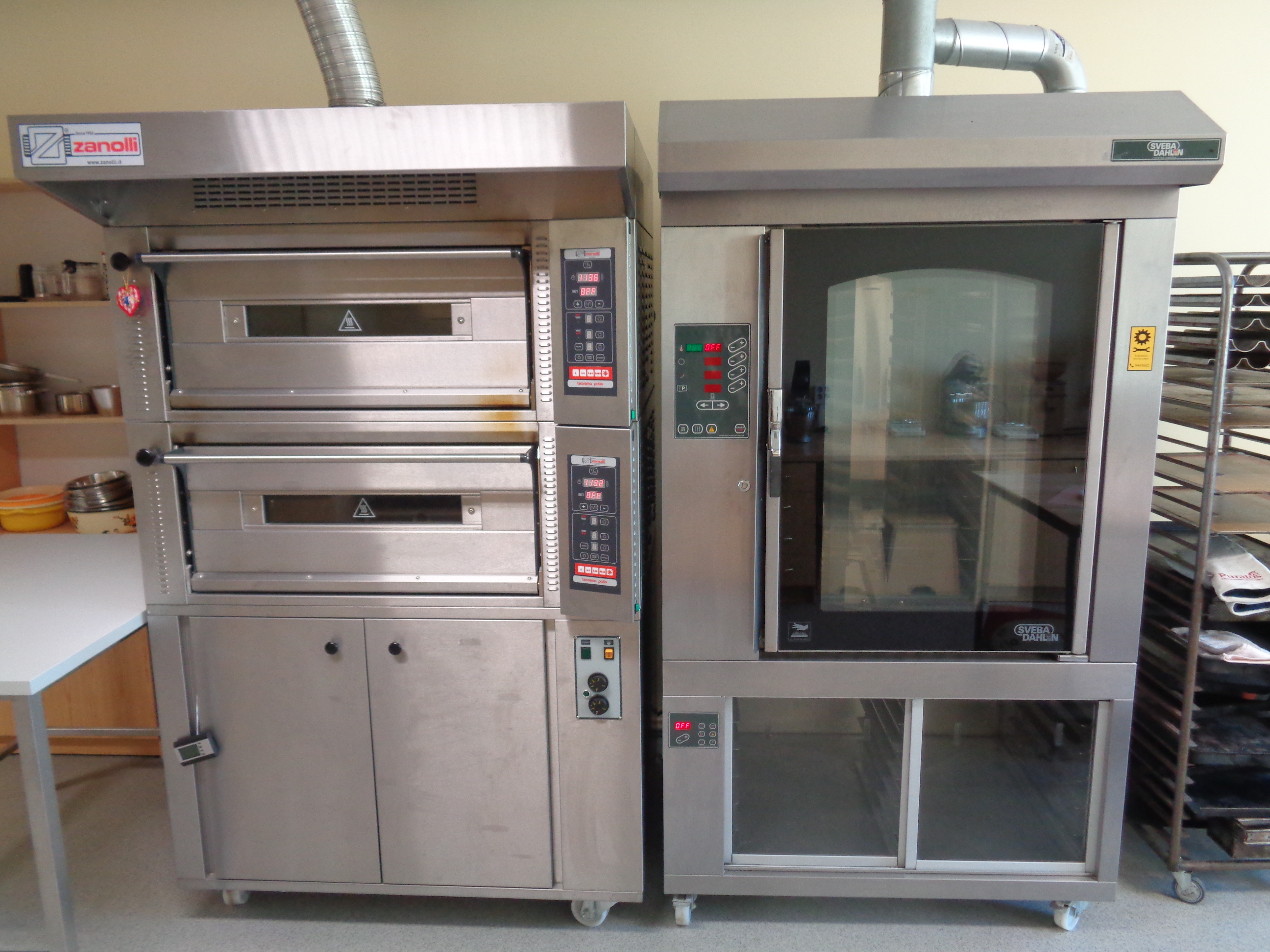
However, this right comes with a strict deadline. If the tenant vacates the premises and leaves the ovens bolted to the floor, they do not remain the tenant's property forever. Accession is the legal process by which a landlord acquires ownership of a commercial tenant's trade fixtures when the tenant abandons the fixtures upon lease termination.
Understanding these distinctions—knowing when a tree is real estate, when a custom cabinet is a fixture, and when an industrial oven is chattel—empowers you to draft precise contracts, protect your clients' assets, and command respect at the closing table.