OH License Law — Advertising, Employment & Compensation
Not sure you’re ready?
Take the ~3-minute readiness diagnostic and see where you stand.
In any functioning real estate market, trust is not an abstract virtue; it is an engineered reality. The Ohio Division of Real Estate constructs this trust by rigidly controlling how information is broadcast to the public and how capital flows between the parties. When a consumer sees a yard sign or hands over a commission check, there can be no ambiguity about who is legally responsible for the transaction. For the aspiring Ohio real estate salesperson, mastering license law is not about memorizing arbitrary rules; it is about understanding the architecture of accountability. Every regulation governing how you advertise, how you associate with a brokerage, and how you get paid serves a single, unyielding purpose: ensuring the consumer is never deceived and the broker is always on the hook.
Advertising is the public face of the real estate profession. In Ohio, the law treats advertising not merely as marketing, but as a binding declaration of identity and liability. When a consumer reads a billboard, a Facebook post, or a mailer, they are essentially reading a legal document.
Identity and the Equal Prominence Rule
In the eyes of the Division of Real Estate, you are precisely who you are registered as. Every real estate licensee must be identified in advertising by the licensee's name as registered with the Ohio Division of Real Estate. You cannot simply decide to go by a nickname without telling the state.
However, the law makes practical allowances for human lives:
- An Ohio real estate licensee may advertise with a preferred first name if the preferred first name is not misleading and is registered with the Ohio Division of Real Estate.
- An Ohio real estate licensee may advertise with a maiden name if the maiden name is not misleading and is registered with the Division.
While your identity matters, the public must also understand who ultimately holds the liability for your actions. This brings us to one of the most rigorously enforced rules in Ohio:
The Equal Prominence Rule The name of the brokerage must be displayed in equal prominence with the name of the salesperson in any real estate advertisement.
If your name is in 36-point bold font, your broker's name cannot be hiding in the corner in 12-point font. The visual weight must be balanced. Crucially, when determining equal prominence in advertising, a franchise name is not considered part of the brokerage's licensed name. If you work for "RE/MAX Elite," the word "Elite" (the licensed brokerage name) must be just as prominent as your name; you cannot rely on the giant "RE/MAX" balloon logo to satisfy the requirement.

Team Advertising
Real estate is increasingly a collaborative effort. An Ohio real estate team is defined as a group of two or more associated real estate licensees affiliated with the same brokerage.
Teams can be highly effective, but they can also confuse the public into thinking the "team" is its own independent brokerage. To prevent this, Ohio enforces strict parameters:
- Brokerage Prominence: Just like an individual ad, an Ohio real estate team advertisement must include the name of the brokerage in equal prominence with the name of the team.
- Licensee Identification: An Ohio real estate team advertisement must include the full name of at least one licensee who is a team member. Fortunately, a team advertisement satisfies the licensee name requirement if the full licensed name of a team member is included in the team name itself (e.g., "The Jane Doe Team").
- Unlicensed Staff: An Ohio real estate team may include non-licensed professionals in addition to the affiliated real estate licensees. However, any unlicensed team member whose name is included in a team advertisement must be clearly identified as non-licensed. You cannot list your administrative assistant next to your buyer's agents without making their unlicensed status explicitly clear.
Truth, Liability, and Misrepresentation
Real estate advertising must be truthful and free from any misleading statements regarding the property, terms, values, or services. This extends beyond simply not lying about a house's square footage. It covers everything from claiming expertise you don't have, to inflating your past success.
For instance, when advertising sales volume, Ohio licensees cannot count the sales price of an in-house transaction twice. If you list a $300,000 house and you also represent the buyer who purchases it, your sales volume for that transaction is $300,000—not $600,000. The prohibition on counting the sales price of an in-house transaction twice in advertising is known in Ohio as the rule against double dipping.
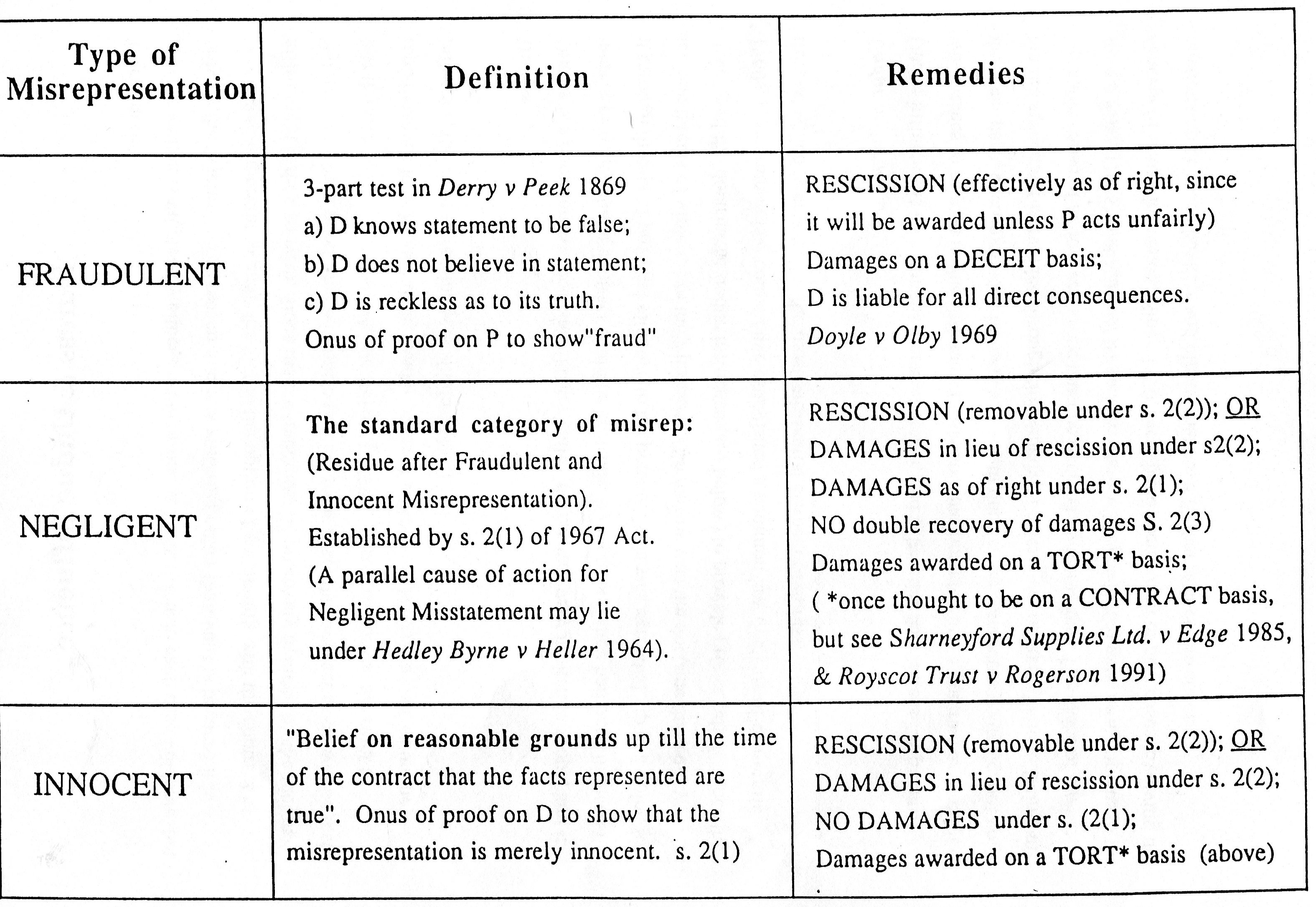
Who is responsible if an ad contains an error? An unlicensed assistant may prepare an advertisement for an Ohio real estate licensee, but the licensee cannot pass the blame. An Ohio real estate licensee named in an advertisement is solely liable for any misstatements within the advertisement. Furthermore, an Ohio real estate licensee who publishes a false or misleading advertisement is subject to discipline by the Ohio Real Estate Commission.
This strict adherence to the rules applies even in your personal life. An Ohio real estate broker or agent is subject to disciplinary action for failing to follow real estate advertising requirements when selling the licensee's own personal property. You cannot strip off your "licensee" hat just because you are selling your own home; the public relies on your professional standing.
The Boundary of Advertising
Not every communication is an "advertisement." Any real estate communication initiated at the specific request of a client or customer is considered private. Because of this, private communications initiated at the request of a client or customer are not classified as advertising under Ohio real estate rules. If a client emails you asking for a list of three-bedroom homes, the customized list you email back is a private communication, not an ad, and does not require equal prominence logos pasted all over it.
To practice real estate in Ohio, a salesperson cannot operate as a lone wolf. You must be tethered to a principal broker. This relationship dictates your legal standing, your tax status, and your day-to-day operations.
Employee vs. Independent Contractor
In Ohio, a real estate salesperson may be associated with a brokerage as an employee, or they may be associated with a brokerage as an independent contractor.
In practice, the vast majority of real estate salespeople in Ohio are classified as independent contractors rather than employees. Understand the operational differences:
| Feature | Independent Contractor (The Standard) | Employee (The Exception) |
|---|---|---|
| Compensation | Paid a commission on gross sales. | May receive a salary or hourly wage. |
| Taxes | Responsible for paying personal income taxes. Broker does not withhold income taxes. | Broker withholds taxes (W-2). |
| Agreement | An independent contractor agreement between an Ohio real estate broker and a salesperson must be executed in writing. | Standard employment contract. |
Because an independent contractor real estate salesperson does not receive a salary or hourly wage, they operate essentially as a micro-business sheltered under the broker's umbrella. The written independent contractor agreement defines exactly how commissions are split and how the relationship functions.
The Chain of Supervision
While you may be an independent contractor for tax purposes, you are never independent from an oversight perspective. The law demands unbroken chains of supervision.
- The Principal Broker: An Ohio principal broker must oversee the licensed activity of all affiliated licensees to ensure the licensees provide competent real estate services.
- Management-Level Licensees: In larger brokerages, an Ohio management-level licensee must supervise affiliated licensees to ensure compliance with Ohio license laws and rules.
- Agency Policy: An Ohio real estate broker must maintain a written company policy detailing the types of agency relationships affiliated licensees may establish (e.g., whether the brokerage permits dual agency).
This chain of supervision is so legally binding that if the top link breaks, the whole chain falls. The suspension or revocation of an Ohio real estate broker's license automatically suspends the licenses of all salespersons affiliated with that broker. If your broker loses their license on a Tuesday, you cannot legally show a house on Wednesday until you transfer your license to a new broker.
If you want to understand real estate law, follow the money. The state of Ohio insists that all capital related to a real estate transaction flows through heavily regulated, easily auditable channels.
The Conduit Rule
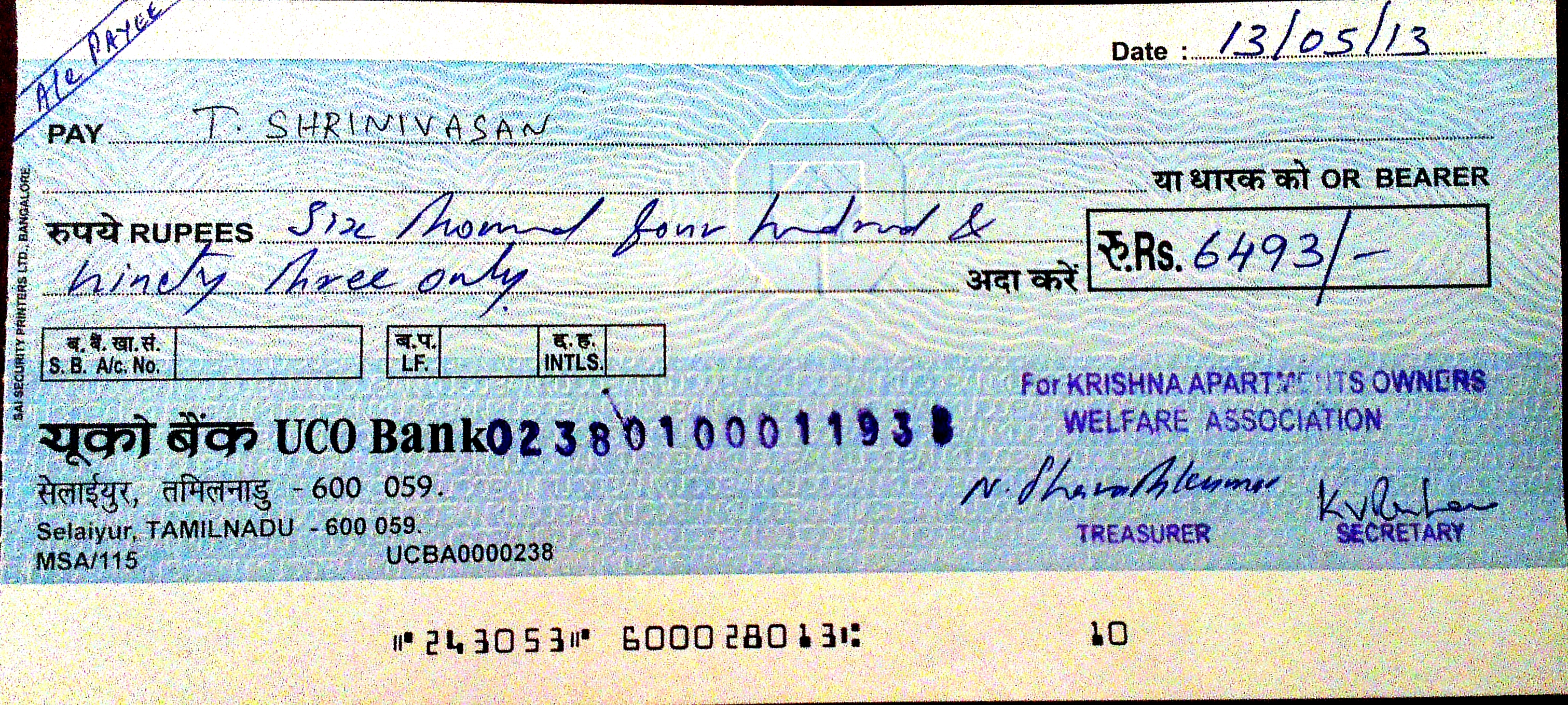
Under Ohio law, a real estate salesperson can only receive compensation or commissions from the principal broker with whom the salesperson is affiliated.
This is absolute. An Ohio real estate salesperson is strictly prohibited from accepting a commission or fee directly from a buyer. They are strictly prohibited from accepting a commission or fee directly from a seller. They are even strictly prohibited from accepting a commission or fee directly from a cooperating broker.
If you bring a buyer to a transaction and the listing broker is offering a 3% co-op commission, that listing broker writes the check to your broker. Your broker then cuts a check to you based on your written independent contractor agreement.
The Right of Action
Because the contract for representation is always legally between the client and the brokerage (not the client and the salesperson), you do not actually own your commissions.
- An Ohio real estate salesperson cannot sue a client directly for unpaid commissions.
- Only an Ohio real estate broker holds the right of action to sue a client for unpaid real estate compensation.
Out-of-State Referrals
Real estate networks frequently cross state lines. Can you get paid if you refer a client moving to Michigan? Yes, but again, it flows broker-to-broker. An Ohio real estate broker may pay a commission or referral fee to a licensed real estate broker of another state who refers clients to the Ohio broker, and vice versa.
Sometimes, to close a deal, an agent needs to sweeten the pot. You might offer to pay for a home warranty, buy down an interest rate, or gift a flat-screen television to the buyer.
An inducement is anything of value offered to a person to entice the person to enter into a contract for the purchase or sale of real estate.
Permitted, but Heavily Regulated
Are these allowed? Yes. Ohio real estate law permits licensees to offer inducements to buyers, and Ohio real estate law permits licensees to offer inducements to sellers.
However, the bedrock of real estate law is transparency. The lender, the appraiser, and the parties to the contract must know the true economics of the transaction. Therefore: Any inducement offered to a person to enter into a real estate purchase contract must be fully disclosed in the sales contract.
If you offer a buyer $500 toward their closing costs to get them to sign the purchase agreement, that $500 must be written into the contract itself. Offering an undisclosed inducement to enter a real estate sales contract is a severe violation of Ohio license law.
Exceptions to the Contract Rule
The disclosure rule specifically applies to the purchase contract. The law recognizes that some incentives are offered well before a purchase is ever negotiated.
- Listing Agreements: Inducements offered merely to entice a seller to sign a listing agreement (e.g., "List with me and I'll pay for professional staging") do not need to be disclosed in the subsequent purchase contract.
- Open Houses: Inducements offered to prospective buyers simply to get the prospective buyers to attend an open house (e.g., a raffle for an iPad) do not need to be disclosed in a purchase contract.
Kickbacks and Undisclosed Profits
While transparent inducements to clients are legal, secret side-deals involving third-party services are explicitly illegal.
- Ohio real estate licensees are prohibited from accepting any undisclosed commission, rebate, or direct profit on expenditures made for a principal.
- Ohio real estate licensees are prohibited from giving any undisclosed commission, rebate, or direct profit on expenditures made for a principal.
If you are managing a rental property for a client and you hire a roofer who secretly kicks back 10% of the invoice to you, you have violated your fiduciary duty and Ohio license law. Every dollar expended on behalf of a principal must be accounted for cleanly, with zero hidden profit.
By demanding equal prominence in advertising, enforcing strict supervisory hierarchies, and mandating that every cent of compensation flows transparently through the principal broker, Ohio ensures that the real estate market remains a robust, trustworthy engine of commerce.