OH Licensee Duties, Confidentiality & the Canon of Ethics
Not sure you’re ready?
Take the ~3-minute readiness diagnostic and see where you stand.
Imagine standing between a family and the largest financial transaction of their lives. You are not merely a tour guide unlocking front doors; you are a shield, a strategic advisor, and a fiduciary representative. The moment an individual signs an agency agreement with you, the relationship fundamentally shifts from casual commerce to a bound legal obligation. Understanding the precise architecture of these obligations is not just about passing the Ohio PSI exam—it is the difference between building a prosperous, multi-decade career and losing your license to a devastating lawsuit. We are dealing with informational asymmetry, and the law heavily regulates how you are permitted to use what you know.

In Ohio, the gravitational center of your professional conduct is Ohio Revised Code Chapter 4735. This chapter governs the statutory duties of all Ohio real estate licensees. The most profound distinction it makes is the dividing line between a client and a customer.
If you do not understand the difference between these two entities, you do not understand real estate law.
The Fiduciary Fortress: Duties to a Client
When a buyer or seller formally hires you, they become a client. At that exact moment, an invisible, impenetrable wall forms around the two of you. Under Ohio law, an Ohio real estate licensee owes fiduciary duties exclusively to their client. This means you must elevate their interests above all others, including your own.
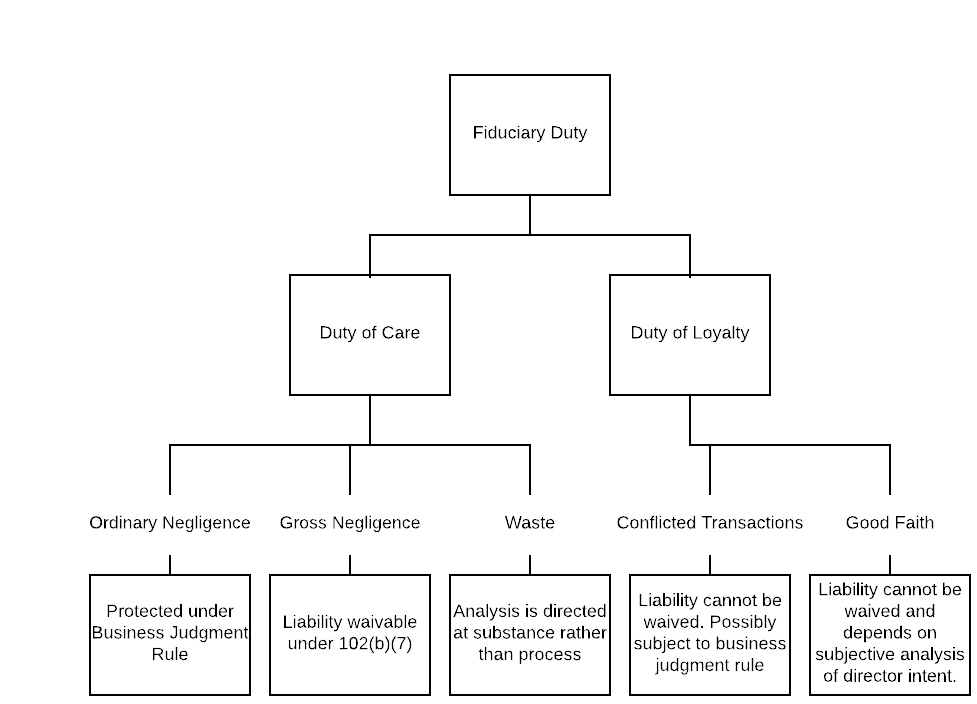
This fiduciary mandate requires you to exercise reasonable skill and care in representing the client. If you are representing a commercial investor but have only ever sold residential starter homes, taking that listing without competent assistance breaches your duty of care.
Furthermore, you are obligated to:
- Follow all lawful instructions of your real estate client. If a seller tells you, "Do not show my house on Sunday mornings," you do not show the house on Sunday mornings. (If they give you an unlawful instruction, such as "Do not show my house to minorities," you must refuse and terminate the relationship).
- Present all written offers and counteroffers to a client in a timely manner. You do not get to play gatekeeper. Even if a written offer is laughably low, it is not your property to negotiate. The client must see it.
- Account in a timely manner for all money and property received on behalf of a client. If you are handed an earnest money check, it must be handled and deposited exactly according to Ohio trust account regulations.
- Disclose to a client any material facts of the transaction that you actually know. If you know the buyer is struggling to secure financing, your seller client has a statutory right to that information.
The Baseline of Decency: Duties to a Customer
A customer is a party in the transaction whom you do not represent. Think of a buyer walking into your seller's open house without their own agent. You do not owe them loyalty. You do not owe them confidentiality. An Ohio licensee owes no fiduciary duties to a customer in a real estate transaction.
However, you cannot treat them like prey. An Ohio real estate licensee owes customers the baseline duties of honesty and fair dealing.
The Disclosure Asymmetry If you are representing a seller, and a customer asks about the property, an Ohio licensee must disclose to a customer any known material adverse facts regarding the physical condition of a property. If you know the basement floods every spring, you cannot hide that from the buyer customer.
But note the limits of your duty: Ohio law does not require a licensee to discover latent property defects for a real estate customer, nor does the law require a licensee to verify the accuracy of statements made by a seller for a customer. You are a broker, not a home inspector or a private investigator. If the seller lies on their residential property disclosure form and you have no reason to suspect the lie, you are not liable to the customer for failing to fact-check the seller.
Client vs. Customer Matrix
| Duty | Owed to Client | Owed to Customer |
|---|---|---|
| Fiduciary Loyalty | Yes | No |
| Reasonable Skill & Care | Yes | No |
| Honesty & Fair Dealing | Yes | Yes |
| Present All Offers | Yes | No |
| Disclose Known Physical Defects | Yes | Yes |
| Investigate/Verify Seller Claims | No | No |
The law recognizes that sophisticated clients sometimes want to streamline their transactions. Ohio allows for the alteration of certain duties, but it demands absolute precision when doing so.
If a client wants to alter your obligations, any waiver of a statutory duty owed to an Ohio real estate client must be explicitly stated in writing. A verbal agreement like, "Hey, don't bother me with offers under $200,000," is legally worthless and leaves you exposed.
A client can waive the Ohio licensee's duty to present all offers, but it must be executed through a specific written waiver.
However, some duties are deemed so fundamental to the integrity of the real estate market that the state forbids you from waiving them.
- The duty to account for a client's funds cannot be waived under Ohio law. You can never write an agreement saying, "The client waives my duty to track their $5,000 earnest money deposit."
- The statutory duty of confidentiality cannot be waived in a general agency waiver agreement in Ohio. You cannot bury a confidentiality waiver in the fine print of a listing contract.
In physics, nothing escapes a black hole. In Ohio real estate, client secrets function much the same way. The duty of confidentiality owed to an Ohio real estate client continues perpetually after the agency relationship terminates.
If you represent a seller in 2026 who takes a lower price because they are facing bankruptcy, you cannot casually mention that fact at a dinner party in 2036. The duty outlives the transaction, the agency agreement, and potentially even the client.
However, confidentiality is not absolute; it yields to superior legal and moral obligations. The Ohio Revised Code specifies exact scenarios where you may or must breach confidentiality. Memorize the difference between permitted ("may") and mandated ("must") disclosure.
When you MAY disclose confidential client information:
- Explicit Consent: An Ohio licensee may disclose confidential client information if the client provides explicit written consent.
- Self-Defense: An Ohio licensee may disclose confidential client information to defend against accusations of wrongful conduct. (If your former client sues you or files a complaint with the Ohio Division of Real Estate, you are allowed to use their confidential emails to prove you acted lawfully).
- Public Knowledge: An Ohio licensee may disclose client information if that information becomes public knowledge from a separate source. (If the client's foreclosure hits the front page of the local newspaper, it is no longer a secret).
When you MUST disclose confidential client information:
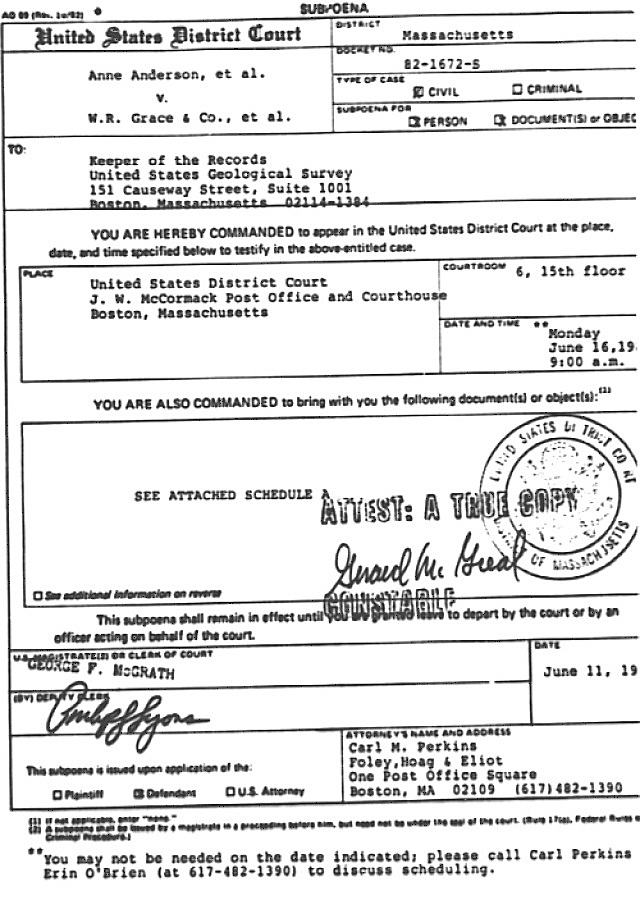
- Legal Mandate: An Ohio licensee must disclose confidential client information if the disclosure is mandated by a court order or law. (If a judge subpoenas your records, you comply).
- Preventing Harm: An Ohio licensee must disclose confidential client information if necessary to prevent the commission of a crime. (If your client tells you they plan to commit arson on the property to collect insurance money, you cannot hide behind agency confidentiality).
Because real estate licensees possess specialized market knowledge, the law views a licensee buying or selling their own property as having an inherent advantage over an unrepresented citizen. To balance the scales, Ohio requires extreme transparency.
An Ohio licensee buying or selling real estate for their own account must disclose their active license status in writing. Crucially for your exam, this disclosure must occur prior to entering into a contract. You cannot wait until the closing table to casually mention, "By the way, I'm a licensed agent."
When you take your property to the open market, the transparency must begin immediately. An Ohio licensee advertising their own property for sale must clearly indicate in the advertisement that the property is owned by a real estate agent. Whether it is a yard sign, a Zillow listing, or a Facebook post, the public must immediately know they are negotiating against a professional.
One of the fastest ways to lose your license—and face civil liability—is to forget what profession you are in. You are licensed to broker real estate; you are not licensed to practice law. An Ohio real estate licensee is strictly prohibited from engaging in the unauthorized practice of law.
Think of a contract as a highly volatile chemical compound. You are allowed to transport it, but you are not allowed to mix the chemicals yourself.
- What you CAN do: An Ohio licensee is permitted to fill in blanks on pre-printed standard real estate contract forms (such as those drafted by a state or local Board of Realtors and approved by legal counsel).
- What you CANNOT do: An Ohio licensee cannot draft original legal clauses or addenda from scratch for a real estate contract. If your client says, "Write up a clause that says the seller retains mineral rights but only for natural gas, and the rights revert in 10 years," you must stop and direct them to an attorney.
- No Separate Fees: An Ohio real estate licensee cannot charge a separate fee for preparing real estate contracts or leases. Doing so instantly characterizes your service as legal work.
The prohibition extends beyond drafting to interpretation. Explaining the legal meaning of a deed restriction constitutes the unauthorized practice of law for an Ohio real estate licensee. If a buyer asks, "Does this 1940 deed restriction mean I can't build a detached garage?", you must not analyze the legal text for them. Instead, an Ohio licensee must recommend that a party seek legal counsel for questions concerning the legal effect of a contract or deed.
Statutory law tells you what will get you sued or arrested; ethics tell you what kind of professional you are expected to be. The Ohio Real Estate Commission adopts the Canon of Ethics for the real estate industry in Ohio.
The Ohio Canon of Ethics outlines professional conduct standards regarding duties to the public and fellow licensees. Real estate is a uniquely cooperative industry. You spend your career negotiating against agents whom you rely on to close transactions. Therefore, the Canon mandates that a licensee should respect the exclusive agency agreements of other licensees. You cannot poach a seller who is actively under an exclusive right-to-sell agreement with another broker. You must wait until that agreement expires.
Finally, the integrity of the entire profession rests on the truthfulness of its members. The Ohio Division of Real Estate has zero tolerance for deception.
- An Ohio licensee is prohibited from making false representations regarding their professional license status (e.g., claiming to be a broker when you are only a salesperson).
- An Ohio licensee is prohibited from making false representations regarding their professional real estate expertise or credentials (e.g., advertising yourself as a "Certified Commercial Specialist" if you do not hold that designation).
- Publishing misleading or untruthful real estate advertisements violates Ohio real estate license law. This includes doctoring photos to hide power lines or inflating square footage.
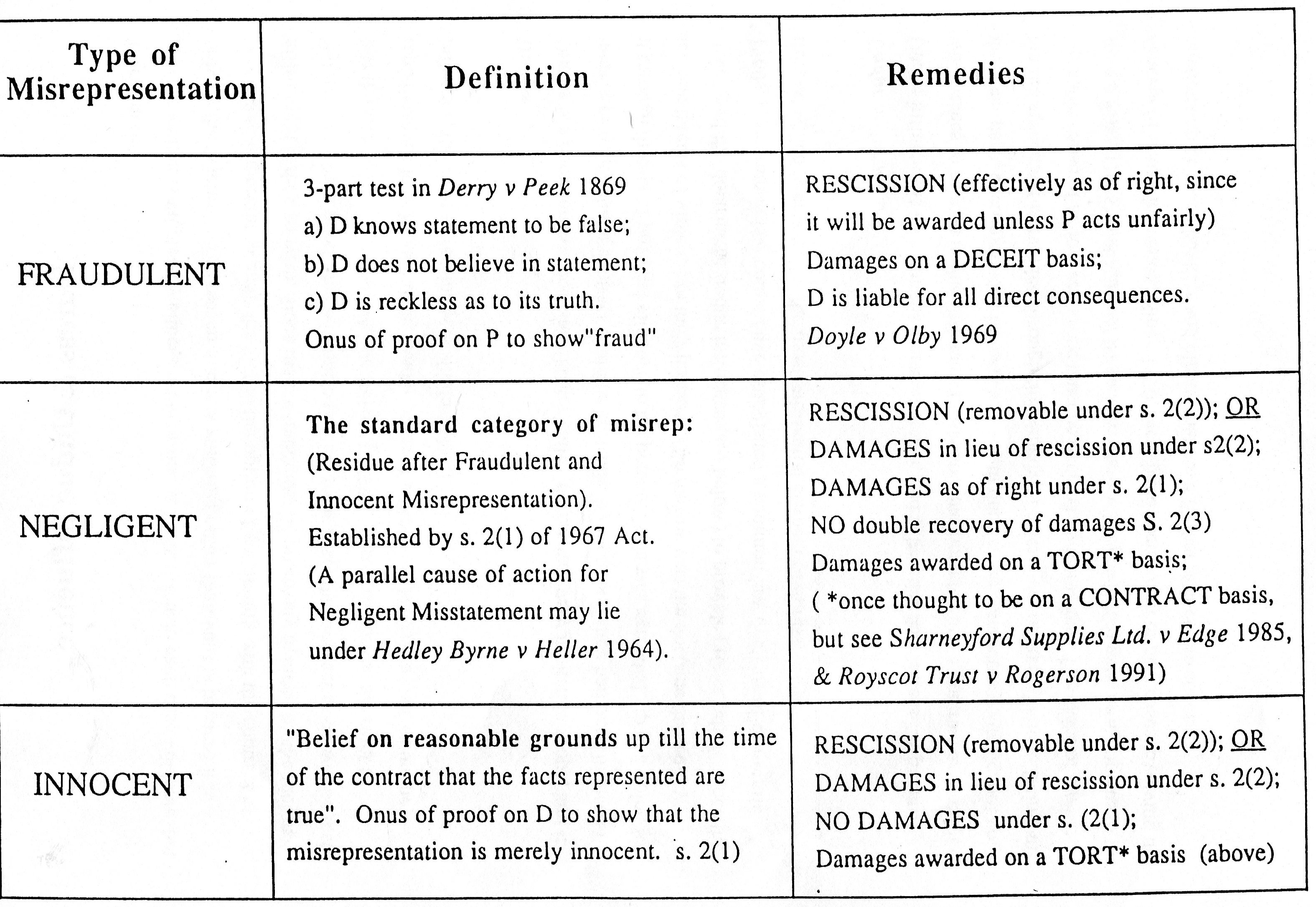
Perhaps most dangerously, beware of the temptation to act like an oracle. Promising future profits from the resale of real property is considered a misrepresentation under Ohio real estate license law. If you tell a buyer, "Buy this $300,000 duplex now, and I guarantee you'll be able to flip it for $450,000 in two years," you have stepped out of your role as an advisor and into the realm of illegal misrepresentation.
Summary for the Exam Candidate
As you sit for the PSI exam, approach every question by first identifying the relationship. Is this person a client or a customer? That single answer dictates your required behavior. Remember that waivers require written precision, confidentiality is perpetual (barring specific exceptions), and you are a real estate professional, not an attorney, inspector, or psychic. Master these boundaries, and you will not only pass your exam—you will practice with the unshakeable confidence of a true professional.