Disclosing Material Facts and Defects
Not sure you’re ready?
Take the ~3-minute readiness diagnostic and see where you stand.
Imagine standing before a massive suspension bridge you are about to purchase. To the untrained eye, the cables gleam, the deck is swept clean, and the engineering appears flawless. Yet, deep within the primary load-bearing anchors, water intrusion has oxidized the steel to a perilous degree. In a perfectly transparent market, the price of this bridge instantly adjusts downward to reflect the cost of imminent, catastrophic failure. In reality, markets suffer from severe information asymmetry: the current owner knows the steel is failing, while the buyer sees only fresh paint. Real estate transactions are entirely predicated on correcting this asymmetry. The legal framework of disclosure exists not merely to protect consumers, but to ensure that the fundamental mechanics of market valuation function correctly. If buyers cannot trust the physical reality of the asset they are purchasing, the entire economic apparatus of real estate collapses.

In the physical sciences, we differentiate between a broad phenomenon and a specific mechanical failure. Real estate law does exactly the same thing when evaluating what a buyer has the right to know.
A material fact is any piece of information that would affect a reasonable buyer's decision to purchase a property. Crucially, a material fact includes any information that would significantly affect the price a buyer is willing to pay for a real estate asset.
Notice how broad that is. A material fact isn't always a broken pipe. It could be that the city is planning to build a noisy highway directly behind the backyard.
A material defect, on the other hand, is a specific issue with a property system or component that has a significant adverse impact on the value of the property. Furthermore, a material defect includes any property condition that poses an unreasonable risk to the health or safety of occupants.
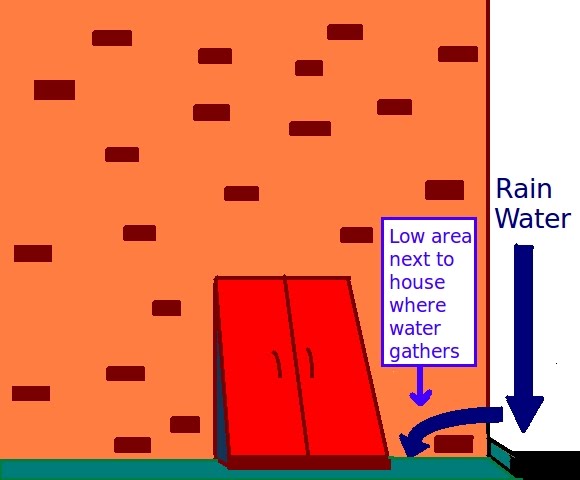
All material defects are material facts, but not all material facts are material defects. If the basement floods every spring, that is a material defect. If the property lines are drawn incorrectly, that is a material fact, but not a physical defect in the home's systems.
What Can You See? Patent vs. Latent Defects
When evaluating a property's physical condition, we classify flaws by their visibility.
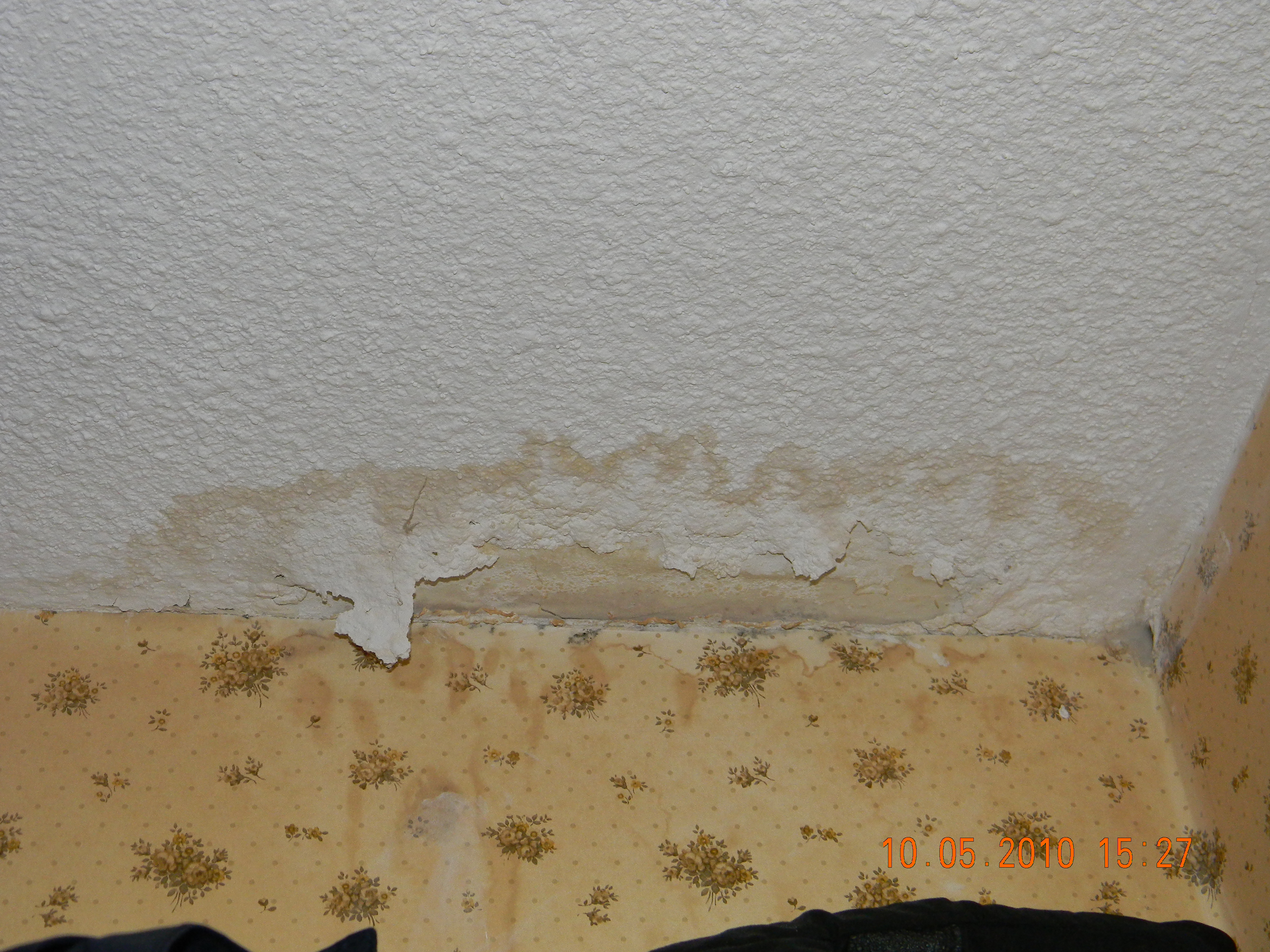
- A patent defect is a property flaw that is easily visible or discoverable during a standard visual inspection. Think of a massive water stain on the living room ceiling or a shattered windowpane.
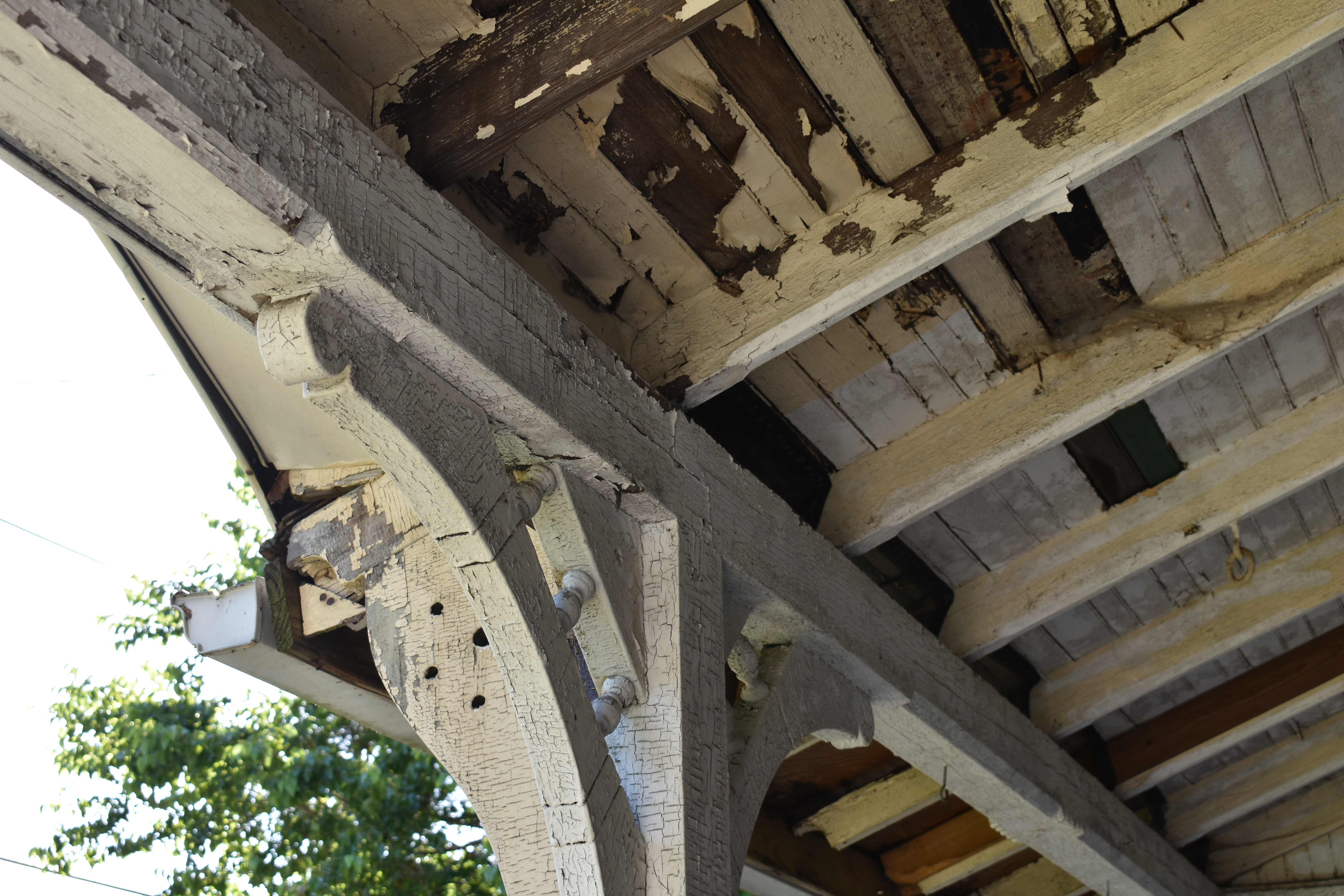
- A latent defect is a hidden structural flaw that would not be discovered by an ordinary visual inspection. Think of black mold festering behind finished drywall, or tree roots secretly crushing the underground sewer line.
Sellers are legally obligated to disclose known latent defects to prospective buyers. Why? Because the buyer has no reasonable way of discovering these hidden traps on their own during a standard walkthrough.
For centuries, property law was governed by the legal doctrine of caveat emptor, which translates from Latin to "let the buyer beware." Historically, if you bought a house with a crumbling foundation, the courts would shrug and say, "You should have checked before handing over your gold."
Today, the landscape has fundamentally changed. Modern real estate law has largely shifted away from caveat emptor toward requiring proactive seller property disclosures. We no longer force buyers to play a guessing game.
The Seller's Property Disclosure Statement (SPDS)
To facilitate this proactive transparency, sellers use a Seller's Property Disclosure Statement. This is a formal document where the seller details the known condition of the property—from the age of the roof to whether the electrical panel has ever caught fire.
Because you are studying for the National exam, you must remember that the specific legal requirement for a seller to provide a formal Seller's Property Disclosure Statement is determined by individual state laws. However, the universal rule for you, the licensee, remains identical everywhere: Real estate agents must never fill out a Seller's Property Disclosure Statement on behalf of a seller.
If your client asks, "Should I check 'yes' for the plumbing leak we fixed last year?" your job is to guide, not dictate. Real estate agents should instruct sellers to answer all questions on the property disclosure statement truthfully and comprehensively. If you write the answers for them, you absorb their legal liability. Let the seller hold the pen.
As an agent, you owe your client fiduciary duties—one of the most sacred being confidentiality. You cannot tell the buyer that your seller is desperate and willing to take $50,000 below asking price.
But what happens when the duty of confidentiality collides with the physical reality of the property? What if your seller says, "The basement floods, but keep that secret. I forbid you from telling the buyer."
This is the most important concept in agency law: A real estate agent's legal duty to disclose material facts supersedes the agent's duty of confidentiality to the client.
Real estate licensees must disclose all known material facts to all parties involved in a transaction. Licensees must disclose material facts even if the client explicitly instructs the licensee to keep the information secret.
Navigating Seller Defiance
How does this play out in the real world? Let's trace the escalation of a seller trying to hide a defect.
- The Seller Refuses to Disclose: If a seller refuses to disclose a known material defect on the disclosure form, the listing agent is legally obligated to disclose the defect directly to the buyer or the buyer's agent. You must override your client to protect the consumer.
- The Seller Actively Conceals: If a seller insists on actively hiding a material defect—such as instructing a contractor to hastily stack bricks in front of a bowing, collapsing foundation wall just before a showing—you can no longer be party to the transaction. If a seller insists on actively hiding a material defect, the listing agent must withdraw from the listing agreement entirely.
The Limits of Licensee Expertise
You are required to observe and report. A listing agent must conduct a reasonable visual inspection of the property to identify potential material defects. If you walk through a listing and see scorch marks radiating from an electrical outlet, you must ask about it and disclose it.
However, the law relies on common sense. Real estate agents are not expected to possess the technical expertise of licensed home inspectors or structural engineers. You are not required to carry a thermal imaging camera, climb a two-story ladder to inspect shingles, or test soil samples. You must observe as a reasonable real estate professional, not as an engineer.
The Buyer's Agent's Duty
Do not think disclosure is only a seller's game. A buyer's agent is legally obligated to disclose to the buyer any material facts the agent discovers about the target property. If you represent the buyer, and you notice the property is on a floodplain while pulling tax records, you must immediately alert your client, regardless of what the seller did or didn't say.
When bad information enters a transaction, the law categorizes the offense based on the agent's intent and level of care.
| Type of Misrepresentation | Definition | Real-World Example |
|---|---|---|
| Fraudulent | Occurs when a real estate licensee intentionally conceals a known material defect. | You know the well water is toxic, but you explicitly tell the buyer it is safe to secure your commission. |
| Negligent | Occurs when a licensee should have known about a material defect but failed to discover or disclose it due to carelessness. | You fail to check the public square footage records and advertise a home as 3,000 sq ft when it is actually 2,000 sq ft. |
| Innocent | Occurs when a licensee provides false property information without knowing the information was false. | The seller provides you with a forged roof warranty stating the roof is new; you pass this to the buyer, genuinely believing it is true. |
The Consequences of Concealment
The penalties for failing to respect information asymmetry are severe.
- Regulatory Action: A real estate licensee can face disciplinary action or complete loss of their license for failing to disclose known material facts.
- Civil Lawsuits: Buyers can sue for financial damages if a seller or agent intentionally conceals a known material defect.
- Contract Rescission: If a severe material defect is discovered and disclosed before closing (for example, a title search reveals a massive unrecorded lien), a buyer may have the legal right to rescind the purchase contract entirely and recover their earnest money.
There is a dangerous myth among amateur investors that adding an "as-is" clause to a contract acts as a magical shield against disclosure. Let's shatter that myth immediately.
In "as-is" real estate sales, sellers are still legally required to disclose known latent material defects.
Selling a property "as-is" simply means: "I am not going to fix anything or offer you financial credits for repairs." It does not mean: "I am allowed to lie to you about the condition of the house." Furthermore, an "as-is" clause in a purchase contract does not protect a seller from liability for the active concealment of property defects. If you sell a home "as-is" but paint over active black mold to trick the buyer, you will lose in court.
Beyond broken heaters and leaky roofs, you will frequently encounter legal, environmental, and psychological facts that affect a buyer's decision.
Boundaries and Ordinances
The physical lines drawn by the municipality and neighboring properties matter just as much as the structure itself.
- Known zoning violations on the subject parcel (e.g., the seller converted a garage into an apartment in strict violation of single-family zoning laws) are considered material facts that require disclosure.
- Known encroachments affecting the property boundaries (e.g., the neighbor's newly built fence sits three feet onto your seller's land) are material facts that must be disclosed to potential buyers.
Environmental Hazards
Invisible dangers carry immense liability. Known environmental hazards like lead-based paint and asbestos are material facts that must be disclosed to buyers. (Federal law explicitly mandates strict disclosure timelines and forms for lead-based paint on properties built before 1978).
Stigmatized Properties: Ghosts, Crimes, and the Law
What if a property is structurally perfect, but a high-profile crime occurred in the primary bedroom?
A stigmatized property is a property that buyers may find undesirable due to psychological or emotional reasons unrelated to its physical condition.
How we handle stigmas is a fascinating intersection of state and federal law:
- Murder and Suicide: The obligation to disclose whether a suicide or murder occurred on a property is governed by individual state laws. Some states require disclosure if it happened within the last three years; others state it is strictly not a material fact and require no disclosure at all. You will learn your specific state's rule in the state-specific portion of your studies.
- Federal Fair Housing Preemption: There is one strict national rule you must memorize. The federal Fair Housing Act legally prohibits real estate agents from disclosing if a previous property occupant had HIV or AIDS. Because individuals with HIV/AIDS are a protected class (under the handicap/disability protection), disclosing this information is a severe civil rights violation. Therefore, a previous property occupant having HIV or AIDS is never considered a material defect under federal law.
Mastering disclosures is mastering the art of market integrity. When you protect the flow of accurate information, you are not just keeping your license safe—you are ensuring that the real estate market remains fundamentally sound, honest, and functional.