Pennsylvania Real Estate Commission & Recovery Fund
Not sure you’re ready?
Take the ~3-minute readiness diagnostic and see where you stand.
The integrity of real estate transactions in Pennsylvania relies on a delicate balance between facilitating commerce and aggressively protecting consumers. This equilibrium is maintained through the Real Estate Licensing and Registration Act (RELRA), which establishes the statutory framework governing licensed professionals. Understanding how the state oversees, disciplines, and ultimately holds practitioners financially accountable is not merely a requirement for passing the licensing examination; it is the fundamental blueprint of the professional liabilities you assume the moment your license is issued.
To understand how the rules are enforced, you first have to understand who is making the decisions. The Pennsylvania Real Estate Commission does not float out in the ether; it functions under the Bureau of Professional and Occupational Affairs (BPOA), which itself operates within the broader Pennsylvania Department of State.
Imagine the Commission as a highly specialized jury. It consists of eleven total members, meticulously balanced so that neither industry insiders nor outside bureaucrats wield unchecked power. Here is how the eleven seats are allocated:
- The Commissioner of Professional and Occupational Affairs
- The Director of the Bureau of Consumer Protection
- Three members representing the public at large (Ensuring the consumer's voice is always heard).
- Five licensed real estate brokers (These cannot be rookies; they must hold a license for at least ten years prior to appointment).
- One licensed cemetery broker (Must hold a license for at least five years prior to appointment).
These members don't just volunteer; they are appointed by the Governor of Pennsylvania and their appointments require confirmation by the Pennsylvania State Senate.

Terms and Operations
Once appointed, the standard term length for a member is five years. If a term expires and the political machinery is slow, a member may continue serving up to six months after term expiration if no successor has been appointed yet.
To keep the wheels of regulation turning, the Commission must hold public meetings at least once every month. How do they make official decisions? They need a quorum, which consists of a majority of the currently serving members.
The Attendance Rule: Serving on the Commission is a serious duty. A member automatically forfeits their commission seat after missing three consecutive unexcused meetings.
The primary duty of the Pennsylvania Real Estate Commission is to enforce the Real Estate Licensing and Registration Act (RELRA). To do this, they have the authority to promulgate rules and regulations that implement the Act in daily practice.
Their powers revolve heavily around the lifecycle of education and licensure:
- They are responsible for approving real estate schools.
- They are responsible for approving real estate educational curricula.
- They possess the power to issue, suspend, and revoke real estate licenses.
The Strict Boundaries of Power
Just as important as what the Commission does is what they cannot do. As a licensee, you must understand two critical limitations of the Commission's power:
- They lack the authority to draft standardized real estate contracts for use by licensees. The Commission regulates licenses, they do not practice law. You will use forms generated by the Pennsylvania Association of Realtors or attorneys, not the Commission.
- They lack the authority to mediate commission disputes between real estate licensees. If you and another broker get into a fistfight over a split commission, do not call the Commission. They are a regulatory body protecting the public, not an arbitration board for disgruntled agents.
When a real estate professional behaves badly, the wheels of justice follow a highly specific, compartmentalized path.
First, consumer complaints against licensees are officially filed with the Pennsylvania Department of State.
Here is a vital distinction that appears frequently on the exam: The Pennsylvania Real Estate Commission does not conduct the initial investigation of consumer complaints. They are the judges, not the detectives. Instead, the Bureau of Professional and Occupational Affairs (BPOA) conducts the investigations.
The Order to Show Cause
If the BPOA investigation finds enough evidence of wrongdoing, the state issues an Order to Show Cause. This document formally charges a Pennsylvania real estate licensee with a violation of license law.
When you receive an Order to Show Cause, the clock starts ticking immediately:
- You must file a written answer to the Order within thirty days of receiving it.
- Failure to answer within thirty days may result in disciplinary action by default. Ignoring the state is legally equivalent to handing them a blank check to discipline you.
Disciplinary Hearings and Consent Agreements
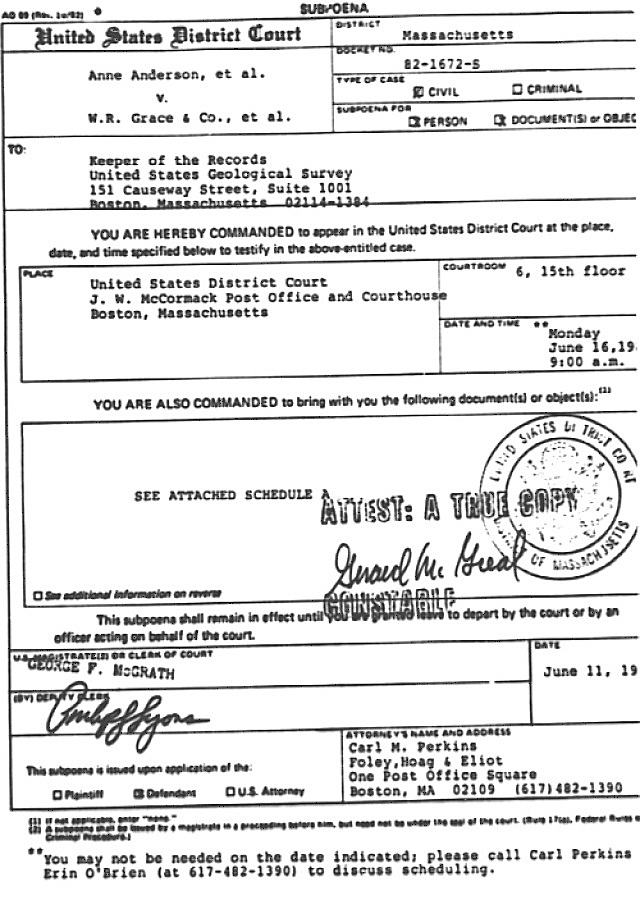
If the case proceeds, the Commission may appoint a hearing examiner to conduct the disciplinary hearing. During this hearing, the Commission wields significant legal authority: they possess the power to subpoena witnesses and subpoena business records.
However, many cases never reach a formal hearing because the licensee and the Commission reach a Consent Agreement.
A Consent Agreement is a voluntary disciplinary settlement. It bypasses a formal disciplinary hearing because the licensee formally admits to specific violations of license law and voluntarily accepts specific disciplinary actions.
If a formal hearing does occur and the licensee is disciplined, that is not necessarily the end of the road. A disciplined licensee retains the right to appeal a Pennsylvania Real Estate Commission decision to the Commonwealth Court.
The 30-Day Reporting Rule for Criminal Activity
The Commission doesn't just care about what you do at work; they care about your standing with the law generally. A licensee must report the following to the Commission within thirty days:
- A criminal conviction
- A guilty plea
- A plea of nolo contendere (no contest)
If you violate RELRA, the Commission has a sliding scale of disciplinary tools. On the lighter end, they hold the authority to issue a formal reprimand or mandate additional educational courses.
If they decide to hit your wallet, you need to be aware of two distinct monetary caps:
- Under RELRA itself, the Commission may levy a maximum civil penalty of $1,000 per violation.
- However, under broader state law (Act 25 of 2009), Pennsylvania occupational boards hold the authority to impose civil penalties up to $10,000 per violation.
Suspension vs. Revocation
When fines and reprimands are not enough, the Commission comes for the license itself.
- A license suspension temporarily removes your right to practice real estate.
- A license revocation completely terminates your right to practice real estate.
If your license is permanently revoked, it is not a life sentence, but it is severe. A permanently revoked license cannot be reinstated for a minimum of five years from the revocation date.
If you want to return to the industry after that grueling five-year wait, you don't just pay a fee and get your license back. You must submit a new application and retake the real estate exam from scratch.
Let's shift perspectives from the agent to the consumer. What happens if a licensed real estate professional steals from a client, lies about a property defect to close a deal, or otherwise maliciously harms the public?
Enter the Pennsylvania Real Estate Recovery Fund.
The fundamental purpose of the Recovery Fund is to compensate victims of fraud, deceit, and misrepresentation by licensed real estate professionals. Notice what is missing from that list: simple mistakes. The fund is not malpractice insurance for sloppy agents; it is a shield for the public against malicious ones.
The Exhaustion Rule
The Recovery Fund is the absolute last resort. It pays claims only when a victim cannot collect a final court judgment from the guilty licensee.
Before tapping into the fund, an aggrieved party must exhaust all reasonable legal remedies to collect a judgment. This means they must try seizing bank accounts, foreclosing on the licensee's assets, and using every standard collection method available.
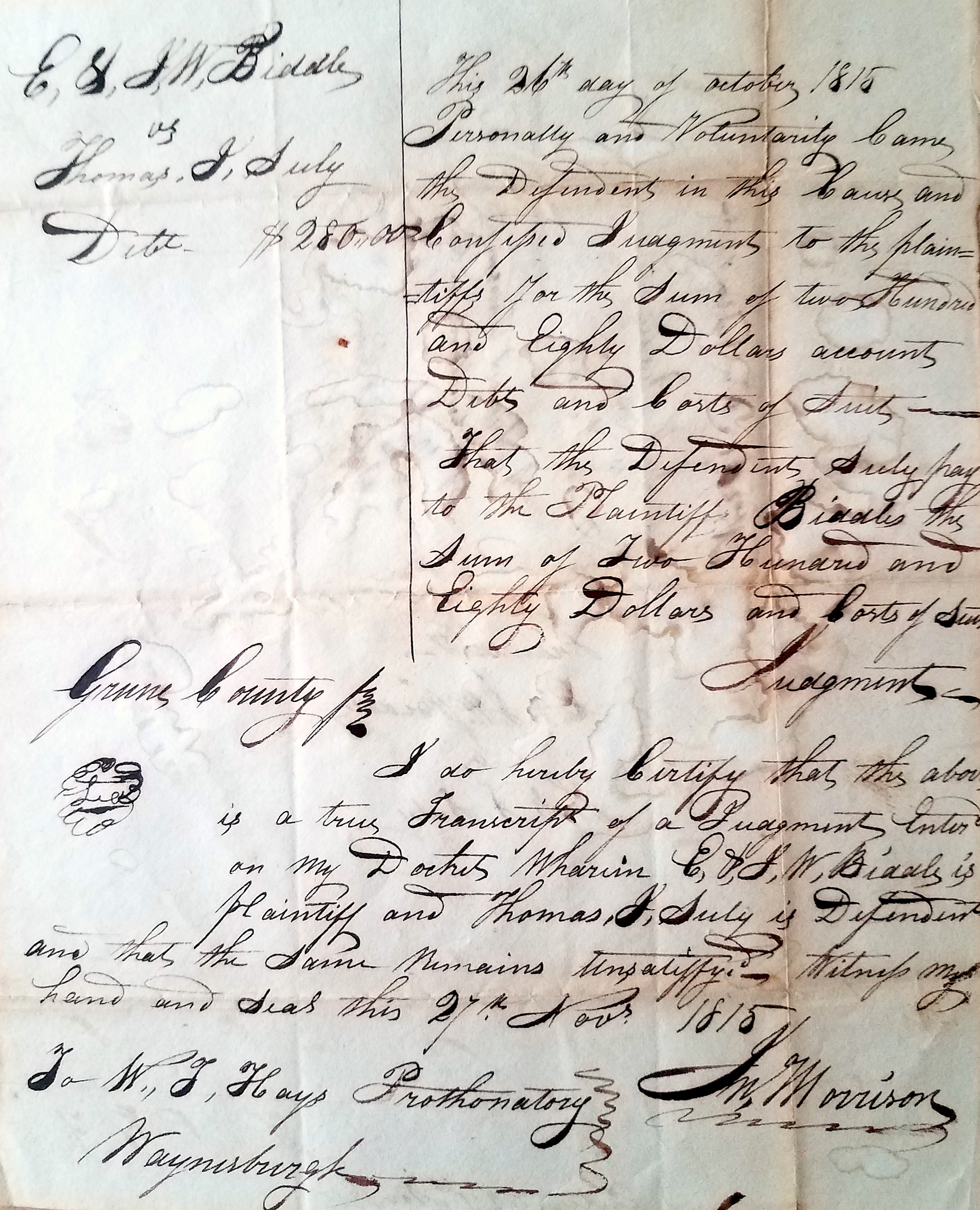
If the agent is truly broke and the judgment is uncollectible, the victim must apply to the court that entered the judgment to access the Recovery Fund.
Timing is critical: An application for payment from the Recovery Fund must be filed within one year of the termination of all related court proceedings.
Ineligibility
Not everyone can claim money from the fund. To prevent collusion and family self-dealing, the law dictates that the spouse of a debtor real estate licensee is strictly ineligible to collect from the fund. By extension, the personal representative of a debtor licensee's spouse is strictly ineligible as well.
The Math of Payouts
The fund doesn't possess bottomless pockets. There are hard statutory caps on how much it will pay out:
- The maximum payout is $20,000 for any single claim.
- The maximum total payout against any one specific licensee is $100,000.
What happens if an agent defrauds ten different families for $20,000 each? That totals $200,000 in claims, but the cap on that agent is only $100,000. In this scenario, the available funds are distributed proportionally (pro-rata) among the claimants.
Repercussions for the Guilty Licensee
If the state has to dip into the Recovery Fund to pay for your fraudulent actions, your career is immediately halted.
- A license is automatically suspended when the Recovery Fund makes a payout on behalf of that licensee.
- The license remains suspended until the licensee fully reimburses the fund.
- To lift the suspension, the licensee must reimburse the principal payout amount plus an annual interest rate of ten percent on that principal.
How is the Fund Financed?
The money in the Recovery Fund comes from the professionals themselves, not the taxpayers. It is primarily financed by fees collected from real estate professionals upon initial licensure.
When you pass your exam and receive your initial license, every new licensee must pay a ten-dollar fee ($10) into the Real Estate Recovery Fund.
Over time, payouts deplete the fund. If the total balance of the Real Estate Recovery Fund drops below $500,000, the Commission steps in. They may assess an additional fee on renewing licensees to replenish the coffers, ensuring the safety net is always there to protect the public trust in the Pennsylvania real estate market.
Quick Reference: Crucial Timelines & Caps to Memorize
| Concept | Limit / Timeline |
|---|---|
| Written answer to Order to Show Cause | Within 30 days |
| Report criminal conviction/guilty plea/nolo contendere | Within 30 days |
| Minimum wait to reapply after Revocation | 5 years |
| Apply for Recovery Fund payout | Within 1 year of terminating court proceedings |
| Max RELRA civil penalty per violation | $1,000 |
| Max Act 25 of 2009 civil penalty per violation | $10,000 |
| Max Recovery Fund payout per single claim | $20,000 |
| Max Recovery Fund payout per single licensee | $100,000 |
| Recovery Fund Interest Rate for Reimbursement | 10% annually |
| Recovery Fund Threshold for renewing licensee assessments | Drops below $500,000 |