Pennsylvania Human Relations Act & Special Topics
Not sure you’re ready?
Take the ~3-minute readiness diagnostic and see where you stand.
The architecture of real estate law is governed by the same principle as the architecture of a physical building: both must rest on a foundation of structural integrity. In the Commonwealth of Pennsylvania, that structural integrity is defined by the intersection of state license law and human civil rights. A real estate license is not merely a permit to facilitate transactions; it is a legal mandate to uphold equitable access to property and commerce. When you manage the transfer of property, you operate at the frontier where federal statutes, state regulations, and local ordinances collide. Understanding the mechanics of these laws—specifically how Pennsylvania expands upon federal baselines to protect consumers and regulate specialized land transactions—is what separates a mechanical order-taker from an elite real estate professional.
To understand fair housing in Pennsylvania, you must first understand the relationship between the federal Fair Housing Act (FHA) and its state-level counterpart, the Pennsylvania Human Relations Act (PHRA).
Think of the federal FHA as the floor—the absolute minimum baseline of civil rights protections in housing across the United States. State laws are permitted to build upon that floor, adding higher ceilings and wider walls of protection, but they can never drop beneath it. The PHRA is the state law equivalent of the federal Fair Housing Act, but it casts a significantly wider net over the marketplace.
The PHRA explicitly prohibits housing discrimination based on several foundational protected classes shared with federal law: race, color, religious creed, national origin, familial status, and disability. However, Pennsylvania law recognizes that discrimination in the modern marketplace requires a more granular and expansive defense.
Where the PHRA Expands Protection
The friction points in a real estate transaction often arise where federal law falls silent. Pennsylvania fills these gaps with strict, explicitly defined protections.
- Age Protection (40 and older): The federal Fair Housing Act does not include age as a protected class. Under federal law, it is technically legal to turn away an applicant because they are "too old." The PHRA strictly prohibits housing discrimination based on age for individuals 40 years and older.
- Commercial Property: The federal Fair Housing Act applies only to residential housing and does not cover commercial property. Pennsylvania law recognizes that economic liberty is just as vital as housing security. Therefore, the Pennsylvania Human Relations Act applies to discrimination in the sale or lease of commercial property.
- Practical Scenario: If a commercial property owner refuses to lease a retail space to a minority business owner because of their race or national origin, the owner severely violates the Pennsylvania Human Relations Act.
- Ancestry: While federal law covers national origin, the Pennsylvania Human Relations Act explicitly includes ancestry as a distinct protected class in housing, protecting consumers based on their lineage and historical descent.
- Expanded Definition of Sex: Under the Pennsylvania Human Relations Act, the protected class of sex is interpreted broadly to include pregnancy, sexual orientation, and gender identity.
- Support and Guide Animals (Including Handlers): Both federal and state laws prohibit discrimination based on disability. However, the PHRA explicitly prohibits housing discrimination based on the use of a guide or support animal. Fascinatingly, it goes one step further: the Pennsylvania Human Relations Act provides housing discrimination protections for the handlers or trainers of guide or support animals, ensuring the infrastructure of disability support is shielded from prejudice.
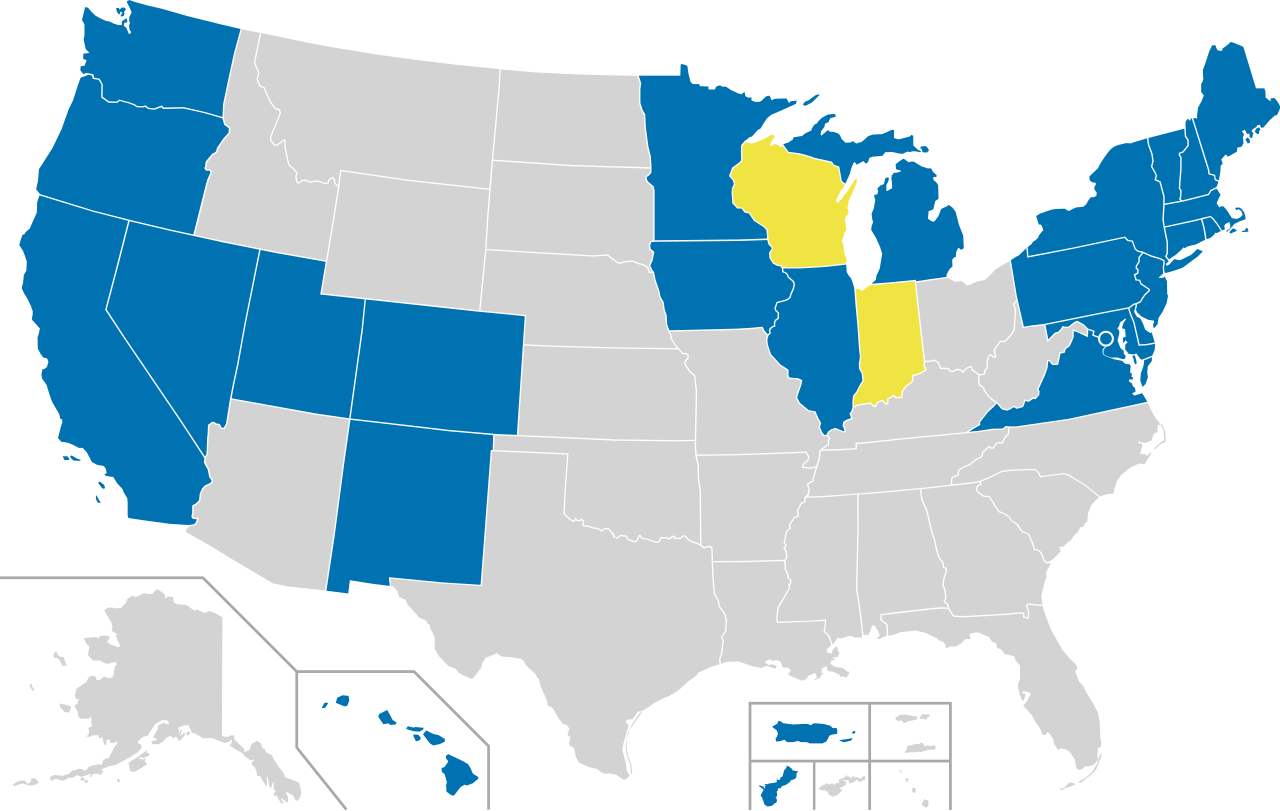
The Federal vs. State Comparison Matrix
To pass the licensing exam and practice effectively, you must instantly recognize which law dictates which standard.
| Feature / Protection | Federal Fair Housing Act (FHA) | Pennsylvania Human Relations Act (PHRA) |
|---|---|---|
| Property Types Covered | Residential only | Residential AND Commercial |
| Age Protection | None | Protected (40 years and older) |
| Ancestry | Implicit under National Origin | Explicitly protected class |
| Time to File Complaint | One (1) year to HUD | 180 days to PHRC |
| Guide Animal Trainers | Not explicitly protected | Explicitly protected |
Local Ordinances and the Rule of the Strictest Standard
In addition to state and federal laws, local municipalities and counties in Pennsylvania may enact their own fair housing ordinances with additional protected classes beyond state and federal law. For example, a specific city might add protections for student status or source of income.
The Compliance Imperative: Real estate licensees must adhere to federal, state, and local fair housing laws by honoring the strictest protections applicable in their jurisdiction. If a local ordinance provides more protection than the PHRA, the local ordinance dictates your behavior.
Laws are entirely theoretical until they are enforced. In Pennsylvania, the enforcement apparatus for fair housing is highly structured, and the penalties for non-compliance can dismantle a real estate career.
The Pennsylvania Human Relations Commission (PHRC)
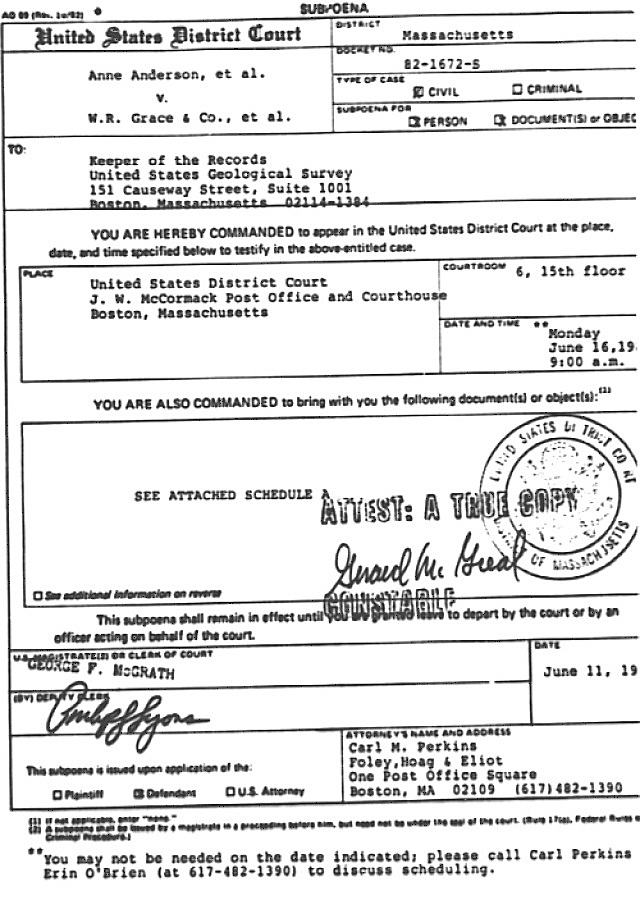
The Pennsylvania Human Relations Commission (PHRC) is the state agency responsible for enforcing the Pennsylvania Human Relations Act. They are not a passive entity; they hold significant investigatory power. During a housing discrimination investigation, the Pennsylvania Human Relations Commission has the authority to issue subpoenas for relevant witnesses and documents. You cannot ignore them.
Timelines for Redress
Time is a critical variable in civil rights law. If a consumer experiences discrimination, the clock begins ticking immediately.
- State Level: A consumer has 180 days from the date of an alleged discriminatory act to file a fair housing complaint with the Pennsylvania Human Relations Commission.
- Federal Level: A consumer has one year from the date of an alleged discriminatory act to file a fair housing complaint with the federal Department of Housing and Urban Development (HUD).
The Fair Housing Poster: A Mandatory Public Declaration
Ignorance is not a defense, and the state requires brokerages to make civil rights protections visible. The Pennsylvania Human Relations Act requires businesses involved in housing sales or rentals to prominently post an official fair housing notice.
This is not a decorative suggestion. A real estate broker who fails to display the required Pennsylvania fair housing poster risks disciplinary action. The absence of the poster can be viewed by investigators as prima facie evidence of discriminatory intent.
Prohibited Practices and Disciplinary Ripple Effects
The PHRA specifically prohibits blockbusting (inducing panic selling based on the entry of protected classes into a neighborhood) and panic peddling in real estate transactions. Furthermore, the act explicitly prohibits retaliation against anyone who opposes illegal discriminatory practices. You cannot penalize a tenant, buyer, or colleague for blowing the whistle on discrimination.
The consequences of failing to uphold these laws compound rapidly.
The Doctrine of Compound Violations: A violation of the Pennsylvania Human Relations Act by a real estate licensee automatically constitutes a violation of the Pennsylvania Real Estate Licensing and Registration Act (RELRA).
If you violate the PHRA, the Real Estate Commission will target your license. You face fines, suspension, or permanent revocation.
Beyond fair housing, the Pennsylvania Real Estate Commission strictly regulates how specialized properties are sold and how real estate businesses are financially structured. These rules exist to prevent fraud and ensure financial transparency.
Promotional Land Sales: Protecting the Consumer Across Borders
Promotional real estate involves a common promotional plan undertaken by a single developer or a group of developers acting together. Think of large-scale resort developments, sprawling retirement communities in Florida, or massive subdivisions marketed via intensive advertising campaigns.
Pennsylvania has a vested interest in protecting its citizens from predatory land scams, regardless of where the dirt is actually located. Therefore, Pennsylvania promotional land sales regulations apply to:
- Properties located outside of Pennsylvania that are offered to Pennsylvania residents.
- Properties located inside Pennsylvania that are part of a common promotional plan.

The Registration Requirement
Before a developer can legally market these lots to a Pennsylvania resident, they must file a statement of record with the Pennsylvania Real Estate Commission. Furthermore, these promotional land sales registrations must be renewed annually with the Commission.
To ease the regulatory burden on developers who are already complying with federal oversight, the Pennsylvania Real Estate Commission accepts property reports filed with the federal government to satisfy state promotional land sales registration.
Statutory Exemptions
Not every land division requires this heavy regulatory oversight. The state provides logical carve-outs. A real estate project is exempt from Pennsylvania promotional land sales registration requirements if it meets any of the following criteria:
- The project involves fewer than 50 lots or shares.
- The project involves fewer than 25 acres of land.
- The sale consists exclusively of cemetery lots.
- The promotional real estate is subject to a statutory exemption under the federal Interstate Land Sales Full Disclosure Act.
Financial Structures: The Qualified Association
As a real estate salesperson or associate broker, you are an independent contractor for tax purposes, yet legally tethered to your employing broker. As your business grows, you may want to form an LLC or corporation for tax advantages and liability protection. In Pennsylvania, this entity is known as a Qualified Association.
The flow of money is strictly regulated. A Pennsylvania broker may legally pay a commission to a qualified association owned by an affiliated associate broker or salesperson. In turn, the Pennsylvania associate broker or salesperson may legally receive compensation from a qualified association in which the licensee owns an interest.
However, a Qualified Association is a financial vessel, not a brokerage. It is subject to strict operational constraints:
- Ownership Constraint: A qualified association must be solely owned by licensees who are all affiliated with the same real estate broker. You cannot form a qualified association with an agent from a competing brokerage.
- Public Interface Constraint: A qualified association must not hold itself out to the public as providing real estate services or real estate-related services. You cannot advertise "Smith Real Estate Group LLC" as if it were a brokerage. The public must clearly know they are dealing with your employing broker.
- Disciplinary Constraint: The corporate veil will not protect your license. A Pennsylvania real estate licensee faces disciplinary action for owning an interest in a qualified association that participates in prohibited acts.
Specialized Deposits and Strict Prohibitions
Because real estate involves varied asset classes, the Commission has specific handling rules for unique property types. Specifically, Pennsylvania real estate brokers and salespersons must comply with specific commission rules regarding deposits received for campground membership sales and time-share sales. These deposits must be meticulously escrowed and accounted for, given the historically high-pressure sales environments associated with these assets.

Furthermore, when recruiting agents or attempting to secure clients, absolute honesty is mandated. Pennsylvania real estate licensees are prohibited from making conditional or unconditional guarantees of employment. You cannot promise an applicant that buying a particular property or taking a particular course will guarantee them a job.
The Long Arm of the Law: Reciprocal Discipline
Finally, the real estate marketplace is increasingly borderless, but your professional record follows you everywhere. If you hold licenses in multiple states—perhaps Pennsylvania and New Jersey—you must maintain impeccable conduct in both jurisdictions.
Disciplinary action against a real estate licensee in another jurisdiction can result in reciprocal discipline by the Pennsylvania Real Estate Commission. If New Jersey suspends your license for mishandling escrow funds, Pennsylvania will not re-litigate the facts of the case; they will look at the New Jersey ruling and apply their own reciprocal punishment to your Pennsylvania license.
To master Pennsylvania real estate law is to master the boundaries of professional conduct. The statutes are not merely hurdles to passing your exam; they are the exact parameters of your future professional integrity. Learn them deeply, respect their purpose, and apply them with precision.