Texas Community Property & Homestead Protections
Not sure you’re ready?
Take the ~3-minute readiness diagnostic and see where you stand.
A deed to a Texas home is not merely a receipt for a financial transaction; it is a legal instrument that immediately triggers a complex web of invisible force fields. The moment a client purchases a property or crosses the threshold to live there, hundreds of years of Spanish civil law and Texan frontier history collide to govern who owns it, who can take it away, and who must sign the paperwork to sell it. To operate effectively as a real estate agent in Texas, one must view property not just in terms of square footage and location, but through the dual lenses of marital property rights and homestead protections.
Understanding these concepts is not an exercise in abstract legal theory. It is the practical difference between closing a sale smoothly and watching a transaction implode at the title company because a crucial signature is missing.
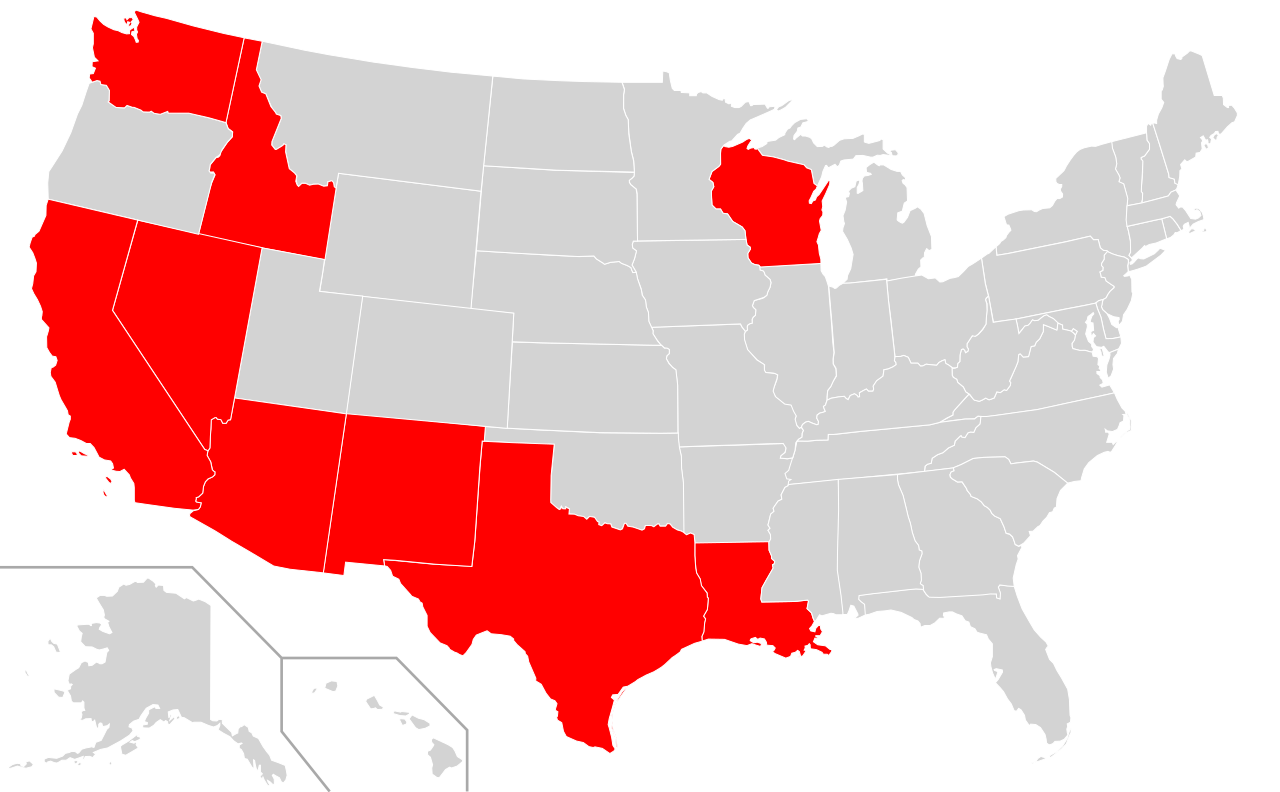
Texas is a community property state. This is the foundational rule of marital property in the state, derived from Spanish civil law, which views marriage as an equal economic partnership.
When you sit down with a married couple to list their home or help them buy one, you must understand how the state classifies their assets. Texas legally divides all property owned by married couples into two distinct buckets: Community Property and Separate Property.
The Community Property Presumption
The overriding rule in Texas is the presumption of community property. Property acquired during a marriage is presumed by Texas law to be community property. It does not matter whose name is on the paycheck or whose name is on the title. If one spouse buys a house during the marriage using their salary, that house belongs equally to both spouses.
Because of this shared ownership, the rules of conveyance are absolute: Both spouses must sign a deed to legally convey community property real estate. Furthermore, you cannot even begin the process unilaterally; both spouses must sign a listing agreement to list community property for sale. If you only get the signature of the husband on a listing agreement for a community asset, you do not have a valid, enforceable contract to sell that home.
The Separate Property Exceptions
If everything acquired during marriage is presumed community, what belongs in the separate property bucket? Separate property includes real estate owned by a spouse prior to marriage. If your client owned a condo in Austin before tying the knot, that condo remains their separate property.
But separate property can also be acquired during the marriage, provided it comes from specific sources. Texas law recognizes three primary exceptions where property acquired during a marriage is classified as separate property:
- Gifts: Property acquired during a marriage by gift is classified as separate property. If a parent deeds a house solely to their daughter, the daughter's husband has no community claim to it.
- Inheritance: Property acquired during a marriage by inheritance is classified as separate property.
- Personal Injury: Funds acquired during a marriage from a personal injury settlement are classified as separate property. (Note: This applies to compensation for pain and suffering, though compensation for lost wages during the marriage might still be deemed community).
Furthermore, the character of the property persists even if it changes form, provided you can track the money. Real estate purchased with separate funds during a marriage remains separate property. If a spouse takes their $150,000 separate inheritance and buys a plot of land with it, that land is separate property.
Crucial Distinction: Income vs. Appreciation Here is a nuance that frequently trips up both exam-takers and seasoned agents. How does separate property grow?
If a client's separate property naturally increases in market value, it does not taint the separate nature of the asset. The natural increase in value of separate property during a marriage remains separate property. If that Austin condo appreciates from $300,000 to $500,000, the $200,000 gain belongs solely to the owning spouse.
However, income is treated differently. Income generated from separate property during a marriage automatically becomes community property in Texas. If that same condo is rented out, the monthly rent collected is community property, shared equally with the spouse.
Is there a way around this? Yes. Spouses can execute a written agreement to designate income from separate property as separate property. Without this specific legal document, the rent money lands right back in the community bucket.
While community property dictates who owns the house, the Texas homestead laws dictate how fiercely that house is protected.
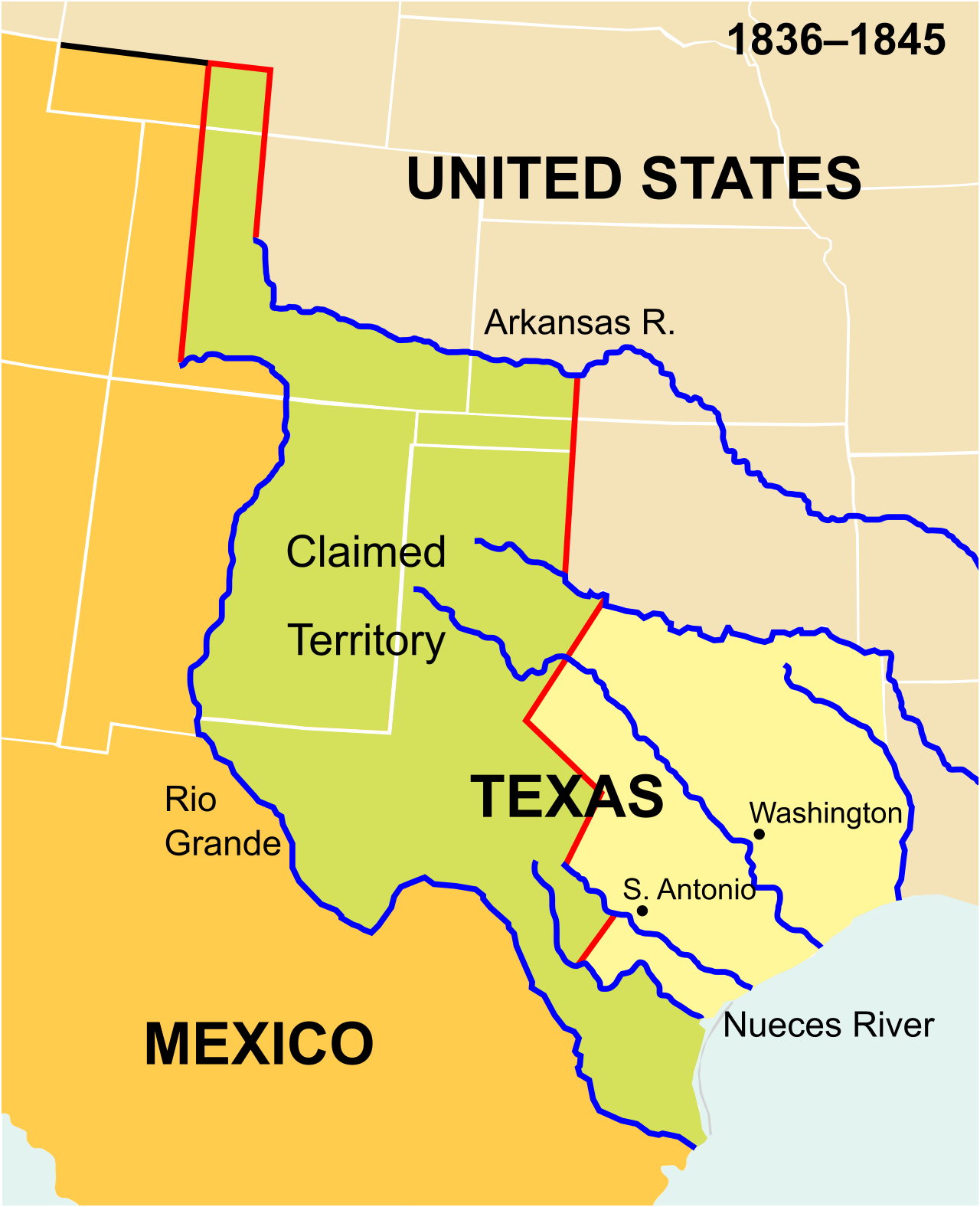
In the 1830s, as Texas was becoming a republic, lawmakers wanted to encourage settlement and protect families from being left homeless by catastrophic debt. They created the concept of the homestead. Today, a Texas homestead is a legal status protecting a primary residence from forced sale by general creditors.
Establishing the Homestead and its Limits
You do not need to file paperwork at the courthouse to create a homestead. A homestead is established automatically when an owner begins using the property as a primary residence. The moment a family moves their furniture in and sleeps there with the intent to remain, the invisible fortress goes up.
However, the shield is inherently tied to a single primary residence. A property owner can legally claim only one primary homestead at a time. You cannot have a protected homestead in Dallas and another protected homestead in Galveston.
Texas restricts the size of this protected land based on its location and the owner's family status:
| Homestead Type | Maximum Size Limitation |
|---|---|
| Urban | An urban homestead in Texas is limited to a maximum of 10 acres of land. |
| Rural (Single Adult) | A rural homestead for a single adult in Texas is limited to a maximum of 100 acres of land. |
| Rural (Family) | A rural homestead for a family in Texas is limited to a maximum of 200 acres of land. |
When dealing with large rural properties, the land does not have to be one giant square. A rural homestead can include multiple non-contiguous parcels of land. However, there is a strict qualifying condition for these disconnected tracts: The multiple parcels of a rural homestead must be used for the support of the family to qualify for homestead protection. You cannot claim a random, unused 10-acre wooded lot miles away from your house as part of your homestead unless you are utilizing it (e.g., cutting timber, grazing cattle) to support the family unit.
Spousal Homestead Rights: The Ultimate Agent Trap
Homestead status overrides separate property rights when it comes to selling a home. This is arguably the most important practical rule for a real estate agent to remember.
Imagine a client buys a house as a single man. It is his separate property. He later marries, and his new wife moves in. The house is now their homestead. Even though she is not on the title, and even though it is his separate property, he can no longer sell it alone. The signature of both spouses is required to convey a homestead property even if the property is the separate property of only one spouse.
To pass clear title, both spouses must sign a deed conveying a homestead property. If the non-owning spouse refuses to sign, the property cannot be sold.
This protective status extends beyond death. Texas law ensures widows and widowers are not thrown out of their homes. A surviving spouse receives a life estate right to occupy the homestead property after the death of the owning spouse. This means they can live there for the rest of their life, provided they maintain the property. And importantly, the right of a surviving spouse to occupy the homestead applies regardless of whether the homestead was the separate property of the deceased spouse.
When we say a homestead protects against "general creditors," what does that mean? The Texas homestead is a powerful shield against unsecured debt. Specifically, a homestead is protected from forced sale to satisfy legal judgments originating from credit card debt. Likewise, a homestead is protected from forced sale to satisfy legal judgments originating from medical bills. If a homeowner accrues $500,000 in credit card or medical debt, the creditors cannot seize and sell the Texas homestead to settle the bill.
But the shield is not invincible. The Texas Constitution explicitly lists specific debts that can force the sale of a homestead. A homestead is not protected from forced sale for the non-payment of:
- Property Taxes: The government always gets its due.
- A Purchase Money Mortgage: The bank that loaned the money to buy the house can foreclose if unpaid.
- A Properly Executed Mechanic's Lien for Property Improvements: If a contractor builds a new roof and follows strict legal procedures to file a lien, and the owner refuses to pay, the contractor can force a sale.
- A Valid Home Equity Loan: If an owner voluntarily borrows against the equity in their home, that lender has foreclosure rights.
- A Homeowners Association Assessment: HOAs in Texas carry the power to foreclose for unpaid dues.
- An Owelty of Partition Related to a Divorce Settlement: An owelty is a legal term for a payment to equalize the division of real estate. If a judge awards the house to the husband, but orders him to pay the wife $50,000 for her half of the equity, the home can be forced into sale if he fails to pay that owelty.
- A Reverse Mortgage: Loans taken out by seniors against their home equity, payable upon death or moving out, can result in forced sale if the terms are breached.
Do not confuse homestead protection (the automatic shield against creditors) with a homestead tax exemption (a reduction in property taxes).
While the legal protection is automatic, the tax break is not. A homestead tax exemption removes a specific portion of a home's assessed value from property taxation. Because Texas has no state income tax, property taxes are high, making these exemptions immensely valuable to your clients.
To get this benefit, the owner must take action: A property owner must submit an application to the county appraisal district to receive a homestead tax exemption.
The baseline requirement is simple. To qualify for a general residence homestead tax exemption, the owner must occupy the home as a principal residence.
Additional Layers of Tax Exemption
Texas offers profound tax relief for its most vulnerable or venerable citizens.
Age 65 or Older Exemption: Homeowners who turn 65 during the tax year are eligible for an additional age 65 or older homestead tax exemption. This is a massive financial advantage because the age 65 or older homestead tax exemption establishes a permanent ceiling on school district property taxes for that specific residence. School taxes often make up the bulk of a Texas property tax bill; once an owner qualifies for this exemption, the school tax dollar amount cannot go up as long as they live there, even if the home's value skyrockets.
Disability Exemption: A disabled homeowner can legally claim a disability homestead tax exemption in Texas. However, there are limitations on combining standard exemptions. A homeowner cannot simultaneously claim both the over-65 tax exemption and the disability tax exemption on the exact same property. If a client qualifies for both, they must choose the one that provides the greater financial benefit.
The Absolute Exemption for Disabled Veterans: Texas honors its veterans with one of the most generous property tax laws in the nation. Disabled veterans with a 100 percent service-connected disability are completely exempt from paying property taxes on their primary Texas residence. A $0 tax bill is a life-changing financial reality for these veterans, and knowing this rule allows you to serve military clients with elite competency.
The Agent's Application
When you step into a home, you are stepping into a complex matrix of Texas law. Before you ever plant a sign in the yard, you must ask yourself: Who really owns this? Is it community or separate? Is it their homestead? Who needs to sign this listing agreement? By mastering the invisible force fields of marital property and homestead rights, you graduate from being a simple salesperson to a true, professional real estate practitioner.