Cost Approach and Income Analysis
Not sure you’re ready?
Take the ~3-minute readiness diagnostic and see where you stand.
To determine the true value of a physical asset, one must either calculate the exact cost to recreate it from scratch or measure the financial output it will generate over time. In real estate, these two distinct philosophies form the foundation of the Cost Approach and the Income Capitalization Approach. As a real estate professional, you will quickly discover that value is not a singular, absolute number plucked from thin air. It is a highly specific estimate dictated by the nature of the property itself. We do not value a historic cathedral the same way we value a 50-unit apartment building, because the fundamental economic utility of each structure is entirely different.

By deconstructing how these valuation models work, you will possess a profound understanding of not just what a property is worth, but precisely why it holds that value.
The cost approach estimates property value by a brilliantly logical sequence: adding the estimated land value to the current cost of constructing the building, minus accrued depreciation.
Think of this approach as reverse-engineering the property. If the building burned down tomorrow, what would it cost to acquire an equivalent plot of dirt and rebuild the structure?
This method is highly effective for appraising newly constructed buildings, where wear and tear is essentially zero and construction costs are easily verifiable. More importantly, the cost approach is primarily used for appraising special-purpose properties like churches, schools, and public buildings. Why? Because you cannot easily find comparable sales for a public library, nor does a library generate rental income. The cost approach is the only mathematical anchor we have for such unique structures.

The Immutable Rule of Land
Before we calculate the building's cost, we must isolate the ground it sits on. Land value is calculated separately and does not depreciate in the cost approach to real estate appraisal. Buildings decay; land remains. Therefore, we appraise the land as if it were vacant and available for its highest and best use, completely distinct from the structure above it.
Reproduction vs. Replacement Cost
When estimating the construction of the building, an appraiser must choose one of two cost baselines:
- Reproduction Cost: This is the current dollar amount required to construct an exact duplicate of the subject building, using the precise materials, craftsmanship, and archaic standards of the original. This is rarely used except for historic preservation.
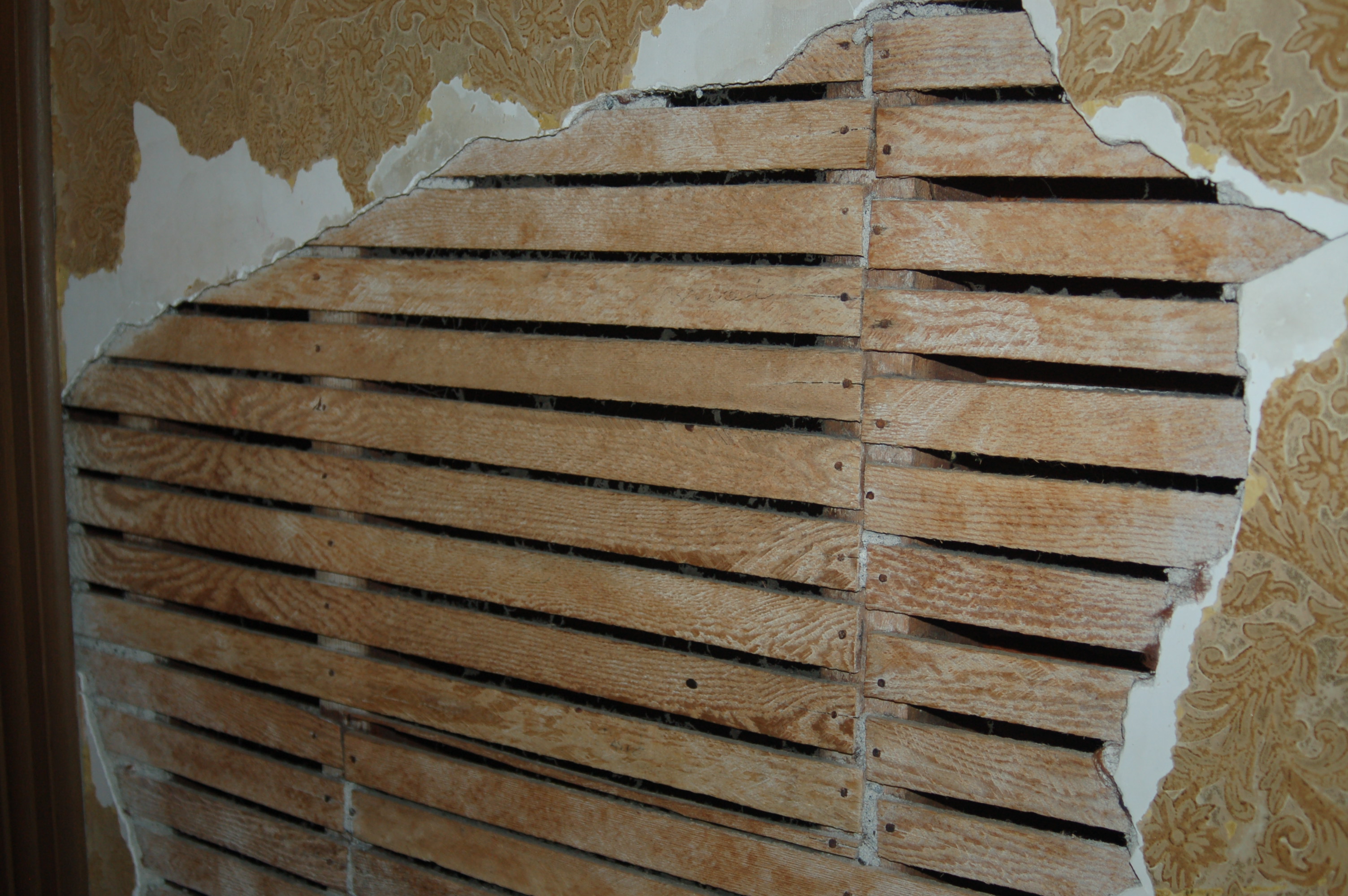
- Replacement Cost: This is the current dollar amount required to construct a building with the same utility as the subject property using modern materials. If the original house had lath-and-plaster walls, replacement cost simply calculates the cost of modern drywall. It provides the same function without the outdated expense.
Three Methods to Estimate Construction Cost
To figure out what that reproduction or replacement will cost, appraisers use three distinct methodologies, scaling from the simplest to the most granular:
- The Square-Foot Method: The appraiser estimates property construction cost by multiplying the cost per square foot of a comparable, recently built structure by the square footage of the subject building. It is fast, common, and reliable for standard structures.
- The Unit-in-Place Method: This estimates construction cost based on the construction cost per unit of measure of individual building components. Instead of total square footage, the appraiser calculates the cost of the foundation per cubic yard of concrete, the roof per square, and the plumbing per fixture.
- The Quantity-Survey Method: This is the ultimate, exhaustive accounting. It estimates construction cost by detailing the quantity and grade of all materials used, plus labor costs and indirect expenses (like permits and builder's profit). It is the most accurate method but highly time-consuming.
Depreciation: The Decay of Value
In real estate appraisal, depreciation is any condition that adversely affects the value of an improvement to real property. Note the word improvement. Remember, land does not depreciate.
Appraisers categorize depreciation into three distinct types:
- Physical Deterioration: A loss in real estate value caused by normal wear and tear or delayed maintenance. Peeling paint, a sagging roof, or a cracked driveway all fall here. We divide this into two sub-categories:
- Curable physical deterioration refers to property repairs that increase the property value by at least the cost of the repair. If painting a weathered house costs $3,000 but raises the property value by $5,000, it is curable.
- Incurable physical deterioration occurs when the repair costs more than the value it adds (e.g., replacing the entire structural skeleton of a decaying foundation).
- Functional Obsolescence: A loss in property value caused by outdated design features or poor floor plans. A five-bedroom house with only one bathroom suffers from functional obsolescence. The physical materials are perfectly fine, but the utility is hopelessly flawed by modern market standards.
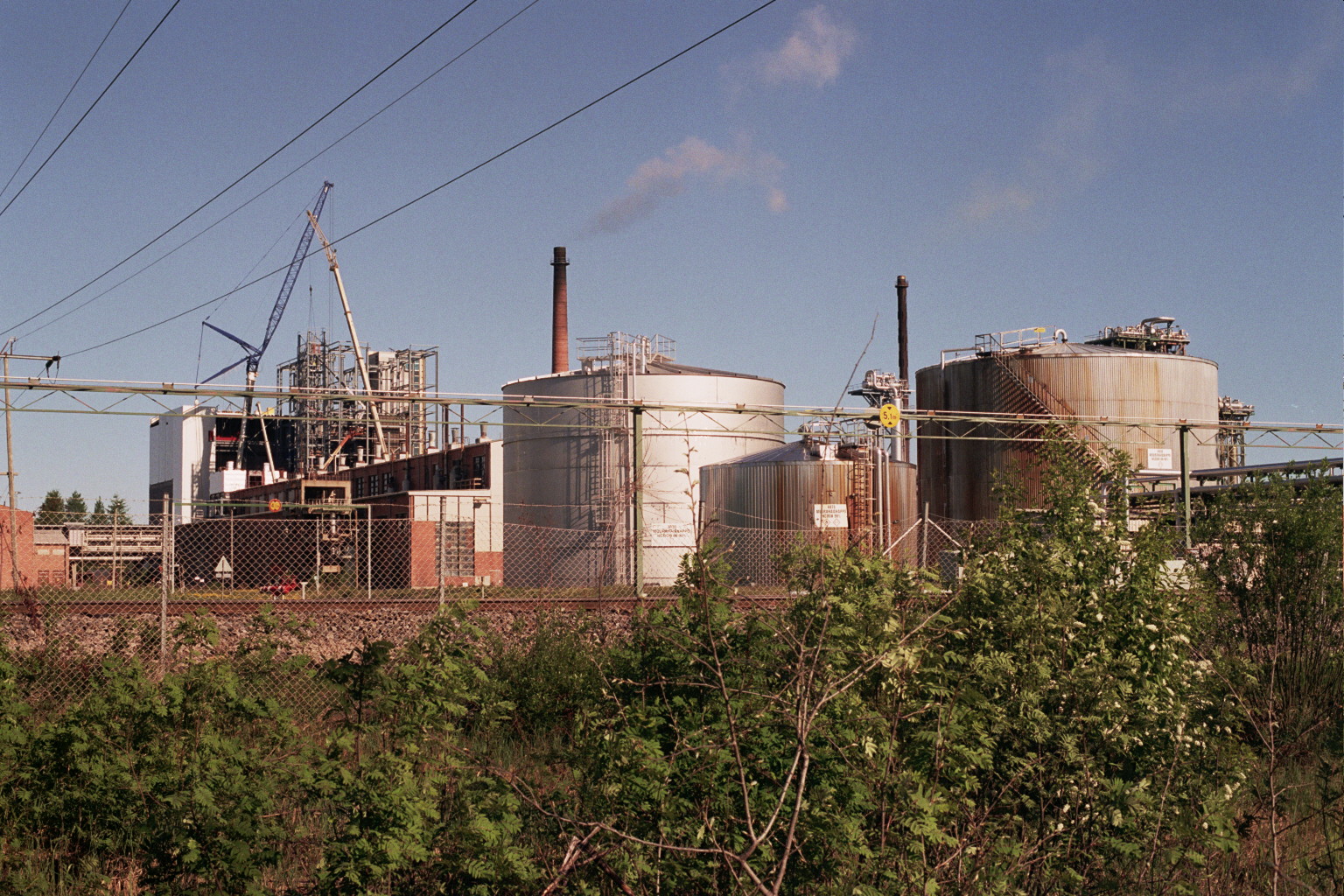
- External Obsolescence: A loss in property value caused by negative environmental, social, or economic factors outside the property boundaries. A newly built chemical plant next door, or a zoning change that reroutes heavy traffic past the front porch, destroys value. External obsolescence is always considered incurable because the property owner cannot control neighborhood or regional factors. You cannot simply pay a contractor to move the chemical plant.
Cost Approach Formula: Property Value = Land Value + (Construction Cost - Accrued Depreciation)
If the cost approach treats a building like a physical object, the income capitalization approach treats a building like a financial machine. This approach estimates property value based on the present worth of the future rights to income generated by the real estate.
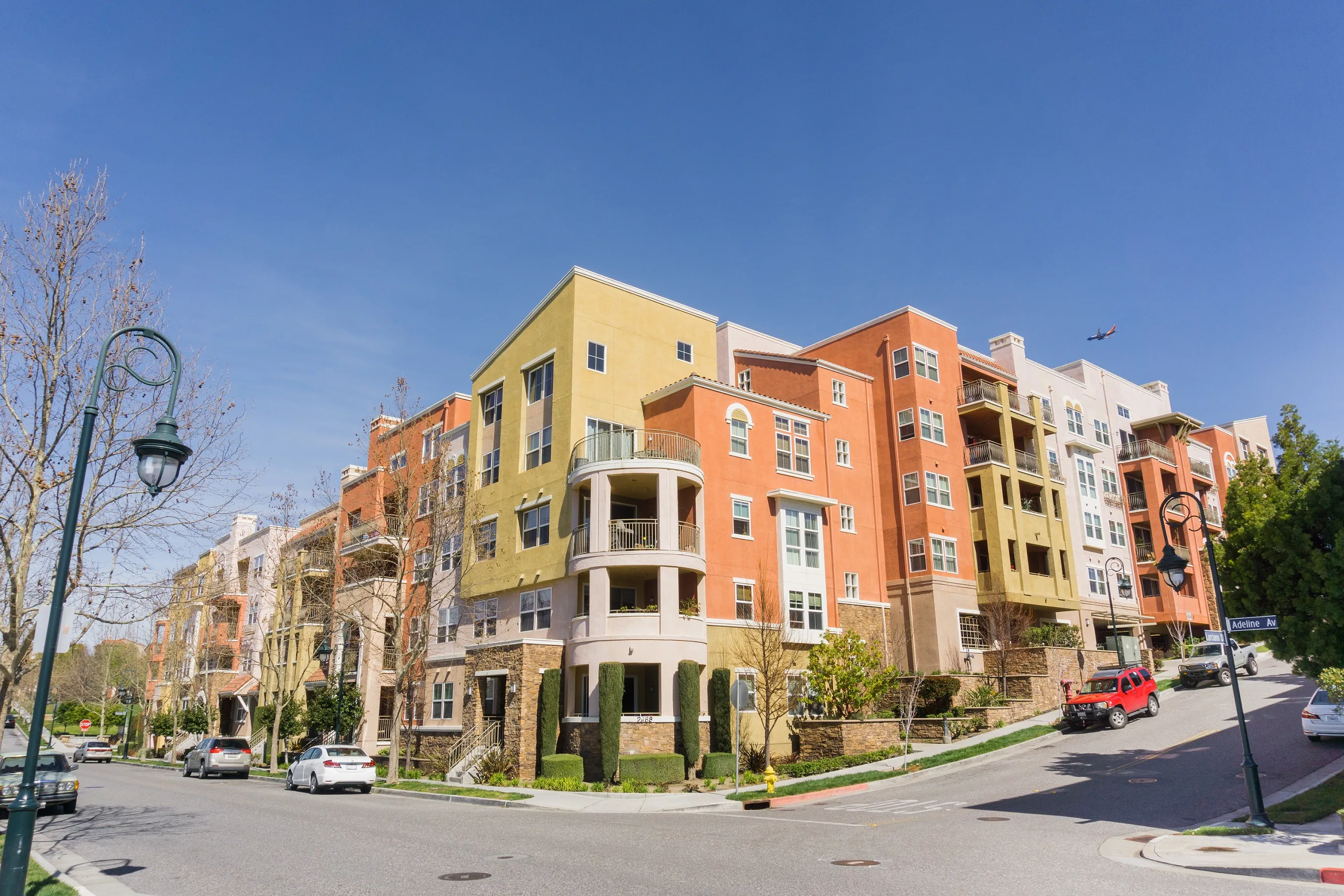
When investors buy an apartment complex, they are not buying bricks; they are buying the right to collect rent for the next twenty years. Consequently, the income capitalization approach is primarily used for appraising income-producing properties like apartment complexes and office buildings.
The Flow of Income: The NOI Staircase
To value the financial machine, we must figure out exactly how much cash it throws off. We do this by calculating the Net Operating Income (NOI). You must memorize this flow—it is the lifeblood of commercial real estate.
- Potential Gross Income (PGI): This is the absolute ceiling. PGI is the total annual income a real estate property would produce if fully rented with zero collection losses. It assumes a perfect world where the building is 100% occupied and everyone pays on time.
- Effective Gross Income (EGI): Since the perfect world does not exist, EGI is calculated by subtracting estimated vacancy and collection losses from the potential gross income. This is the money actually moving through the front door.
- Net Operating Income (NOI): Finally, NOI is calculated by subtracting annual operating expenses from the effective gross income of a property. This is the pure cash generated by the operation of the building itself.
The Great Exclusions: What is NOT an Operating Expense?
When calculating NOI, we are measuring the performance of the property, not the performance of the owner. Therefore, three major items are strictly excluded from operating expenses:
- Mortgage debt service payments are strictly excluded. Two identical apartment buildings will have the same NOI even if Owner A bought in cash and Owner B took out a massive loan. The loan is the owner's personal financing choice, not a flaw in the building.
- Income taxes are excluded. Your personal tax bracket has nothing to do with the property's operational efficiency.
- Capital improvements are excluded. Fixing a leaky pipe is an operating expense (maintenance). Adding a brand-new $50,000 roof is a capital improvement. It extends the life of the property and is accounted for differently on the balance sheet.
The Capitalization Rate (Cap Rate)
Once you have the NOI, you need a multiplier to turn that annual cash flow into a total property value. Enter the capitalization rate.
The capitalization rate represents the estimated rate of return an income-producing property will produce on the owner's investment. It is the real estate equivalent of a bond yield.
Where does this percentage come from? The market. The capitalization rate is determined by comparing the net operating income of comparable properties to the sales prices of those comparable properties. If comparable buildings in a neighborhood are generating $100,000 in NOI and selling for $1,000,000, the market cap rate is 10%.
The IRV Formula
The income capitalization formula states that property value equals the net operating income divided by the capitalization rate.
Formula: Value = Net Operating Income ÷ Capitalization Rate
Let's observe the mathematical magic of this formula. Because the cap rate is in the denominator, there is a strict inverse relationship between the cap rate and the property value, assuming NOI remains constant:
- An increase in the capitalization rate results in a decrease in the estimated property value. (Higher risk demands a higher rate of return, meaning the investor will pay less upfront).
- A decrease in the capitalization rate results in an increase in the estimated property value. (Lower risk allows a lower rate of return, meaning investors will bid the price up).
Sometimes, full income capitalization is too complex or unnecessary—especially for smaller properties where expenses are relatively uniform. In these cases, we use a simpler ratio.
The Gross Rent Multiplier (GRM)
The gross rent multiplier is a simplified valuation method used primarily for one-to-four-unit residential rental properties. Because residential leases are typically structured month-to-month or annually with monthly payments, the gross rent multiplier calculation uses gross monthly rental income to estimate property value.
Residential property value is estimated by multiplying the gross monthly rental income by the gross rent multiplier. Example: If a duplex generates $2,000 a month, and the neighborhood GRM is 120, the estimated value is $240,000.

The Gross Income Multiplier (GIM)
Commercial properties operate on a different rhythm. They often generate income beyond just base rent (e.g., parking fees, vending machines, CAM charges). Therefore, the gross income multiplier is a valuation method used for commercial properties based on annual income from all sources.
Commercial property value is estimated by multiplying the gross annual income by the gross income multiplier.
| Feature | Gross Rent Multiplier (GRM) | Gross Income Multiplier (GIM) |
|---|---|---|
| Property Type | 1-4 Unit Residential | Commercial (5+ units, retail, etc.) |
| Income Measured | Gross Monthly Rent | Gross Annual Income (All Sources) |
| Formula | Value = Monthly Rent × GRM | Value = Annual Income × GIM |
As a real estate professional, you must understand that these valuation formulas do not exist in a vacuum. Millions of appraisals are conducted annually, and this data is the backbone of the United States economy.
To keep the financial system stable, the Federal Housing Finance Agency (FHFA) provides standardized appraisal data resources such as the Uniform Appraisal Dataset (UAD) to monitor housing and valuation trends.
If you've ever wondered why appraisers use identical formatting, identical abbreviations, and strict condition ratings (like "C1" or "C4"), it is because of the UAD. The Uniform Appraisal Dataset standardizes appraisal data reporting for loans delivered to government-sponsored enterprises like Fannie Mae and Freddie Mac.

When an appraiser measures the replacement cost of a home, or the physical deterioration of a roof, they report it using UAD standards. This allows the secondary mortgage market to instantly digest, verify, and bundle that mortgage, keeping liquidity flowing into the hands of your future buyers.
By mastering the Cost and Income approaches, you are not just passing a test—you are learning the underlying physics of the global real estate market. Value is never a guess; it is the inevitable sum of materials, utility, and cash flow.