Definition of a Broker-Dealer Agent
In the architecture of state securities law, legal entities like corporations and partnerships are treated as vast, motionless machines. A brokerage firm may hold the capital, the technology, and the clearing agreements, but a machine cannot pick up a phone, solicit a client, or execute a trade. To interact with the investing public, the machine requires a human operator. Under the Uniform Securities Act (USA), that human operator is legally defined as an agent.
The Uniform Securities Act defines an agent as any individual who represents a broker-dealer or an issuer in effecting or attempting to effect purchases or sales of securities. By definition, only a natural person can be registered as an agent under the USA. A corporation, partnership, or other business entity cannot be registered as an agent; entities register as broker-dealers or investment advisers, while the breathing humans who act on their behalf register as agents.

Understanding the precise legal boundary of who is—and who is not—an agent is critical. State Administrators design these rules to ensure that anyone who interfaces with the public regarding securities is tested, background-checked, and accountable.
When a firm is in the primary business of executing securities transactions, state law casts a wide, unforgiving net over its employees. An individual representing a broker-dealer in effecting securities transactions is legally defined as an agent of the broker-dealer.
For those representing broker-dealers, the nature of the security or the transaction offers no safe harbor. If you are acting on behalf of a broker-dealer, you must register as an agent even if the securities involved in the transactions are exempt from registration. Furthermore, an individual representing a broker-dealer must register as an agent even if the securities transactions are classified as exempt transactions.
Why is this rule so absolute? Because a broker-dealer is a professional Wall Street entity. The state Administrator assumes that if a broker-dealer's representative is engaging with the public, the public requires the protection of dealing with a licensed professional. Therefore, an individual representing a broker-dealer is not eligible for the exempt transaction exclusions or the exempt securities exclusions from the definition of an agent. If you represent a broker-dealer and you effect trades, you are an agent. Period.
The Boundary of Clerical and Administrative Staff
Not everyone who works inside a broker-dealer needs a license. A firm employs hundreds of individuals to process paperwork, answer phones, and manage human resources. By statute, clerical employees and administrative personnel of a broker-dealer who do not effect trades are excluded from the statutory definition of an agent.

However, the legal protection for administrative staff vanishes the moment they cross the line from clerical work to trade execution. The law looks at actions, not job titles.
- Providing Information vs. Taking Orders: Providing a securities quote to a client does not require registration as an agent if no order is accepted. Reading a number off a screen is an administrative function.
- Crossing the Line: Soliciting a securities transaction, or accepting a customer order for a security, requires an individual to be registered as an agent.
The "Occasional" Trap: There is no "just this once" exception in securities law. An administrative assistant who occasionally accepts a customer securities order for a broker-dealer must register as an agent. A clerical employee of a broker-dealer becomes an agent the moment that employee accepts customer orders for securities.
Compensation also acts as a tripwire. Receiving sales-related compensation for securities transactions automatically classifies a broker-dealer employee as an agent. If an assistant is paid a $50 bonus for every new account that places a trade, they are acting as an agent. Conversely, paying a year-end bonus based on overall company profits to a clerical employee does not classify the clerical employee as an agent, because the compensation is not directly tied to the individual solicitation or execution of a specific security sale.
Principals, Interns, and Contractors
Do not confuse corporate hierarchy with securities licensing. Officers and directors of a broker-dealer are not automatically considered agents of the broker-dealer. The state Administrator does not require the Vice President of Human Resources or a silent board member to pass the Series 63. A partner, officer, or director of a broker-dealer is classified as an agent only if the individual personally participates in effecting securities transactions.
Conversely, individuals at the very bottom of the hierarchy, or even outside of it, cannot escape registration if they act like agents:
- Independent contractors representing a broker-dealer in the sale of securities must register as agents of the broker-dealer. You cannot use a 1099 tax status to bypass state securities laws.
- Summer interns at a broker-dealer who solicit clients for securities transactions must register as agents. Age or temporary employment status does not grant a license to solicit the public without oversight.
Issuers are entities (like corporations or governments) that issue securities to raise capital. An individual who represents an issuer in effecting securities transactions is defined as an agent of the issuer.
However, unlike broker-dealers—who are in the everyday business of selling securities—issuers are usually in the business of doing something else, like building cars, selling software, or governing a municipality. Because the issuer is not a Wall Street firm, the Uniform Securities Act provides generous exclusions for individuals representing issuers. In specific scenarios, these individuals are legally excluded from the definition of an agent, meaning they do not have to register at all.
Exclusion 1: Representing an Issuer Selling Specified Exempt Securities
An individual representing an issuer is excluded from the definition of an agent if the individual sells certain highly regulated or low-risk exempt securities. Notice that this exclusion only exists for issuer agents, not broker-dealer agents. The exclusions apply to the sale of:
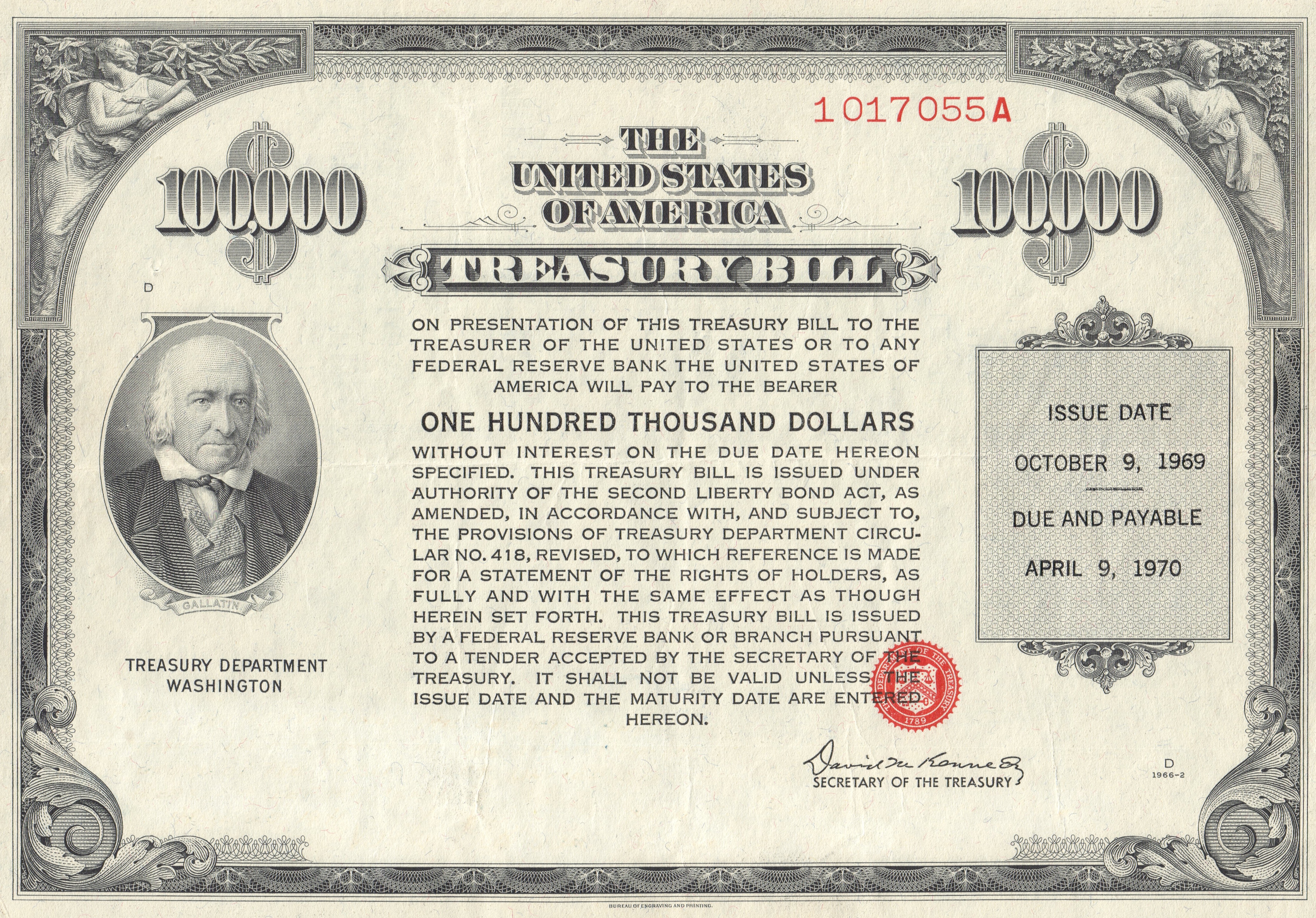
- United States government securities: An individual representing an issuer in the sale of US Treasury bonds is legally excluded from the definition of an agent.
- Canadian government securities: An individual representing an issuer in the sale of Canadian government securities is similarly excluded.
- United States commercial bank securities: An individual representing an issuer in the sale of securities issued by a US commercial bank is excluded.
- Commercial paper: An individual representing an issuer in the sale of commercial paper with a maturity of 270 days or less is excluded from the definition of an agent.
Exclusion 2: Representing an Issuer in Exempt Transactions
An individual representing an issuer is excluded from the definition of an agent if the individual exclusively effects exempt transactions. Because the state deems these specific transactions to be lower risk—either because the public isn't involved, or the buyers are highly sophisticated—the individual facilitating them on behalf of the issuer does not need to register. These include:
- Isolated non-issuer transactions: An individual representing an issuer in an isolated non-issuer transaction is excluded from the definition.
- Underwriter transactions: An individual representing an issuer in a transaction between the issuer and an underwriter (e.g., an executive of a tech startup negotiating with Goldman Sachs to take the company public) is excluded.
- Institutional transactions: An individual representing an issuer in transactions exclusively with institutional investors (like pension funds or insurance companies) is excluded. Institutions can protect themselves.
- Private placements: An individual representing an issuer in a private placement transaction is excluded from the definition of an agent.
Exclusion 3: Transactions with Employees and Directors
Issuers frequently compensate their own workforce with company stock. If a corporate human resources manager assists fellow employees in purchasing company stock through an Employee Stock Purchase Plan (ESPP), does the HR manager need to register as a securities agent?
State law provides an elegant solution based on incentives. An individual representing an issuer in transactions with existing employees, or existing directors, of the issuer is excluded from the definition of an agent if no commission is paid.
If the transaction is merely an administrative benefit of employment, no registration is required. However, incentives change behavior. An issuer employee selling company stock to fellow employees must register as an agent if the issuer employee receives a commission for the sales. The moment a commission is introduced, the individual is financially incentivized to act as a salesperson, thereby triggering the requirement for state oversight.
Summary of Agent Exclusions
| Scenario | Broker-Dealer Representative | Issuer Representative |
|---|---|---|
| Selling US Gov. Securities | Must register as an agent | Excluded from definition of agent |
| Selling via Private Placement | Must register as an agent | Excluded from definition of agent |
| Selling to Institutional Investors | Must register as an agent | Excluded from definition of agent |
| Selling Commercial Paper (<270 days) | Must register as an agent | Excluded from definition of agent |
Defining an agent is only the first step; understanding how an agent's registration operates in the real world is the second.
The Requirement of Active Association
Think of an agent's registration like an electrical appliance: it only works when it is plugged into a power source. An agent's registration is only effective while the agent is actively associated with a registered broker-dealer or a registered issuer.
If an agent resigns from their firm on a Friday, their registration is placed in a suspended, inactive state. They cannot legally solicit a trade on Saturday morning independently. The registration only becomes active again when they "plug in" by associating with a new, registered broker-dealer or issuer.
The Two-Master Rule (Multiple Affiliations)
The securities industry requires strict supervision of agents. A broker-dealer is legally responsible for monitoring the communications and trades of its agents. Because of this supervisory burden, an individual cannot act as an agent for more than one broker-dealer simultaneously unless the broker-dealers are under common control.
If two broker-dealers are owned by the same parent holding company (common control), the compliance and supervisory frameworks are unified, and dual registration is easily permitted.
What if a professional wants to act as an agent for two completely separate, unaffiliated broker-dealers? The Uniform Securities Act takes a highly skeptical view of this arrangement. An individual may act as an agent for multiple unaffiliated broker-dealers simultaneously only if specifically authorized by the state Administrator. The Administrator will require robust proof that both firms agree to the arrangement and have a concrete plan to ensure the agent is properly supervised without conflicts of interest. Without the Administrator's explicit blessing, it is strictly prohibited.