Exempt Securities and Exempt Transactions
Consider border control. A traveler carrying a diplomatic passport is granted entry regardless of their reason for traveling, the airline they flew, or the specific port of entry. The privilege of entry lies inherently in the document itself. Now, consider an ordinary citizen who lacks a diplomatic passport but is granted a one-time emergency transit visa because they are an organ courier. Here, the person holds no special inherent status; the privilege applies strictly to the specific conditions of that single border crossing. In the regulatory framework of state securities law, this is the exact distinction between the inherent nature of an asset and the specific mechanism by which it changes hands.
Under state law, The Uniform Securities Act Section 402 outlines the specific exemptions from state securities registration. As a broker-dealer agent, you act as a regulatory gatekeeper. The default rule of the financial universe is that a security must be registered before it can be offered or sold in a state. If a client wishes to trade an unregistered asset, you must prove it belongs in one of two distinct categories:
- An exempt security: Like the diplomatic passport, an exempt security retains its unregistered status regardless of the transaction type or the identity of the purchaser.
- An exempt transaction: Like the emergency transit visa, an exempt transaction allows an unregistered, non-exempt security to be legally traded under specific, limited circumstances.
If you claim one of these exemptions to facilitate a trade, you assume the legal liability. The burden of proving an exemption from registration rests upon the person claiming the exemption.
When identifying an exempt security, we are looking at the issuer. Certain issuers are already subject to such intense public, regulatory, or institutional scrutiny that adding a layer of state securities registration is mathematically redundant.
Sovereigns and Governments
Entities possessing taxing authority or international standing generally bypass state registration.
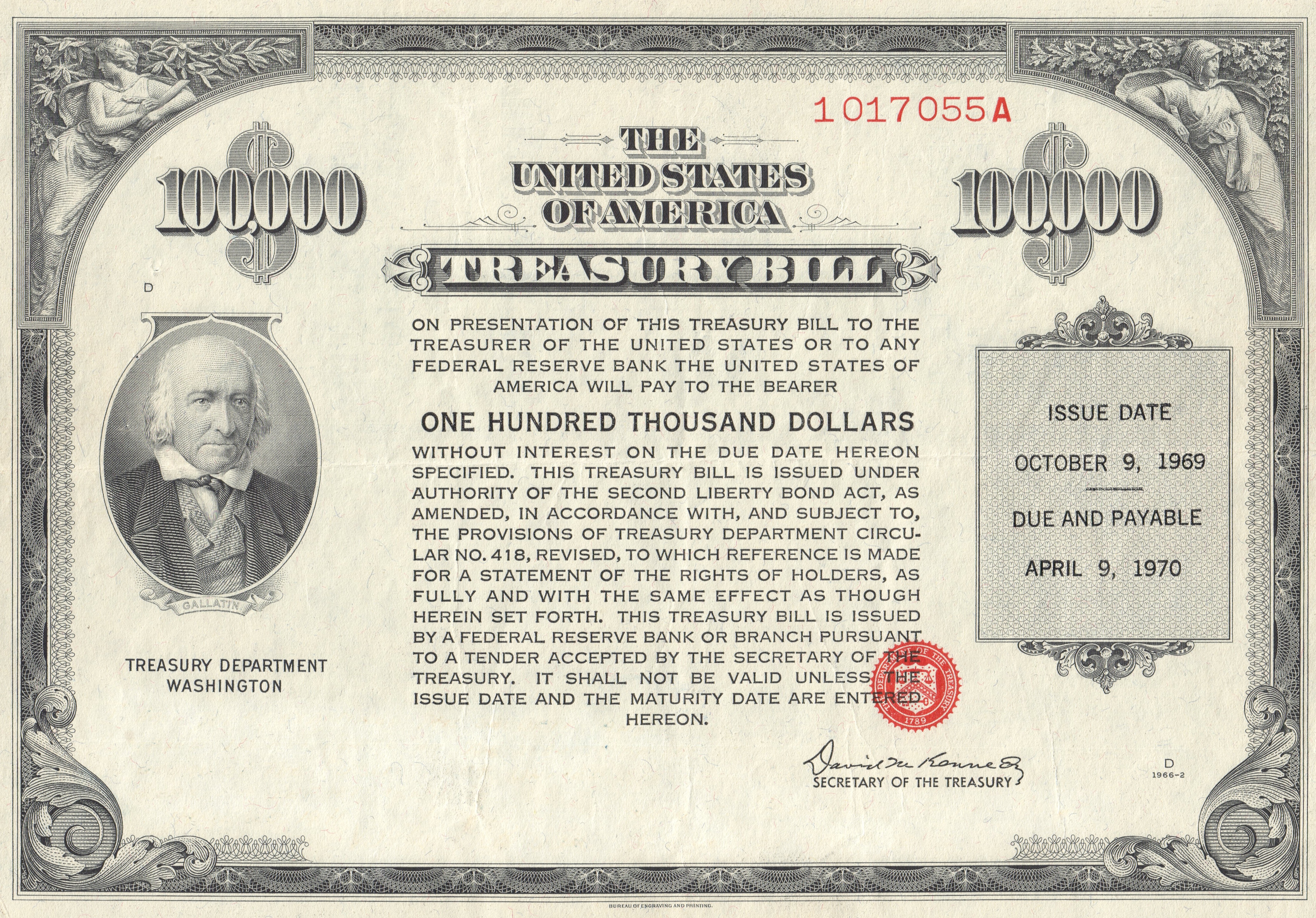
- Securities issued or guaranteed by the United States federal government are exempt from state registration.
- Securities issued or guaranteed by any state or political subdivision of a state (municipal bonds) are exempt.
- Crossing the northern border, securities issued or guaranteed by the Canadian government, as well as securities issued or guaranteed by any Canadian province, share this exemption.
- What about the rest of the world? Securities issued by a foreign national government are exempt from state registration if the United States currently maintains diplomatic relations with that government. If diplomatic ties are severed, the exemption evaporates instantly.
The Heavily Regulated Financials
Banks and insurers answer to their own rigorous regulatory bodies.
- Securities issued or guaranteed by a bank organized under United States laws, or by a savings institution or trust company organized under state laws, are exempt from state registration.
- Similarly, securities issued by a federal credit union or state credit union are exempt.
- Securities issued by an insurance company authorized to do business in the state are exempt from state registration.
Crucial Warning: The insurance company exemption contains a classic regulatory trap. The state registration exemption for insurance company securities applies exclusively to the stocks and bonds of the insurance company itself. It allows an investor to buy unregistered shares of MetLife or Prudential. However, the state registration exemption for insurance company securities does not apply to variable annuities or variable life insurance policies sold by the insurance company. Those are separate investment products that must be registered.
Public Utilities and Non-Profits
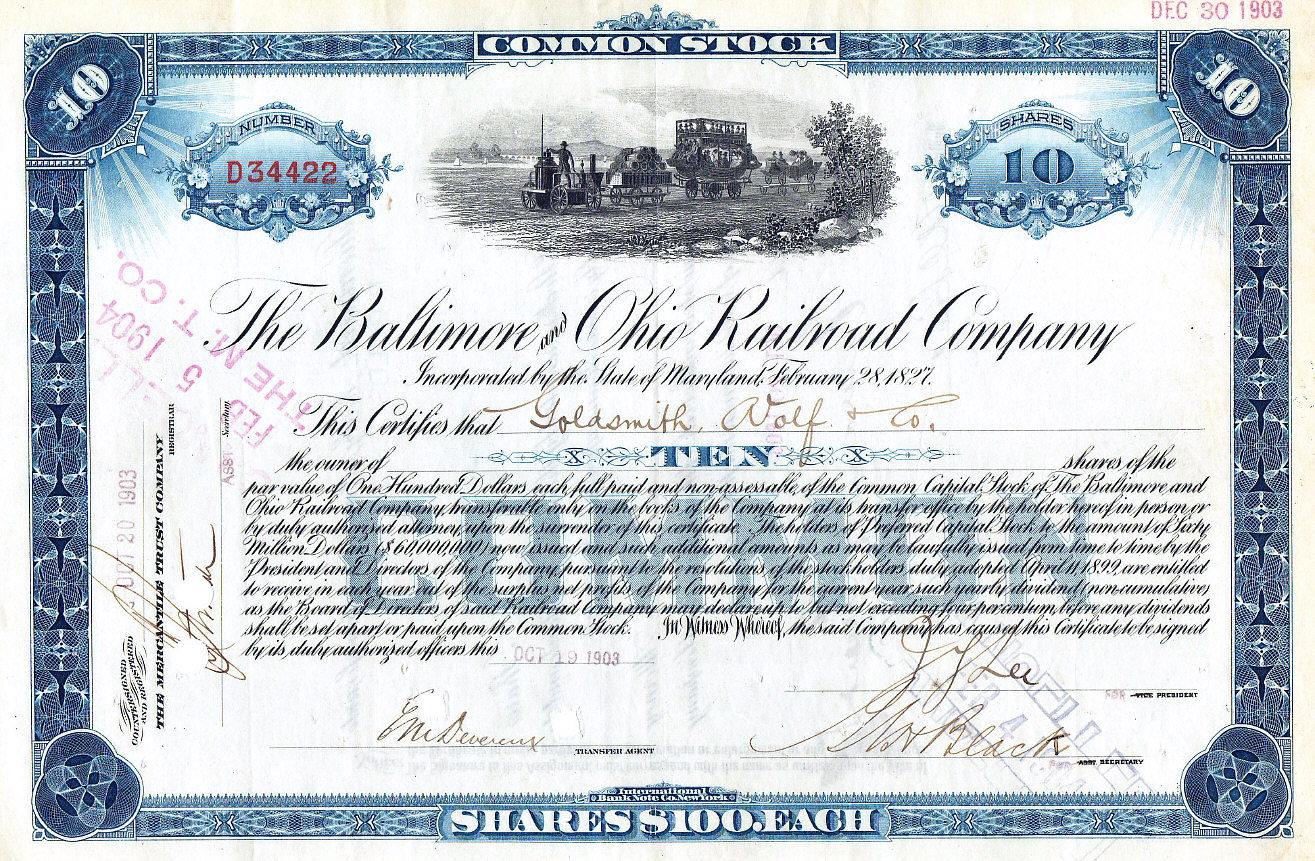
- Securities issued or guaranteed by a public utility, or by a common carrier (like a railroad), are exempt from state registration if the utility or carrier is regulated by a state or federal agency.
- Securities issued by a person organized and operated exclusively for religious, educational, benevolent, or charitable purposes are exempt. The logic assumes these entities operate without the profit motives that typically drive securities fraud.
Short-Term Debt (Commercial Paper)
Corporations often issue short-term debt to fund immediate payroll or inventory needs. A promissory note or commercial paper qualifies as an exempt security only if it satisfies three strict, concurrent mathematical requirements:
- The note matures within 270 days.
- The note is issued in denominations of at least $50,000.
- The note receives a rating in one of the three highest rating categories by a nationally recognized statistical rating organization (NRSRO).
Internal Employee Plans
When a company offers internal benefits, the resulting contracts are exempt. An investment contract issued in connection with an employee stock purchase plan, or an investment contract issued in connection with an employee pension or profit-sharing plan, is an exempt security.
If a security does not possess the inherent "diplomatic immunity" of an exempt security, it can still bypass registration if the method of the trade is strictly controlled. These are exempt transactions.
Non-Issuer Transactions
A non-issuer transaction is exactly what it sounds like: a trade in the secondary market where the issuer (the company) sees no capital from the trade.
- An isolated non-issuer transaction is an exempt transaction under the Uniform Securities Act. By definition, an isolated non-issuer transaction involves infrequent trades where the issuer of the security does not receive any proceeds from the sale. (Think of two neighbors trading a rare, unregistered share of a local business; the transaction is too small and contained to warrant state oversight).
- An unsolicited non-issuer transaction effected by or through a registered broker-dealer is an exempt transaction. If a client calls you and demands to buy an obscure, unregistered stock without any prompting from you, you may execute the trade. However, because agents sometimes falsely claim a trade was the client's idea, the state Administrator may require a broker-dealer to maintain written proof that a specific non-issuer transaction was unsolicited by the broker-dealer.
Institutional and Underwriter Transactions
Professionals do not require retail-level protection.
- A transaction between an issuer and an underwriter, or a transaction among underwriters, is an exempt transaction. This allows investment banks to assemble syndicates and structure IPOs behind closed doors.
- Any offer or sale of a security to a bank or savings institution, an insurance company, a registered investment company (like a mutual fund), or a pension or profit-sharing trust is an exempt transaction.
Fiduciary, Legal, and Pledgee Executions
When the law forces a liquidation, the state does not demand securities registration first.
- A transaction executed by an executor or administrator of an estate is exempt.
- A transaction executed by a sheriff or marshal (e.g., selling seized assets) is exempt.
- A transaction executed by a receiver or trustee in bankruptcy, or by a legally appointed guardian or conservator, is exempt.
- If a borrower defaults on a loan secured by stock, a transaction executed by a bona fide pledgee without any purpose of evading the Uniform Securities Act is an exempt transaction. The bank can liquidate the pledged collateral without registering it.
Specialized Exempt Transactions
- Real Estate Units: Any transaction in a bond backed by a real estate mortgage is an exempt transaction if the entire mortgage is sold as a single unit with the bonds.
- Pending Registrations: When a company goes public, there is a waiting period. An offer of a security for which registration statements have been filed under both the Uniform Securities Act and the Securities Act of 1933 is an exempt transaction. This permits you to gather indications of interest, but an offer of a security with pending registration statements is only an exempt transaction if no stop order is currently in effect against the registration.
- Pre-Organization Certificates: Startups often need pledges of capital before legally incorporating. A pre-organization certificate or subscription is an exempt transaction if it meets three rigid criteria:
- No commission is paid for soliciting any subscriber.
- The total number of subscribers does not exceed 10.
- No payment is made by any subscriber (they are merely pledging, not buying yet).

The USA Private Placement Exemption
Under state law, a company can raise capital without registering if it keeps the circle small. The private placement exemption under the Uniform Securities Act limits offers to a maximum of 10 non-institutional persons in the state during any 12-month period.
Furthermore, to qualify for the Uniform Securities Act private placement exemption, the seller must reasonably believe all non-institutional buyers are purchasing for investment purposes (not for immediately flipping the unregistered shares). Finally, the Uniform Securities Act private placement exemption prohibits the payment of commissions for soliciting non-institutional buyers.
While the USA has its own state-level private placement rule, most major private offerings utilize federal law—specifically Regulation D.
Securities issued under Rule 506 of Regulation D are classified as federal covered securities. Because of federal supremacy, federal covered securities under Regulation D Rule 506 are exempt from state registration requirements. The state cannot force them to register. However, states refuse to be entirely blinded; a state Administrator may require the issuer of a Regulation D Rule 506 security to file a notice and pay a filing fee.
Regulation D Rule 506 bifurcates into two distinct pathways:
| Rule | Investor Limits | Solicitation Rules |
|---|---|---|
| 506(b) | Permits the sale of securities to an unlimited number of accredited investors AND permits the sale of securities to a maximum of 35 non-accredited investors. | General solicitation and advertising are strictly prohibited. You cannot market this publicly. |
| 506(c) | Under Regulation D Rule 506(c), all purchasers of the private placement must be verified accredited investors. Non-accredited investors are mathematically barred. | Regulation D Rule 506(c) permits general solicitation and advertising for the private placement offering. |
The state Administrator is the architect and enforcer of these rules, possessing targeted powers to rescind privileges if public safety is threatened.
The state Administrator has the authority to deny or revoke the exemption for any specific exempt transaction. If an Administrator believes a supposedly "isolated non-issuer transaction" is actually an ongoing, coordinated pump-and-dump scheme, they can freeze it.
When it comes to exempt securities, the Administrator's power is highly restricted. They are permitted to revoke the status of only two specific types of exempt securities:
- The state Administrator has the authority to deny or revoke the registration exemption for securities issued by not-for-profit organizations. (Unfortunately, fraudulent enterprises sometimes cloak themselves as charities).
- The state Administrator has the authority to deny or revoke the registration exemption for investment contracts associated with employee benefit plans.
Notice the glaring omissions in that list. State Administrators do not have the legal jurisdiction to override sovereign or highly regulated institutional power. Therefore:
- The state Administrator cannot revoke the registration exemption for United States government securities.
- The state Administrator cannot revoke the registration exemption for municipal securities.
- The state Administrator cannot revoke the registration exemption for bank or insurance company securities.
Finally, fundamental legal fairness dictates the limits of regulatory enforcement. If an Administrator discovers bad behavior and issues a stop order, the penalty only applies to the future. An order by the state Administrator denying or revoking a security exemption cannot operate retroactively. Trades executed while the exemption was legally valid remain intact.