Reportable Events
Imagine a structural engineer building a skyscraper. If they are simultaneously taking side jobs pouring concrete for a rival developer, receiving lavish gifts from steel suppliers, or quietly struggling with crushing personal debt, the integrity of the entire project comes into question. In the securities industry, you are the engineer, and the financial markets are the skyscraper. Trust is our structural steel. The moment you become a registered representative, your professional and personal financial lives are no longer strictly your own; they are tethered to a regulatory framework designed to protect the investing public.

This requires absolute transparency. Regulatory bodies do not demand this transparency to be intrusive; they demand it because human behavior is predictable. Financial distress breeds temptation, outside business ventures create conflicts of interest, and expensive gifts blur the line between professional gratitude and outright bribery. To maintain market integrity, regulators require associated persons to report specific external activities and major life events.
When you work for a broker-dealer, your primary professional loyalty is to your firm and its clients. If you decide to moonlight, your firm needs to know. FINRA Rule 3270 regulates the outside business activities (OBAs) of registered persons.
The rule is straightforward: an associated person must provide prior written notice to their member firm before engaging in any outside business activity.
But what constitutes an OBA? The regulatory net is cast wide. Outside business activities include:
- Acting as an employee for an entity outside the member firm.
- Acting as an independent contractor for an outside entity.
- Serving as an officer or director for an entity outside the member firm.
If you want to tend bar on the weekends, incorporate a side-hustle consulting business, or sit on the board of directors for a local tech startup, you must tell your firm before you do it. The firm needs to evaluate whether this activity compromises your duties, creates a conflict of interest, or poses a risk to clients.
Crucial Exclusions: Not everything you do requires a permission slip.
- Passive investments: Simply investing your own money into a real estate syndicate or buying shares of a privately held company does not require prior written notice under OBA rules, provided you have no operational or managerial role.
- Uncompensated volunteer work: Serving as a volunteer without compensation—such as coaching a Little League team or volunteering at a food bank—generally does not require prior written notice.
There is a massive difference between tending bar on the weekend and helping your neighbor raise capital for their new hedge fund. The latter crosses from a standard outside business activity into a Private Securities Transaction (PST), governed by FINRA Rule 3280.
Private securities transactions occur entirely outside the regular course of an associated person's employment with a member firm. In industry parlance, this is commonly referred to as selling away.
Why is selling away considered one of the cardinal sins of the securities industry? Because it circumvents the broker-dealer's oversight. The firm has a legal obligation to supervise the securities transactions of its representatives. If you facilitate a securities deal in the shadows, the firm cannot conduct due diligence, assess the risk, or protect the investor.
Associated persons must provide prior written notice to their member firm before engaging in any private securities transaction. This written notice must explicitly detail the proposed transaction, the associated person's exact role, and critically, whether the associated person will receive selling compensation.
The firm’s obligations depend entirely on whether you are getting paid:
Compensated PSTs
If you are receiving selling compensation (cash, stock, a finder's fee, or a tax benefit), the rules are intensely strict.
- The member firm must explicitly approve the transaction in writing before you can participate.
- If approved, the member firm must record the transaction on the firm's books and records.
- The firm must supervise the transaction exactly as if the transaction were executed on behalf of the member firm itself. (Because the firm takes on this immense liability, many firms outright deny compensated PSTs).
Non-Compensated PSTs
If you are acting purely out of goodwill and receive no compensation, the burden is slightly lower. A member firm must simply acknowledge receipt of the written notice. However, the firm still holds the power to protect itself and may place conditions on the associated person's participation in the non-compensated transaction.
Municipal bonds build our roads, schools, and hospitals. When a city or state issues municipal bonds, they hire a broker-dealer to underwrite the offering—a highly lucrative contract. Historically, a corrupt practice known as "pay-to-play" plagued this market: broker-dealers would make massive campaign contributions to a mayor or governor, and magically, that broker-dealer would win the underwriting contract.
MSRB Rule G-37 exists specifically to restrict pay-to-play practices in the municipal securities market.
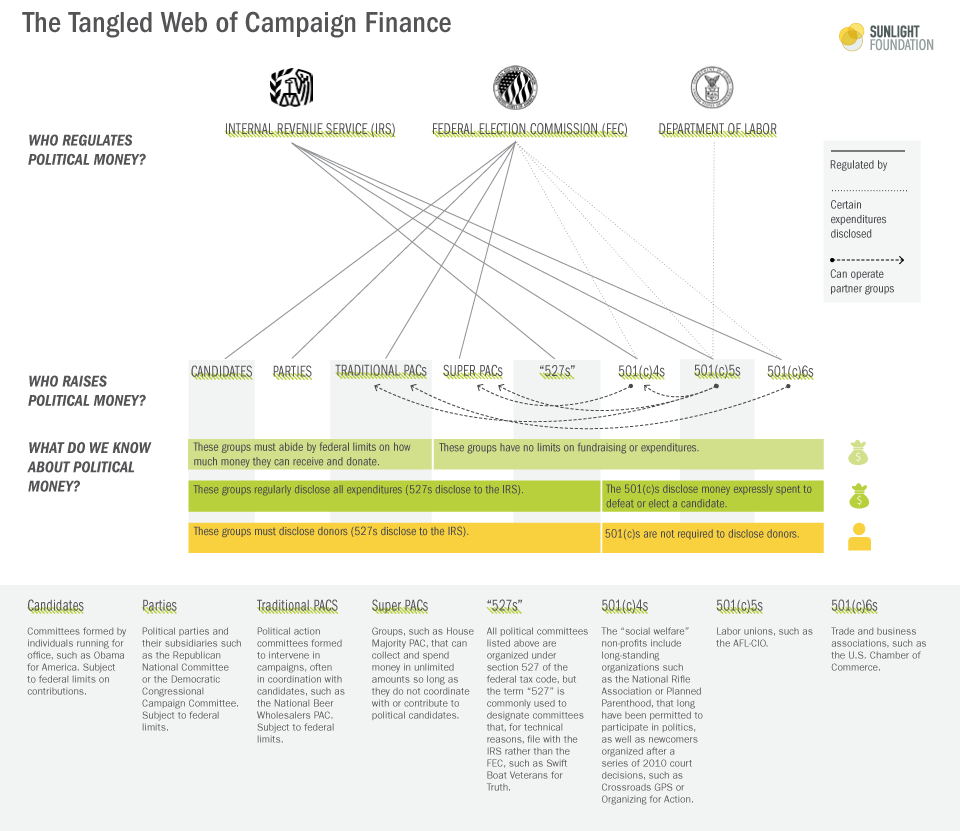
The rule heavily restricts the political contributions of Municipal Finance Professionals (MFPs)—essentially, any associated person who solicits municipal securities business, underwrites municipal bonds, or supervises those who do.
The penalty for violating this rule is draconian. A triggering political contribution bans a municipal securities dealer from engaging in negotiated municipal securities business with the issuer for two years. If you make an illegal contribution to the Mayor of Chicago, your firm cannot do negotiated underwriting business with the City of Chicago for two full years. This will cost your firm millions, and it will likely cost you your career.
The $250 Exemption
Regulators recognize that you still have a constitutional right to participate in your own local democracy. Therefore, a municipal finance professional can contribute up to $250 per election to an issuer official without triggering the two-year ban. (Note: The primary and general elections are counted separately, meaning $250 for the primary and $250 for the general are permissible).
However, there is a fundamental caveat: The $250 contribution exemption only applies if the municipal finance professional is entitled to vote for the issuer official.
If you live in New York, you cannot vote for the Mayor of Chicago. Therefore, any political contribution to an issuer official by a municipal finance professional who is not entitled to vote for that official—even a single dollar—triggers the two-year ban.
A client gives you a $500 bottle of wine to say thank you. A mutual fund wholesaler offers you tickets to the Super Bowl. Can you accept them? FINRA Rule 3220 establishes the limits on gifts and gratuities given to individuals in relation to their employer's business.
The golden rule here is absolute: The FINRA gift limit is $100 per individual per year.
Why $100? Because $100 is a token of appreciation. A $2,000 Rolex is an attempt to buy influence. Regulators want to ensure that broker-dealers and their representatives execute trades and recommend products based strictly on the merits of the investment, not on who gave them the most lavish gift.

Exclusions from the Gift Rule
The $100 limit is strict, but it recognizes the reality of doing business. Certain things are excluded:
- Occasional meals: Taking a client out to dinner is excluded from the $100 annual gift limit, provided it is not so frequent or lavish that it raises questions of propriety.
- Personal gifts: Personal gifts given entirely independently of the business relationship (e.g., a wedding gift to a lifelong friend who also happens to be a client) are exempt from the $100 annual limit.
The "Empty Seat" Rule: Gifts vs. Entertainment
The most critical distinction for the exam is the difference between a gift and business entertainment.
Tickets to theatrical or sporting events are excluded from the $100 annual gift limit if a representative of the member firm accompanies the client. If you buy two $300 tickets to a Broadway show and attend with your client, those meals or event tickets fall under business entertainment rules rather than gift rules. Business entertainment is allowed, provided it is not excessive and complies with your firm's internal written policies.
However, if you buy those same $300 tickets and simply mail them to your client to go with their spouse, the situation changes entirely. Event tickets given to a client without the attendance of a member firm representative are considered gifts subject to the $100 limit. Since $300 exceeds $100, mailing those tickets is a clear rule violation.
Your personal financial hygiene and legal history are deeply relevant to your fitness to handle other people's money. Therefore, associated persons must promptly report certain life and financial events to their member firm.
The firm, acting as the regulatory gatekeeper, must then report specified disciplinary and financial events to FINRA within 30 calendar days of knowing the event occurred.
Criminal Disclosures
You do not have to report a speeding ticket. But any crime that suggests a lack of integrity, or severe lapses in judgment, must be disclosed. An associated person must report:
- Any felony charge. (Notice that mere charges must be reported, not just convictions).
- Any felony conviction.
- A plea of guilty or nolo contendere (no contest) to any felony.
- Any misdemeanor conviction involving securities.
- Any misdemeanor conviction involving theft or forgery.
- Any misdemeanor conviction involving extortion or fraudulent concealment.
Financial Disclosures
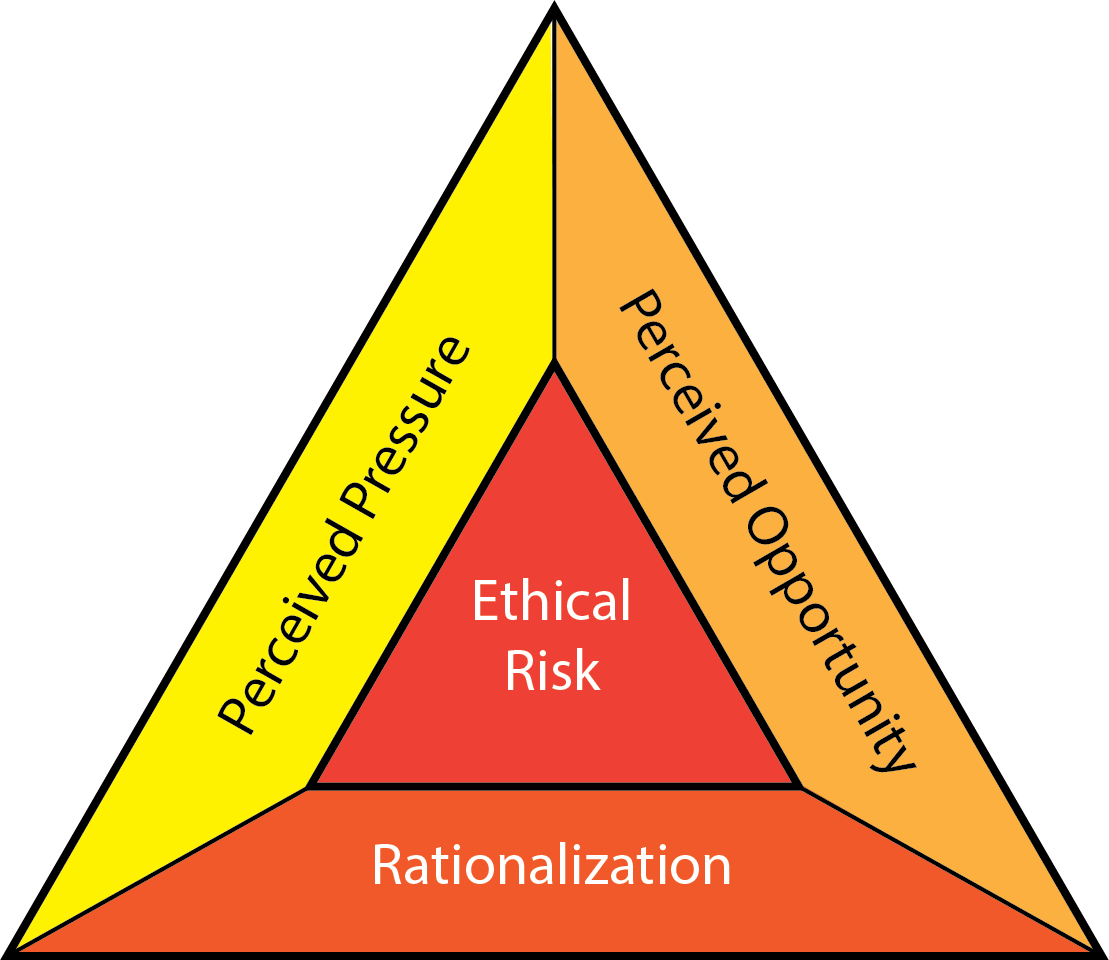
Financial desperation creates a gravitational pull toward unethical behavior. If you are drowning in debt, the temptation to churn a client's account for commissions or misappropriate funds skyrockets. Therefore, an associated person must report the following indicators of financial distress to the member firm:
- Any unsatisfied judgment (a court order to pay a debt that you have not yet paid).
- Any unsatisfied tax lien.
- Any compromise with creditors (negotiating to pay off a debt for less than the full amount owed).
- Any bankruptcy filing occurring within the past 10 years.
Reporting Customer Complaints
Firms must also be hyper-vigilant about specific accusations made by the public. While all written customer complaints trigger internal record-keeping requirements, a member firm must proactively report customer complaints alleging theft or misappropriation of funds to FINRA. Similarly, a member firm must report customer complaints alleging forgery to FINRA. These are not mere disagreements over an investment's performance; they are accusations of criminal fraud.
Regulators and firms construct elaborate surveillance systems to detect insider trading, front-running, and excessive risk-taking. But what if a registered representative simply opens a brokerage account at a different firm and trades in secret?
To close this loophole, FINRA rules mandate a strict chain of custody for outside accounts. Associated persons must receive written approval from their employing member firm before opening a brokerage account at another financial institution.
Once approved, the responsibility shifts to the financial institution where the account is held. A member firm executing trades for an associated person of another firm must send duplicate account statements to the employing firm upon request.
This creates a closed loop of surveillance. You are allowed to invest your own money, but you must do so in the daylight, where your firm's compliance department can ensure you are playing by the same rules as everyone else.