Nature and Forms of Government
Not sure you’re ready?
Take the ~3-minute readiness diagnostic and see where you stand.
Imagine a complex machine designed not for efficiency, but for intentional friction. It is a machine where no single gear can turn without engaging—or being blocked by—another. This is the architecture of the United States government. At its core, the study of government is the study of power: who holds it, how it is exercised, and crucially, how it is restrained. To understand the American system, we must first look at the broader spectrum of how human societies distribute authority, and then examine the intricate mechanisms of division and balance that define the American democratic experiment.
To understand how a society functions, you simply need to ask one question: Where does the power ultimately reside?
If you distribute power to absolutely no one, you have anarchy. Anarchy is the complete absence of any governing body or established political authority. Without a centralized power to enforce laws or protect rights, society relies entirely on voluntary cooperation—a state that historically proves unstable.
When power is concentrated into the hands of a single ruler based on bloodline or historical mandate, the system is a monarchy. A monarchy is a form of government ruled by a single sovereign leader such as a king or queen.
- If that sovereign holds completely unrestricted political power over the state and its people, they are an absolute monarch.
- However, if a constitution or parliamentary system strictly limits the political power of the sovereign, it becomes a constitutional monarchy. In this setup, the monarch often serves as a ceremonial figurehead while an elected parliament governs.
_(cropped).jpg)
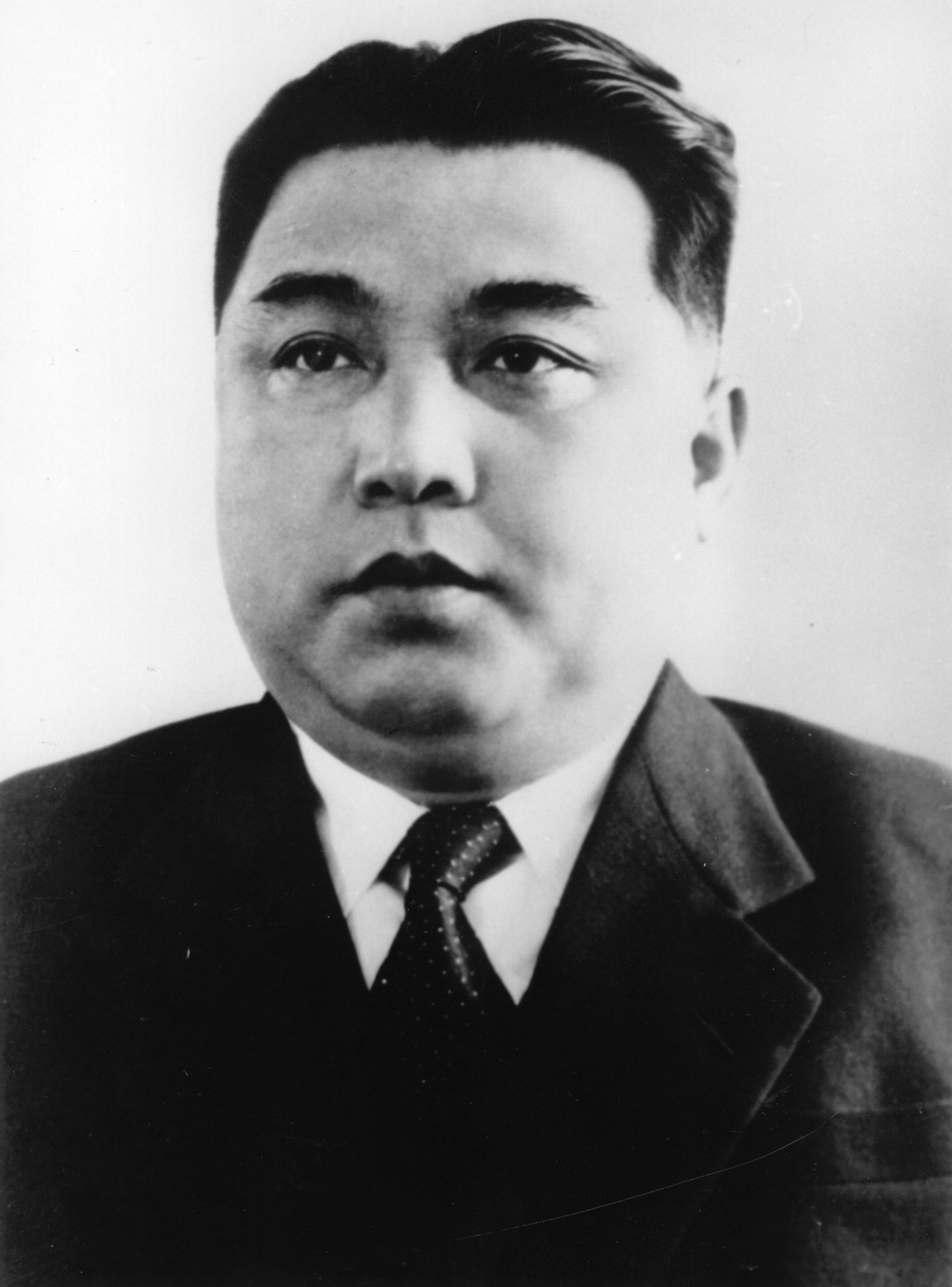
Power can also be seized by force rather than inherited. A dictatorship is an authoritarian form of government where a single leader or small group holds absolute power. Dictators do not rely on the consent of the governed; to maintain control, dictatorships routinely outlaw organized political opposition and generally prohibit free and fair democratic elections.
Sometimes, power is held not by one person, but by a select few. An oligarchy is a form of government where political power rests with a small, elite group of individuals—often determined by wealth, military strength, or corporate influence. A specific variation of rule-by-the-few is a theocracy, which is a form of government where religious leaders rule the state in the name of a specific deity, merging religious doctrine with state law.
The Democratic Alternative
In stark contrast to these models stands democracy. A democracy is a form of government where political power rests with the people. But "the people" is a broad concept, and democracies manifest in two distinct ways:
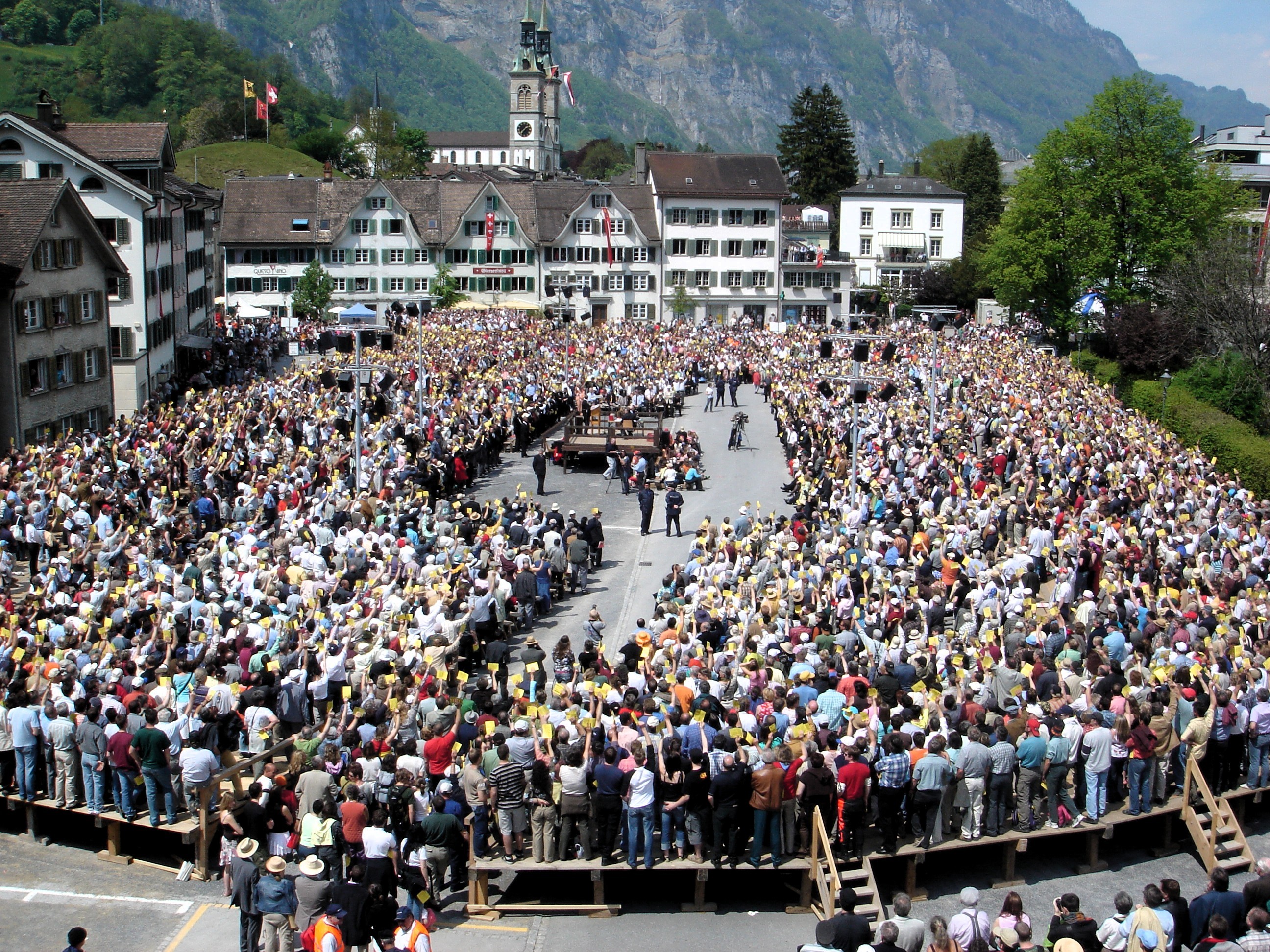
- Direct Democracy: In a direct democracy, citizens vote directly on proposed laws and government actions. Imagine every citizen casting a ballot every time a new traffic law or tax rate is proposed. While pure, it becomes logistically impossible in large nations.
- Representative Democracy: To solve the problem of scale, societies created the representative democracy, where citizens elect leaders to make laws and govern on behalf of the populace.
The American Model The United States operates as a representative democracy. More specifically, the American system is a republic, which is a specific type of representative democracy lacking a monarch as the head of state.
The framers of the United States Constitution had just fought a war to free themselves from an absolute monarch. They were terrified of concentrated power. Their solution was brilliantly counter-intuitive: rather than consolidating power to make the new government highly efficient, they fractured it.
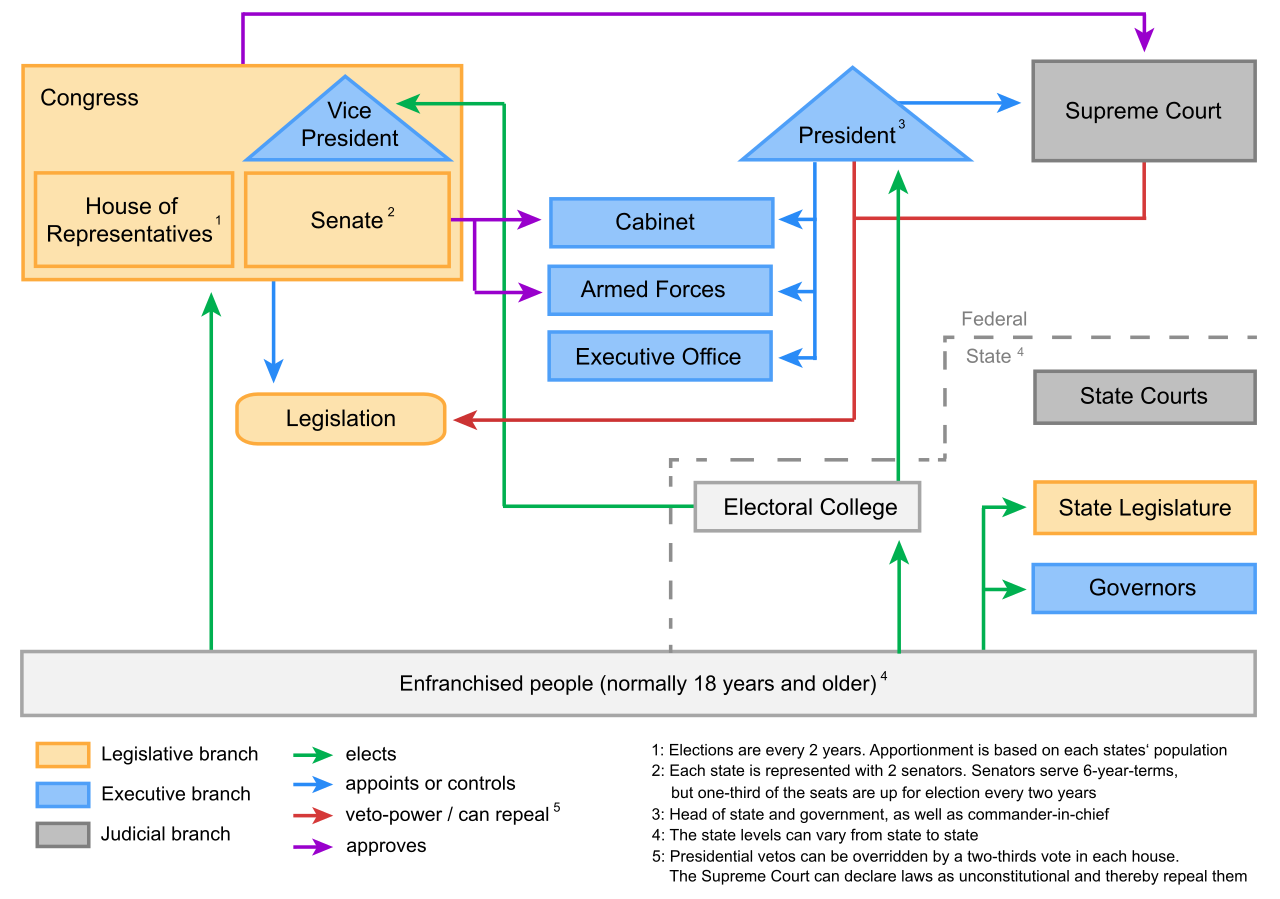
The United States government is divided into three branches to prevent any single group from gaining absolute power.
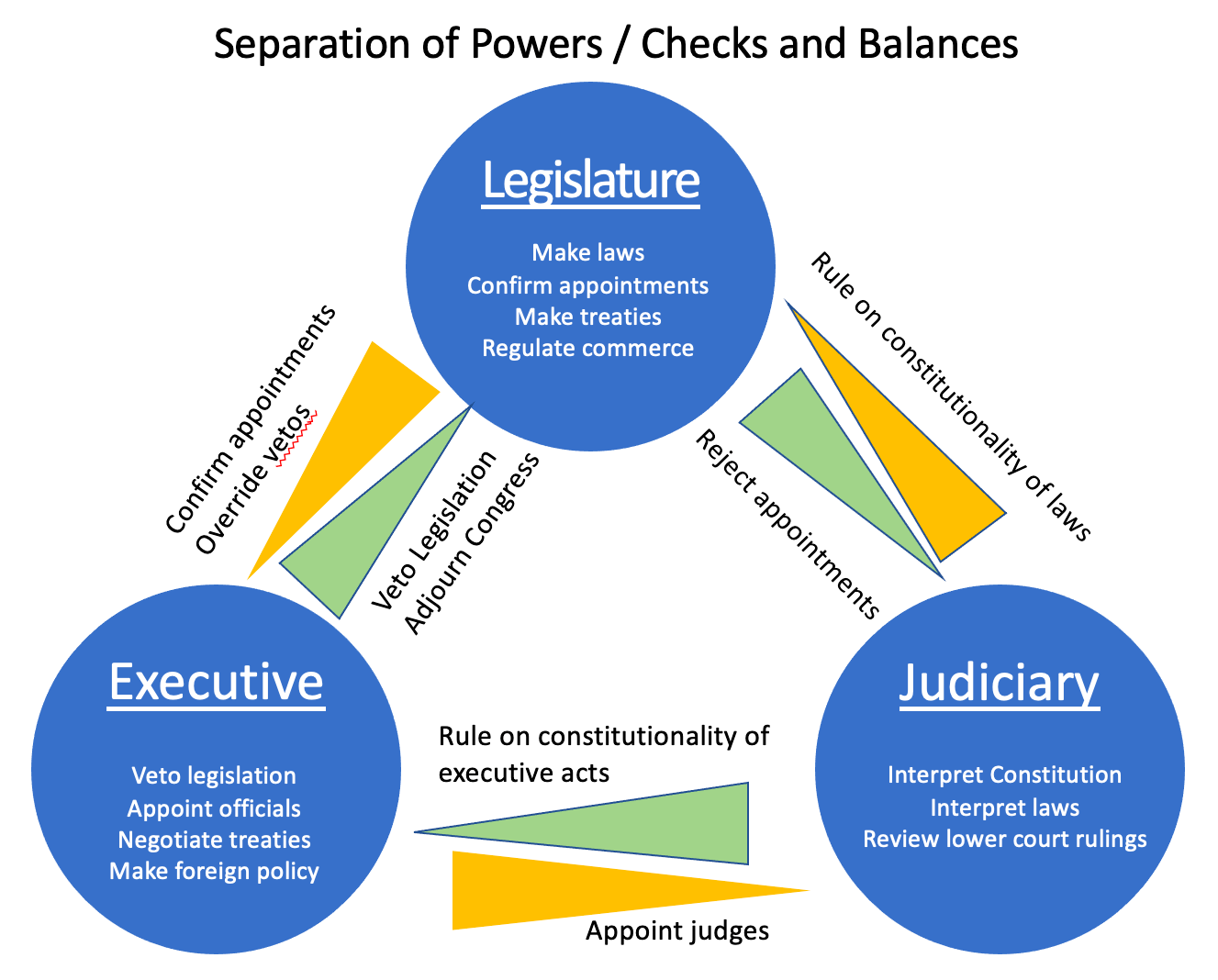
The three branches of the United States government are the legislative, executive, and judicial branches. Each has a highly specific, distinct primary function.
| Branch | Primary Function | Federal Entity |
|---|---|---|
| Legislative | Creating and passing statutory laws. | Congress (Senate & House) |
| Executive | Enforcing and administering the laws. | The President |
| Judicial | Interpreting laws and evaluating their constitutionality. | Supreme Court & Federal Courts |
At the federal level, the United States Congress serves as the federal legislative branch. Congress itself is further divided into two chambers: the Senate and the House of Representatives. Crucially, the power of the purse rests here; the legislative branch controls the federal budget and the allocation of all government funds.
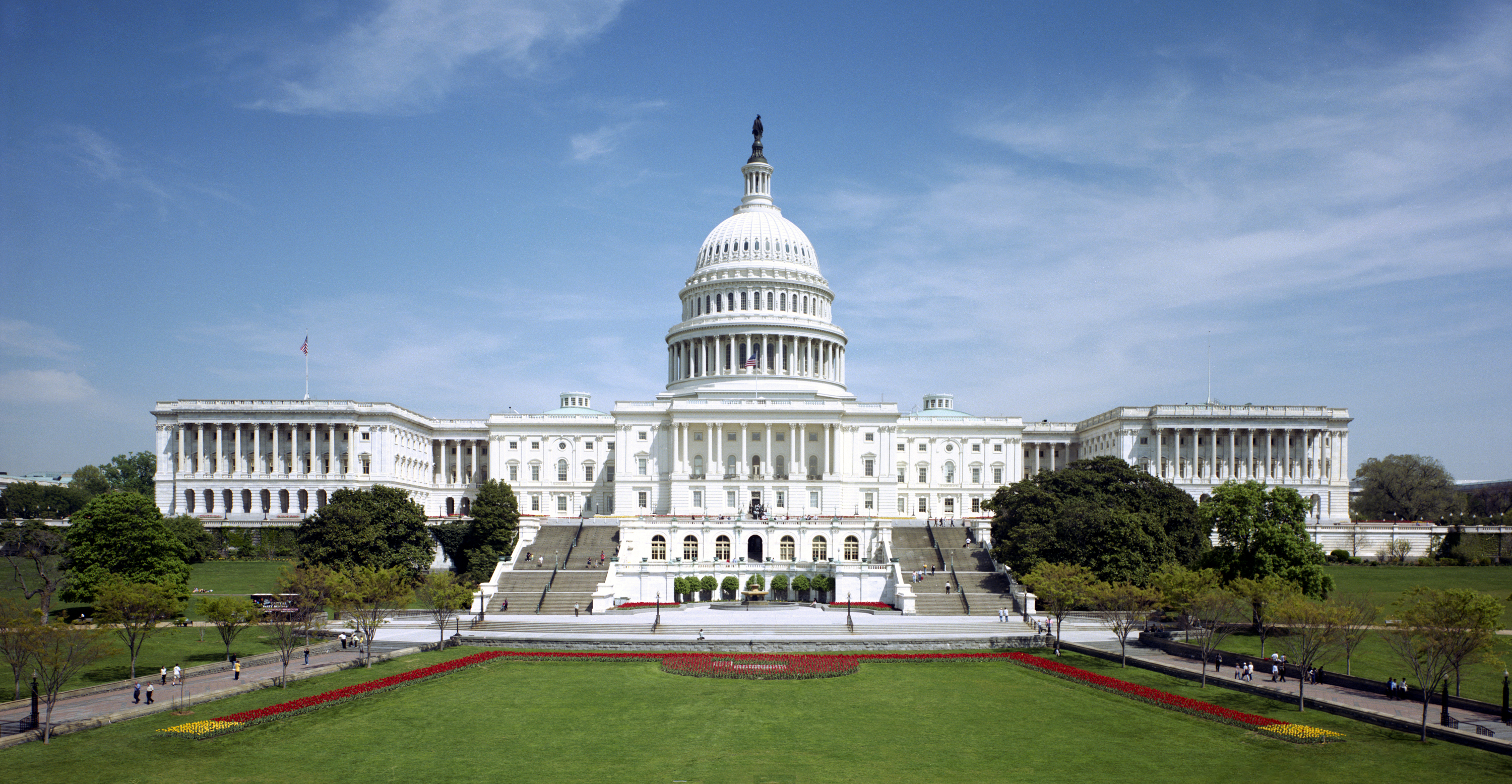
Once Congress creates a law, it must be enacted. The executive branch is responsible for enforcing and administering the laws. The President of the United States serves as the head of the federal executive branch, commanding the armed forces and overseeing federal agencies.
Finally, laws are rarely perfectly clear. Disputes inevitably arise. The judicial branch is responsible for interpreting laws and evaluating their constitutionality. The United States Supreme Court is the highest authority in the federal judicial branch, serving as the final arbiter of legal interpretation.
Dividing power is not enough if the branches can simply ignore one another. To keep the branches inextricably linked, the Constitution establishes a network of restraints. The system of checks and balances allows each government branch to limit the political power of the other branches.
Let us trace a law through this system to see the checks in action.
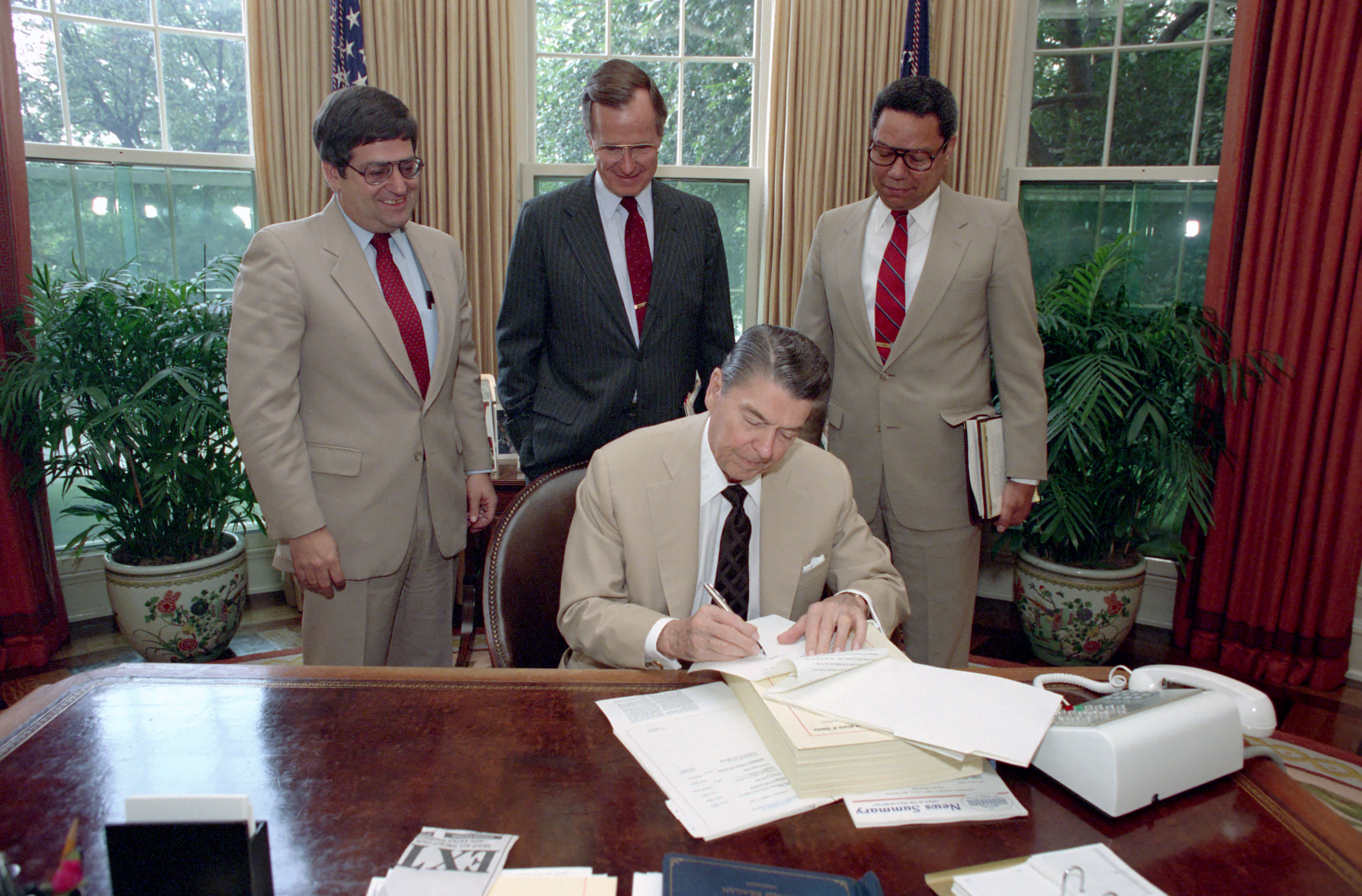
Suppose Congress passes a bill. It does not automatically become law. The President has the power to veto legislation passed by Congress. This is an executive check on legislative power. However, the President's veto is not absolute. Congress can override a presidential veto with a two-thirds majority vote in both legislative chambers. This is a legislative check on the executive.
Now suppose the law takes effect, but citizens argue it violates their constitutional rights. This triggers the unique power of the courts. Judicial review is the power of the courts to invalidate unconstitutional laws and executive actions. Through this mechanism, the Supreme Court can declare legislative acts passed by Congress unconstitutional, nullifying them entirely.
Yet the judicial branch is also deeply tethered to the other two. How do judges reach the bench? The President has the specific power to nominate federal judges and Supreme Court justices. But the President cannot act unilaterally; the Senate must officially confirm presidential nominations for federal judgeships.
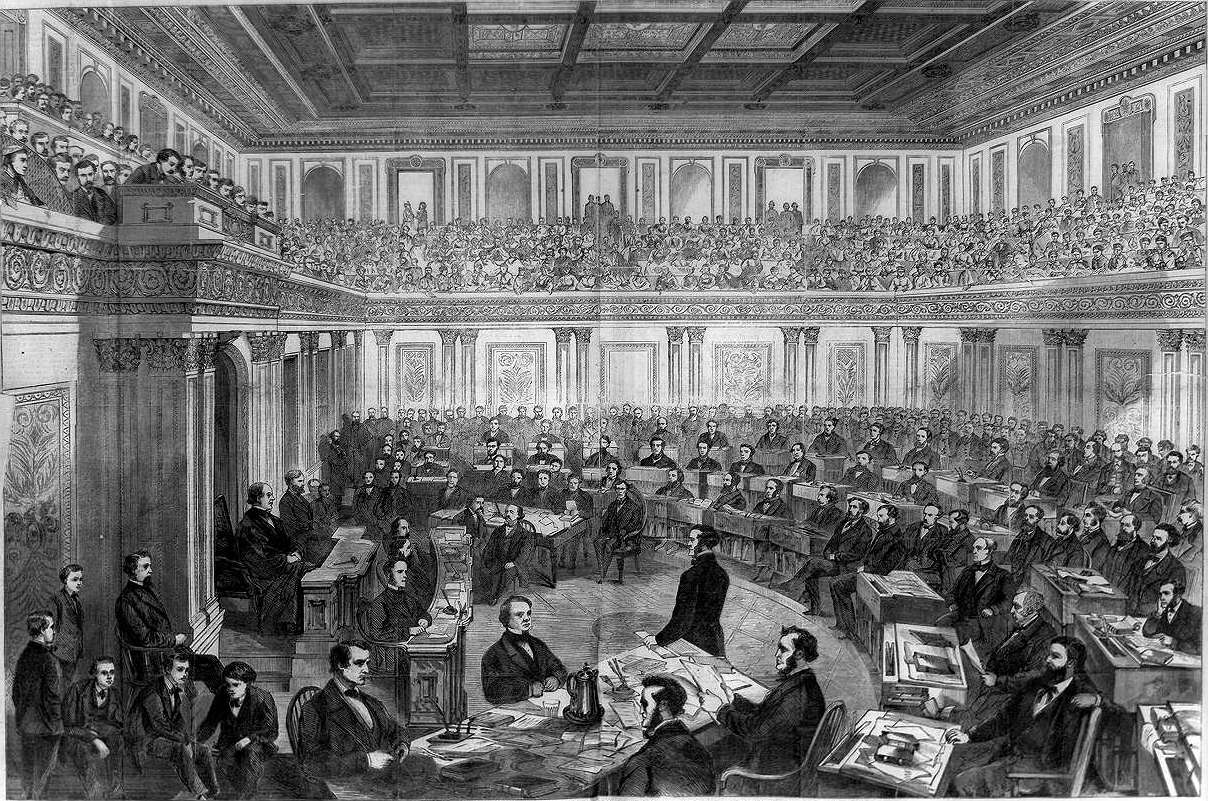
Finally, as an ultimate safeguard against tyranny, Congress holds the power of removal. Congress possesses the authority to impeach and remove the President for severe misconduct, and equally, Congress possesses the authority to impeach and remove federal judges for severe misconduct.
We have explored how power is divided horizontally across the three branches. But the United States also divides power vertically. This is federalism, a system of government dividing political power between a national government and regional state governments.
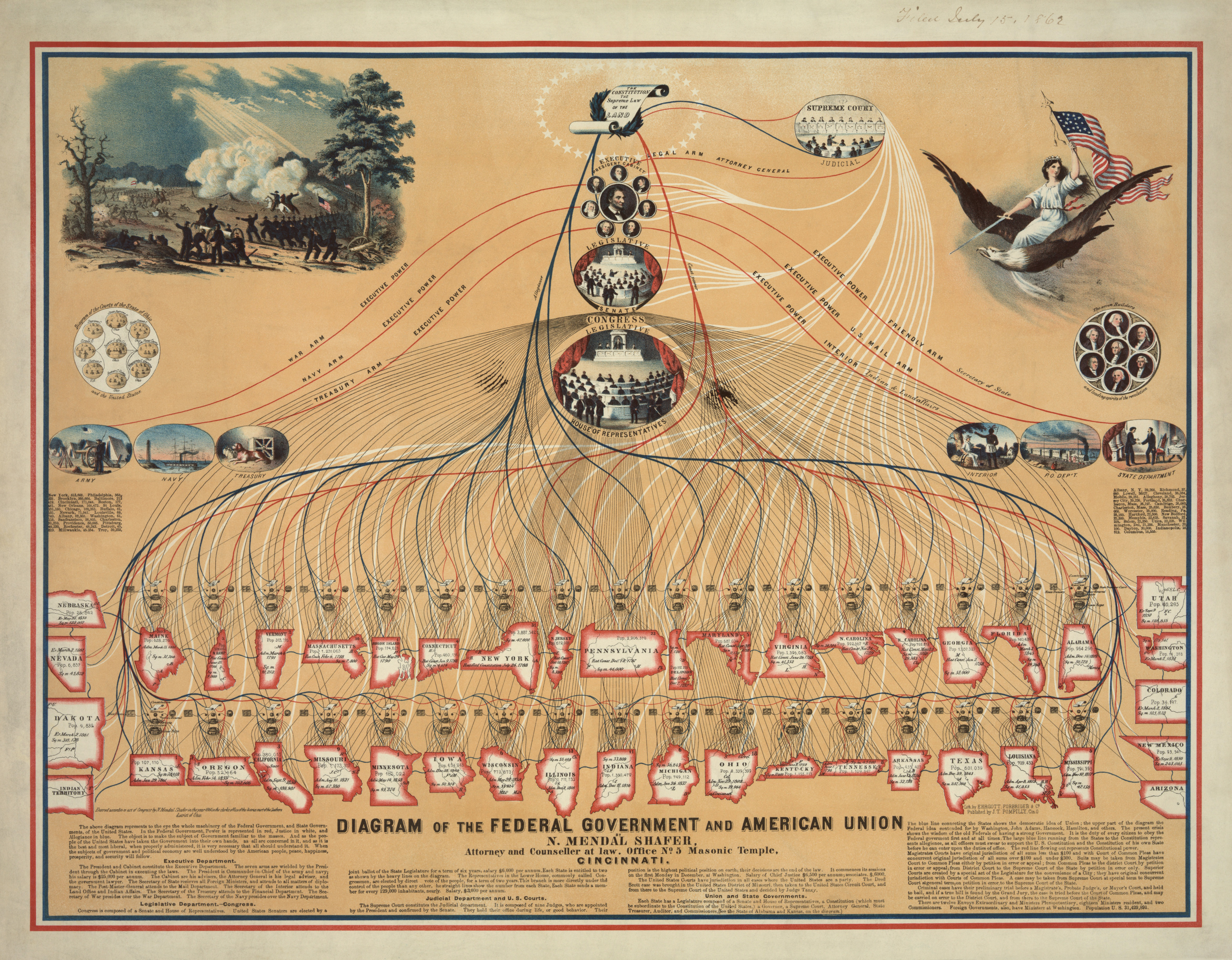
To prevent the national government from dominating the states, the United States Constitution delegates specific powers exclusively to the national federal government. These are known as enumerated powers—specific powers exclusively granted to the federal government by the Constitution. They generally encompass matters that affect the entire nation as a unified whole. For instance:
- The federal government holds the exclusive power to coin and print money. (If every state printed its own currency, the economy would collapse into chaos).
- The federal government holds the exclusive power to declare war.
- The federal government holds the exclusive power to regulate interstate and foreign commerce.
But what happens to the powers not explicitly listed in the Constitution? The Tenth Amendment reserves all non-enumerated powers to the state governments or the citizens.
These are known as reserved powers—the political authorities held exclusively by individual state governments. Because state governments are closer to the daily lives of their citizens, they handle local, structural societal needs. For example:
- State governments possess the authority to establish and regulate public education systems.
- State governments possess the authority to issue driver licenses and marriage certificates.
- State governments possess the authority to regulate commercial activities occurring entirely within state borders.
Some powers, however, are absolutely necessary for any level of government to function. Concurrent powers are governmental authorities shared simultaneously by both the federal and state governments. For example, both levels need revenue to operate, so both the federal and state governments hold the concurrent power to levy and collect financial taxes. Furthermore, both the federal and state governments hold the concurrent power to establish judicial court systems to enforce their respective laws, and both the federal and state governments hold the concurrent power to borrow money.
Resolving Conflicts: The Supremacy Clause
With two layers of government actively passing laws and levying taxes, collisions are inevitable. What happens if a state passes a law that directly contradicts a federal statute?
The Constitution provides a definitive tie-breaker. The Supremacy Clause of the United States Constitution establishes federal laws as the highest law of the land. Therefore, federal law permanently overrides state law in the event of a direct legal conflict between the two.
If you read the United States Constitution, you will notice a glaring omission: it says absolutely nothing about cities, counties, or mayors.
So where do municipalities get their power? Local governments derive their legal authority directly from their respective state governments. They are not independent sovereign entities like the federal and state governments; they are creations of the state.
Local governments include city councils, county commissions, and municipal authorities. Their purpose is to manage the immediate, physical realities of community living—the vital services that you interact with the moment you step out your front door.
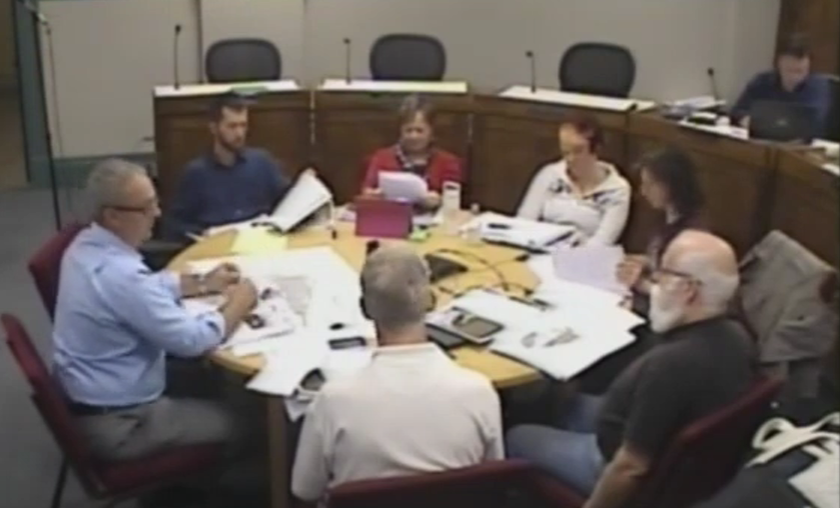
- Local municipal governments are typically responsible for managing local police and fire protection services.
- Local municipal governments are typically responsible for providing residential trash collection services and maintaining local roads and zoning regulations.
Ultimately, from the grand constitutional mechanism of the Supreme Court checking the President, down to the local city council deciding where a stop sign should go, the American system of government is an elaborate, layered engine. By deliberately scattering power among different branches, states, and municipalities, the system attempts to balance the necessary authority to govern with the absolute necessity of protecting individual liberty.