Key Documents and Citizenship
Not sure you’re ready?
Take the ~3-minute readiness diagnostic and see where you stand.
A nation is not merely a collection of borders, shared geography, or ancestral ties; it is an argument. The United States, in particular, was engineered on a profoundly radical premise: that political power flows from the bottom up, not the top down. To understand American civics is to look under the hood of a functioning republic and examine its source code. The foundational documents—the Declaration of Independence, the Constitution, and the Gettysburg Address—are not dusty relics preserved in glass cases; they are the active, living blueprints that dictate how power is distributed, how liberties are guarded, and how citizens interact with the state.
Understanding these mechanisms requires us to explore both the architecture of the government and the physical realities of citizenship—the exact rights guaranteed by the system, and the precise responsibilities required to keep that system running.
If we view the founding of the United States as an engineering project, we can categorize its key texts by their functional purposes: the Declaration of Independence is the why, the United States Constitution is the how, and the Bill of Rights provides the boundaries.
The Declaration of Independence: The "Why"
Before a new structure can be built, the old one must be demolished. The Declaration of Independence formally severed the political ties between the thirteen American colonies and Great Britain.
Adopted by the Second Continental Congress on July 4, 1776, and principally authored by Thomas Jefferson, the Declaration is far more than a political breakup letter. It is a philosophical manifesto that completely inverted the traditional understanding of power. For millennia, the prevailing global assumption was that kings derived their power from God, and the people lived at the mercy of the king.
%2C_by_John_Trumbull.jpg)
Jefferson and the Congress asserted the exact opposite:
The Principle of Consent: The Declaration establishes the principle that governments derive their power entirely from the consent of the governed.
Furthermore, the Declaration asserts that people possess natural rights that cannot be surrendered or transferred by government. It explicitly identifies life, liberty, and the pursuit of happiness as unalienable human rights. The government does not grant you these rights; you are born with them. The government's sole legitimate function is to secure them.
The United States Constitution: The "How"
By 1787, the newly independent nation was struggling. Its first operating system, the Articles of Confederation, was a structural failure—it created a federal government so weak it couldn't levy taxes, enforce laws, or hold the states together. A new blueprint was required.
The United States Constitution was drafted during the Constitutional Convention in Philadelphia in 1787. Upon its subsequent ratification, it officially replaced the Articles of Confederation and became the official framework of the United States government after ratification in 1788.
If the Declaration is the philosophy, the Constitution is the engineering. It establishes the supreme law of the United States of America. To ensure that the tyrannical power they just escaped in Britain could not take root in America, the framers designed a brilliant, self-regulating machine.
They did this through two distinct mechanical features:
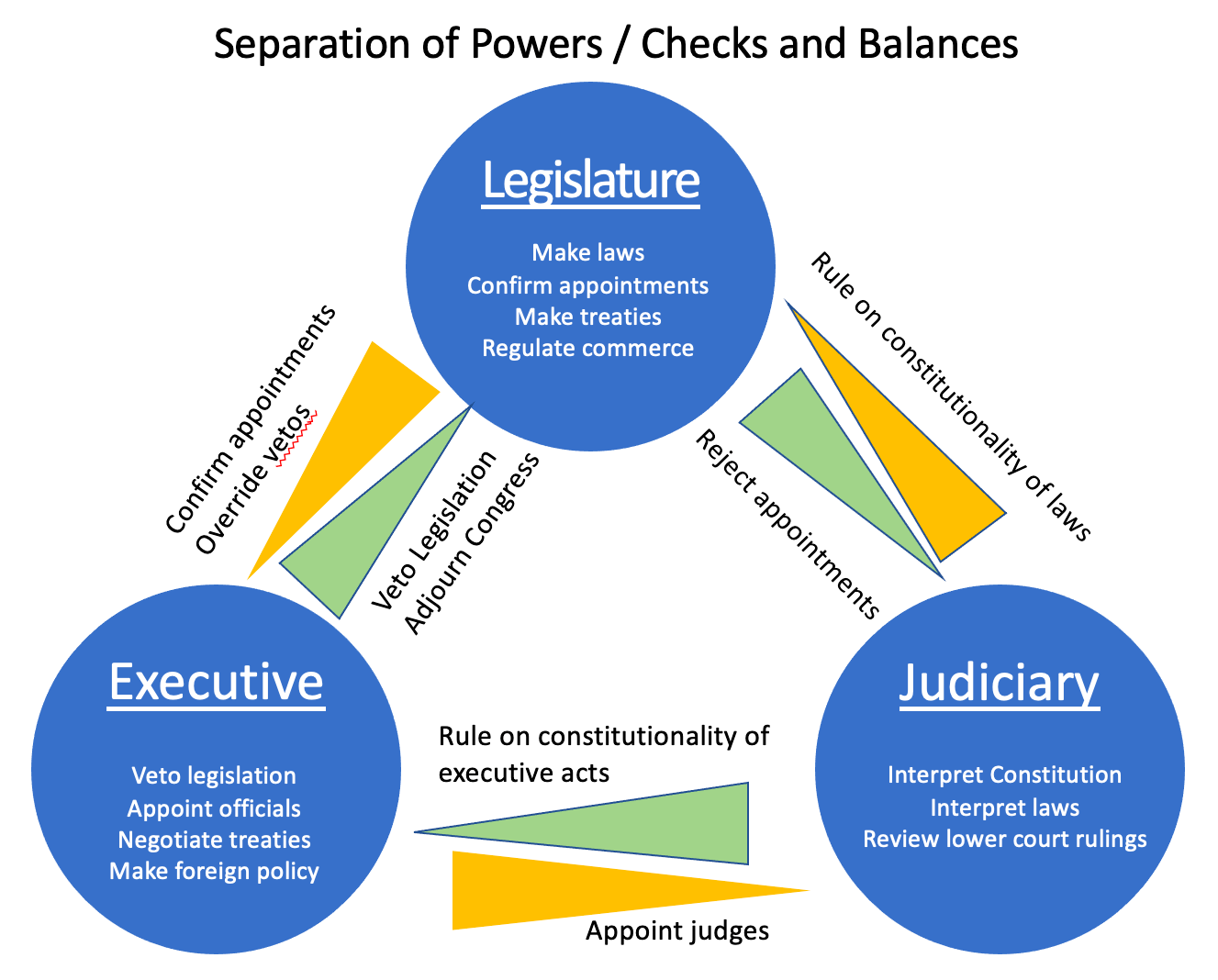
- Separation of Powers: The Constitution separates the federal government into three distinct branches: the legislative (which makes the laws), the executive (which enforces the laws), and the judicial (which interprets the laws).
- Checks and Balances: The Constitution utilizes a system of checks and balances to prevent any single branch of government from accumulating absolute power.
Think of this like a physical system in equilibrium. The President can veto Congress; Congress can override the veto and impeach the President; the Supreme Court can declare laws passed by Congress to be unconstitutional. Ambition is made to counteract ambition.
The Bill of Rights: The "Boundaries"
Despite the genius of the Constitution, many early Americans were terrified that this new, stronger federal government might still infringe upon their individual freedoms. To achieve ratification, a compromise was necessary.
The first ten amendments to the United States Constitution are collectively called the Bill of Rights. Ratified in 1791, these amendments act as an impenetrable firewall around the citizen. The Bill of Rights explicitly limits government power to protect individual liberties—ensuring, in writing, that the government cannot restrict your speech, confiscate your firearms arbitrarily, or search your home without a warrant.
The Gettysburg Address: The "Redefinition"
Systems, no matter how brilliantly designed, eventually face catastrophic stress tests. For the United States Constitution, that test was the Civil War.
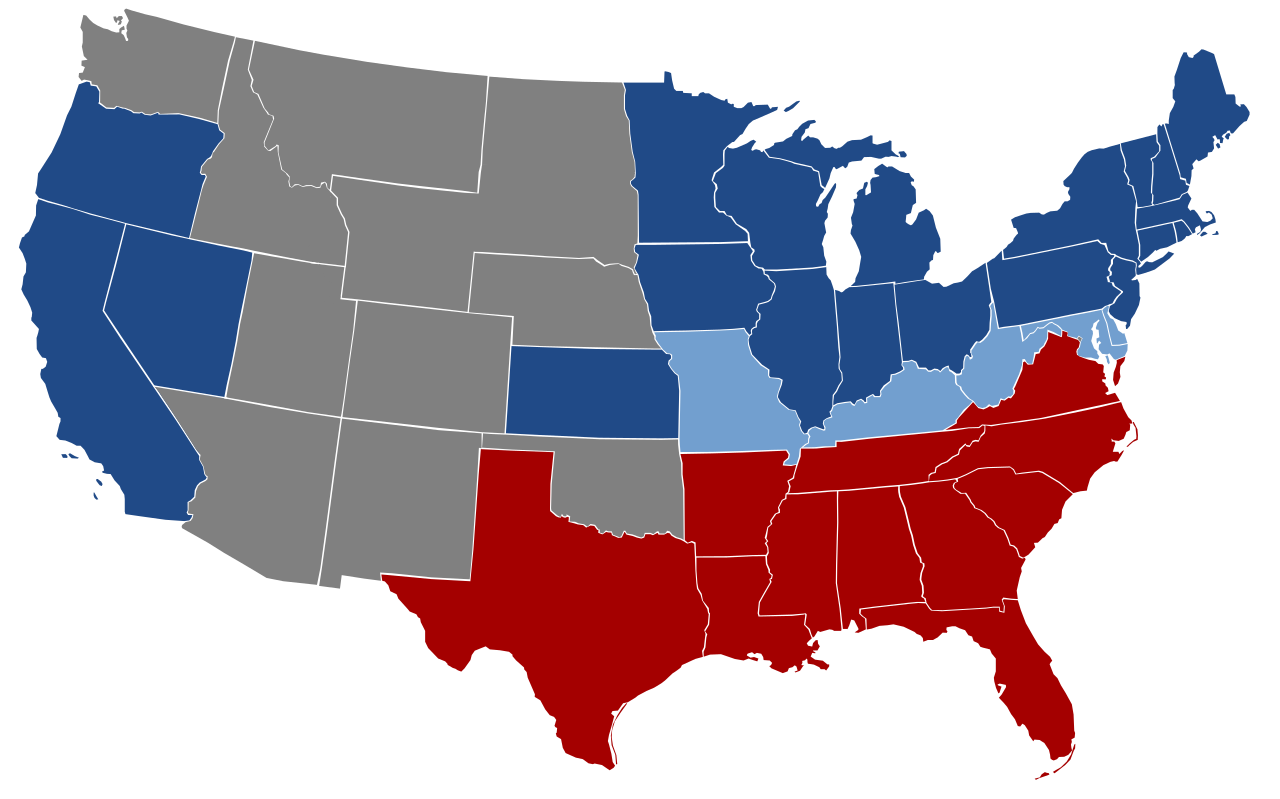
When President Abraham Lincoln delivered the Gettysburg Address on November 19, 1863, he did something remarkable. In just 272 words, he re-explained the entire purpose of the American experiment.
The Great Redefinition: The Gettysburg Address redefined the American Civil War as a struggle for both national preservation and the realization of human equality.
Lincoln tied the struggle back to the Declaration of Independence—a nation "conceived in Liberty, and dedicated to the proposition that all men are created equal." By doing so, he famously characterizes American democracy as a government of the people, by the people, for the people. It was a reminder that the Constitution's ultimate purpose was to fulfill the moral promise of the Declaration.
If the Constitution is the operating system, then individuals residing in the United States are the users. But not all users have the same administrative privileges. The law draws very specific distinctions between the rights granted to all people residing in the country and the exclusive rights granted only to citizens.
Furthermore, Newton's third law of motion loosely applies to civics: for every right granted, there is an equal and anchoring responsibility required to maintain the system.
Rights: Residents vs. Citizens
A "right" is a legal, social, or ethical principle of freedom or entitlement.
Rights Held by ALL Individuals Residing in the U.S. Regardless of citizenship status, the Constitution provides a baseline of protection to anyone on American soil.
- Freedom of Expression: All individuals residing in the United States hold the constitutional right to freedom of expression. You can speak your mind, practice your religion, and publish your thoughts.
- Due Process: All individuals residing in the United States have the constitutional right to a prompt and fair trial by a jury of peers. The machinery of justice applies equally to everyone within the nation's borders.
Rights Exclusive to United States Citizens Citizenship unlocks specific democratic privileges—the tools required to steer the ship of state. These include:
- Voting: Voting in federal elections is an exclusive right granted to United States citizens.
- Jury Service: Serving on a federal jury is a civic right reserved exclusively for United States citizens.
- Political Office: Running for federal political office is a right restricted to United States citizens.
- Federal Employment: United States citizens possess the exclusive right to apply for federal employment positions that require citizenship (such as high-level security clearance roles).
Duties and Responsibilities: The Cost of Maintenance
A democracy is not a perpetual motion machine; it requires continuous, active energy from its citizens to function. This energy takes the form of duties (mandatory, legally enforceable actions) and responsibilities (civic expectations that, while largely voluntary, are essential for the survival of the republic).
Mandatory Civic Duties
These are not requests; they are the required maintenance fees of living in a civilized society.
| Duty | Description |
|---|---|
| Obey Laws | United States citizens hold a mandatory civic duty to obey all federal, state, and local laws. Without this, the system collapses into anarchy. |
| Pay Taxes | United States citizens hold a mandatory civic duty to pay taxes accurately and on time to government authorities. This funds the infrastructure, defense, and services of the nation. |
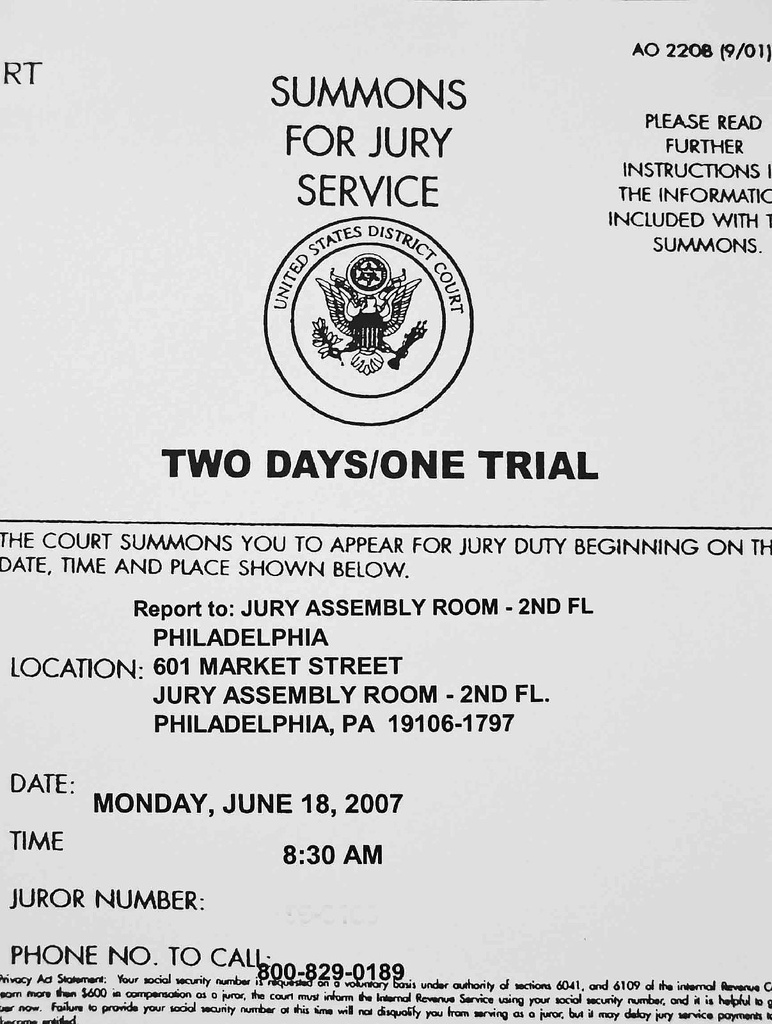
| Serve on a Jury | United States citizens hold a mandatory civic duty to serve on a jury when officially summoned by a court. You cannot guarantee a "fair trial by a jury of peers" if the peers refuse to show up. |
| Selective Service | Male United States citizens between the ages of 18 and 25 must register with the Selective Service System. This creates a database of individuals who could be drafted. Registering fulfills a citizen's potential responsibility to defend the country during a national emergency. |
Fundamental Civic Responsibilities
Unlike mandatory duties, you will not go to jail for failing to execute these responsibilities. However, if citizens neglect them en masse, the democratic system decays.
- Defending the Code: United States citizens hold a fundamental civic responsibility to support and defend the United States Constitution. This means upholding its principles against both domestic and foreign threats.
- Informed Participation: You cannot direct a system you do not understand. Citizens hold a civic responsibility to stay informed about issues affecting their local and national communities.
- Active Engagement: Once informed, action is required. United States citizens hold a civic responsibility to actively participate in the democratic process through voting.
- Social Cohesion: Finally, citizens hold a civic responsibility to respect the rights, beliefs, and opinions of other individuals. Democracy is a loud, messy process of compromise. Respecting others' rights to express dissenting opinions is the friction that polishes our collective decision-making.
When you strip away the marble monuments and the powdered wigs, American democracy is simply an astonishingly resilient mechanism. It runs on the physics of checks and balances, derives its kinetic energy from the consent of the governed, and requires the continuous, informed participation of its citizens to avoid entropy.