Science as Inquiry
Not sure you’re ready?
Take the ~3-minute readiness diagnostic and see where you stand.
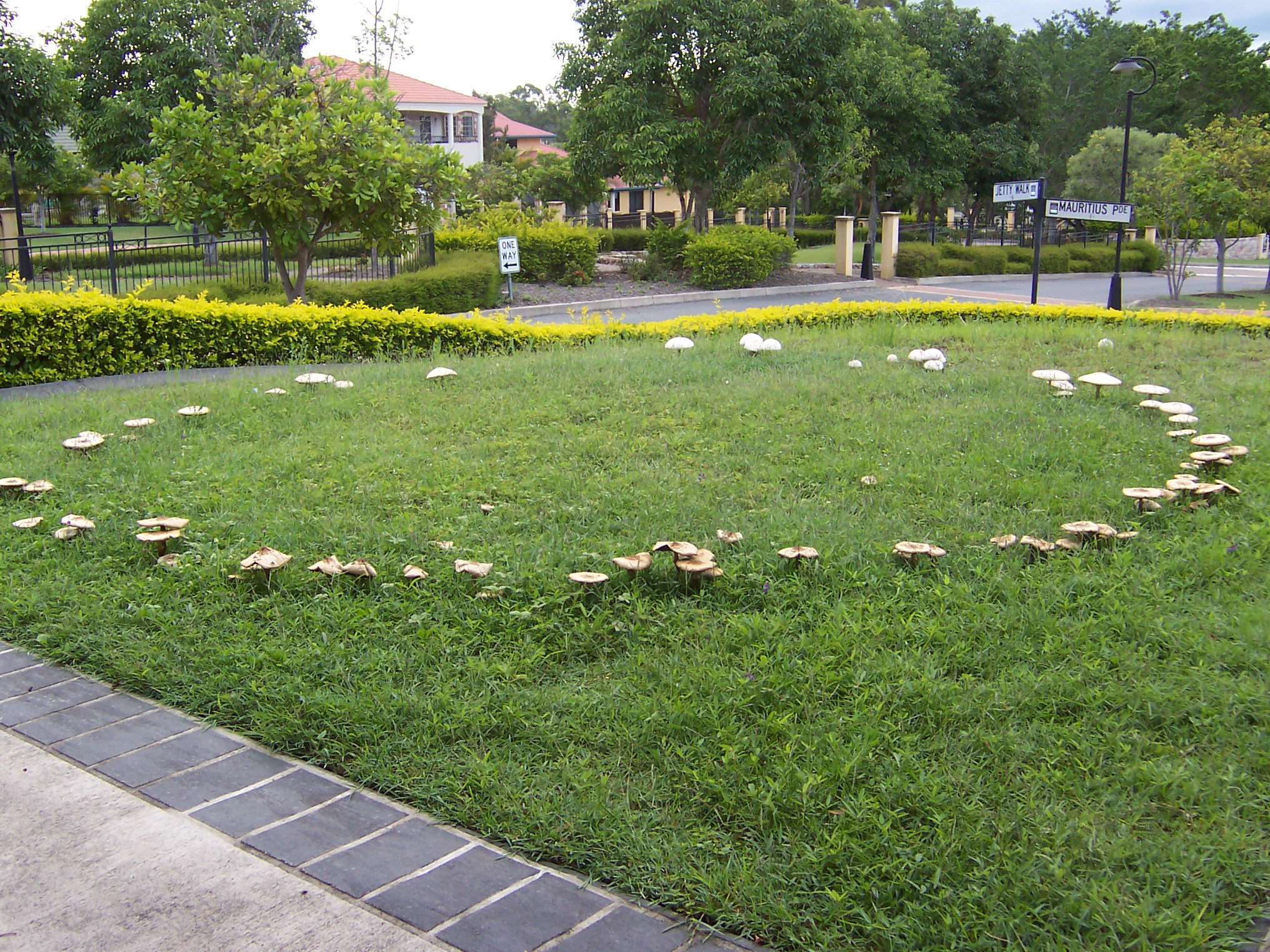
When you walk into a dense forest and spot a perfectly circular ring of mushrooms, your mind immediately tries to build a story. You notice the damp soil, the earthy scent, and the stark white caps of the fungi—information gathered directly through the five physical senses. That is an observation. But the moment your brain whispers, "An underground root system must connect them," you have taken a leap. You have drawn an inference, which is a logical explanation or conclusion drawn from prior observations.
This fundamental leap—from what we can plainly see to the underlying mechanisms of the universe—is the engine of all scientific thought. Scientific inquiry is the diverse way in which scientists study the natural world, operating on a simple but profound premise: it proposes explanations based on evidence derived from scientific work. To move from a casual inference to a rigorous understanding of nature, we need a structure. We need to measure, to test, and to try as hard as we can to prove our own inferences wrong.
To prevent our biases from coloring our understanding of reality, we use the scientific method, a systematic process used to investigate natural phenomena.
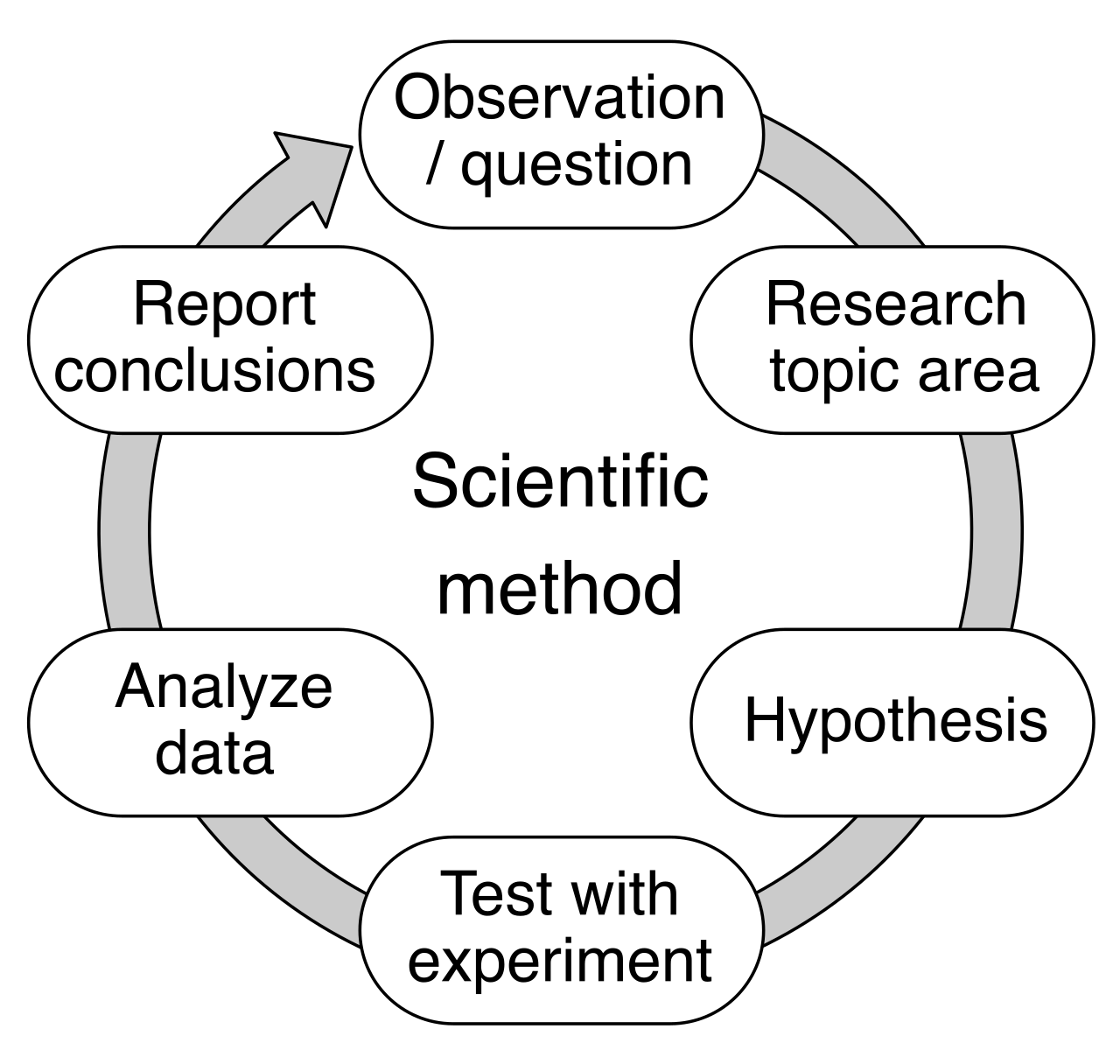
The scientific method typically begins with an observation about the natural world. From that observation, we ask a question. However, science cannot answer every type of question. A valid scientific question must be testable through direct observation or experimentation. You cannot test whether a painting is beautiful, but you can test whether a specific chemical speeds up the drying of paint.
The Hypothesis: A Blueprint for Testing
Once we have a testable question, we formulate a hypothesis. A hypothesis is a proposed explanation for a specific scientific phenomenon.
For a hypothesis to be scientifically valid, it must possess one non-negotiable trait: it must be completely falsifiable. Falsifiable means a hypothesis can be proven wrong by conflicting experimental evidence. If an idea is so vague that no experiment could ever contradict it, it isn't science. To ensure clarity, a well-structured hypothesis often takes the form of an if-then statement. (e.g., If I increase the temperature of the water, then the salt will dissolve faster).
The Golden Rule of Hypotheses: A scientific hypothesis is never considered absolutely proven. Nature is infinitely complex, and a future experiment could always uncover a new variable. Therefore, a scientific hypothesis can only be supported or rejected by experimental evidence.
Variables and Control
To test a hypothesis, we design an experiment. An experiment is essentially a controlled interrogation of nature. We change one specific thing, keep everything else exactly the same, and see what happens.
| Variable Type | Definition | Role in Experiment |
|---|---|---|
| Independent Variable | The single experimental factor intentionally changed by a researcher. | The "cause." (e.g., amount of sunlight given to a plant). |
| Dependent Variable | The factor measured in response to changes in the independent variable. | The "effect." (e.g., the height of the plant). |
| Control Variables | Experimental factors kept strictly constant throughout an investigation. | The "safeguards." (e.g., using the same soil, water, and pot size). |
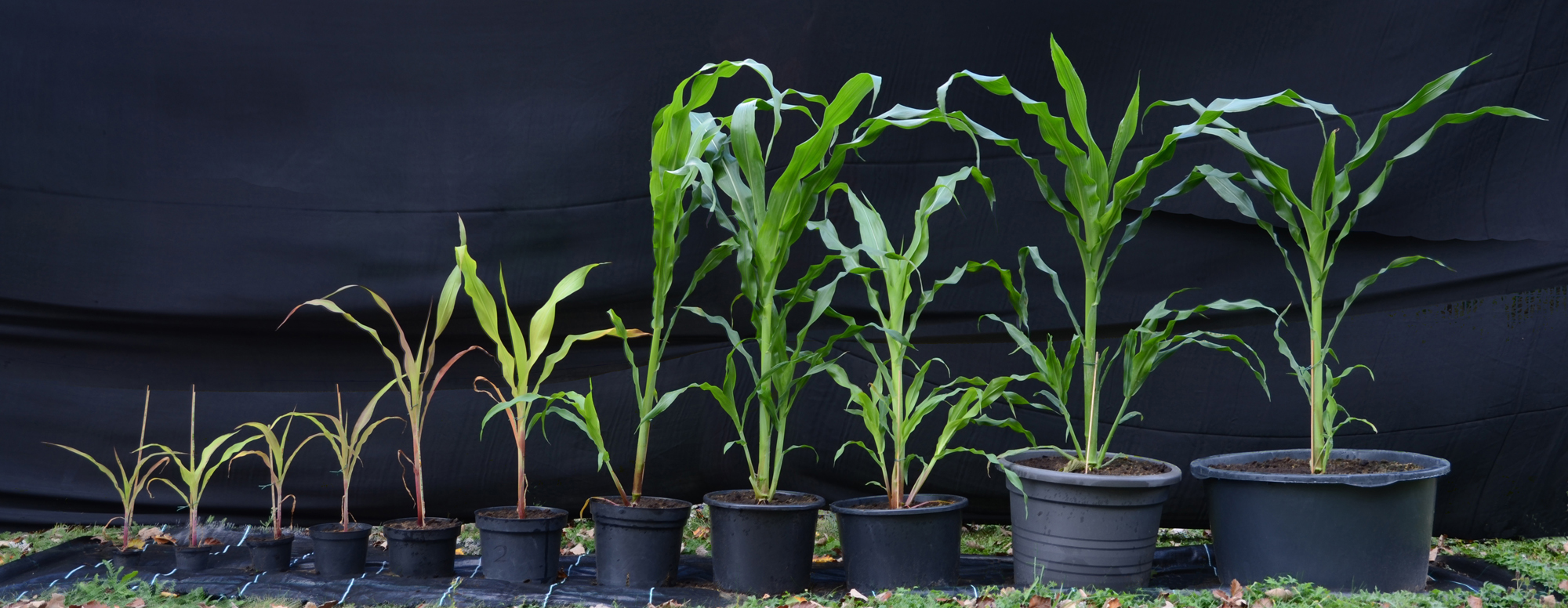
Why are control variables so critical? Keeping control variables constant ensures that changes in the dependent variable are due only to the independent variable. If you change both the sunlight and the water at the same time, and the plant grows taller, you have no idea which factor caused the growth.
Setting Up Groups
To understand the true effect of our independent variable, we divide our subjects into two distinct groups:
- Experimental group: This group receives the specific treatment or variable being tested.
- Control group: This group does not receive the experimental treatment. It serves as a baseline for comparison against the experimental group.
As the experiment runs, we collect data. We divide data into two distinct categories based on their nature:
- Quantitative data consists entirely of numerical measurements (e.g., the plant grew 4.2 centimeters, the solution reached 35°C).
- Qualitative data consists of descriptive observations (e.g., the leaves turned a pale shade of yellow, the liquid became cloudy).
Once the data is collected, drawing a conclusion involves analyzing data to determine whether the evidence supports the initial hypothesis. But the scientific process does not end in isolation.
For a finding to be accepted by the scientific community, it must possess replicability, which means an experiment can be repeated by independent researchers to verify the original results. Before a study even reaches the broader public, it undergoes peer review—the rigorous process where independent scientists evaluate research methodology before publication. They check the math, look for flaws in the control groups, and ensure the conclusions actually follow from the data.
In everyday conversation, people say, "I have a theory," when they mean they have a guess. In science, the word theory carries immense weight.
- A scientific theory is a broad explanation of the natural world. Crucially, a scientific theory is supported by a vast body of empirical evidence from multiple investigations. (e.g., The Theory of Evolution, the Germ Theory of Disease).
- A scientific law, by contrast, describes a consistent, observable phenomenon in nature, often expressed as a mathematical equation (e.g., Newton's Law of Universal Gravitation). However, a scientific law does not explain the underlying mechanism behind a phenomenon. It tells us what happens, while a theory explains why it happens.
- Because the universe operates on scales far too vast (galaxies) or far too tiny (atoms) to easily observe, we rely on scientific models. These are simplified representations of complex natural systems, allowing us to visualize, predict, and calculate behaviors that would otherwise be impossible to grasp.
To share data globally, scientists must speak the same mathematical language. The International System of Units (abbreviated as SI) is the modern metric system used universally in science.
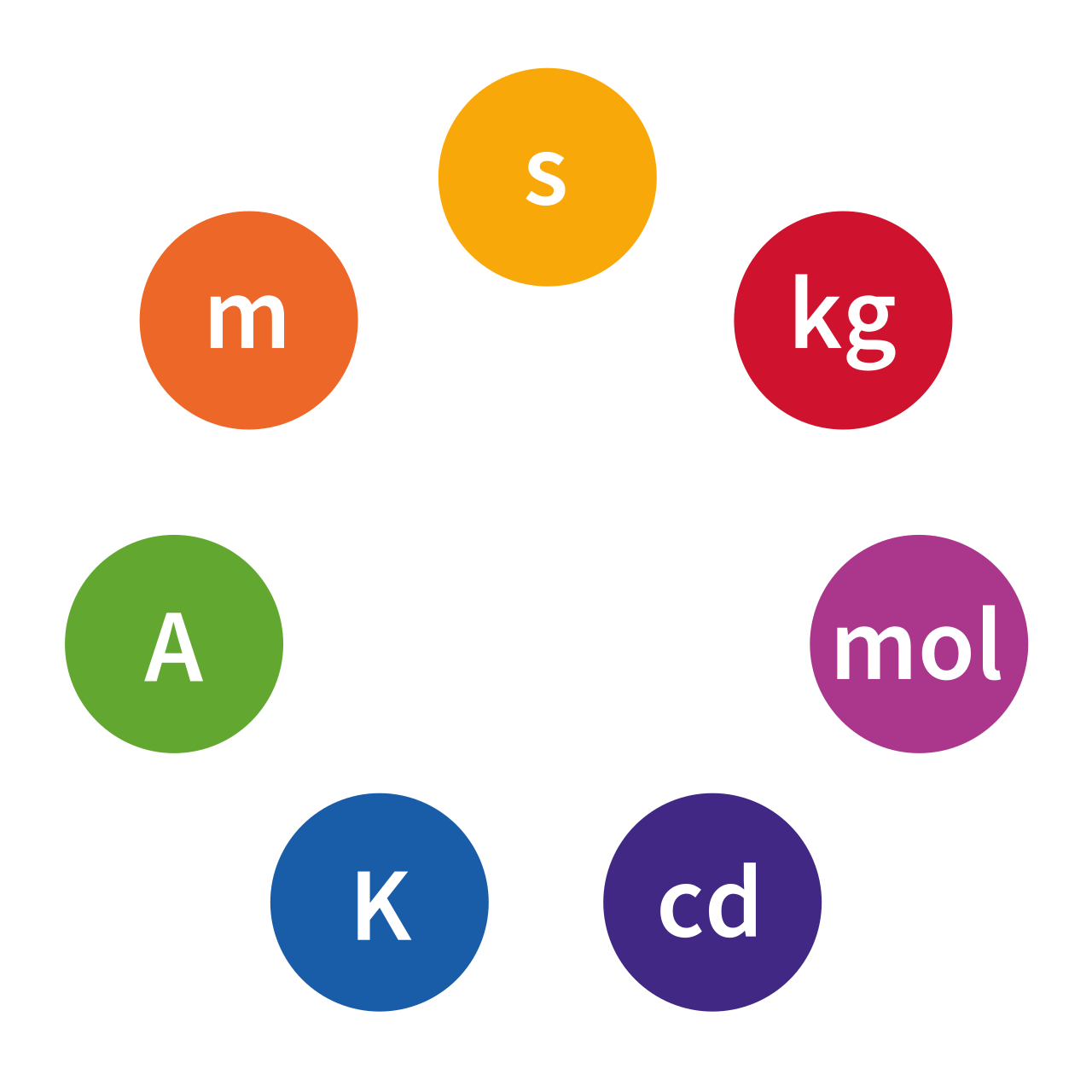
The SI system relies on highly specific base units for fundamental physical quantities:
- The base unit for length in the International System of Units is the meter.
- The base unit for mass in the International System of Units is the kilogram.
- The base unit for time in the International System of Units is the second.
To scale these units up or down, we use standard metric prefixes:
- The metric prefix milli- denotes one-thousandth (1/1000) of a base unit.
- The metric prefix centi- denotes one-hundredth (1/100) of a base unit.
- The metric prefix kilo- denotes one thousand times (1000×) a base unit.
The Laboratory Toolkit
Nature doesn't hand us numerical data on a silver platter; we have to extract it using precise instruments. Using the correct laboratory tool is as important as asking the correct scientific question.
Measuring Volume
- A beaker is a cylindrical glass container used for holding and mixing liquids in a laboratory. While it has rough markings on the side, beakers are not designed for precise liquid volume measurement.
- When you need accuracy, you use a graduated cylinder, which is a tall laboratory vessel specifically used to measure the volume of a liquid.
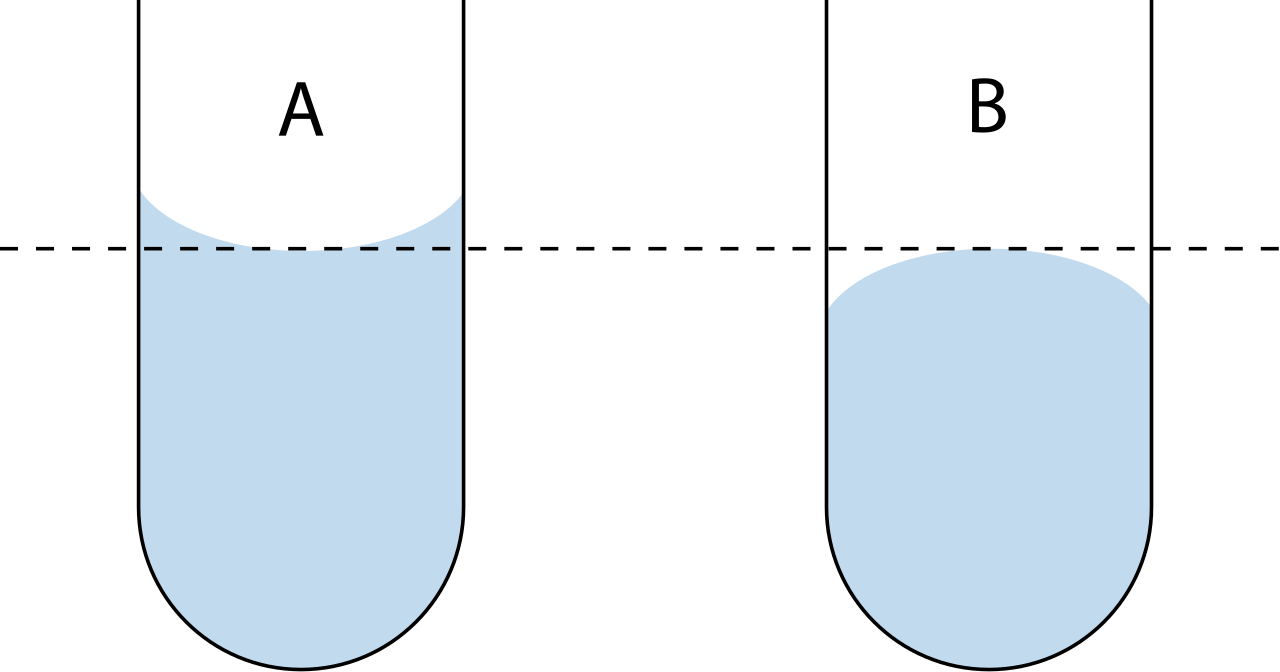
- How to read it: When water is placed in a glass cylinder, it clings slightly to the sides. This creates a meniscus, which is the visible curve at the surface of a liquid in a container. To ensure accuracy, liquid volume in a graduated cylinder must be read at the lowest point of the meniscus, keeping your eye completely level with the liquid.
Mass vs. Weight
These two terms are often confused, but they measure entirely different properties of the universe.
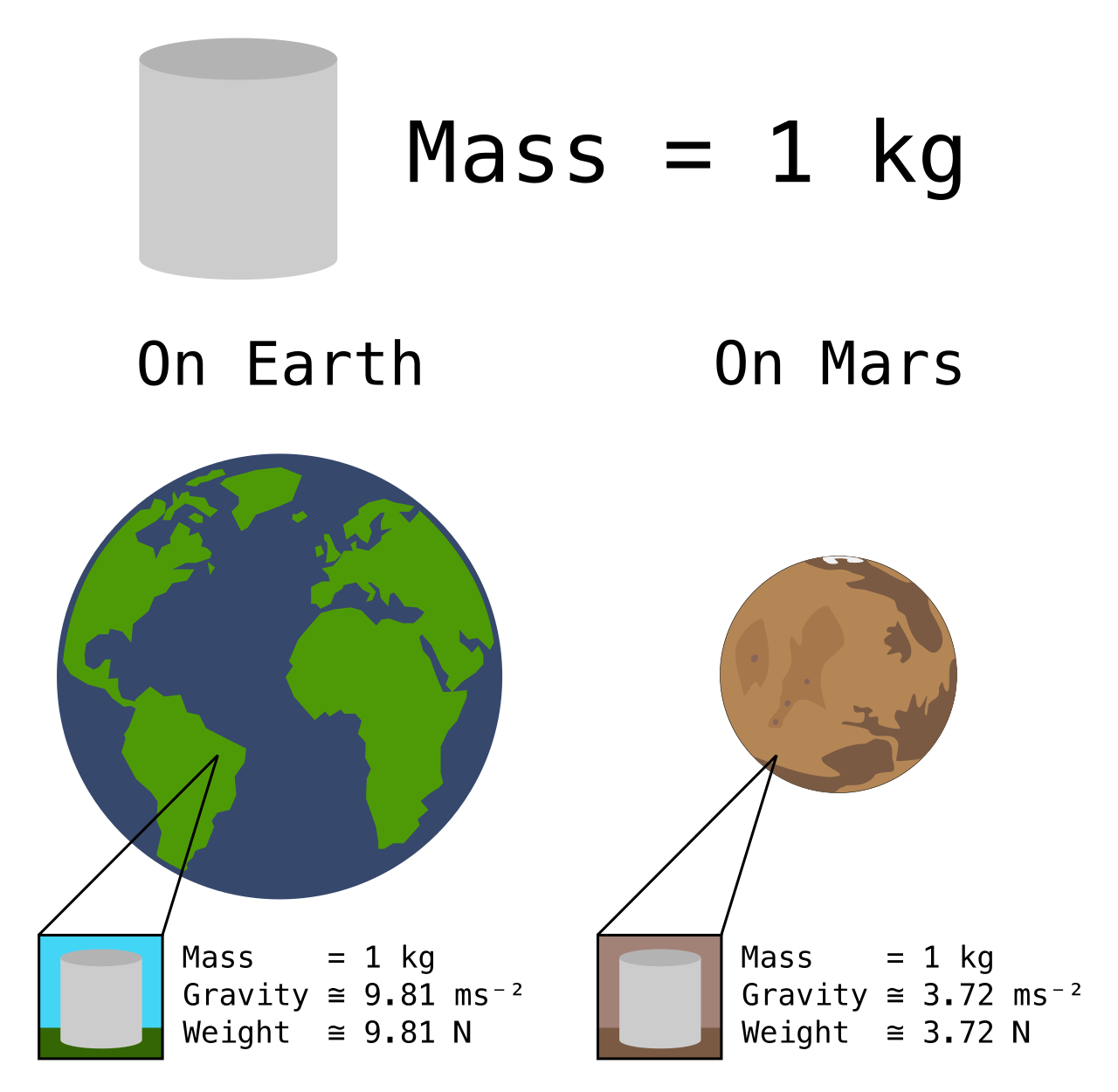
- Mass is the physical amount of matter contained in an object. Because it is a measure of "stuff," the mass of an object remains constant regardless of the object's physical location (you have the same mass on Earth as you do on the Moon). To measure mass, we use a triple beam balance, a mechanical instrument that balances the unknown mass against known masses.
- Weight is the measure of the gravitational pull acting on an object. Because gravity changes depending on where you are, the weight of an object changes based on the strength of the local gravitational field (you weigh much less on the Moon). To measure weight, we use a spring scale, an instrument used to measure weight or the force of gravity acting on an object by observing how much a spring stretches.
Time, Temperature, and Observation
- A stopwatch is a timepiece used to measure exact time intervals during a scientific experiment.
- A scientific thermometer is an instrument used to measure temperature. In the lab, we use the Celsius scale, which is the standard temperature scale used in general scientific measurement.
- When investigating the microscopic world, we use a light microscope, an instrument that magnifies objects too small to be seen by the naked eye by bending light through glass lenses.
Handling and Safety
- When you need to move exactly three drops of a chemical, you use a pipette, a slender laboratory tool used to transport a carefully measured volume of liquid.
- If you are dissecting a specimen or handling a small, delicate component, you use forceps, which are handheld, hinged instruments used for grasping and holding small objects in a laboratory.
- Finally, the most important tool in any laboratory is worn by the scientist: safety goggles. These are specialized protective eyewear worn to shield the eyes from chemical splashes, flying debris, and accidental spills during laboratory work. Safety ensures that the pursuit of knowledge lives on for another day of rigorous, joyous inquiry.