Text Complexity and Leveling
Not sure you’re ready?
Take the ~3-minute readiness diagnostic and see where you stand.
To judge the difficulty of a mountain ascent, we do not merely measure its elevation. We map the terrain—whether the slopes are sheer rock or gentle, sloping soil. We examine the weather. Most importantly, we evaluate the climber—their physical fitness, their experience, and their specific purpose for ascending. In literacy education, reading a text is the ascent. Text complexity measurement consists of three main dimensions, and mapping them requires an equally sophisticated appraisal. Words on a page are merely the topography; we must measure the mechanics of the language, the architecture of the meaning, and the human mind engaging with the material.

The science of literacy evaluates difficulty not by looking at a book in isolation, but by deconstructing it into three intersecting planes: quantitative, qualitative, and reader/task considerations.
1. Quantitative Measures: The Topography
Quantitative measures are one dimension of text complexity, dealing entirely with the structural, statistical reality of the text. Because this process involves counting and calculating the physical properties of language, computer algorithms evaluate quantitative measures of text complexity.
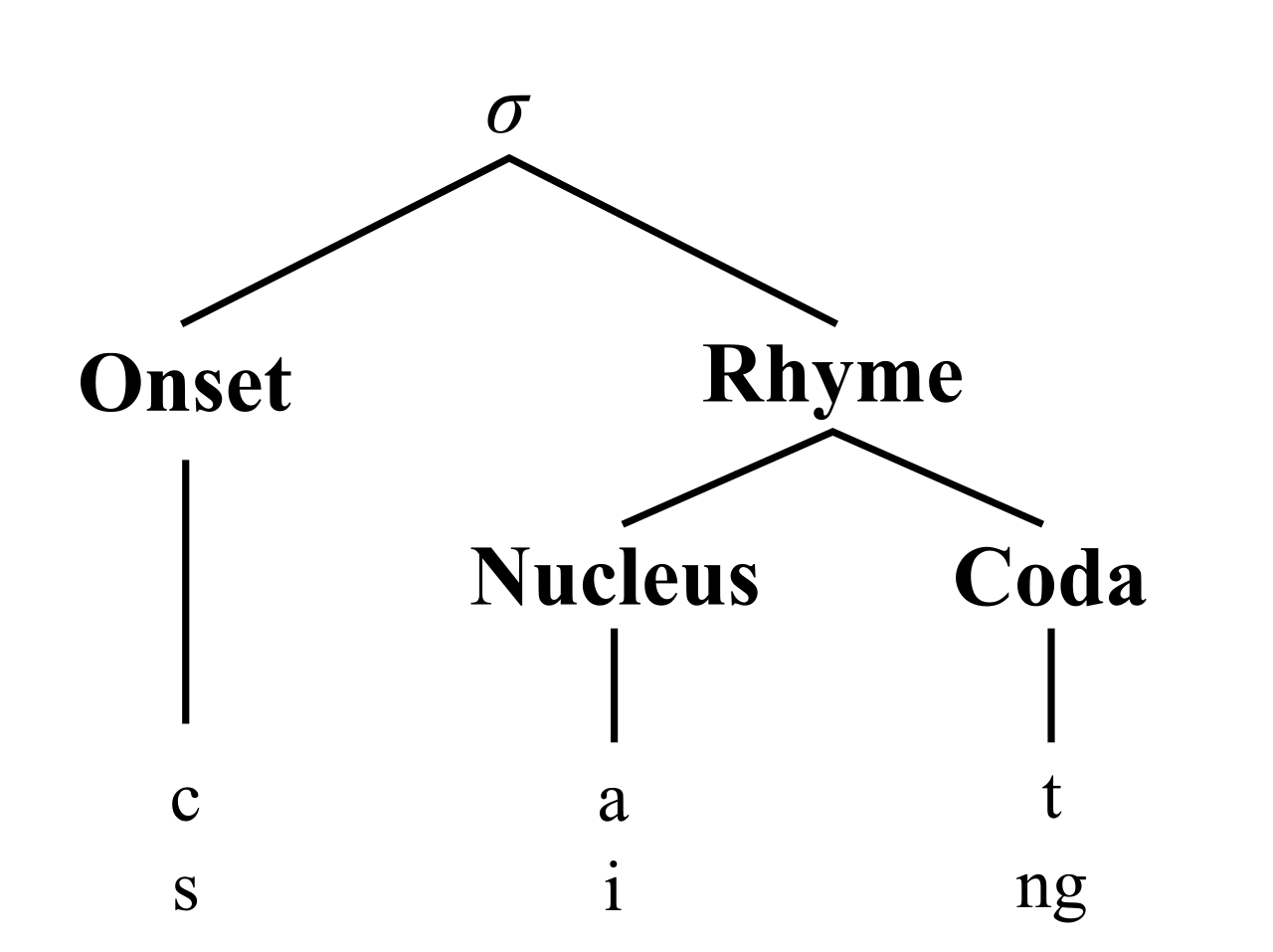
These algorithms scan the text to calculate its friction. Specifically, quantitative measures of text complexity evaluate word length and sentence length. Longer words with more syllables require greater decoding stamina, while elongated, multi-clause sentences demand higher working memory. The algorithms also assess word frequency—how often words appear in standard English—and text cohesion, which measures how explicitly words and sentences link together to carry an idea forward.
However, machines have a profound blind spot: quantitative readability formulas cannot assess the conceptual difficulty of a text. A computer examining Ernest Hemingway’s The Old Man and the Sea sees short words, brief sentences, and high word frequency. It categorizes the text as elementary. It cannot perceive the philosophical weight of human endurance and mortality. The machine measures the surface, but it cannot measure the depth.
2. Qualitative Measures: The Terrain
Because quantitative formulas fail to capture meaning, qualitative measures are one dimension of text complexity that serves as the necessary counterweight. Qualitative measures of text complexity rely on human judgment. To remove arbitrary bias, educators use standardized rubrics to evaluate qualitative dimensions of text complexity.
When educators evaluate a text qualitatively, they examine four core pillars:
- Levels of Meaning or Purpose: A text possessing a single direct meaning has low qualitative complexity (e.g., a simple instruction manual or a straightforward fable). Conversely, a text possessing multiple layers of meaning has high qualitative complexity, such as political satire or an allegory.
- Text Structure: The architecture of the narrative dictates its difficulty. A chronological text structure reduces the qualitative complexity of a reading passage, as the mind can easily follow the linear arrow of time. In contrast, a non-linear text structure increases the qualitative complexity of a reading passage through flashbacks, shifting perspectives, or disrupted timelines.
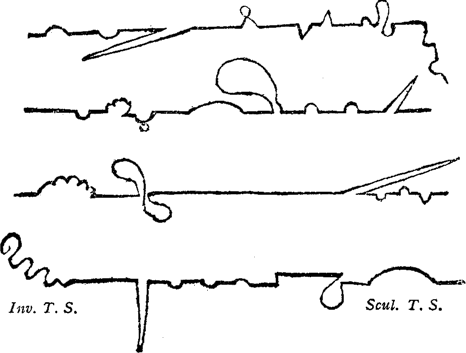
- Language Conventionality and Clarity: This dimension examines the style of the prose. The use of contemporary familiar language reduces the qualitative complexity of a text. However, the presence of figurative language increases the qualitative complexity of a text, as metaphors, similes, and archaic dialects force the brain to pause and translate the literal words into their intended abstract meaning.
- Knowledge Demands: What does the author expect the reader to already know? Texts requiring specific cultural knowledge possess high qualitative complexity because they do not pause to explain contextual norms. Similarly, texts requiring extensive background knowledge possess high qualitative complexity, demanding that the reader arrive with an existing scaffolding of historical or scientific facts.
3. Reader and Task Considerations: The Climber and the Mission
A book does not exist in a vacuum; it exists in the hands of a student. Reader and task considerations are one dimension of text complexity that evaluate the interaction between the student and the reading material. Rather than assigning a universal difficulty score to a book, educators assess reader and task variables to determine the appropriate text for a specific student.
The Reader Variables: A text that is trivial for one student may be insurmountable for another, entirely independent of the book's inherent complexity.
- A reader's cognitive abilities affect the reader dimension of text complexity, encompassing their working memory, processing speed, and decoding skills.
- A reader's motivation level affects the reader dimension of text complexity. A deeply interested student will reliably push through syntactic friction that would otherwise halt them.
- A reader's prior knowledge of a subject affects the reader dimension of text complexity. A student obsessed with dinosaurs will easily decode polysyllabic terms like Pachycephalosaurus that a quantitative algorithm would flag as prohibitively difficult.

The Task Variables: How the text is used fundamentally alters its complexity.
- The specific purpose of the reading assignment affects the task dimension of text complexity. Skimming a text to find a single date is a vastly different cognitive task than analyzing that same text for thematic irony.

- The difficulty of the assigned reading activity affects the task dimension of text complexity. Asking a student to read a chapter and draw a picture requires less cognitive load than asking them to read the chapter and write a comparative essay.
To translate these complex dimensions into actionable classroom tools, educators rely on established frameworks. Text-leveling systems assign specific values to reading materials to indicate text difficulty. Educators use text-leveling systems to match students with appropriate reading materials, ensuring that the cognitive friction is perfectly calibrated for learning.
Quantitative Leveling Algorithms
Several systems rely purely on the quantitative dimension to provide a mathematical baseline:
- The Lexile Framework: The Lexile Framework is a widely used quantitative text-leveling system. To generate a score, the Lexile Framework calculates readability using sentence length and calculates readability using word frequency. Lexile levels are represented by a number followed by the letter L (for example, 850L).
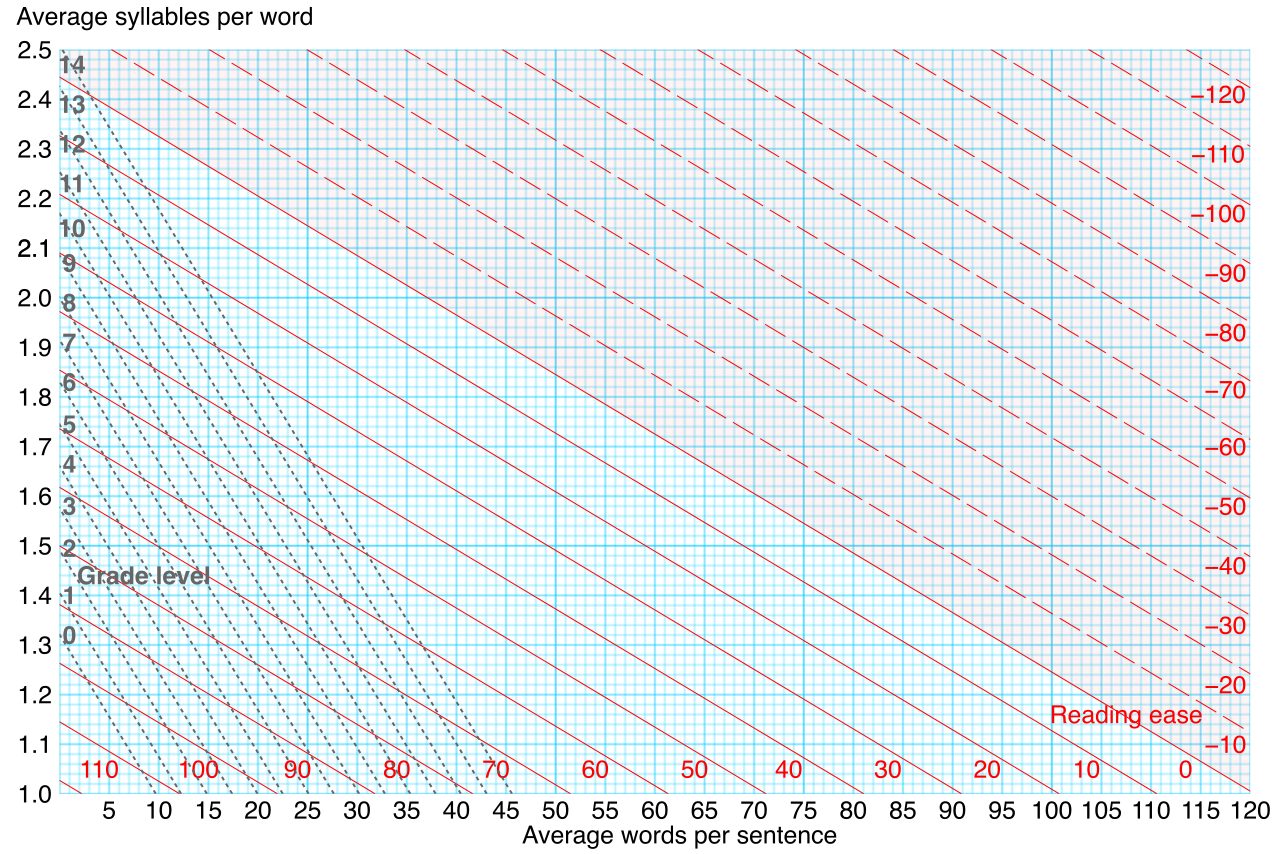
- The Flesch-Kincaid Grade Level: The Flesch-Kincaid Grade Level formula is a quantitative text-leveling system originally developed for the military. It translates syllable counts and sentence lengths into a standard U.S. grade level.
- The ATOS Readability Formula: Similarly, the ATOS readability formula reports text complexity using grade-level equivalents. If a book has an ATOS level of 4.5, it mathematically reflects the reading skills typical of a fourth-grade student in their fifth month of school.
Holistic Alphabetical and Numeric Systems
Other systems attempt to blend structural measurement with qualitative realities, taking the visual layout and content into account.
- Fountas and Pinnell / Guided Reading: The Fountas and Pinnell Text Level Gradient uses an alphabetical leveling system from A to Z. Guided Reading levels use letters from A to Z to indicate text difficulty, progressing from highly predictable kindergarten texts to complex chapter books. Unlike pure algorithms, Guided reading leveling systems evaluate illustrations alongside text features to determine text difficulty, recognizing that a picture providing high context clues lowers the qualitative demand on the reader.
- Developmental Reading Assessment (DRA): The Developmental Reading Assessment system uses numeric reading levels ranging from A-1 to 80. This assessment system requires the student to read aloud to a teacher and then retell the story, allowing the educator to directly measure fluency, accuracy, and comprehension before assigning a number.
The ultimate goal of measuring text complexity and utilizing text-leveling systems is to place students into specific bands of difficulty to optimize their growth. There are three essential thresholds of reading capability:
Independent reading level refers to texts a student can read successfully without teacher assistance. At this level, the student decodes text with 95% to 100% accuracy and achieves profound comprehension. This is the realm of reading for pleasure and building fluency.
Instructional reading level refers to texts a student can read with guidance from a teacher. Here, accuracy drops slightly (typically 90% to 94%). The text provides just enough syntactic friction and qualitative depth that the student is challenged, but they can conquer the passage through scaffolding, vocabulary instruction, and guided discussion. This is the zone where active learning occurs.
Frustrational reading level refers to texts that are too difficult for a student to read even with assistance. At less than 90% accuracy, the cognitive load required simply to decode the words leaves no working memory available for comprehension. The reading process breaks down, and motivation collapses.
As educators, we are guides on the mountain. We consult the quantitative algorithms to understand the steepness of the grade. We utilize our qualitative rubrics to understand the danger of the terrain. We evaluate our specific reader's skills, and finally, we select a text that pushes them into the instructional zone—the exact altitude where the air is thin enough to challenge them, but rich enough to let them climb.