Characteristics of Writing Types
Not sure you’re ready?
Take the ~3-minute readiness diagnostic and see where you stand.
Every piece of written communication begins not with a word, but with a structural blueprint determined by a singular goal. When an author sits down to write, they are essentially choosing a specialized vehicle to transport an idea into the mind of a reader. If the goal is to systematically build an understanding of a new concept, the author constructs an informative text, laying out facts like bricks. If the goal is to sway a reader's convictions, the author engineers an argumentative piece, forging logical chains and emotional hooks. If the goal is to transport the reader through time and space, the author crafts a narrative, weaving sensory details and character arcs into a living simulation. The fundamental principle governing all text is that authors choose a specific writing type based on their primary authorial intent.
Recognizing these structural variations is the bedrock of reading comprehension and effective composition. By dissecting the anatomy of opinion, informative, and narrative writing, we can understand exactly how language is manipulated to achieve distinct cognitive effects.
At its core, opinion writing aims to persuade the reader to adopt a specific viewpoint or, in many cases, to take a specific action. It is not merely about stating what one believes; it is about actively pulling the reader across an ideological chasm.
However, we must make a precise distinction between the different engines that drive persuasion. While often grouped together, opinion/persuasive writing and argumentative writing employ fundamentally different mechanisms to move their audience.
The Mechanical Distinction Persuasive writing frequently incorporates emotional appeals to sway the reader. It targets the reader's values, desires, or fears. Conversely, argumentative writing relies on logical reasoning to support a claim. It operates like a geometric proof, demanding the rigorous presentation of verifiable evidence.
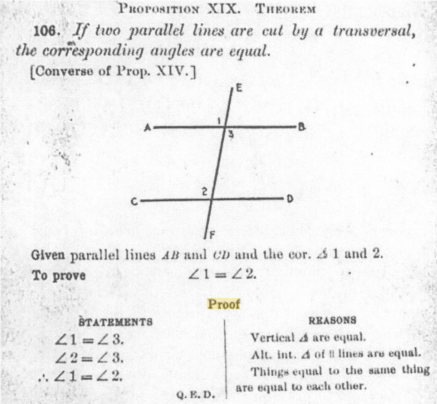
Key Components of the Argumentative Architecture
Whether leaning on emotion or cold logic, successful opinion writing shares a rigid structural spine. If you remove any of these vertebrae, the argument collapses:
- The Claim: A key component of opinion writing is a clear statement of the author's claim. This is the thesis—the absolute destination the author wants the reader to reach.
- The Evidence: Opinion writing must include supporting reasons for the stated claim. In argumentative texts, these reasons must be rooted in verifiable data, expert testimony, and factual observations.
- The Counterargument: A robust argument does not pretend opposition doesn't exist. Argumentative essays often address opposing viewpoints through counterarguments, anticipating the reader's skepticism and logically dismantling it before it can take root.
- The Conclusion: Opinion writing typically includes a concluding statement that reinforces the author's claim, synthesizing the supporting evidence into a final, undeniable mandate for the reader.
To bind these logical links together, opinion writing frequently utilizes transition words indicating causation. You will see the architectural mortar of words like therefore, consequently, because, and as a result. These markers show the reader exactly why one idea forces the next into existence.
Subgenres of Opinion/Argumentative Writing
You encounter this form daily in the real world. Common subgenres of opinion writing include:
- Persuasive essays (often found in academic settings or political discourse)
- Newspaper editorials (where publication boards state their stance on civic issues)
- Book reviews (where critics argue for the aesthetic or intellectual value of a work)
If opinion writing is a courtroom trial, informative writing is a surgical theater. Informative writing aims to educate the reader about a specific topic, while its close sibling, explanatory writing aims to clarify a process for the reader (such as how a combustion engine works or why the tides rise).
The cardinal rule of this genre is the complete elimination of the author's ego. Informative writing explicitly avoids the inclusion of the author's personal opinions, ensuring the text serves as a perfectly transparent window to the facts. To achieve this, informative writing maintains an objective tone.
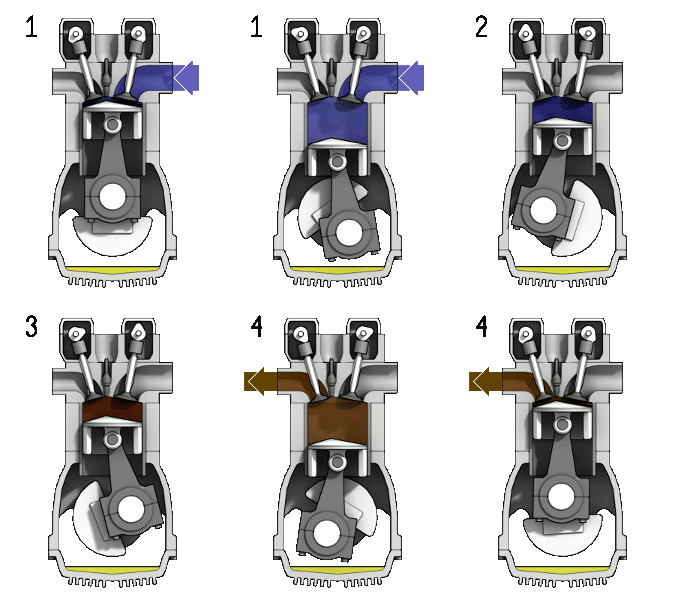
Structural Frameworks of Information
How does one build knowledge in a stranger's mind? A primary component of informative writing is the clear introduction of a central topic. Once the perimeter of the topic is established, the author develops the central topic using facts, formal definitions, and concrete details.
Because this writing deals with specialized knowledge, informative writing often employs domain-specific vocabulary. (You cannot properly explain photosynthesis without words like chlorophyll or ATP). To stack these facts logically, informative writing frequently uses transition words indicating addition, such as furthermore, additionally, and moreover.
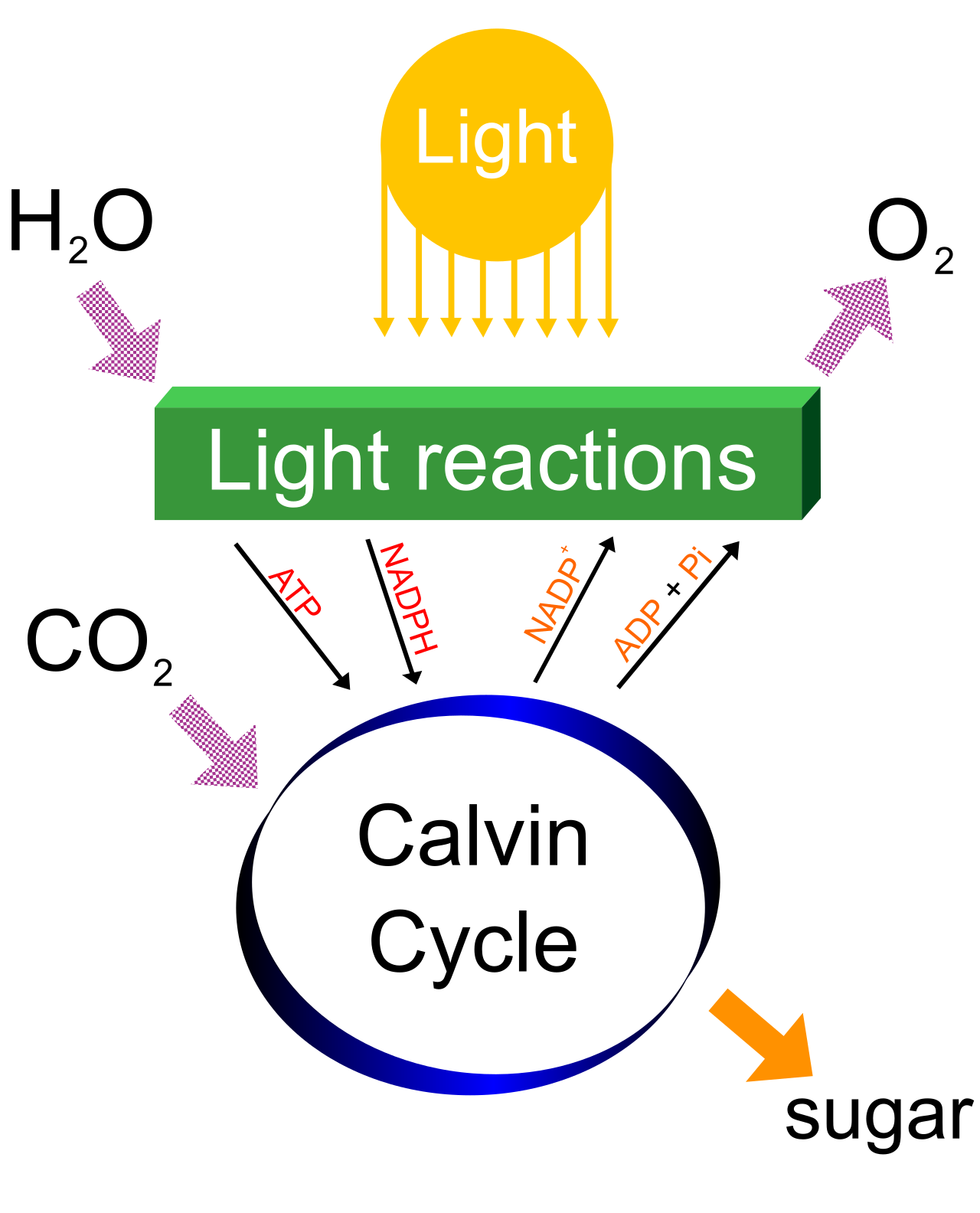
To organize complex information, authors pour their facts into specific structural molds:
- Compare-and-contrast organizational pattern: Examining the similarities and differences between two subjects (e.g., mitosis vs. meiosis).
- Cause-and-effect organizational pattern: Tracing an event to its origins or mapping its consequences (e.g., the economic impacts of the Industrial Revolution).
- Problem-and-solution organizational pattern: Defining an issue and detailing the objective mechanics of how it was, or could be, resolved.
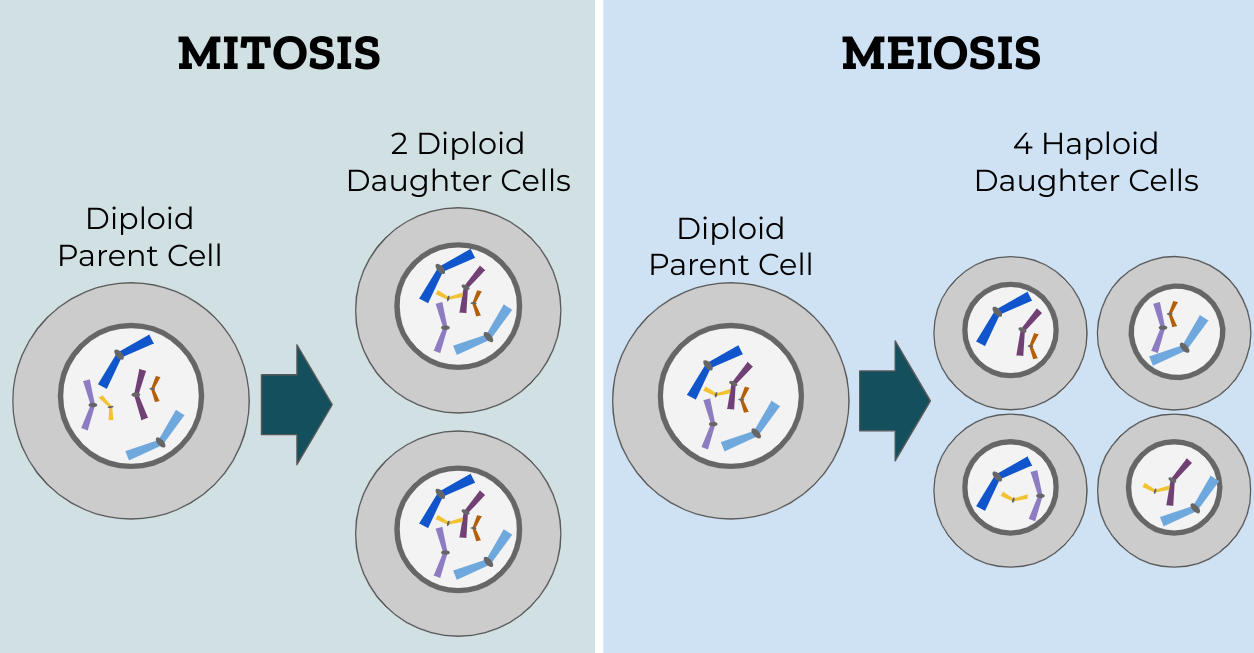
Navigational Tools and Subgenres
Because informative texts are often utilized as reference materials, informational texts frequently utilize text features like headings to organize concepts hierarchically, and glossaries to define domain-specific vocabulary. They also frequently rely on visual aids like charts, diagrams, and maps to translate dense numerical data into immediate visual understanding.
Common subgenres of informative writing include:
- Research reports (synthesizing data on a specific academic subject)
- Instructional manuals (explanatory texts detailing step-by-step operations)
- Biographies (objective, fact-based accounts of a person's life)
We are inherently storytelling creatures. Narrative writing aims to tell a story, acting as a sort of virtual reality simulator for the human brain. This form is wildly flexible: narrative writing can recount real historical events (like the sinking of the Titanic) or recount imagined fictional experiences (like a journey to a distant galaxy).
The Elements of the Simulation
To successfully immerse the reader, the author must construct the universe from the ground up. This requires four fundamental pillars:
- Setting the Stage: A key component of narrative writing is the establishment of a physical setting (the spatial environment) and a temporal setting (the time period). Without these, the story floats in a void.
- Inhabiting the World: Narrative writing features the introduction and development of characters. Characters serve as the reader's avatars within the story.
- The Mechanics of Plot: Narrative writing typically follows a structured plot. A plot is not merely a sequence of random events; a plot structure in narrative writing usually centers around a conflict (the engine of drama) and usually includes a resolution of the conflict (the release of tension).
- Perspective: Narrative writing always establishes a specific point of view (first-person, third-person limited, or third-person omniscient), dictating exactly what the reader is allowed to know and feel.
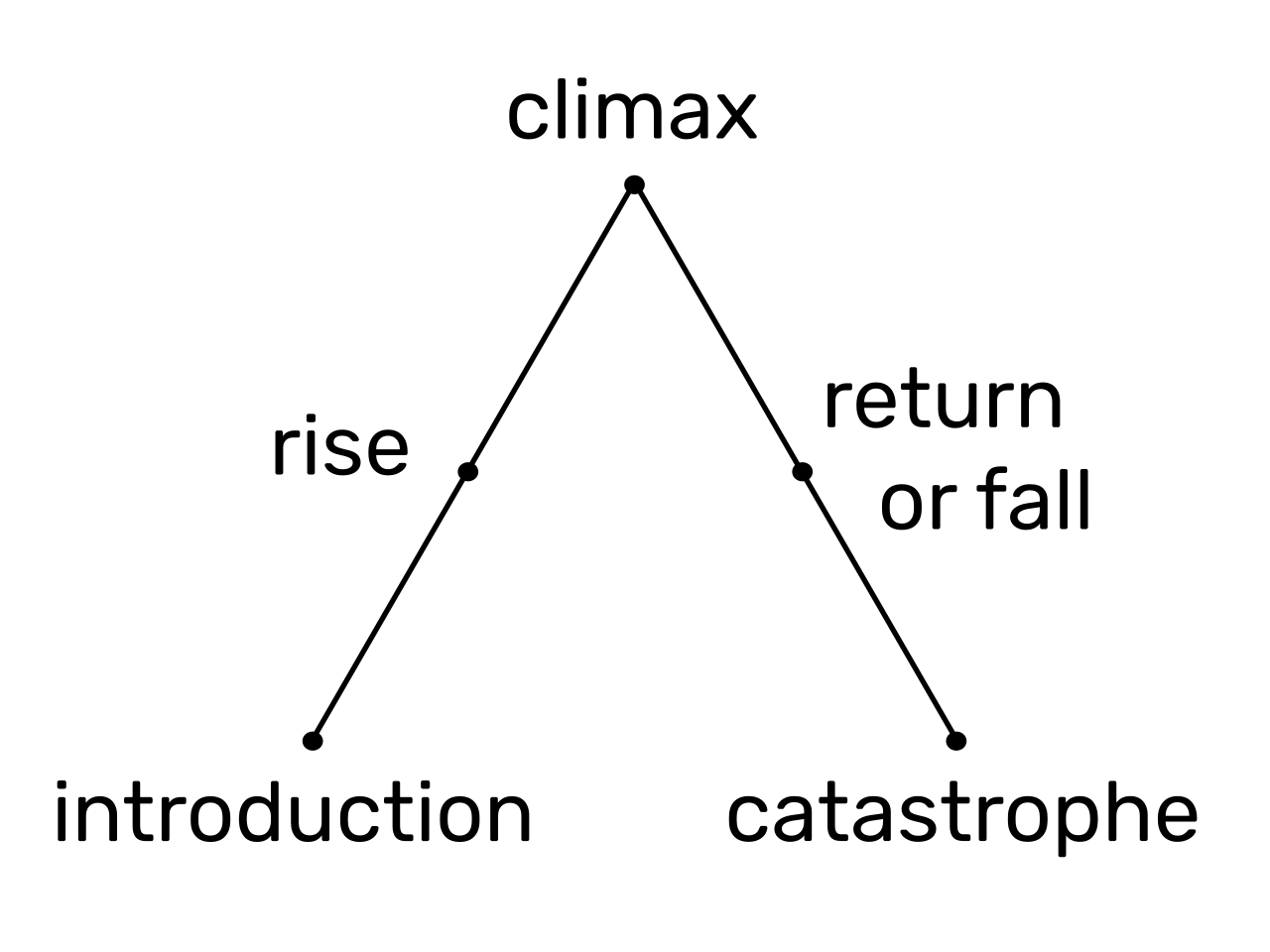
Techniques of Immersion
To make the simulation feel real, narrative authors employ highly specific tools. Narrative writing relies heavily on sensory details to immerse the reader—telling us not just what happened, but how the cold wind stung, how the ozone smelled, or how the gravel crunched. Consequently, it utilizes descriptive language to paint a mental picture.
Rather than simply explaining character relationships, narrative writing frequently utilizes dialogue to advance the plot and to implicitly reveal character traits. What a character says—and precisely how they say it—often reveals more than a paragraph of exposition ever could.
Finally, because stories are fundamentally about the passage of time, narrative writing sequences events using temporal transition words (e.g., meanwhile, subsequently, afterward, eventually).
Subgenres of Narrative Writing
Narratives encompass the oldest forms of human communication up to modern literature. Subgenres of narrative writing include:
- Personal narratives (true stories drawn from the author's own life)
- Memoirs (focused, thematic reflections on specific periods of the author's life)
- Short stories (concise, self-contained fictional narratives)
- Myths (traditional stories explaining natural or social phenomena)
- Fables (brief narratives, often featuring anthropomorphic animals, designed to deliver a moral)

To master these concepts for the Praxis exam, you must be able to instantly identify a text's classification by examining its structural "fingerprint."
| Feature | Opinion / Argumentative | Informative / Explanatory | Narrative |
|---|---|---|---|
| Primary Intent | Persuade reader to adopt a viewpoint or take action. | Educate on a topic or clarify a process. | Tell a story (recount real or imagined events). |
| Tone | Subjective, logical, or emotional. | Strictly objective; avoids personal opinion. | Expressive, immersive, perspective-driven. |
| Key Components | Clear claim, verifiable evidence, counterarguments, concluding reinforcement. | Central topic introduction, facts, formal definitions, concrete details. | Plot (conflict/resolution), characters, physical/temporal setting, point of view. |
| Language & Transitions | Causation transitions (therefore, because). | Addition transitions (furthermore); Domain-specific vocabulary. | Temporal transitions (meanwhile); Dialogue, descriptive language, sensory details. |
| Common Features | Logical reasoning, emotional appeals. | Headings, glossaries, visual aids (charts), structured patterns (cause-and-effect). | Character arcs, vivid imagery. |
| Subgenres | Persuasive essays, editorials, book reviews. | Research reports, manuals, biographies. | Personal narratives, memoirs, short stories, myths, fables. |
When you analyze a text, do not just read the words—look at the scaffolding. Ask yourself: Is the author trying to prove a point? Are they trying to build my knowledge objectively? Or are they trying to pull me into an experience? By identifying the authorial intent, the entire machinery of the text reveals itself.