Text Features and Structures
Not sure you’re ready?
Take the ~3-minute readiness diagnostic and see where you stand.
Imagine approaching a text not merely as a flat surface of printed words, but as an intricately engineered machine. Just as the blueprint of a suspension bridge demands a fundamentally different internal logic than the architecture of a skyscraper, different literary genres utilize unique structural elements to organize the text. To extract meaning from reading—to truly comprehend it—one must first perceive this underlying scaffold. Understanding text features and structures is the mechanical intuition that allows a reader to navigate across varying genres. It is the framework that signals instantly whether one should fall into the rhythmic pulse of poetic meter, trace the rising tension of a narrative, or scan bold typography to efficiently locate a scientific fact. For early learners, mastering these structures is the difference between wandering blindly through a forest of words and reading a map that charts exactly where the treasure lies.
When we open a work of literature, we are stepping into an author’s carefully constructed world. To help readers process these imaginative landscapes, writers rely on specific architectural conventions.
Fiction: The Anatomy of Narrative
Fiction texts are commonly divided into chapters. Think of chapters as the large gears in a clockwork mechanism; they break the immense, continuous flow of a story into digestible, meaningful segments of time, setting, or perspective. Within these structural boundaries, chapters in fiction texts contain multiple paragraphs, which serve to pace the reader through specific ideas, dialogue exchanges, or descriptive moments.
What drives the movement of these gears? The plot. A narrative is fundamentally an engine of change, and a formal plot structure governs how that change occurs over time.
The Mechanics of Plot
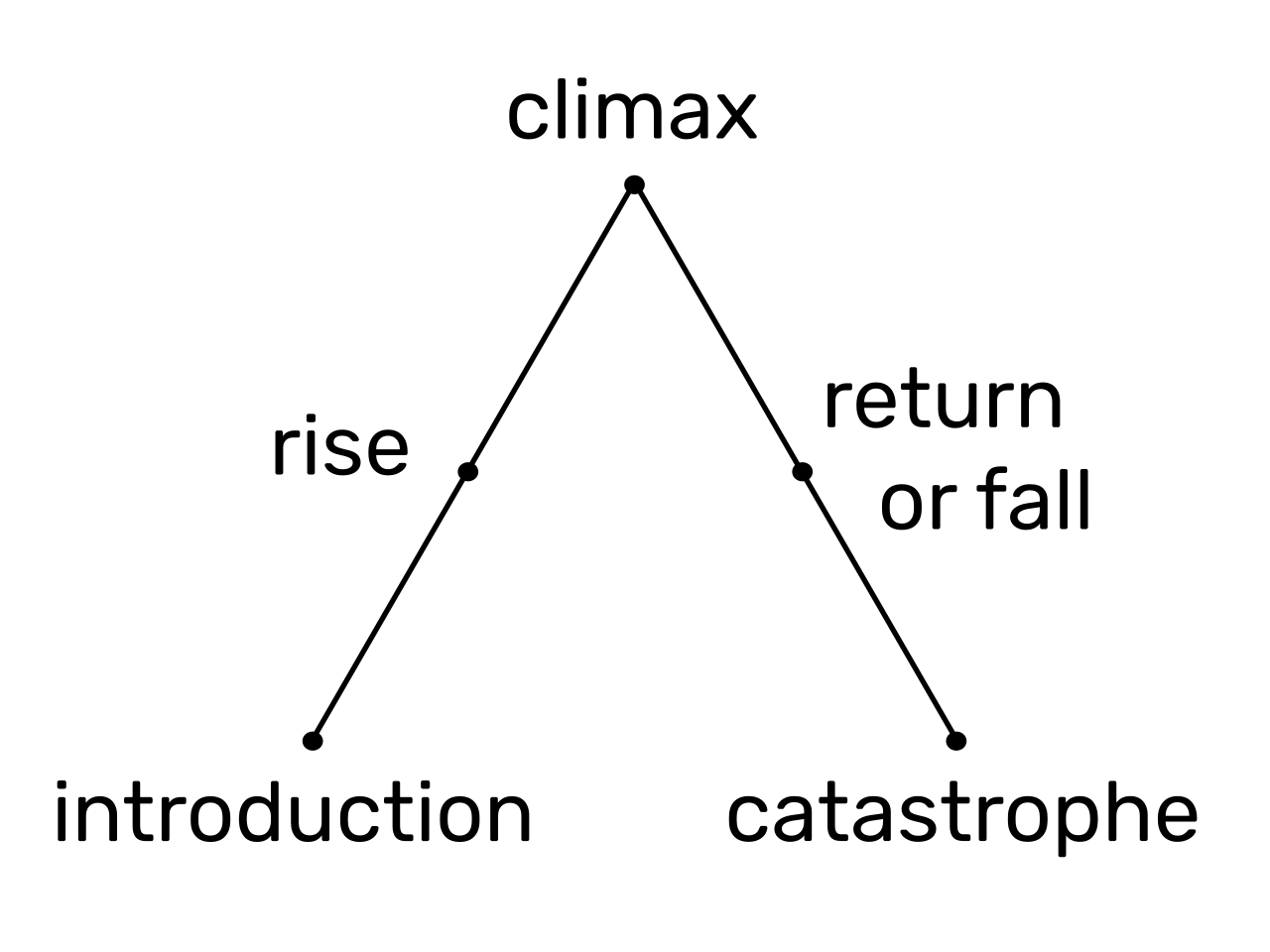
- Exposition: A plot structure in fiction begins with an exposition. This is the baseline state of the system—the introduction of characters, setting, and the primary conflict.
- Climax: As the conflict intensifies, the narrative accelerates until it hits a critical threshold. A plot structure in fiction features a climax as the point of highest tension, the explosive turning point where the outcome is irrevocably decided.
- Resolution: Finally, the energy dissipates. A plot structure in fiction concludes with a resolution, where the consequences of the climax are settled, and the narrative reaches a new equilibrium.
Poetry: The Geometry of Sound
If prose is a sprawling landscape, poetry is a tightly compressed diamond. Because poetry operates under intense spatial and auditory constraints, it requires entirely different structural elements.
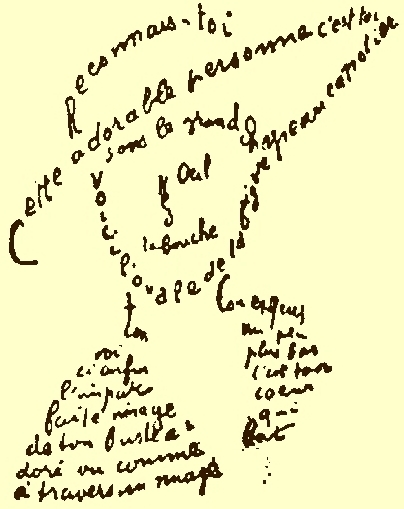
Instead of paragraphs spanning margin to margin, poetry is organized structurally into individual lines. These lines are not dictated by the width of the page, but by the author's deliberate choice of breath and sound. Just as paragraphs group sentences in prose, a group of lines in a poem is called a stanza.
To understand poetry is to understand its acoustic physics:
- Meter refers to the rhythmic structure of stressed and unstressed syllables in poetry. It is the heartbeat of the verse, a predictable, mathematical frequency of sound (such as iambic pentameter) that propels the reader forward.
- Working alongside meter is rhyme. A rhyme scheme is the ordered pattern of rhyming words at the ends of lines in a poem. By establishing patterns (like AABB or ABAB), poets create aural expectations that delight the brain when fulfilled.
Dramatic Literature: The Mechanics of Performance
A play is not meant to exist silently on a page; it is a set of instructions for human behavior. Therefore, dramatic texts look radically different from novels or poems.
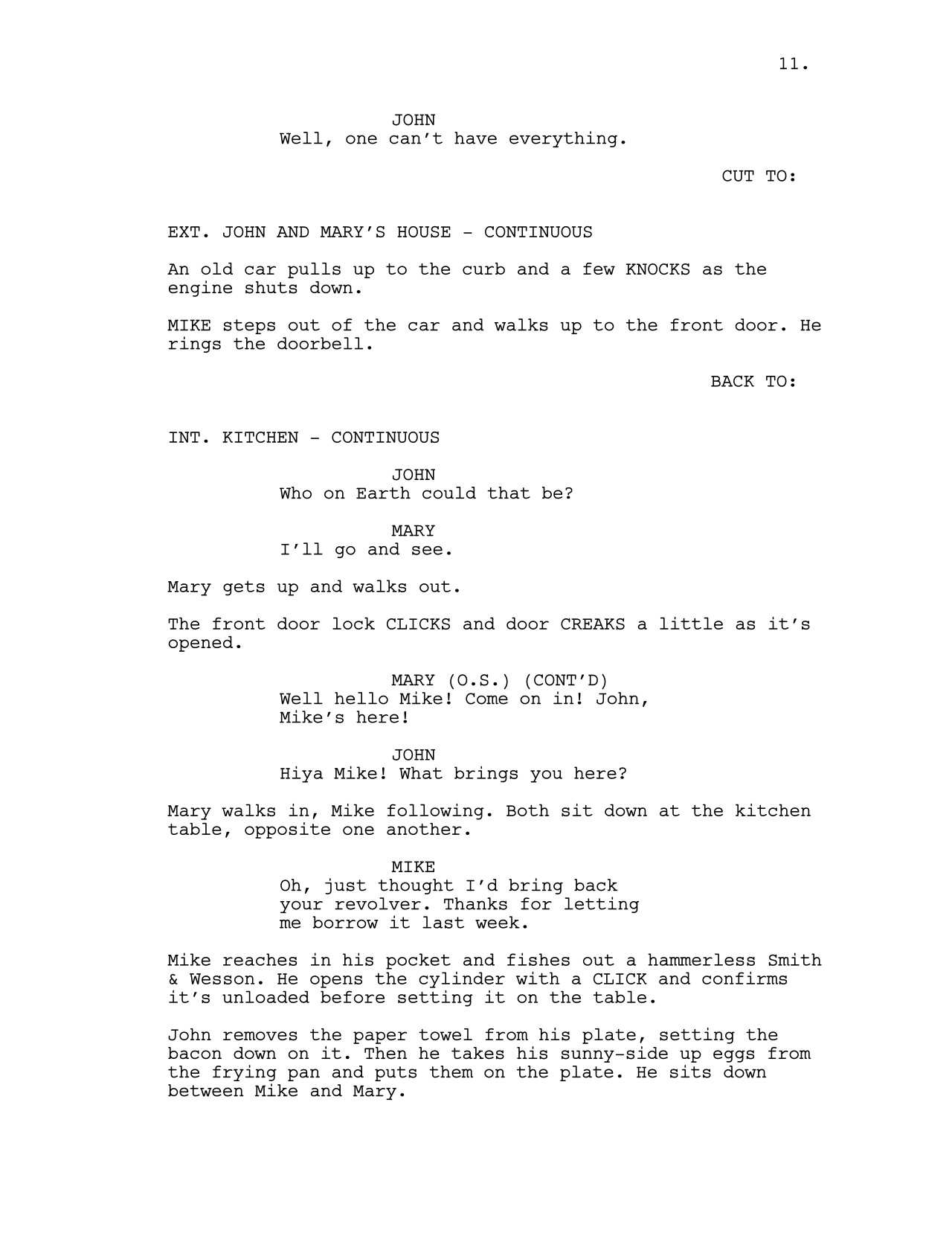
Dramatic literature is structurally divided into major sections called acts. Acts represent massive shifts in the narrative—often a change in time, a jump to a new location, or a major pivot in the story's phase. Because these are large units of action, acts in a dramatic text are divided into smaller sections called scenes, which contain continuous action occurring in a single location at a single moment in time.
To orchestrate this live performance, a script provides specialized tools:
- Before the action even begins, a cast of characters lists all individuals appearing in a play. This serves as an inventory of the active agents in the story.
- Once the dialogue commences, the author must direct the physical reality of the stage. Stage directions in a dramatic text provide movement instructions for actors, dictate emotional delivery, and describe lighting or sound cues. They are the unseen puppeteer strings translating the written word into physical reality.
When we leave literature and enter the realm of nonfiction, our objective changes. We are no longer surrendering to a narrative flow; we are hunting for specific data. Consequently, informational texts utilize specific text features to help readers locate facts quickly. These features act as the text's user interface, allowing readers to efficiently query the document.
Structural Signposts
When scanning a dense page of information, the reader's eye needs anchors.
- A heading identifies the main topic of the text section immediately following the heading. It acts as a beacon, announcing, "Information regarding this subject lives here."
- If the topic is broad, it requires further subdivision. A subheading divides text sections under a main heading into more specific topics.
Contextual Enhancements
Sometimes, authors need to provide information that supplements the main text without interrupting its flow.
- A sidebar contains secondary information related to the main text. Placed in a literal box on the periphery of the page, it might offer a fascinating historical anecdote or a deeper dive into a related concept.
- Visual data is equally crucial. When encountering a photograph, graph, or diagram, a caption provides a written explanation for an adjacent image or illustration, bridging the gap between visual evidence and textual meaning.
- To flag vital terminology within the flow of reading, bold text signals important vocabulary words to the reader. It is a visual cue indicating that a word carries outsized weight.
- In modern, screen-based reading, texts are no longer isolated islands. A hyperlink is a digital text feature connecting the reader to another web page, allowing for instantaneous, networked cross-referencing.
The Search Engines of the Book
To navigate a massive informational text, readers rely on specific, highly organized directories:
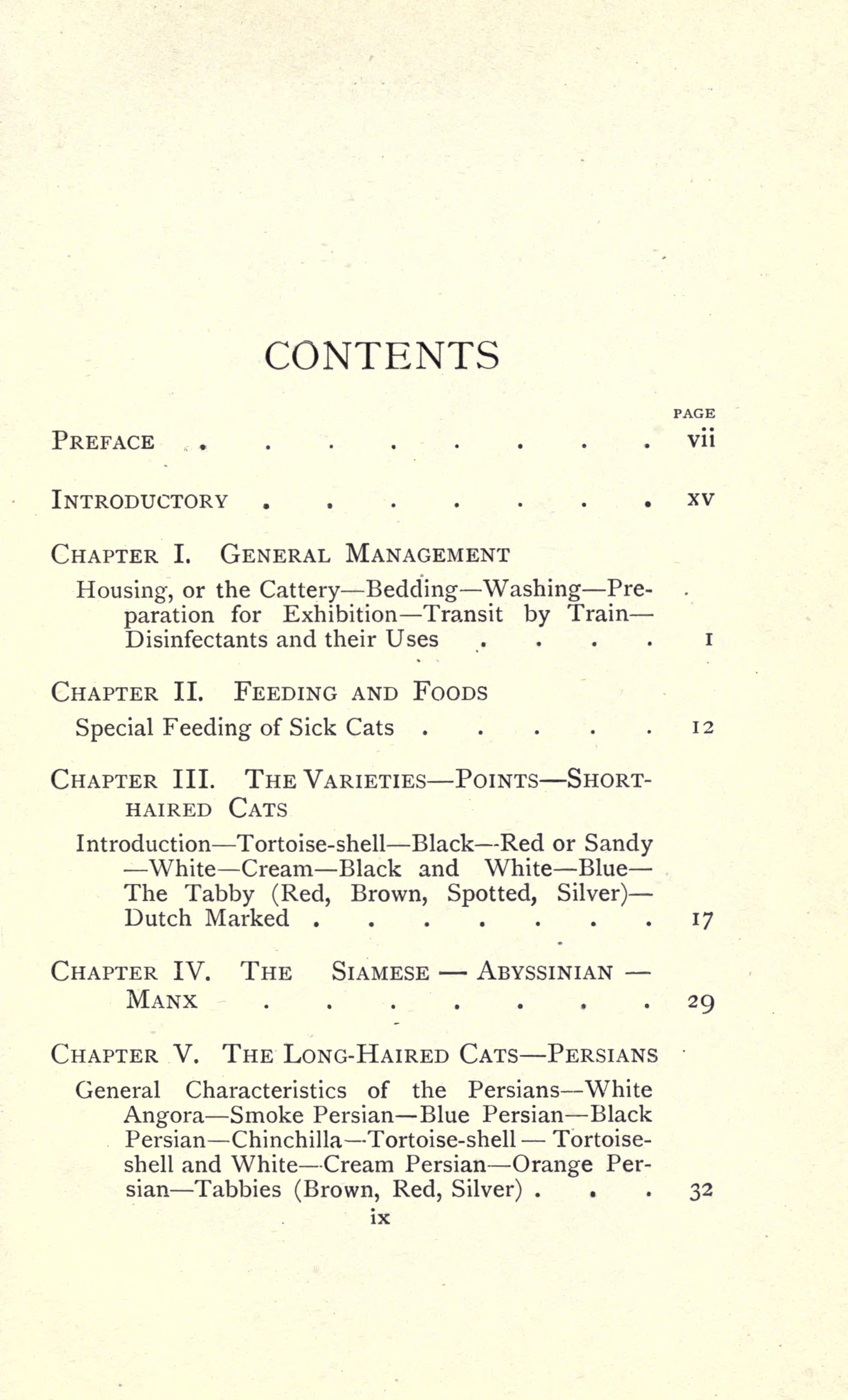
- A table of contents lists the book chapters and the starting page numbers for those chapters. Located at the front of the book, it provides a macroscopic map of the text's overarching structure.
- If a student encounters a bolded word they do not understand, they turn to the back of the book. A glossary is an alphabetical list of specialized vocabulary words found at the end of a book, acting as a built-in dictionary tailored precisely to the text's subject matter.
- If a student needs to find every mention of "photosynthesis" across hundreds of pages, they do not read front to back. Instead, they use the index. An index provides an alphabetical list of specific topics and the corresponding page numbers for those topics, allowing for surgical retrieval of localized facts.
It is not enough to know where facts are located on a page; comprehension demands understanding how those facts relate to one another. To forge these logical connections, authors use distinct organizational structures to present information in nonfiction texts. Recognizing these underlying frameworks allows readers to predict the flow of information and synthesize complex ideas.
We can categorize these structures based on the nature of the information being presented:
Time and Process
When information is governed by the arrow of time, authors rely on temporal structures. It is crucial to distinguish between history and instructions.
- Chronological structure sequences historical events based on the exact time the events occurred. This is the structure of biographies and history textbooks. It moves linearly from 1914 to 1918 to 1945.
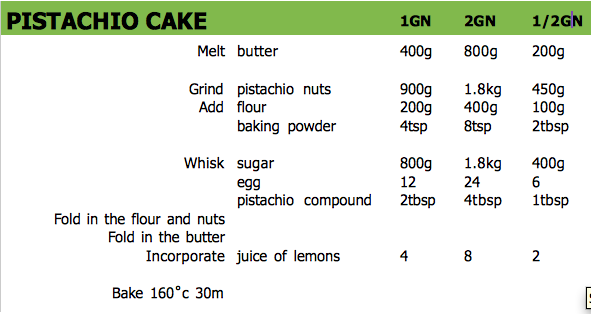
- By contrast, a sequential structure lists the specific steps required to complete a process. This is the logic of a recipe or a science experiment. It is not anchored to a specific historical date, but rather to an unchangeable order of operations. Signal words like first and finally indicate a sequential text structure.
Causality and Problem Solving
When authors wish to analyze why things happen and how to fix them, they use structures built on logic and consequence.
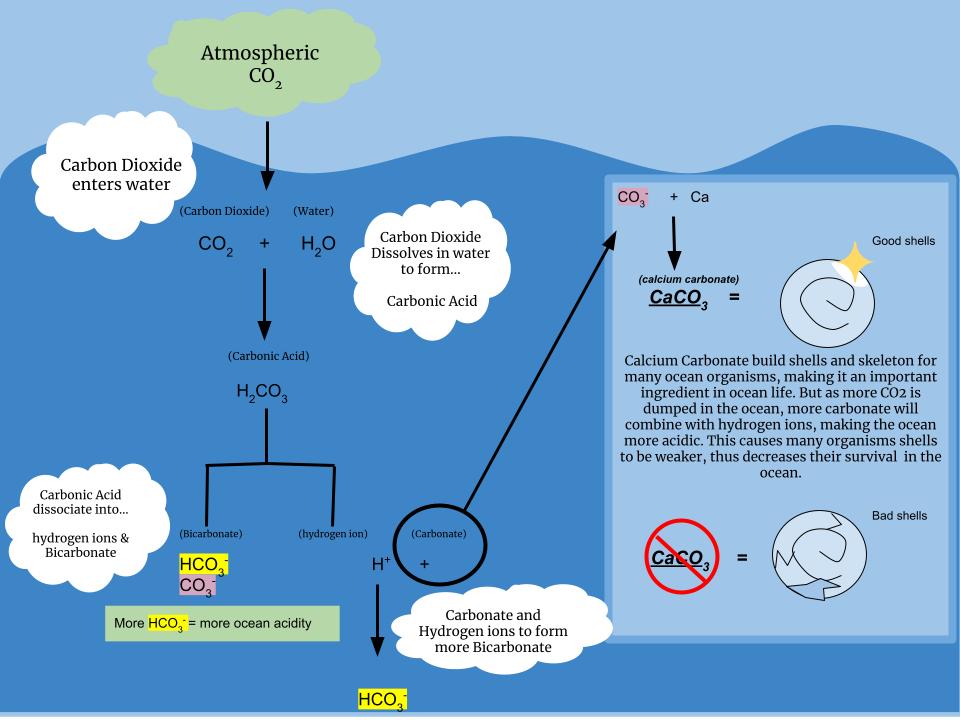
- A cause and effect organizational structure explains the reasons an event happened alongside the resulting outcomes. If we are reading about ocean acidification, the text will explain the excess carbon in the atmosphere (cause) and the subsequent bleaching of coral reefs (effect). Signal words like because and therefore indicate a cause and effect text structure.
- A closely related, yet distinct, framework is problem/solution. A problem and solution organizational structure introduces a specific issue and details potential ways to resolve that issue. Unlike cause and effect, which merely describes the mechanics of a situation, problem and solution is inherently action-oriented. It states a dilemma (e.g., urban traffic congestion) and evaluates an intervention (e.g., building a light rail system).
Analysis and Details
When the goal is to evaluate subjects or paint a vivid mental picture, authors utilize analytical and descriptive frameworks.
- A compare and contrast organizational structure highlights the similarities and differences between multiple subjects. If a text is evaluating the political systems of Athens and Sparta, it will place their attributes side by side. Signal words like similarly and unlike indicate a compare and contrast text structure.
- Finally, when the focus narrows to a single entity, the author uses description. A descriptive organizational structure details the specific characteristics of a single topic. Often relying on sensory details and spatial organization, this structure surrounds a central idea with a dense web of attributes, defining precisely what a thing is.
Summary of Organizational Structures
| Structure Type | Core Function | Common Signal Words |
|---|---|---|
| Sequential | Lists specific steps to complete a process | first, next, then, finally |
| Chronological | Sequences historical events by exact time | Dates, before, after, during |
| Cause and Effect | Explains reasons for events and their outcomes | because, therefore, as a result, consequently |
| Compare and Contrast | Highlights similarities and differences | similarly, unlike, however, on the other hand |
| Problem and Solution | Introduces an issue and details ways to resolve it | dilemma, propose, resolve, answer |
| Descriptive | Details specific characteristics of a single topic | for example, specifically, spatial terms (above, beside) |
By dissecting texts in this manner—breaking them down into their structural elements, features, and organizational logic—we empower students to become not merely passive consumers of words, but active, intelligent engineers of meaning.