Characteristics of Clear and Coherent Writing
Not sure you’re ready?
Take the ~3-minute readiness diagnostic and see where you stand.
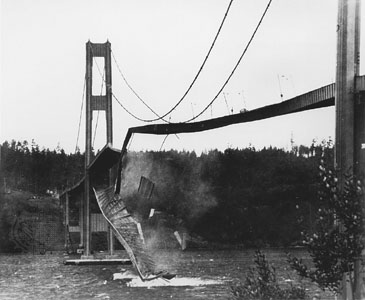
Consider the architecture of a suspension bridge. A bridge is not merely a collection of steel cables, concrete, and rivets dumped across a river; it is a structure defined by the precise, intentional relationships between its parts. When a vehicle drives across, the force is distributed from the deck to the suspender cables, up to the main cables, and down into the anchorages. If one linkage fails, the tension collapses, and the bridge falters.

Written communication operates under the exact same physics. As future English educators, you will routinely encounter stacks of student drafts that resemble piles of steel—words and sentences scattered onto a page without the structural integrity required to support an argument. To teach students how to engineer their writing, and to demonstrate your own mastery on the ELA Content Knowledge exam, you must deeply understand the mechanics of clear and coherent text. We are going to deconstruct the blueprint of an essay, examining how an author aligns ideas, links them with unbreakable transitions, and polishes the surface through deliberate stylistic choices.