Effective and Ethical Research Practices
Not sure you’re ready?
Take the ~3-minute readiness diagnostic and see where you stand.
Stand before a classroom of thirty teenagers, and you are looking at individuals who hold the entirety of human knowledge—and its attendant falsehoods—in their pockets. Teaching these students effective and ethical research practices is not merely an exercise in policing comma splices or formatting margins. It is the urgent work of teaching them how to evaluate reality, trace the lineage of an idea, and ethically add their own voices to a millennia-old scholarly conversation. To guide them, an English educator must possess a structural understanding of how information is curated, verified, and attributed.
Before a student ever types a URL, they must understand what they are actually looking for. The most common stumbling block in high school research is the formulation of the query itself. Students often begin with topics so massive they collapse under their own weight, such as "Climate Change" or "World War II."
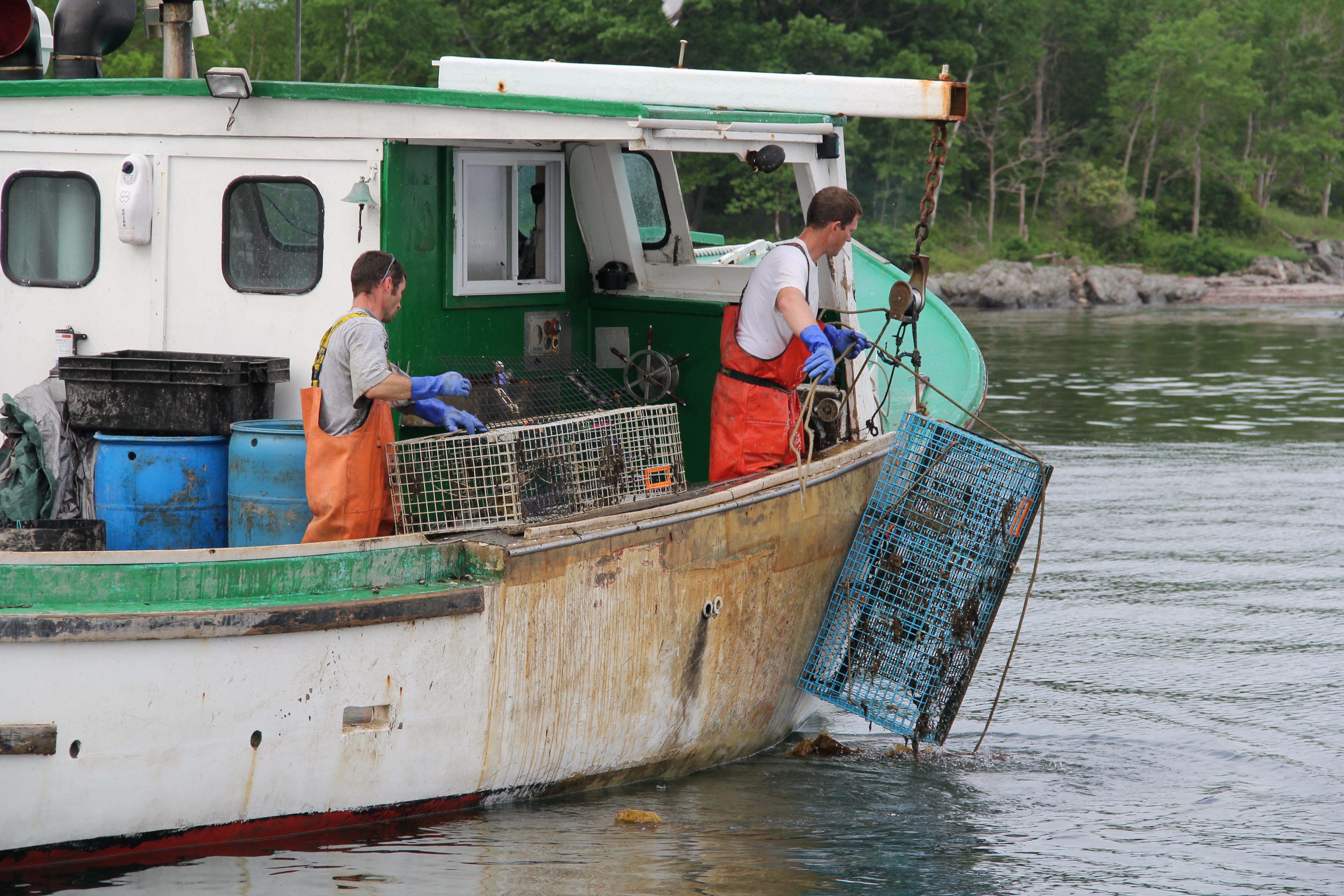
An effective research question must be specific enough to be answered thoroughly within the scope of a given assignment. To achieve this, broad research topics must be narrowed by adding specific constraints such as time periods, geographical locations, or specific demographic groups. "Climate change" becomes "the economic impact of rising sea levels on coastal fisheries in Maine during the 2010s."
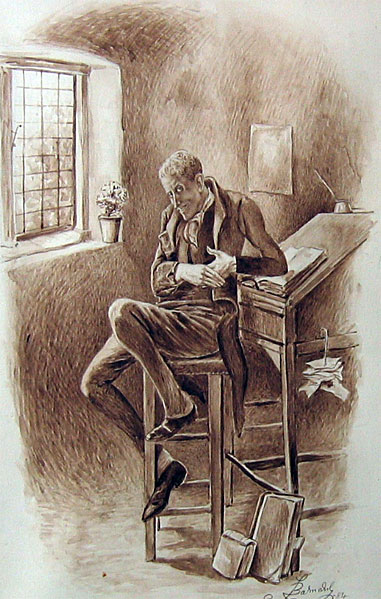
But the moment a student begins searching, they encounter an insidious psychological trap: confirmation bias. This is the human tendency to search for, interpret, or favor information that aligns with preexisting beliefs during research. If a student believes school uniforms are harmful, they will search "why school uniforms are bad" rather than "effects of school uniforms on student performance," heavily skewing the results they receive.
Precision Searching with Boolean Operators
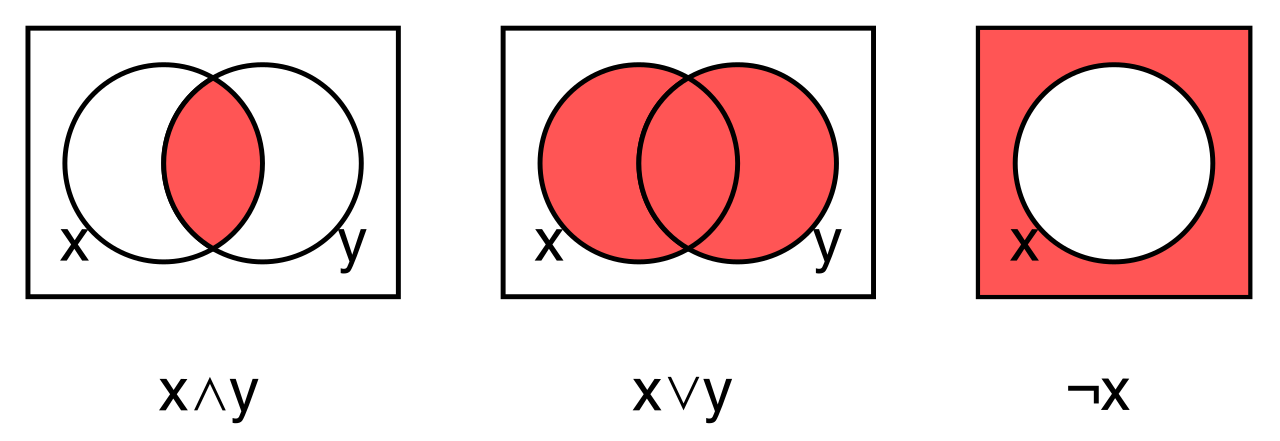
To navigate digital databases—which are utterly literal and lack human intuition—we use Boolean operators. These are specific words placed between search terms to refine digital database search results. Think of them as mechanical sorting gates:
- AND narrows search results by requiring all specified terms to be present in the returned documents. (e.g.,
[Shakespeare](https://en.wikipedia.org/wiki/William_Shakespeare) AND [economics](https://en.wikipedia.org/wiki/Economics)forces the database to find the intersection of both concepts). - OR broadens search results by returning documents containing any of the specified terms. This is vital for synonyms (e.g.,
adolescent OR teenager). - NOT narrows search results by excluding documents that contain a specific term. If a student is researching the animal but keeps getting car websites, they might search
[Jaguar](https://en.wikipedia.org/wiki/Jaguar) NOT car.
Not all information is born equal. In the academic ecosystem, evidence is categorized by its proximity to the original event.
- Primary sources provide firsthand evidence, original data, or direct testimony concerning a historical topic or phenomenon. For your students, this might be The Great Gatsby itself, a diary entry, or raw census data.
- Secondary sources analyze, interpret, or evaluate primary sources. This is the literary criticism essay arguing about the symbolism of the green light in Gatsby.
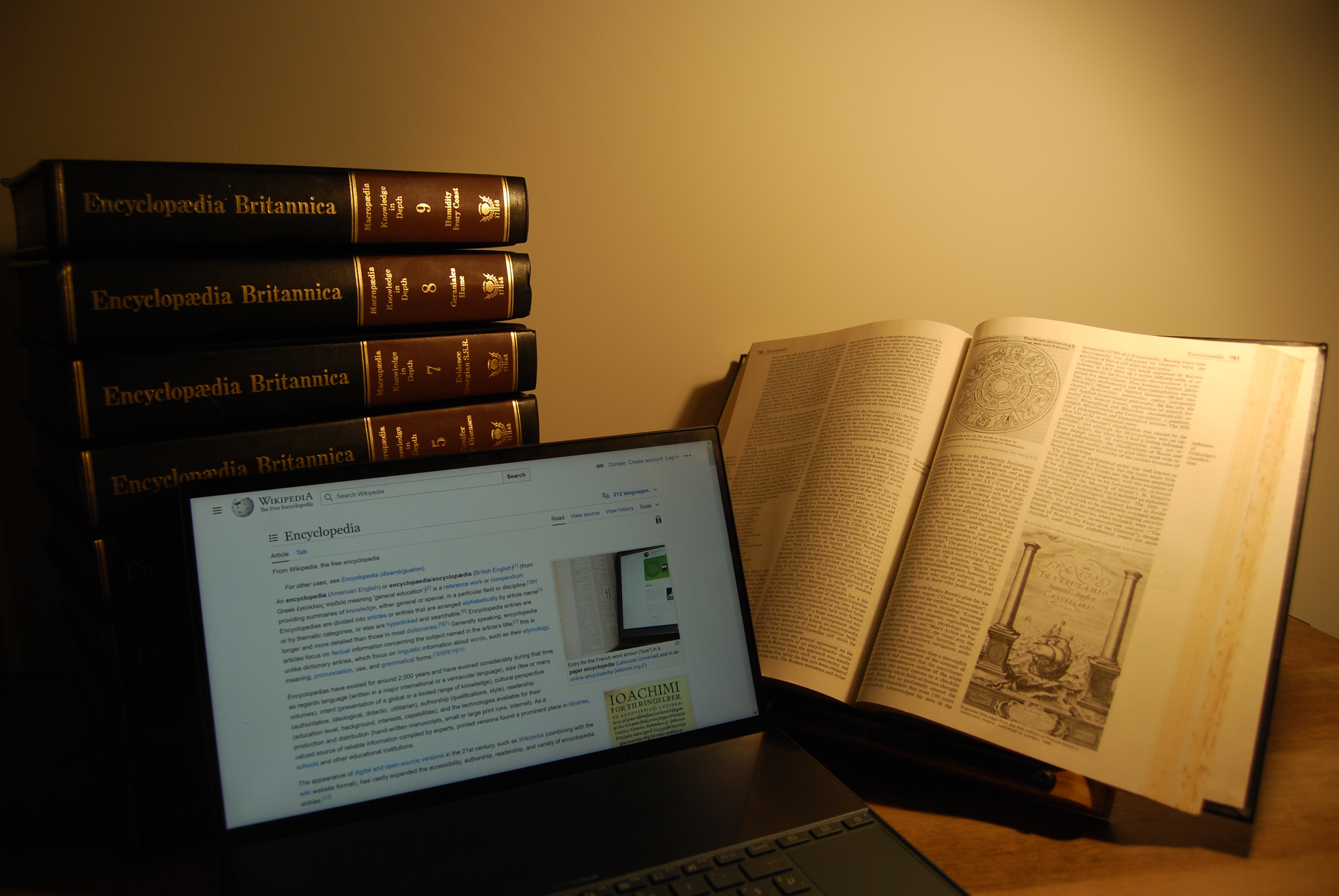
- Tertiary sources compile and summarize established information from primary and secondary sources. Encyclopedias, textbooks, and almanacs live here. They are excellent for gaining a baseline understanding, but they are rarely the destination for rigorous academic research.
Evaluating the Signal from the Noise
How do we teach students to know if a source is lying to them? We give them heuristics and practices to interrogate the text.
The gold standard in academia is scholarly peer review, a quality control process where a manuscript is evaluated by experts in the same field before publication. But for the wider internet, students need practical tools.
Enter the CRAAP test, a widely used heuristic to evaluate source credibility based on five pillars:
- Currency: Refers to the timeliness of the information and whether the content reflects recent developments in the field. (A 1995 paper on internet privacy is no longer current).
- Relevance: Does this actually answer the research question, or is it just tangentially related?
- Authority: Refers to the credentials, qualifications, and professional affiliations of the author or publisher. Who is speaking, and why should we listen?
- Accuracy: Is the information supported by evidence? Has it been peer-reviewed?
- Purpose: Is the author trying to inform, teach, sell, or persuade? Does a hidden bias exist?
One immediate proxy for authority is the website's domain name:
- A domain name ending in .gov indicates that a website is exclusively sponsored by a United States government entity.
- A domain name ending in .edu indicates that a website is affiliated with a recognized higher education institution.
However, students must not blindly trust a URL. They must practice lateral reading, the vital technique of evaluating a digital source's credibility by opening new tabs to search for information about the source's publisher or author. Instead of staying on the page and taking the author's "About Me" section at face value, a researcher opens a new tab to see what others say about that author.
Research is not a scavenger hunt for quotes. The goal of research is synthesizing information, which involves combining facts and ideas from multiple disparate sources to form a new conclusion or unified perspective.
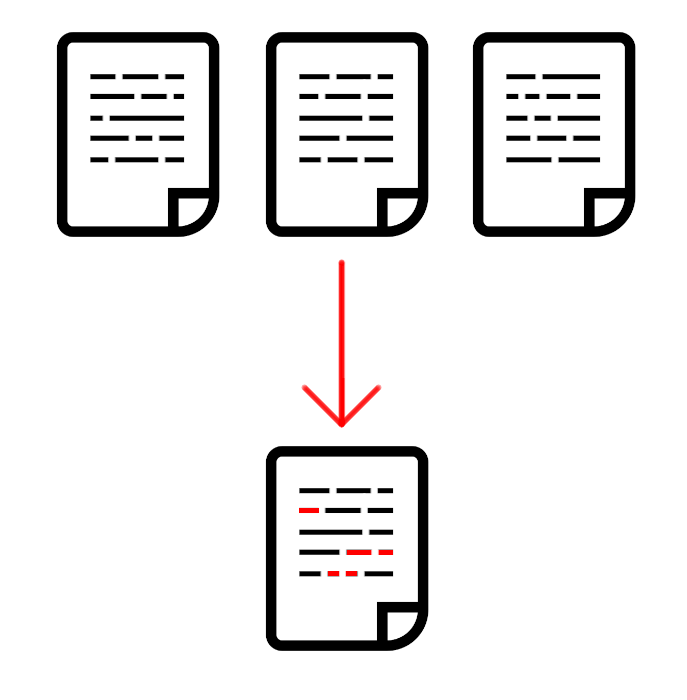
When incorporating these ideas, students must avoid ethical and legal violations. Plagiarism is the ethical violation of presenting someone else's work, words, or ideas as one's own original work. Curiously, many students are shocked to learn about self-plagiarism, which occurs when a student submits their own previously graded work for a new assignment without instructor permission.
Beyond ethics lie legal doctrines. Fortunately, education operates largely under fair use, a legal doctrine permitting limited, transformative use of copyrighted material without acquiring permission from the rights holders. Furthermore, older works or government documents often fall into the public domain—meaning they are creative materials that are not protected by intellectual property laws and can be used freely without copyright infringement.
Integrating the Voices of Others
To avoid plagiarism while building an argument, researchers have three primary methods of integrating source material:
- Quoting: Using the exact words.
- Paraphrasing: This involves restating a specific passage from a source into the researcher's own words and sentence structure. A common student mistake is "patchwriting"—simply swapping a few synonyms while keeping the author's original syntax. Crucially, a paraphrased passage must still include a proper citation attributing the ideas to the original source.
- Summarizing: This involves condensing the main ideas of a larger text into a shorter overview in the researcher's own words.
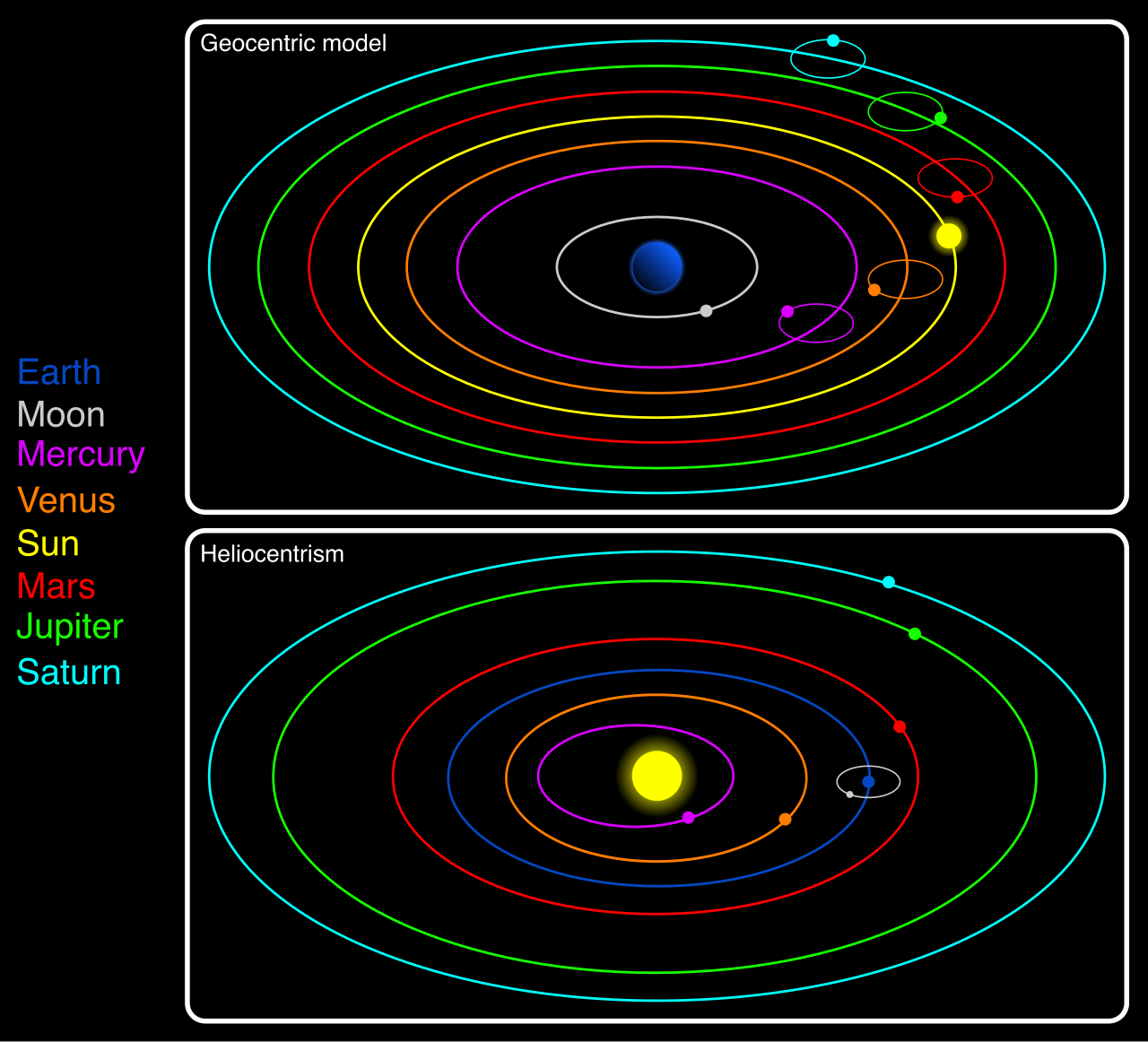
The Exception to Citation: There is one instance where outside information requires no citation: Common knowledge. This refers to established facts that are widely known and undisputed across many sources (e.g., "The Earth orbits the Sun" or "Abraham Lincoln was the 16th US President"). Information classified as common knowledge does not require a citation in academic research.
Different academic disciplines value different elements of research, which is reflected in their chosen citation styles:
| Citation Style | Primary Discipline | Key Characteristics |
|---|---|---|
| MLA (Modern Language Association) | English literature and the humanities | Emphasizes the author and page number, tracing exact textual locations in literature. |
| APA (American Psychological Association) | Social sciences (psychology, sociology) | Emphasizes the author and year of publication, as currency of research is paramount in the sciences. |
| Chicago Manual of Style | History and some humanities | Frequently utilizes footnotes or endnotes to keep the narrative text clean while providing exhaustive archival sourcing. |
MLA Formatting: The Standard for English Teachers
Because you are teaching English Language Arts, MLA format is your native tongue.
In-Text Citations
An MLA in-text citation typically requires the author's last name and the page number from which the information was taken (e.g., (Smith 42)). By contrast, an APA in-text citation typically requires the author's last name and the year of publication (e.g., (Smith, 2023)).
The most elegant way to integrate a citation is by using a signal phrase—a clause that introduces a quotation, paraphrase, or summary by explicitly naming the author of the source material.
- Example: As literary critic Harold Bloom argues, "Shakespeare invented the human" (45). Notice the mechanics here: If a signal phrase names the author in an MLA formatted paper, the parenthetical citation at the end of the sentence only requires the page number.
When weaving direct quotes into prose, researchers often need to make minor adjustments.
- An ellipsis (...) is a punctuation mark used within a direct quotation to indicate that words have been omitted from the original text.
- Brackets ([ ]) are punctuation marks used within a direct quotation to indicate that words have been added or modified by the researcher for grammatical clarity without altering the author's original meaning.
Occasionally, a quote is too substantial for a standard sentence. Block quotations in MLA format are used for direct quotes that exceed four lines of prose or three lines of poetry. These require special formatting: Block quotations in MLA format are indented half an inch from the left margin in their entirety and do not use enclosing quotation marks.
The Works Cited Page
The Works Cited page is the final map of the researcher's journey. An MLA Works Cited page is alphabetized by the authors' last names. But what if there is no author listed? If a source lacks a known author, an MLA Works Cited entry begins with the title of the source and is alphabetized by that title.
Visually, an MLA Works Cited entry uses a hanging indent to format entries that extend beyond a single line of text. A hanging indent is a formatting style that indents all lines of a citation entry half an inch from the left margin except for the first line. This makes the alphabetical list highly scannable.
To build an MLA citation, students must assemble the nine core elements:
- Author
- Title of source
- Title of container
- Other contributors
- Version
- Number
- Publisher
- Publication date
- Location
Let's demystify "containers" and "titles."
- In MLA format, the title of an independent, standalone source such as a book, film, or entire website is italicized.
- In MLA format, the title of a short work such as an article, essay, or poem contained within a larger work is placed in quotation marks.
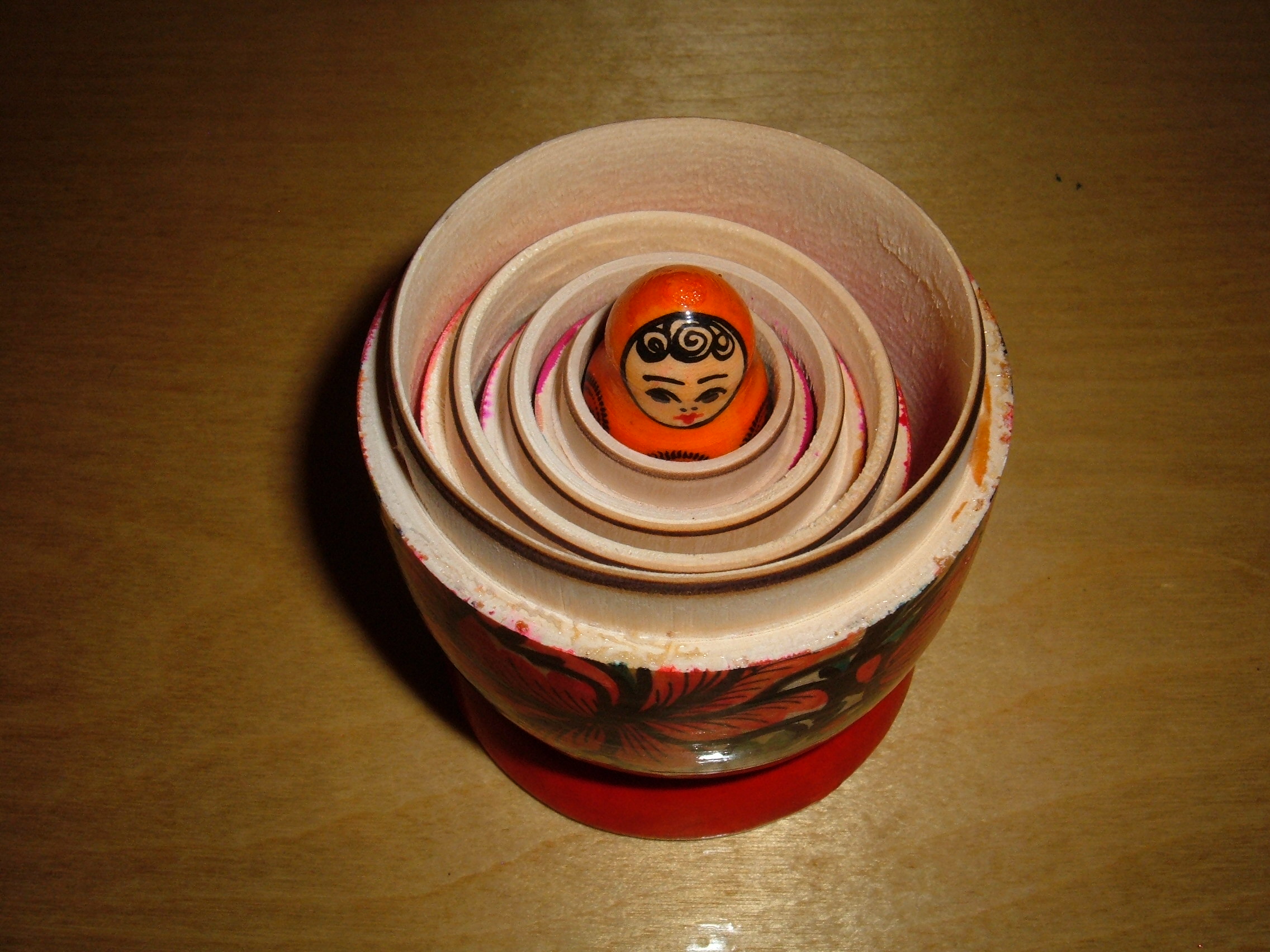
A container in MLA format refers to the larger whole that holds a smaller source, such as an academic journal holding an article or a database holding a journal. Think of them like Russian nesting dolls: A student might cite a poem ("The Raven") inside an anthology (The Norton Anthology of American Literature), which is itself accessed through a digital database (JSTOR). Both the anthology and the database act as sequential containers in the citation.
The Annotated Bibliography
Sometimes, the research process itself is the assignment. An annotated bibliography is a structured list of citations followed by a brief descriptive and evaluative paragraph for each source. This forces students to slow down, read laterally, apply the CRAAP test, and formally justify why a source deserves to be included in their scholarly conversation before they ever begin drafting their essay.
By mastering these mechanics, you are doing far more than enforcing rigid rules. You are equipping your students with a universal operating system for verifying truth, honoring intellectual labor, and articulating their own complex ideas with unshakeable credibility.