Characteristics of Various Writing Modes
Not sure you’re ready?
Take the ~3-minute readiness diagnostic and see where you stand.
When a student sits down to write, they are not merely filling a page with words; they are selecting an architectural blueprint for human thought. Just as a physical architect chooses steel for a skyscraper’s strength or glass for a greenhouse’s light, a writer chooses a mode of writing based entirely on what they intend to build in the mind of their reader. As a secondary English teacher, your task is to demystify this process. You must teach students that the author's primary purpose determines the most effective writing mode, and that understanding this architecture is the key to both analyzing great literature and producing effective communication.
In your classroom—and on your ELA Content Knowledge exam—you will encounter three foundational modes of writing: argumentative, informative, and narrative. To master this content, we must look at the structural mechanics of these modes, the specific formats they take in the real world, and how audience and purpose dictate their execution.
Before we analyze what a student writes (an essay, a letter), we must understand how they are writing. Writing modes are the underlying operating systems of a text.
1. Argumentative Writing: The Architecture of Persuasion
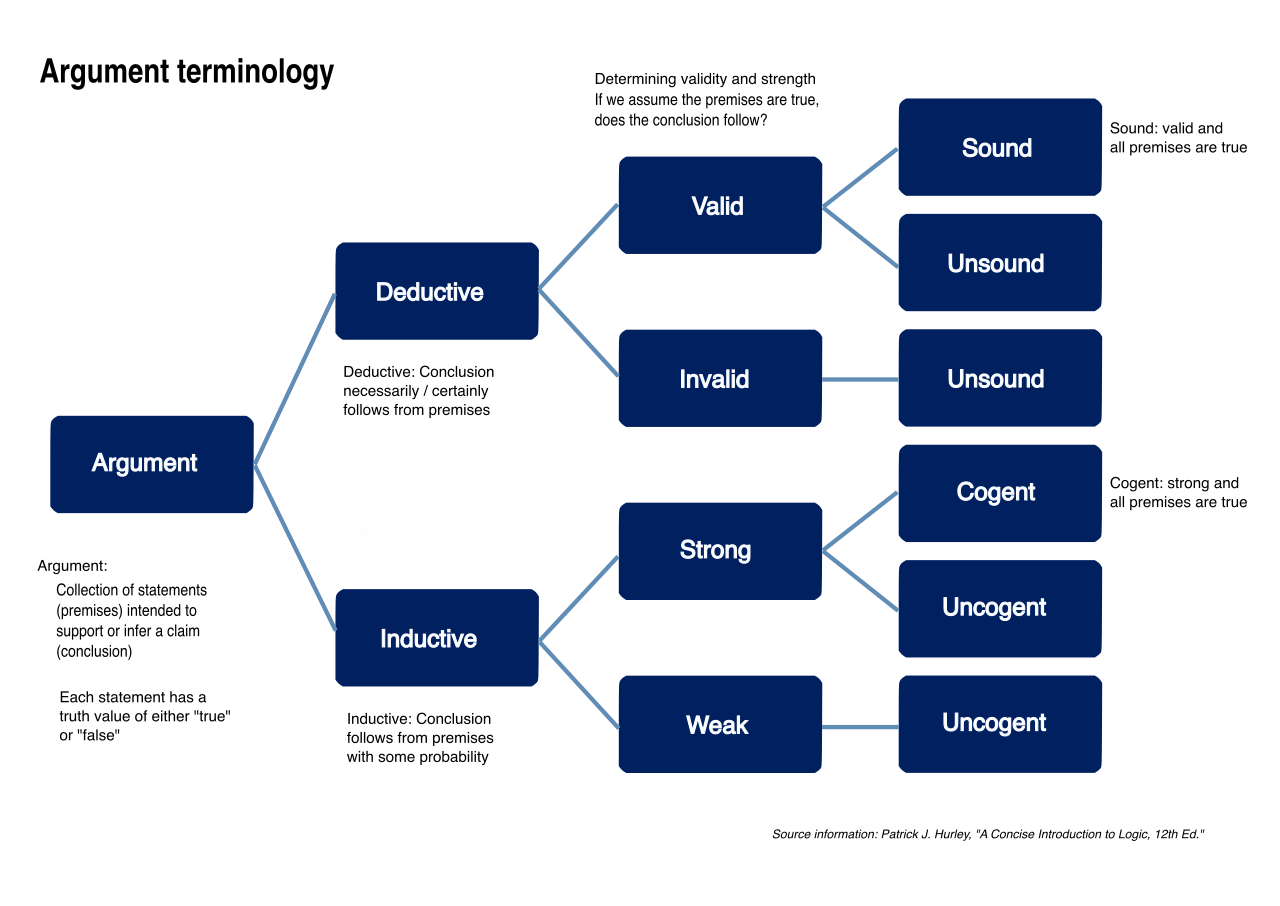
When the objective is writing intended to persuade an audience, it aligns precisely with the argumentative mode. Argumentative writing requires the author to establish a central claim, which is the definitive stance the writer takes on a debatable issue.
But a claim is just an empty assertion without structural support. Argumentative writing uses logical reasoning to support a central claim, acting as the framework, and it incorporates empirical evidence to substantiate a central claim, acting as the concrete.
What elevates a mere opinion piece into a rigorous argument?
The Warrant: In argumentative writing, you will often find students dumping quotes into a paragraph and assuming the job is done. But a warrant in argumentative writing explains how the evidence supports the claim. It is the connective logic. If the evidence is the data, the warrant is the reasoning that bridges that data back to the core thesis.
Furthermore, a defining characteristic of argumentative writing is the inclusion of counterclaims. An argument that ignores opposition is weak. Effective argumentative writing refutes opposing viewpoints to strengthen the central claim, demonstrating that the author has considered the entirety of the issue and still arrived at a superior conclusion.
2. Informative/Explanatory Writing: The Architecture of Knowledge
If persuasion is a debate, informative writing is a microscope. Writing intended to educate an audience aligns with the informative mode. Specifically, informative writing aims to increase the reader's knowledge of a specific subject, while explanatory writing clarifies a process or concept for the reader. Note that on your exams and in your curriculum standards, expository writing is a term frequently used interchangeably with informative writing.
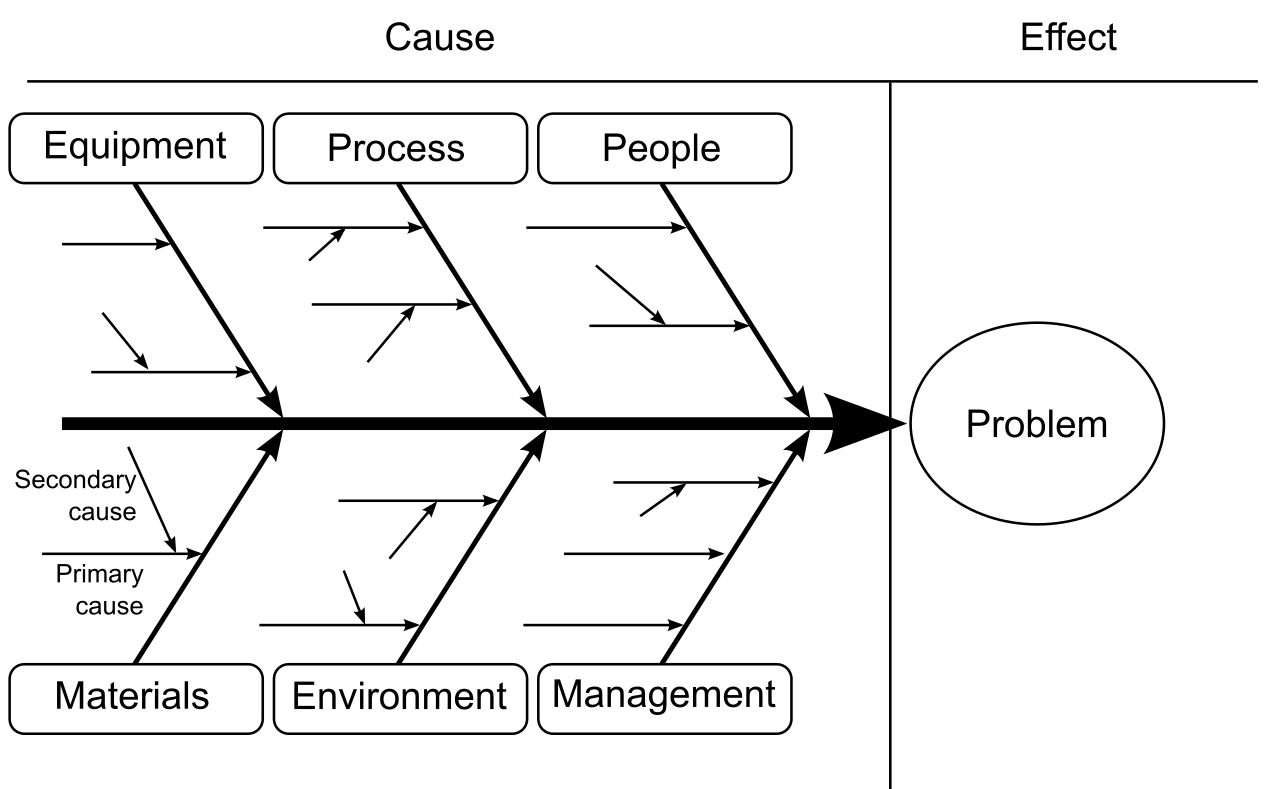
Because the goal is truth and clarity, informative writing relies on factual information rather than the author's opinion. The structural blueprint here relies heavily on how data is organized. Common informational text structures include cause and effect, comparison and contrast, and problem and solution.
To help the reader navigate this dense topography of facts, informative texts often use text features like headings to organize information.
3. Narrative Writing: The Architecture of Experience
Writing intended to entertain an audience often aligns with the narrative mode. However, "entertain" does not merely mean "amuse." Narrative writing conveys a sequence of real or imagined events, immersing the reader in an unfolding human experience.
To achieve this immersion, narrative writers rely on a highly specialized toolkit:
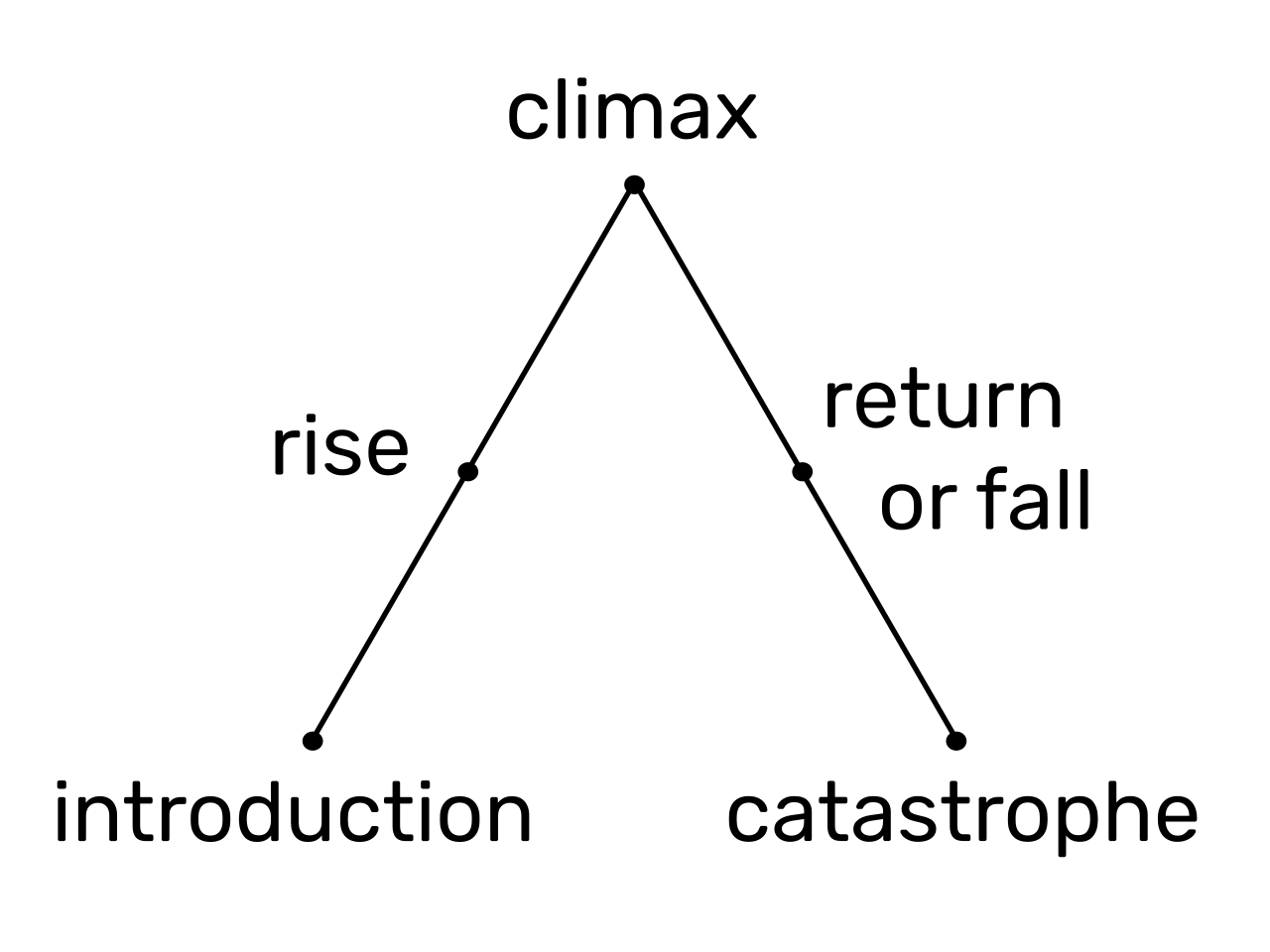
- Pacing: Narrative writing utilizes pacing to control the speed of the story. Short, fragmented sentences accelerate the action during a climax; long, languid descriptions slow it down.
- Sensory Details & Description: Narrative writing employs sensory details to establish setting and character. You will often find that descriptive writing is a technique often embedded within narrative writing to enhance imagery, making the abstract tangible.
- Dialogue: More than just characters talking, narrative writing uses dialogue to develop characters and advance the plot.
- Point of View (POV): Narrative writing utilizes a specific point of view to frame the story. This is the camera lens of the text. A first-person point of view creates intimacy between the narrator and the reader in narrative writing, locking us into one character's subjective reality. Conversely, a third-person omniscient point of view provides the reader with multiple characters' thoughts in narrative writing, offering a god-like, panoramic view of the narrative landscape.
If modes are the internal mechanics (the engine), formats are the vehicles that carry those mechanics to the audience.
Essays: The Analytic Workhorses
An essay is a short piece of analytic, descriptive, or persuasive writing on a particular subject. While essays can adapt to any mode, their structures vary significantly based on their purpose:
| Essay Type | Defining Characteristics |
|---|---|
| Academic Essay | Typically follows a formal structure with an introduction, body paragraphs, and a conclusion. It demands objective analysis. |
| Argumentative Essay | Requires a thesis statement outlining the main position. The thesis is a debatable stance that the entire essay works to defend. |
| Informative Essay | Requires a thesis statement outlining the topic's scope. The thesis here is an objective road map of the facts to be presented. |
| Personal Essay | Blends narrative storytelling with reflective commentary. It uses the narrative mode to drive a broader, often subjective, theme. |
Speeches: The Oral Imperative
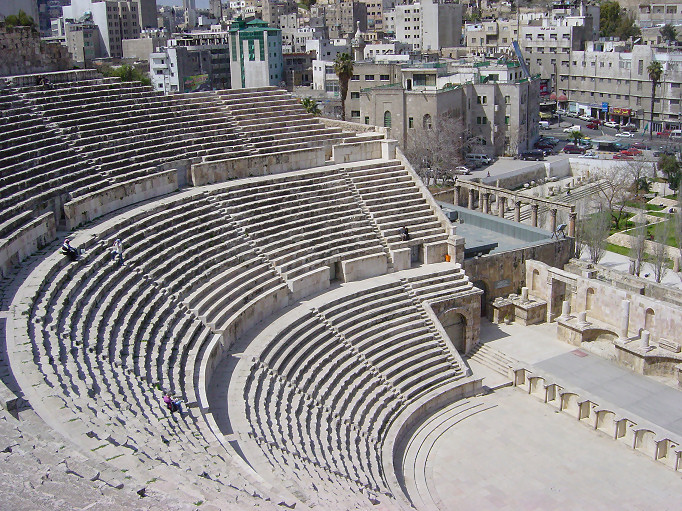
A speech is a text explicitly written for oral presentation to an audience. When text is meant to be spoken, the rules of engagement shift entirely. The reader cannot go back and re-read a complex paragraph. Therefore, speeches utilize repetition to reinforce key ideas for listening audiences.
Furthermore, speeches frequently employ rhetorical devices to maintain audience engagement, using parallelism, metaphor, and anaphora to create a pleasing auditory rhythm. Crucially, the immediate physical presence of an audience alters the pacing of a written speech. The speaker must account for pauses, applause, and the acoustic reality of the room, writing "breath" directly into the text.
Letters and Journals: Targeted and Reflective
When we move away from broad public formats, writing becomes highly specialized:
- The Formal Letter: A formal letter includes a specific greeting and sign-off structure tailored to a designated recipient. Because of this, the format of a letter directly targets a specific individual or organization as the primary audience. This precise targeting allows the writer to make highly specific appeals.
- The Journal: At the far end of the intimacy spectrum, a journal is a type of writing primarily used for personal reflection. Because the audience is often just the writer themselves, journal writing typically features an informal tone.
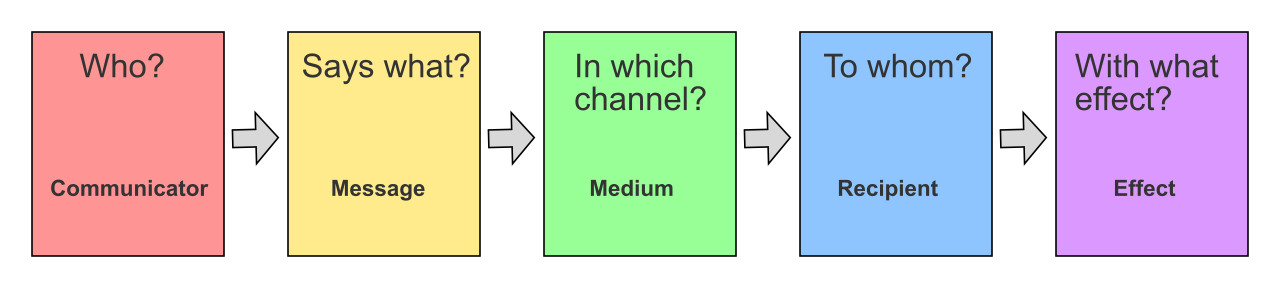
You cannot separate a text from the context in which it is consumed. As an ELA professional, you must assess how writers adjust their dials based on who is reading and why they are writing.
Analyzing the Audience
A text fails if it misjudges the people reading it.
- Demographics: The demographic characteristics of an audience influence the appropriate vocabulary for a text. A scientific article about climate change written for fellow meteorologists will utilize highly specialized jargon; the same article written for middle schoolers must translate that jargon into accessible analogies.
- Background Knowledge: The background knowledge of an audience determines the level of explanation needed in informative writing. If you are explaining the rules of baseball to a lifelong fan, you do not need to define a "strike." If you are explaining it to someone who has never seen the sport, skipping that definition renders the entire text incomprehensible.
- Formality: The choice between formal and informal language depends on the author's target audience. An academic journal requires formal distance; a text message to a friend requires informal brevity.
Calibrating the Tone
Tone is the author's attitude toward the subject matter. The author's tone must match the intended purpose of the writing mode.
Objective vs. Subjective Tone
- An objective tone is essential for credible informative writing. If a reader detects bias in an encyclopedia entry, the text's credibility collapses. The author must remove their ego and let the facts speak.
- Conversely, a subjective tone is common in personal narratives and journals. Here, the author's bias, emotions, and personal worldview are not flaws; they are the exact features the reader is showing up for.
When you sit for your Content Knowledge exam, you will be asked to read passages and identify why an author made a specific structural or linguistic choice. Always trace the choice back to these core principles. Ask yourself: Is this author trying to prove a point (argumentative), explain a reality (informative), or share an experience (narrative)? Who are they talking to, and what do they want that audience to do with this information?
Master these distinctions, and you will not only conquer your exam—you will give your future students the blueprint to construct their own powerful ideas.