Components of Effective Speech and Presentation Delivery
Not sure you’re ready?
Take the ~3-minute readiness diagnostic and see where you stand.
In the ecosystem of human communication, a written text is merely potential energy. The kinetic release of that energy—the moment a conceptual framework physically traverses the space between mind and mind—is what Aristotle identified delivery as one of the five traditional canons of rhetoric, establishing that how an idea is spoken is inextricably linked to what is being said. For the English educator, the classroom serves as an ongoing laboratory of applied rhetoric. Whether you are breaking down the thematic architecture of Macbeth for thirty restless adolescents, or teaching those same students how to advocate for community reform at a city council meeting, the mechanics of speech delivery determine whether a message takes root or dissolves into background noise. To teach effective communication, one must first dismantle its machinery, understanding how the voice, the body, the spatial environment, and visual media converge to facilitate human understanding.
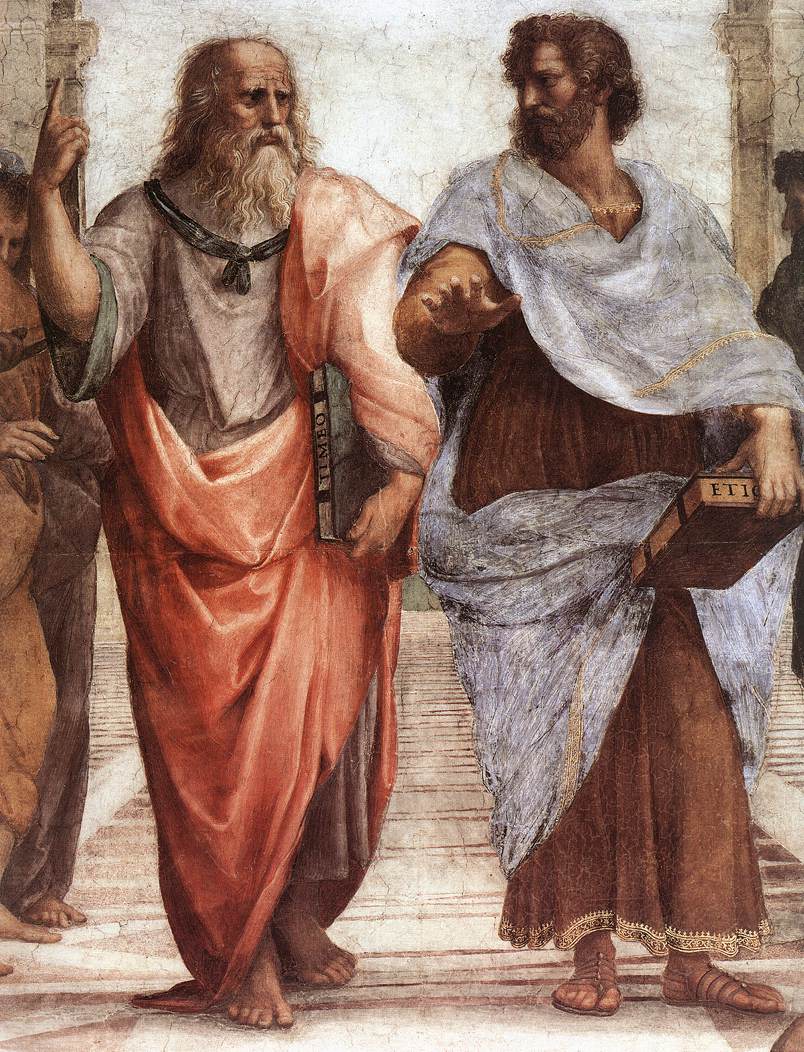
Before a speaker utters a single syllable, they must select a mode of delivery. The chosen mode dictates the cognitive load on the speaker and the degree of adaptability they maintain with their audience. As educators, we fluidly shift between these modes daily, and we must teach our students to recognize which tool suits which rhetorical task.
| Mode | Definition & Application |
|---|---|
| Impromptu Speaking | Impromptu speaking requires delivering a speech without prior preparation. Think of a student called upon to summarize a chapter on the spot, or a teacher fielding an unexpected, complex question. It demands high cognitive agility but is rarely expected to be structurally perfect. |
| Extemporaneous Speaking | The gold standard for teaching and professional presentations. Extemporaneous speaking involves delivering a rehearsed speech using a brief set of notes. It combines structural rigor with conversational adaptability. The speaker knows what they are going to say, but the exact phrasing is generated in the moment, allowing them to read the room and adjust. |
| Manuscript Delivery | Manuscript delivery involves reading a speech word-for-word from a written text. This is strictly reserved for situations where exact phrasing is legally, historically, or poetically critical—such as a president delivering a State of the Union address address, or a student reading an original poem. The danger here is a loss of audience connection. |
| Memorized Delivery | Memorized delivery requires reciting a completely written speech without the use of notes. While it frees the hands and eyes, it places massive strain on memory. If a speaker loses their place in a memorized speech, the entire presentation risks catastrophic failure. |
The human voice is not merely a vehicle for transmitting data; it is an acoustic instrument capable of immense nuance. When we instruct students to "speak up," we are often ignoring the vast array of auditory tools at their disposal.
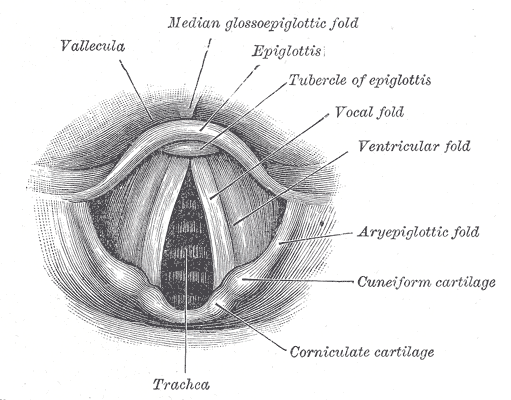
A speaker's pitch refers to the relative highness or lowness of a speaker's voice—the literal frequency of the sound waves produced by the vocal cords. While baseline pitch is biological, inflection is the upward or downward change in vocal pitch during speech. Inflection is how we signal a question (upward) or a definitive command (downward). A failure to utilize inflection results in a monotone delivery, [which] lacks variation in vocal pitch. A monotone voice quickly trains the audience's brain to stop listening, as there are no auditory cues signaling what is important.
Just as pitch modulates frequency, vocal volume is the relative loudness or softness of a speaker's voice, and vocal rate is the speed at which a speaker articulates words. We speed up to convey excitement or urgency; we slow down to signify gravity and weight. When transitioning between massive ideas, deliberate pauses draw audience attention to important statements in a speech. Silence is not empty; it is a frame that surrounds your most critical points.
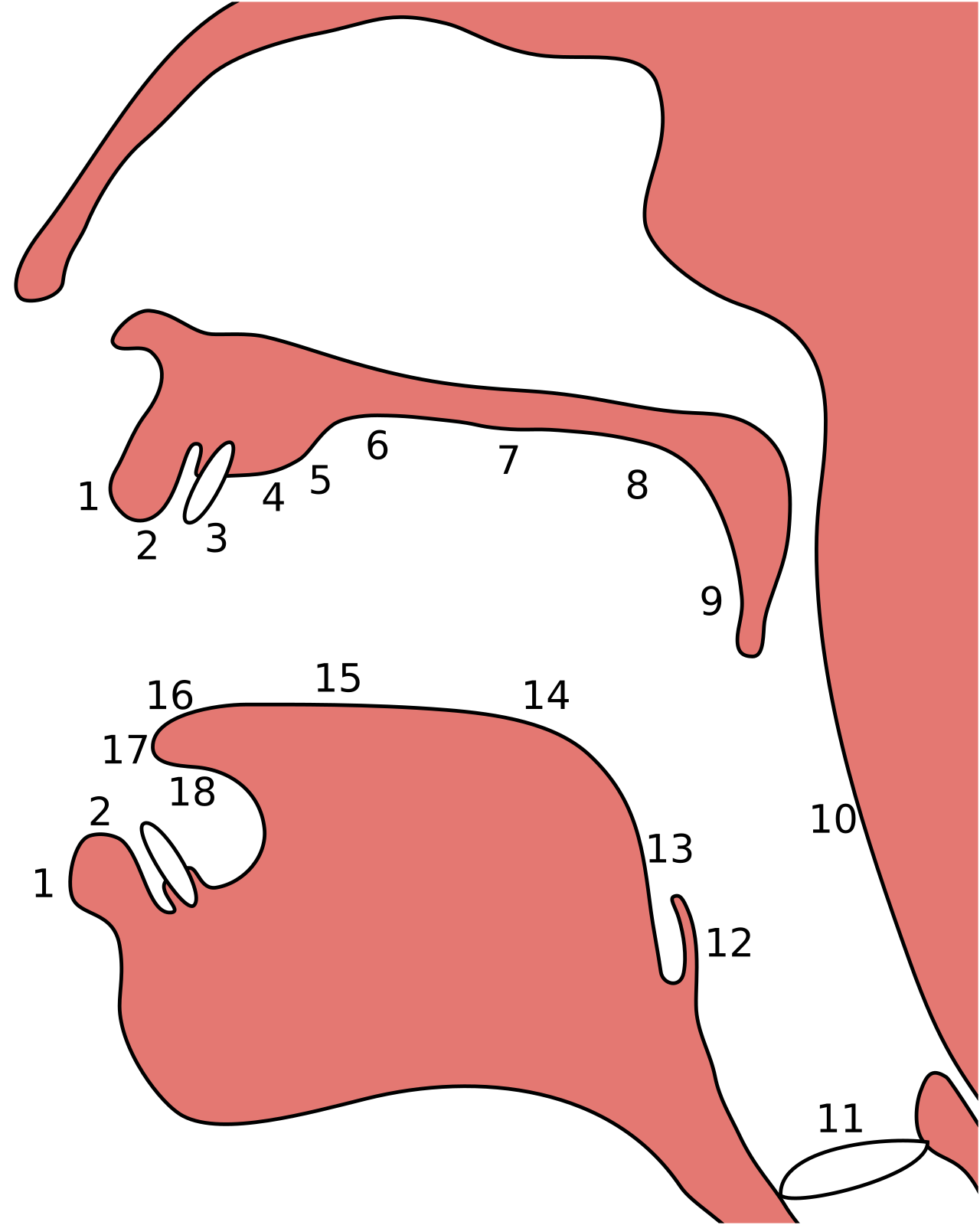
A Note on Articulation vs. Pronunciation: These terms are frequently conflated, but they define different mechanics.
- Articulation is the physical action of producing clear and distinct speech sounds. It is a physiological act involving the lips, teeth, and tongue. Mumbling is a failure of articulation.
- Pronunciation refers to speaking words with the universally accepted sound and rhythm. It is a cultural and linguistic rule. If a student clearly enunciates the word "hyperbole" as hyper-bowl, their articulation is flawless, but their pronunciation is incorrect.
Beyond mechanics, the voice carries emotion. Tone expresses the speaker's underlying attitude toward the subject matter. A speaker's tone can be reverent, cynical, enthusiastic, or mournful. Tone tells the audience how they are supposed to feel about the facts being presented.
Finally, we must address the natural human discomfort with silence, which often manifests as "ums," "ahs," and "likes." These vocal fillers are meaningless sounds used to fill silence during a speech. While a stray "um" is a natural artifact of extemporaneous thought, excessive use of vocal fillers diminishes a speaker's perceived authority, signaling to the audience that the speaker is unprepared or unconfident.
Communication is a full-body endeavor. When a student stands in front of a classroom, their physical presence is speaking volumes before their vocal cords ever vibrate.
The most powerful tool of connection is the eye. Consistent eye contact increases a speaker's perceived honesty, projecting confidence and demonstrating that the speaker views the audience as individuals rather than an abstract mass. Beneath the neck, posture determines the physical alignment of a speaker's body during a presentation. An upright, open posture signals readiness and authority, while a closed or slouching posture projects defensiveness or apathy.
To amplify verbal ideas, speakers use gestures, [which] involve moving the hands or arms to emphasize verbal messages. A sudden chop of the hand can underscore a hard boundary; expansive, sweeping arms can illustrate the breadth of a concept.
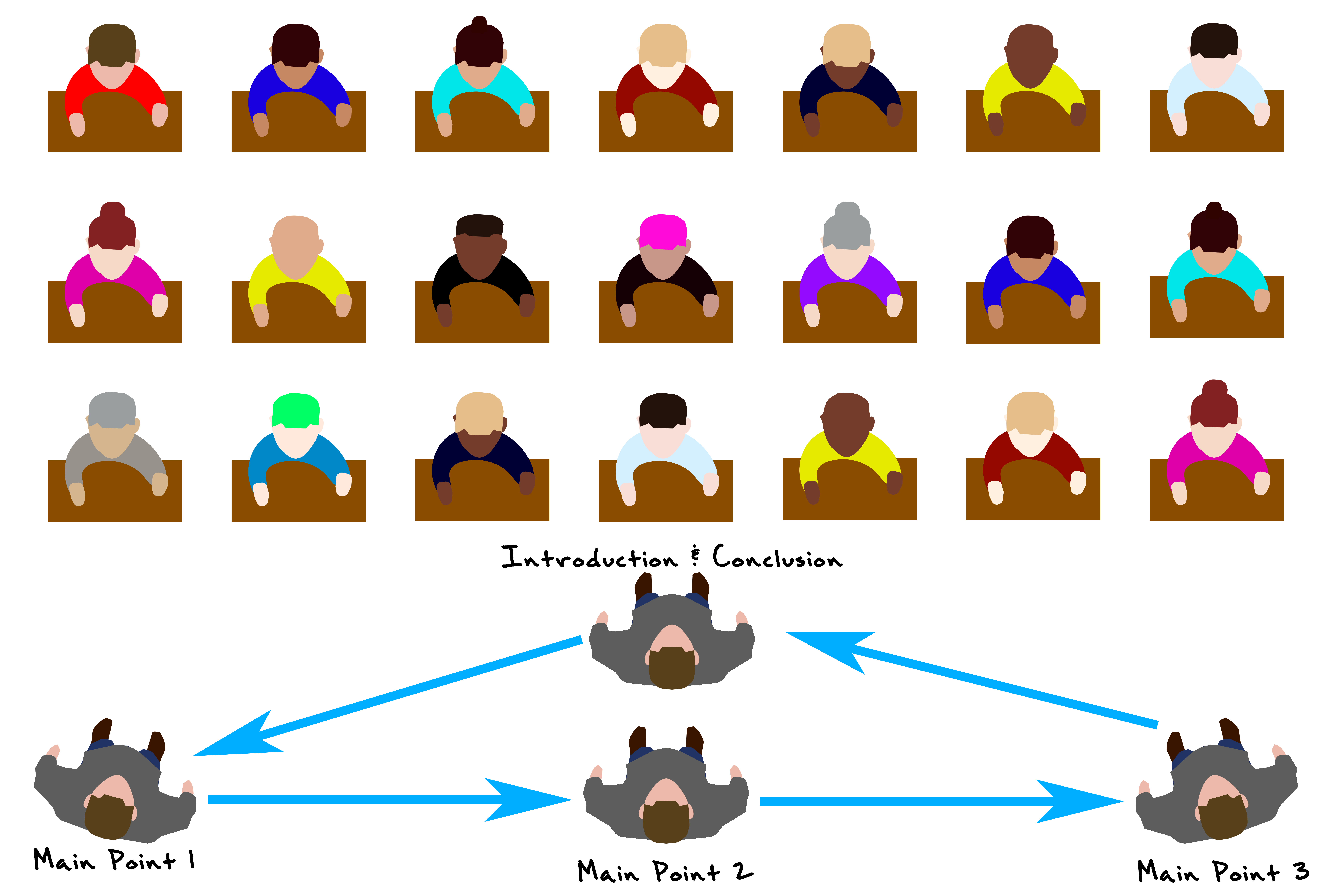
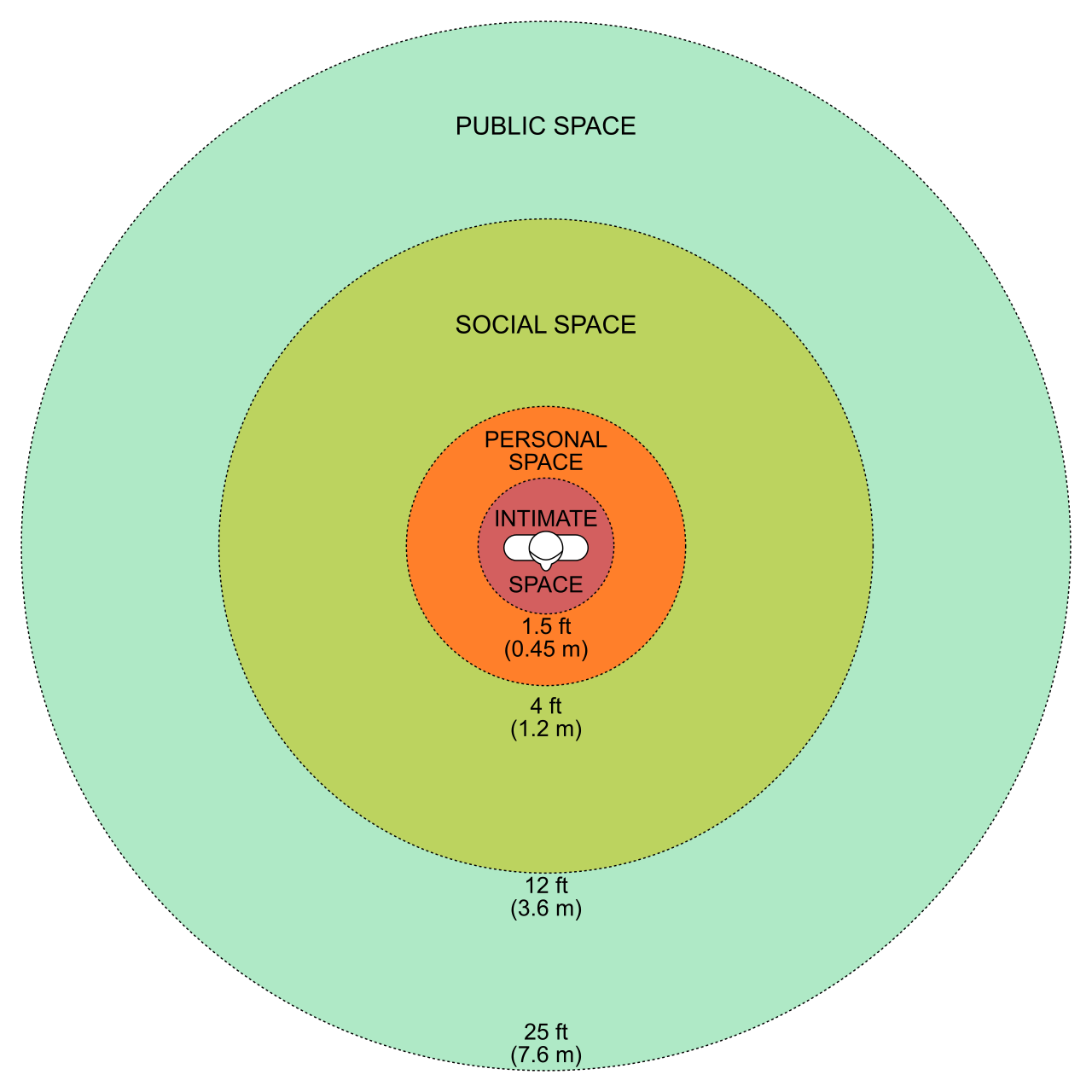
Furthermore, we must consider the invisible geography of the room. Proxemics is the strategic use of physical space between the speaker and the audience. A teacher moving out from behind a heavy desk and stepping into the aisles breaks a physical barrier, instantly shifting the psychological dynamic from distant authority to intimate collaboration.
A brilliant delivery cannot save a chaotic argument. To determine whether information is presented logically, we analyze both its macro-structure (organization) and its micro-structure (navigation).
Macro-Organizational Structures
Different rhetorical goals require different architectural blueprints:
- Chronological organization structures a presentation according to a sequential time progression. (Ideal for historical retrospectives or step-by-step narratives).
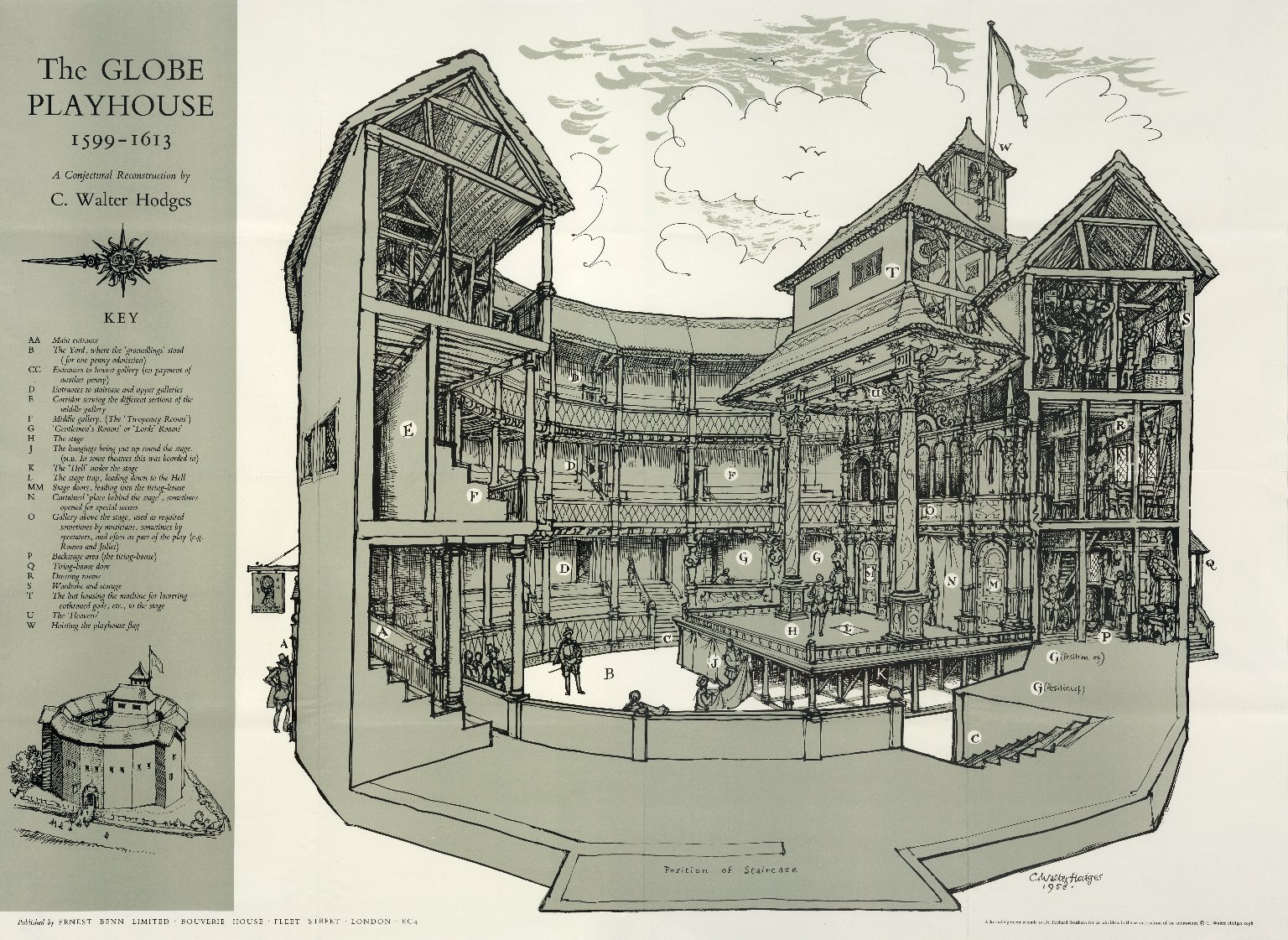
- Spatial organization arranges speech topics based on physical directional relationships. (Ideal for describing the layout of a physical setting, like the architecture of the Globe Theatre).
- Cause-effect organization demonstrates how specific actions produce specific outcomes. (Ideal for scientific or historical analysis).
- Problem-solution organization presents a specific issue followed by a proposed remedy. (The standard structure for persuasive policy speeches).
- Topical organization divides a broad presentation subject into distinct subcategories. (Ideal for informative speeches, e.g., "The Three Core Themes of Frankenstein").
Micro-Navigational Tools
Once the structure is built, the speaker must guide the audience through it. Because listeners cannot "flip back a page" like a reader can, speakers must explicitly map the journey.
- Transitions are statements linking the conclusion of one main point to the beginning of another. ("Now that we understand the economic causes, we must look at the social effects.")
- Signposts are brief phrases indicating a speaker's exact position within the presentation structure. ("First," "Next," "Finally.")
- Internal previews provide a brief outline of the upcoming topics within a specific speech section, acting as a localized thesis.
- Internal summaries restate the main ideas a speaker has just finished discussing, cementing the concept before moving on.
Underlying all organization are the twin pillars of effective messaging: Conciseness requires the removal of redundant words and tangential ideas from a presentation, ensuring the cognitive load remains focused on what matters. Concurrently, clarity in a speech depends on selecting vocabulary appropriate for the audience's knowledge level. You do not explain semiotics to a sixth grader using graduate-level jargon; true mastery of a subject is the ability to render it accessible without diluting its truth.
We live in a visually saturated era. Presentation technology is a magnificent servant but a terrible master. The goal of media is to amplify the message, never to replace the speaker.
Digital Visuals and Software
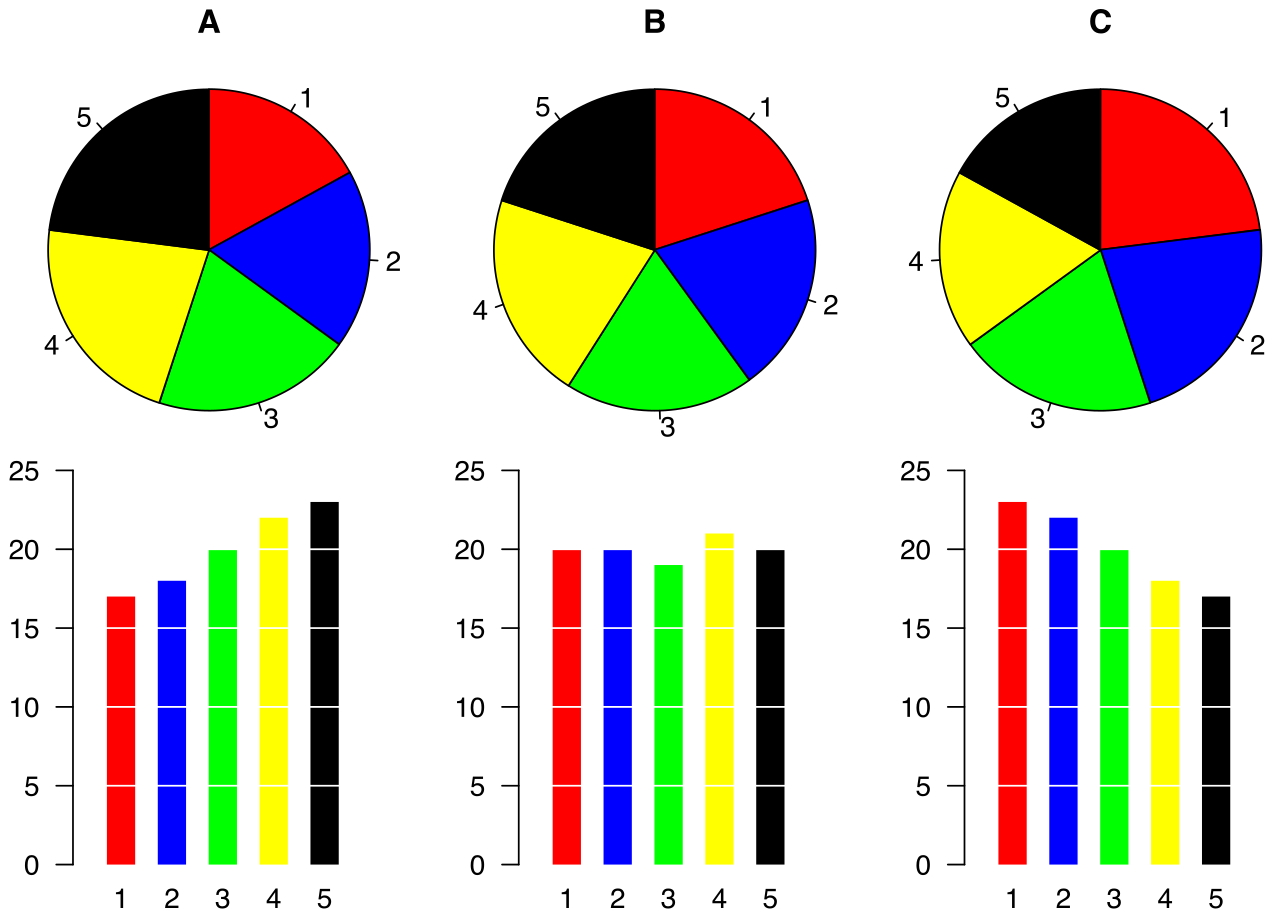
Visual aids simplify the presentation of complex quantitative data. A pie chart or a line graph can communicate in three seconds what might take three minutes of dense verbal explanation. Presentation software allows for the integration of text and multimedia elements, creating a cohesive visual environment.
However, the misuse of this software is rampant. High text density on presentation slides diverts audience attention away from the speaker, forcing the audience to read rather than listen—a neurological bottleneck. Good slides are visually arresting and text-sparse. Design matters heavily: High-contrast color schemes on visual aids improve readability for the audience, ensuring those in the back row can decipher the graphics. Furthermore, designers employ the rule of thirds, [which] is a visual design principle used to aesthetically balance elements on a presentation slide by dividing the image into a grid and placing points of interest at the intersections.

To combat software abuse, modern presentation formats have evolved strict constraints. For instance, PechaKucha is a strict presentation format showing exactly 20 slides for exactly 20 seconds each. This structure forcibly ensures conciseness and prevents the speaker from lingering or relying on text-heavy crutches.
Finally, the modern educator must always have a contingency plan: Relying heavily on digital presentation software carries the risk of technical failure. The Wi-Fi drops. The projector bulb bursts. If the speech cannot survive without the slides, it is not a speech; it is a screening.
Tangible and Audio-Visual Alternatives
Digital slides are not the only media available.
- Handouts provide the audience with a permanent physical record of detailed speech information. They are excellent for complex rubrics or lengthy quotations. However, timing is everything: Distributing handouts during a presentation can cause the audience to stop listening to the speaker. They will read the paper instead of watching you. Always distribute them before you begin or after you conclude.
- Physical props offer a tangible representation of a speech topic. Bringing a replica of a historical artifact into the room bridges the gap between the abstract and the physical.
- Video clips demonstrate dynamic processes using moving images combined with sound, perfect for showing a historical event or a chemical reaction.
- Audio media allows speakers to share specific sounds impossible to recreate vocally—such as a snippet of a Martin Luther King Jr. speech or the specific call of a regional bird.
As our communication landscape evolves, the temporal relationship between speaker and audience has fractured into two distinct modes of reality:
- Synchronous presentations are delivered in real time to a live audience. This allows for immediate audience feedback, energetic exchange, and extemporaneous adjustment.
- Asynchronous presentations are recorded in advance for the audience to view at a later time. While they lack live energy and immediate feedback, they allow the speaker to heavily curate, edit, and perfect the messaging, and afford the listener the luxury of pausing and rewinding.
Understanding this entire matrix—from the biological vibration of vocal pitch to the spatial arrangement of the room, down to the pixels on a screen—empowers you not just to present effectively, but to teach the art of presentation. Rhetoric is the architecture of human connection. Master its tools, and you will ensure that when you or your students have something crucial to say, the world will actually listen.