Diverse Perspectives and Inclusive Instruction
Not sure you’re ready?
Take the ~3-minute readiness diagnostic and see where you stand.
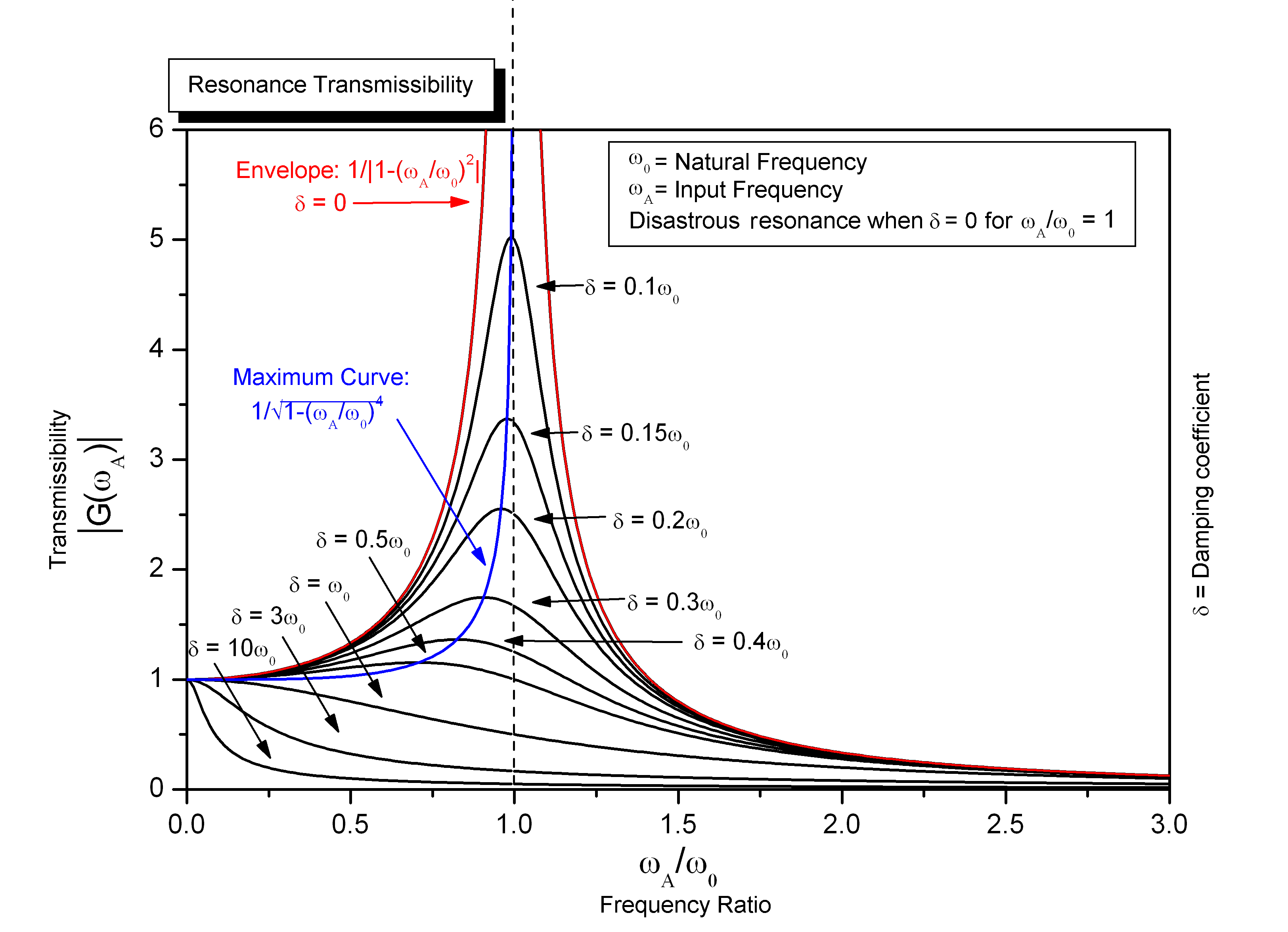
In acoustics, resonance occurs when an external vibration matches the natural frequency of an object, amplifying the sound into something profound and enduring. The secondary English classroom operates on identical physics. When a curriculum ignores the specific cultural, linguistic, and historical frequencies that students bring into the room, the result is acoustic dead space—a failure of connection. But when an educator tunes the instruction to harmonize with those pre-existing identities, learning is amplified. We are not filling empty vessels with standard grammar and canonical literature; we are integrating new frameworks with the complex, pre-existing resonance of the students' own lived experiences.
How a teacher views a student fundamentally dictates the architecture of their instruction. In education, we operate under one of two mutually exclusive paradigms regarding student identity.
The deficit model negatively assumes students lack knowledge due to their specific cultural or linguistic backgrounds. It is a lens that views difference as damage. If a student struggles with Standard Academic English, the deficit model assumes a cognitive void that the teacher must "fix."
Conversely, an asset-based approach views students' cultural and linguistic backgrounds as valuable resources for the ELA classroom. A student who speaks a rural dialect or a different language at home does not have a "broken" English; they have a distinct, rule-governed linguistic system that we can use as a bridge to new learning.
This asset-based philosophy is the bedrock of our modern frameworks. Gloria Ladson-Billings introduced the foundational framework of culturally responsive pedagogy. In practice, culturally responsive teaching integrates students' cultural references into the acquisition of English Language Arts skills. You are using the familiar to demystify the unfamiliar.
Taking this evolution a step further, Django Paris coined the specific term culturally sustaining pedagogy. While responsive teaching uses culture as a bridge, culturally sustaining pedagogy seeks to explicitly foster and maintain linguistic and cultural pluralism in schools. It asks a far more ambitious question: How can our ELA curriculum ensure that a student's home culture survives and thrives, rather than simply using it as a temporary vehicle to teach them the dominant culture?
When we abandon the deficit model, we discover that communities are essentially banks of immense intellectual wealth. Luis Moll developed the educational concept of funds of knowledge, which refer to the historical and cultural skills embedded in students' families and communities.
Teachers use funds of knowledge to deeply connect the ELA curriculum to students' lived experiences. If you are teaching persuasive rhetoric, and you have a student whose family advocates for tenant rights in their neighborhood, that student already understands rhetoric, audience, and appeals. You simply need to give them the academic vocabulary for the sophisticated thinking they are already doing.
The Mechanics of Language and Trust
Language is the most visible artifact of culture. Therefore, validating a student's home language actively builds relational trust. If you reject how a student speaks, you reject the student. How we treat their language matters immensely.
Consider how bilingual and bidialectal students navigate the world:
- Code-switching requires speakers to alternate entirely between different languages or dialects depending on the specific social context. Think of this like changing your wardrobe—you wear a suit to an interview and sweatpants at home. The two never mix.
- Code-meshing, however, encourages students to blend their home dialects with Standard English in academic writing. This is an integrated approach, treating a student's varied dialects as a single, massive toolbox rather than isolated compartments.
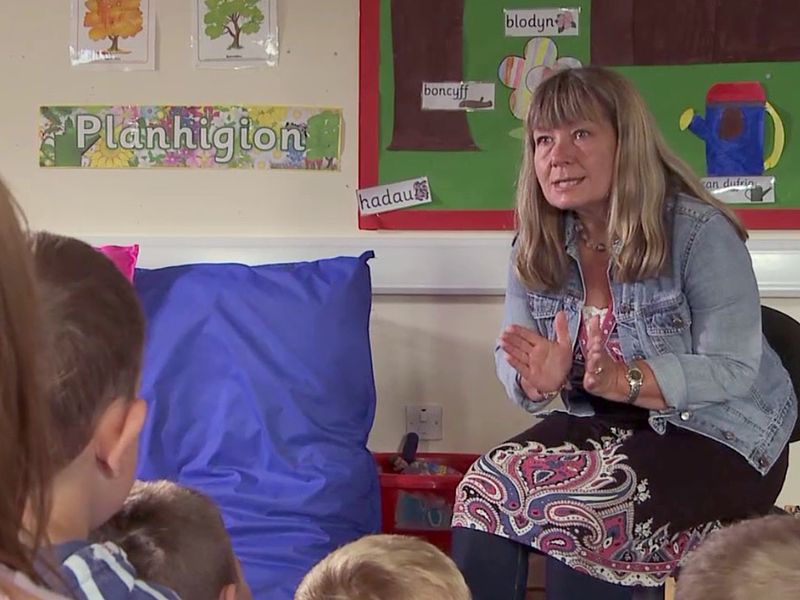
Where did this integrated view come from? Cen Williams originally coined the term translanguaging in the context of Welsh bilingual education. Translanguaging allows bilingual students to use their full linguistic repertoire to process ELA content. If a student needs to read an English text, discuss it in Spanish with a peer, and write their thesis statement in English, they are translanguaging. They are using all their cognitive engines simultaneously.
The texts we place in front of students signal whose stories matter. Rudine Sims Bishop created the mirrors, windows, and sliding glass doors framework for children's literature, which serves as the gold standard that guides ELA teachers in selecting diverse texts.
The Bishop Framework:
- Mirrors in literature reflect a student's own identity and personal experiences, validating their existence in the academic world.
- Windows in literature offer students views into the lives and experiences of people completely different from themselves, cultivating profound empathy.
- Sliding Glass Doors allow students to enter into those worlds and interact with them in their imagination.
By applying this framework, we empower students. Providing varied choices in reading assignments increases student engagement by aligning texts with individual student identities.
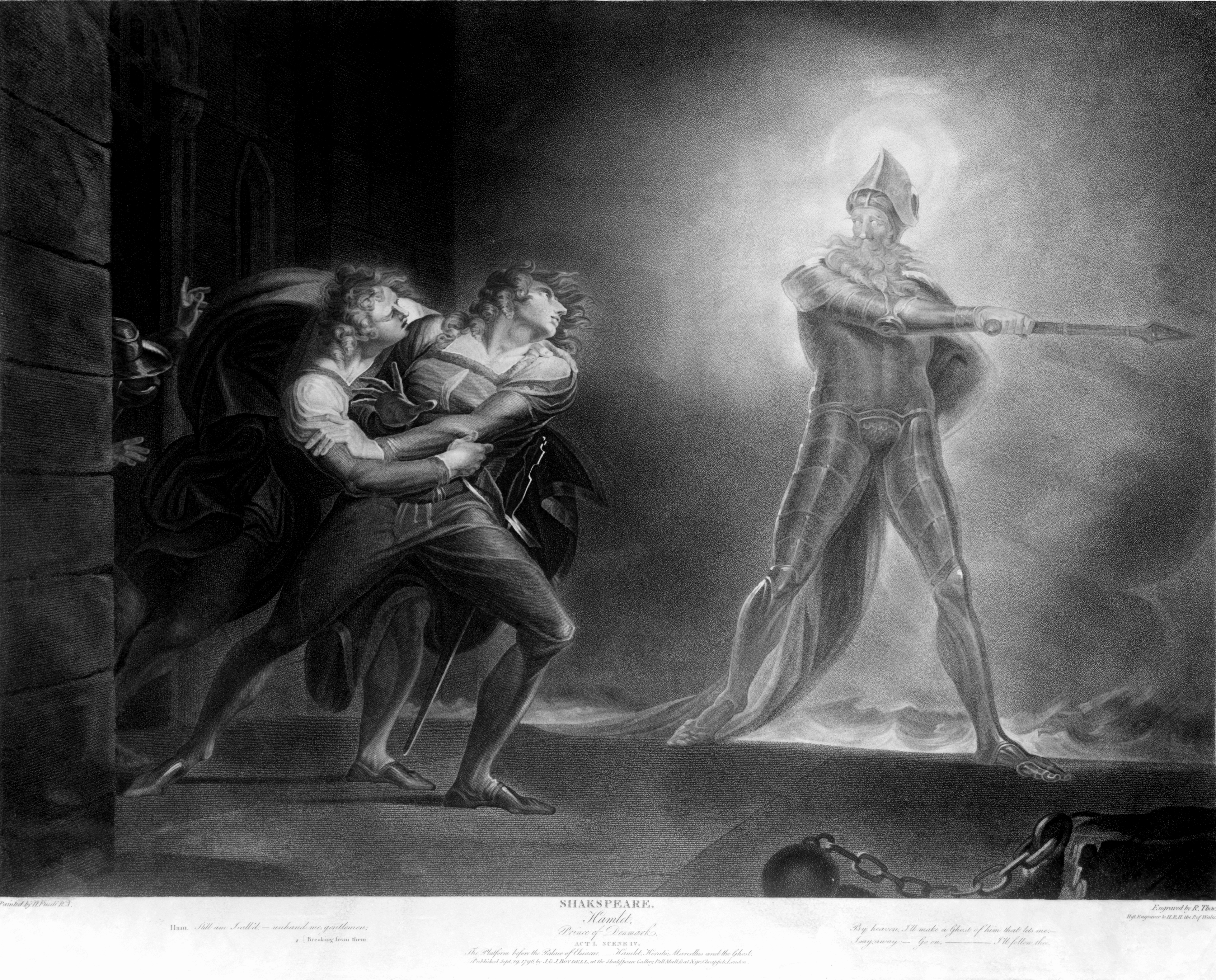
But handing a student a book is only the first step. We must prepare the soil before we plant the seed. Anticipation guides activate prior knowledge before reading. Structurally, anticipation guides connect students' personal beliefs and cultural backgrounds directly to a text before reading. By asking them to agree or disagree with thematic statements (e.g., "Revenge is always justified") before opening Hamlet, you tether their personal worldview to the text.
No two students process information identically. We must engineer our lessons to withstand the variability of the human mind.
Universal Design for Learning (UDL) frameworks help teachers proactively design ELA lessons accommodating diverse learner needs. Look closely at the word proactively. UDL is the architectural blueprint. UDL provides multiple means of student engagement, representation, and action.
- Representation: Providing the text as a physical book, an audiobook, and a graphic novel.
- Action: Allowing students to demonstrate understanding via an essay or a podcast. This is why multimodal ELA assignments allow students to demonstrate reading comprehension through visual, auditory, or digital mediums.
While UDL is the proactive blueprint, differentiation is the real-time adjustment. Carol Ann Tomlinson is a foundational theorist in the field of differentiated instruction. Differentiated instruction modifies lesson content, process, or product based on student readiness, interest, or learning profile.
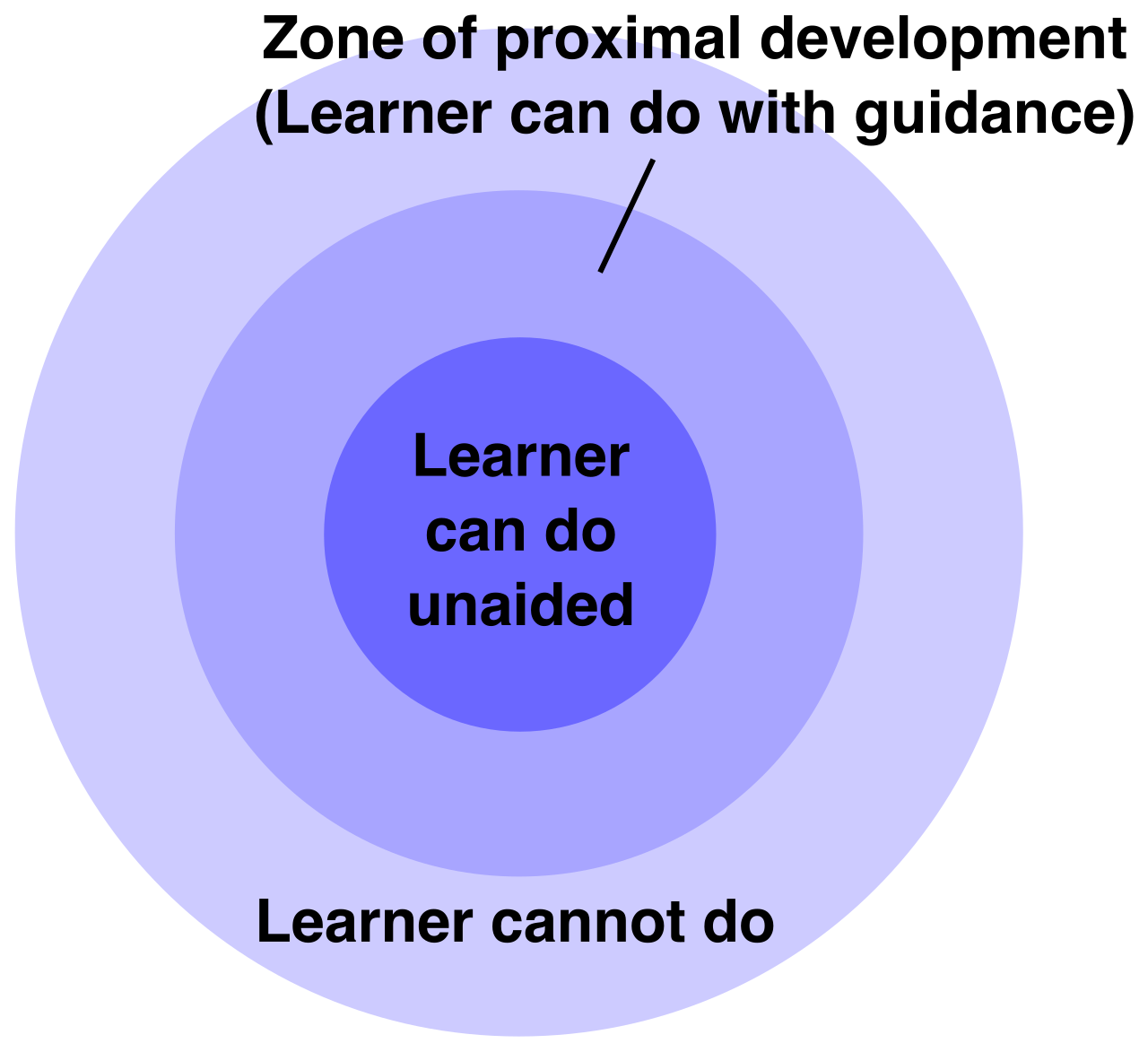
When a student attempts a challenging task, we apply scaffolding, which temporarily supports students in achieving higher levels of comprehension than the students could achieve independently. Like physical scaffolding on a skyscraper, it holds the learner up while they build their internal cognitive structures, and it is systematically removed once they can stand on their own.
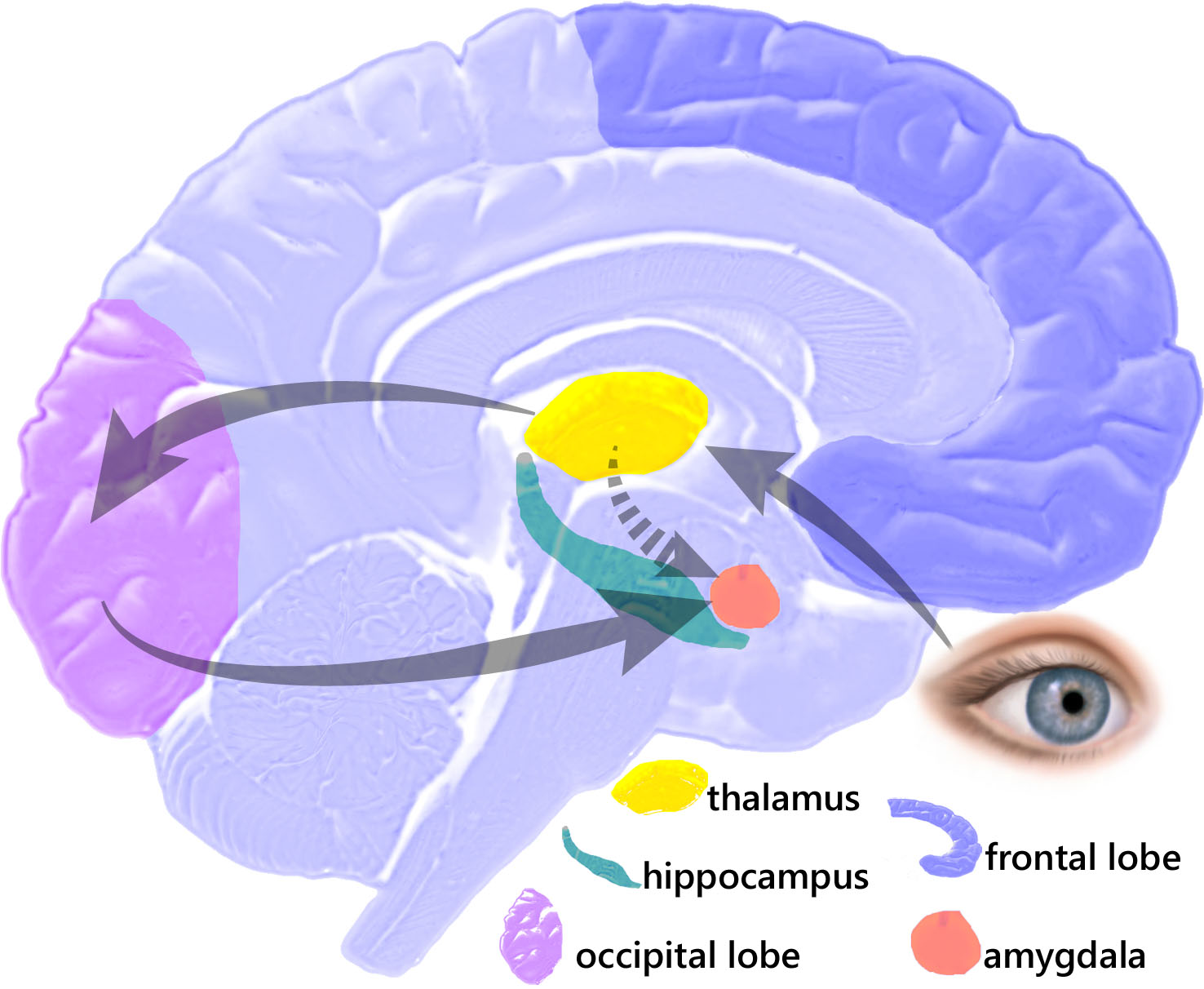
Cognition cannot happen in a state of threat. The amygdala will hijack the prefrontal cortex, and learning stops.
Establishing clear classroom norms at the beginning of the year is essential for creating a physically and emotionally safe environment. But a teacher simply posting rules on a wall is rarely effective. Instead, collaboratively generated ground rules for discussion protect students from marginalization during ELA peer interactions. When students debate and define the boundaries of respect themselves, they become the enforcers of that safety.
For students carrying the weight of adverse childhood experiences, predictability is a lifeline. Trauma-informed pedagogy prioritizes emotional safety and extreme predictability in daily ELA classroom routines. When a student knows exactly what will happen when they walk in the door, their nervous system can down-regulate, allowing them to focus on the literature. When interpersonal friction does occur, restorative circles provide a structured, equitable speaking space to build community and resolve classroom conflicts safely.
Overcoming the Affective Filter
For English Language Learners (ELLs), safety has a highly specific biological component. Stephen Krashen originally developed the affective filter hypothesis.
The Affective Filter: An emotional variable capable of hindering language acquisition when a student feels anxious.
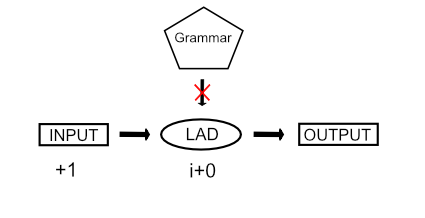
Imagine it as a literal brick wall that goes up in the brain when a student is terrified of being mocked for their accent or grammar. When the filter is high, language input bounces off. How do we lower the wall?
- Small-group discussions structurally lower the affective filter for English Language Learners by minimizing the audience size and the corresponding fear of public failure.
- Sentence frames provide English Language Learners with immediate structural support for academic speaking and writing, reducing the cognitive load so they can focus on sharing their complex ideas rather than hunting for syntax.
- Heterogeneous grouping intentionally mixes students of diverse backgrounds and ability levels to promote inclusive peer learning, ensuring ELLs have strong peer language models.
Finally, we must design safe mechanisms for students to produce language. Writing and speaking are inherently vulnerable acts; you are putting your mind on display.
To foster courage, we use low-stakes writing, which allows students to express ideas freely without the pressure of formal grading. Think of a daily journal or a quick-write. By removing the threat of the red grading pen, low-stakes writing fosters a safe classroom environment for students to engage in academic risk-taking.
When it is time for students to share their writing, we do not simply tell them to "trade papers." Left unguided, peer feedback can be devastating. Instead, structured peer review protocols prevent harmful criticism during the collaborative writing process. We give them specific lenses (e.g., "Highlight the strongest verb in this paragraph" or "Ask one question about the character's motivation").
The same structural safety must apply to verbal discourse. Active listening protocols often require students to summarize a speaker's point accurately before sharing their own perspective. This brilliant mechanism forces students out of the egocentric habit of "waiting for their turn to speak" and roots them deeply in genuine, empathetic comprehension. It proves to the speaker that they were heard, validating their voice in the shared ecosystem of the classroom.