Major Works and Authors of Literature
Not sure you’re ready?
Take the ~3-minute readiness diagnostic and see where you stand.
To understand a literary canon is to study the physics of human consciousness. When you stand before a classroom of fifteen-year-olds holding worn copies of centuries-old novels, you are not handing them dusty artifacts; you are handing them the blueprints of how previous generations modeled reality, processed trauma, and rebelled against authority. Every text you teach was once a radical experiment in communication. Your task on the Praxis, and in your future classroom, is not merely to memorize authors and titles like a cataloger, but to understand the mechanics of these works—why they were built, what literary machinery they employ, and how they connect to the living, breathing students sitting in front of you.
American literature is an ongoing argument about the definition of freedom. When teaching this progression, frame it for your students as a pendulum swinging between the idealistic and the cynical, the individual and the collective.
The Foundations: Colonial Voices and the Transcendental Rebellion
Before America was a political reality, it was a theological and poetic experiment. Anne Bradstreet laid the groundwork by writing the colonial poetry collection "The Tenth Muse Lately Sprung Up in America", proving to the Old World that the rugged New World could produce intellectual art.
But the true philosophical divergence of America came in the 19th century with the American Transcendentalism movement—the original counter-culture.
Transcendentalism was the radical belief that institutions corrupt the purity of the individual. When your students ask why they have to read these essays, tell them these writers were the first to say "question everything."
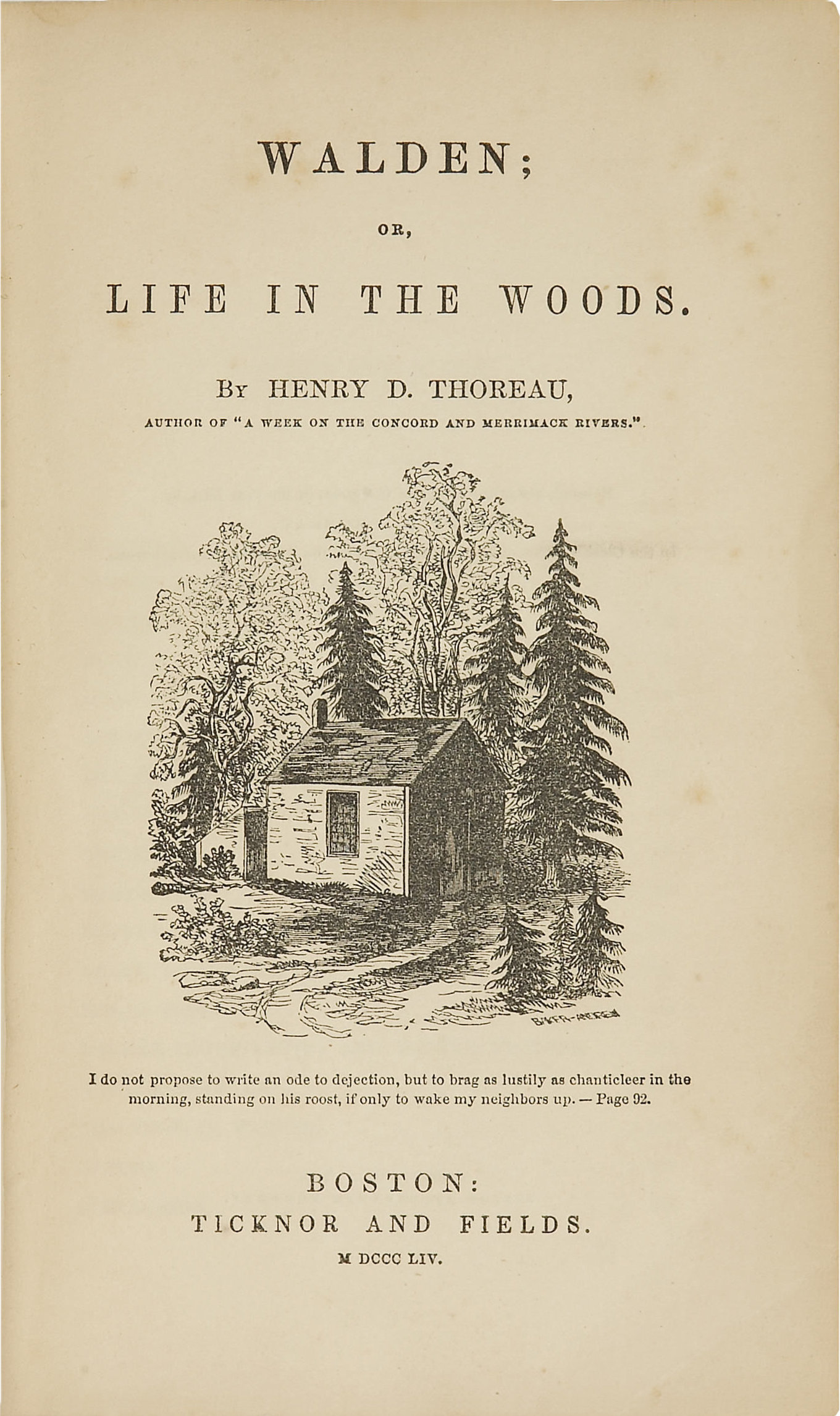
Henry David Thoreau isolated himself in nature to write the literary nonfiction book "Walden", which remains a foundational text of the American Transcendentalism movement. His mentor, Ralph Waldo Emerson, provided the theoretical scaffolding with his transcendentalist essay "Self-Reliance". Meanwhile, the stark, brutal reality of American freedom was being documented by those denied it entirely; Frederick Douglass wrote the vital literary nonfiction work "Narrative of the Life of Frederick Douglass, an American Slave", weaponizing literacy itself to expose the hypocrisy of the American experiment.
American Romanticism and Renaissance
As the nation expanded, writers began exploring the darker, psychological frontiers of the American mind. Nathaniel Hawthorne wrote the novel "The Scarlet Letter", which remains a central work of American Romanticism, using seventeenth-century Puritanism to explore nineteenth-century anxieties about sin, guilt, and individuality. He continued this exploration of inherited guilt when he wrote the novel "The House of the Seven Gables".
His contemporary, Herman Melville, wrote the novel "Moby-Dick". While your students might view it as an oppressively long book about a whale, "Moby-Dick" by Herman Melville exemplifies the literary themes of the American Renaissance—it is a massive, structural exploration of obsession, nature, and human limitation. Melville also captured the creeping alienation of the modern workplace when he wrote the novella "Bartleby, the Scrivener".
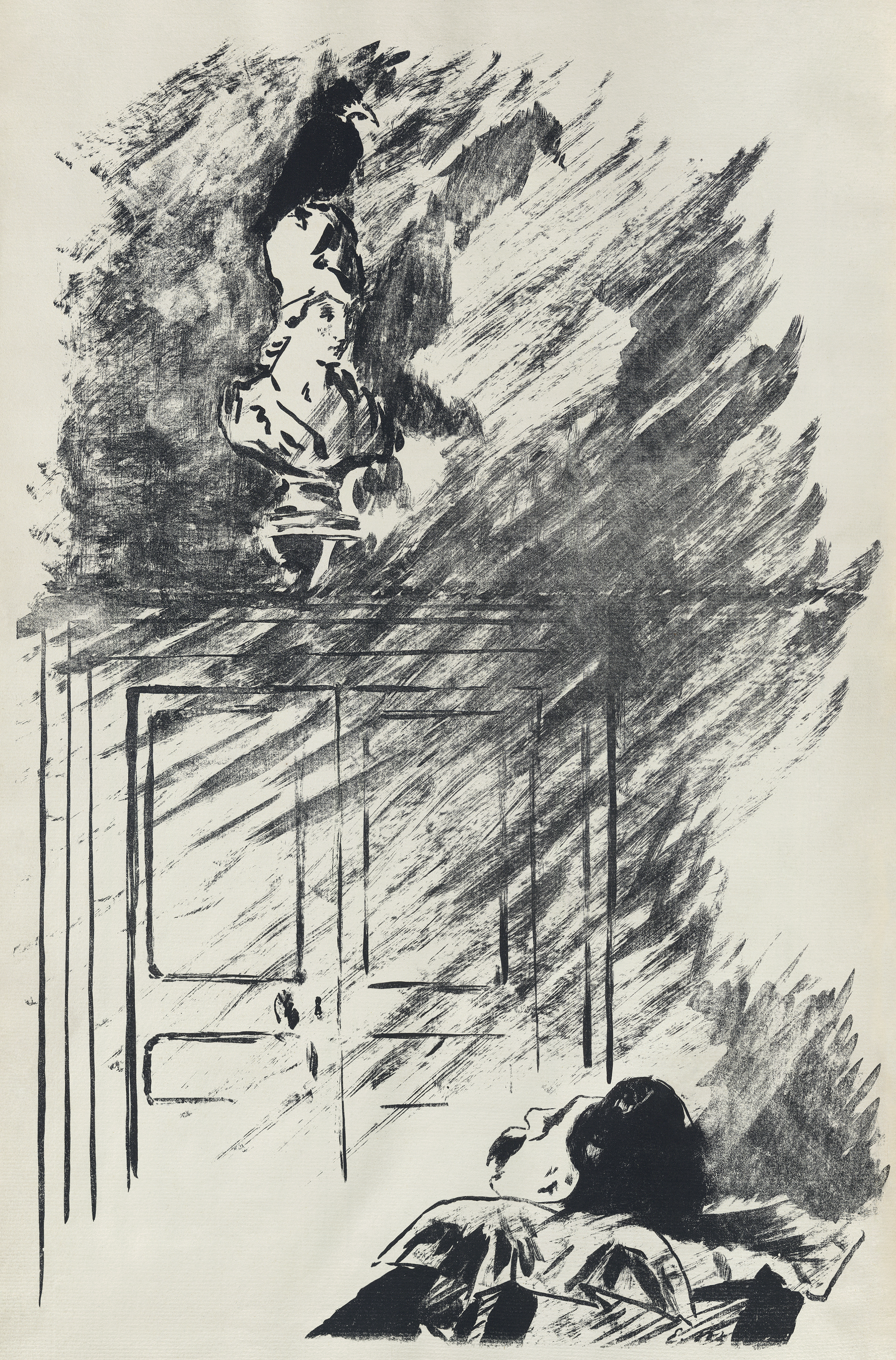
At the same time, Edgar Allan Poe was inventing the modern psychological thriller. He wrote the narrative poem "The Raven" and the short story "The Tell-Tale Heart", both masterclasses in pacing and the unreliable narrator.
The Poetic Revolutionaries
Two poets shattered the formal constraints of English verse, fundamentally altering how your students will understand poetry:
- Walt Whitman: He wrote the poetry collection "Leaves of Grass". Tell your students that Whitman was the ultimate literary disruptor; "Leaves of Grass" introduced unconventional free verse to American poetry, abandoning strict meter to capture the sprawling, democratic voice of the continent.
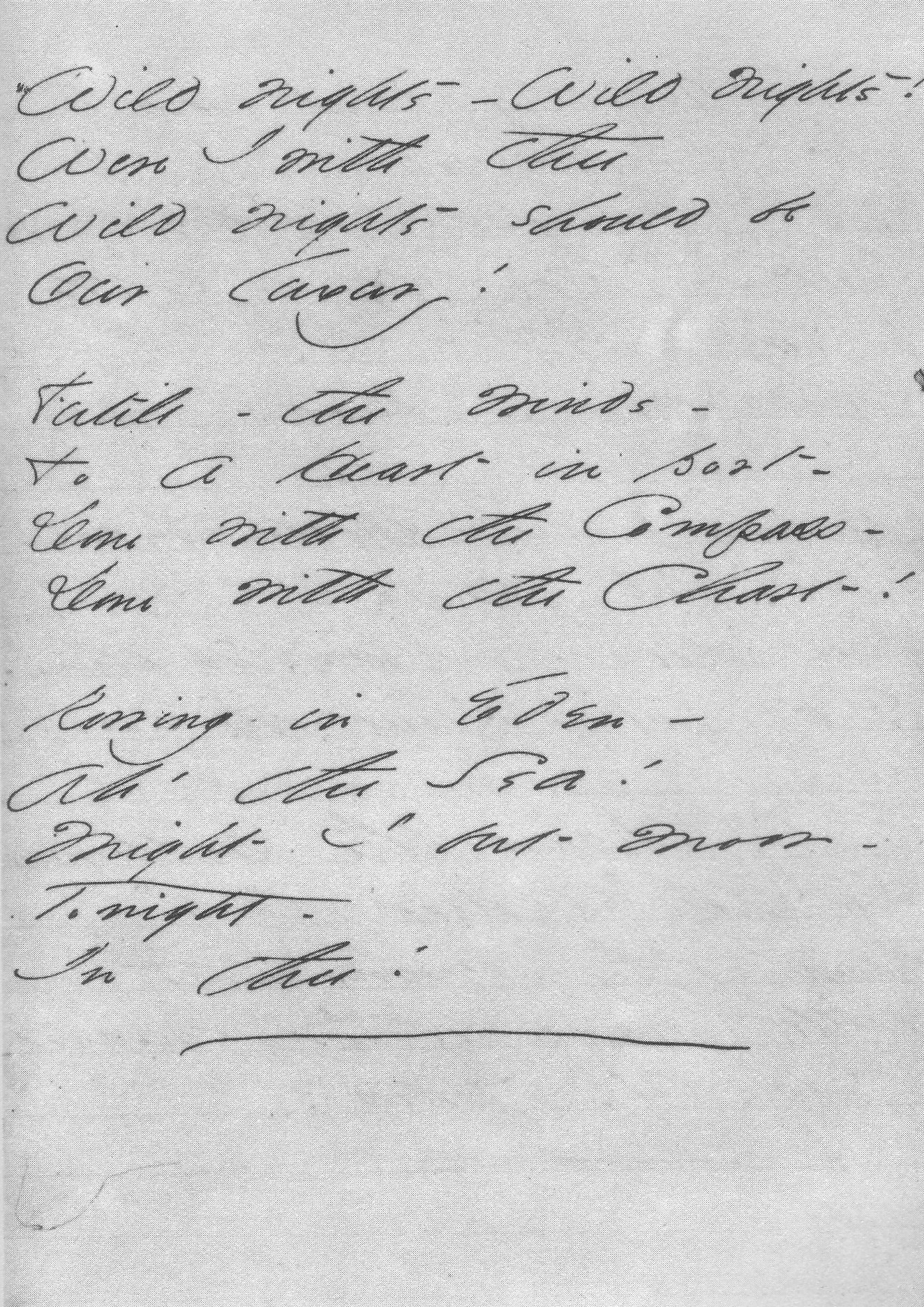
- Emily Dickinson: Working in total isolation, she fractured syntax and punctuation. She wrote the poem "Because I could not stop for Death", turning mortality into a polite, inevitable carriage driver. Later, Robert Frost would master a deceptively simple, colloquial style when he wrote the poem "The Road Not Taken", a text frequently misunderstood by pop culture but vital for teaching poetic irony.
Realism, Naturalism, and the Lost Generation
Following the Civil War, literature demanded a camera-lens view of reality. Mark Twain wrote the novel "The Adventures of Huckleberry Finn". "The Adventures of Huckleberry Finn" by Mark Twain is a foundational text of American Literary Realism, capturing the vernacular and moral hypocrisies of the American South.
By the 1920s, the illusion of the American Dream began to fracture. F. Scott Fitzgerald wrote the novel "The Great Gatsby". When teaching this, emphasize that "The Great Gatsby" critiques the American Dream during the Jazz Age; it is not a celebration of wealth, but a post-mortem of it.
Ernest Hemingway stripped language down to its barest bones. He wrote the novel "A Farewell to Arms" about the disillusionment of World War I, and later wrote the novel "The Old Man and the Sea", a masterwork of subtext and endurance. Meanwhile, Southern Gothic writers explored the decay of the post-war South: William Faulkner wrote the novel "The Sound and the Fury" and the novel "As I Lay Dying", demanding readers actively assemble meaning from fractured, multi-perspective narratives.
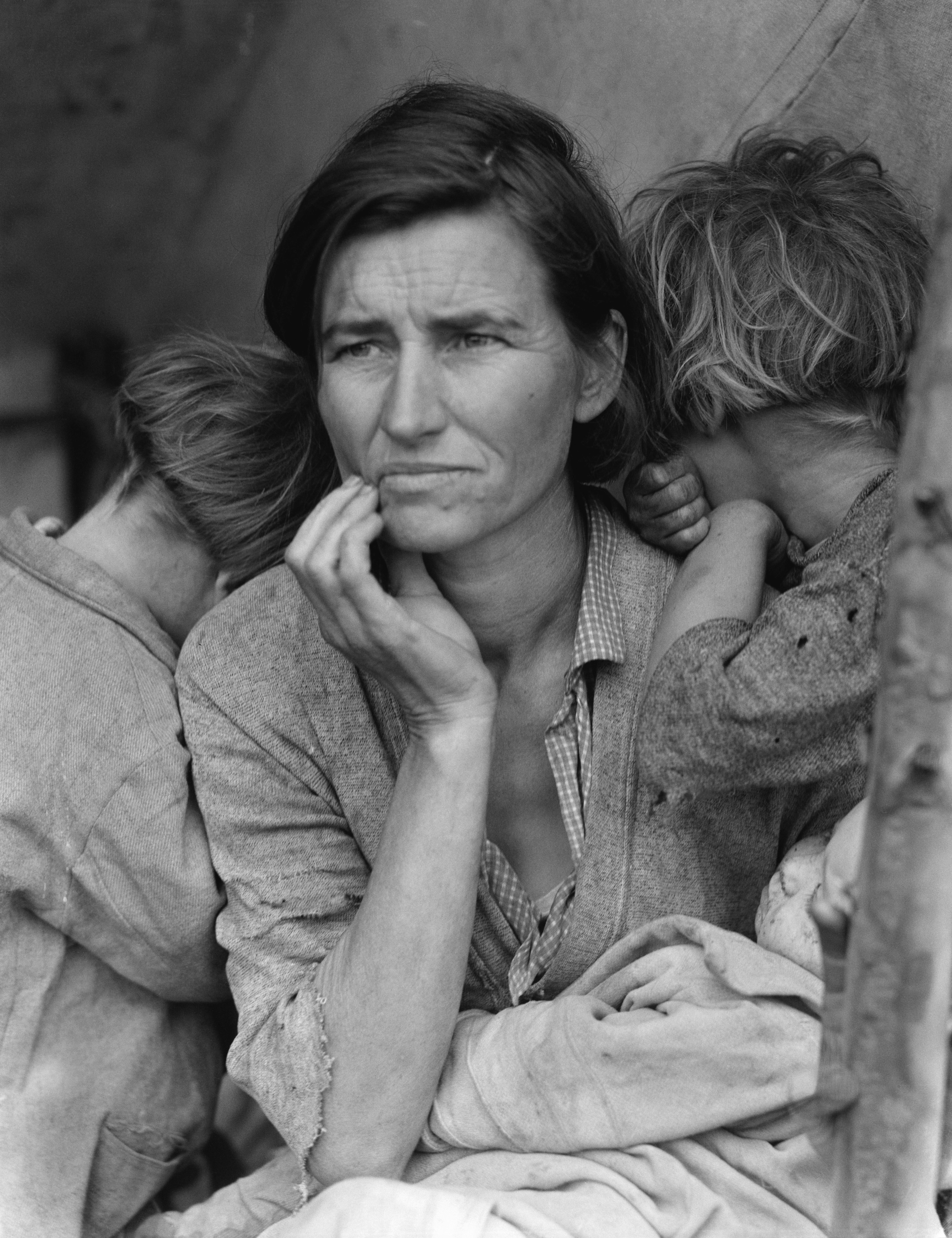
When the Great Depression hit, John Steinbeck responded. He wrote the novella "Of Mice and Men" and the novel "The Grapes of Wrath". Make sure your students recognize that "The Grapes of Wrath" represents American Social Realism during the Great Depression, functioning as both narrative art and urgent journalistic advocacy.
The Post-War Psyche and the African American Literary Tradition
The mid-to-late 20th century saw literature breaking wide open. J.D. Salinger wrote the novel "The Catcher in the Rye", crystallizing teenage alienation. Sylvia Plath turned the lens inward, writing the novel "The Bell Jar" and the poetry collection "Ariel", capturing the asphyxiation of mid-century gender roles and mental illness.
Crucially, the African American literary tradition evolved from the explosive creativity of the 1920s into dominant forces of contemporary literature.
- Langston Hughes is a primary literary figure of the Harlem Renaissance. He wrote the poem "The Negro Speaks of Rivers" and the poem "Harlem" (which famously asks "What happens to a dream deferred?").
- Zora Neale Hurston wrote the novel "Their Eyes Were Watching God", centering Black female autonomy and dialect with unapologetic brilliance.
- Richard Wright wrote the novel "Native Son", delivering a brutal, deterministic critique of systemic racism, while Ralph Ellison wrote the novel "Invisible Man", a surreal, existential dive into Black identity in America.
As we move toward the contemporary era, Maya Angelou wrote the autobiographical work "I Know Why the Caged Bird Sings". This is critical for your content knowledge: "I Know Why the Caged Bird Sings" by Maya Angelou is a major work of twentieth-century African American literary nonfiction, blending personal trauma with sweeping social history. Alice Walker wrote the epistolary novel "The Color Purple", using the letter format to give voice to the voiceless. Finally, Toni Morrison wrote the novel "Song of Solomon" and the novel "Beloved". You must understand that "Beloved" by Toni Morrison is a defining work of contemporary African American postmodern literature, treating history as a ghost that literally haunts the present.
American Drama
The stage is where America puts its conflicts on trial.
- Tennessee Williams wrote the play "A Streetcar Named Desire" and the play "The Glass Menagerie", exposing the fragility of memory and self-delusion.
- Arthur Miller wrote the play "Death of a Salesman" to deconstruct the capitalist dream. More urgently for the classroom, he wrote the play "The Crucible". Remember that "The Crucible" by Arthur Miller uses the Salem witch trials as an allegory for McCarthyism, teaching students how historical fiction can be used as a shield to critique the dangerous politics of the present.
- Lorraine Hansberry wrote the play "A Raisin in the Sun", an essential text that takes its title directly from Langston Hughes's "Harlem" to explore housing discrimination and generational dreams.
Teaching British literature is teaching the evolution of the English language itself. It is a timeline of how power, religion, and class were encoded into text.
Early and Renaissance Masterpieces
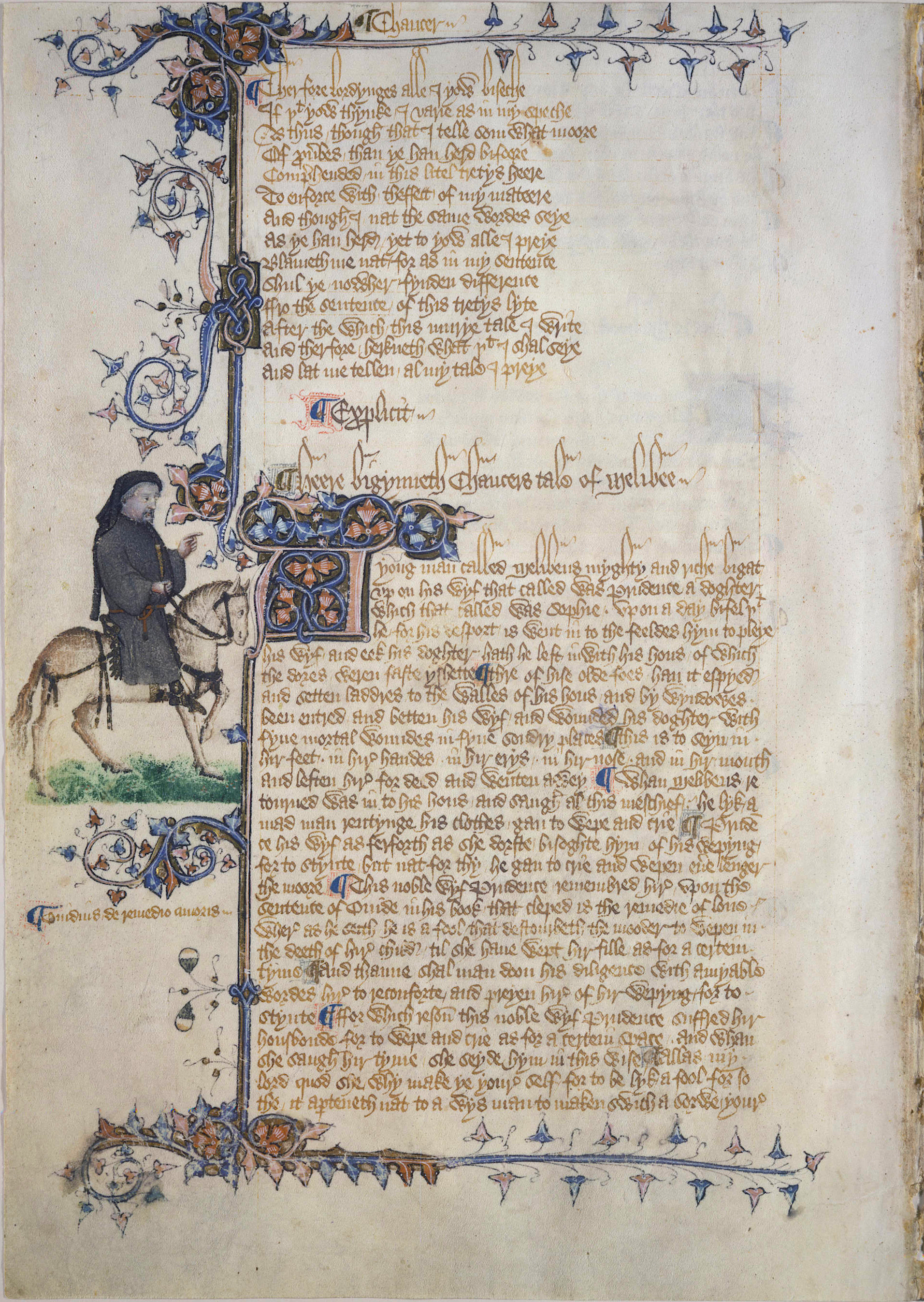
Geoffrey Chaucer wrote the narrative poem "The Canterbury Tales". This is vital because "The Canterbury Tales" is a foundational text of Middle English literature, pulling literature out of the exclusive grip of Latin and putting it into the vernacular of common people.
In the Elizabethan era, Christopher Marlowe wrote the Elizabethan tragedy "Doctor Faustus", dealing with the ultimate bargain of soul for knowledge. But the era belongs to the Bard. William Shakespeare wrote the tragedy "Romeo and Juliet", the tragedy "Macbeth", and the tragedy "Hamlet".
By the 17th century, the political and religious upheaval of England culminated when John Milton wrote the epic poem "Paradise Lost". "Paradise Lost" by John Milton is the quintessential English epic poem of the seventeenth century, a massive blank-verse attempt to "justify the ways of God to men."
Satire, Romanticism, and the Birth of the Novel
| Era / Movement | Key Authors & Contributions |
|---|---|
| Satire | Jonathan Swift wrote the satirical novel "Gulliver's Travels", using fantastical voyages to brutally mock English politics and human nature. |
| Romantic Poetry | William Blake wrote the poetry collection "Songs of Innocence and of Experience", showing the "two contrary states of the human soul." William Wordsworth co-authored the 1798 poetry collection "Lyrical Ballads" with Samuel Taylor Coleridge, who wrote the narrative poem "The Rime of the Ancient Mariner". This ushered in British Romanticism. |
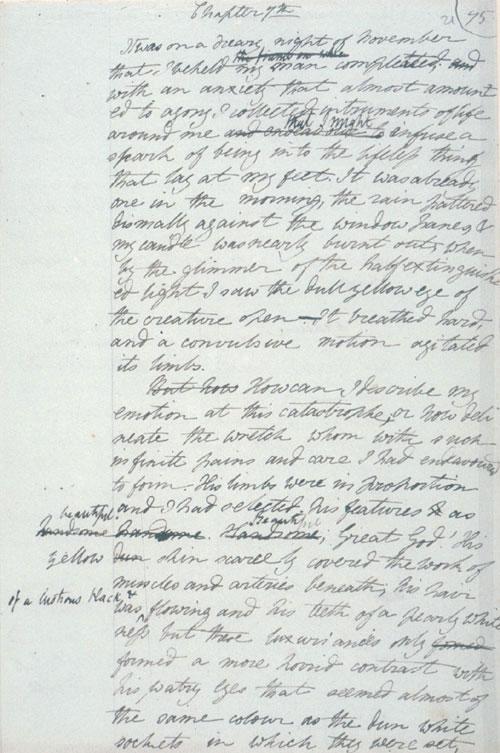
| Gothic/Sci-Fi | Mary Shelley wrote the novel "Frankenstein". Frame this for your students: "Frankenstein" by Mary Shelley is considered a pioneering early example of science fiction, born from a ghost story competition. |
As the novel formalized as a genre, Jane Austen wrote the novel "Emma" and the novel "Pride and Prejudice". Understand that "Pride and Prejudice" by Jane Austen exemplifies the British novel of manners, turning the microscopic social interactions of the landed gentry into high-stakes moral drama.
Victorian Shadows and the Modernist Fracture
The Victorian era was dominated by the serial novel. Charles Dickens wrote the novel "Great Expectations" and the novel "A Tale of Two Cities", critiquing poverty and social class.
The Brontë sisters fundamentally altered the emotional landscape of the novel. Emily Brontë wrote the novel "Wuthering Heights", while Charlotte Brontë wrote the novel "Jane Eyre". "Jane Eyre" by Charlotte Brontë incorporates elements of the Gothic novel into Victorian literature, blending psychological depth with eerie atmosphere. At the end of the century, Thomas Hardy wrote the novel "Tess of the d'Urbervilles", introducing a fatalistic, naturalistic view of a universe indifferent to human suffering. Meanwhile, Oscar Wilde eviscerated Victorian hypocrisy when he wrote the novel "The Picture of Dorian Gray" and the play "The Importance of Being Earnest".
World War I broke the world, and Modernism was the result. Writers felt the old, linear ways of telling stories could no longer hold truth.
- James Joyce wrote the short story collection "Dubliners" and the novel "Ulysses". "Ulysses" by James Joyce is a pioneering work of modernist stream-of-consciousness fiction, mapping the intricate, chaotic inner thoughts of a single day.
- Virginia Woolf utilized similar internal frameworks when she wrote the novel "Mrs. Dalloway" and the novel "To the Lighthouse".
- In poetry, T.S. Eliot wrote the poem "The Love Song of J. Alfred Prufrock" and the poem "The Waste Land". "The Waste Land" is a central text of English-language modernist poetry, a collage of cultural fragments representing a shattered post-war Europe. William Butler Yeats similarly captured this apocalyptic dread when he wrote the poem "The Second Coming".
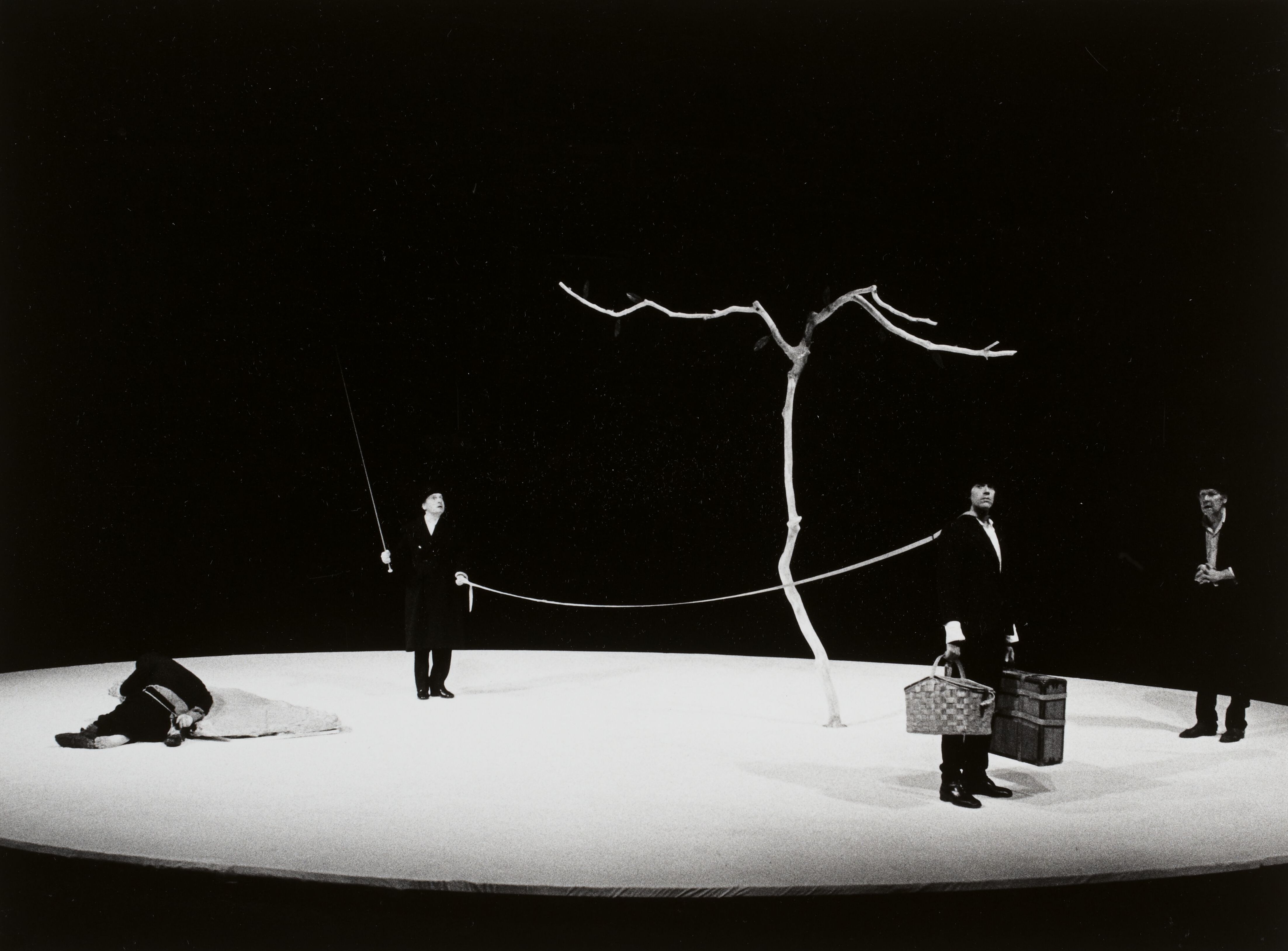
Post-WWII brought existential dread to the forefront. George Orwell wrote the allegorical novella "Animal Farm" and the dystopian novel "1984". In drama, Samuel Beckett wrote the absurdist play "Waiting for Godot". This is a crucial concept: "Waiting for Godot" by Samuel Beckett is a central work of the Theatre of the Absurd, stripping away plot and character development to force the audience to confront the emptiness of human existence.
World literature expands your students' empathy across borders and millennia.
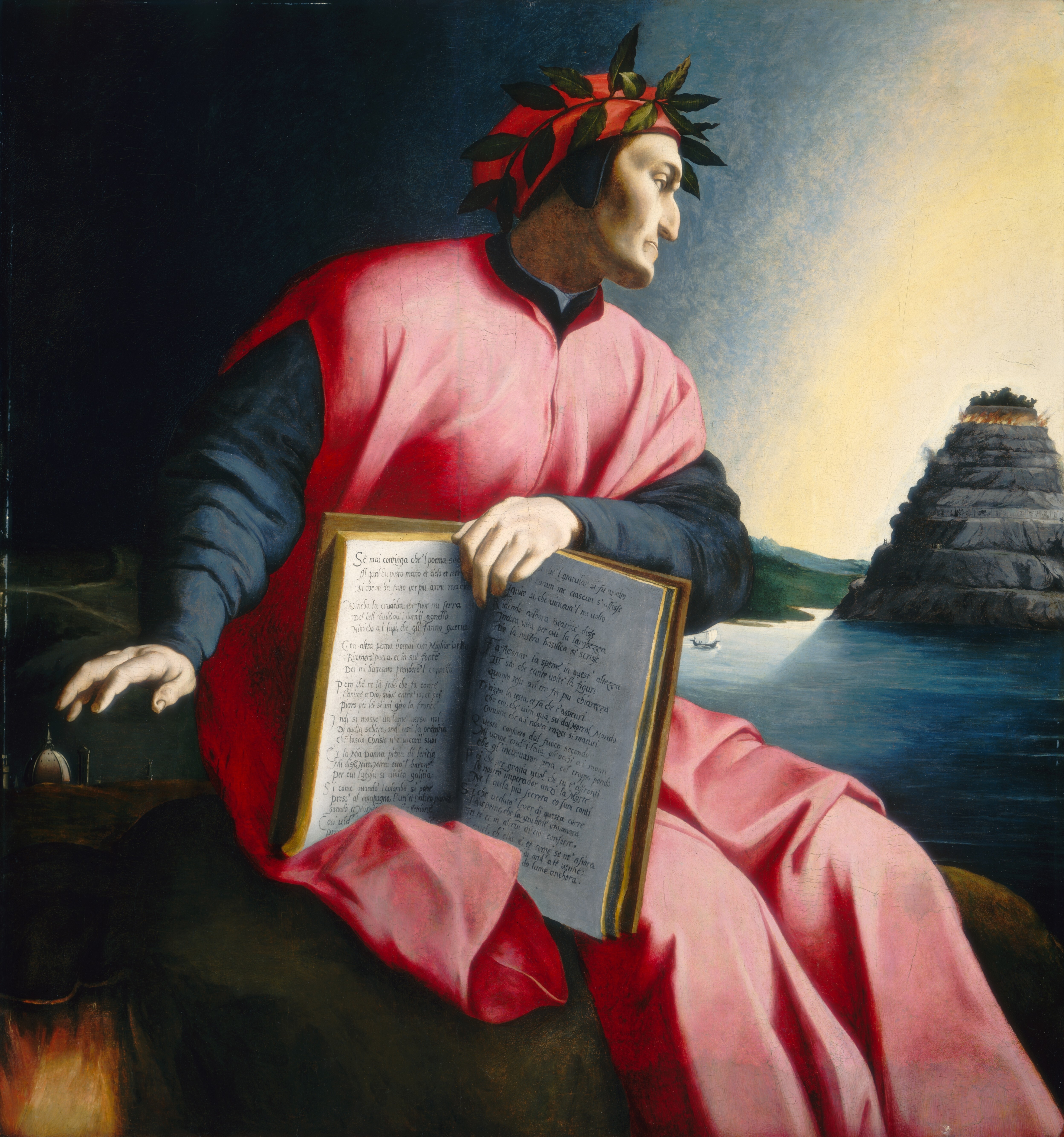
The Ancients and Medievals: Homer is the attributed author of the ancient Greek epic poem "The Iliad" and the ancient Greek epic poem "The Odyssey". These establish the foundational archetypes of Western storytelling. Greek drama formalized civic discourse when Sophocles wrote the ancient Greek tragedy "Oedipus Rex" and the ancient Greek tragedy "Antigone". Moving to the Middle Ages, Dante Alighieri wrote the epic poem "The Divine Comedy". This is the preeminent work of Italian medieval literature, a structured architectural marvel mapping the afterlife.
The European Masters: Miguel de Cervantes wrote the Spanish novel "Don Quixote", a work so structurally self-aware that "Don Quixote" is widely regarded as the first modern European novel.
In the 19th century, Victor Hugo wrote the massive French novel "Les Misérables". Russian heavyweights defined the psychological and historical epic: Leo Tolstoy wrote the Russian novel "War and Peace" and the Russian novel "Anna Karenina", while Fyodor Dostoevsky explored morality and madness when he wrote the Russian novel "Crime and Punishment" and the Russian novel "The Brothers Karamazov".
Theatrical Innovation: Henrik Ibsen wrote the Norwegian play "A Doll's House". Teach this as a revolution: "A Doll's House" by Henrik Ibsen is a landmark play in the development of theatrical realism. When Nora slams the door at the end of the play, it was a sound that shocked audiences globally, discarding melodrama for raw domestic reality.
20th Century Global Voices: The modern era brought philosophical and cultural shifts. Franz Kafka wrote the German-language novella "The Metamorphosis", turning alienation into literal physical transformation. Albert Camus wrote the French philosophical novel "The Stranger", defining absurdism.
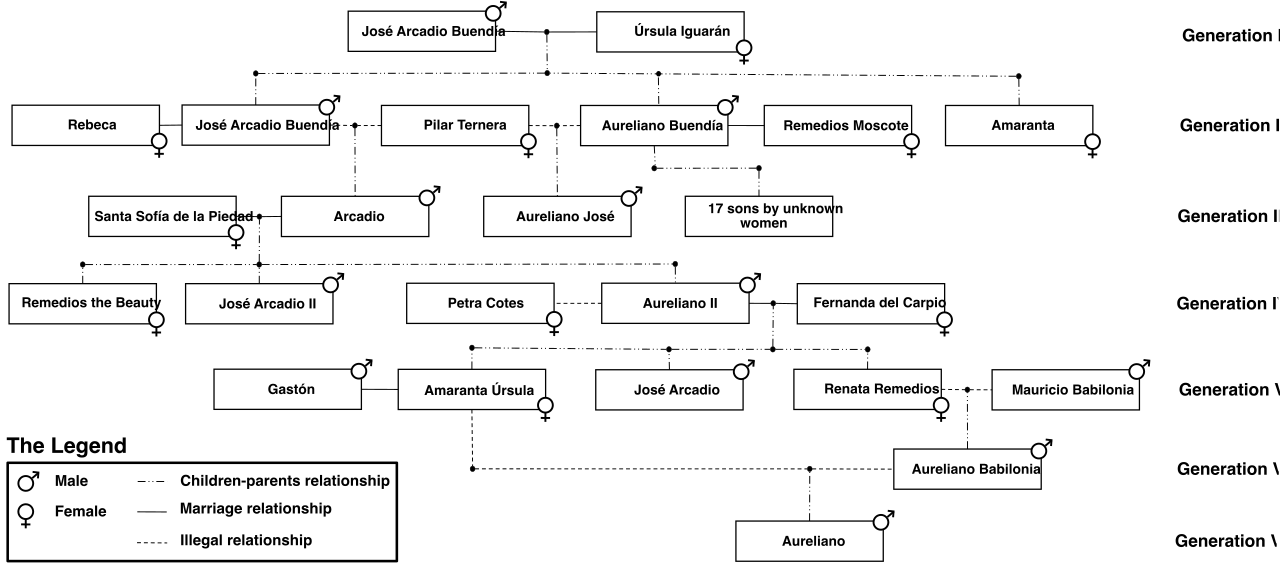
In Latin America, Jorge Luis Borges wrote the Argentine short story collection "Ficciones", playing with labyrinths and infinity. Gabriel García Márquez wrote the Colombian novel "One Hundred Years of Solitude". "One Hundred Years of Solitude" by Gabriel García Márquez is a defining work of magical realism, treating the supernatural as mundane to reflect the complex reality of Latin American history.
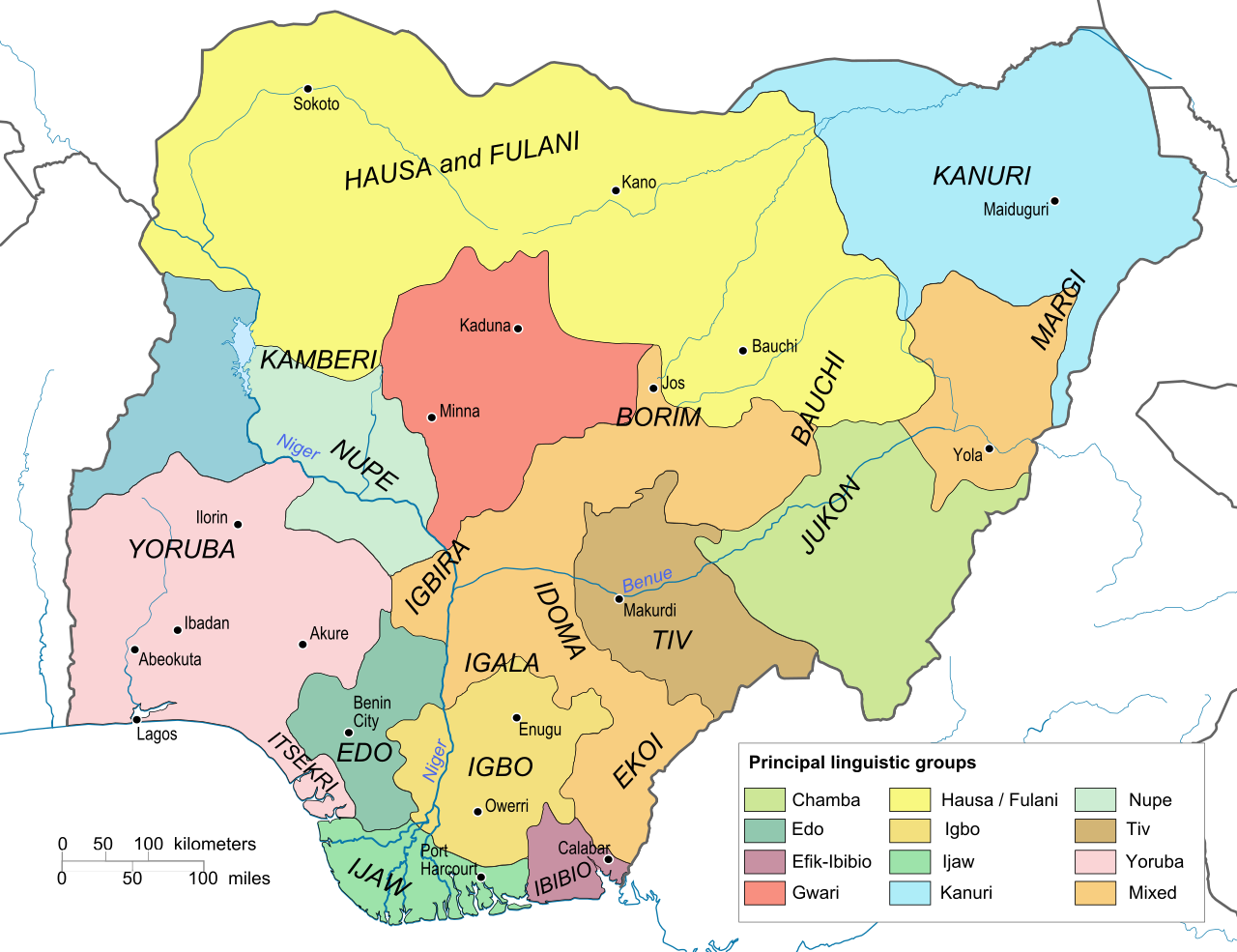
In Africa, Chinua Achebe wrote the Nigerian novel "Things Fall Apart". This is essential reading because "Things Fall Apart" by Chinua Achebe is a foundational text of postcolonial African literature, reclaiming the African narrative from European colonial perspectives.
In contemporary global literature, Haruki Murakami wrote the Japanese novel "Kafka on the Shore", blending pop culture with surreal metaphysical quests.
For a secondary English teacher, Young Adult (YA) literature is your most vital tool. It is not "lesser" literature; it is the critical bridge that moves a 14-year-old from reading for compliance to reading for identity.
The Genesis of YA: S.E. Hinton wrote the young adult novel "The Outsiders". You must know that "The Outsiders" by S.E. Hinton is widely credited with establishing the modern young adult fiction genre. It was revolutionary because it was written by a teenager, about teenagers, dealing with authentic class struggle and violence, absent of moralizing adult authorities.
Dystopia, Sci-Fi, and Fantasy: Adolescence feels like navigating a hostile, rule-bound world, which is why dystopia and fantasy resonate so deeply.
- Madeleine L'Engle wrote the young adult science fiction novel "A Wrinkle in Time", merging quantum physics with adolescent insecurity.
- Lois Lowry wrote the young adult dystopian novel "The Giver", introducing middle-schoolers to the terror of a utopian, emotionless society.
- J.K. Rowling wrote the young adult fantasy series "Harry Potter", defining a generation's reading habits.
- Suzanne Collins wrote the young adult dystopian novel "The Hunger Games", combining sharp critiques of reality television, inequality, and war into high-octane narrative.
Historical and Realistic YA: When exploring history and trauma, YA literature pulls no punches. Mildred D. Taylor wrote the young adult novel "Roll of Thunder, Hear My Cry", offering a visceral, family-centered view of the Jim Crow South. Markus Zusak wrote the young adult historical novel "The Book Thief", using Death as a narrator to explore humanity in Nazi Germany.
For contemporary realism, trauma, and identity:
- Laurie Halse Anderson wrote the young adult novel "Speak", a groundbreaking text on sexual assault and finding one's voice.
- John Green wrote the young adult novel "The Fault in Our Stars", validating the intellectual and emotional depth of dying teenagers.
- Sherman Alexie wrote the young adult novel "The Absolutely True Diary of a Part-Time Indian", balancing humor and profound grief on the Spokane Indian Reservation.
- Jason Reynolds wrote the young adult novel "Long Way Down", using free verse in a masterful elevator ride to explore the cycle of gun violence.
- Angie Thomas wrote the young adult novel "The Hate U Give", seamlessly translating the complexities of the Black Lives Matter movement and code-switching into an urgently readable narrative.
As you step into your classroom, remember: your mastery of this content knowledge isn't just to pass an exam. It is to ensure that when a student asks, "Why do I have to read this?", you possess the intellectual depth and the pedagogical fire to show them exactly how these words built the world they live in today.