Historical, Cultural, and Literary Contexts
Not sure you’re ready?
Take the ~3-minute readiness diagnostic and see where you stand.
To read a piece of literature stripped of its context is like observing a single gear turning in empty space. You can easily count its teeth and track its rotation, but you cannot understand its purpose until you see the larger machine it drives—and the machine that drives it. For the aspiring secondary English teacher, the task is not merely to train students to decode metaphors or parse complex syntax; it is to teach them to read the world that produced those words. Every major literary work is an embedded artifact, capturing the prevailing zeitgeist—the defining cultural spirit or mood of a particular period in history.
When your students encounter a difficult text, their comprehension hinges on their ability to locate that text along three distinct axes:
The Three Axes of Context
- Historical context encompasses the political events, the economic conditions, and the social conditions present during the creation of a literary work.
- Cultural context encompasses the prevailing religious beliefs and the social customs of the society in which a literary work was produced.
- Literary context refers to the specific literary movements and the genre conventions that shape a specific text.
Understanding these contexts is not about memorizing a timeline; it is about recognizing the physics of human expression. Every literary movement is a direct reaction to the one that preceded it—a pendulum swinging between reason and emotion, society and the individual, tradition and rebellion. Let us observe how this pendulum swings through the literary canon you will soon teach.
We begin with the British literary tradition, a continuous dialogue stretching back over a millennium.
The Old and Middle English Periods
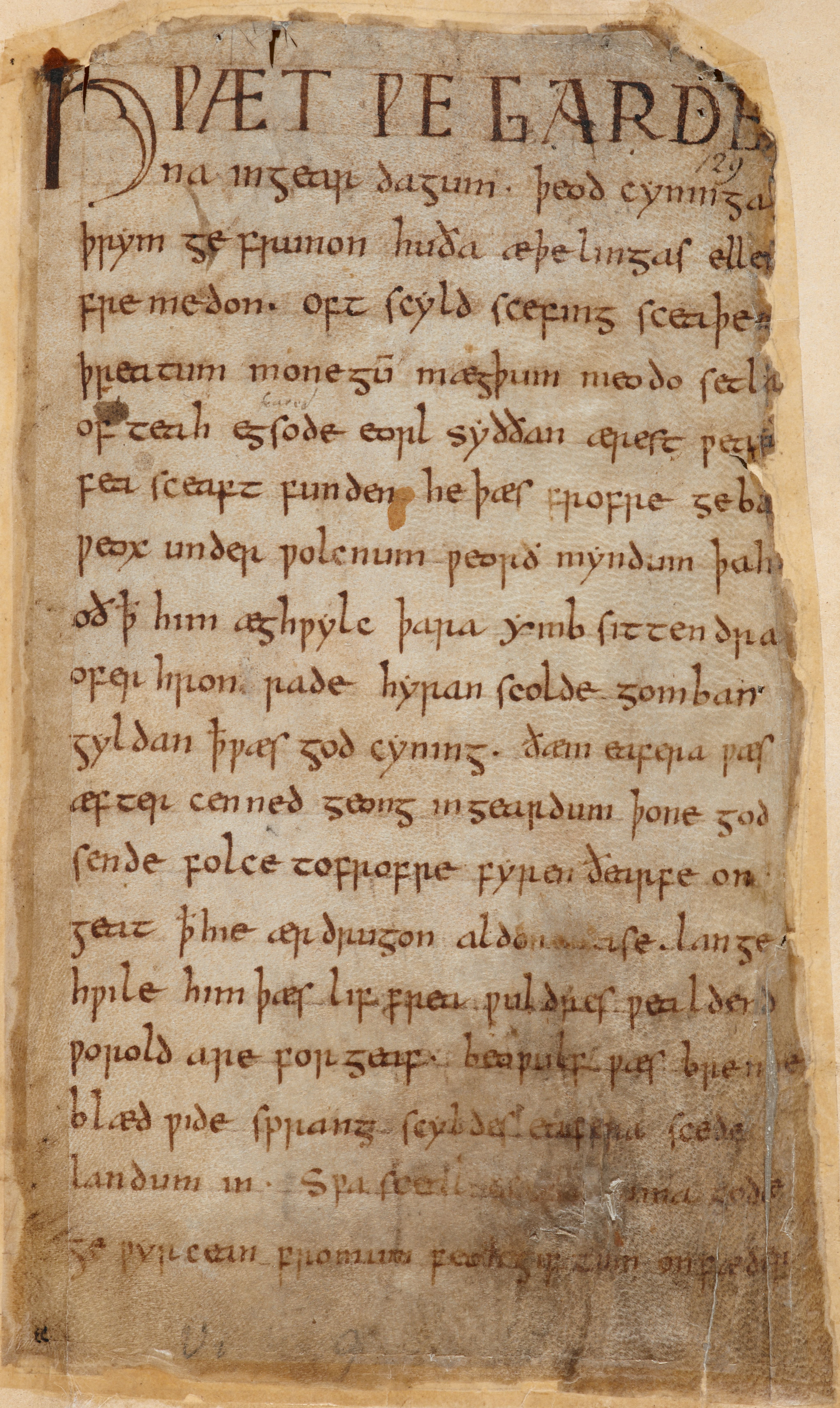
At the foundation of this tradition is Old English literature. The defining text here is "Beowulf", a foundational epic poem of the Old English period. To understand "Beowulf", your students must grasp its unique cultural friction. Old English literature frequently portrays traditional pagan warrior values—blood debts, physical prowess, and loyalty to the chieftain. Yet, because these texts were transcribed by monks, Old English literature often infuses traditional oral epics with Christian morality, creating a fascinating overlay of humility and divine providence upon a violent, pagan world.
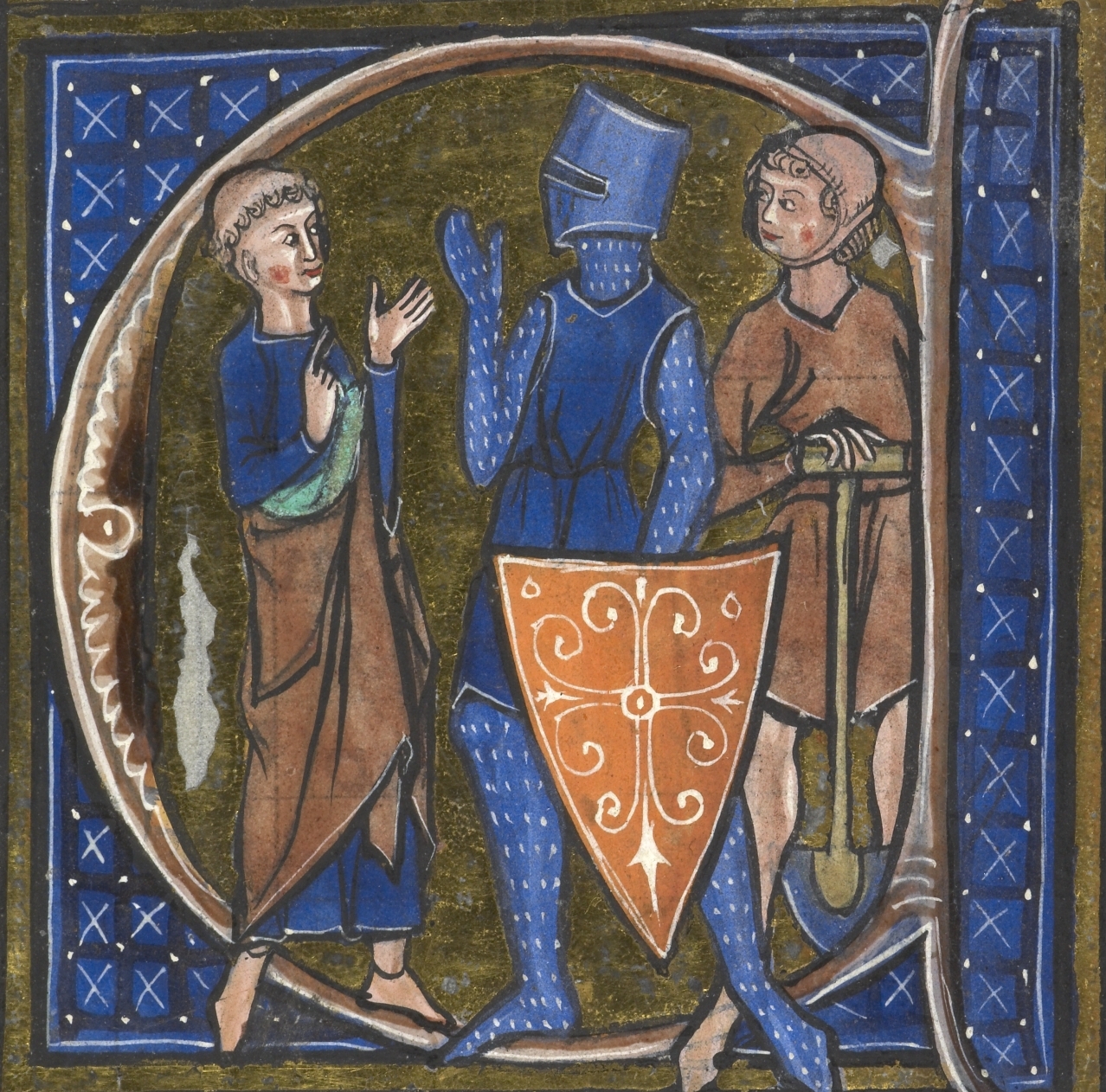
By the time we reach the Middle English period, the linguistic and social landscape had fundamentally shifted. Geoffrey Chaucer’s "The Canterbury Tales" was written during this era. Its literary and historical genius lies in how "The Canterbury Tales" reflects the strict social stratification of the fourteenth-century English estates. Through his pilgrims, Chaucer captures the precise social conditions of a world strictly divided into those who pray (the clergy), those who fight (the nobility), and those who work (the peasantry).
The Renaissance and the Restoration
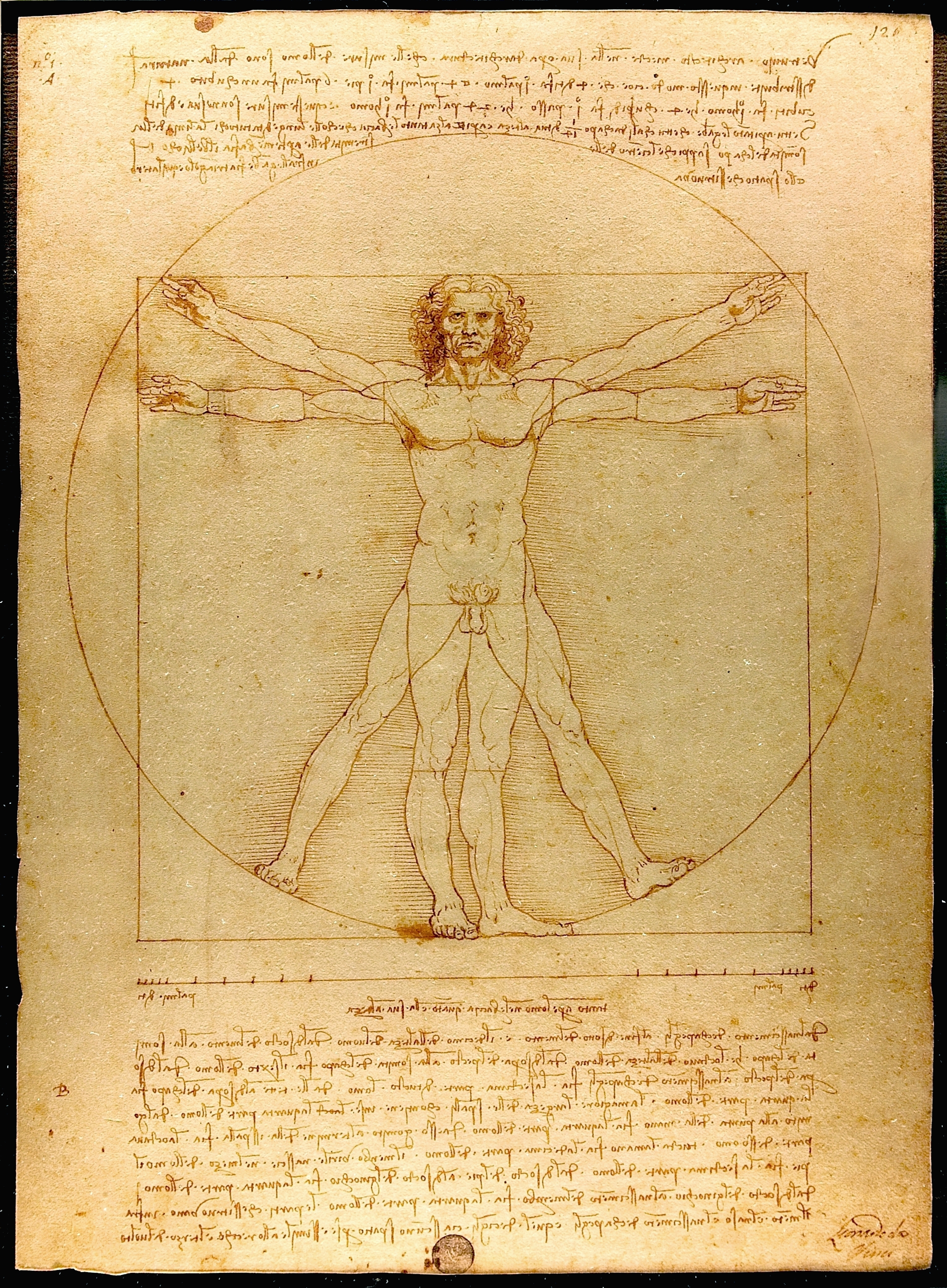
The pendulum then swings toward human capability. The English Renaissance spanned the late fifteenth to the early seventeenth century. English Renaissance literature focuses heavily on the philosophy of humanism and celebrates the creative potential of the individual. It is within this explosive cultural context that William Shakespeare wrote his plays, specifically during the Elizabethan and Jacobean eras.
Following a period of severe Puritan rule, the monarchy was restored, and so was the theater. The Restoration period in English literature began in 1660. Because the theaters had been starved for entertainment, Restoration comedies frequently satirize the manners of contemporary upper-class society. The genre conventions shifted toward sharp wit, sexual politics, and the social customs of the elite.
The Age of Reason vs. The Age of Emotion
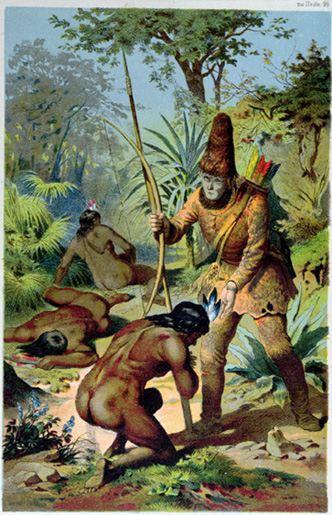
As Britain built an empire, its literature sought order and classical perfection. The Neoclassical period in British literature drew heavily upon classical Greek artistic models and classical Roman artistic models. Primary figures of the British Neoclassical period include Alexander Pope and Jonathan Swift. Furthermore, as the empire expanded, literature absorbed the economic conditions and political events of global trade. Daniel Defoe’s "Robinson Crusoe" is a prime example, as it fundamentally reflects the colonialist mindset of early eighteenth-century Britain.
But human beings cannot live on cold reason alone. In the late eighteenth century, British Romanticism emerged as a fiery reaction.
| The Neoclassical Era (The Thesis) | British Romanticism (The Antithesis) |
|---|---|
| Valued strict Enlightenment rationalism. | Prioritizes individual emotion over strict Enlightenment rationalism. |
| Viewed nature as a resource to be categorized. | Emphasizes the sublime power of the natural world. |
| Relied on classical Greek and Roman models. | Sought raw, unvarnished human experience. |
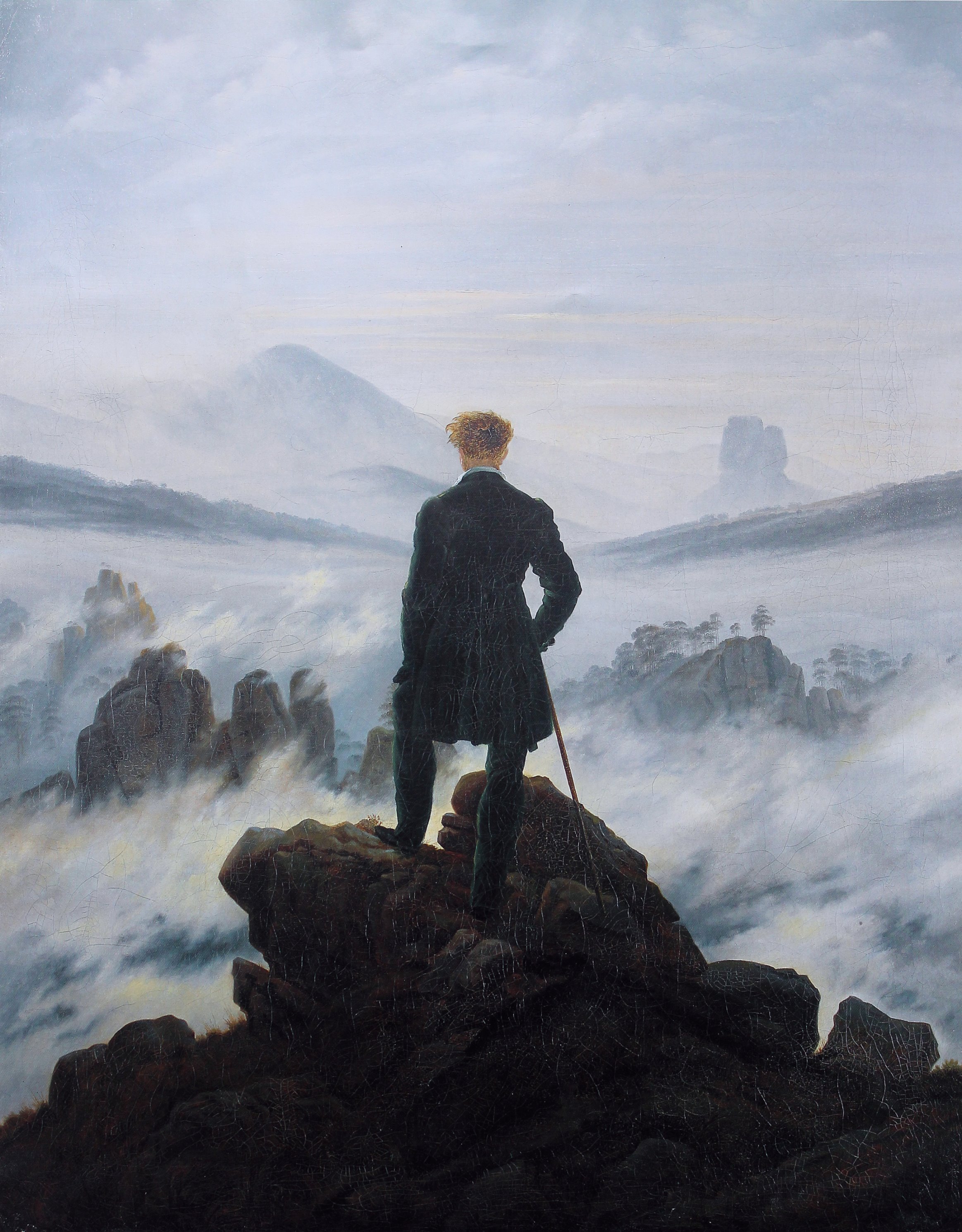
William Wordsworth is a founding figure of the British Romantic movement. Alongside Samuel Taylor Coleridge, he co-authored the poetry collection "Lyrical Ballads". The publication of "Lyrical Ballads" marked the formal beginning of the English Romantic movement in literature. The Romantics viewed extreme rationality as deeply dangerous. This cultural anxiety is perfectly crystallized in Mary Shelley’s "Frankenstein", a novel that critiques the unchecked scientific ambition characteristic of the Enlightenment.
The Victorians and the Modernists
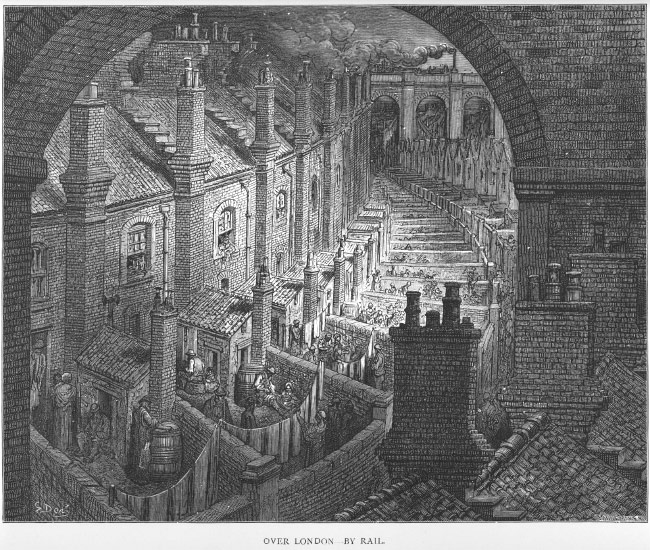
The Victorian era of British literature coincides with the reign of Queen Victoria from 1837 to 1901. This was a time of unprecedented technological and societal change. Victorian literature frequently explores the societal conflict between traditional religion and rapid scientific advancement. Furthermore, the economic realities of the era provided rich, grim material for novelists. Charles Dickens’s novels vividly highlight the widespread social injustices resulting from the Industrial Revolution.
Then came the shattering of the old world. British Modernism emerged in the early twentieth century alongside the devastation of World War I. The political events of the Great War destroyed the Victorian belief in steady, rational progress. As a result, Modernist literature employs fragmented narratives to reflect a highly disillusioned worldview. The very structure of the novel changed. Modernist literature frequently utilizes the stream of consciousness narrative technique to mimic the chaotic, non-linear reality of human thought. Virginia Woolf’s "Mrs. Dalloway" is a defining text of British Modernism, just as James Joyce’s "Ulysses" utilizes stream of consciousness to represent the Modernist experience.
American literature follows its own distinct pendulum, characterized by a constant search for a unique national identity.
Indigenous Roots and Colonial Beginnings
Before European contact, the continent possessed a rich literary tradition. Traditional Native American literature consists largely of passed-down oral histories and frequently utilizes foundational creation myths. A crucial piece of cultural context here is that Native American oral traditions frequently emphasize a deep spiritual connection to the natural world.
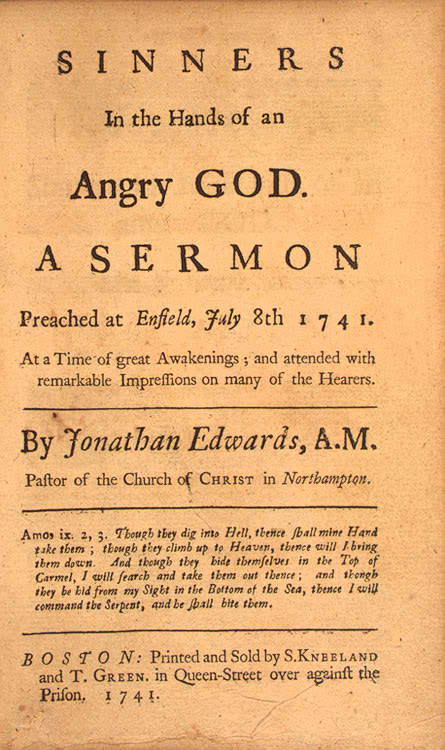
When Europeans arrived, the literary focus shifted entirely to survival and salvation. Early American Colonial literature frequently served as direct religious instruction and often functioned as historical documentation of European settlement. Anne Bradstreet and Jonathan Edwards are prominent authors of the American Colonial period. By the early eighteenth century, a series of religious revivals known as the Great Awakening swept the North American colonies. Texts from the Great Awakening—like Edwards's sermons—often feature intense emotional appeals to encourage Christian religious conversion.
The American Enlightenment and Romanticism
As the colonies moved toward revolution, the focus shifted from heaven to earth. The American Enlightenment prioritized scientific inquiry over strict religious doctrine. Thomas Paine’s "Common Sense" is a defining political pamphlet of the American Enlightenment, utilizing pure logical rhetoric to justify political independence.
Just as in Britain, America experienced a Romantic backlash. American Romanticism emerged in the early nineteenth century, emphasizing the value of human intuition over pure analytical reason and promoting a strong belief in the inherent goodness of the individual.
From this sprang Transcendentalism, a philosophical movement within American Romanticism. Transcendentalist literature heavily advocates for strict personal self-reliance and asserts the inherent divinity of the natural environment. Ralph Waldo Emerson is a central philosophical figure of American Transcendentalism, alongside Henry David Thoreau, who is another central figure of the movement. Walt Whitman’s "Leaves of Grass" absorbed this spirit and broke traditional poetic boundaries in nineteenth-century America, creating a sprawling, free-verse celebration of the self.
Not all Romantics were optimistic. Gothic literature is considered a dark subgenre of Romanticism. Rather than celebrating the inherent goodness of humanity, Gothic literature heavily utilizes thematic elements of psychological fear and physical horror, frequently featuring atmospheric settings characterized by death and gloom. Edgar Allan Poe is a defining author of American Gothic literature.
Voices of the Marginalized
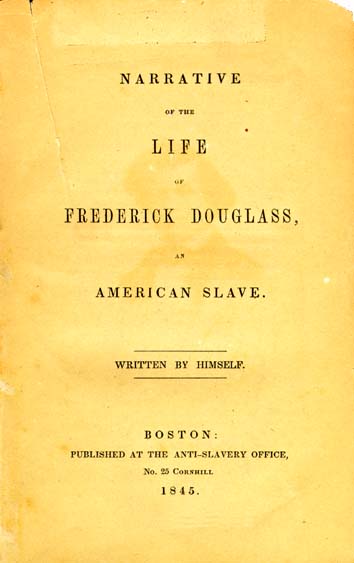
To teach American literature accurately, you must expose students to the voices of those denied the "inherent goodness" promised by the Romantics. The slave narrative is a literary genre consisting of written accounts by enslaved Africans. Frederick Douglass published a foundational American slave narrative autobiographical text in 1845, using his mastery of rhetoric to dismantle the economic and social justifications for slavery. Harriet Jacobs’s "Incidents in the Life of a Slave Girl" expands this context, specifically highlighting the specific sexual abuses faced by enslaved women.
Later in the century, female authors began pushing against the social customs of the era. Kate Chopin’s "The Awakening" explores female sexuality and independence in late nineteenth-century America, while Charlotte Perkins Gilman’s "The Yellow Wallpaper" critiques the oppressive patriarchal medical practices of the late nineteenth century.
Realism and Naturalism
Following the brutality of the American Civil War, writers abandoned the idealism of the Romantics. American Realism emerged in the late nineteenth century as a reaction against Romantic idealism. American Realism attempts to depict everyday middle-class life with unvarnished accuracy, and Mark Twain’s works are foundational texts of the American Realism movement.
Realism eventually evolved into a much bleaker philosophy. Naturalism is a late nineteenth-century literary offshoot of Realism.
The Core Tenets of Naturalism Naturalist literature posits that human beings are shaped by hereditary biological forces beyond their control, AND that human beings are shaped by harsh environmental forces beyond their control. There is no divine intervention; we are animals surviving in an indifferent universe.
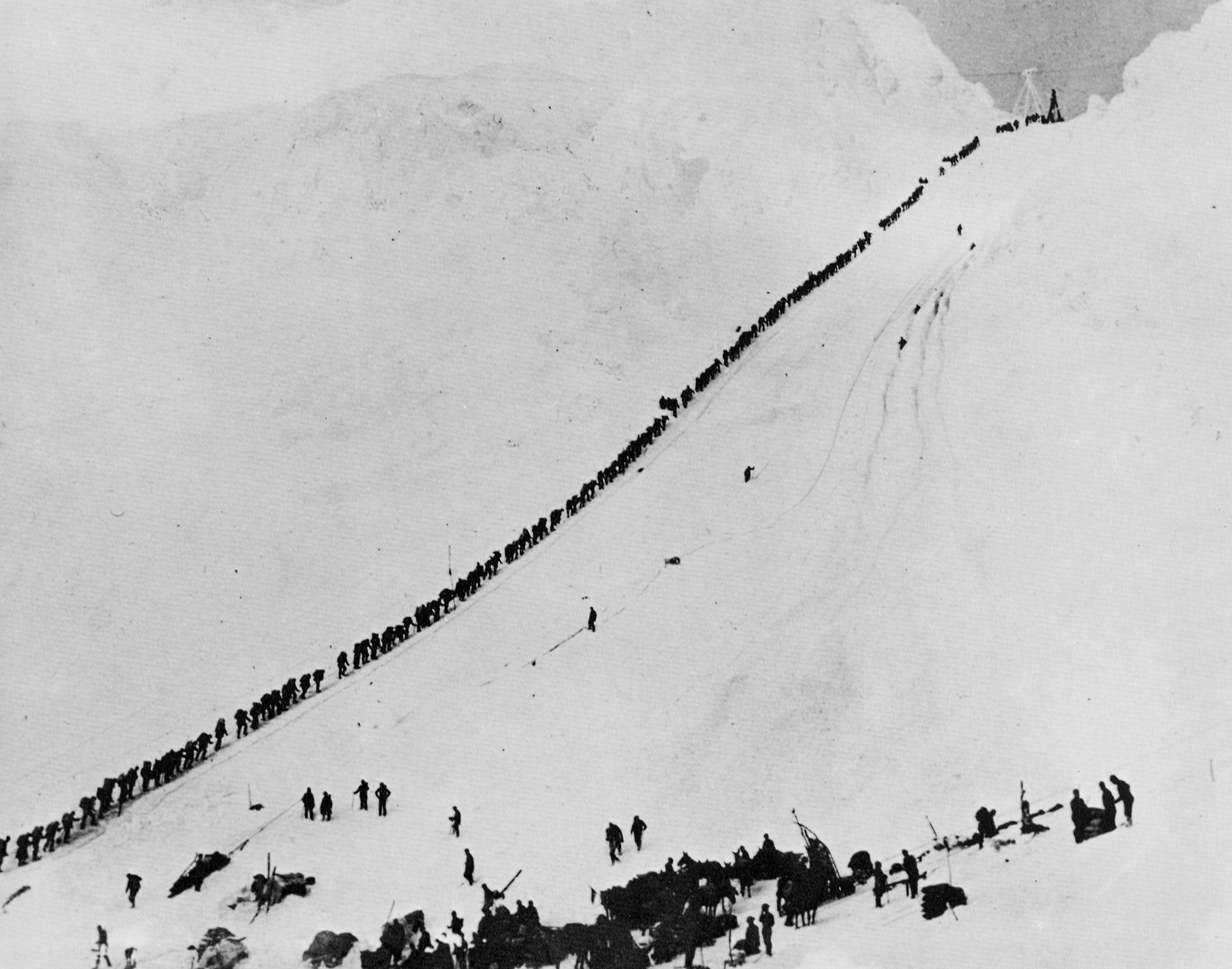
Stephen Crane and Jack London are prominent authors of the American Naturalism movement, dropping their characters into brutal wars and freezing wildernesses to prove this exact point.
The Tumultuous Twentieth Century
The 1920s brought two massive literary movements to the forefront. The Harlem Renaissance was an explosion of African American cultural expression in the 1920s. Langston Hughes and Zora Neale Hurston are key literary figures of the Harlem Renaissance. Harlem Renaissance literature frequently addresses the harsh realities of systemic racism in America while simultaneously frequently celebrating distinct Black cultural identity.
Concurrently, white American writers who came of age during World War I became known as the Lost Generation. F. Scott Fitzgerald and Ernest Hemingway are notable authors of the Lost Generation. Lost Generation literature often critiques the vacuous materialist culture of the Roaring Twenties, exposing the emptiness beneath the era's wealth.
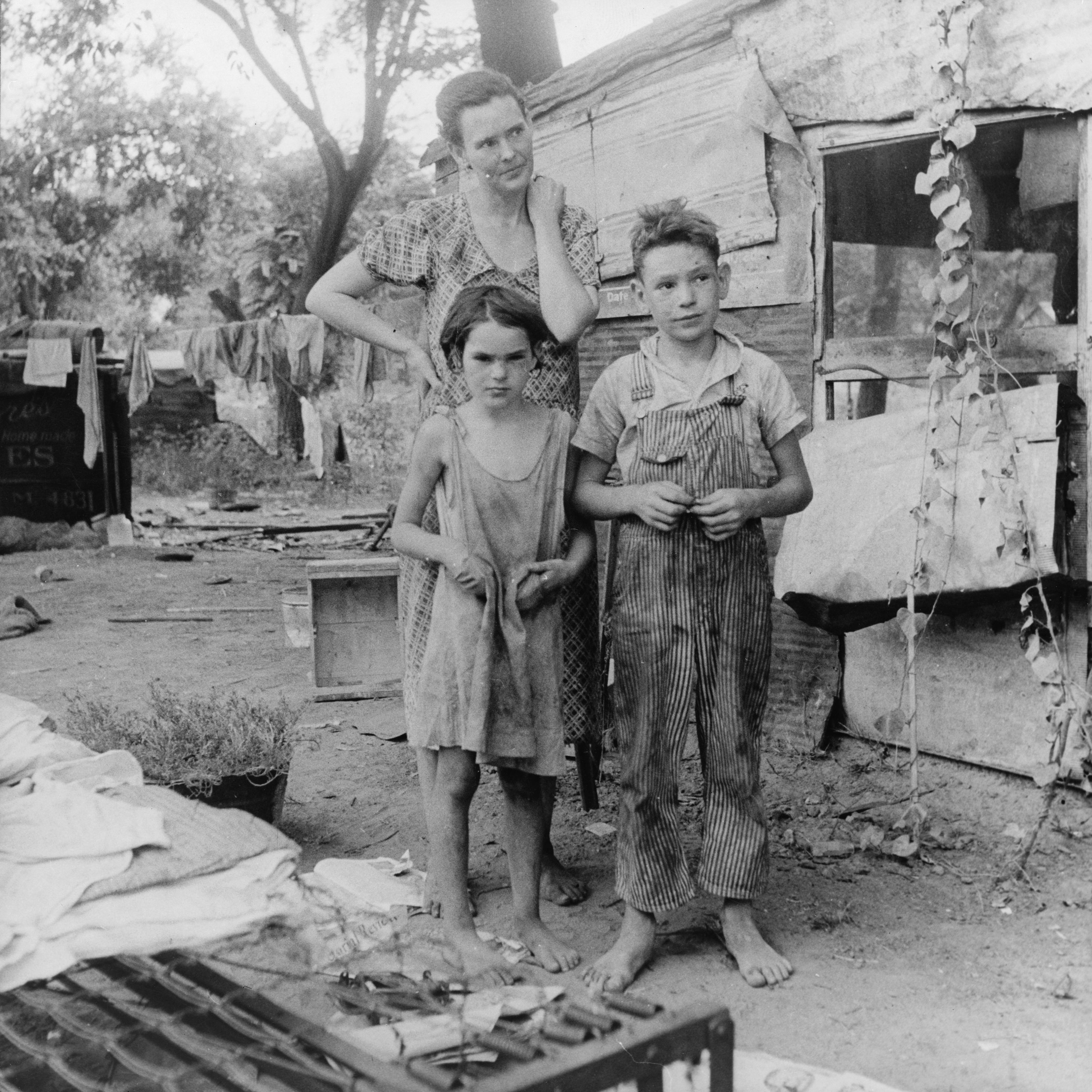
When that wealth collapsed, the literary focus shifted to pure survival. John Steinbeck’s "The Grapes of Wrath" serves as the definitive text of the 1930s because it accurately depicts the extreme economic hardships of the Great Depression.
After World War II, a new counterculture arose. The Beat Generation was a literary movement exploring American counterculture in the post-World War II era. Jack Kerouac is a central figure of the Beat Generation, and Beat Generation literature generally rejects conventional middle-class societal norms.
By the time we reach the late twentieth century, the very fabric of truth was being questioned. Postmodernism is a late twentieth-century movement in the arts and literature. Kurt Vonnegut is a prominent author of American Postmodern literature.
To teach Postmodernism, you must help your students understand three vital genre conventions:
- Postmodern literature frequently utilizes severe narrative fragmentation.
- Postmodern literature heavily employs unreliable narrators to question the existence of objective truth.
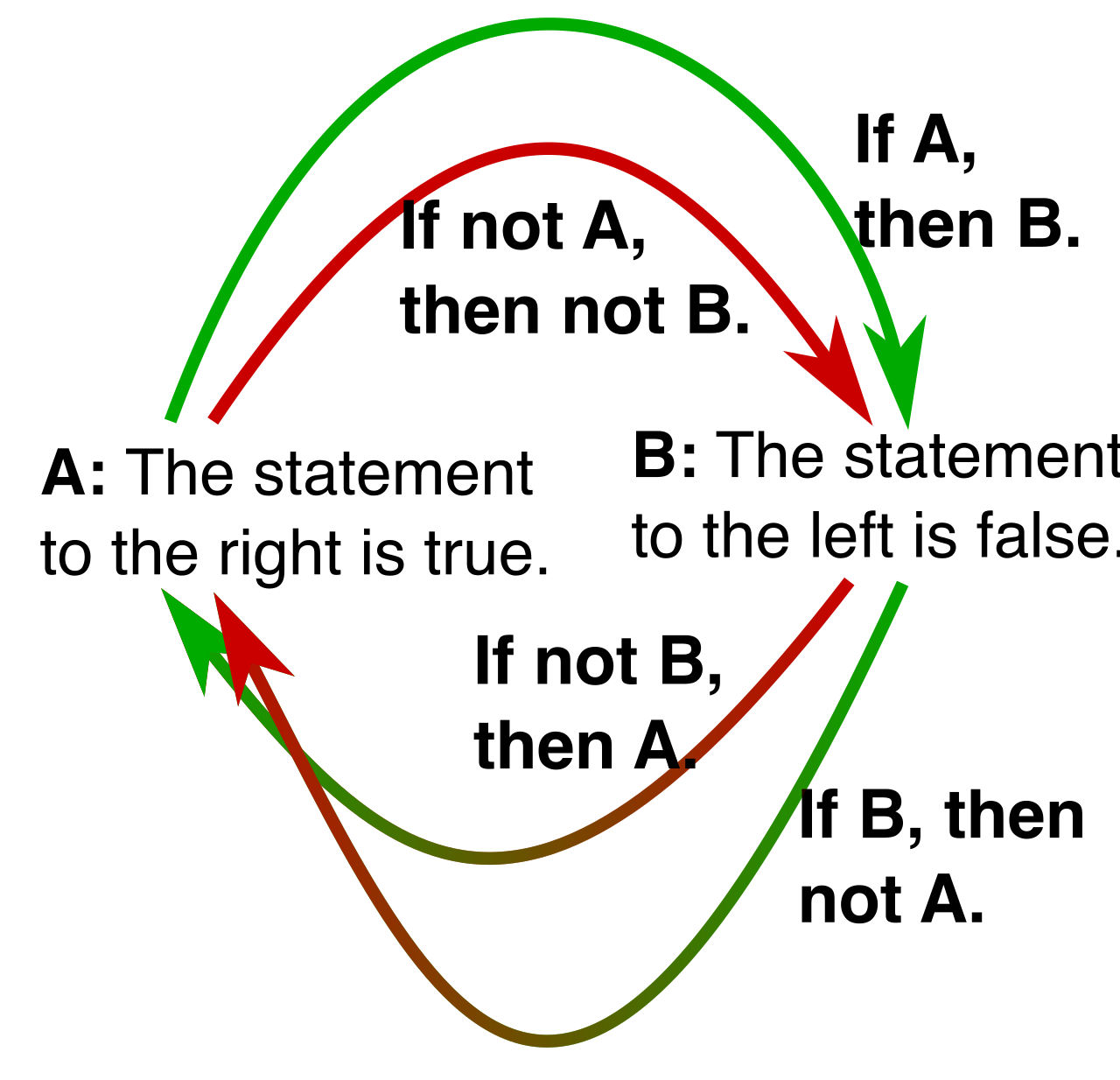
- Postmodern literature embraces logical paradoxes to disrupt traditional literary meaning.
While British and American timelines dominate the ELA curriculum, literature is a global phenomenon with deep roots and sprawling branches.
Classical Greek literature established the foundational Western literary form of the epic poem (like Homer's works) and created the foundational Western literary form of tragic drama.
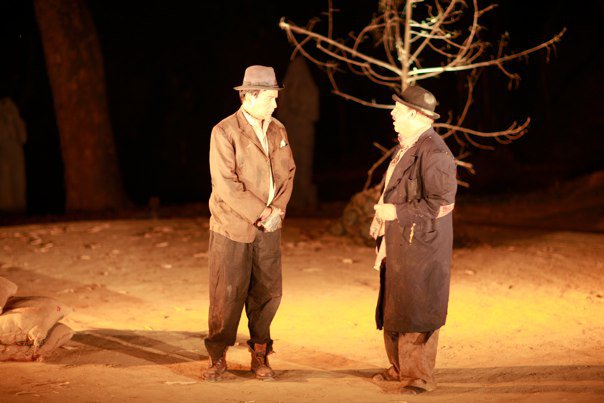
In the modern era, Existentialist literature built upon the devastation of the 20th century, exploring the subjective experience of individual freedom and responsibility in a universe devoid of inherent meaning. This philosophical bedrock gave rise to the Theater of the Absurd, a post-World War II designation for plays expressing the inherent meaninglessness of human existence. Samuel Beckett’s "Waiting for Godot" is a primary dramatic example of the Theater of the Absurd.
On a geopolitical scale, Post-colonial literature explores the long-term cultural impacts of European imperialism on colonized nations. Chinua Achebe’s "Things Fall Apart" is a defining work of post-colonial African literature, showing the internal collapse of a society under colonial pressure. Similarly, Magical Realism is a literary mode heavily associated with twentieth-century Latin American literature. Gabriel García Márquez is a central pioneer of the Magical Realism literary movement, which incorporates fantastical elements into otherwise mundane settings without explanation.
American drama and fiction in the 20th century also mastered the art of embedding history into narrative. Arthur Miller’s play "The Crucible" brilliantly uses the Salem witch trials as an allegory for 1950s McCarthyism. Lorraine Hansberry’s "A Raisin in the Sun" depicts the intense racial housing segregation faced by African Americans in mid-twentieth-century Chicago. Looking back to the trauma of the nation's origins, Toni Morrison’s novel "Beloved" explores the devastating intergenerational psychological legacy of American slavery.
Finally, as an ELA teacher, you must equip your students to analyze informational and non-fiction texts. In the late twentieth century, the rigid boundaries between journalism and the novel began to dissolve.
Literary nonfiction emerged, a genre that utilizes the pacing and narrative techniques of fiction to recount true events. Truman Capote’s "In Cold Blood" is a pioneering work of the nonfiction novel genre. Capote applied the deep characterization and atmospheric setting of a psychological thriller to a real-world murder. This methodology opened the floodgates for the New Journalism movement of the 1960s, which deliberately incorporated subjective perspectives into factual nonfiction reporting. Journalists no longer pretended to be objective flies on the wall; their personal experience of the zeitgeist became part of the story itself.

When you teach these texts, you are not merely assigning reading. You are handing your students a chronometer and a compass. By teaching them to map the historical, cultural, and literary contexts of a work, you empower them to see that every author is a person sitting in a specific room, in a specific year, fighting against or arguing for the very conditions of the world outside their window.