Research-Based Approaches to Teaching Writing
Not sure you’re ready?
Take the ~3-minute readiness diagnostic and see where you stand.
Consider the sheer cognitive load required for an adolescent to compose a single, effective paragraph. They must simultaneously generate ideas, select precise vocabulary, marshal syntactic rules, anticipate an audience’s objections, and physically type or form letters. Teaching a student to write is akin to teaching them to conduct a symphony while playing three of the instruments themselves. For decades, English education was plagued by a romantic myth: the idea that if we simply surround students with great literature and give them a prompt, they will naturally absorb the ability to write.
Modern educational research has entirely dismantled this myth. Writing is not a naturally acquired trait like spoken language; it is a highly artificial, intensely deliberate technology. As an English Language Arts teacher, your job is not to wait for a student's "muse" to arrive, but to act as a cognitive engineer. You must deconstruct the invisible mental processes of expert writers and teach them explicitly to novices.
The turning point in modern writing instruction arrived with the 2007 "Writing Next" report by Steve Graham and Dolores Perin. Commissioned by the Carnegie Corporation, this landmark meta-analysis rigorously reviewed 142 experimental and quasi-experimental studies on adolescent writing instruction to determine what actually works.
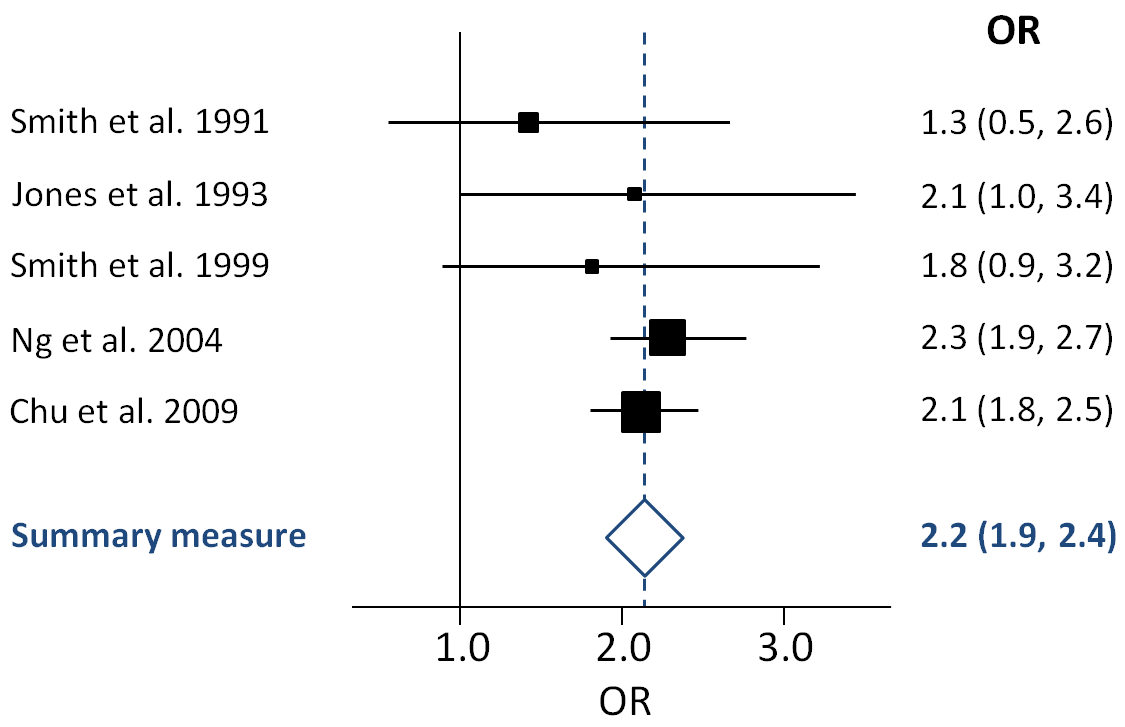
The resulting report identifies eleven evidence-based strategies for improving adolescent writing. Among its findings, two elements stand out for their profound classroom implications:
- Explicit writing strategy instruction was identified as the instructional element with the highest effect size for improving adolescent writing.
- Even technological tools were shown to have a measurable impact; the report identifies word processing software as an instructional element with a statistically significant positive effect on writing quality, primarily because it reduces the friction of the revision process.
Why This Matters: The Writing Next report proved that hope is not a strategy. The highest dividends in writing instruction come from purposefully pulling back the curtain on how texts are made.
To teach writing effectively, you must embrace two foundational concepts that work in tandem:
- Explicit writing instruction involves direct, step-by-step teaching of specific writing skills rather than relying on natural acquisition. You do not merely assign a narrative; you directly teach the mechanics of dialogue.
- Systematic writing instruction organizes lessons in a logical sequence building from foundational skills to complex tasks. You do not ask a student to write an analytical essay before they have mastered the analytical paragraph.
When we apply this to the writing process, we engage in writing strategy instruction, which explicitly teaches students deliberate processes for planning compositions, explicitly teaches students deliberate processes for revising compositions, and explicitly teaches students deliberate processes for editing compositions.
How do we actually deliver explicit strategy instruction? The gold standard in the ELA classroom is Self-Regulated Strategy Development (SRSD).
SRSD is brilliant because it recognizes a fundamental truth: struggling writers don't just lack writing skills; they lack executive functioning. Therefore, SRSD combines explicit teaching of writing strategies with tools for managing student self-regulation. It actively incorporates three vital psychological concepts into writing instruction:
- Goal-setting: Giving students clear targets to aim for.
- Self-monitoring: Teaching students to track their own progress and behavior.
- Self-instruction: Teaching students to use internal dialogue (e.g., "What do I need to do next?") to guide their work.
The Six Explicit Stages of SRSD
SRSD systematically transitions a student from a complete novice to an independent writer through six explicit instructional stages:
| Stage | Action | Description |
|---|---|---|
| Stage 1 | Activate and Develop | The teacher must activate and develop student background knowledge. Students cannot write about what they do not know. |
| Stage 2 | Discuss | This stage involves discussing the target writing strategy with students, ensuring they understand the purpose and benefits of the approach. |
| Stage 3 | Model | This stage requires the teacher to model the target writing strategy, usually through "think-alouds" (demonstrating the cognitive process in real-time). |
| Stage 4 | Memorize | This stage requires students to memorize the steps of the writing strategy, often using mnemonics. |
| Stage 5 | Collaborate | This stage involves the teacher supporting the student in applying the writing strategy collaboratively, slowly fading assistance. |
| Stage 6 | Perform Independently | The final stage requires students to use the writing strategy independently across a variety of tasks. |
The Power of Mnemonics in SRSD During Stage 4, teachers frequently use mnemonic devices to help students internalize text structures. For example, the TREE mnemonic in Self-Regulated Strategy Development stands for:
- Topic sentence
- Reasons
- Explain reasons
- Ending
To effectively move students through stages of independence, teachers must manipulate the cognitive load of a writing task. This is the essence of the Gradual Release of Responsibility model, which systematically transitions the cognitive load of a writing task from the teacher to the student (often summarized as I do, We do, You do).
The Art of Modeling
You cannot teach writing merely by showing students a finished product. Think-aloud modeling requires the teacher to verbalize internal decision-making processes while composing a text in front of students.
- Example: Standing at the whiteboard, you say: "I want to argue that Macbeth is driven by his wife, but I also need to acknowledge his own ambition. Let me try a complex sentence starting with 'Although...' No, that feels too clunky. Let me try..." This shows students that writing is a messy, iterative process of choices.
Simultaneously, the study of writing models involves analyzing exemplary texts (mentor texts) to identify specific structural choices for students to emulate, as well as analyzing exemplary texts to identify specific stylistic choices for students to emulate. You are teaching them to read like writers, stealing the architectural secrets of the professionals.
The Science of Scaffolding
Scaffolding in writing instruction uses temporary supports to help students achieve writing independence. Just as physical scaffolds are removed once a building can stand on its own, instructional scaffolds are eventually faded.
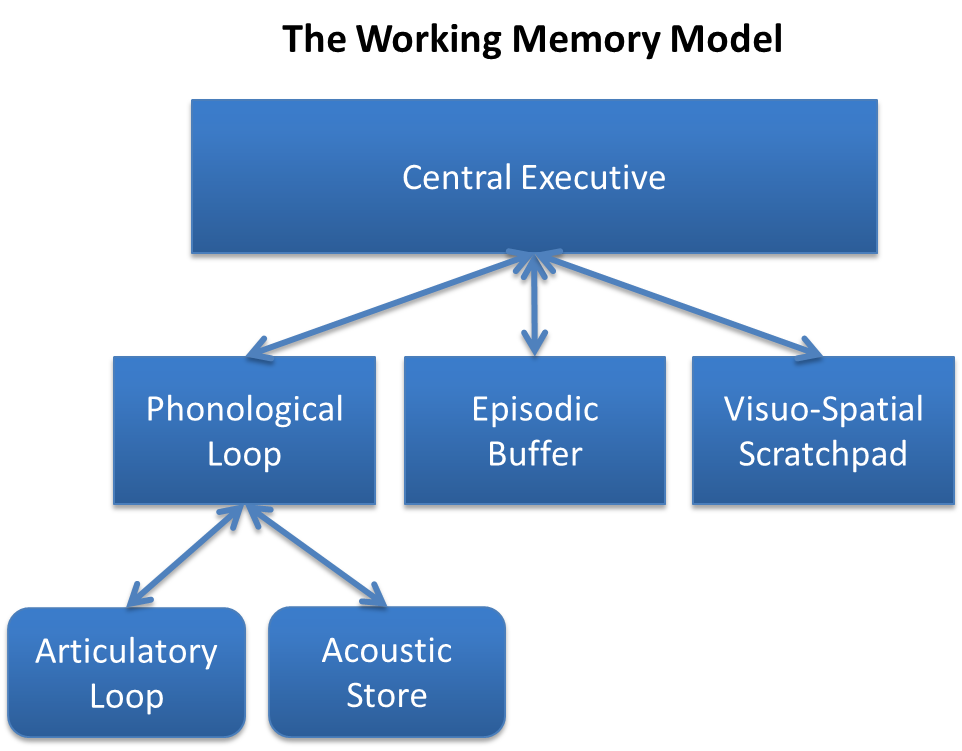
- Graphic Organizers: Scaffolding uses temporary supports like graphic organizers to structure student writing planning, reducing the working memory required to hold an outline in their heads.
- Sentence Frames: Scaffolding uses temporary supports like sentence frames (e.g., "While some argue that [X], the evidence clearly demonstrates [Y] because...") to provide struggling writers with syntactic scaffolding for expressing complex academic thoughts.
If explicit instruction is the engine, the classroom environment is the chassis. The modern ELA classroom relies heavily on the process writing approach, which shifts the focus from the final product to the act of creation itself.
The process writing approach does three crucial things:
- Provides students with extended classroom time for writing opportunities.
- Engages students in iterative drafting cycles, reinforcing that real writing requires revision.
- Encourages students to write for authentic audiences outside the classroom, which dramatically increases motivation and the natural desire to communicate clearly.
To execute the process approach efficiently, teachers utilize writing workshops. Writing workshops structure classroom time into three distinct phases:
- A brief teacher-led mini-lesson on a specific writing skill (e.g., punctuating dialogue).
- Extended periods of independent writing practice during class time.
- Dedicated time for teacher-student conferring during the active drafting process.
Beyond broad frameworks, research identifies specific tactical interventions that yield high returns in writing quality.
- Sentence Combining: Rather than just teaching grammar in isolation, sentence combining improves sentence variety by teaching students to merge short, simple sentences into longer syntactic structures. It is a highly effective, puzzle-like activity that builds syntactic fluency.
- Specific Product Goals: Telling a student to "write a good essay" is useless. Specific product goals improve writing outcomes by assigning measurable, concrete objectives for a composition (e.g., "Include three transitional phrases and two pieces of cited evidence").
- Collaborative Writing: Collaborative writing requires students to actively work together to draft compositions, and requires students to actively work together to revise compositions. This externalizes the writing process, forcing students to negotiate and articulate their rhetorical choices aloud.
- Inquiry Activities: You cannot write well about nothing. Inquiry activities improve writing quality by engaging students in analyzing concrete data to develop ideas and content prior to writing.
- Writing for Content Learning: Writing is not just a way to demonstrate knowledge; it is a way to construct knowledge. Writing for content learning utilizes writing tasks to deepen student understanding of specific subject matter material.
Different genres of writing demand distinctly different cognitive architectures. Your explicit instruction must adapt to the specific writing task.
1. Prewriting
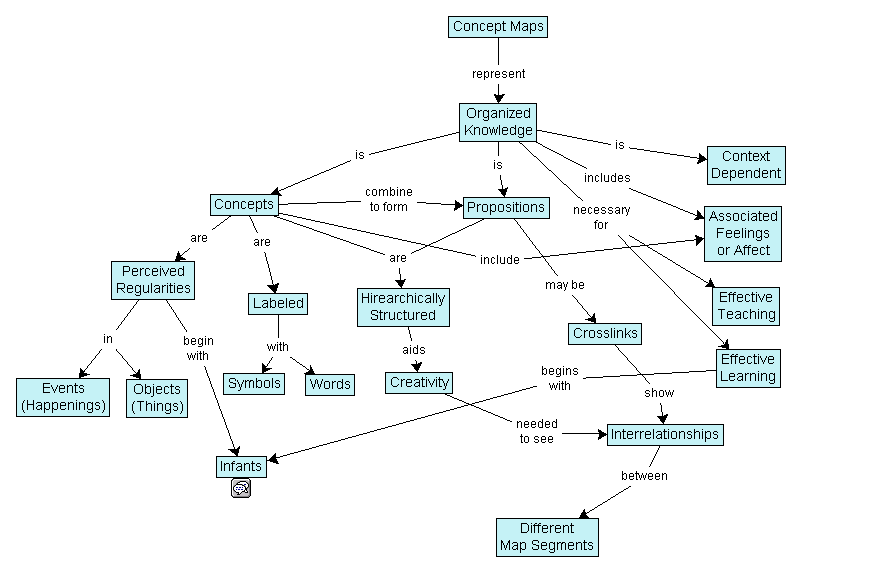
Before drafting begins, prewriting instruction helps students gather information prior to drafting and helps students visually map concepts prior to drafting. This is where graphic organizers and inquiry activities live.
2. Argumentative Writing
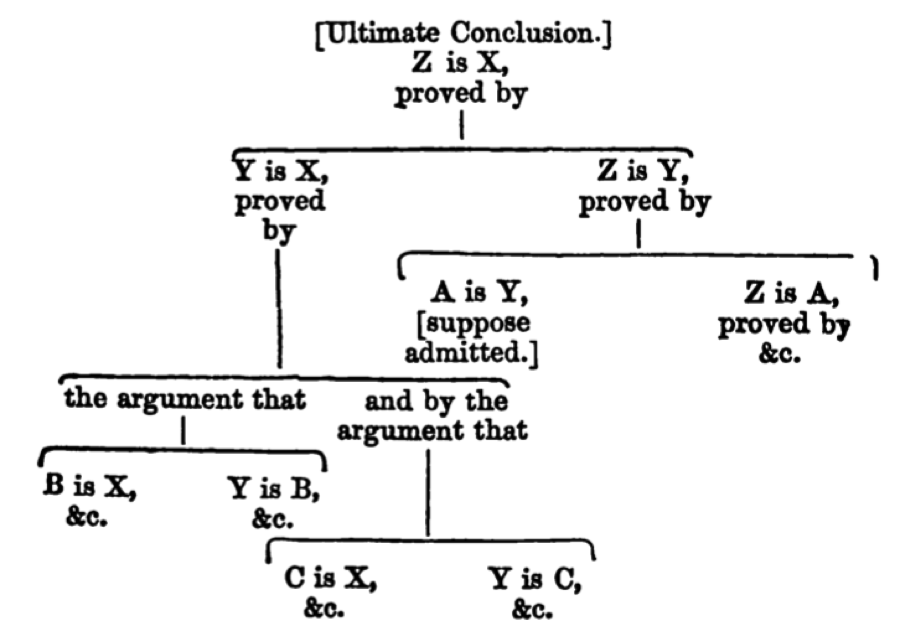
Argumentation is the cornerstone of academic writing. It is highly unnatural for students, as it requires anticipating an oppositional audience. Argumentative writing instruction requires explicit teaching of:
- Formulating clear thesis claims.
- Integrating textual evidence to support claims.
- Counter-argument refutation (acknowledging and systematically dismantling opposing viewpoints).
- Transitional phrases, which supports argumentative writing by teaching students how to logically connect claims to evidence (e.g., "Consequently," "In contrast," "Furthermore").
3. Informative Writing and Summarization
When teaching students to explain or inform, structure is everything. Explicit instruction in text structures supports informative writing by teaching students organizational patterns like cause-and-effect, problem-solution, and chronological order. When dealing with outside sources, summarization instruction systematically teaches students how to distill existing texts into core main ideas, an essential skill for avoiding plagiarism and synthesizing research.
4. Narrative Writing
While often viewed as the most "creative" genre, narrative still requires precise instruction. For example, narrative writing instruction utilizes modeling of descriptive language to teach students how to develop characterization without resorting to flat, "tell-don't-show" exposition.
Finally, how we evaluate writing dictates how students perceive writing. If you only bleed red ink on a final draft, you are performing a post-mortem, not teaching.
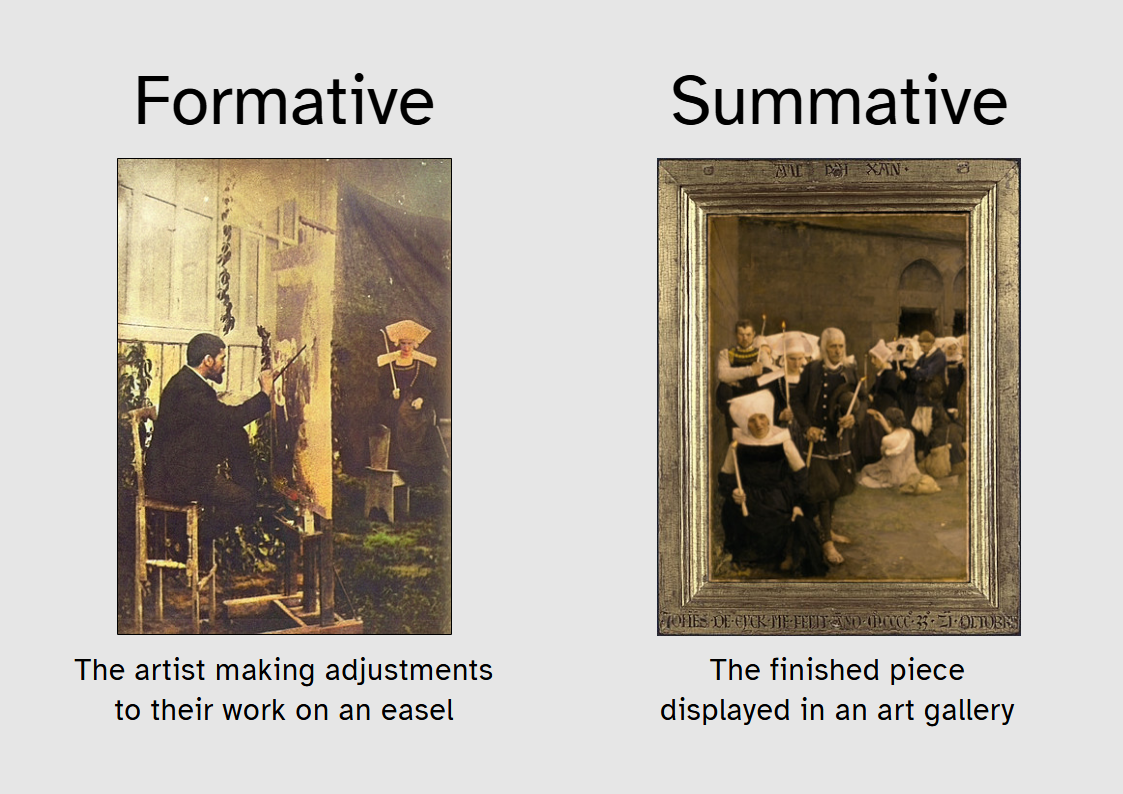
- Formative Writing Assessment: This provides ongoing, actionable feedback during the drafting process to guide student revisions. The teacher-student conferring in a writing workshop is the ultimate form of this.
- Peer Review Protocols: Leaving adolescents to freely critique each other's work usually results in vague praise ("I liked it!"). Effective peer review protocols provide structured criteria for students to evaluate classmates' writing, and provide structured criteria for students to offer constructive feedback on classmates' writing.
- Rubrics: To foster true self-regulation, expectations must be transparent. Rubrics establish specific, detailed criteria for success to help students self-monitor progress toward writing objectives. When students internalize a rubric, they learn to evaluate their own drafting in real-time.
The Professor's Parting Thought: Teaching writing is not a matter of waiting for inspiration to strike your students. It is about equipping them with a rigorously researched toolkit—from SRSD and sentence framing to explicit goal setting and formative feedback. When you systemize the process of writing, you democratize the power of writing, granting every student the ability to articulate their intellect to the world.