Assessing Reading, Writing, Speaking, and Listening
Not sure you’re ready?
Take the ~3-minute readiness diagnostic and see where you stand.
Imagine attempting to navigate a ship across the Pacific while only checking the compass once—precisely as the vessel strikes the opposite shore. In education, evaluating a student only at the end of a unit is equally disastrous. Teaching English Language Arts is a complex, dynamic process of decoding human thought, evaluating expression, and guiding cognitive development. To navigate a student’s progress through literature and language, an educator must rely on a sophisticated instrument panel of diagnostic, formative, and summative assessments. Measurement in the ELA classroom is not merely about assigning a grade; it is about making the invisible processes of reading, writing, speaking, and listening visible.
Before we examine the specific tools used to evaluate reading and writing, we must first categorize our assessments by their timing, purpose, and the data they yield.
At the very beginning of the instructional journey, teachers administer diagnostic assessments. Administered before a lesson begins to determine a student's baseline knowledge, these tools allow an educator to map out where the instruction must start.
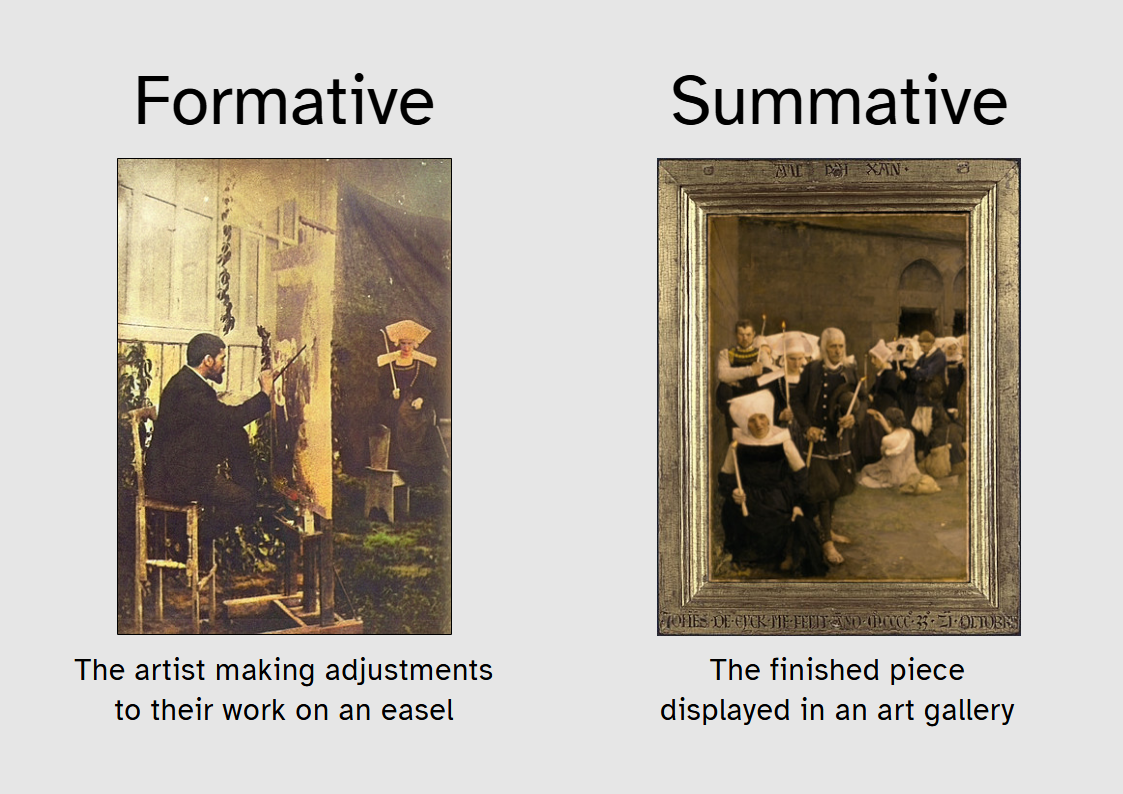
Once the journey is underway, we rely on formative assessment, which involves ongoing checks of student understanding during the learning process.
The Core Directive of Formative Assessment
The primary purpose of formative assessment is to inform and adjust future instruction. Formative assessments are generally considered low-stakes due to carrying little or no point value toward a final grade.
If formative assessment is the act of tasting the soup while it cooks, summative assessment is serving the dish to the critic. Summative assessment evaluates student learning at the end of an instructional unit by comparing it against a standard. Because they have a significant impact on a student's final grade, summative assessments are considered high-stakes. Final exams and end-of-unit essays are common examples of summative assessments.
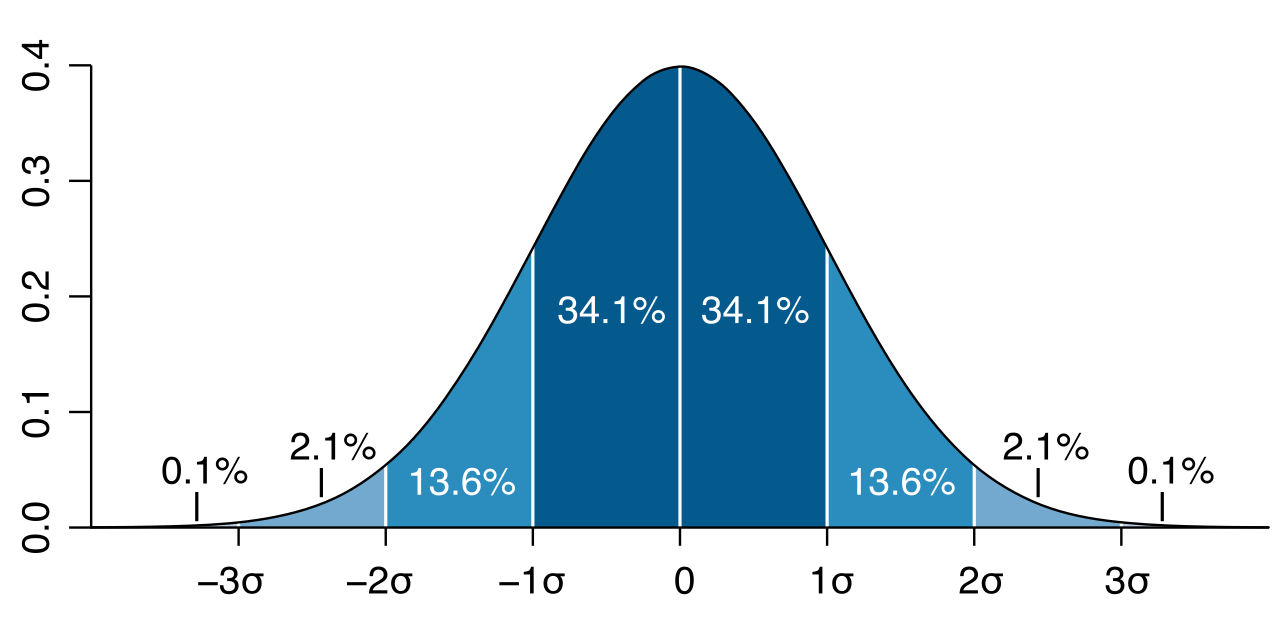
When evaluating these assessments, we must distinguish between how the student's performance is contextualized. Criterion-referenced assessments measure a student's performance against a predetermined set of learning goals or standards—the student either mastered the comma splice or they did not. Conversely, norm-referenced assessments compare a student's performance against the performance of a statistically selected peer group, sorting students into percentiles.
Regardless of when or how an assessment is administered, an educator must demand two structural pillars from their measurement tools: validity and reliability.
- Validity in assessment refers to the degree to which an assessment actually measures what it claims to measure. (A multiple-choice test on spelling is not a valid measure of a student's narrative voice).
- Reliability in assessment refers to the consistency of the results produced by the instrument over time.
Assessing writing is inherently subjective. Two educators reading the same essay might naturally gravitate toward different strengths or flaws. To combat this, educators use rubrics. Rubrics increase assessment reliability by providing clear standardized criteria for evaluating subjective student work.
The Taxonomy of Rubrics
There is no single perfect rubric; the tool must match the instructional objective.
| Rubric Type | Definition & Function | Trade-offs |
|---|---|---|
| Holistic | Provide a single comprehensive score based on an overall impression of a student's performance. | Fast to grade, but lacks targeted feedback on specific flaws. |
| Analytic | Break down an assignment into specific constituent skills to provide individual scores for each category. | Provide more detailed feedback to students about specific strengths than holistic rubrics, but analytic rubrics take more time for teachers to score. |
| Single-Point | Outline only the target expectations for an assignment. | Single-point rubrics leave open space on either side of the target expectations for individualized teacher comments. |
When breaking down writing into constituent skills for an analytic rubric, educators frequently utilize the Six Plus One Traits of Writing model, which evaluates writing based on ideas, organization, voice, word choice, sentence fluency, conventions, and presentation.
Furthermore, when evaluating the "conventions" trait, an educator must move beyond isolated worksheets. Assessing grammar in context involves evaluating a student's application of grammatical rules within their own writing, rather than their ability to circle a misplaced modifier in a fabricated sentence.
The Art of Conferring
The most powerful formative tool in a writing teacher's arsenal is the conference. Conferring is a formative assessment technique involving a one-on-one conversation between a teacher and a student.
The architecture of an effective writing conference includes four distinct phases: research, decision, teaching, and linking.
- Research: During the research phase of a writing conference, the teacher asks the student questions to understand their current writing struggles.
- Decision: The teacher decides on the most critical intervention needed.
- Teaching: The teacher models a strategy.
- Linking: The student commits to applying the strategy to their ongoing work.
Warning: The Copyediting Trap
Ineffective writing conferences involve the teacher copyediting the entire student draft. This robs the student of cognitive struggle. Conversely, effective writing conferences focus on teaching the writer one or two specific skills that they can transfer to future writing.

Because writing is an iterative, developmental process, we must also assess growth over long horizons. Portfolio assessment involves collecting a student's work over time to demonstrate growth. Unsurprisingly, portfolio assessments are frequently used to evaluate writing development throughout a school year, offering a cinematic view of a student's progress rather than a single snapshot.
Reading is an internal, silent cognitive process. To assess it, we must force the invisible act of comprehension out into the observable world.
When we need to find a student's baseline, we use Informal Reading Inventories (IRIs), which are diagnostic assessments used to determine a student's independent reading level.
To formatively assess reading during the learning process, educators turn to a specific type of conferring. In a reading conference, the teacher typically asks the student to read aloud to assess fluency. As the student reads aloud, the teacher may utilize running records, which are formative assessments used to evaluate a student's oral reading fluency in real time.
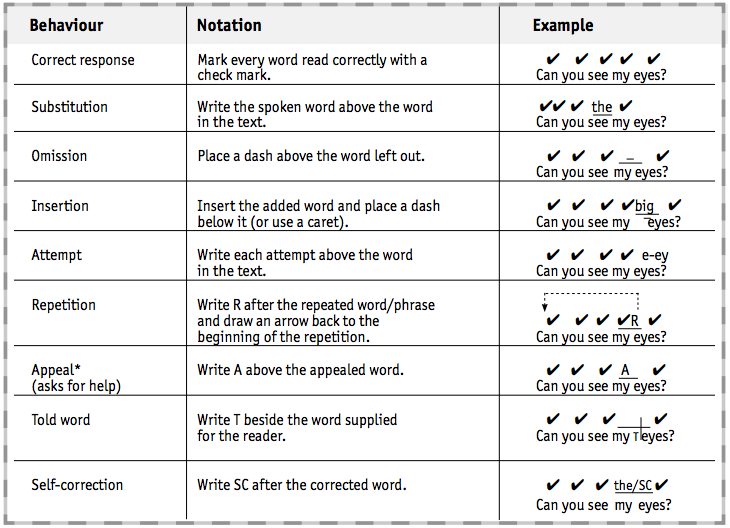
If a student stumbles, the teacher conducts a miscue analysis, which involves recording the specific errors a student makes while reading aloud. Teachers use miscue analysis to identify a student's specific decoding struggles—whether they are guessing based on the first letter, ignoring syntax, or struggling with specific phonemes.
Assessing Comprehension
Decoding is not comprehension. To verify a student understands what they are reading, we employ several targeted strategies:
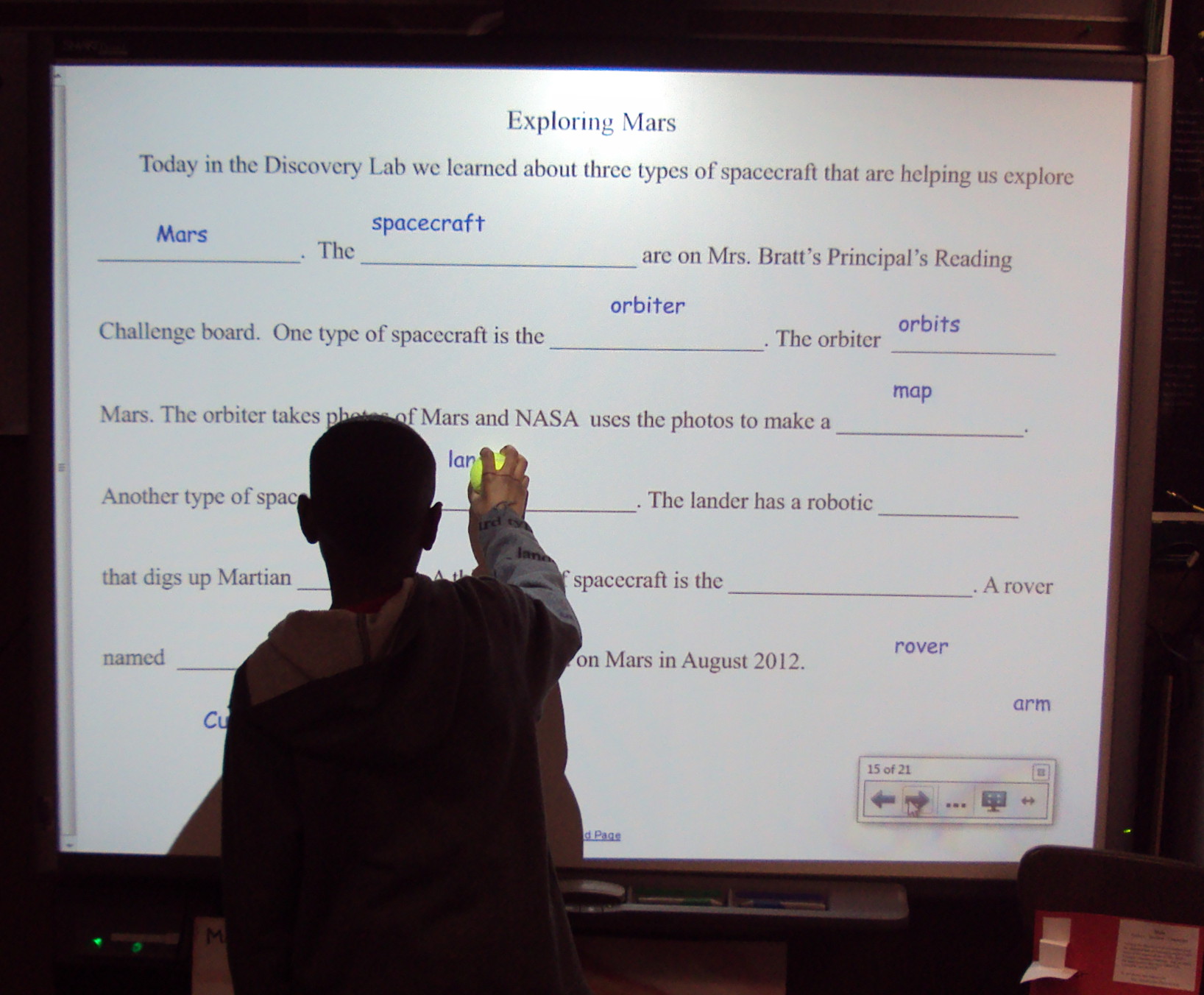
- Cloze Procedure: A cloze procedure is a reading assessment where words are strategically omitted from a passage. In a cloze procedure, students must fill in the missing words to demonstrate reading comprehension. By forcing students to infer the missing text, cloze reading assessments evaluate a student's ability to use context clues to decode meaning.
- Think-Aloud Protocols: Think-aloud protocols require students to verbalize their thought processes while reading. Teachers use think-aloud protocols to formatively assess a student's reading comprehension strategies, allowing the educator to hear how the student visualizes, predicts, and infers.
- Retelling: Retelling is an assessment strategy where a student orally recounts a story to demonstrate sequencing skills and an understanding of narrative structure.
The ELA classroom thrives on discourse, and both halves of a conversation—production and reception—must be measured.
Assessing speaking skills requires evaluating two distinct channels:
- Vocal delivery elements like volume and articulation.
- Physical delivery elements like eye contact and posture.
While we intuitively understand how to assess a speaker, assessing a listener requires intentional design. Listening assessments often measure a student's ability to summarize information presented orally by peers. If a student cannot restate their classmate's argument, they were not actively listening.
Structured Discourse Models
To formally evaluate these skills, educators construct specific conversational environments:
- Socratic Seminars: A Socratic seminar is a formal discussion method used to assess a student's ability to listen actively. Critically, Socratic seminars are used to assess a student's ability to respond to peers using textual evidence, shifting the focus from mere opinion to grounded literary analysis.
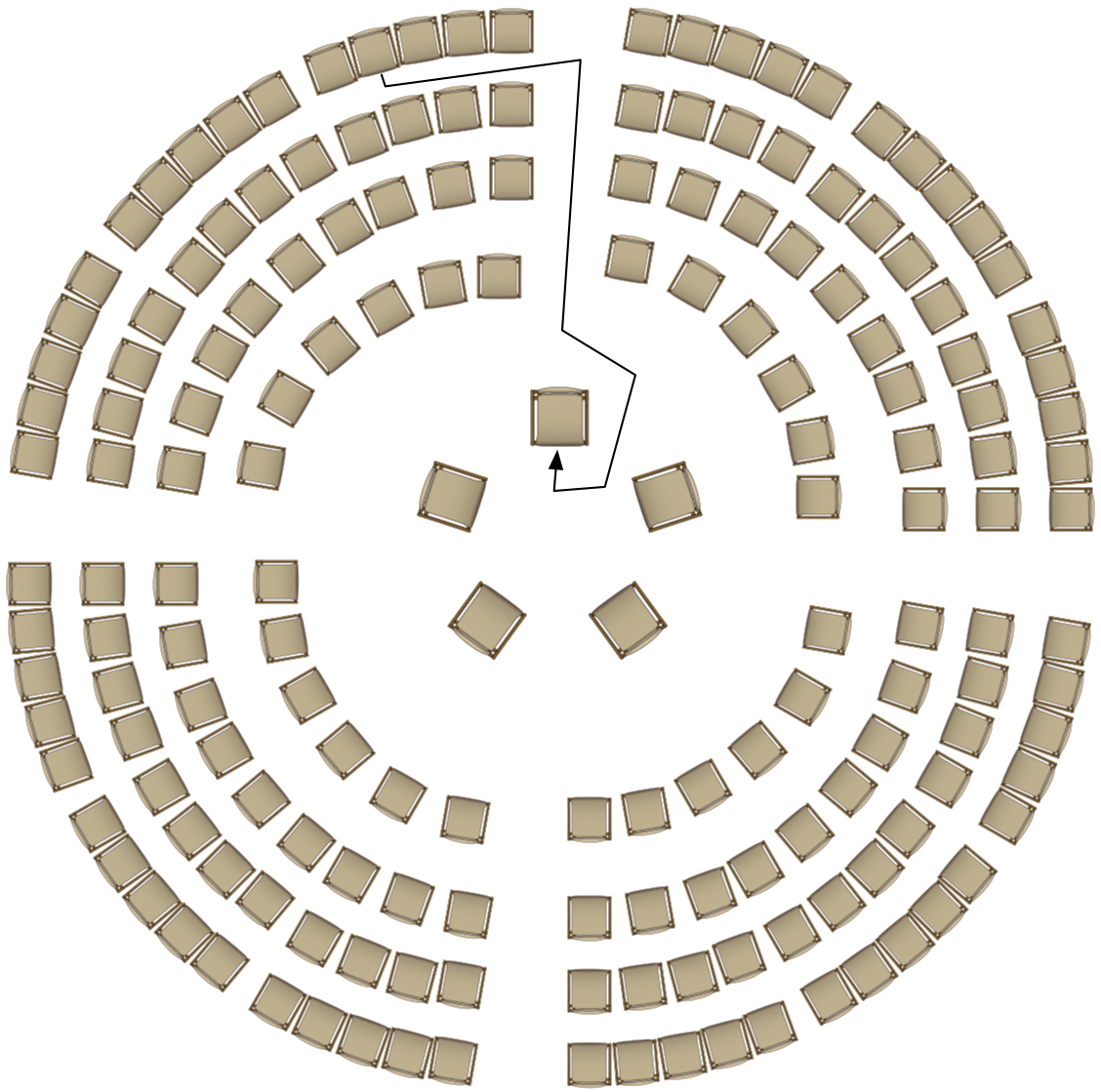
- Fishbowl Discussions: A fishbowl discussion involves a small group conversing in the center of the room while an outer circle of students observes. Teachers uniquely use fishbowl discussions to assess the observation skills of the outer circle of students, who are tasked with evaluating the conversational dynamics and textual references of the inner group.
While students discuss, teachers capture data. Anecdotal notes are brief informal written records of teacher observations during class activities. Because discourse is ephemeral, teachers frequently use anecdotal notes to document student speaking skills during group discussions. Furthermore, during whole-class instruction, a teacher assessing oral comprehension must utilize wait time, an assessment technique where the teacher pauses after asking a question to allow students cognitive processing time before demanding an answer.
Finally, an elite educator pushes the responsibility of assessment onto the learners themselves.
Peer assessment requires students to evaluate each other's work based on a provided rubric, forcing them to internalize the grading criteria. Similarly, self-assessment promotes metacognition by requiring students to evaluate their own learning processes. By asking students to identify where they struggled and how they adapted, the assessment ceases to be something done to the student, and becomes something done with them.
To close out the daily feedback loop, teachers utilize exit tickets—quick formative assessments completed by students at the end of a lesson. They ensure the teacher knows exactly where the class stands before tomorrow's lesson begins.
Lastly, when we want to test the synthesis of all these skills—reading, writing, speaking, and listening—we utilize performance-based assessments, which require students to demonstrate knowledge by creating a product or performing a task. Whether it is staging a debate, producing a podcast, or writing a grant proposal, performance-based assessments prove that the student has not just memorized the map, but can successfully pilot the ship.