Formative and Summative Assessments in ELA
Not sure you’re ready?
Take the ~3-minute readiness diagnostic and see where you stand.
A chef tasting a sauce while it simmers is engaged in a fundamentally different cognitive act than a food critic evaluating the final, plated dish. The chef tastes to modify—perhaps adding a pinch of salt or a splash of acid to rescue the flavor profile before the meal is served. The critic tastes to judge, comparing the finished product against the highest culinary standards to assign a final rating. In the English Language Arts classroom, this exact dichotomy dictates how we measure student mastery. Assessment is not merely a bureaucratic endpoint; it is the sensory apparatus of your pedagogy. It reveals what your students know before you begin, what they are misunderstanding in the moment, and what they have permanently internalized when the unit concludes.
As an ELA educator, your ability to leverage different assessment tools directly determines your ability to teach effectively. You cannot separate the act of teaching from the act of measuring learning.
To understand how to measure learning, we must first categorize assessments by when they happen and why they are administered.
Diagnostic assessments are administered before instruction begins to establish a baseline of student knowledge. Before you can map a route to mastery, you must know exactly where your students are standing. Diagnostics prevent you from wasting time re-teaching concepts students already grasp, while highlighting critical gaps that require immediate intervention.
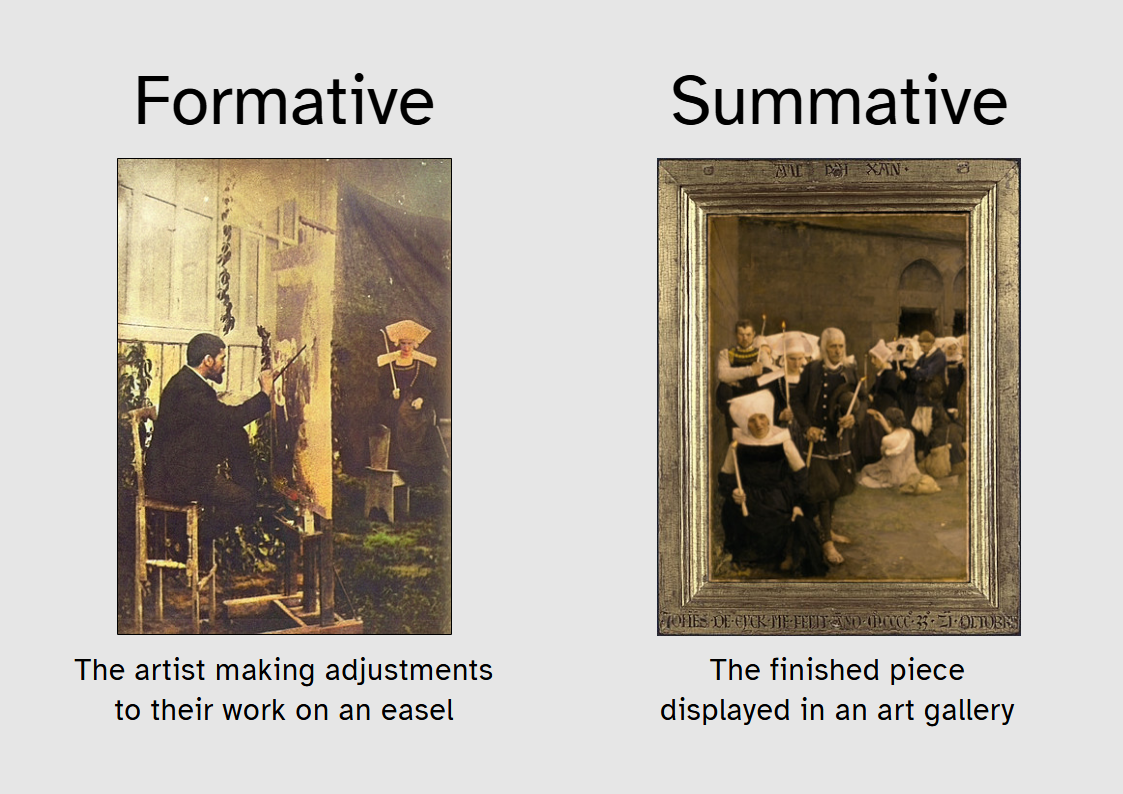
Once the baseline is established and instruction begins, we shift to the chef's domain. Formative assessments are designed to monitor student learning continuously during the instructional process. These are low-stakes, frequent checks on reality. Teachers use data from formative assessments to adjust their ongoing teaching strategies. If a formative assessment reveals that the class fundamentally misunderstands the concept of an unreliable narrator, you do not plow ahead to the next chapter; you pause, pivot, and reteach. Furthermore, formative assessments provide students with immediate feedback to improve their performance before a final grade is assigned.
Finally, the unit comes to an end. We now step into the shoes of the critic. Summative assessments evaluate student learning at the conclusion of an instructional period. These tasks compare student performance against a specific academic standard or benchmark. Because they represent the terminal evaluation of a student's mastery, summative assessments typically carry high point values and often significantly impact a student's final academic grade.
Standardized Frameworks: Norm vs. Criterion
When evaluating summative standardized testing, you will encounter two primary frameworks of measurement:
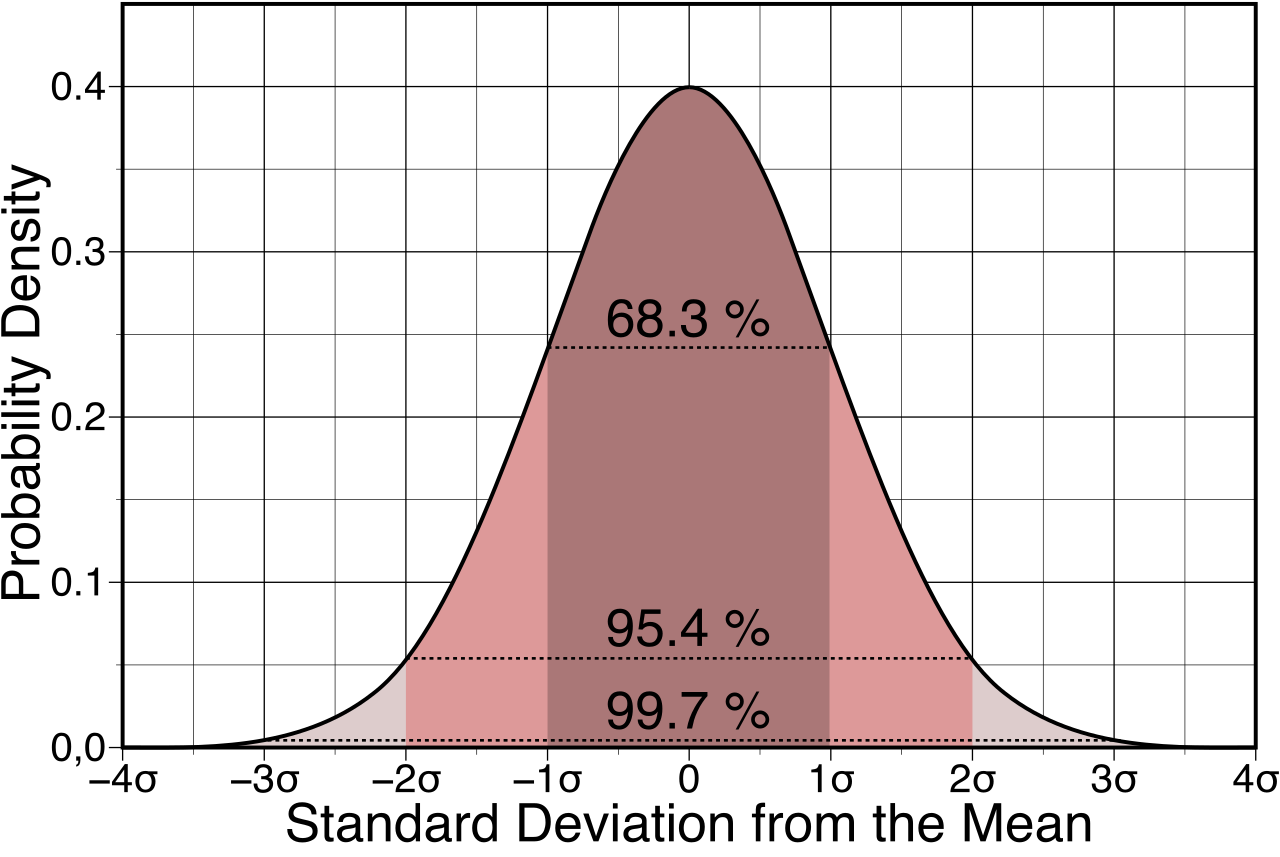
- Norm-referenced tests compare a student's performance against the performance of a statistically selected peer group. Think of this like a footrace: your score depends entirely on how fast everyone else runs. Percentiles and bell curves live here.
- Criterion-referenced tests measure a student's performance directly against predetermined learning standards. Think of this like clearing a high jump bar. It doesn't matter how the rest of the class performs; the only question is whether the individual student cleared the specific height (the standard).
English Language Arts is not a monolith. It is a constellation of distinct but overlapping skills. We must deploy specific instruments to measure reading comprehension, writing craft, and oral communication.
Measuring Reading and Comprehension
You cannot simply ask a middle schooler, "Did you understand the chapter?" You must engineer scenarios that make their invisible cognitive processes visible.
- Quick writes are brief writing exercises used formatively to assess student understanding of a newly introduced concept. If you just taught the concept of dramatic irony, asking students to spend three minutes writing an example based on a scenario on the board gives you an immediate gauge of the room's comprehension.
- Think-pair-share activities allow teachers to informally assess student comprehension through circulating and listening to peer discussions. By listening to the conversations, you gather immediate, unfiltered data on whether the class grasped the text.
- Exit tickets are a type of informal formative assessment used at the end of a lesson to gauge immediate student comprehension. This ensures you know exactly where the class stands before they walk out the door.
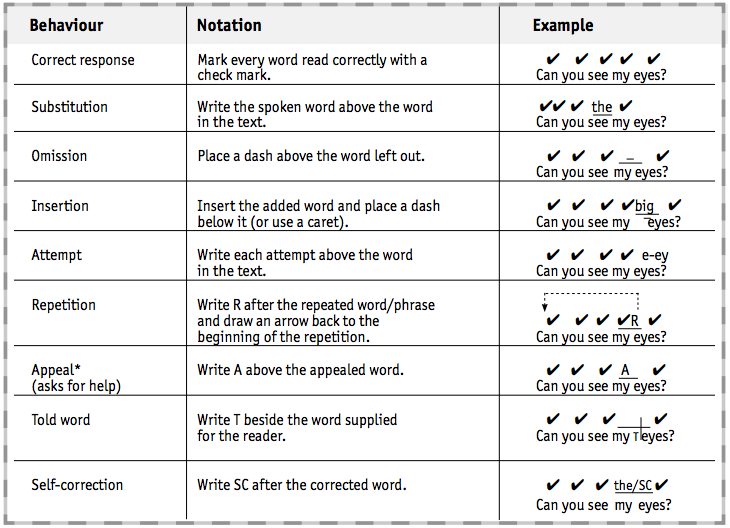
- Miscue analysis involves recording a student's oral reading errors to understand their underlying reading strategies. When a student reads aloud and substitutes the word "horse" for "house," they aren't just making a mistake—they are relying heavily on visual phonics rather than contextual meaning. Miscue analysis turns an error into diagnostic data.
Evaluating the Writing Process
Writing is not produced in a vacuum; it is an iterative process of drafting and revision.
- Writing conferences allow teachers to provide individualized formative feedback during the drafting stage of the writing process. This is where the actual teaching of writing occurs—sitting shoulder-to-shoulder with a student, analyzing a paragraph they just constructed.
- To measure writing over an extended period, educators use writing portfolios, which collect a student's written work over time to demonstrate longitudinal growth and development. To make these truly effective, writing portfolios typically require students to include written reflections analyzing their own writing progress.
Measuring Speaking and Listening
Oral communication is frequently neglected in assessment because it feels subjective. However, rigorous tools exist to capture these skills.
- Classroom debates assess a student's ability to formulate spoken arguments and respond to counterclaims in real time. This tests not just speaking, but rapid critical synthesis.
- Presentations summatively assess a student's formal speaking and oral communication skills, allowing you to grade posture, eye contact, pacing, and rhetorical structure against a final standard.
- In group settings, observation checklists allow teachers to formally assess student participation and behavior during Socratic seminars. You are tallying who speaks, who refers to the text, and who dominates the floor.
- To specifically isolate listening, educators use fishbowl discussions, which allow teachers to assess the active listening skills of the students seated in the outer circle. While the inner circle speaks, the outer circle's job is to silently analyze the interaction, proving that passive silence is actually active engagement.
The format of an exam deeply influences what it measures. Multiple-choice questions are highly efficient, but they often fail to capture the nuance of ELA.
Performance assessments require students to generate their own original response or product rather than selecting a pre-written answer.
Writing an essay, delivering a speech, or producing a podcast are all performance assessments. They demand synthesis and creation. We can elevate these tasks further by making them "authentic." Authentic assessments ask students to apply English language arts skills to real-world situations and audiences. Asking a student to write a five-paragraph essay to you, the teacher, is a performance task. Asking that same student to research local environmental policy and draft a persuasive editorial to the town's actual mayor is an authentic assessment.
When a student hands you a complex performance task, you cannot simply slap a letter grade on it based on your "gut feeling." You must use a calibrated scoring mechanism. How you score changes the feedback the student receives.
| Scoring Method | Definition & Purpose | Best Used For |
|---|---|---|
| Analytic Rubric | Breaks down an assignment into specific criteria for itemized scoring. It provides targeted feedback on distinct areas such as grammar, organization, and textual evidence. | Giving detailed, actionable feedback during formative stages or complex summative writing tasks. |
| Holistic Rubric | Provides a single overarching score based on the overall quality of a student's assignment. | Evaluating large-scale standardized tests or rapid grading where overall impression is the goal. |
| Holistic Scoring | The conceptual approach behind a holistic rubric. It evaluates a piece of writing as a complete entity rather than dissecting its individual components. | Assessing the overall rhetorical impact of a piece, acknowledging that a brilliant essay might still contain minor typos. |
| Primary Trait Scoring | Focuses solely on assessing one specific characteristic of a writing assignment. | Focusing student attention on a newly taught skill. (e.g., ignoring spelling to focus strictly on the strength of a thesis statement). |
The most profound shift a teacher can make is realizing that assessment does not have to be something you do to students; it can be something you do with them. Incorporating student input demystifies the grading process and transfers ownership of learning to the adolescent.
Co-Creating the Rules of Engagement
Teachers incorporate student input by allowing the class to co-create grading rubrics before a project begins. If you are assigning an investigative journalism piece, ask the class: "What makes a great article? How should we penalize bias? How important is formatting?" Co-creating rubrics increases student ownership and understanding of specific assignment expectations, because the students built the law they are now governed by.
Autonomy in Content and Format
Middle schoolers crave autonomy. You can harness this developmentally appropriate urge to drive academic rigor.
- Interest surveys help teachers select diverse reading materials that align with specific student preferences. If the survey reveals a heavy interest in science fiction or true crime, adjusting the supplemental reading lists guarantees higher engagement.
- Instead of assigning the entire class the identical novel, literature circles allow students to exercise autonomy by choosing their own reading materials from a curated list.
- When evaluating the end of a unit, teachers differentiate assessments by allowing students to choose between multiple final project formats. A student might choose to write a traditional essay, record a dramatic monologue, or build a detailed infographic. Providing project format choices empowers students to demonstrate mastery using their preferred learning styles.
Reflection and Peer Review
Finally, students must be taught to assess themselves and each other.
- Peer review requires students to evaluate the work of their classmates using established criteria. This is not merely about lightening your grading load; peer review activities develop students' critical reading and editorial skills. By diagnosing a flaw in a classmate's thesis, a student becomes better equipped to spot that same flaw in their own drafting.
- Self-assessment requires students to reflect on their own learning processes to identify areas for personal improvement.
- This reflection should extend to the course itself. Student reflections at the end of a unit provide teachers with direct feedback to revise future curriculum plans. Asking students "What activity helped you understand this book the most?" provides you with invaluable, localized data to make next year's instruction even sharper.
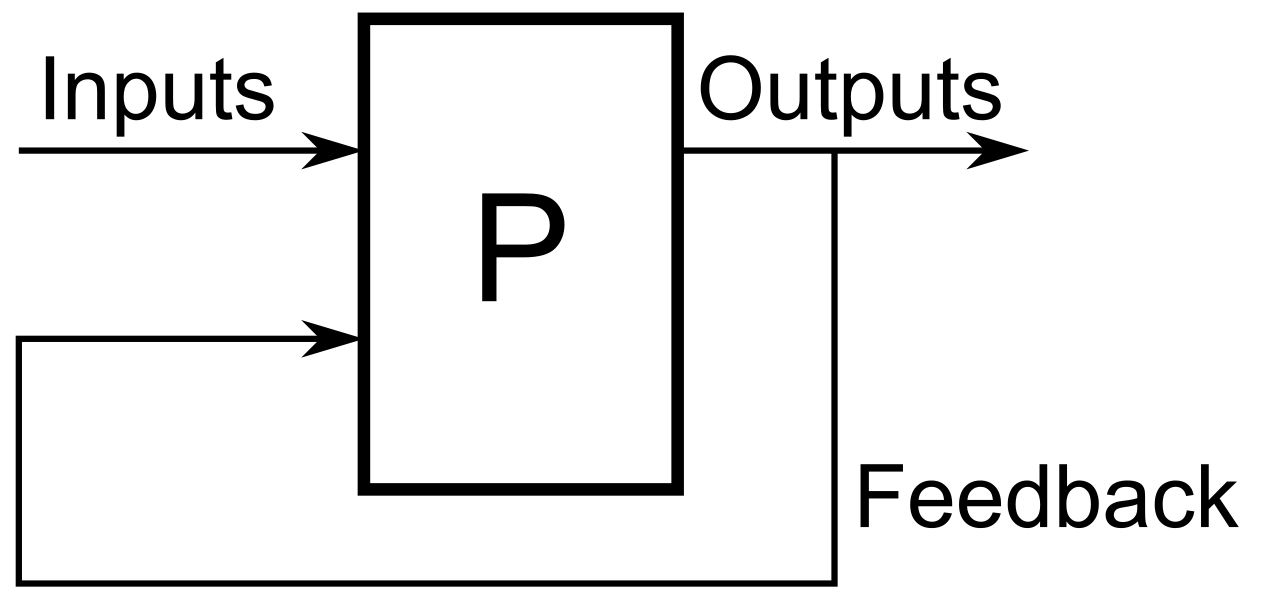
As you step into the middle school ELA classroom, remember that your assessments are a feedback loop. Every rubric, every exit ticket, and every portfolio is a conversation between your instruction and the student's mind. Master these tools, and you will never have to guess whether your students are learning—you will possess the evidence to prove it.