Strategies for Teaching Components of Writing
Not sure you’re ready?
Take the ~3-minute readiness diagnostic and see where you stand.
Writing is an extraordinary act of cognitive translation. It requires a human brain to convert abstract, multidimensional thoughts into a linear sequence of symbols that another mind, separated by time and space, can accurately decode. For the middle school student, this process often feels like attempting to build a complex engine while simultaneously learning how to hold a wrench. The novice writer must juggle syntax, spelling, audience awareness, and narrative logic all at once, leading to cognitive overload. As an English language arts educator, your objective is not merely to correct the final manuscript. Your objective is to engineer an environment where the hidden mechanics of writing become visible, manageable, and eventually, second nature.

Historically, writing was taught as a rigid, linear march from outline to final draft. Modern pedagogy, however, relies on process writing approaches, which correctly treat writing as a recursive cycle rather than a linear sequence. Writers loop back, revising ideas as they draft, or generating new concepts while editing. To prevent cognitive overload, educators must isolate and teach the distinct phases of this cycle.
The Stages of the Writing Process
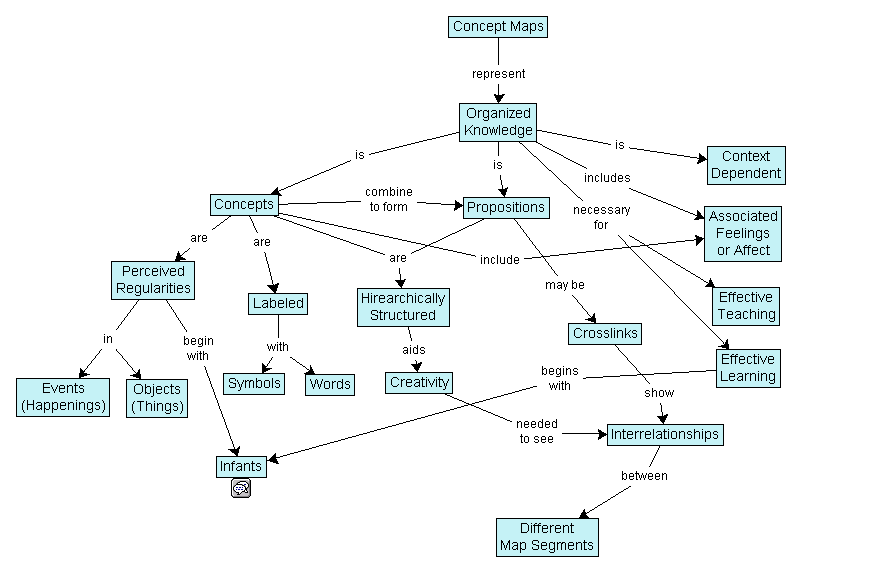
- Prewriting: Before a single sentence is constructed, prewriting strategies generate ideas and organize thoughts before the drafting phase begins. This is the exploratory phase. Brainstorming, freewriting, and concept mapping are examples of prewriting strategies that allow students to dump raw ideas onto the page. To impose structure on this chaos, teachers use graphic organizers, which visually represent the relationship between ideas.
- Drafting: When transitioning to the page, drafting focuses on translating ideas into written text without prioritizing mechanical perfection. If a student stops to look up the spelling of a word mid-sentence, they lose the thread of their argument. The goal here is flow.
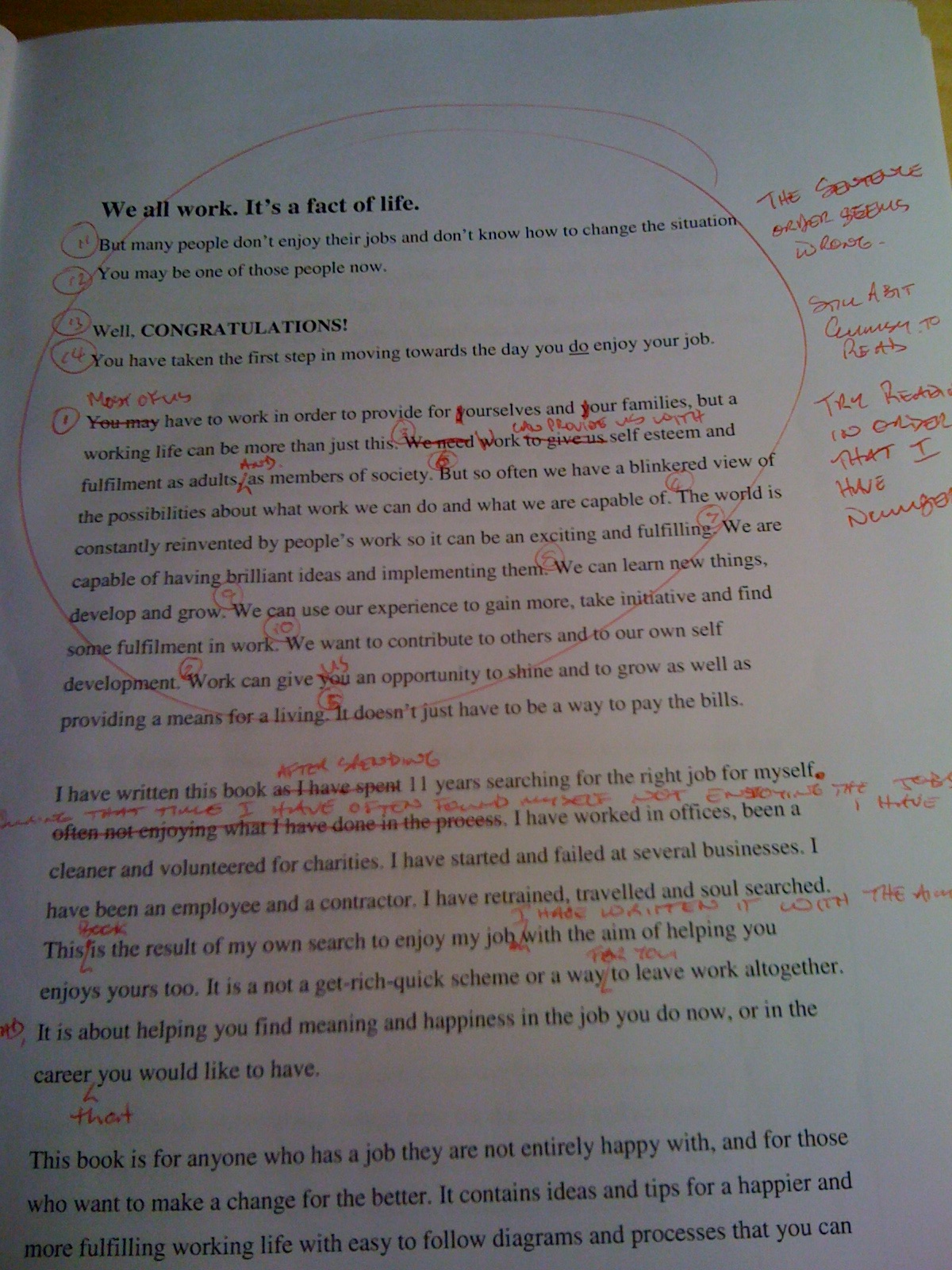
- Revising: This is where the heavy lifting occurs. Revising involves altering the content, structure, and clarity of a written draft. This means moving paragraphs, deleting weak arguments, and sharpening focus.
- Editing: Unlike revising, editing focuses on correcting mechanical errors such as spelling, punctuation, and capitalization. It is the surface-level polish applied only after the structural integrity of the piece is secure.
- Publishing: Writing is a social act. Publishing requires students to present completed written work to a specific audience. This gives the entire process a sense of purpose and stakes.
How do we actually teach these complex behaviors? We do not simply assign writing; we must teach the act of writing.
This begins with explicit writing instruction, which involves stating the learning objective clearly before teaching a skill. If you are teaching students how to write a thesis statement, you do not hope they deduce it from reading; you state, "Today, we will learn how to write a defensible claim."
Explicit instruction thrives on the gradual release of responsibility model, which systematically transfers the cognitive load from the teacher to the student.
The Gradual Release Framework The gradual release of responsibility model consists of teacher demonstration, guided practice, and independent practice. Think of it as "I do, We do, You do."
Making Thought Visible
During the "I do" phase, the most powerful tool at your disposal is cognitive modeling. This occurs when a teacher verbalizes the internal thought process of writing. As you write on the board, you speak your struggles aloud: "I want to start my paragraph here, but 'Also' feels too weak. Let me try 'Furthermore' to show I'm building on my previous point." You are showing students that expert writers struggle, pause, and deliberate.
Furthermore, students need blueprints. Mentor texts serve as published examples of specific writing techniques for students to emulate. If you want students to use vivid imagery, do not just define imagery—show them a masterfully crafted paragraph by Ray Bradbury and ask them to mimic its structure.

The Writing Workshop Laboratory
The standard organizational structure for the modern ELA classroom is the writing workshop model, which deliberately dedicates the majority of instructional time to independent student writing, rather than teacher lectures.
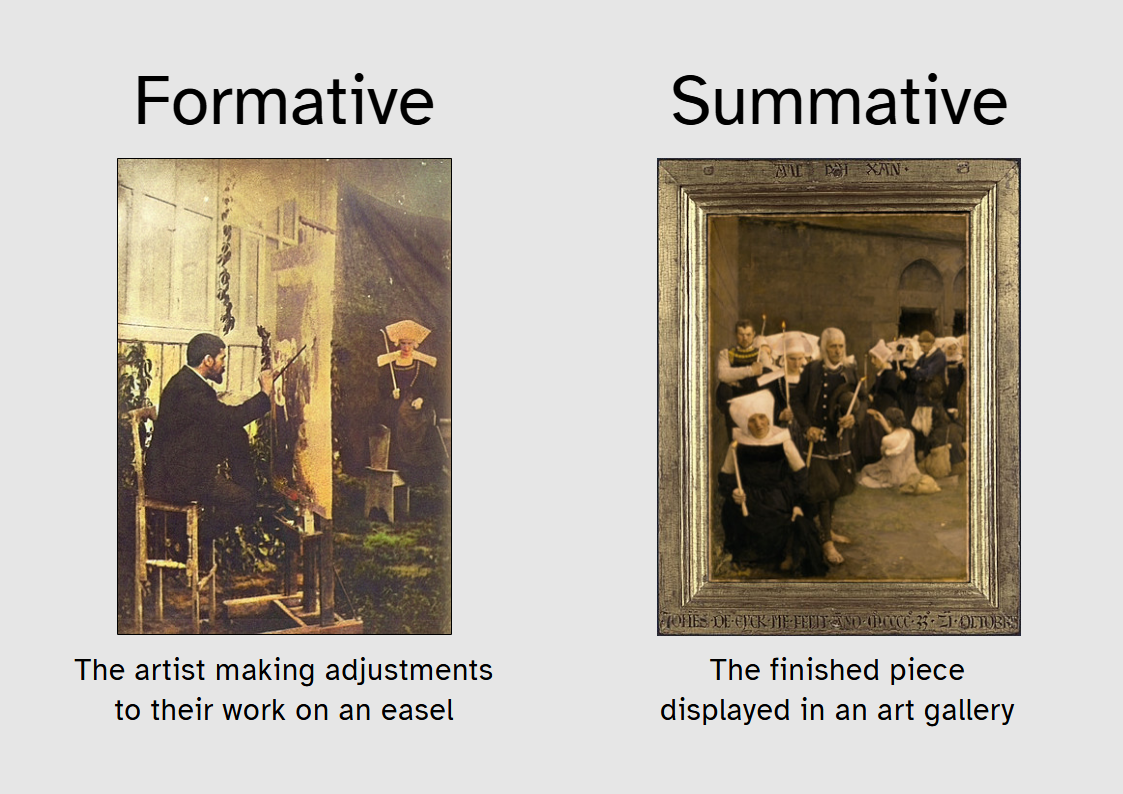
A standard writing workshop typically begins with a brief mini-lesson focused on a single writing skill (e.g., how to use an em-dash, or how to write a transition sentence). How do you choose what to teach? Formative assessments of student writing guide the selection of future mini-lesson topics. If you notice half the class is struggling with comma splices during yesterday's drafting, today's mini-lesson becomes comma splices.
While students spend the bulk of the period writing, the teacher does not sit at a desk. The teacher conducts teacher-student conferencing, which provides individualized feedback during the writing workshop. You circulate, pulling up alongside a student to offer targeted, quiet, and immediate coaching.
Just as a physical building requires exterior support while the concrete cures, student writers require structural assistance. Scaffolding writing instruction involves providing temporary learning supports to help students reach a level of complexity they cannot yet achieve independently. Crucially, teachers remove scaffolding supports as student writing independence increases.
Tools of Scaffolding
- Strategy instruction in writing teaches students specific steps to plan and execute a writing task, reducing the overwhelm of a blank page.
- A gold-standard research model for this is Self-Regulated Strategy Development (SRSD), an evidence-based framework for teaching writing strategies. The SRSD framework incorporates self-monitoring and goal-setting into the writing process. Students learn a mnemonic strategy (like POW+TREE for persuasive writing) but also learn to monitor their own focus and evaluate their progress against self-set goals.
- Sentence frames provide struggling writers with the linguistic structures needed to express complex ideas. For example, providing a frame like "While [Author A] argues that ______, [Author B] contends that ______" allows a student to practice the high-level cognitive act of comparing arguments without getting tangled in the syntax.
- Word walls provide visible vocabulary support to assist students during the drafting process. When a student is searching for a transition word, they simply look up at the wall rather than breaking their concentration to ask the teacher.
Shared Composition
Scaffolding can also take the form of human partnership. In interactive writing, the teacher and students compose a text together. Specifically, during interactive writing, the teacher and students share the pen to write the physical text, making it a highly tactile, collaborative process. Similarly, collaborative writing pairs students to jointly plan, draft, and revise a single text, allowing them to pool their cognitive resources and navigate the writing cycle as a team.

Middle school students are expected to master distinct genres of writing, each with its own internal logic and demands.
| Writing Genre | Primary Instructional Focus |
|---|---|
| Argumentative | Argumentative writing instruction requires teaching students to anticipate and address counterclaims. It is not enough to state a position; students must acknowledge the opposition and dismantle it. |
| Informational | Informational writing instruction focuses on strategies for synthesizing facts from multiple sources. Students must learn to integrate disparate data points into a cohesive, objective explanation. |
| Narrative | Narrative writing instruction utilizes sensory details and dialogue strategies to develop characters. Students move away from simply summarizing events toward "showing, not telling." |
Across all genres, the maturity of the writing is governed by the architecture of the sentences. To elevate student prose, educators employ sentence combining exercises. Rather than teaching isolated grammar rules, you provide students with three short, choppy sentences and ask them to combine them into one fluid, complex sentence. Sentence combining exercises improve student syntactic maturity and dramatically improve student sentence variety.
Writing is inherently vulnerable. How you assess it, and how peers react to it, directly impacts a student's willingness to engage in the future.
Assessment and Expectations
Before a student ever puts a pen to paper, the target must be clearly illuminated. Rubrics clarify expectations and criteria for success before students begin a writing task. They remove the mystery of how a grade will be calculated.
There are two primary types of rubrics to utilize depending on your instructional goal:
- Analytic rubrics provide separate scores for different components of writing (e.g., one score for thesis clarity, one for grammar, one for evidence). These are excellent for detailed, diagnostic feedback.
- Holistic rubrics provide a single overall score for a piece of writing based on overall quality. These are faster to grade and useful for summative assessments where the holistic impact of the piece is what matters.
Fostering Motivation and Community
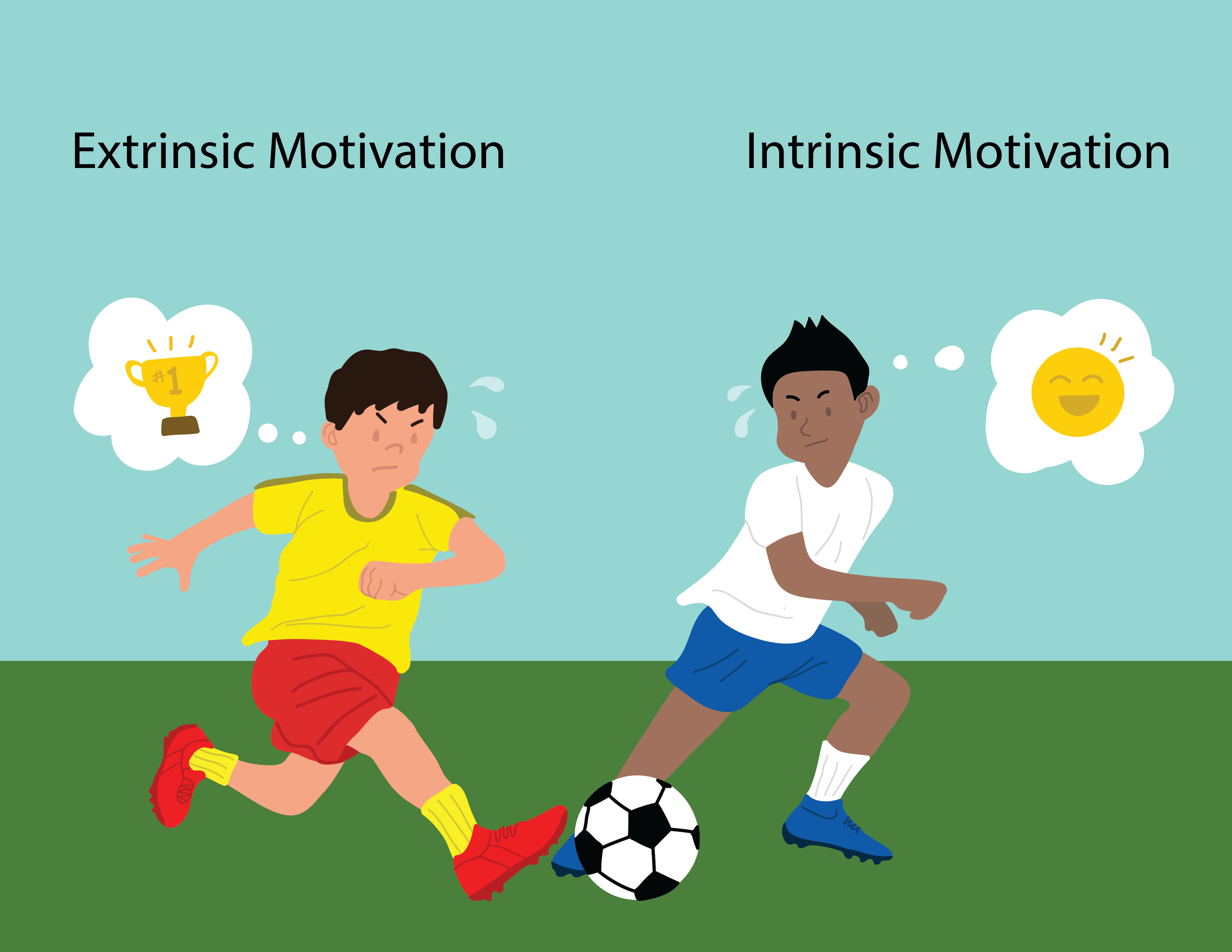
Engagement in middle school is heavily dependent on autonomy. Providing student choice in writing topics increases writing motivation. When a student cares deeply about the subject matter, they are far more willing to endure the difficult cognitive labor of revising and editing.
Additionally, constructing a community of writers changes the classroom dynamic. Effective peer review requires explicit teacher modeling of constructive feedback. If you simply tell middle schoolers to "peer review," they will either merely fix spelling errors or offer unhelpful praise like, "It's good." You must model how to say, "I got confused in this paragraph because the transition wasn't clear."
Finally, celebrate the culmination of the process. An author's chair activity allows students to share completed writing with peers, transforming the lonely act of writing into a communal event of storytelling and shared knowledge.
We often treat reading and writing as separate domains, but they are mutually reinforcing cognitive processes. Reading is the decoding of thought; writing is the encoding.
This symbiosis is definitively backed by research. The 2010 'Writing to Read' report demonstrates that writing about a text enhances reading comprehension. When students are forced to write about what they have read—by summarizing a plot, analyzing a character's motive, or arguing against an author's premise—they are forced to process the text at a significantly deeper neurological level.
Because writing forces this rigorous synthesis of information, it must not be confined to the English classroom. Writing across the curriculum integrates writing instruction into content areas outside of English language arts. When a science teacher requires students to write a justification for their lab results, or a history teacher requires a narrative journal entry from the perspective of a historical figure, they are utilizing writing not merely as a test of what students know, but as a primary tool for learning.
By approaching writing instruction systematically—through explicit modeling, carefully designed scaffolding, and a deep respect for the recursive writing process—you equip your students with the ultimate intellectual toolkit. You teach them not just how to record their thoughts, but how to construct them.