Major Works and Authors: United States Literature
Not sure you’re ready?
Take the ~3-minute readiness diagnostic and see where you stand.
Teaching United States literature to adolescents is the act of handing them a mirror to their own intellectual and social development. The narrative arc of American letters—from the rigid communal structures of the Puritan colonies to the defiant individualism of the Transcendentalists, and later to the explosion of diverse voices in the modern era—parallels the psychological journey of a middle school student. They are moving from the absolute rules of childhood dependency toward the complex, often chaotic autonomy of young adulthood. To teach this canon effectively, we must stop viewing these texts as a dusty timeline of isolated books and start teaching them as an ongoing, centuries-long argument about identity, freedom, and the American experience.

For the middle school English language arts teacher, mastering this material requires an understanding of how historical context shapes literary craft, and how to bridge these classical themes to the lived reality of a modern twelve-year-old.
When teaching American literature, it is crucial to recognize how literary movements operate like a pendulum, swinging in reaction to the philosophies that came before them.
1. The American Colonial Period (17th and 18th Centuries)
The American Colonial period of literature occurred primarily in the seventeenth and eighteenth centuries. If you want your students to understand the foundation of American thought, they must understand the Puritans. American Colonial literature frequently focuses on religious themes and the relationship between God and humanity. The colonial universe was deeply hierarchical, with a profound emphasis on original sin and divine sovereignty.
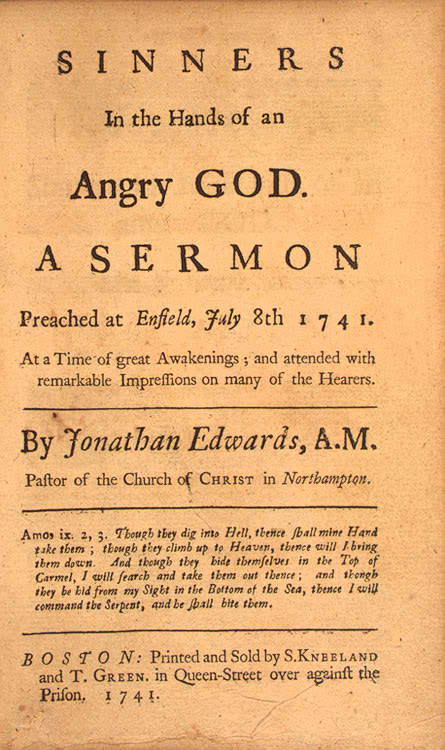
To grasp this era, consider the sermon "Sinners in the Hands of an Angry God" delivered by Jonathan Edwards. This text exemplifies the Puritan focus on divine wrath and human depravity. Edwards used terrifying, vivid rhetorical imagery (such as a spider held over a fire) to persuade his congregation. Alongside Edwards was Cotton Mather, a prominent figure and author in Puritan colonial America who chronicled the Salem witch trials and shaped early theological frameworks.
Yet, there was also an intensely personal and vulnerable side to this period. Anne Bradstreet emerged as a prominent poet of the American Colonial period, writing intimate verses about her family and the burning of her house, struggling to reconcile her earthly attachments with her heavenly focus.
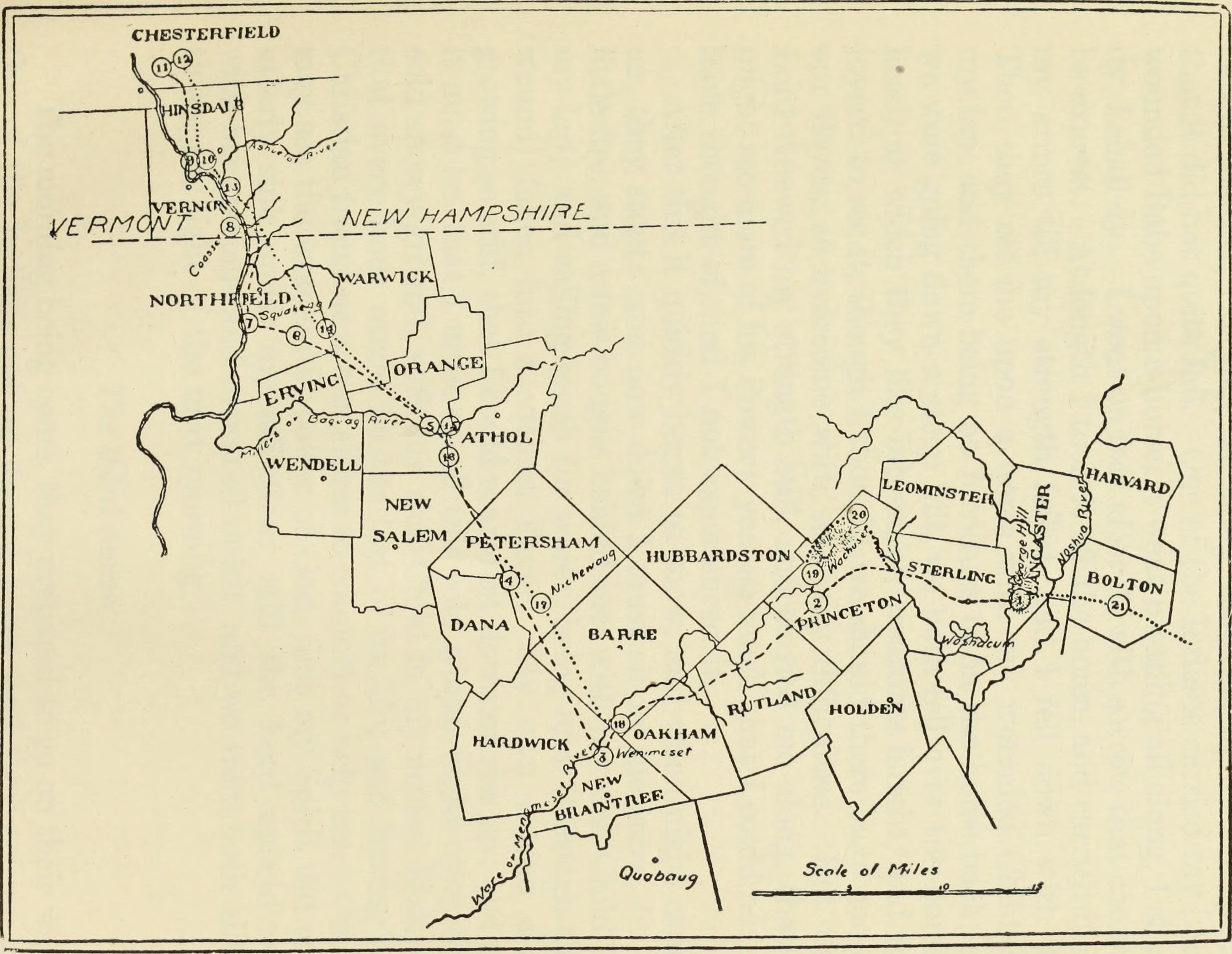
Furthermore, captivity narratives were a popular literary genre during the American Colonial period. These gripping accounts functioned as both adventure survival tales and theological propaganda. Mary Rowlandson wrote a well-known captivity narrative during the American Colonial period, documenting her capture by Native Americans during King Philip's War and interpreting her survival as a sign of God's providence.
2. Transcendentalism (Early 19th Century)
If the Puritans believed humanity was inherently flawed, the next major shift swung entirely in the opposite direction. Transcendentalism was a philosophical and literary movement that developed in the United States in the early nineteenth century. Transcendentalism emphasizes the inherent goodness of people and nature.
For the middle schooler, this is the ultimate philosophical rebellion. Transcendentalist literature promotes individualism and self-reliance over societal conformity.
- Ralph Waldo Emerson was a central figure in the American Transcendentalist movement. He wrote the essay "Self-Reliance," arguing that society everywhere is in a conspiracy against the manhood of every one of its members.
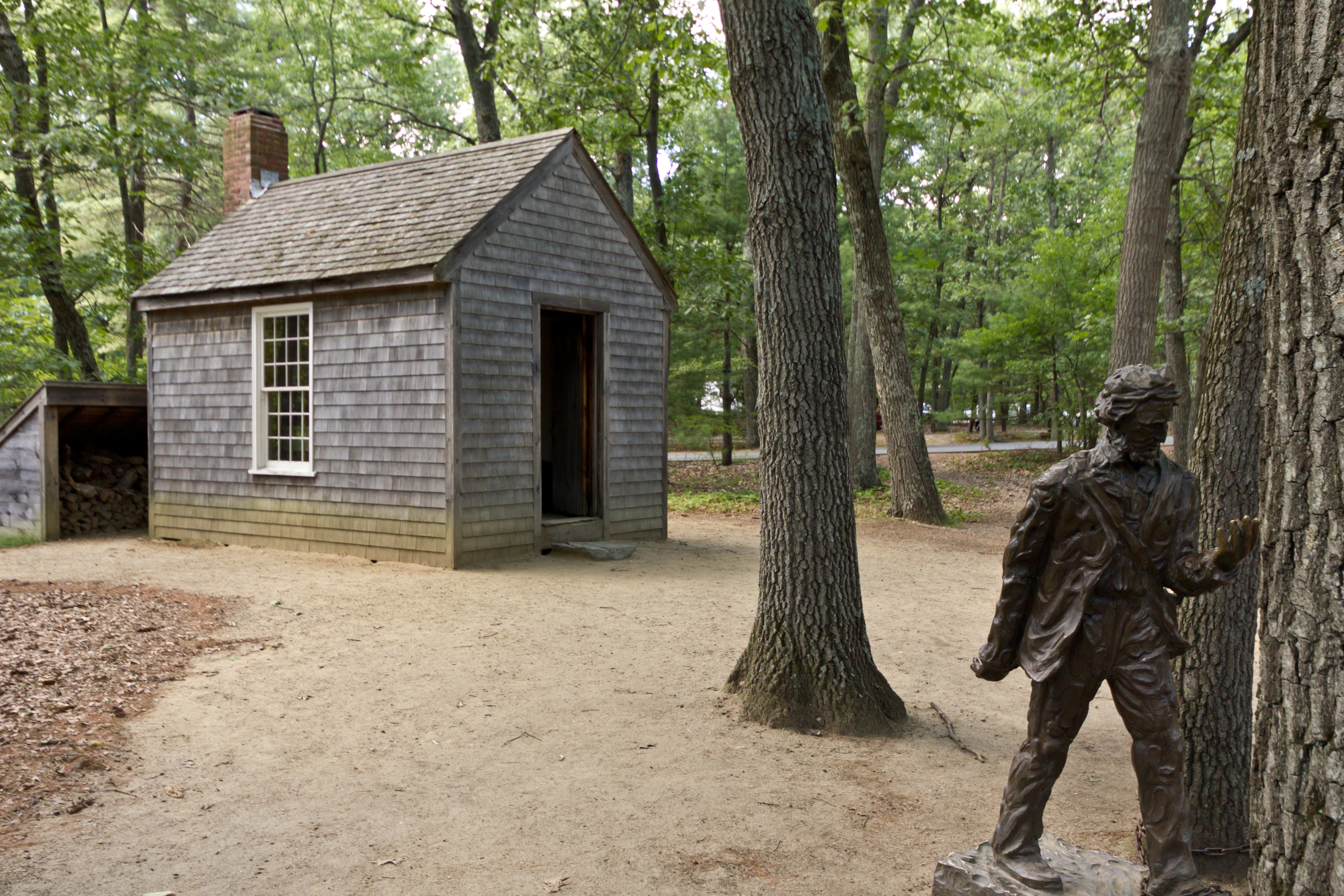
- Henry David Thoreau was another major author of the American Transcendentalist movement. Thoreau wrote the book "Walden," which documents his experiment in simple living and self-sufficiency in nature. He went to the woods because he wished to "live deliberately."
- Margaret Fuller was a key female figure in the American Transcendentalist movement, an early feminist whose writings argued for the intellectual and spiritual equality of women.
Pedagogical Translation: When teaching Transcendentalism, frame it through the lens of peer pressure. Emerson and Thoreau were essentially writing the intellectual blueprint for ignoring the crowd and trusting one's own internal compass—a concept highly relevant to adolescents navigating middle school social dynamics.
3. The Harlem Renaissance (1920s and 1930s)
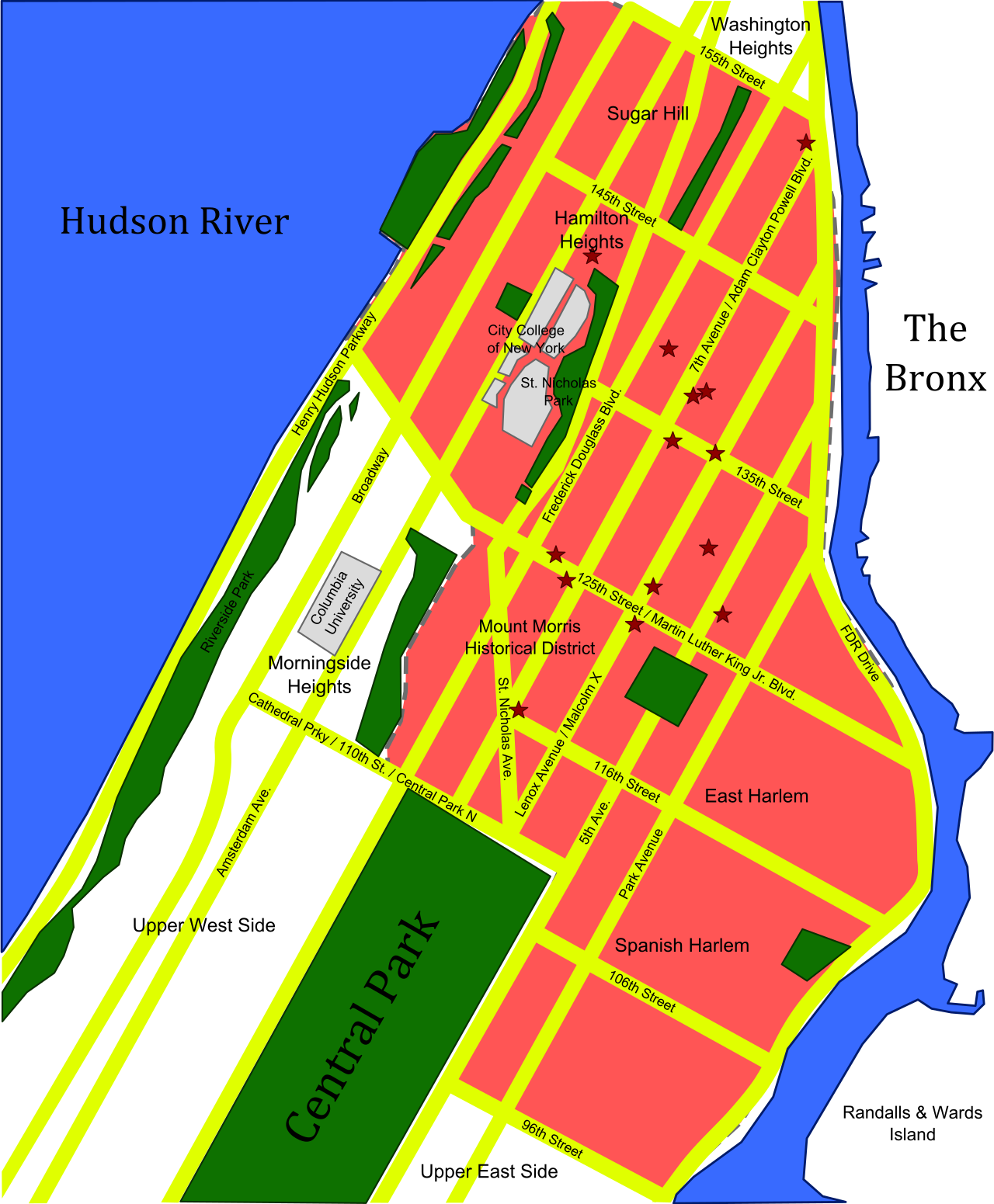
Moving into the 20th century, we encounter a vibrant reclamation of identity. The Harlem Renaissance was a major cultural revival of African American arts and literature that took place primarily during the 1920s and 1930s. It was centered in the Harlem neighborhood of New York City, drawing Black intellectuals, artists, and writers fleeing the Jim Crow South during the Great Migration.
Harlem Renaissance literature frequently addresses themes of racial pride and the African American experience, dismantling minstrel stereotypes and demanding civil and artistic equity.
- Langston Hughes was a leading poet and writer of the Harlem Renaissance. He wrote the poem "The Weary Blues," seamlessly weaving the rhythm and structure of jazz and blues music into traditional verse.
- Zora Neale Hurston was a prominent author during the Harlem Renaissance. She wrote the novel "Their Eyes Were Watching God," celebrated for its use of authentic Southern Black vernacular and its deeply feminist exploration of self-discovery.
- Nella Larsen was a notable novelist of the Harlem Renaissance. She wrote the novel "Passing," which explores the complexities of race and identity among mixed-race individuals in the 1920s, a brilliant study of societal performance and psychological tension.
- Other foundational voices include Claude McKay, a significant poet and novelist known for his militant calls to resistance, and Countee Cullen, a major poet who utilized traditional European poetic forms to express the Black experience.
As America expanded physically and industrialized, its literature became obsessed with holding a mirror up to its own flaws, hypocrisies, and historical traumas.
Shaping the 19th Century
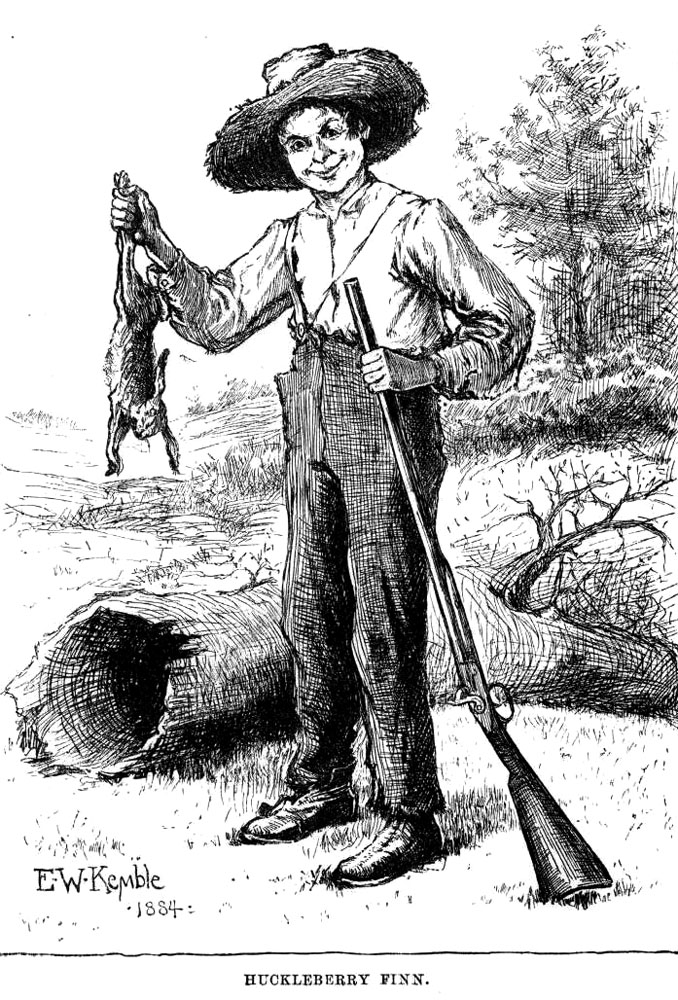
Mark Twain fundamentally changed the American literary voice by utilizing regional dialects and biting satire. He wrote the novel "The Adventures of Tom Sawyer" and its more profound successor, "The Adventures of Huckleberry Finn." Twain forced readers to confront the moral hypocrisies of a supposedly civilized, slave-holding society through the innocent but deeply perceptive eyes of a child.
In a different vein of realism, Jack London wrote the novel "The Call of the Wild." Set in the brutal Klondike Gold Rush, this text explores survival and the primitive instincts of animals in the harsh environment of the Yukon, tapping into naturalism—the idea that environment profoundly shapes behavior.
Looking backward to the birth of the nation, Esther Forbes wrote the historical fiction novel "Johnny Tremain," which details the events leading up to the American Revolutionary War in Boston. It remains a staple for showing students how grand historical events impact the working-class apprentice.
Mid-20th Century: The Individual vs. Society
In the 20th century, American authors increasingly focused on systemic inequity and the crushing weight of societal expectations.
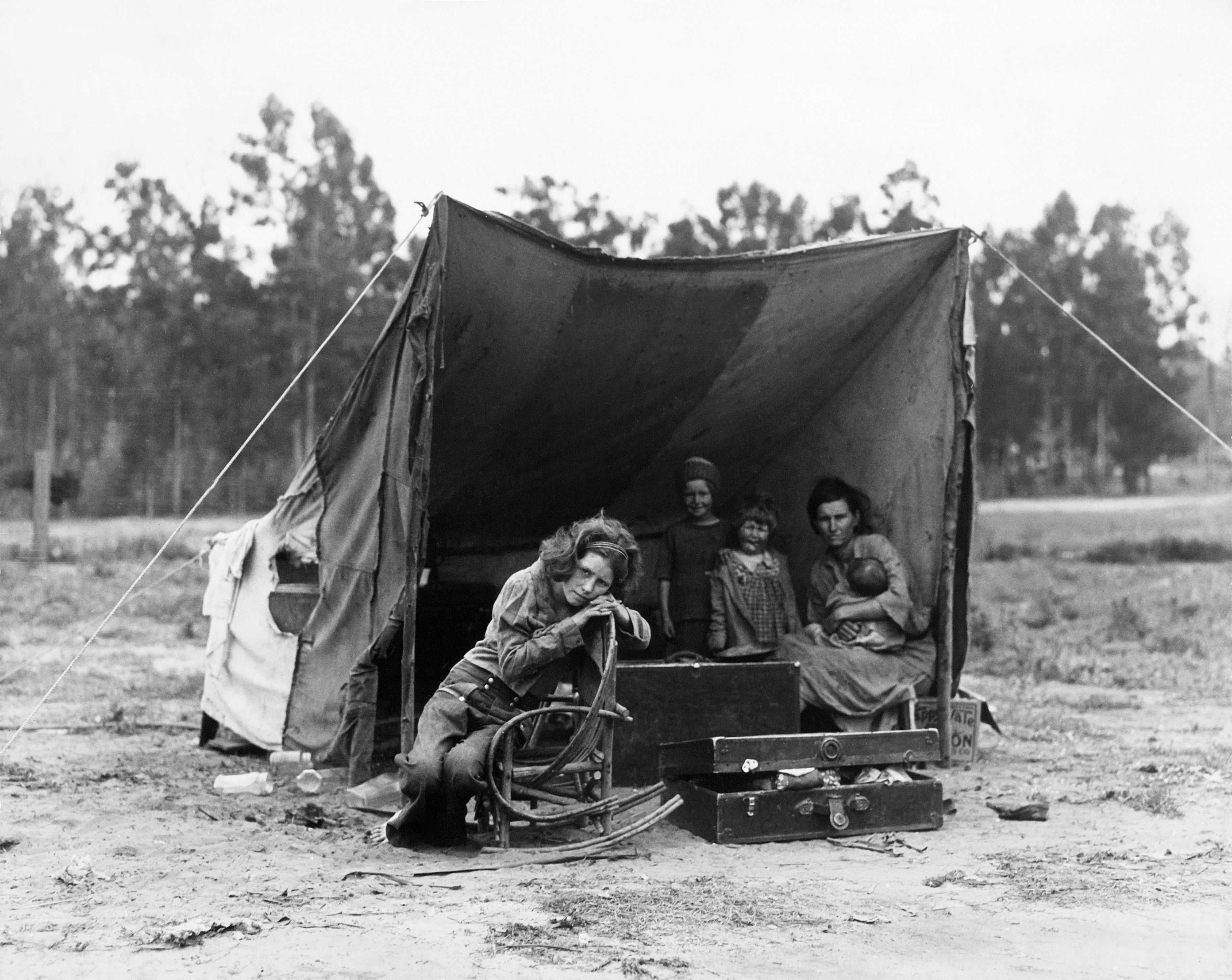
- John Steinbeck wrote the novella "Of Mice and Men." This brutal, beautiful text examines the struggles of migrant workers during the Great Depression, illustrating the fragility of the American Dream.
- Harper Lee wrote the novel "To Kill a Mockingbird." Told from the perspective of young Scout Finch, it addresses racial injustice and moral growth in the American South, posing questions about empathy and the courage to stand against the majority.
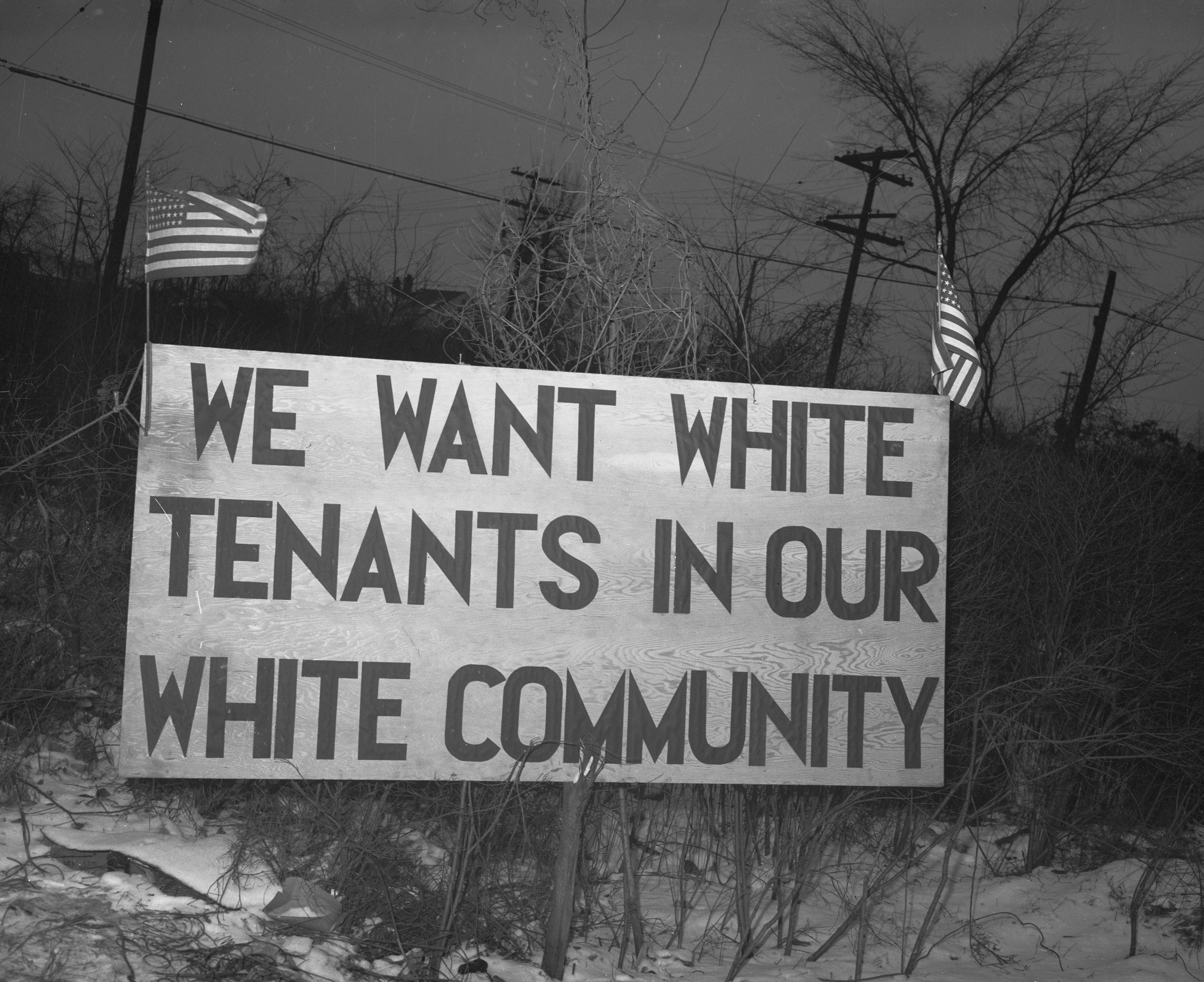
- Lorraine Hansberry wrote the play "A Raisin in the Sun." This pivotal work explores the experiences of a Black family facing housing discrimination in Chicago, highlighting the intersecting pressures of race, class, and gender.
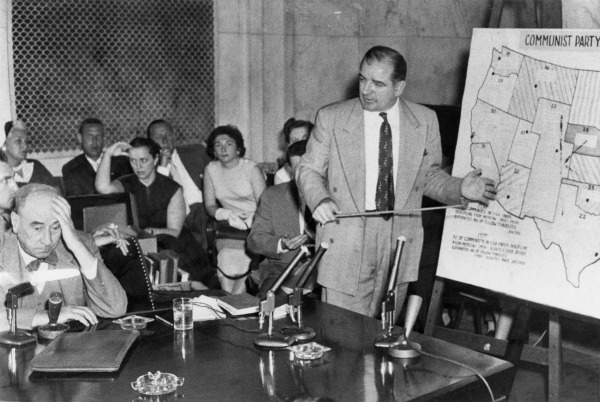
- Arthur Miller wrote the play "The Crucible." While set in 1692, it uses the Salem witch trials as an allegory for McCarthyism in 1950s America, demonstrating how mass hysteria and fear can dismantle justice.
- J.D. Salinger wrote the novel "The Catcher in the Rye." Holden Caulfield became the ultimate voice of teenage disillusionment; the novel explores themes of teenage alienation and the loss of innocence in a "phony" adult world.
Modern young adult literature takes the grand themes of American literature—survival, identity, systemic injustice—and packages them specifically for the developing adolescent brain.
Survival, Dystopia, and the Mind
Middle school students are fascinated by dystopias and survival narratives because these stories isolate the protagonist, forcing them to rely entirely on their own competence.
- Gary Paulsen wrote the wilderness survival novel "Hatchet." Beyond just building fires, the novel focuses on themes of self-reliance and the psychological impact of survival as young Brian confronts his parents' divorce alongside the dangers of the Canadian wilderness.
- Lois Lowry wrote the dystopian novel "The Giver." It introduces themes of memory, conformity, and societal control to adolescent readers, asking them to consider whether a world without pain is worth living in if it also means a world without color or love.
- Ray Bradbury wrote the dystopian novel "Fahrenheit 451." Although technically adult fiction, it is a classroom staple that explores the dangers of censorship and the loss of literature in a futuristic society, warning against the seduction of mindless entertainment.
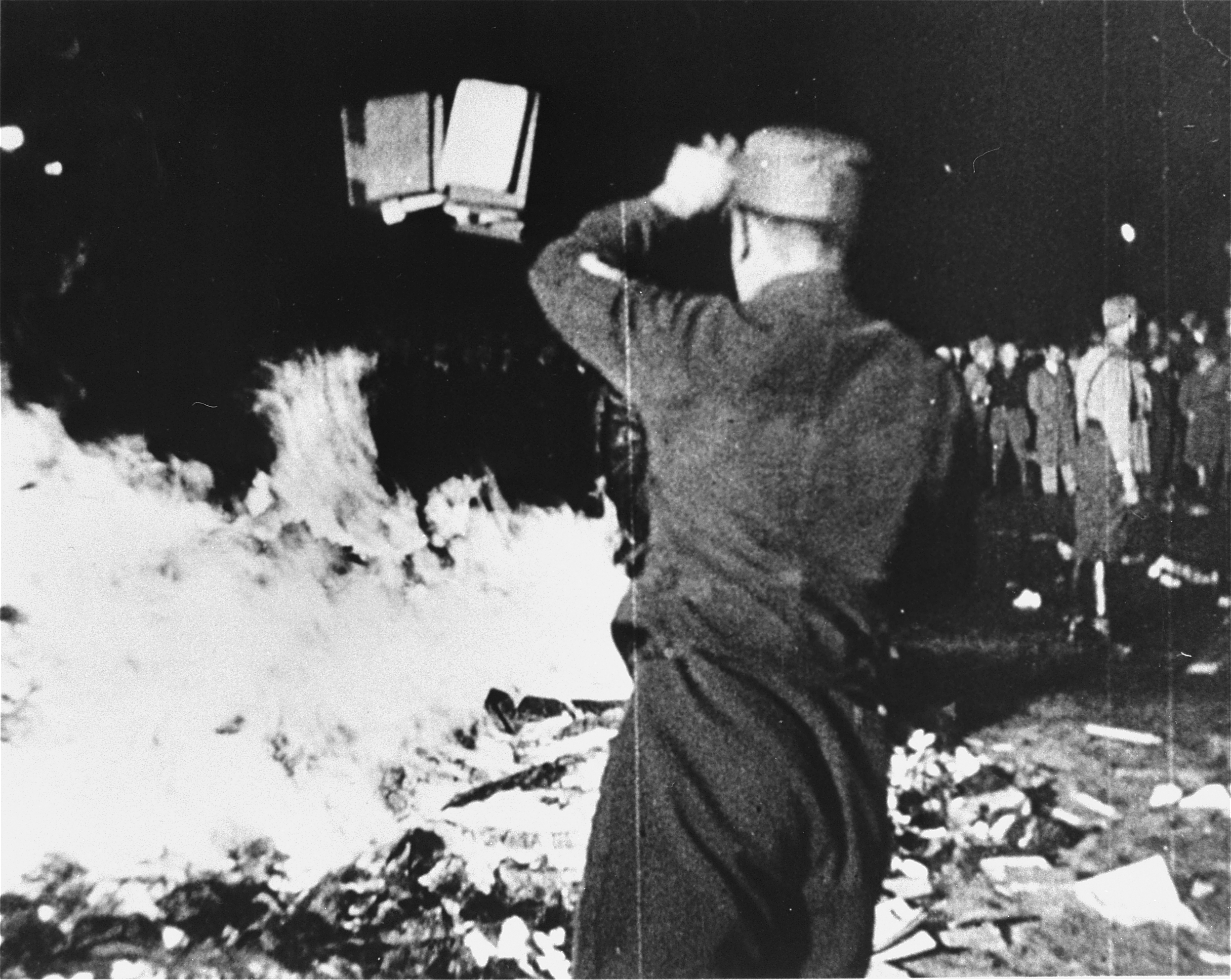
Navigating Social Divides and Coming of Age
- S.E. Hinton wrote the young adult novel "The Outsiders." Written when Hinton herself was a teenager, it explores themes of gang conflict and socioeconomic divides among teenagers (Greasers vs. Socs), proving that adolescents can consume literature that respects the actual danger and depth of their social lives.
- Mildred D. Taylor wrote the novel "Roll of Thunder, Hear My Cry." It masterfully examines racism and land ownership in the Jim Crow South through the eyes of young Cassie Logan, providing a vital counternarrative of Black resilience and economic independence.
- Christopher Paul Curtis wrote the novel "The Watsons Go to Birmingham—1963." It seamlessly blends humor and tragedy, exploring the impact of the Civil Rights Movement on a Black family from Michigan who drive into the epicenter of Southern racial violence.
Identity, Trauma, and Finding One's Voice
Modern texts excel at providing marginalized or silenced adolescents a pathway to vocalize their experiences.
- Sandra Cisneros wrote the novel "The House on Mango Street." Written in lyrical, poetic vignettes, it explores Latina identity and coming of age in Chicago.
- Jacqueline Woodson wrote the memoir "Brown Girl Dreaming." Written in breathtaking verse, it details the experience of growing up African American in the 1960s and 1970s, caught between the landscapes of South Carolina and New York.
- Sherman Alexie wrote "The Absolutely True Diary of a Part-Time Indian." Using humor and poignant cartoons, it addresses the struggles of an Indigenous teenager navigating life on and off the reservation.
- Laurie Halse Anderson wrote the novel "Speak." A profoundly important text that deals with the trauma of sexual assault and the struggle to find one's voice, highlighting the physical and psychological manifestations of silenced trauma.
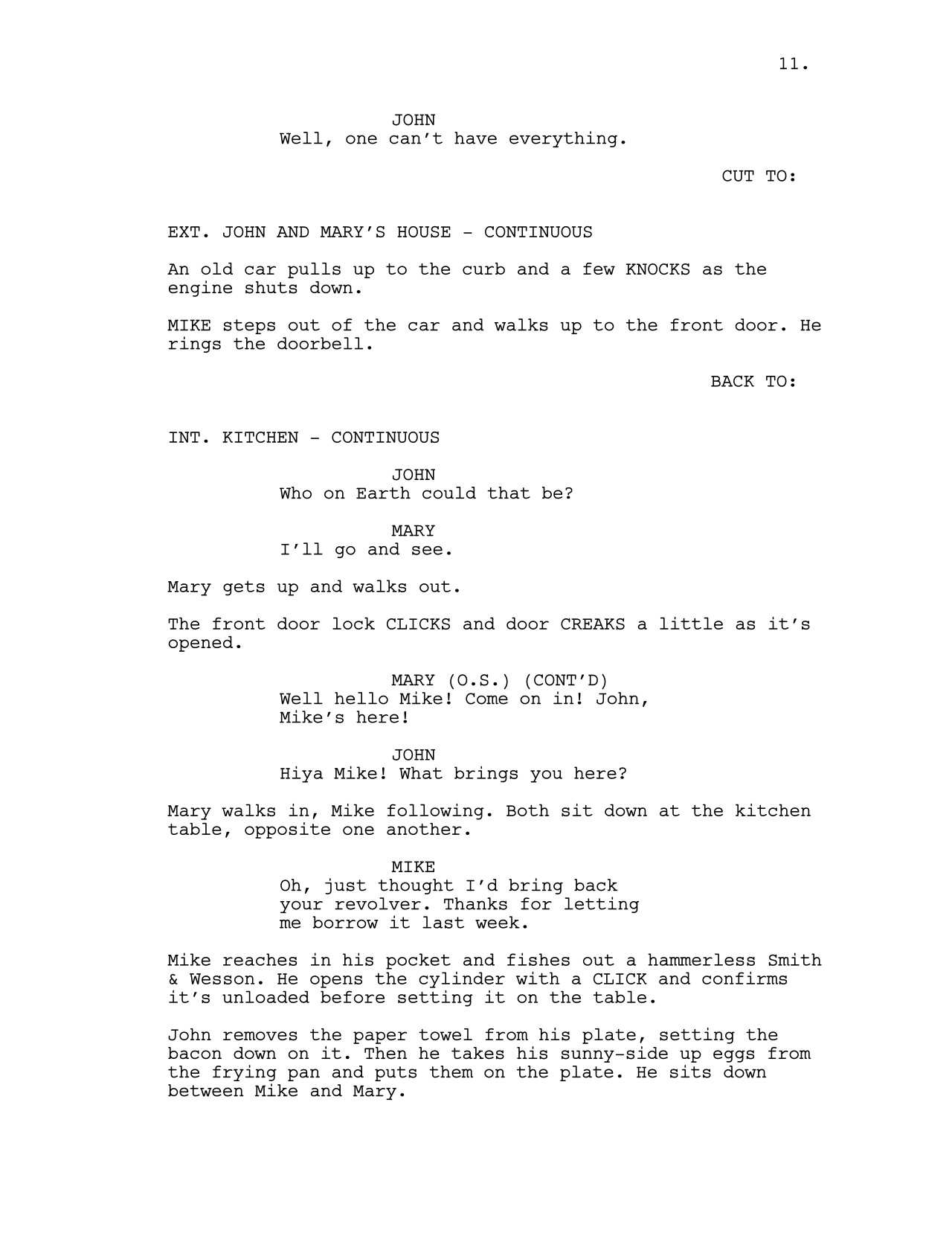
- Walter Dean Myers wrote the novel "Monster." Myers uses a screenplay format to explore the experiences of a Black teenager on trial for murder. By structuring the book as a film script written by the protagonist, it brilliantly externalizes the adolescent feeling of being judged by a hostile audience.
| Thematic Focus | Key Authors/Texts | Classroom Application for Middle Schoolers |
|---|---|---|
| Systemic Injustice & Moral Growth | Lee (To Kill a Mockingbird), Taylor (Roll of Thunder...), Curtis (The Watsons...) | Teaches empathy and recognizing structural inequalities. |
| Alienation & Finding Voice | Salinger (Catcher), Anderson (Speak), Cisneros (House on Mango Street) | Provides vocabulary for internalized trauma and identity formation. |
| Dystopia & Societal Control | Lowry (The Giver), Bradbury (Fahrenheit 451), Miller (The Crucible) | Explores the dangers of conformity and the responsibility of the individual to question authority. |
When you enter the ELA classroom, you are not merely assigning chapters; you are curating a gallery of American voices. Your job is to show the student that Jonathan Edwards’ fear of a wrathful universe, Thoreau’s desire to escape society, Langston Hughes’ demand for recognition, and the raw vulnerability of S.E. Hinton's teenagers are all part of the same, magnificent human struggle to figure out exactly who we are.