Major Works and Authors: British and World Literature
Not sure you’re ready?
Take the ~3-minute readiness diagnostic and see where you stand.
To teach the history of literature is to teach the history of human consciousness reacting to its environment. Imagine inheriting a sprawling, eccentric house built continuously over a thousand years. You cannot make sense of the fragmented, minimalist renovations on the top floor unless you understand the heavy, anxious Victorian plumbing beneath them, or the grand, structurally ambitious Renaissance foundations upon which the entire edifice rests. For an English Language Arts teacher, understanding these eras is not about memorizing a chronological list of dead authors; it is about recognizing the shifting blueprints of the human mind. When your students struggle with the convoluted syntax of a sixteenth-century poem or the erratic pacing of a modern novel, they are not failing to read. They are simply using the wrong architectural blueprint for the room they are standing in. Your job is to hand them the correct lens.
This guide maps the major movements of British and World Literature. We will examine what writers in each era valued, the specific cultural crises they were trying to solve, and the precise texts that define their movements.
The British Renaissance was characterized by a revival of classical learning. After the medieval period’s rigid focus on the afterlife and collective religious duty, scholars and writers "rediscovered" the philosophies and arts of ancient Greece and Rome. This paradigm shift meant that British Renaissance literature often focuses on the potential and complexity of the human individual. Writers began to examine human ambition, psychology, and agency with a thrilling, unprecedented intensity.
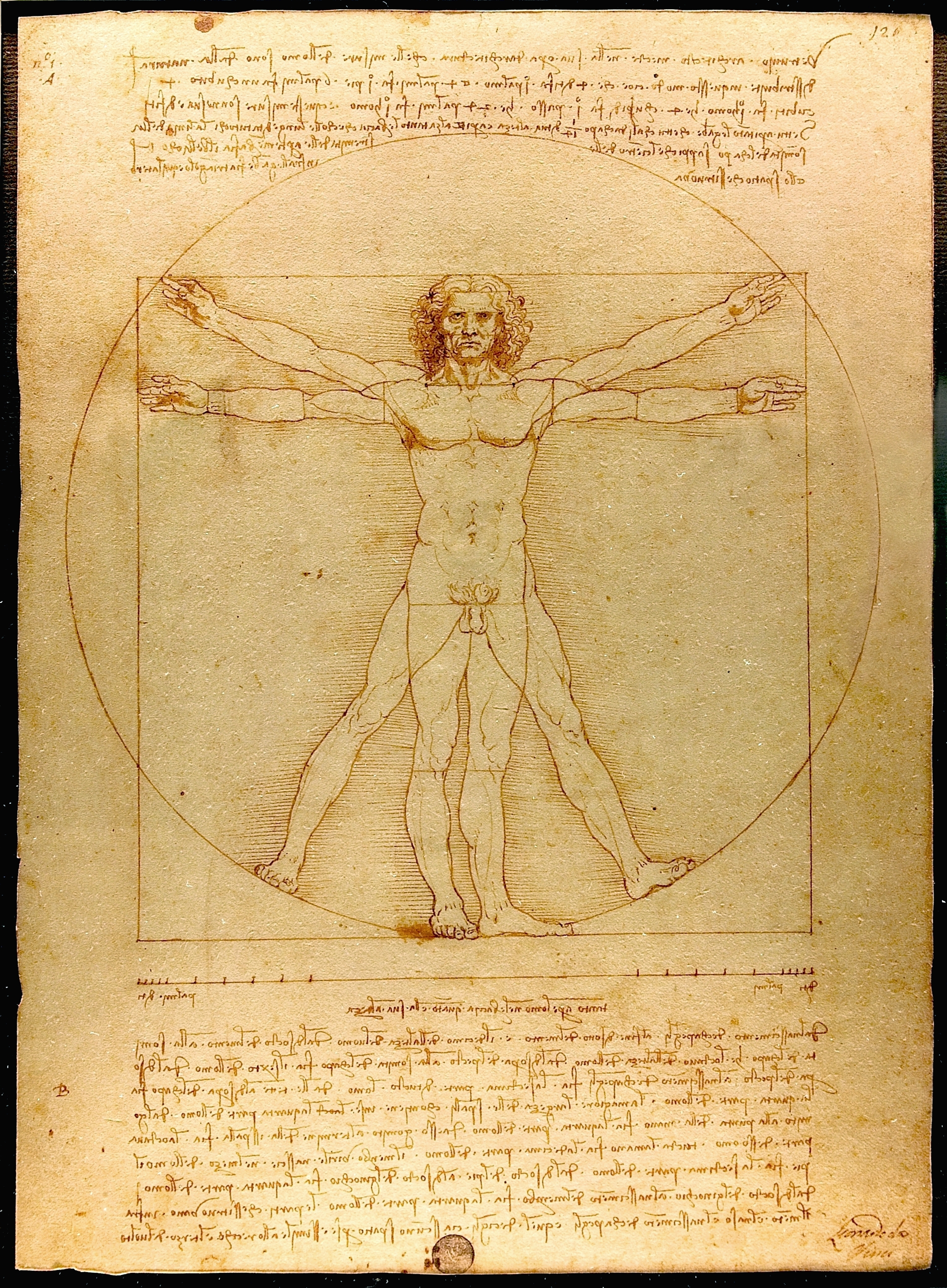
When you teach this period, emphasize to your students that this was the era of the "self." It was the intellectual birth of the individual protagonist struggling against their own nature rather than just external monsters.
- William Shakespeare: The undisputed central literary figure of the British Renaissance. In plays like Hamlet—written during the height of the British Renaissance—Shakespeare dramatizes this new focus on human complexity. Hamlet’s paralyzing introspection is the ultimate Renaissance problem: an intellect vast enough to comprehend its choices but too complex to simply act without question.
- Christopher Marlowe: A prominent playwright during the British Renaissance whose characters embodied the extreme limits of human ambition. Doctor Faustus is his major play, a masterclass in the Renaissance tension between the limitless desire for human knowledge and the bounds of traditional morality.
- Edmund Spenser: The author of the epic poem The Faerie Queene, written during the British Renaissance to examine moral virtue through allegory, deliberately reviving classical epic conventions to glorify the Tudor dynasty.
The Metaphysical Poets: Intellect as Passion
Flowing out of the late Renaissance was a fiercely intellectual movement known as Metaphysical poetry. Where earlier poets relied on predictable comparisons (lips like roses, eyes like stars), the Metaphysical poets deployed startling logic. Metaphysical poetry often employs extended and complex metaphors called conceits.
Conceit: An elaborate, highly intellectual metaphor that draws a striking parallel between two seemingly dissimilar things (e.g., comparing two separated lovers to the legs of a drawing compass).

Furthermore, Metaphysical poetry frequently explores philosophical and spiritual subjects alongside physical love, refusing to separate the mind from the body. When a middle school student constructs an absurd, overly logical argument to get out of doing homework, they are echoing the rhetorical strategies of these poets.
- John Donne: Widely considered the founder of the Metaphysical poets. The Flea is a representative poem by John Donne, wherein the speaker uses the image of a flea that has bitten both him and his lover as a bizarre but logically rigorous conceit to argue for physical intimacy.
- Andrew Marvell: A prominent Metaphysical poet. His poem To His Coy Mistress is the ultimate synthesis of physical desire and philosophical dread, framing a romantic plea within the terrifying context of finite human mortality.
- George Herbert: A notable Metaphysical poet who applied these same complex conceits to spiritual matters, wrestling with his relationship with God in structurally inventive verses.
If the Enlightenment period that followed the Renaissance was about scientific reason and strict categorization, British Romanticism was the violent, beautiful backlash. To a Romantic, the universe cannot be solved by a mathematical equation. British Romanticism emphasized human emotion over rational thought. It celebrated the awe-inspiring power of nature—not as a resource to be categorized, but as a sublime force that dwarfs human ambition. Above all, British Romanticism championed the individual imagination as the highest authority of truth.
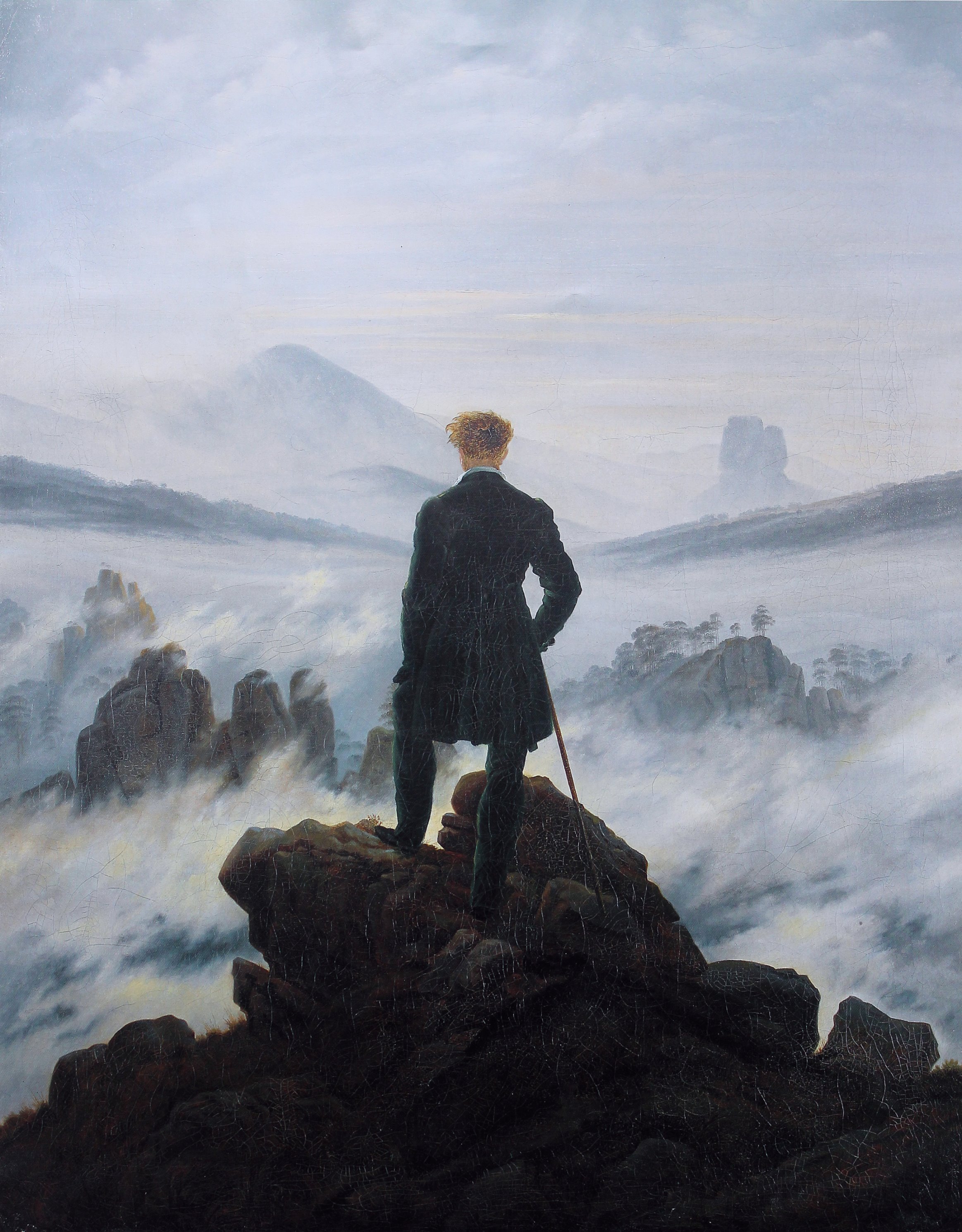
You are teaching the Romantics to middle schoolers every day. Adolescents naturally prioritize intense emotion over adult logic, revere authenticity, and feel deeply alienated by rigid systems. They are inherently Romantic.
The Early Romantics:
- William Blake: An early British Romantic poet and printmaker who operated entirely on his own visionary wavelength. Songs of Innocence and of Experience was written by William Blake to contrast the uncorrupted childhood imagination with the oppressive, soul-crushing realities of adult institutions.
- William Wordsworth: A leading figure in the British Romantic movement. He believed poetry should be the "spontaneous overflow of powerful feelings."
- Samuel Taylor Coleridge: A master of the supernatural and philosophical. He wrote the poem The Rime of the Ancient Mariner, a haunting exploration of guilt and nature's retribution.
The Turning Point: The publication of Lyrical Ballads in 1798—co-authored by William Wordsworth and Samuel Taylor Coleridge—is widely considered the beginning of the British Romantic period. It stripped away the aristocratic, artificial language of previous eras in favor of the language of ordinary people.
The Second Generation:
- John Keats: A major second-generation British Romantic poet whose work explores the tension between eternal art and fleeting human life. Ode on a Grecian Urn is a famous poem by John Keats that captures this exact paradox.
- Percy Bysshe Shelley: A prominent British Romantic poet and radical thinker. Ozymandias was written by Percy Bysshe Shelley to show that even the greatest empires of rational man are eventually reclaimed by the vast, indifferent sands of nature.
- Lord Byron: A major figure in the British Romantic movement who created the "Byronic hero"—the brooding, defiant outcast that still dominates young adult literature today.
The Victorian period of British literature corresponds to the nineteenth-century reign of Queen Victoria. During this time, Britain became the undisputed global superpower, driven by a booming industrial economy and vast imperial expansion. But under the surface of this prosperity lay a profound psychological fracturing.
Victorian literature often addresses the social anxieties caused by widespread industrialization. Cities grew overcrowded, poverty was institutionalized, and the landscape was blackened by factories. Simultaneously, Victorian literature frequently explores the conflict between traditional religion and new scientific discoveries (such as Charles Darwin's theory of evolution). The foundational certainties of the world were cracking.
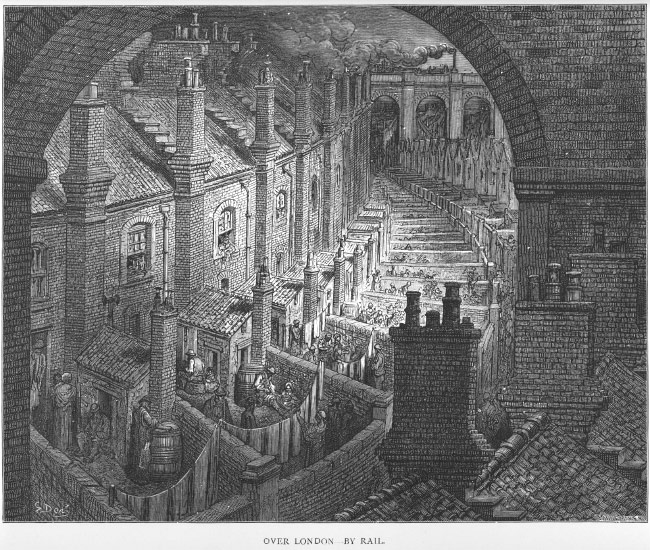
- Charles Dickens: A major novelist of the Victorian period whose serialized fiction exposed the brutal inequalities of industrialized London. Great Expectations was written by Charles Dickens to track a young man's moral education against a backdrop of class obsession.
- Charlotte Brontë: Wrote the novel Jane Eyre during the Victorian era, revolutionizing the narrative form by granting intense psychological depth and moral agency to a poor, plain governess.
- Emily Brontë: Wrote the novel Wuthering Heights, a dark, storm-battered masterwork that pushed against strict Victorian social norms through its untamed depiction of passion and revenge.
- George Eliot: The pen name of the Victorian author Mary Ann Evans, who had to adopt a male pseudonym to ensure her work was taken seriously. Middlemarch was written by George Eliot; it is a staggering sociological study of provincial Victorian life, exploring how individual aspirations are shaped—and often thwarted—by community expectations.
- Alfred, Lord Tennyson: A leading poet of the Victorian era whose melancholic, majestic verse often wrestled with the crisis of faith brought on by scientific advancement.
- Robert Browning: A Victorian poet known for popularizing the dramatic monologue, a form where a single character reveals their own psychological flaws to a silent listener.
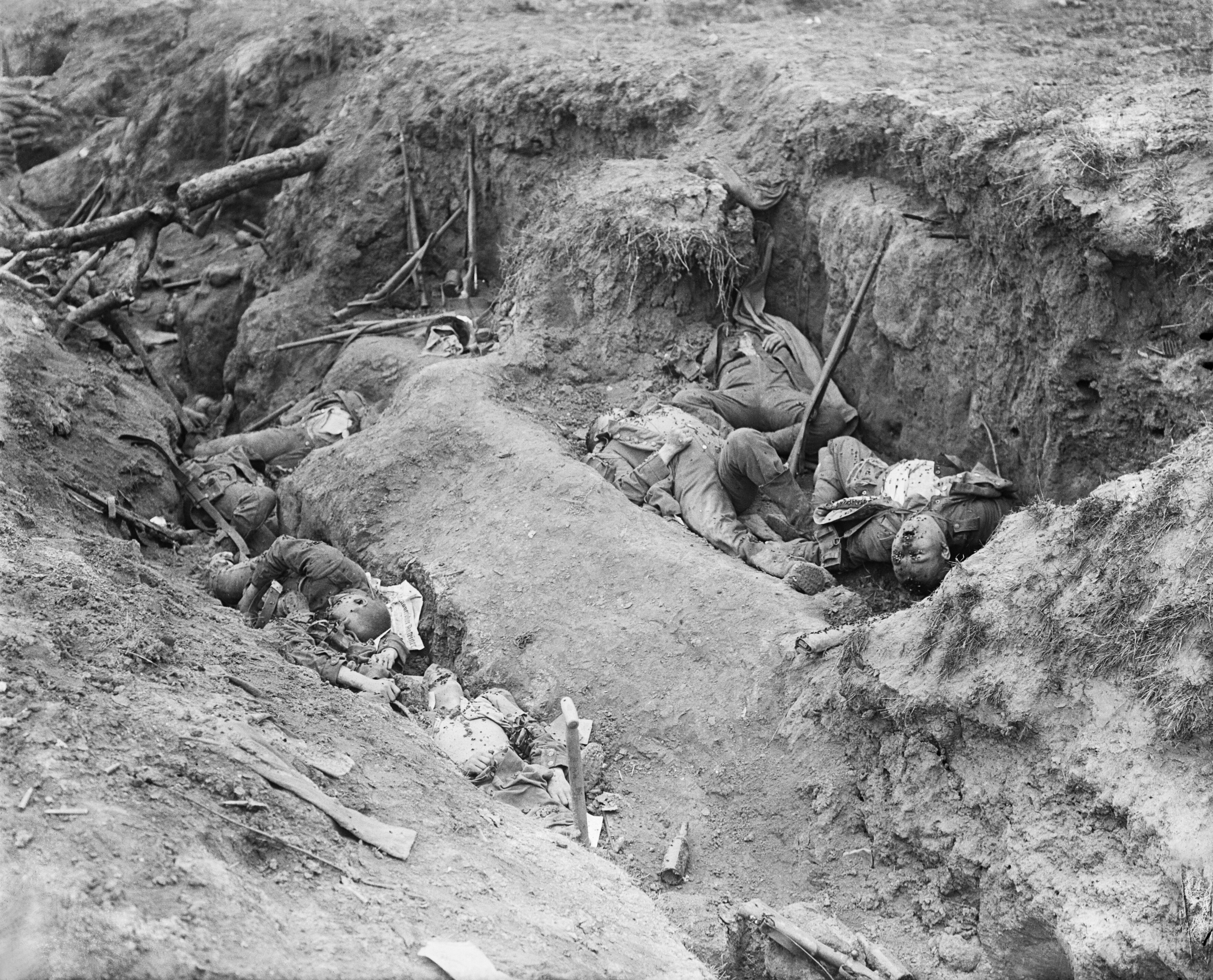
Modernist literature emerged in the late nineteenth and early twentieth centuries. The devastation of World War I physically and psychologically destroyed the old world order. The linear, confident narratives of the Victorian era no longer made sense to authors who had seen millions slaughtered by mechanized warfare. If reality was broken, literature had to break to reflect it.
To convey this trauma and disorientation, British Modernism often features fragmented narratives. Additionally, to capture how the human mind actually processes a chaotic world, British Modernism frequently employs the stream-of-consciousness narrative technique, tracking the unfiltered, associative leaps of a character's inner thoughts.
- T.S. Eliot: A central figure in the Modernist poetry movement. The Waste Land is a landmark Modernist poem by T.S. Eliot. It is a brilliant, disjointed collage of different voices, languages, and allusions, capturing the spiritual barrenness of post-war Europe.
- Virginia Woolf: A pioneering British Modernist novelist who revolutionized the way narrative handles time and interiority. Mrs. Dalloway was written by Virginia Woolf; it uses stream-of-consciousness to explore the hidden psychological depths of its characters over the course of a single day in London.
- James Joyce: A major figure in Modernist literature. Ulysses is a seminal Modernist novel written by James Joyce, mapping the structure of Homer's epic onto a single, deeply ordinary day in Dublin, Ireland.
- W.B. Yeats: A major figure in twentieth-century literature and Modernist poetry, who documented the political and cultural unraveling of the era, famously writing that "things fall apart; the centre cannot hold."
The themes of the British canon do not exist in isolation. They are part of a global conversation of meaning-making that spans millennia. As an ELA teacher, your ability to draw connections between an ancient Greek epic and a twentieth-century African novel gives students a map of global human consciousness.
The Foundations of the Narrative Arc
| Era / Culture | Author & Context | Major Work & Significance |
|---|---|---|
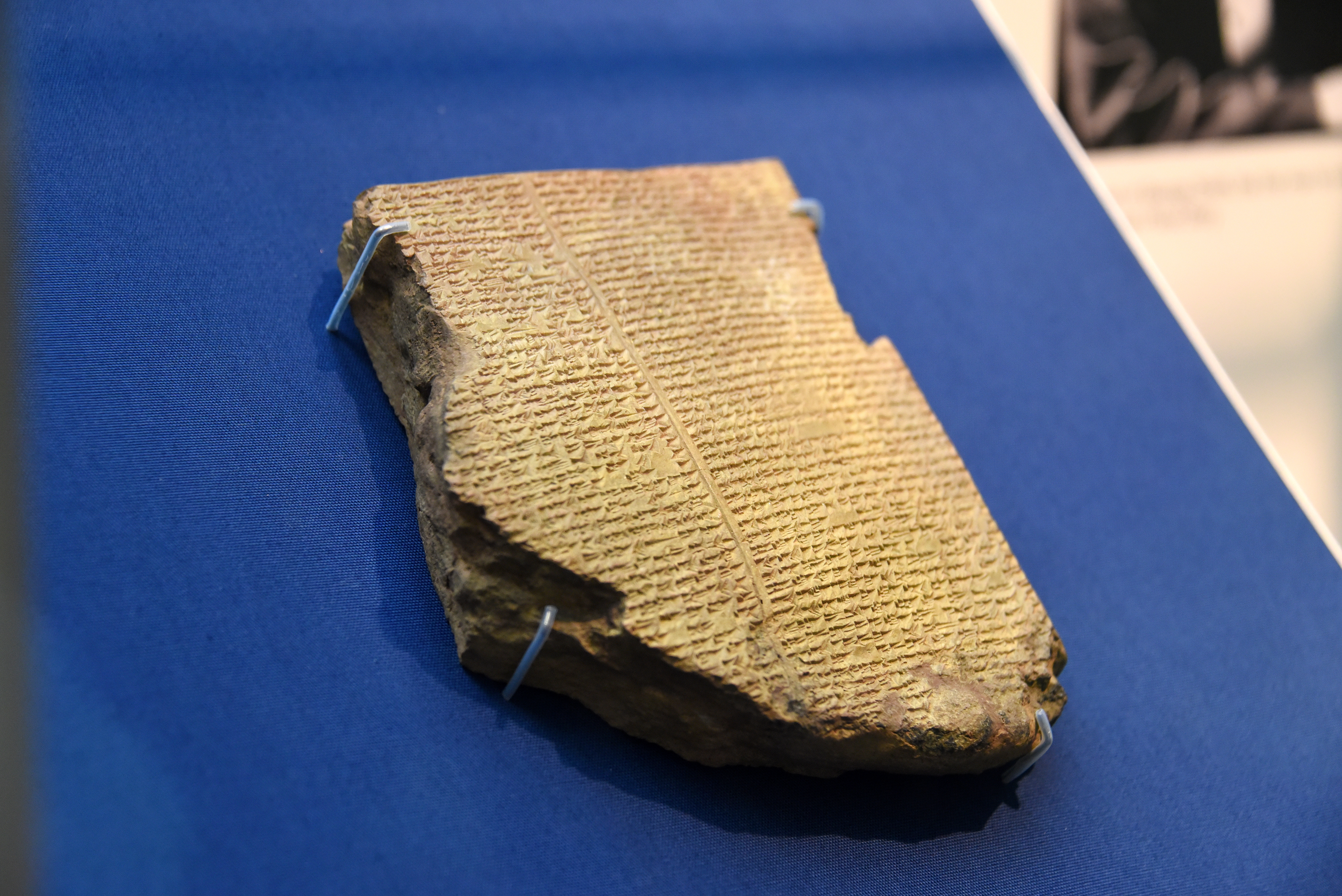
| Mesopotamian | Unknown | The Epic of Gilgamesh: One of the earliest known works of Mesopotamian literature, establishing the heroic quest and the search for immortality. |
| Ancient Greek | Homer | The traditional author of the ancient Greek epics The Iliad and The Odyssey, foundational texts dealing with war, homecoming, and the gods. |
| Ancient Greek | Sophocles | Wrote the ancient Greek tragedy Oedipus Rex, mastering dramatic irony and the concept of a tragic flaw. |
Global Literary Titans
As civilizations developed, distinct literary traditions emerged, each shifting how stories could be told:
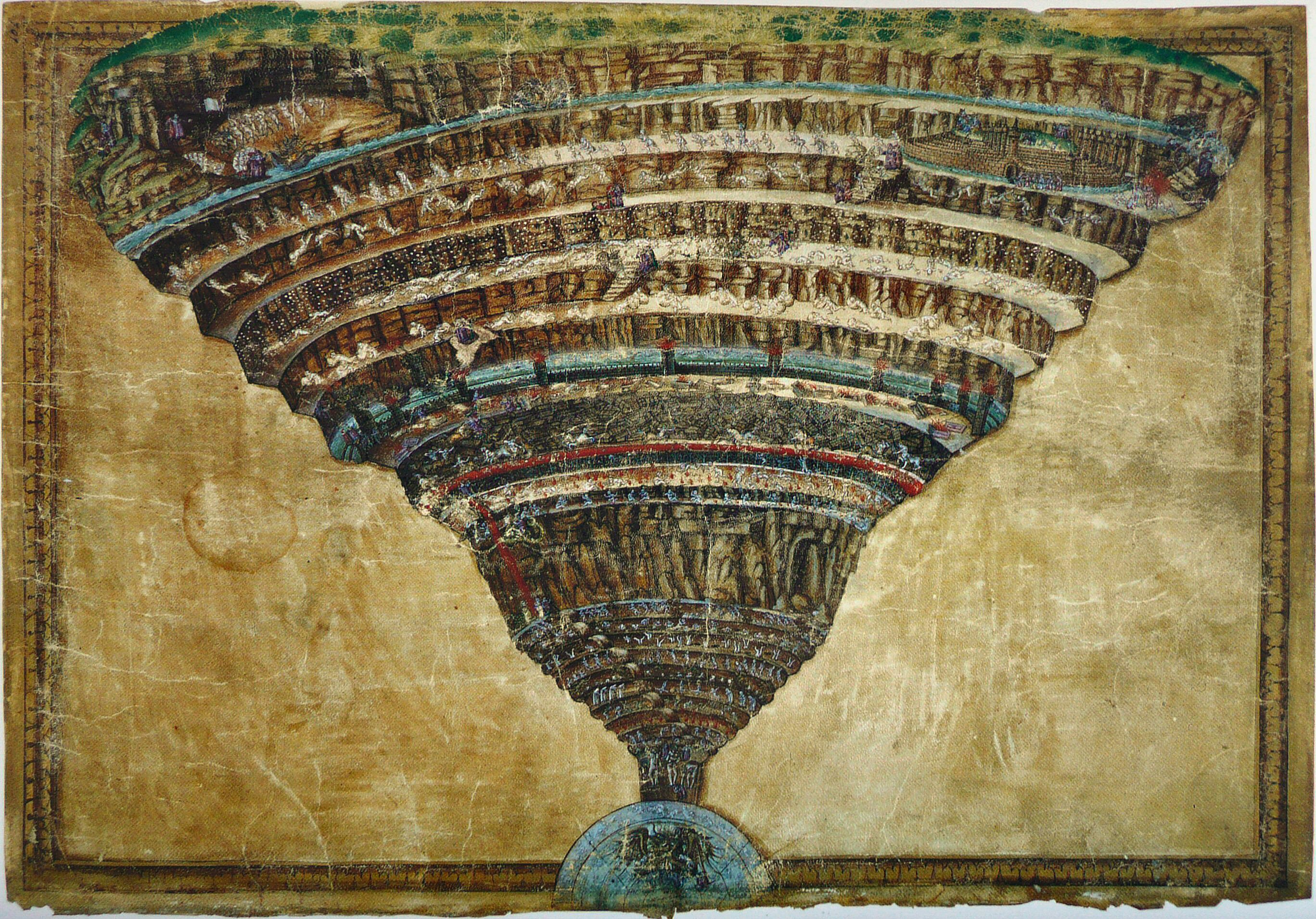
- Dante Alighieri: Wrote the Italian epic poem The Divine Comedy, an unparalleled architectural feat of poetry that maps the medieval Christian soul's journey through Hell, Purgatory, and Paradise.
- Miguel de Cervantes: Wrote the Spanish novel Don Quixote. Often considered the first modern novel, it is a brilliant meta-fictional exploration of reality versus illusion.
- Matsuo Bashō: A famous Japanese poet of the Edo period. Matsuo Bashō is universally recognized as a master of the haiku form, proving that profound philosophical and natural observations can be captured in rigorous, minimalist constraints.
- Leo Tolstoy: Wrote the Russian realist novel War and Peace, a towering work that weaves intimate family drama into the massive, historical sweep of the Napoleonic Wars.
- Fyodor Dostoevsky: Wrote the Russian novel Crime and Punishment, a terrifyingly acute psychological thriller exploring guilt, morality, and the consequences of intellectual arrogance.
The Twentieth-Century Post-Colonial and Boom Movements
In the twentieth century, writers from outside the traditional Western centers of power began to reclaim their narratives, reshaping the global literary landscape.
- Chinua Achebe: Wrote the seminal African novel Things Fall Apart (taking its title directly from W.B. Yeats's Modernist poem). Achebe wrote from the inside out, dismantling the colonial European gaze by offering a complex, tragic portrait of pre-colonial Igbo society in Nigeria.
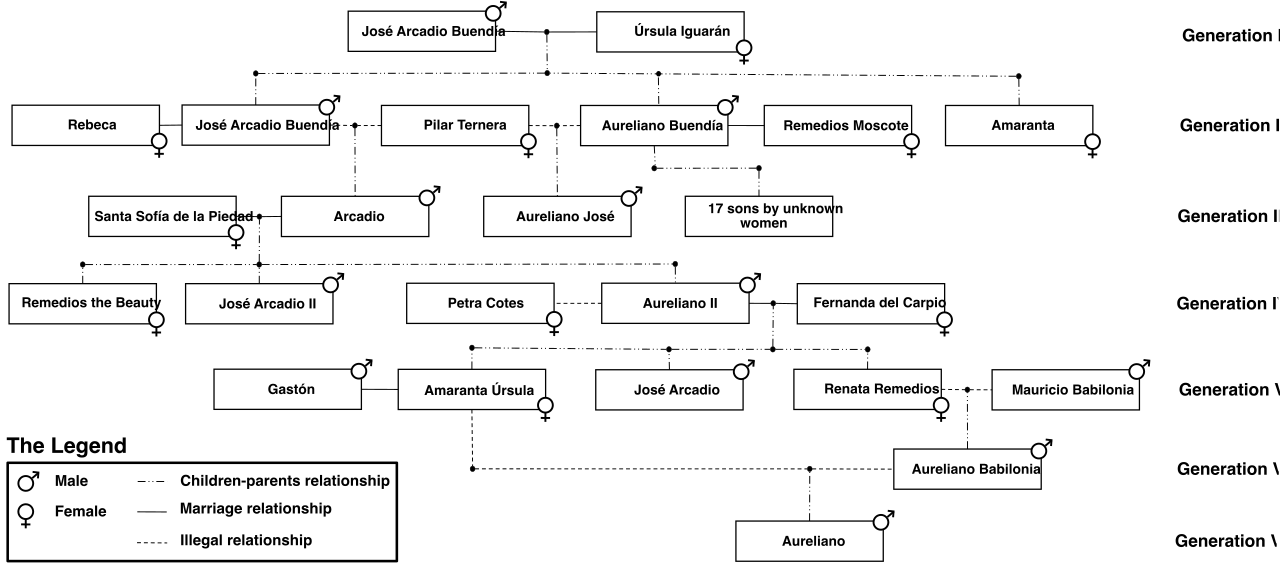
- Gabriel García Márquez: A leading author of the Latin American literary boom. One Hundred Years of Solitude is a definitive magical realism novel by Gabriel García Márquez, blending mundane reality with fantastical elements to capture the cyclical, turbulent history of Colombia.
Understanding these texts, movements, and authors provides the necessary context to teach literature not as a series of isolated reading comprehension exercises, but as the ongoing, living record of what it means to be human.