Ecosystems and Natural Resources
Not sure you’re ready?
Take the ~3-minute readiness diagnostic and see where you stand.
A bustling metropolis functions through the constant interaction of its physical infrastructure—roads, power grids, water pipes—and the daily economic behaviors of its inhabitants. Earth operates on an identical principle. Its "infrastructure" consists of atmospheric and geological systems, and its "inhabitants" are millions of interacting species. For the social studies educator, understanding this physical stage is not a mere scientific detour; it is the fundamental prerequisite for understanding human history. Empires rise where soils are fertile and rivers flow, and they collapse when resource networks shatter or climates abruptly shift. To teach geography, economics, or history without understanding the environmental engine that drives them is to teach a play without understanding the stage.
If you zoom all the way out, you are looking at the biosphere—the global sum of all ecosystems on Earth. It is the incredibly thin, fragile envelope of life clinging to the surface of a rock hurtling through space.
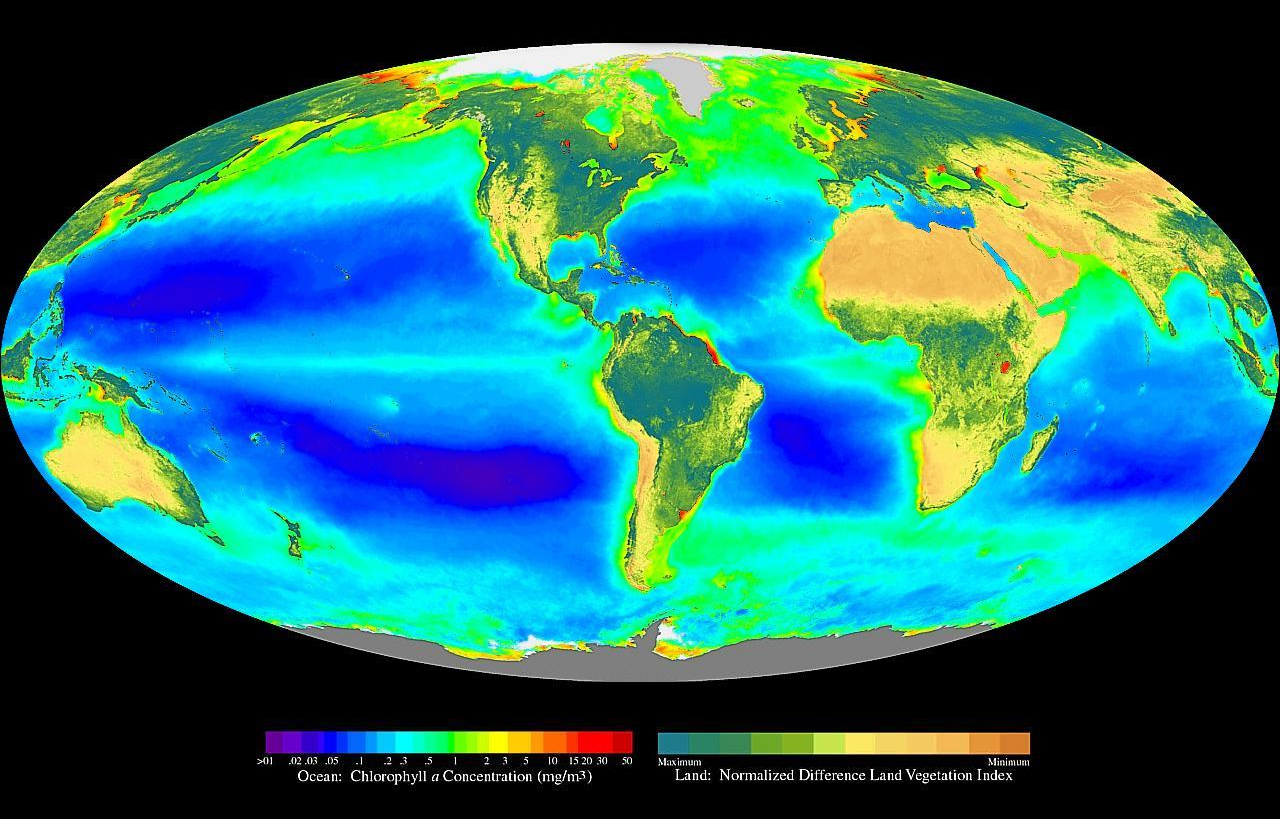
When we zoom in on a specific geographical area, we find an ecosystem, which consists of all living organisms in a specific area interacting with their nonliving physical environment. We divide this local machinery into two categories:
- Biotic factors: The living components of an ecosystem (plants, animals, fungi, bacteria).
- Abiotic factors: The nonliving physical components (sunlight, soil composition, water, temperature, wind).
When ecosystems share similar characteristics across massive geographic areas, we call them biomes. A biome is a large-scale geographical area characterized by its climate and the dominant vegetation and animal life.
The Mathematical Distribution of Biomes
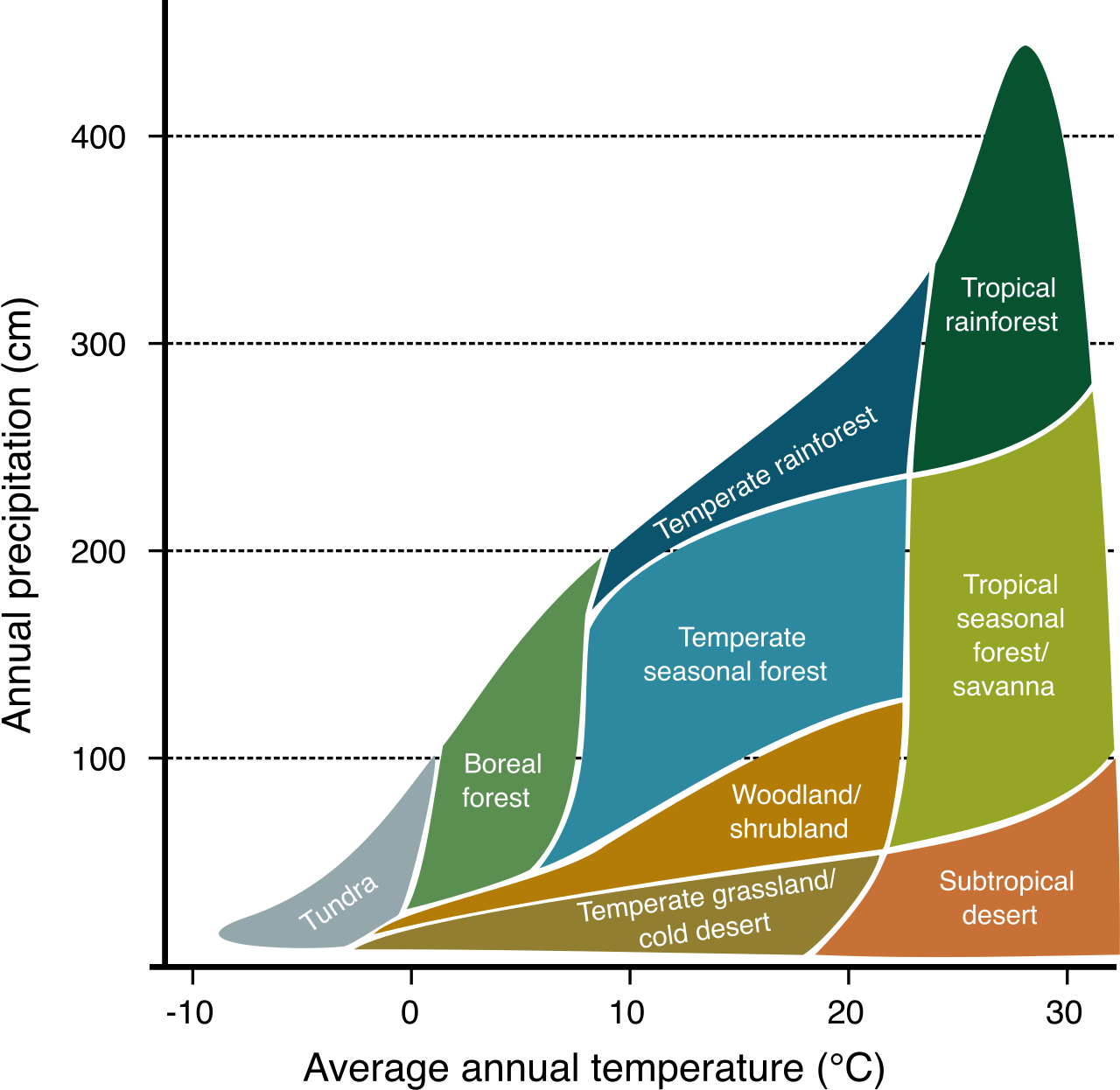
If you look at a map of global biomes, the patterns are not random. The spatial distribution of global biomes is primarily determined by temperature and precipitation patterns. It is an elegant, predictable equation. As you move away from the equator or climb in altitude, the biological community shifts in direct response to the available heat and moisture.
| Biome | Geographic Location & Climate Profile | Defining Characteristics |
|---|---|---|
| Tropical Rainforest | Located near the equator. | Experiences high precipitation and high temperatures year-round. Boasts massive biodiversity. |
| Savanna | Tropical regions flanking the rainforests. | Tropical grasslands with scattered trees. Savanna biomes experience distinct wet and dry seasons. |
| Desert | Roughly 30 degrees north and south of the equator. | Characterized by extremely low annual precipitation. Organisms here are highly specialized for water conservation. |
| Temperate Deciduous Forest | Mid-latitudes. | Experiences four distinct seasons. Trees in temperate deciduous forests shed their leaves in autumn to survive winter freezing. |
| Taiga (Boreal Forest) | Northern latitudes, spanning North America and Eurasia. | The world's largest terrestrial biome. Characterized by coniferous (evergreen) forests and long, cold winters. |
| Tundra | Located primarily in the Arctic regions. | Treeless, bitter cold. Tundra biomes contain permafrost, which is a layer of permanently frozen subsoil that restricts deep root growth. |
A Geographic Rule of Thumb: Elevation affects biome distribution in a manner similar to latitude. Hiking up a massive mountain near the equator is biologically equivalent to walking thousands of miles toward the poles. You might start in a tropical rainforest at the base, pass through temperate deciduous forests, enter a coniferous taiga zone, and finally reach a treeless, alpine tundra at the summit.
Mountains and Oceans: The Geographic Drivers
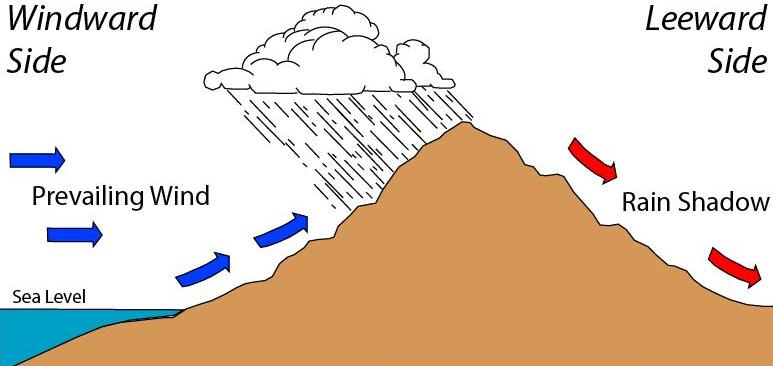
Topography radically alters abiotic factors. When prevailing winds carry ocean moisture over a mountain range, the windward side of a mountain range typically experiences high precipitation because the air cools and drops its water as it rises. By the time that air crosses the peak, it is bone dry. This is known as the rain shadow effect, and it causes dry, arid environments on the leeward side of a mountain range (e.g., the Sierra Nevada casting a rain shadow over the deserts of Nevada).
While terrestrial biomes dictate human settlement on land, we cannot ignore the water. Marine ecosystems cover approximately 70 percent of the Earth's surface, functioning as the great climate regulators of the planet. At the fringes of these marine environments lie estuaries—highly productive coastal ecological zones where freshwater from rivers mixes with saltwater from the ocean. They are the nurseries of the sea and historically vital hubs for human trade and civilization.
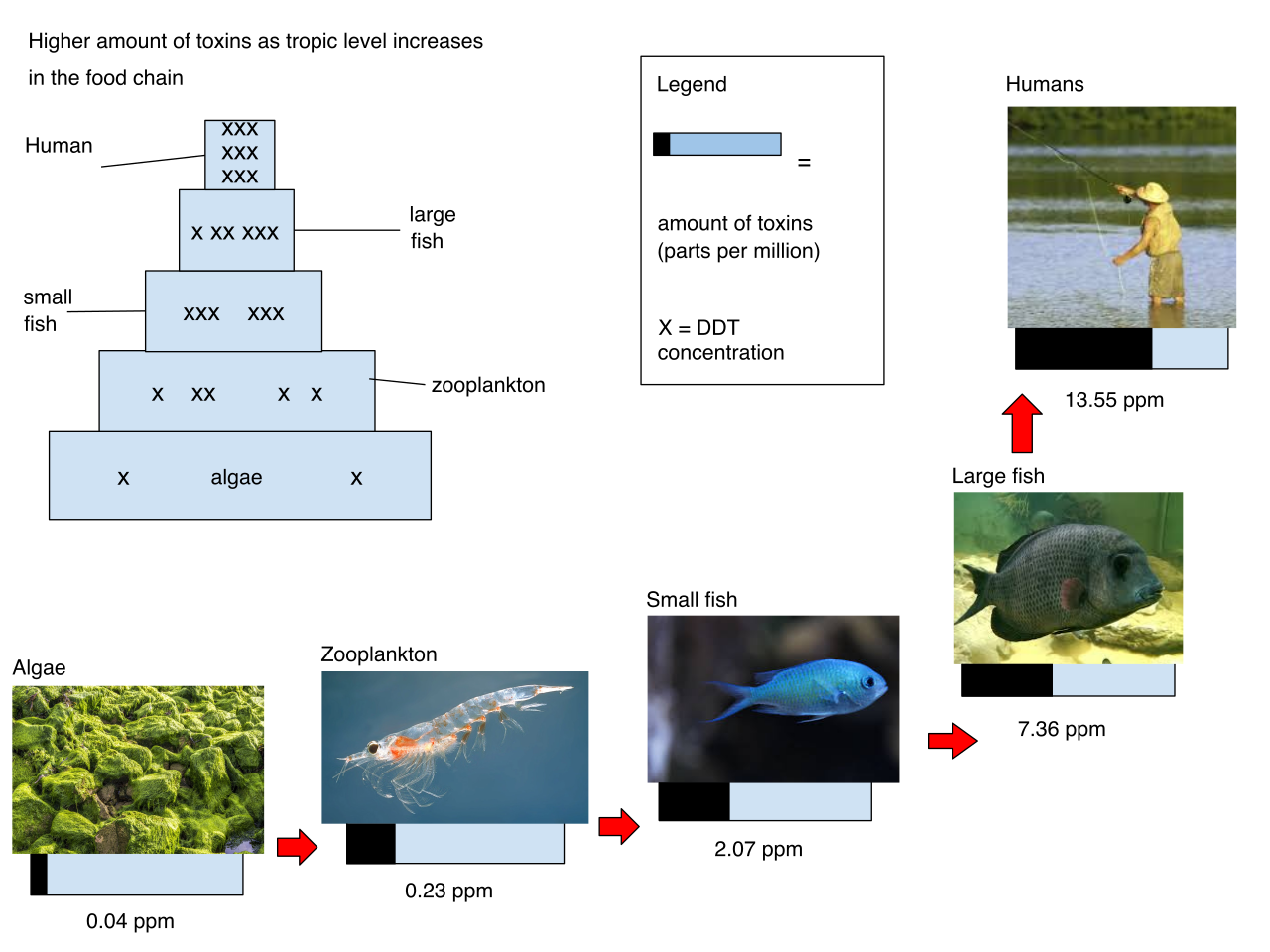
In human economics, money flows from consumers to producers. In biological economics, energy flows through a food web. Within this web, a trophic level represents the specific position an organism occupies (e.g., primary producer, primary consumer, apex predator).
Because organisms higher on the food chain must consume vast quantities of lower-level organisms to survive, they are highly vulnerable to a process called biomagnification. This is the process where the concentration of toxic substances increases in organisms at higher trophic levels. If a microscopic plankton absorbs a tiny fraction of a pollutant, the small fish that eats thousands of plankton accumulates a larger dose. The eagle that eats hundreds of those fish receives a massive, often lethal, concentration. In ecosystem mechanics, there is no such thing as an isolated event.
The story of human civilization is a story of human-environment interaction, which fundamentally involves two dynamics: human adaptation to the environment (e.g., wearing insulated clothing in the tundra) and human modification of the natural environment.
A classic historical example of modification is building agricultural terraces on steep hillsides—a hallmark of the Inca in the Andes or rice farmers in East Asia. By carving flat steps into a mountain, humans manipulate the abiotic terrain to expand their food supply.
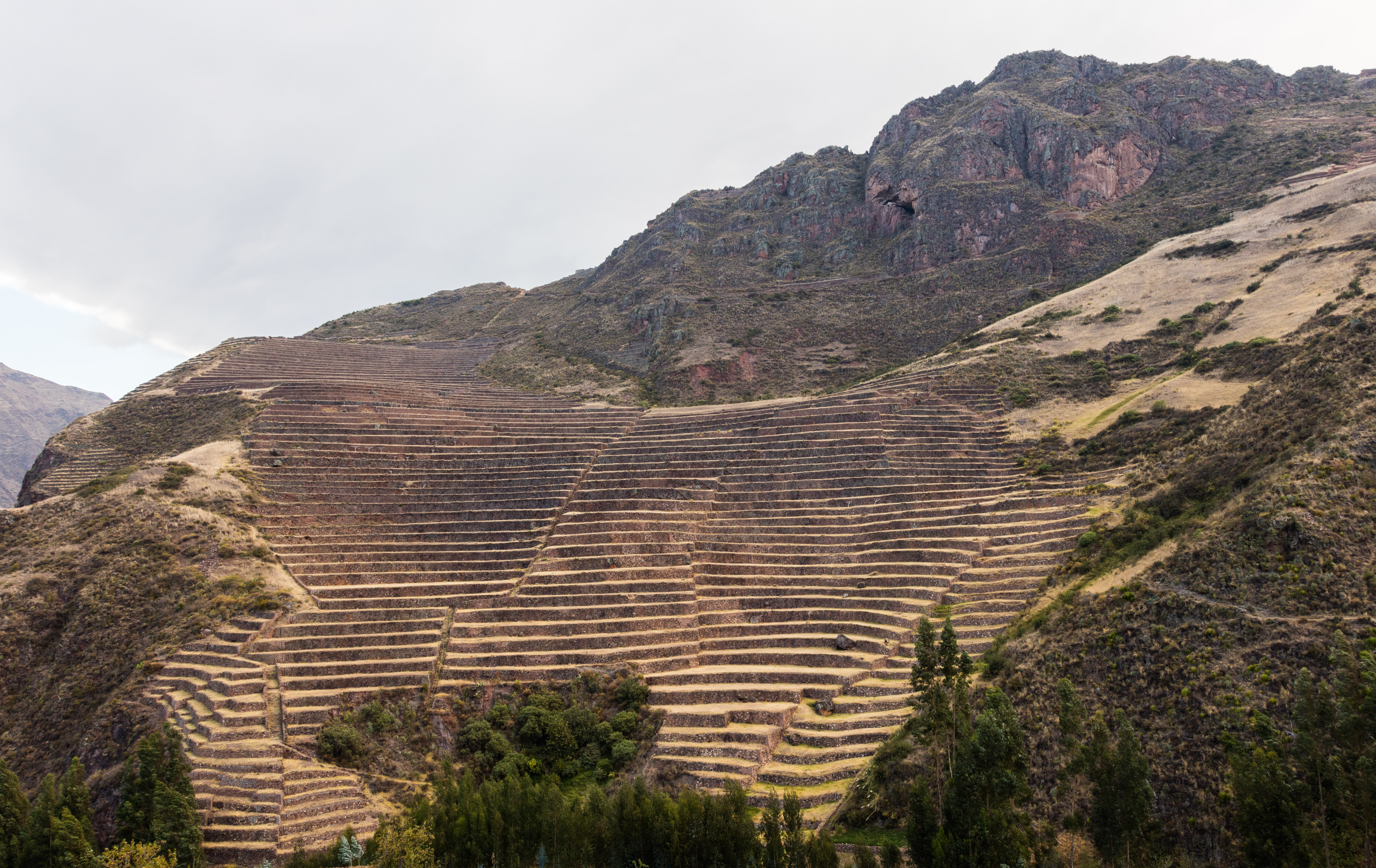
However, modification routinely tips into degradation when populations push against an area's carrying capacity—the maximum population size that an environment can sustainably support without degrading the ecosystem.
Deforestation, Desertification, and Water Scarcity
When human demand exceeds the carrying capacity, the ecological blowback is severe.
Deforestation is the large-scale removal of forest biomes. While occasionally done for timber, deforestation primarily occurs to clear land for agriculture and livestock grazing. Removing the deep root systems of trees inevitably triggers soil erosion, which is the physical displacement of the upper, nutrient-rich layer of soil. Wind and rain wash the fertile topsoil away, leaving the land barren. Both deforestation and unsustainable farming practices accelerate soil erosion, creating a vicious cycle where farmers must clear even more forest to find viable land.
In drier regions, this degradation is known as desertification, the process by which fertile land degrades into arid desert. Overgrazing and prolonged drought are primary causes of desertification. A tragic, real-world example of this is the Sahel region of Africa (the semi-arid belt just south of the Sahara), which experiences severe desertification due to overfarming and climatic changes, displacing millions and triggering geopolitical conflict.
Water, too, is dangerously finite. Water scarcity occurs when human demand for freshwater exceeds the available natural supply. To the surprise of many students, household water usage is a drop in the bucket; agriculture accounts for the vast majority of global freshwater consumption.
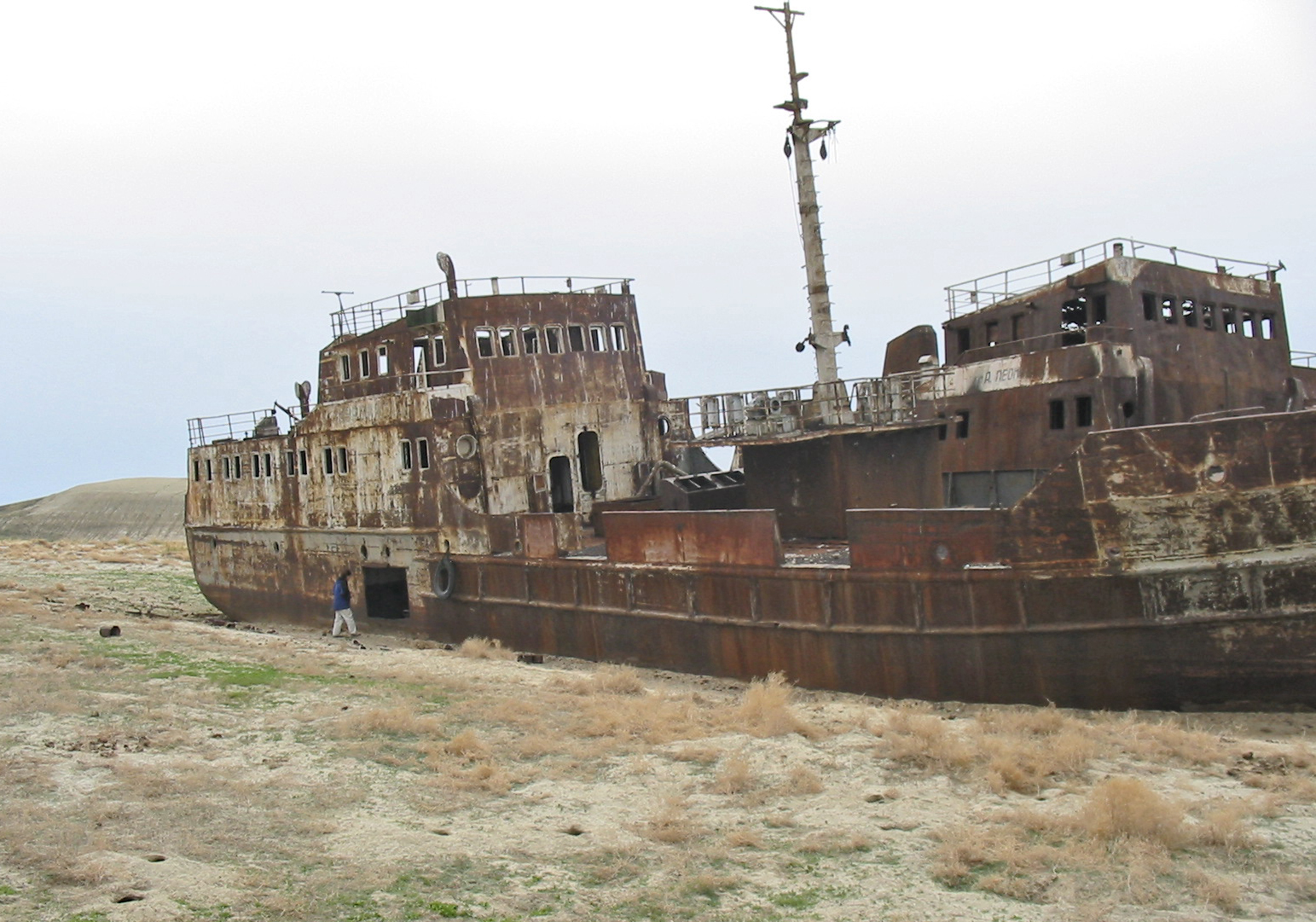
The Aral Sea Disaster: To understand the extreme consequences of altering water resources, look to Central Asia. Once the fourth-largest lake in the world, the Aral Sea shrank significantly due to the diversion of its feeding rivers for Soviet irrigation projects intended to grow cotton in the desert. It is one of the most stark examples in modern history of how top-down economic policies can physically erase a massive ecosystem.
How do intelligent humans allow ecosystems to collapse? Behavioral economics offers an answer via the tragedy of the commons. This concept describes a situation where individuals deplete a shared resource for short-term self-interest, even though they understand that depleting the common resource is contrary to the group's long-term best interests. If ten shepherds share a pasture, each has a financial incentive to add one more sheep to their flock. The individual reaps the full benefit of the extra sheep, but the ecological cost of overgrazing is shared among all ten. The pasture is quickly destroyed.
We see this tragedy play out globally in our extraction of natural resources.
- Renewable natural resources can be replenished naturally at a rate comparable to their rate of human consumption. Examples include solar energy, wind energy, geothermal energy, biomass, and hydropower.
- Nonrenewable natural resources exist in finite quantities and cannot be rapidly replaced by natural processes. Primary examples are coal, petroleum, natural gas, and uranium (which is used for nuclear energy generation).
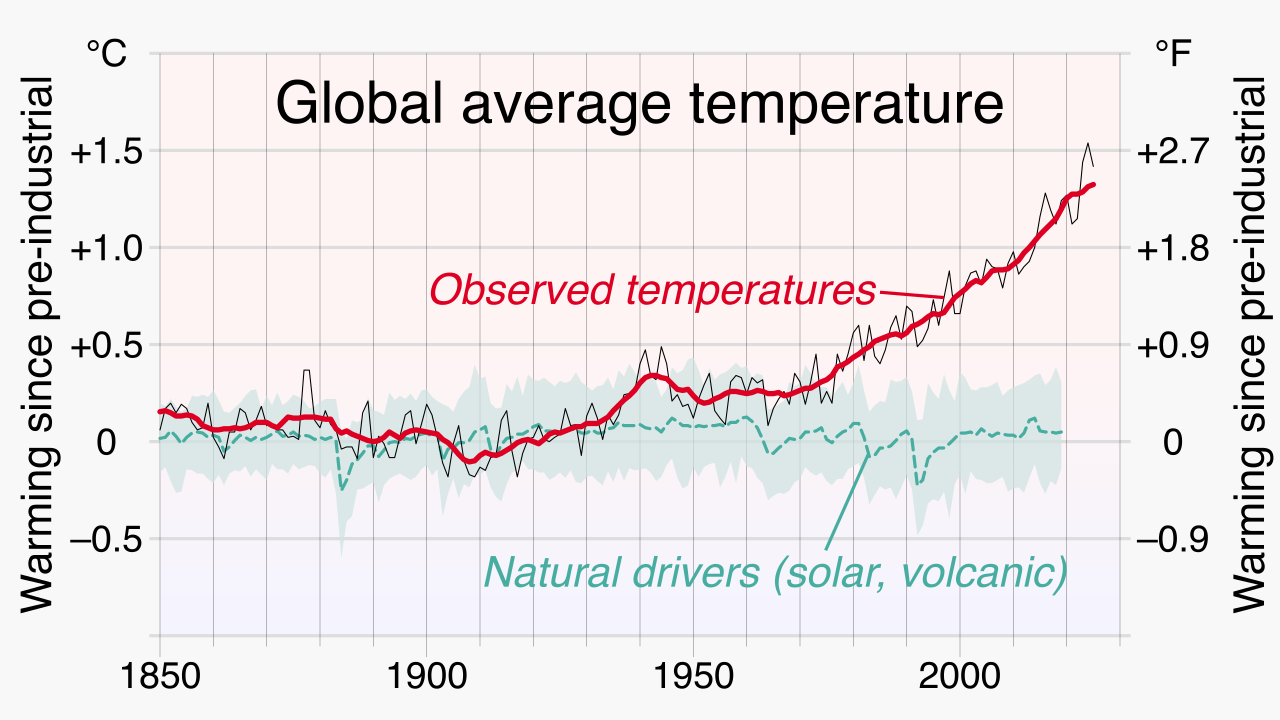
Coal, petroleum, and natural gas are collectively known as fossil fuels, so named because they are formed from the fossilized remains of ancient plants and animals over millions of years. They are incredibly dense batteries of ancient sunlight. However, the combustion of fossil fuels releases carbon dioxide into the atmosphere.
This atmospheric chemistry fundamentally alters the biosphere. Increased atmospheric carbon dioxide contributes to the greenhouse effect and global climate change, trapping heat and shifting the precise temperature and precipitation patterns that dictate the biomes we rely upon for global agriculture.
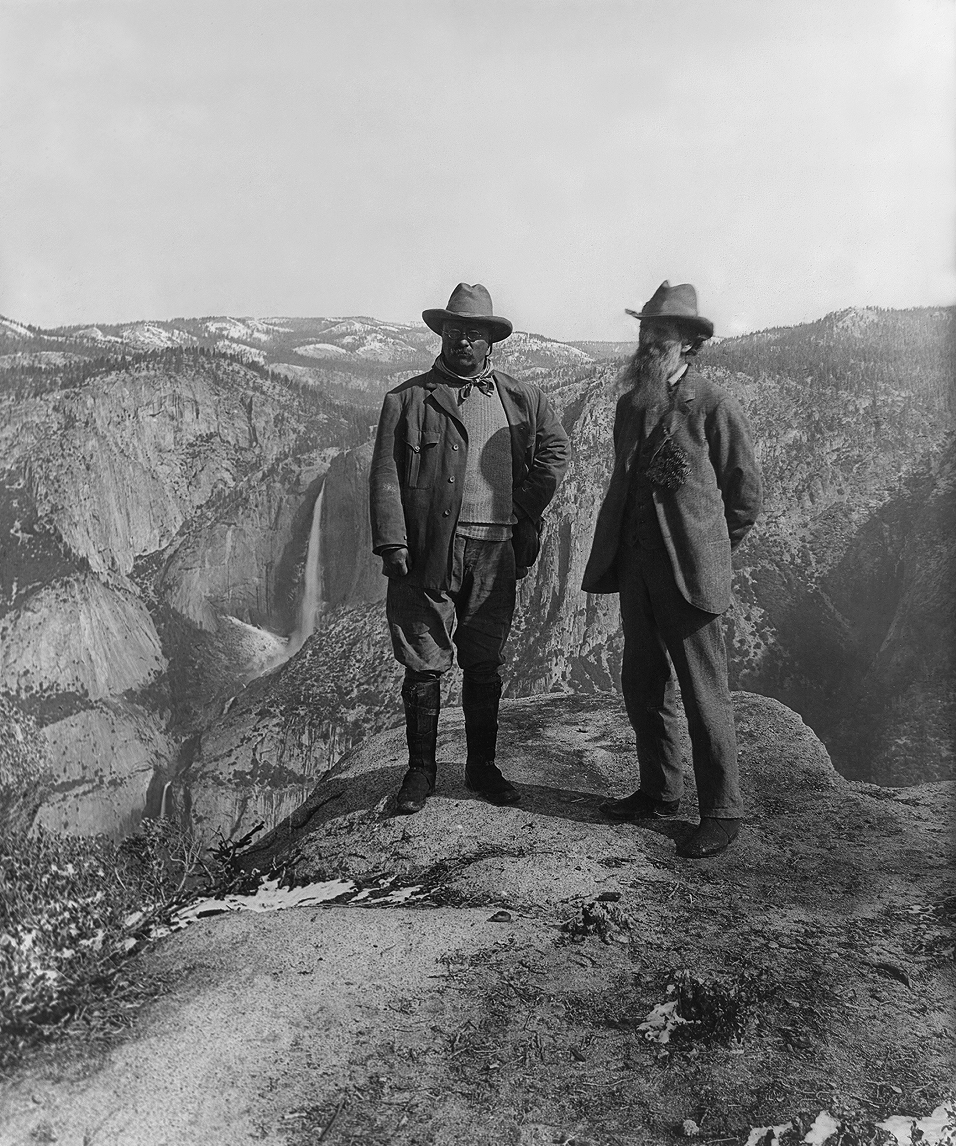
Because the biosphere is finite, societies must establish policies to manage it. This often boils down to two distinct, sometimes competing, philosophies—a debate famously personified in U.S. History by Gifford Pinchot and John Muir:
- Conservation involves the sustainable management and protection of natural resources for continued human use. (Think: selective logging, hunting quotas, and national forests).
- Preservation involves protecting natural areas from any human use or alteration. (Think: pristine wilderness areas where vehicles and extraction are entirely banned).
The goal of modern policy is sustainable development, a framework that meets current human needs without compromising the ability of future generations to meet their own needs.
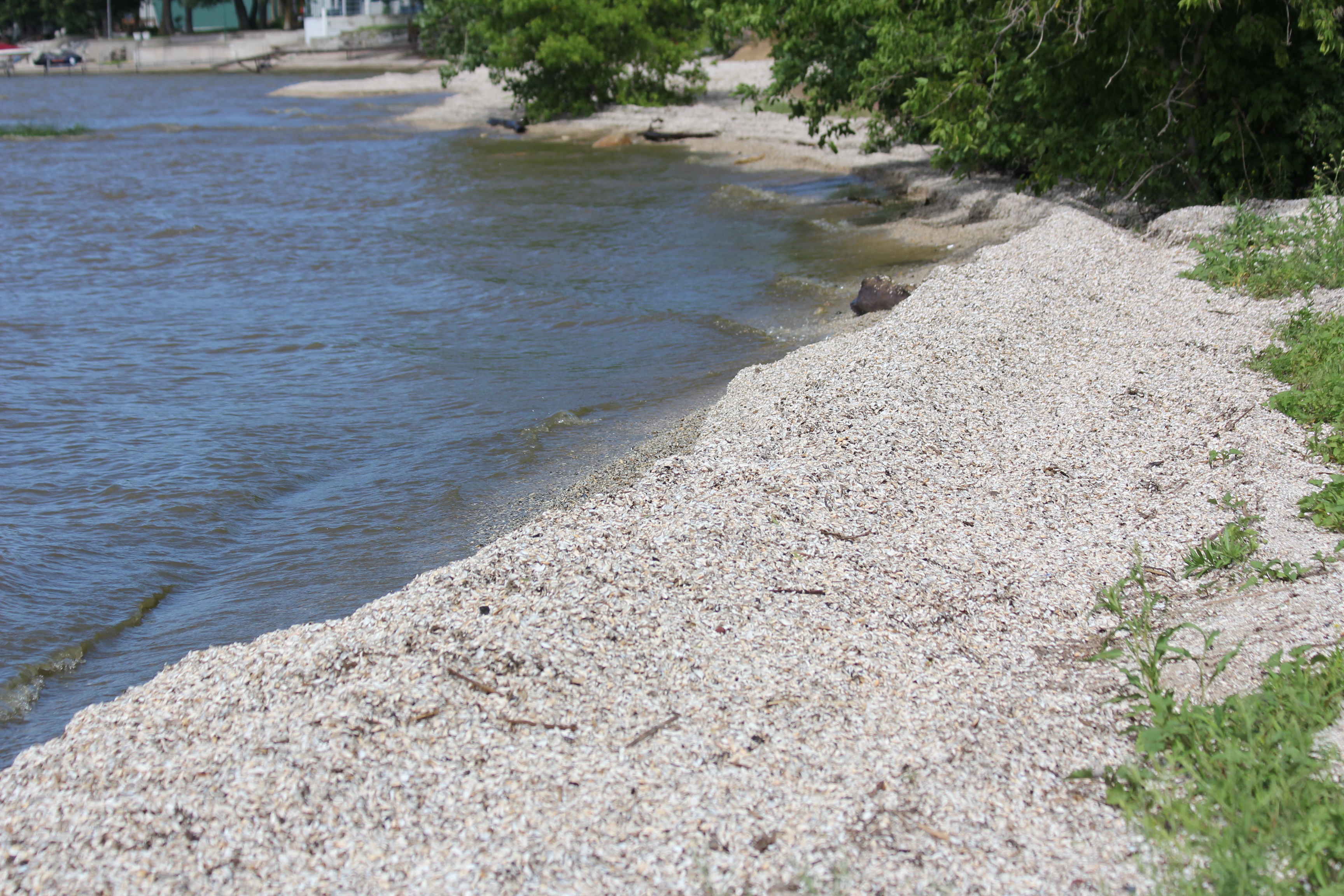
Managing ecosystems is deeply complex, especially as global trade connects previously isolated biomes. When ships cross the ocean, they often bring unwanted stowaways known as invasive species—non-native organisms that disrupt local ecosystems and outcompete native populations who have no evolved defenses against them. A notorious example is the introduction of the zebra mussel to the Great Lakes, which arrived via the ballast water of commercial ships. Lacking natural predators, they multiplied exponentially, clogging water treatment pipes and devastating native fish populations, causing hundreds of millions of $ in ecological and economic damage annually.
The Educator's Lens
As you prepare to teach the social sciences, remember this: history does not occur in a vacuum. The rise and fall of the Soviet economy is tied to the dust of the Aral Sea. The migration patterns across the Sahel are driven by the desertification of the savanna. The industrial revolution was powered by the sudden unearthing of nonrenewable fossil fuels. To teach the human story is to teach the story of the Earth itself.