Political Theory
Not sure you’re ready?
Take the ~3-minute readiness diagnostic and see where you stand.
Every time a high school student questions why a school administration has the authority to enforce a dress code or mandate hall passes, they are unknowingly wrestling with the foundational dilemma of political theory: the tension between individual freedom and collective order. Political theory is not a dusty collection of ancient grievances; it is the active, living blueprint of how human beings survive one another. For the social studies educator, mastering these concepts is the skeleton key to unlocking history, civics, geography, and economics for your students. When you can trace a modern protest back to John Locke, or explain a 20th-century dictatorship through the mechanics of Thomas Hobbes, the timeline of human history ceases to be a random sequence of events and becomes a continuous, interconnected debate over the "right" way to govern.
Before we can build a modern republic, we have to look at the philosophers who first mapped the architecture of human power. The Greeks viewed the state as an extension of human morality, while later Renaissance thinkers viewed it as a machine to be operated.
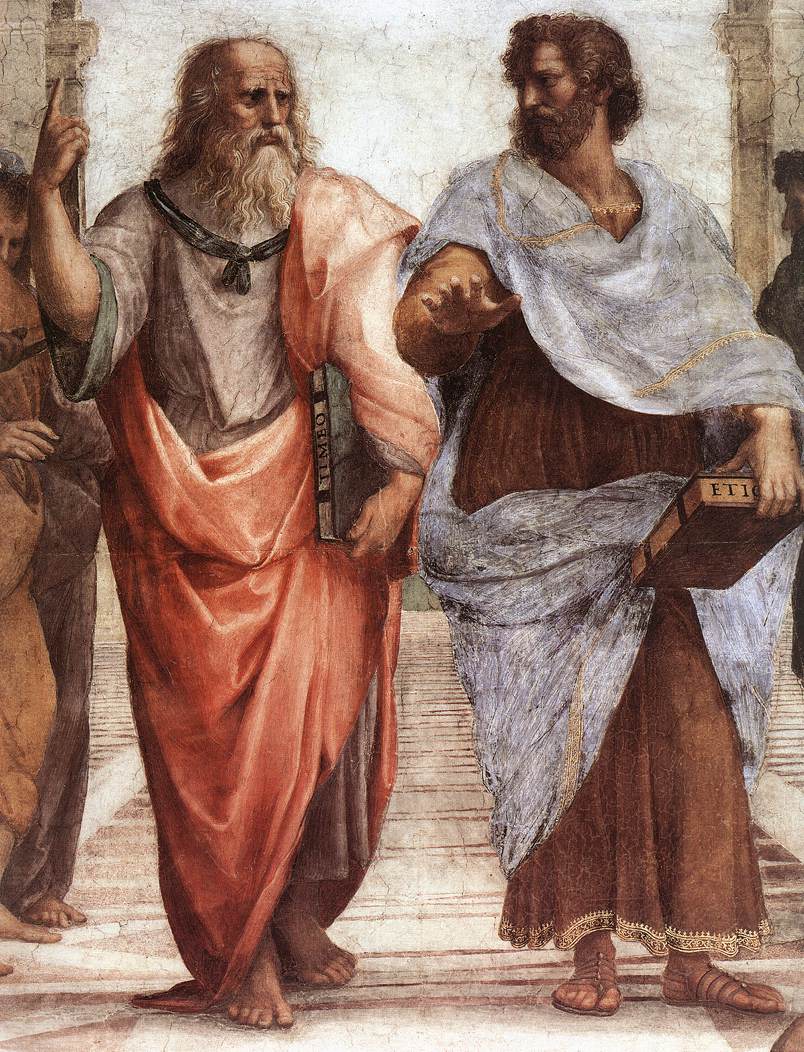
Plato authored the Socratic dialogue 'The Republic' around 375 BC. Watching the democratic system of Athens execute his teacher, Socrates, Plato was deeply skeptical of mob rule. Consequently, Plato argued in 'The Republic' that the ideal state should be ruled by philosopher-kings—enlightened individuals trained from birth to understand ultimate truth and justice, free from the corrupting influence of personal wealth.
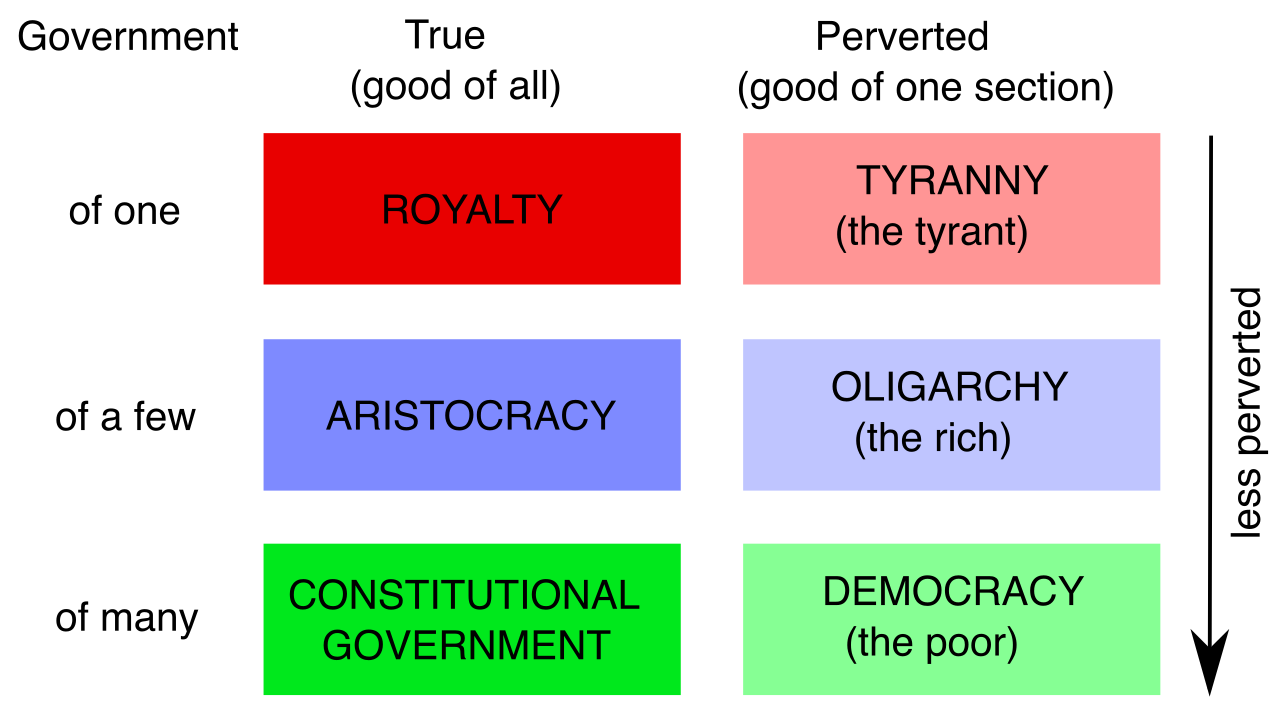
His student took a different, far more analytical approach. Aristotle wrote the political philosophy work 'Politics' in the 4th century BC. Think of Aristotle as a botanist of governance. Instead of imagining an ideal utopia, Aristotle categorized forms of government based on the number of rulers holding political power (rule by one, rule by a few, rule by many). Crucially, Aristotle evaluated forms of government based on whether the rulers governed for the common good or for their own personal interest. A monarchy (one ruling for the good of all) could easily rot into a tyranny (one ruling for himself).
Fast forward to the Renaissance, where the moral idealism of the Greeks was stripped away by raw political realism. Niccolò Machiavelli wrote the political treatise 'The Prince' in 1513. Machiavelli broke from ancient traditions that tied good governance to moral virtue. Instead, Niccolò Machiavelli argued that rulers should prioritize maintaining power and state stability over traditional moral principles. For Machiavelli, the survival of the state was the ultimate imperative; if a ruler had to lie or be feared to keep the peace, the ends justified the means.
If you want your students to understand the Declaration of Independence or the U.S. Constitution, they must first understand the Enlightenment. At the core of this era is social contract theory, which posits that individuals consent to surrender some freedoms to a ruling authority in exchange for protection.
But how much freedom do we surrender? And what kind of protection do we get? Three brilliant thinkers answered this differently by imagining a "state of nature"—a hypothetical world before government existed.
Thomas Hobbes: The Absolute Leviathan
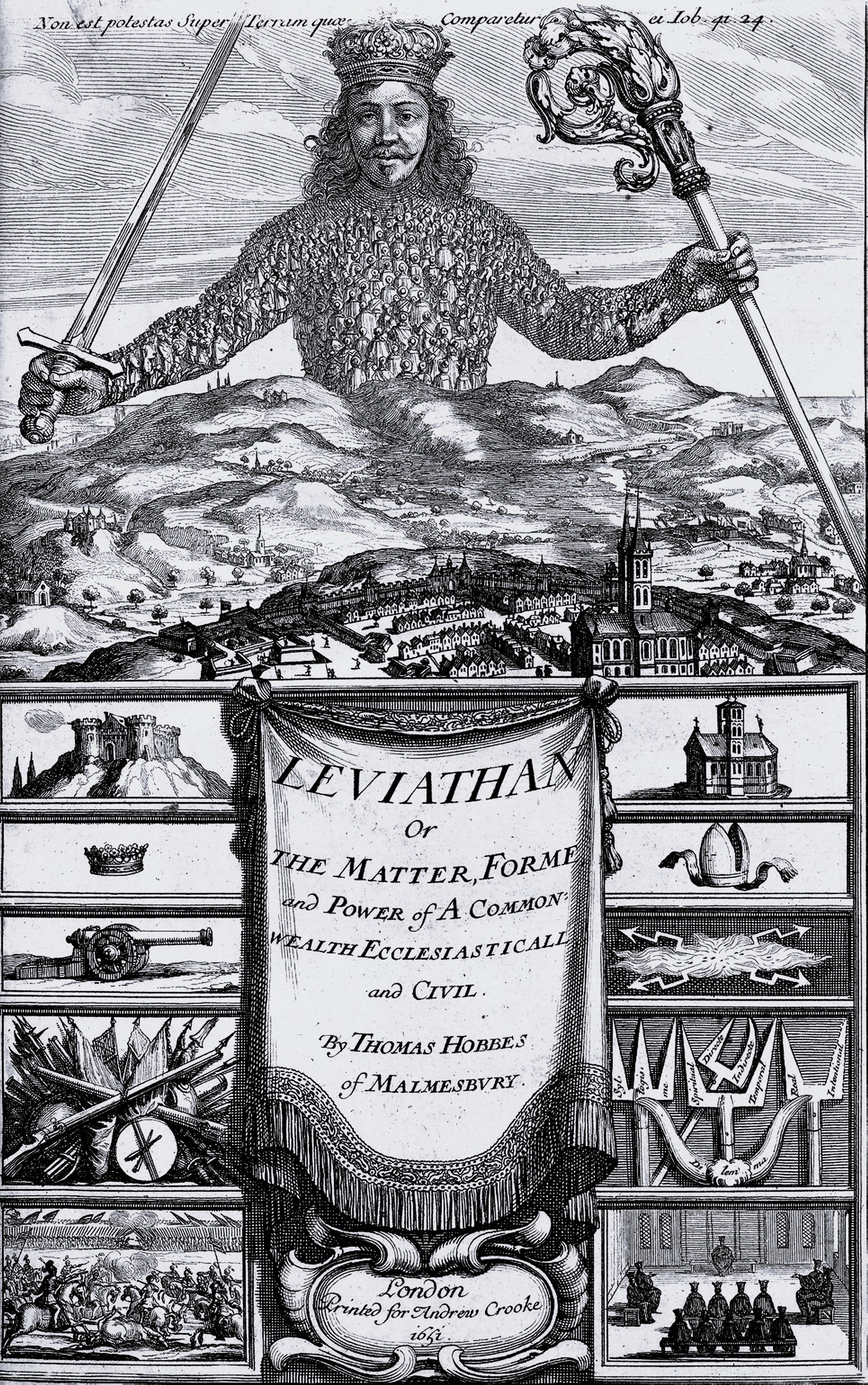
Thomas Hobbes wrote the foundational political philosophy book 'Leviathan' in 1651, heavily influenced by the horrific violence of the English Civil War. Hobbes had a deeply pessimistic view of humanity. Thomas Hobbes argued that the human state of nature is a "war of every man against every man." Without an overarching authority to keep us in check, Thomas Hobbes described life in the state of nature as "solitary, poor, nasty, brutish, and short."
To escape this violent chaos, Thomas Hobbes believed that humans must surrender all their rights to an absolute sovereign to maintain order and security. In Hobbes's view, you don't get to complain about the king's harsh taxes, because the alternative is being murdered by your neighbor. Order trumps liberty.
John Locke: The Architect of Liberty
John Locke looked at the same equation and reached a wildly different conclusion. John Locke published 'Two Treatises of Government' in 1689. Locke introduced the concept of natural rights, which are universal rights that are not dependent on the laws or customs of any particular culture or government.
Specifically, John Locke posited that individuals are born with natural rights to life, liberty, and property. (Sound familiar? Thomas Jefferson certainly thought so).
The Lockean Bargain: John Locke argued that the primary purpose of government is to protect the natural rights of citizens. Therefore, the social contract is conditional. John Locke asserted that citizens have the right to alter or abolish a government that fails to protect their natural rights.
Jean-Jacques Rousseau: The General Will
Jean-Jacques Rousseau wrote the political treatise 'The Social Contract' in 1762. Unlike Hobbes (who favored an absolute monarch) or Locke (who focused on individual property), Rousseau focused on the collective. Jean-Jacques Rousseau argued that legitimate political authority comes only from a social contract agreed upon by all citizens.
To make this work, Jean-Jacques Rousseau introduced the concept of the "general will" as the collective interest of the people that should direct the state. The government must act as the executor of what is best for the entire populace, fundamentally prioritizing the community over selfish individual desires.
Baron de Montesquieu: The System Builder
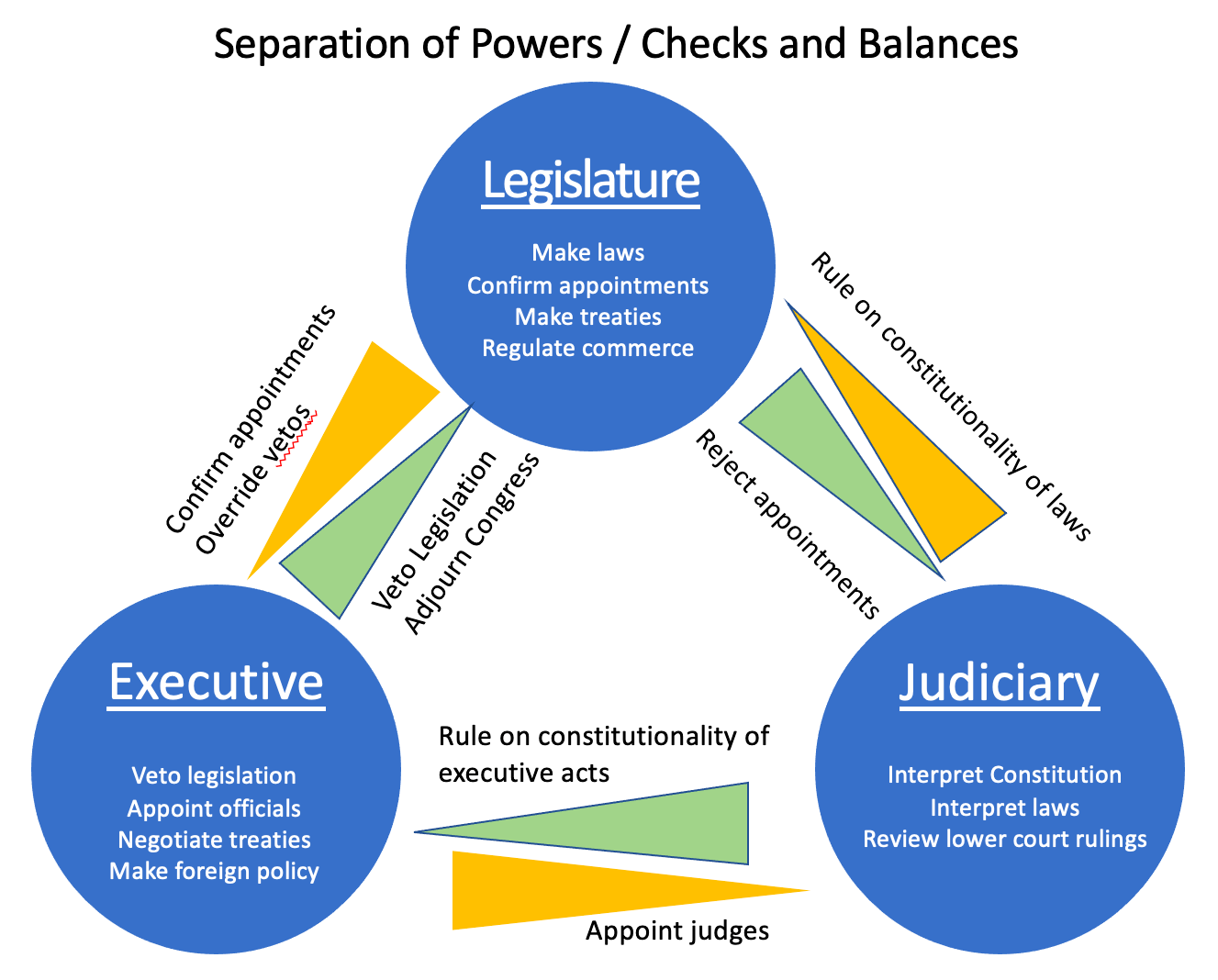
If Locke provided the why of the U.S. Constitution, Montesquieu provided the how. Baron de Montesquieu published 'The Spirit of the Laws' in 1748. Recognizing that any human entrusted with power will eventually try to abuse it, Baron de Montesquieu advocated for the separation of government powers into executive, legislative, and judicial branches.
Baron de Montesquieu argued that separating government powers prevents any single branch from becoming tyrannical. When you teach the system of checks and balances, you are teaching the direct application of Montesquieu's genius.
As the Industrial Revolution reshaped the globe, political theory had to address new realities: massive economic inequality and the expanding reach of the state.
John Stuart Mill published the philosophical essay 'On Liberty' in 1859. As democracies grew, Mill worried about the "tyranny of the majority" suppressing individual eccentricity and freedom. To solve this, John Stuart Mill formulated the harm principle. The harm principle asserts that power can only be rightfully exercised over a person against their will to prevent harm to others. You are free to ruin your own life, so long as you do not injure your neighbor in the process.
Meanwhile, viewing the brutal conditions of factory workers, Karl Marx and Friedrich Engels co-authored 'The Communist Manifesto' in 1848. Moving away from abstract ideas of "natural rights," Karl Marx argued that all historical societal change is driven by class struggle between the bourgeoisie (the owners of capital) and the proletariat (the working class). For Marx, politics was merely a smokescreen for economic exploitation.
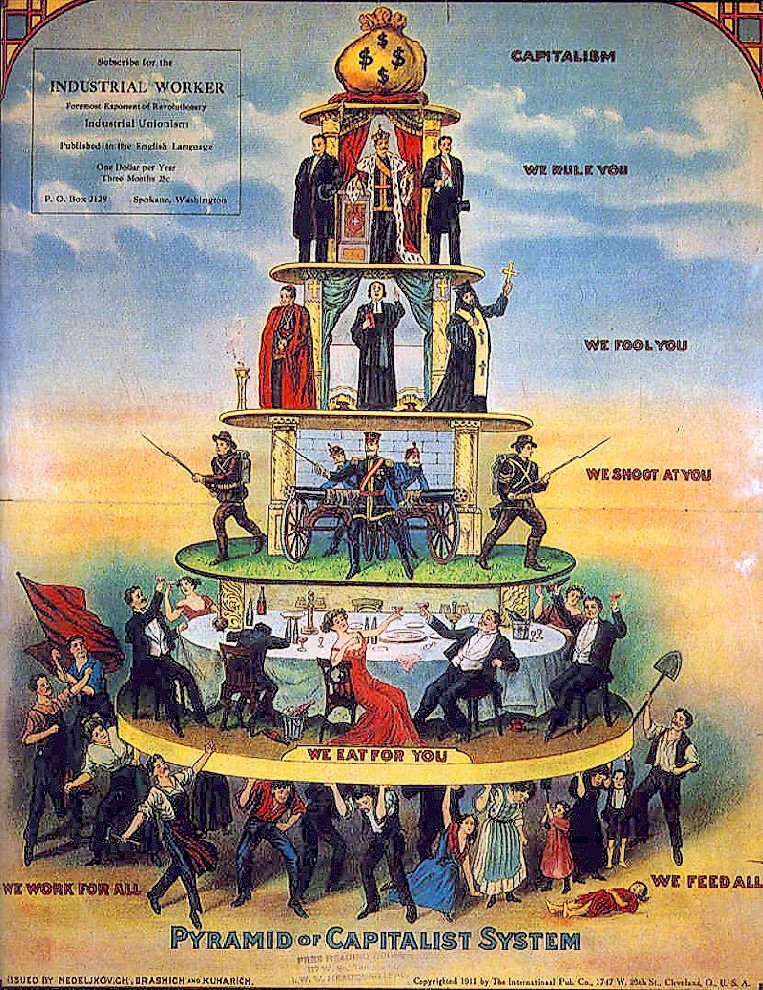
When teaching civics, students often confuse political parties with political ideologies. As an educator, you must clarify that ideologies are fundamental worldviews about human nature, markets, and the role of the state.
| Ideology | Core Philosophy |
|---|---|
| Classical Liberalism | Emphasizes individual liberty, free markets, and limited government intervention. It is the ideological heir of John Locke and Adam Smith. |
| Modern Liberalism | Developed as economies grew highly complex. Modern liberalism supports government intervention to address social and economic inequalities. Furthermore, modern liberalism emphasizes the active protection of individual civil rights by the state. |
| Libertarianism | The purest modern descendant of classical liberalism. Libertarianism is a political philosophy that seeks to maximize individual autonomy and political freedom. Libertarianism advocates for minimizing the size, scope, and influence of government in both economic and personal matters. |
| Traditional Conservatism | Rejects rapid, utopian overhauls of society. Traditional conservatism advocates for the preservation of established institutions and traditional values. Traditional conservatism promotes gradual societal change over radical revolution, believing that long-standing institutions contain the accumulated wisdom of generations. |
| Socialism | Seeks to resolve the inequalities highlighted by Marx. Socialism advocates for social ownership and democratic control of the means of production to achieve greater economic equality. |
| Communism | The theoretical endpoint of Marxist thought. Communism is an ideology aiming for a stateless, classless society where all property is publicly owned, and wealth is distributed according to need. |
| Fascism | A reactionary, hyper-nationalist movement that emerged in the 20th century. Fascism is an authoritarian ideology characterized by dictatorial power and the forcible suppression of political opposition, often subordinating the individual entirely to the glorification of the state or race. |
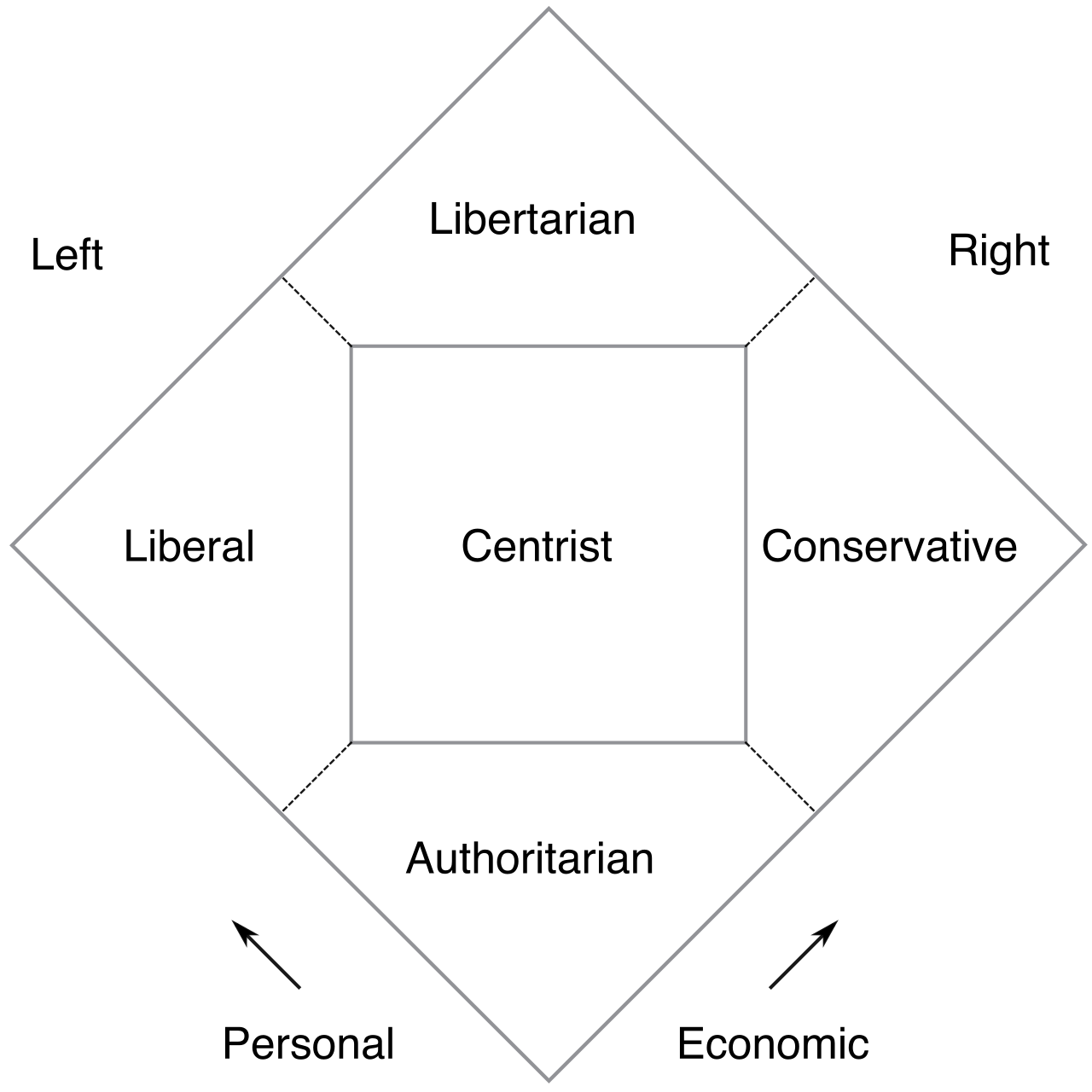
We have established why governments form and the ideologies that drive them. Now we must define the actual machinery—the forms of government.
Systems by the Many (Democracies and Republics)
At the heart of free societies are two core principles. First is popular sovereignty, which is the principle that the authority of a state and government is created and sustained by the consent of its people. Second is the rule of law, which is the principle that every citizen and government official is equally subject to the law. No one, not even the president, is above it.
How is this executed?
- In a direct democracy, citizens participate directly in making laws and public policy decisions. (Think of ancient Athens or a modern New England town hall).
- Because direct democracy is unwieldy for large nations, we rely on a representative democracy, where citizens elect officials to make laws and govern on their behalf.
- The United States operates as a specific type of representative democracy: a republic. A republic is a form of government where the government derives its ultimate power from the citizens. Crucially, in a republic, the head of state is a non-hereditary official rather than a monarch.
Systems by the Few or the One
When power is concentrated, we see very different architectural forms:
- Monarchies: Rule based on hereditary lineage. An absolute monarchy vests supreme autocratic power in a single person whose authority is not legally bound by a constitution. Conversely, a constitutional monarchy (like the modern United Kingdom) is a system where a monarch acts as head of state within the parameters of a written or unwritten constitution, while elected parliaments handle actual governance.
- Autocracy: Broadly, an autocracy is a system of government in which supreme political power over a state is concentrated in the hands of one person. (Absolute monarchs and dictators are both types of autocrats).
- Oligarchy: An oligarchy is a power structure in which a small, elite group of people holds all political power. This elite could be based on wealth, corporate ties, or military rank.
- Theocracy: A theocracy is a form of government in which a deity is recognized as the supreme ruling authority. Consequently, in a theocracy, state administration is typically conducted by religious leaders acting as the earthly agents of that deity.
Degrees of State Control
Finally, governments are categorized not just by who rules, but by how much they control.
- Authoritarianism: Authoritarianism is characterized by the concentration of power in a leader or an elite not constitutionally accountable to the public. They want political obedience, but they may leave you alone if you stay out of politics.
- Totalitarianism: This is the extreme mutation of authoritarianism. Totalitarianism is a political system in which the state recognizes no limits to its authority. Totalitarianism strives to regulate every aspect of public and private life within a society—dictating where you work, what art you can see, and even what you are allowed to think.
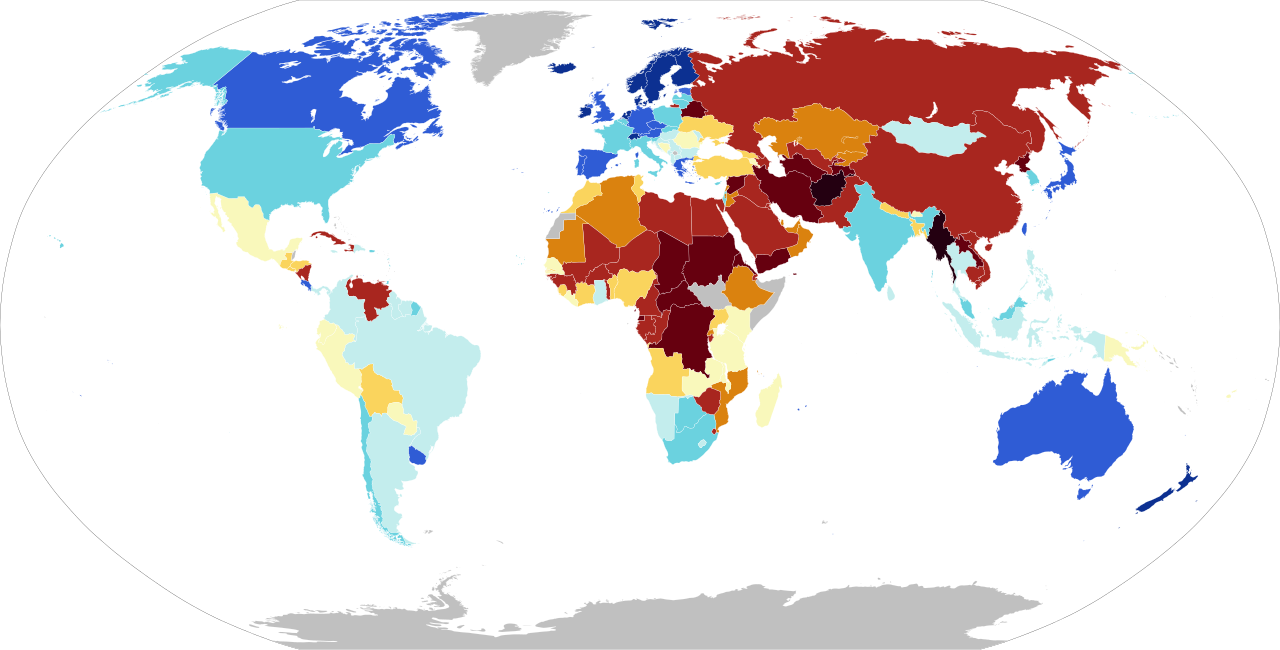
For the aspiring social studies educator, mapping these concepts provides a unified field theory for your curriculum. Whether you are analyzing the fall of the Roman Republic, the economic arguments of the Cold War, or a debate over a local tax levy, you are observing these ancient, enduring gears of political theory turning in real time.