Pre-Columbian North America
Not sure you’re ready?
Take the ~3-minute readiness diagnostic and see where you stand.
Fifteen thousand to thirty thousand years ago, the lowering of global sea levels during the last Ice Age exposed a terrestrial corridor connecting Siberia to Alaska. The Bering land bridge connected Siberia and Alaska during the last Ice Age, creating a pathway into a continent entirely devoid of human life. Across this expanse, nomadic hunters crossed the Bering land bridge into North America between 15,000 and 30,000 years ago, following migrating megafauna.
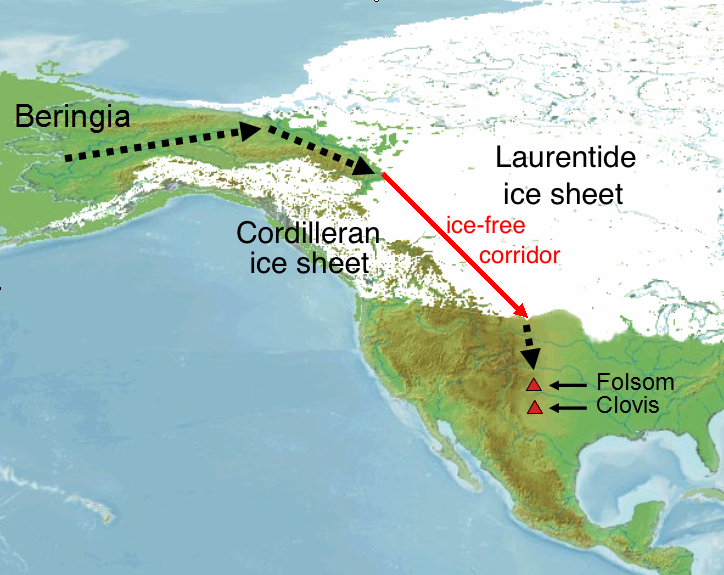
This migration did not result in a single, monolithic civilization. Instead, as these populations dispersed across the continent, environmental conditions in North America dictated the diverse social structures and settlement patterns of indigenous peoples. The climate, topography, and available resources acted as the ultimate architects of human society, dictating whether a group would build sprawling agricultural metropolises, carve out a nomadic existence on the plains, or establish sedentary maritime villages.
For a future social studies teacher, grasping Pre-Columbian North America means understanding a masterclass in human adaptation. The geographic regions of the continent serve as independent variables; the resulting societies are the brilliant, highly adapted outcomes.
To understand how complex societies emerge, we must look at how humans secure their calories. Throughout human history, the transition from hunter-gatherer societies to agricultural societies allowed for the creation of permanent indigenous settlements in North America. When people stop chasing their food, they build houses, develop complex political systems, and specialize in trades.
The catalyst for this shift was maize. Maize cultivation originated in Mesoamerica and slowly transformed the continent. Through complex, localized adaptation, maize cultivation spread northward to the American Southwest by approximately 1200 BCE.
As agriculture moved north, indigenous farmers developed a masterstroke of biological engineering known as the Three Sisters.
The Three Sisters: An interdependent agricultural system consisting of growing corn, beans, and squash together in the same mound of dirt.
Why does this matter? It is a perfect example of applied environmental science. The corn provides a tall stalk for the beans to climb. The beans, being legumes, fix nitrogen into the soil. The broad leaves of the squash plant cover the ground, retaining moisture and preventing the growth of weeds. Consequently, the Three Sisters farming method naturally replenished soil nutrients and prevented erosion.
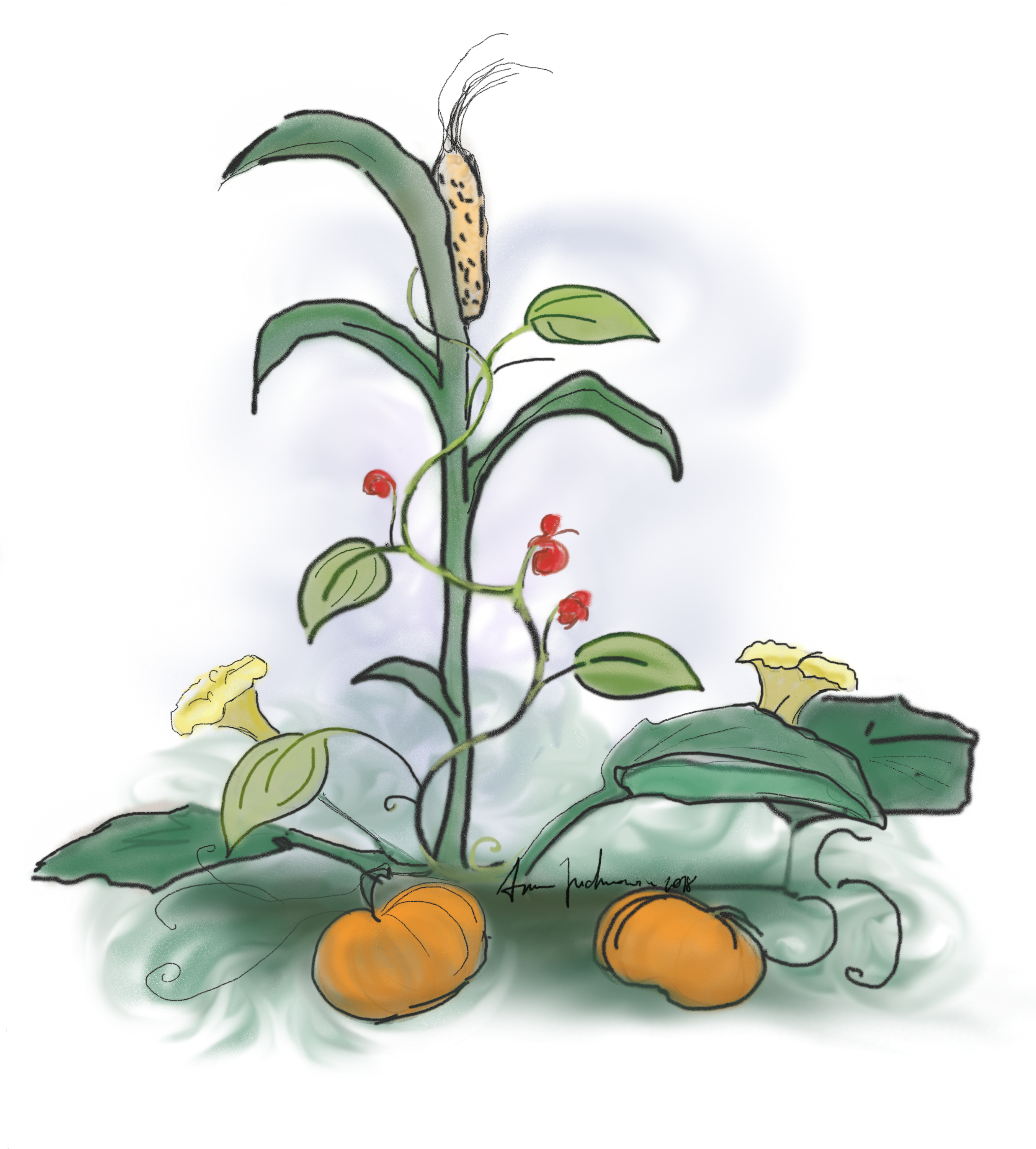
Furthermore, human bodies require specific combinations of amino acids to survive. While corn alone lacks certain vital nutrients, the combination of these three crops means the Three Sisters farming method provided a nutritionally complete diet for pre-Columbian indigenous peoples.
The Southwest
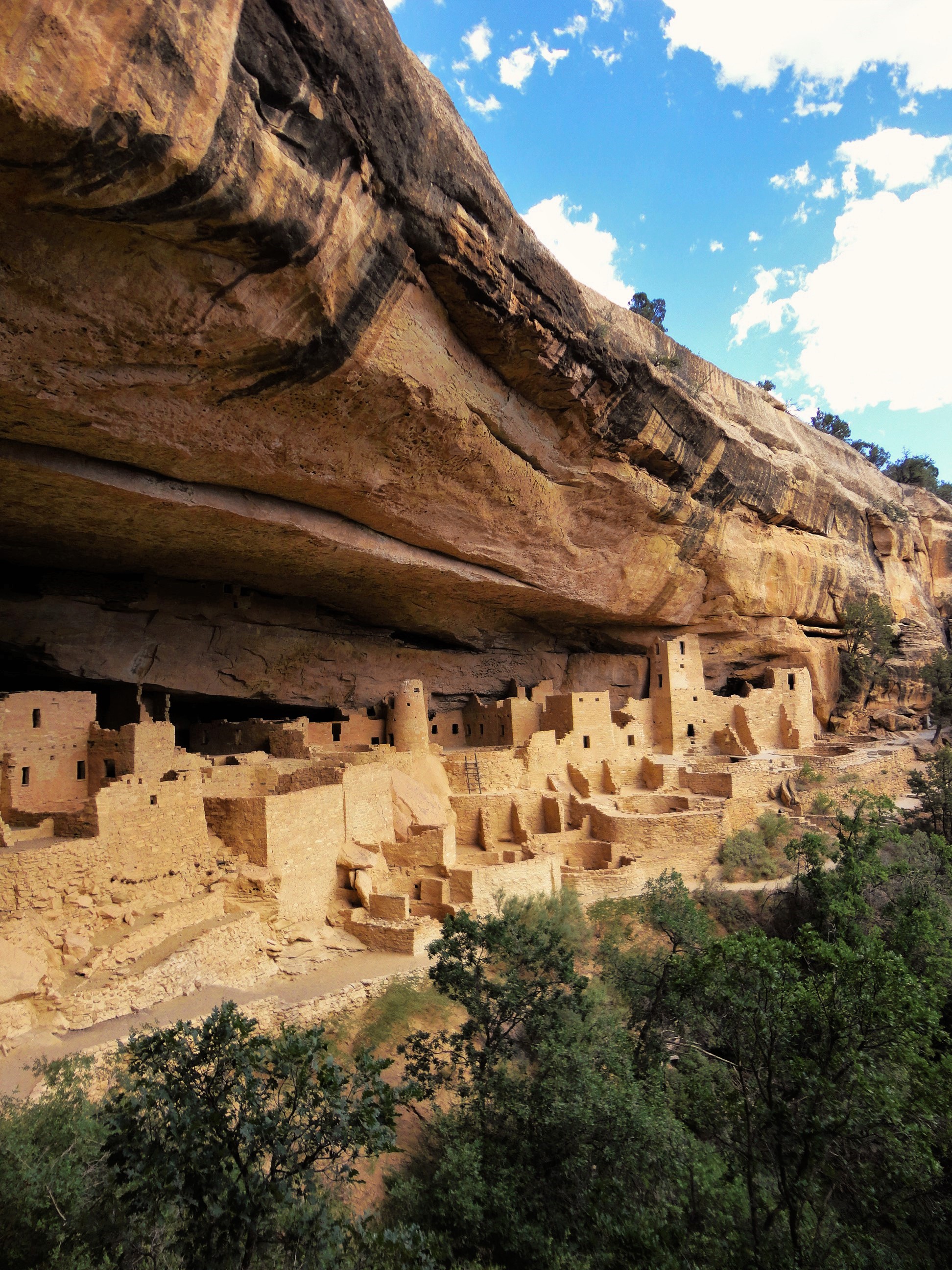
The Ancestral Puebloans inhabited the arid Southwestern region of present-day United States. To survive in a landscape with minimal rainfall, they had to engineer their environment. The Ancestral Puebloans built extensive irrigation systems to cultivate crops in a dry climate.
They also engineered brilliant architecture to escape the heat and defend their communities, meaning the Ancestral Puebloans constructed multi-story cliff dwellings in areas like Mesa Verde. Geographically central to their civilization, Chaco Canyon served as a major cultural and trade center for the Ancestral Puebloans, featuring massive stone structures aligned with solar and lunar cycles.
Further south, another remarkable civilization thrived. The Hohokam people built extensive canal networks for agricultural irrigation in the Sonoran Desert, an astonishing feat of civil engineering that transformed barren desert into productive agricultural land.
The Arctic and Subarctic
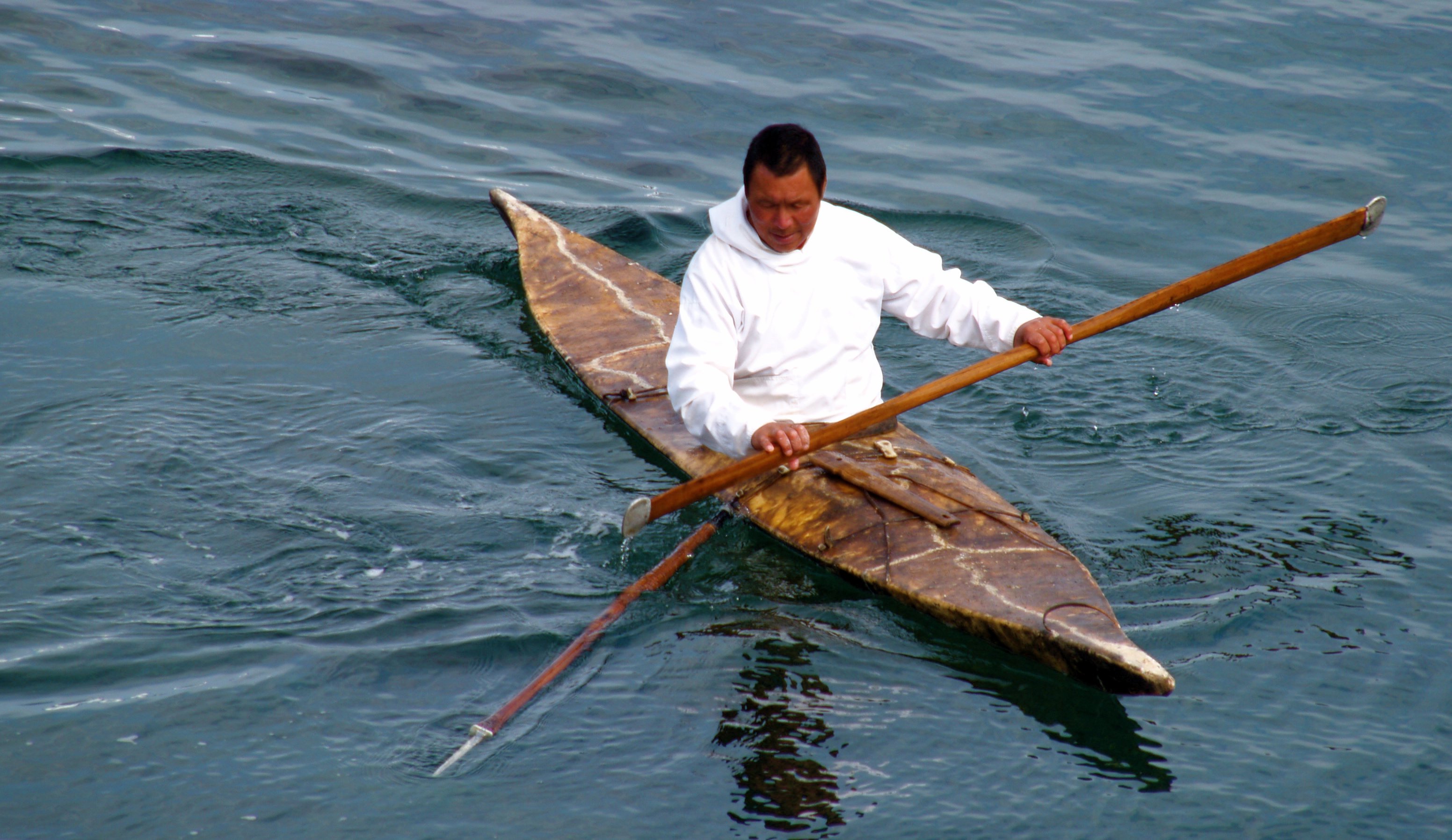
At the other extreme of the continent, the Inuit and Aleut peoples inhabited the extreme Arctic and Subarctic regions of North America. Agriculture here was biologically impossible. Consequently, Arctic indigenous peoples relied primarily on hunting marine mammals like seals and whales for survival. Every part of the animal was utilized—meat for calories, blubber for heating and light, and bone for tools.
Moving to the interior of the continent, the Great Plains region features vast grasslands with a severe continental climate. When you look at a map of the plains, you see an ocean of grass. The lack of abundant water and forest resources on the western Great Plains necessitated a nomadic lifestyle for many indigenous groups. You cannot easily build permanent wooden towns or irrigate massive farms where water and timber are scarce.
Instead, Pre-Columbian Great Plains indigenous peoples relied primarily on hunting bison for sustenance. Because they needed to follow the herds, nomadic Great Plains indigenous groups lived in portable tepees made of animal skins.
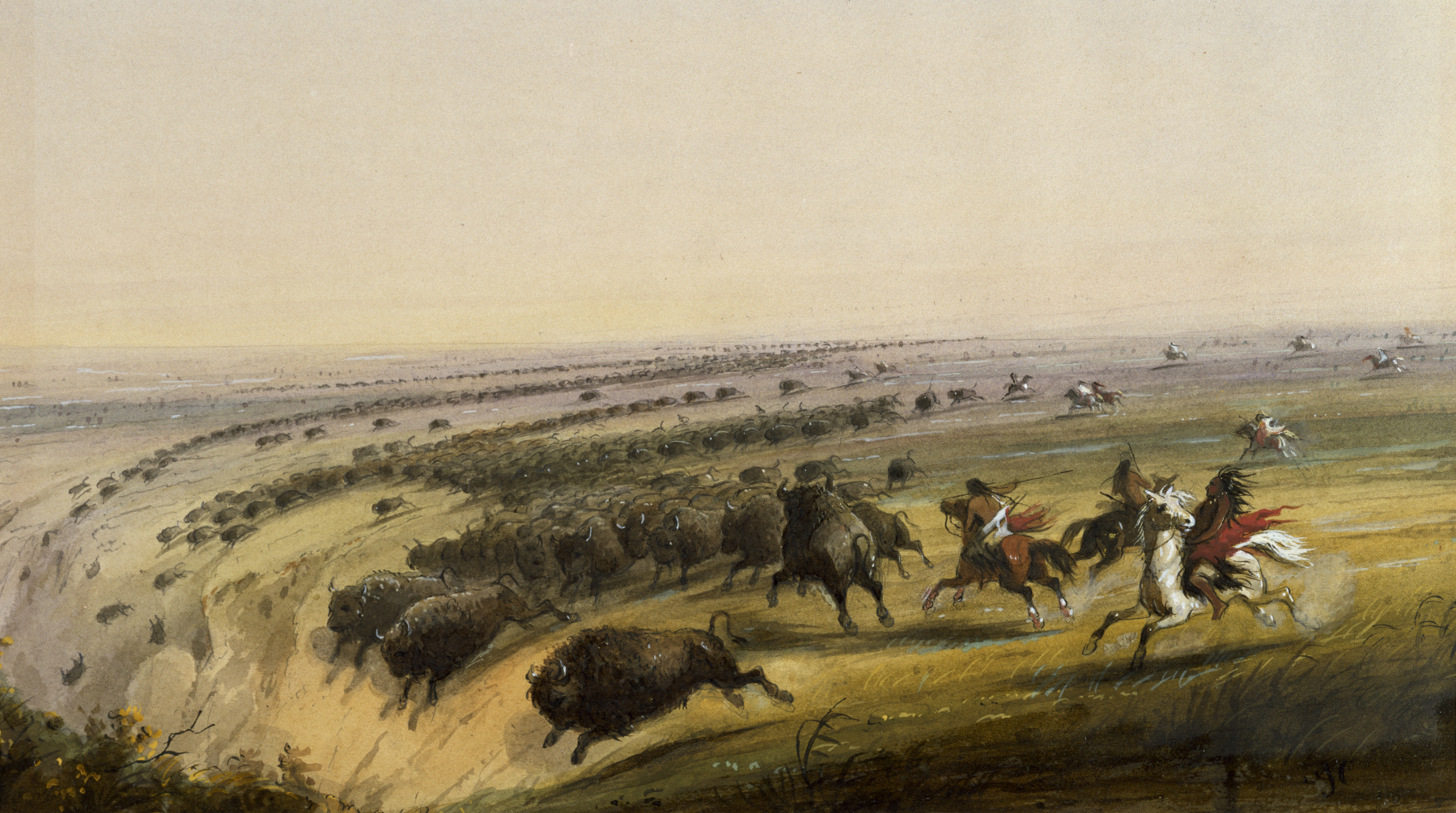
Before the Spanish introduced the horse to the Americas, hunting a one-ton bison on foot was incredibly dangerous and inefficient. To solve this, Pre-Columbian Great Plains hunters utilized buffalo jumps to harvest large numbers of bison before the introduction of horses. By driving a herd of bison over a cliff, a tribe could secure enough meat, hides, and bone to survive the brutal winter.
The Eastern Woodlands peoples inhabited the region stretching from the Mississippi River to the Atlantic Ocean. Unlike the arid plains, this region possessed abundant rainfall, fertile soil, and dense forests. Because of this ecological wealth, Eastern Woodlands societies typically combined agricultural practices with hunting and gathering.
The Mississippian Culture
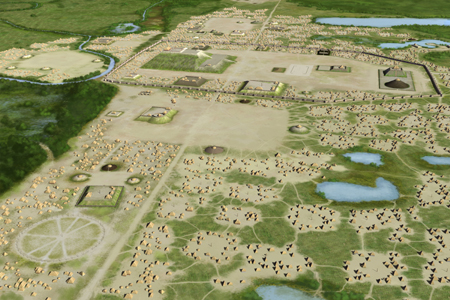
In the heart of the continent, a massive civilization arose. The Mississippian culture emerged in the Mississippi River Valley around 800 CE. Known for their monumental earth-moving capabilities, the Mississippian culture built massive earthwork pyramids and ceremonial mounds.
The crown jewel of this civilization was Cahokia. Located near modern-day St. Louis, Cahokia was the largest Mississippian city. At its demographic peak, Cahokia supported a population of up to 20,000 people—larger than many European cities of the same era. It was not an isolated settlement; extensive trade networks connected the city of Cahokia to regions as far away as the Great Lakes and the Gulf of Mexico.
The Iroquois and Algonquian Peoples
To the northeast, the sociopolitical structures grew incredibly sophisticated. The Iroquois Confederacy was located in the northeastern woodlands of North America. Realizing that constant warfare was destroying their societies, the Iroquois Confederacy formed a political alliance of five distinct indigenous nations (the Seneca, Cayuga, Onondaga, Oneida, and Mohawk).
To govern this alliance, the Iroquois Confederacy established a participatory democratic council to maintain peace among member nations. This framework of unified states under a representative council would later fascinate the founding fathers of the United States.
Socially, Iroquois society was organized around matrilineal kinship groups.
Matrilineal Kinship: Matrilineal kinship systems trace ancestral descent and property inheritance entirely through the female line. When a man married, he moved into his wife's household.
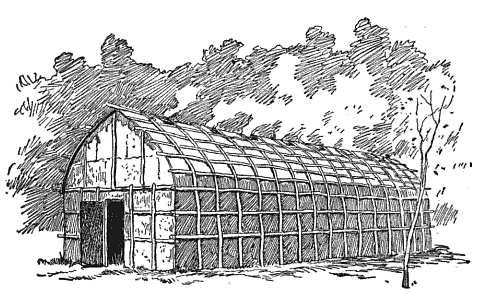
Because families lived communally, the Iroquois lived in large wooden structures called longhouses that accommodated multiple extended families.
Surrounding the Iroquois to the east and along the coast, the Algonquian-speaking peoples primarily inhabited the coastal regions and waterways of the Eastern Woodlands. They heavily utilized rivers and the ocean for transportation and fishing, representing the people the first English colonists would later encounter.
In teaching the transition from hunting-gathering to agriculture, social studies educators often present a strict rule: humans must farm to build permanent settlements. The Pacific Northwest breaks this rule.
The Pacific Northwest region features dense coastal forests and abundant river systems. The immense abundance of natural food resources in the Pacific Northwest allowed indigenous groups to establish permanent villages without practicing agriculture. The cornerstone of this abundance was fish; Pacific Northwest indigenous peoples relied heavily on catching salmon for their food supply.
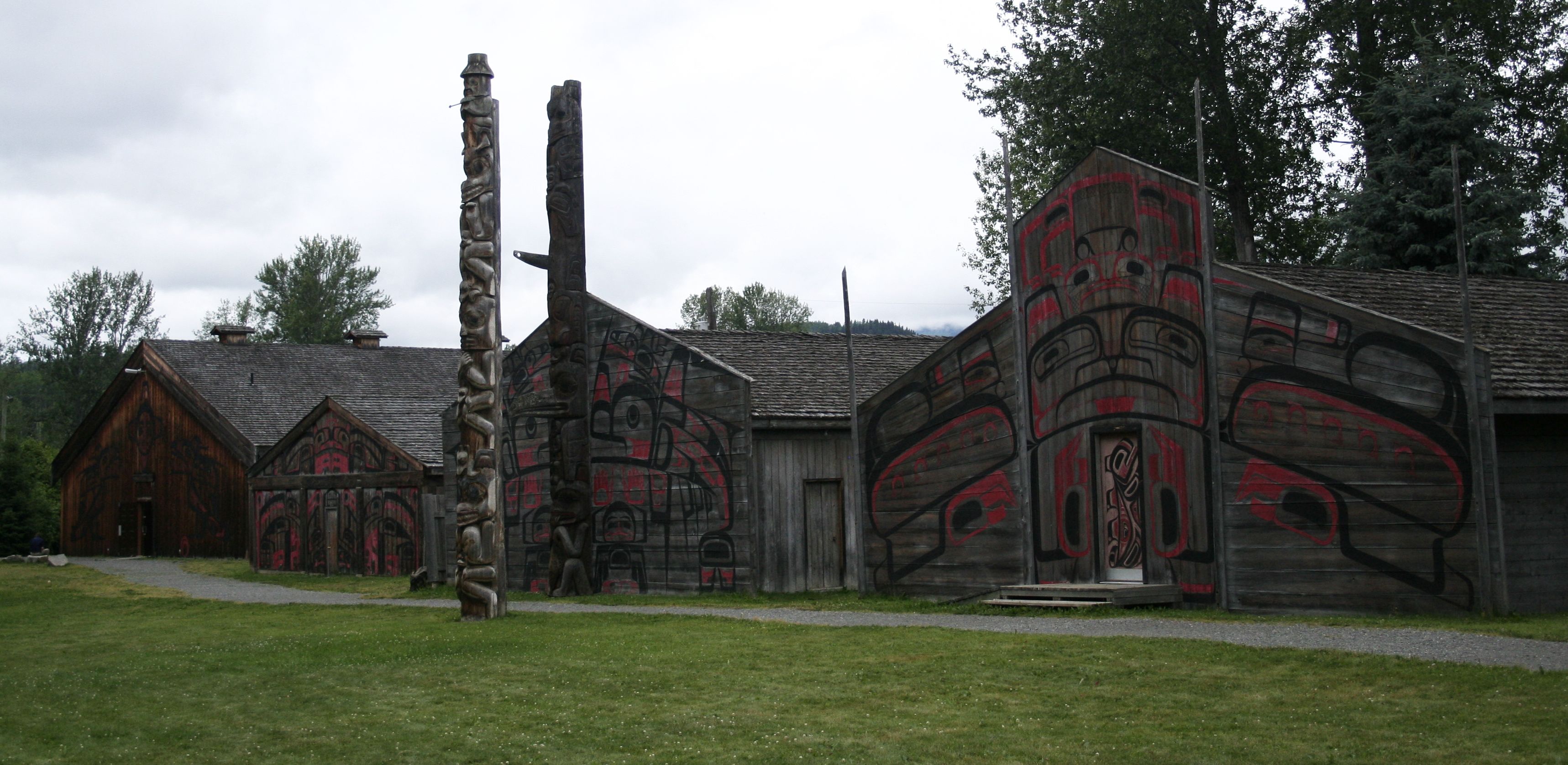
Because they had abundant leisure time and immense timber resources, Pacific Northwest indigenous groups carved large totem poles from native cedar trees to record family history, display crests, and signify social standing.
This abundance also generated complex economic behaviors. Pacific Northwest indigenous cultures frequently engaged in elaborate potlatch ceremonies.
Potlatch: A ceremonial feast where the host distributes vast amounts of gifts and wealth to guests.
The potlatch ceremony functioned as an economic system of wealth redistribution and a social mechanism for status reinforcement. The more wealth a leader gave away, the higher their prestige. It was an ingenious system that prevented extreme wealth hoarding while establishing firm social hierarchies.
While we categorize these peoples geographically, several continent-wide realities connected them.
Continental Trade
Pre-Columbian North America was not a disconnected wilderness. Pre-Columbian Native Americans developed continental trade networks moving rare items like obsidian, copper, and marine shells thousands of miles from their origin points. A shell from the Gulf of Mexico could end up in an Ohio burial mound.
Technological Distinctiveness
It is critical to analyze Pre-Columbian technology on its own terms, rather than viewing it as "deficient" compared to Eurasia.
- Metallurgy: Pre-Columbian North American societies did not smelt iron or steel for tools or weapons. They utilized stone, bone, and natively hammered copper.
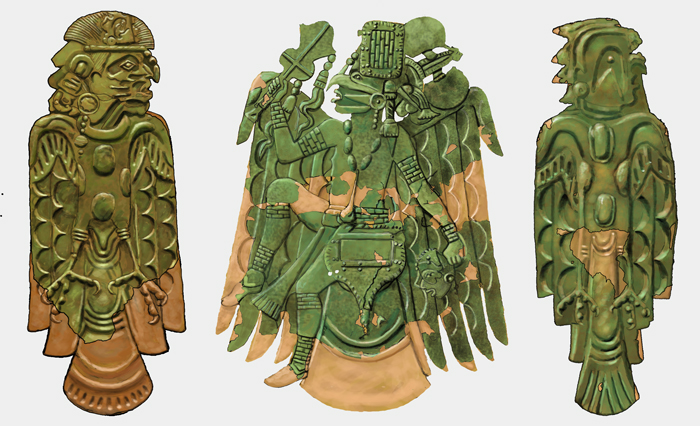
- Transportation: Pre-Columbian North American societies did not invent or use wheeled transportation vehicles. Without heavy draft animals like oxen or horses (which were extinct in the Americas until European arrival), the wheel offered little practical advantage over rough terrain. Instead, immense networks of canoes and river travel served as their highways.
Spiritual Worldview
Finally, whether hunting whales in the Arctic or farming corn in the Southwest, a shared philosophical framework dominated the continent. Animism was a central component of most Pre-Columbian Native American belief systems.
Animistic belief systems hold that natural objects, animals, and weather phenomena possess specific spiritual essences. The world was alive, conscious, and demanding of respect. A hunted animal or a harvested plant required spiritual reciprocity. This worldview shaped their resource management, ensuring that they lived within the ecological carrying capacity of their respective environments for thousands of years before European contact.
Summary for the Educator
When preparing for the 5081 exam or standing before a classroom of students, remember the core narrative: Geography is destiny.
| Region | Primary Food Source | Settlement Pattern | Key Characteristic |
|---|---|---|---|
| Southwest | Maize (Agriculture) | Permanent (Cliff Dwellings) | Extensive irrigation (Puebloans/Hohokam) |
| Great Plains | Bison (Hunting) | Nomadic (Tepees) | Buffalo jumps |
| Eastern Woodlands | Agriculture & Foraging | Permanent & Semi-Permanent | Mississippian Mounds, Iroquois Longhouses |
| Pacific Northwest | Salmon (Fishing) | Permanent (Cedar Villages) | Abundance without agriculture, Potlatch |
By linking environmental constraints to human adaptation, the disparate facts of Pre-Columbian history synthesize into a highly logical, memorable tapestry.