European Colonies in North America
Not sure you’re ready?
Take the ~3-minute readiness diagnostic and see where you stand.
European colonization of North America operated fundamentally as a transatlantic venture-capital enterprise, fueled by zero-sum economic theory and profound religious upheaval. For the nations of Europe, the continent was a vast, unexploited ledger. Understanding this era requires looking past the mythology of simple pioneers to see a complex collision of imperial economics, displaced populations, and deeply entrenched belief systems. When teaching this material to secondary students, the most powerful tool you have is cause and effect. History is not a series of inevitable events; it is a mechanical clock where demographic pressures in London or Paris turn the gears that eventually trigger wars, agricultural revolutions, and constitutional frameworks an ocean away.
To understand why Europeans crossed a deadly ocean, we must look at the push and pull factors dominating sixteenth- and seventeenth-century Europe. The primary macro-economic engine was mercantilism.
Mercantilism is an economic theory driving European colonization to increase national wealth through favorable trade balances. Under this model, global wealth was viewed as finite. A nation could only grow rich at the expense of its rivals.
Because of mercantilism, European nations sought North American colonies to extract raw materials. If a mother country could source timber, fur, or gold from its own colonies, it didn't have to buy them from a rival nation.
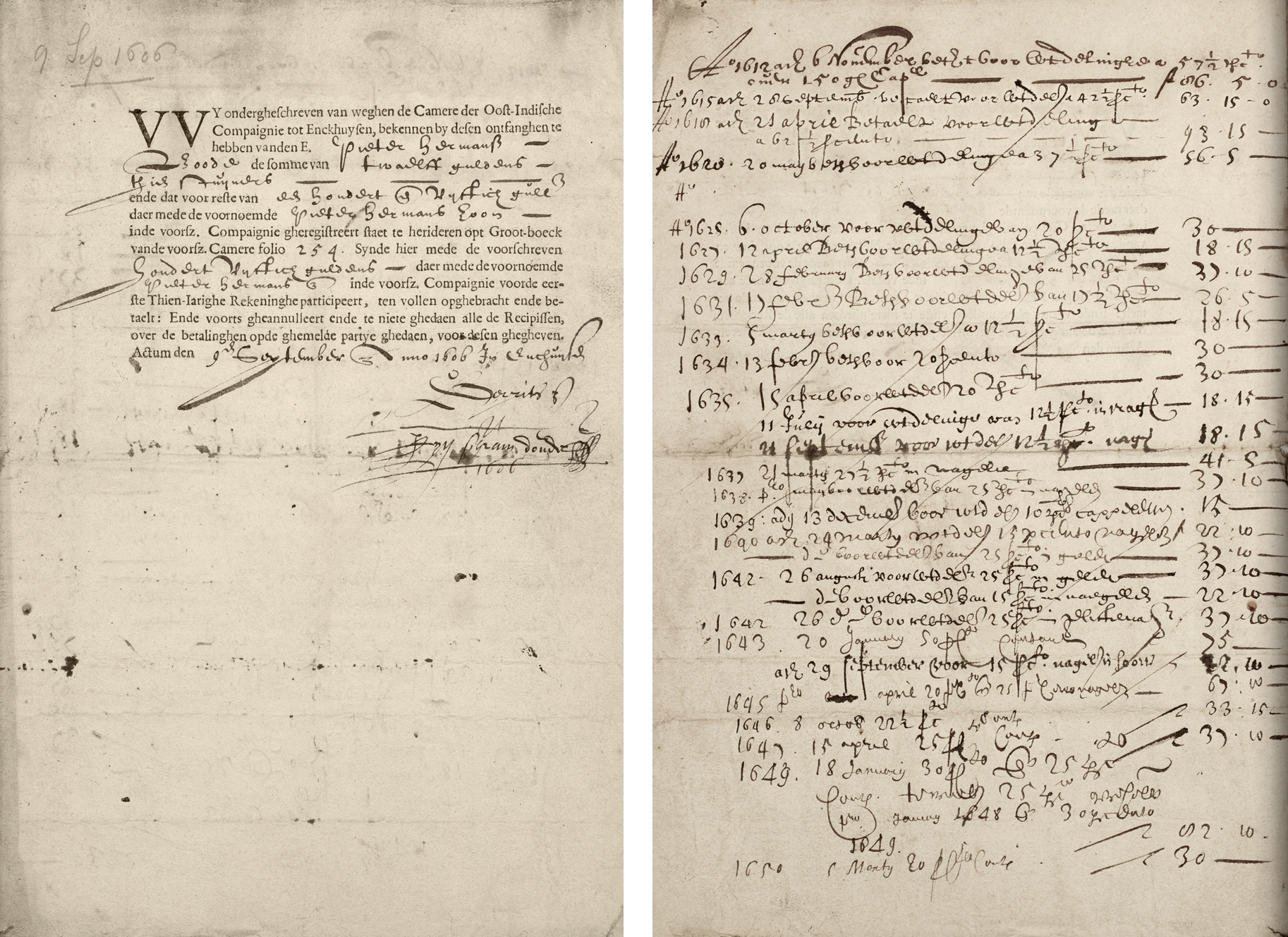
However, colonization was astronomically expensive and incredibly dangerous. Governments rarely funded these early English and Dutch expeditions directly. Instead, they relied on joint-stock companies, which pooled investor capital to fund risky colonial ventures in North America. By selling shares, the financial devastation of a failed colony was distributed across many investors, rather than bankrupting a single monarch or merchant.
While investors provided the capital, European crises provided the labor. In England, the enclosure movement fundamentally altered the landscape. Wealthy landowners began fencing off public grazing lands to raise sheep for the lucrative wool trade. This enclosure movement in England displaced agricultural workers by the thousands. Facing poverty and starvation, these displaced English agricultural workers sought economic opportunities in North America.
Simultaneously, religious persecution in Europe motivated various Christian dissenting groups to establish colonies in North America. Following the Protestant Reformation, state-mandated religions forced those outside the mainstream—Puritans, Separatists, Catholics, and Quakers—to choose between imprisonment, assimilation, or exile. North America offered a geographic buffer from the crowns and bishops of Europe.
Before England dominated the eastern seaboard, three other European powers carved out distinct empires, each with unique economic models and approaches to indigenous populations.
The Spanish: Extraction and Conversion
Spain arrived first and established a massive empire in the Americas. In 1565, Spain established St. Augustine in Florida. Today, St. Augustine is the oldest continuously occupied European settlement in the continental United States.
The Spanish colonial model was rigid and extraction-focused. They implemented the encomienda system, which granted colonists control over Native American labor for agriculture and mining. Alongside the extraction of wealth, Spanish colonizers sought to convert Native Americans to Catholicism through the mission system.
This forced labor and cultural erasure bred fierce resistance. The Pueblo Revolt of 1680 temporarily expelled the Spanish from the province of New Mexico, a stunning indigenous victory that forced the Spanish to eventually adopt more accommodating policies upon their return.
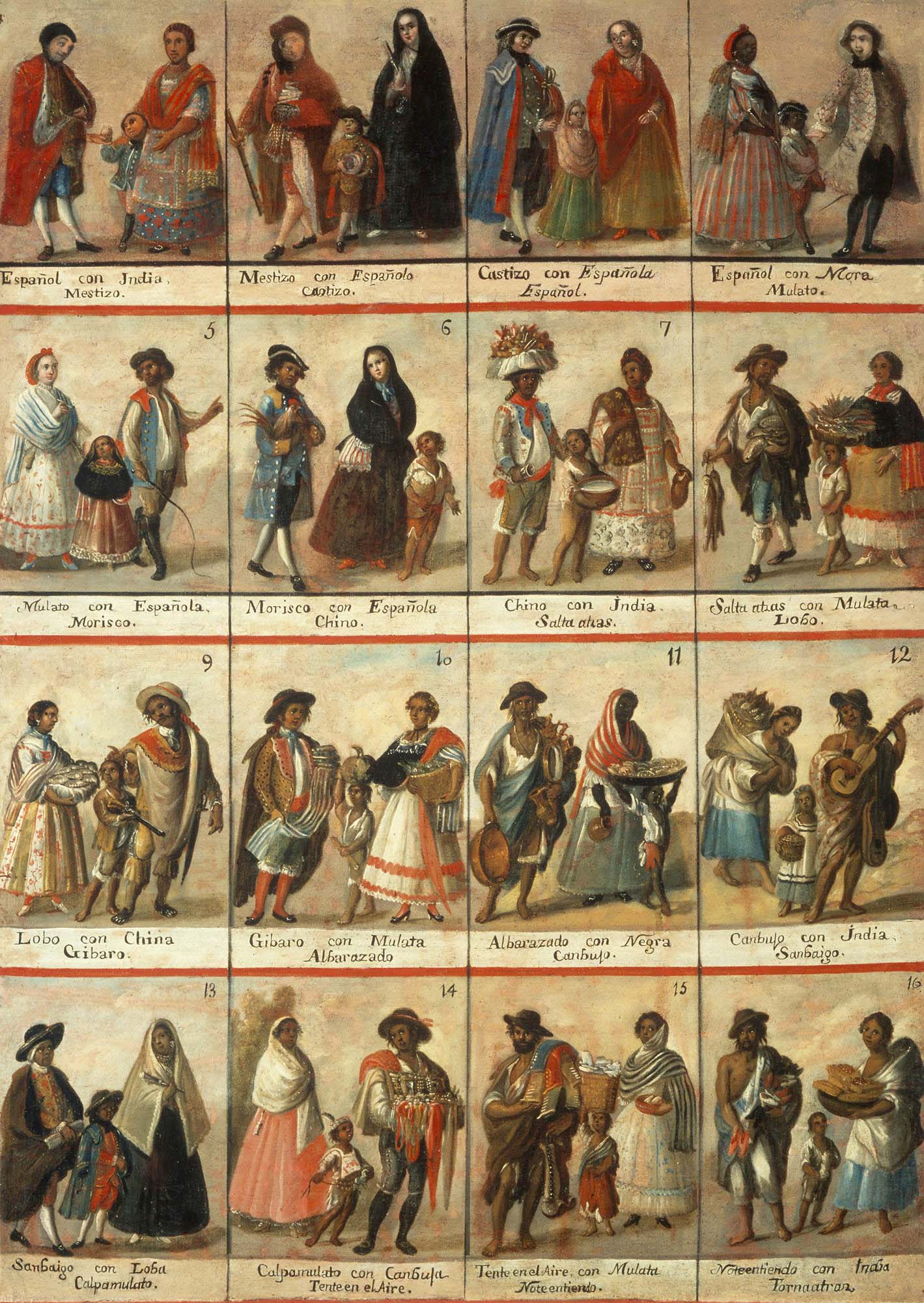
Socially, the Spanish integrated with indigenous populations, but they did so within a strict hierarchy. Spanish colonial society developed a rigid caste system based on race and geographic origin, placing those born in Spain (peninsulares) at the top, and indigenous and enslaved African people at the bottom.
The French: The Fur Trade and Cooperation
The French took a dramatically different approach, largely dictated by their geography and economic goals. Samuel de Champlain founded Quebec in 1608 for France, establishing a foothold in the dense, freezing forests of the North.
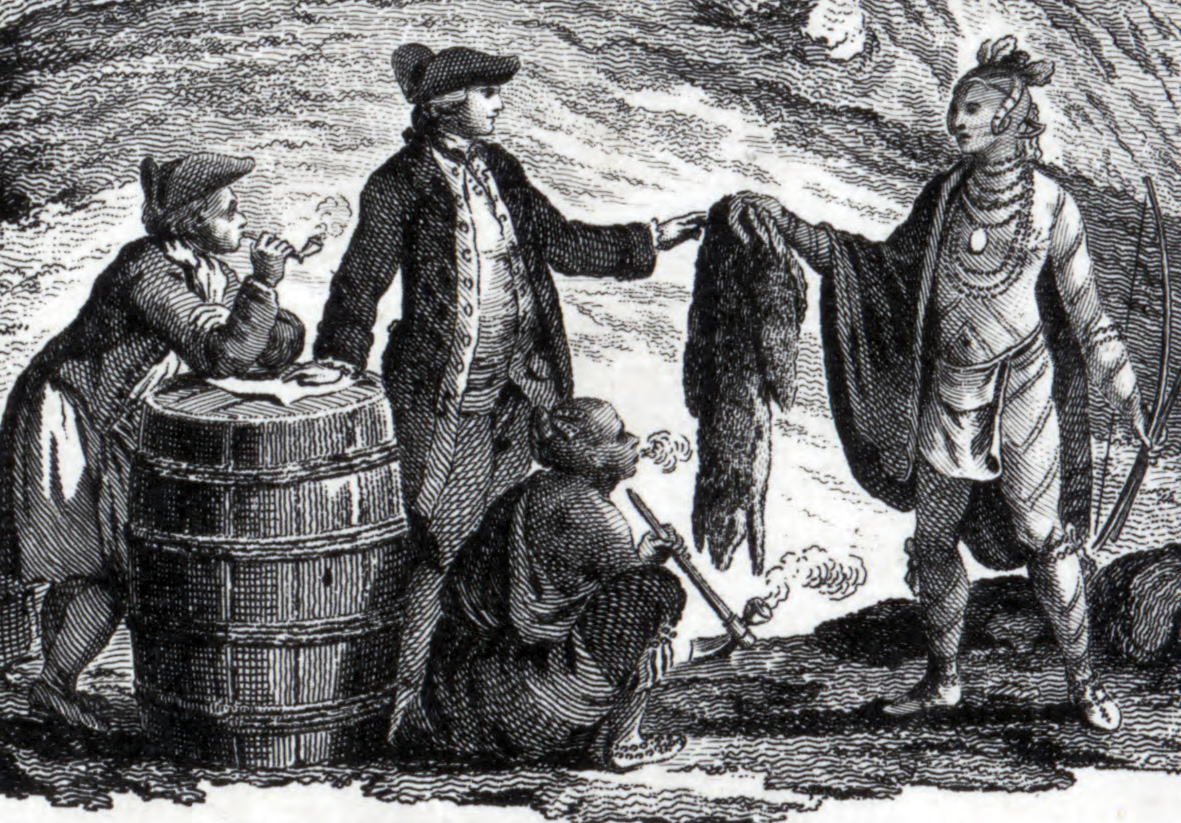
Because the climate could not support massive agricultural plantations, the French colonial economy heavily relied on the fur trade. Harvesting beaver pelts required a vast network of trappers and intimate knowledge of the land. Therefore, French colonists cultivated cooperative trade relationships with Native American tribes, treating them as vital business partners rather than a disposable labor force.
This cooperative mindset extended to religion. French Jesuit missionaries attempted to convert Native Americans to Catholicism without forcing complete cultural assimilation, often living among the tribes and learning their languages. Because the fur trade required mobile traders rather than large, settled towns, French colonies in North America experienced lower European population density compared to English colonies.
The Dutch: Commerce and Diversity
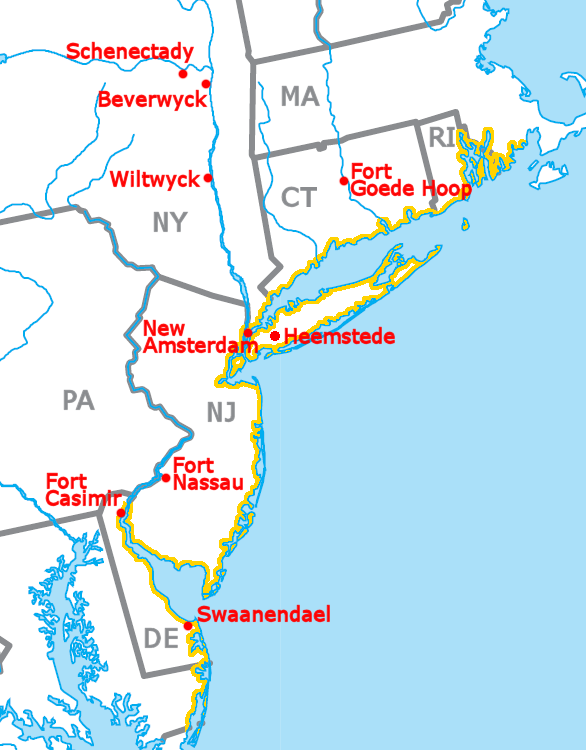
Operating under a purely capitalist imperative, the Dutch West India Company established New Netherland in 1624. Like the French, the primary economic focus of New Netherland was the fur trade, centered around the Hudson River.
Because the Netherlands was prosperous and religiously tolerant at home, few Dutch citizens felt the need to emigrate. To populate their colony, the Dutch accepted anyone willing to work. Consequently, New Netherland possessed a highly diverse demographic population compared to other European colonies, boasting numerous languages and religions.
However, this lucrative geographic wedge between England's northern and southern colonies made New Netherland a target. England conquered New Netherland in 1664 without a shot being fired, and England renamed New Netherland to New York.
English colonization was not a monolith; it was highly regional. The geography of the American coastline dictated the economies, which in turn dictated the social and political structures of three distinct regions: the Chesapeake/Southern colonies, New England, and the Middle Colonies.
The Chesapeake and the Deep South (Virginia, Maryland, Carolinas, Georgia)
The Southern colonies were built on cash crop agriculture. In 1607, the Virginia Company founded Jamestown, which became the first permanent English settlement in North America. Early Jamestown was a disaster of starvation and disease until the introduction of Caribbean tobacco cultivation by John Rolfe made the Virginia colony economically viable.
Tobacco was incredibly labor-intensive. To solve the labor shortage, the headright system incentivized migration by granting land to individuals paying for the passage of new settlers. Early Chesapeake tobacco planters relied heavily on the labor of European indentured servants—poor workers who traded several years of unpaid labor for passage to the New World.
Politically, Virginia set a massive precedent. In 1619, the Virginia House of Burgesses convened. Crucially for your civics units, the Virginia House of Burgesses was the first representative legislative assembly in English North America.
That same fateful year, the first enslaved Africans arrived in the Virginia colony in 1619. Initially, their legal status was fluid, but this changed dramatically late in the century. Bacon's Rebellion occurred in Virginia in 1676, when frustrated former indentured servants rose up against the colonial elite. Fearing future uprisings from a united underclass of poor whites and blacks, the colonial elite fundamentally altered their labor system. Bacon's Rebellion accelerated the colonial transition from indentured servitude to enslaved African labor. Southern enslavers used chattel slavery to establish permanent ownership over human beings, reducing them to property to ensure a permanent, controllable labor force. The Southern colonies relied heavily on enslaved African labor to cultivate labor-intensive cash crops.
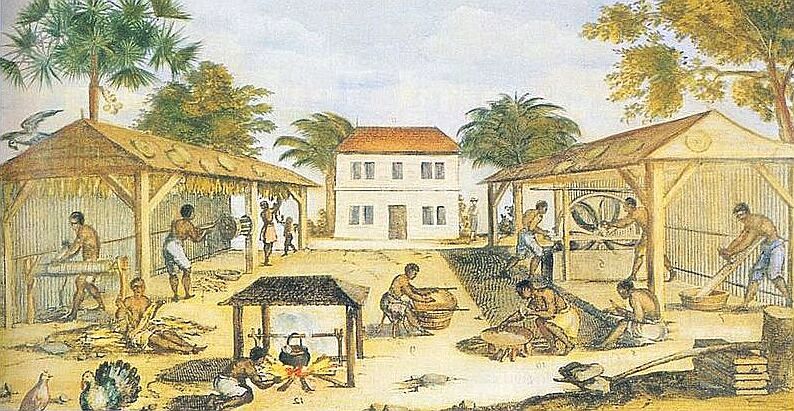
Other southern colonies developed with specific mandates:
- Maryland: Lord Baltimore founded Maryland as a safe haven for English Catholics. In a landmark step for religious liberty, the Maryland Toleration Act of 1649 guaranteed freedom of worship to all Trinitarian Christians.
- The Carolinas: The Carolina colonies developed economies centered on the cultivation of rice and indigo, demanding massive numbers of enslaved laborers from West Africa who possessed expertise in rice cultivation.
- Georgia: James Oglethorpe founded Georgia in 1732. It served two purposes: Georgia was established as a military buffer zone against Spanish Florida, and it was initially established as a refuge for English debtors.
New England (Massachusetts, Rhode Island, Connecticut)
If the South was driven by the soil, New England was driven by the soul—and the sea. In 1620, English Separatists (Pilgrims) founded the Plymouth Colony. Before stepping ashore, the Pilgrims drafted the Mayflower Compact.
The Mayflower Compact established a framework for self-government based on majority rule. It is a foundational text in American civics, proving that legitimate government derives from the consent of the governed.
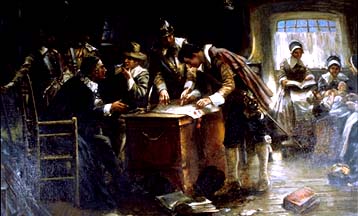
A decade later, Puritans founded the Massachusetts Bay Colony in 1630. Puritan leader John Winthrop envisioned the Massachusetts Bay Colony as a model Christian community called a "City upon a Hill." They sought to create a strictly ordered, religiously homogeneous society.
Geography strictly dictated New England's trajectory. The rocky soil of New England hindered the development of large-scale plantation agriculture. Instead, the New England colonial economy relied on mixed agriculture, fishing, lumbering, and shipbuilding. Because they lived in densely packed, family-oriented settlements rather than sprawling plantations, New England towns utilized town hall meetings for local democratic decision-making.
Puritan intolerance naturally bred dissenters who founded new colonies:
- Rhode Island: Roger Williams founded Rhode Island after being banished from Massachusetts Bay. Radically for the time, Rhode Island established the principle of complete religious toleration.
- Connecticut: Thomas Hooker founded the Connecticut colony. In 1639, settlers in Connecticut drafted the Fundamental Orders of Connecticut. The Fundamental Orders of Connecticut is considered the first written constitution in the American colonies, establishing a government whose power derived from the free consent of the people.
As New England expanded, conflict over land was inevitable. King Philip's War erupted in 1675 between New England colonists and an alliance of Native American tribes led by Metacom. King Philip's War resulted in the devastating defeat of Native American resistance in southern New England, permanently altering the demographic balance of power in the region.
The Middle Colonies (Pennsylvania, New York, New Jersey, Delaware)
The Middle Colonies represented the geographic and cultural bridge between New England and the South. In 1681, William Penn founded Pennsylvania as a refuge for Quakers. The Quakers practicing in the American colonies adhered strictly to pacifism and championed egalitarian principles, including friendly relations with Native Americans.
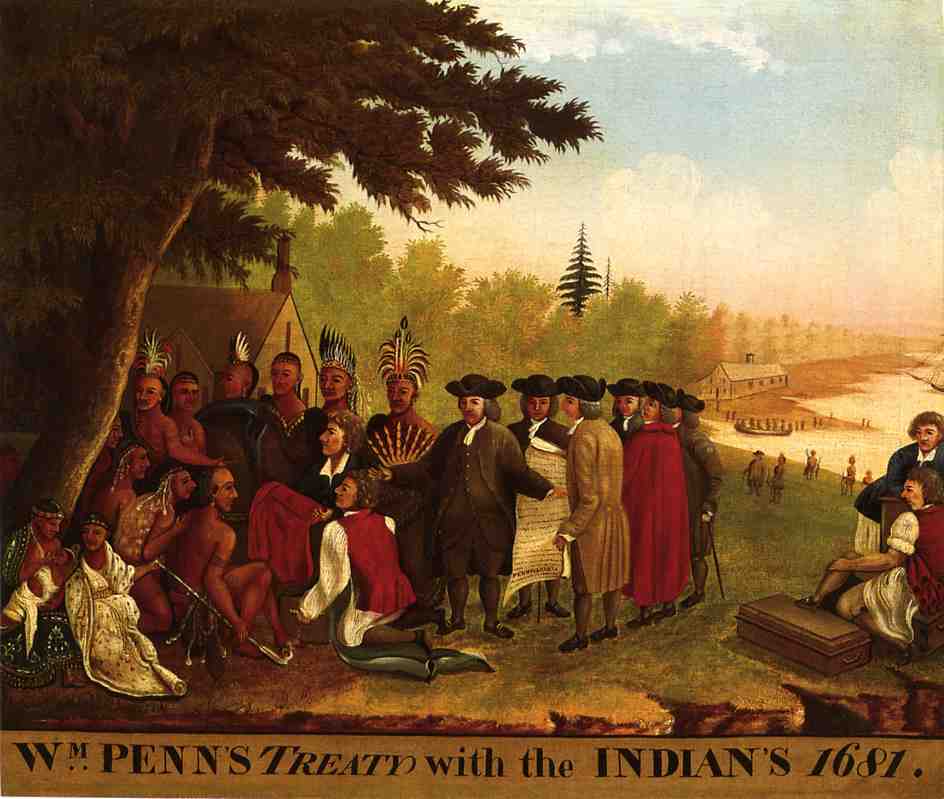
Economically, the Middle Colonies were highly prosperous. Blessed with fertile soil and a moderate climate, the Middle Colonies developed an economy focused on exporting cereal crops (wheat, barley, oats). Because of this immense agricultural output, the Middle Colonies were known as the "breadbasket" of colonial North America.
Socially, the Middle Colonies possessed greater ethnic and religious diversity than the New England and Southern colonies, hosting thriving populations of Dutch, German, Scots-Irish, and English settlers living in relative harmony.
Comparative Regional Summary
| Region | Primary Economy | Key Labor Force | Social/Political Hallmark |
|---|---|---|---|
| New England | Shipbuilding, fishing, lumber, mixed agriculture | Family labor | Town halls, Puritan religious influence, high density |
| Middle | Cereal crops (wheat/grain), trade | Family labor, some indentured servants | "Breadbasket," high ethnic/religious diversity, Quaker pacifism |
| Southern | Cash crops (tobacco, rice, indigo) | Enslaved African labor (chattel slavery) | House of Burgesses, large plantations, rigid social hierarchy |
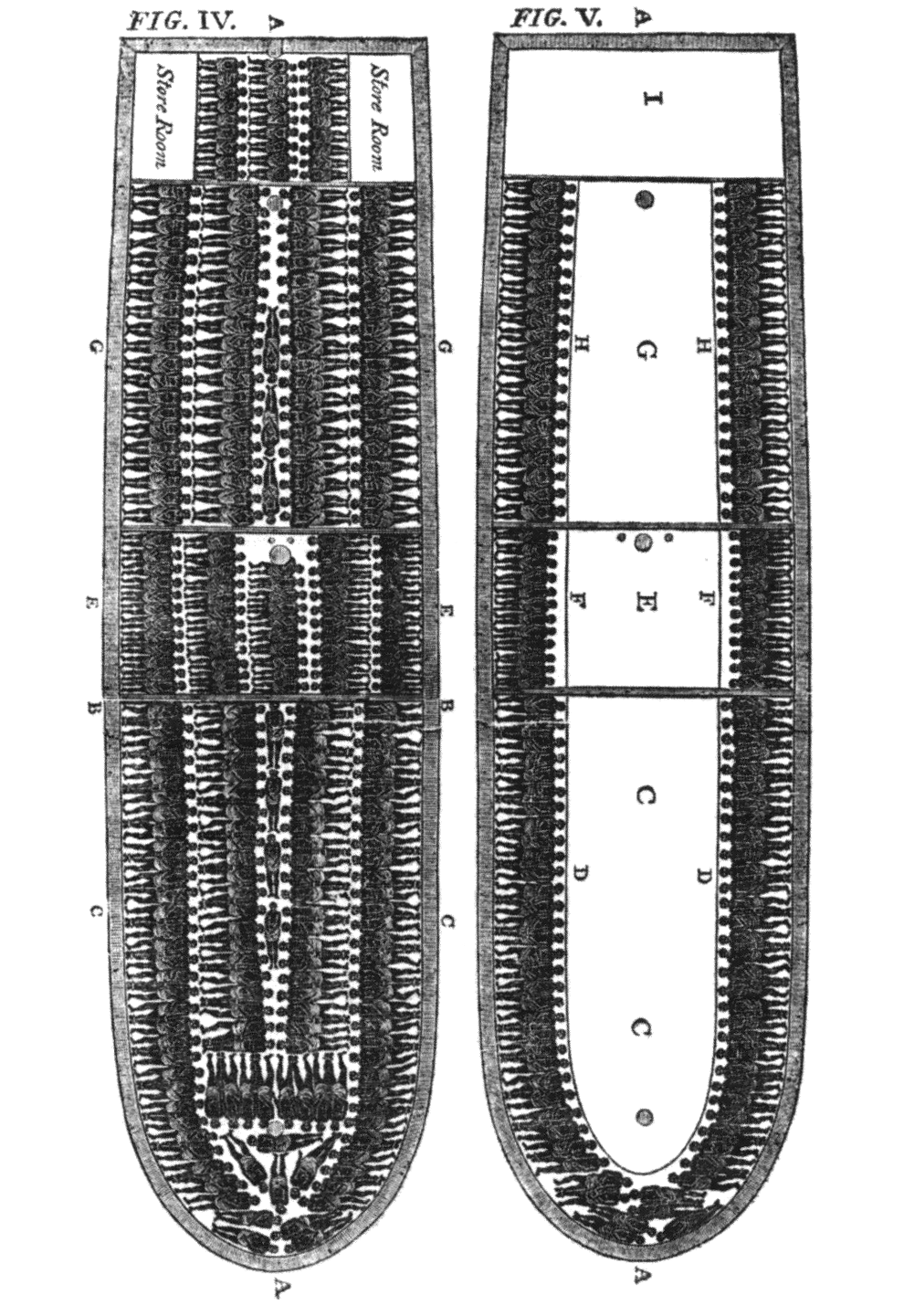
As the colonies grew, they became deeply entangled in the global economy through the Triangular Trade, an interconnected system that linked the economies of North America, Europe, and Africa. Manufactured goods flowed from Europe to Africa; raw materials flowed from the Americas to Europe; and enslaved people were forced from Africa to the Americas.
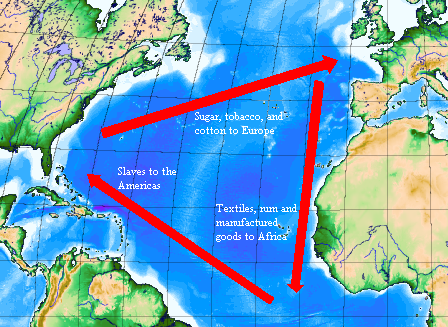
The most horrific leg of this triangle was the Middle Passage, which was the brutal sea journey of enslaved Africans across the Atlantic Ocean to the Americas.
To ensure that this immense colonial wealth funneled directly back to London, the English Parliament passed the Navigation Acts beginning in 1651. The Navigation Acts legally restricted colonial trade to exclusively benefit the English economy—forbidding colonists from trading directly with the French or Dutch.
However, an ocean is a vast thing to police. For decades, England practiced a policy of salutary neglect, which describes the period when England weakly enforced trade regulations in the American colonies.
Why Salutary Neglect Matters: Think of it like a substitute teacher who lets the class run itself for weeks, only for the strict principal to suddenly return and demand total silence. Salutary neglect allowed the American colonies to develop independent political and economic practices. When England later attempted to tighten control and extract taxes after 1763, the colonists rebelled precisely because they had grown accustomed to this autonomy.
Finally, the colonies were bound together by a profound cultural and religious shift. The First Great Awakening was an evangelical religious revival movement in the American colonies during the 1730s and 1740s. Fiery preachers like George Whitefield and Jonathan Edwards traveled the eastern seaboard, preaching a highly emotional, deeply personal relationship with God.
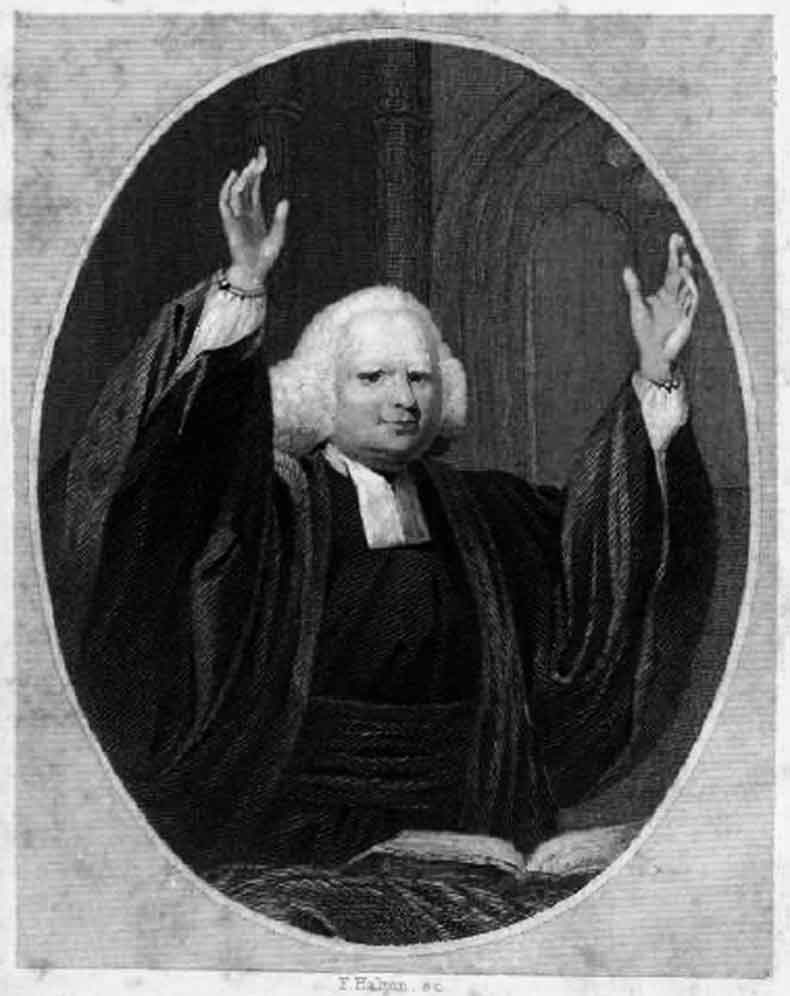
The First Great Awakening challenged established religious authorities by suggesting that anyone—regardless of their social standing or theological training—could experience divine grace. More importantly for American history, the First Great Awakening fostered a sense of inter-colonial unity. For the first time, colonists from Massachusetts to Georgia were participating in a shared cultural event, laying the psychological groundwork for the unified political rebellion that was to come.