The Progressive Era through the New Deal
Not sure you’re ready?
Take the ~3-minute readiness diagnostic and see where you stand.
Imagine a steam engine pushed far beyond its engineering limits. The United States at the end of the nineteenth century was exactly that: a massive, rapidly accelerating machine powered by unprecedented industrialization and urbanization. The boiler was burning white-hot, generating spectacular wealth, but the pressure was fracturing the social foundation. The Progressive Era was the attempt to retrofit this machine with safety valves. A generation later, when a fragile, highly speculative financial system caused the engine to catastrophically seize during the Great Depression, Franklin D. Roosevelt’s New Deal did not just patch the boiler—it completely redesigned the operating manual for the American state. To understand modern American civics, economics, and government, we must tear down and inspect this half-century of mechanical failure and reinvention.
As a future social studies teacher, you must show your students that history is not a series of inevitable events; it is a series of human reactions. The Progressive Era occurred from approximately 1890 to 1920 in the United States, and we can define Progressivism as a broad political and social response to the problems caused by rapid industrialization, urbanization, and political corruption.
When the system began to fail the working class, the first responders were not politicians. They were writers.
The Muckrakers: Exposing the Gears
Muckrakers were reform-minded journalists who exposed corruption and social injustices during the Progressive Era. They aimed a floodlight at the darkest corners of American industry.
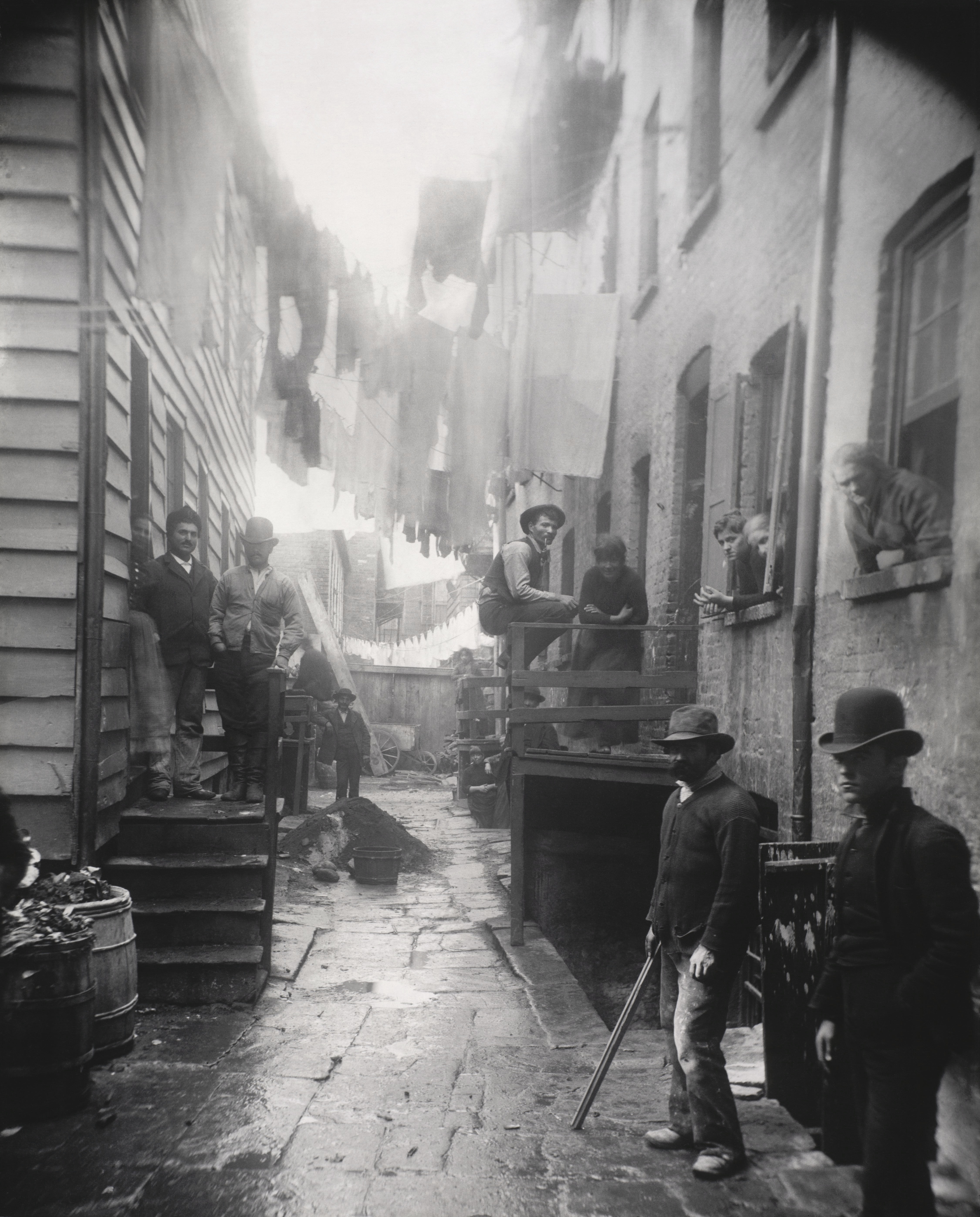
- Jacob Riis picked up a camera. He published the photojournalism book How the Other Half Lives in 1890 to document the squalid living conditions in New York City slums. By showing the wealthy what the tenement districts actually looked like, he made ignorance impossible.
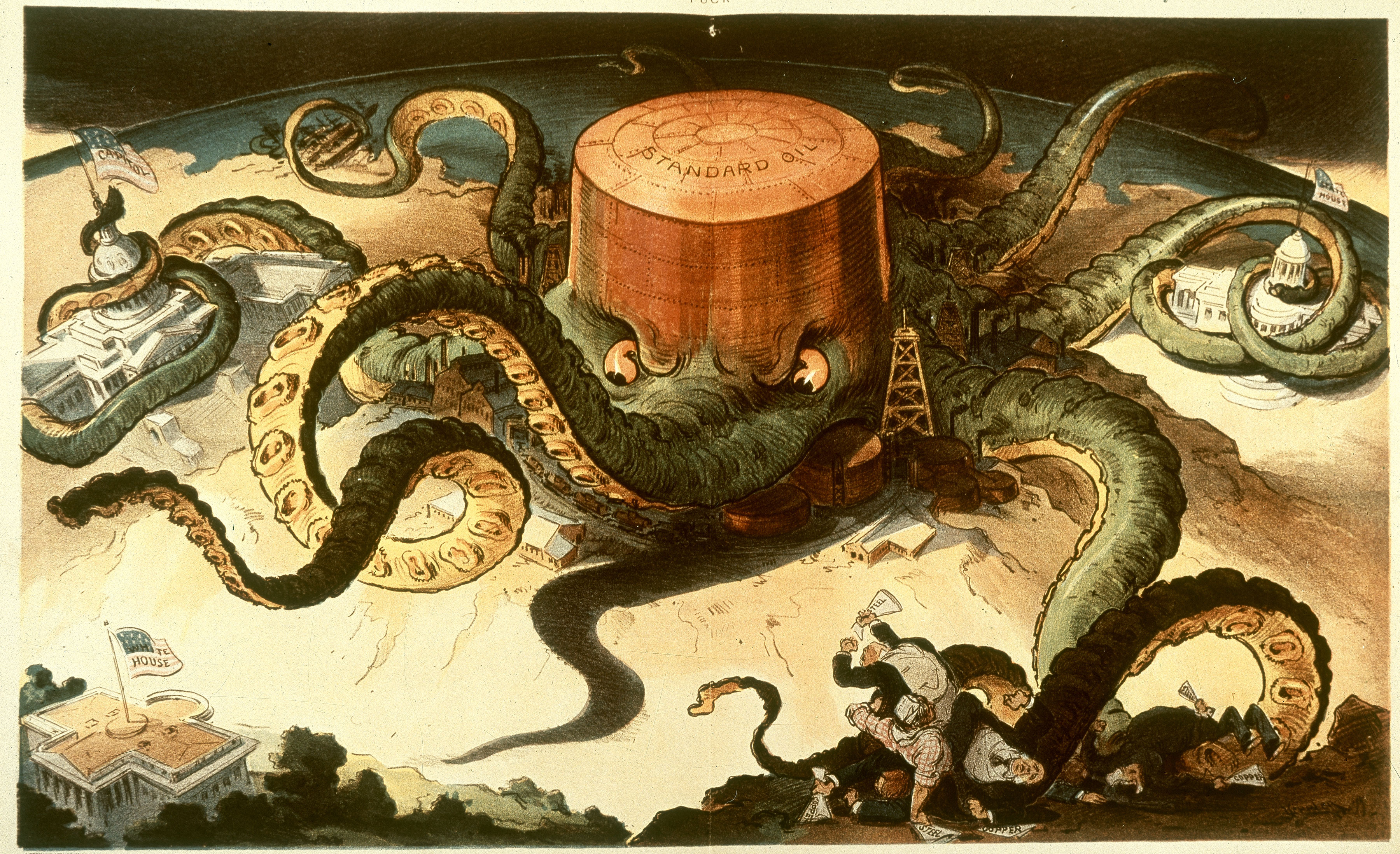
- Ida Tarbell followed the money. She wrote The History of the Standard Oil Company in 1904 to expose the monopolistic and predatory business practices of John D. Rockefeller.
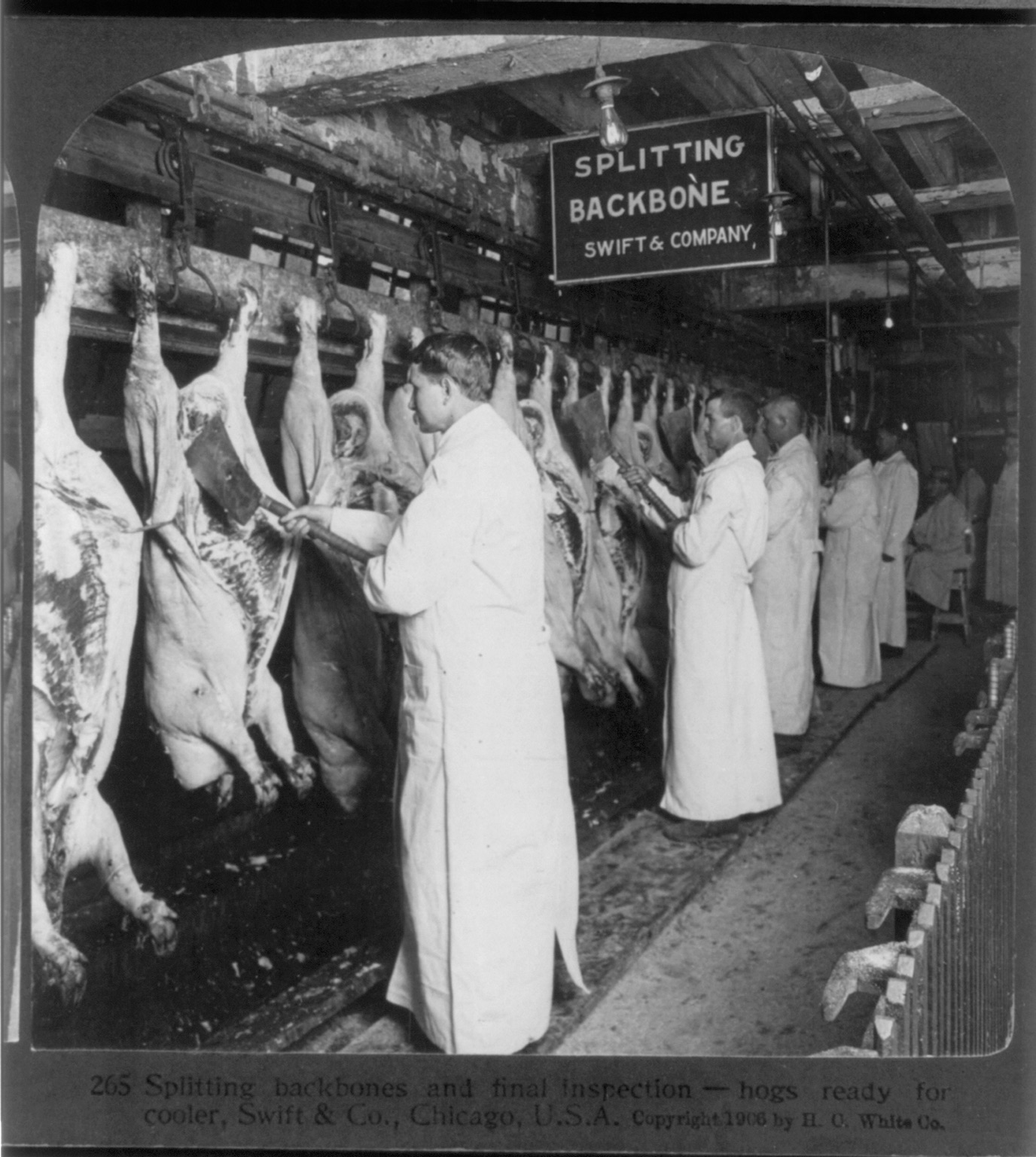
- Upton Sinclair aimed for the public's heart, though he famously noted he hit their stomachs instead. Sinclair published the novel The Jungle in 1906 to expose the harsh conditions and exploited lives of immigrants in the industrialized cities.
The cause-and-effect relationship here is one of the clearest in American history. The publication of The Jungle directly led to public outcry about unsanitary practices in the meatpacking industry. Congress had to respond. In the exact same year, they passed two landmark laws:
- The Meat Inspection Act of 1906 established federal inspection of meat products and set strict sanitary standards for slaughterhouses.
- The Pure Food and Drug Act of 1906 forbade the manufacture, sale, or transportation of adulterated or mislabeled food and drug products.
Grassroots to Government: Settlement Houses and the Executive Branch
While muckrakers exposed the rot, others built sanctuaries. Settlement houses provided social services, healthcare, and education to the urban poor and recently arrived European immigrants. The most famous example is Jane Addams, who co-founded Hull House in Chicago in 1889 as a prominent and highly influential settlement house.
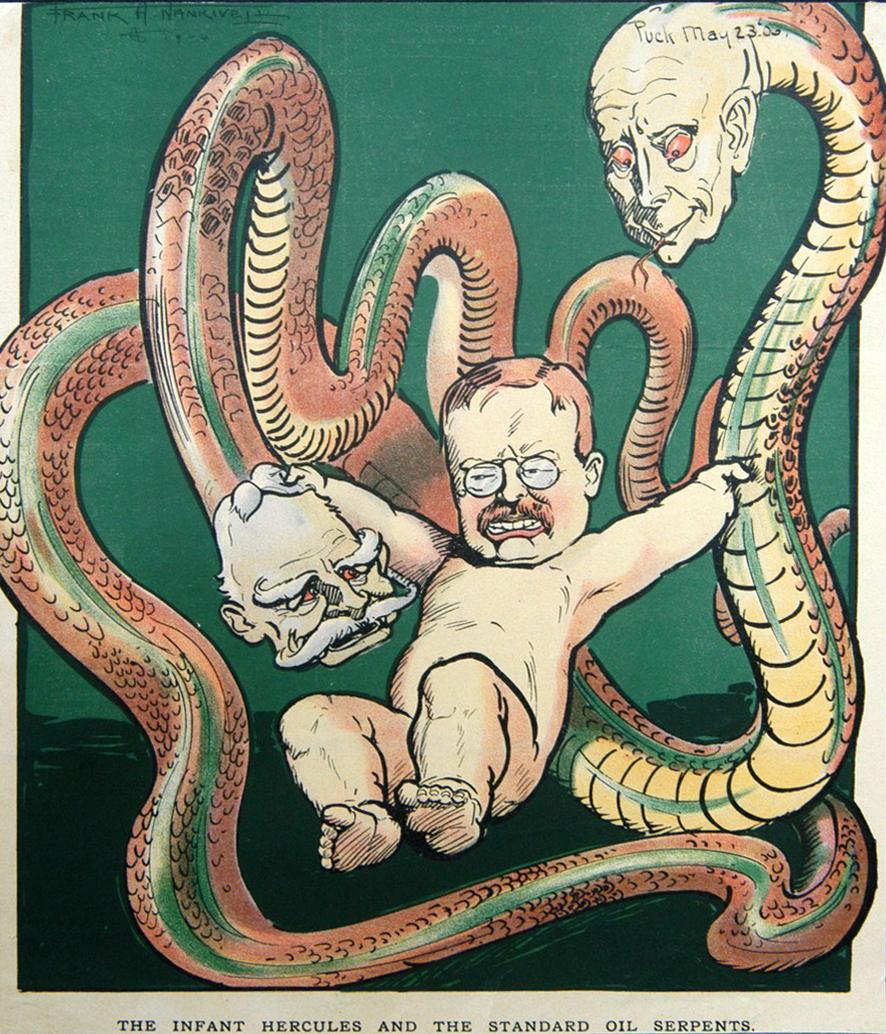
Eventually, this reform energy reached the White House. President Theodore Roosevelt’s domestic program was known as the Square Deal. If you want a mnemonic for your students, tell them the Square Deal rested on three "C"s: The Square Deal focused on the conservation of natural resources, government control of corporations, and consumer protection. Roosevelt believed the government had to be the referee in the capitalist arena. Consequently, Theodore Roosevelt earned the nickname "Trust Buster" for his use of the Sherman Antitrust Act to break up large corporate monopolies.
A few years later, President Woodrow Wilson’s domestic policy agenda was known as the New Freedom. Under Wilson, the government took an even firmer grip on the economy:
- The Federal Reserve Act of 1913 created the central banking system of the United States to provide a more elastic currency and regulate the money supply. (Tell your students to pull a dollar bill from their pocket—that "Federal Reserve Note" is Wilson's legacy).
- The Clayton Antitrust Act of 1914 strengthened the Sherman Antitrust Act by explicitly prohibiting specific anti-competitive practices like price discrimination. Crucially, the Clayton Antitrust Act explicitly exempted labor unions and agricultural organizations from antitrust litigation, finally protecting workers' right to organize without being sued as a "monopoly of labor."
Rewriting the Constitution
The Progressive Era fundamentally altered the U.S. Constitution. The ratification of four consecutive amendments reveals a society desperately trying to modernize its democratic mechanics:
| Amendment | Year Ratified | The Progressive Achievement |
|---|---|---|
| Sixteenth | 1913 | Allowed the federal government to levy a national income tax. |
| Seventeenth | 1913 | Established the direct election of United States senators by popular vote. |
| Eighteenth | 1919 | Established the prohibition of the manufacture, sale, and transportation of alcoholic beverages. |
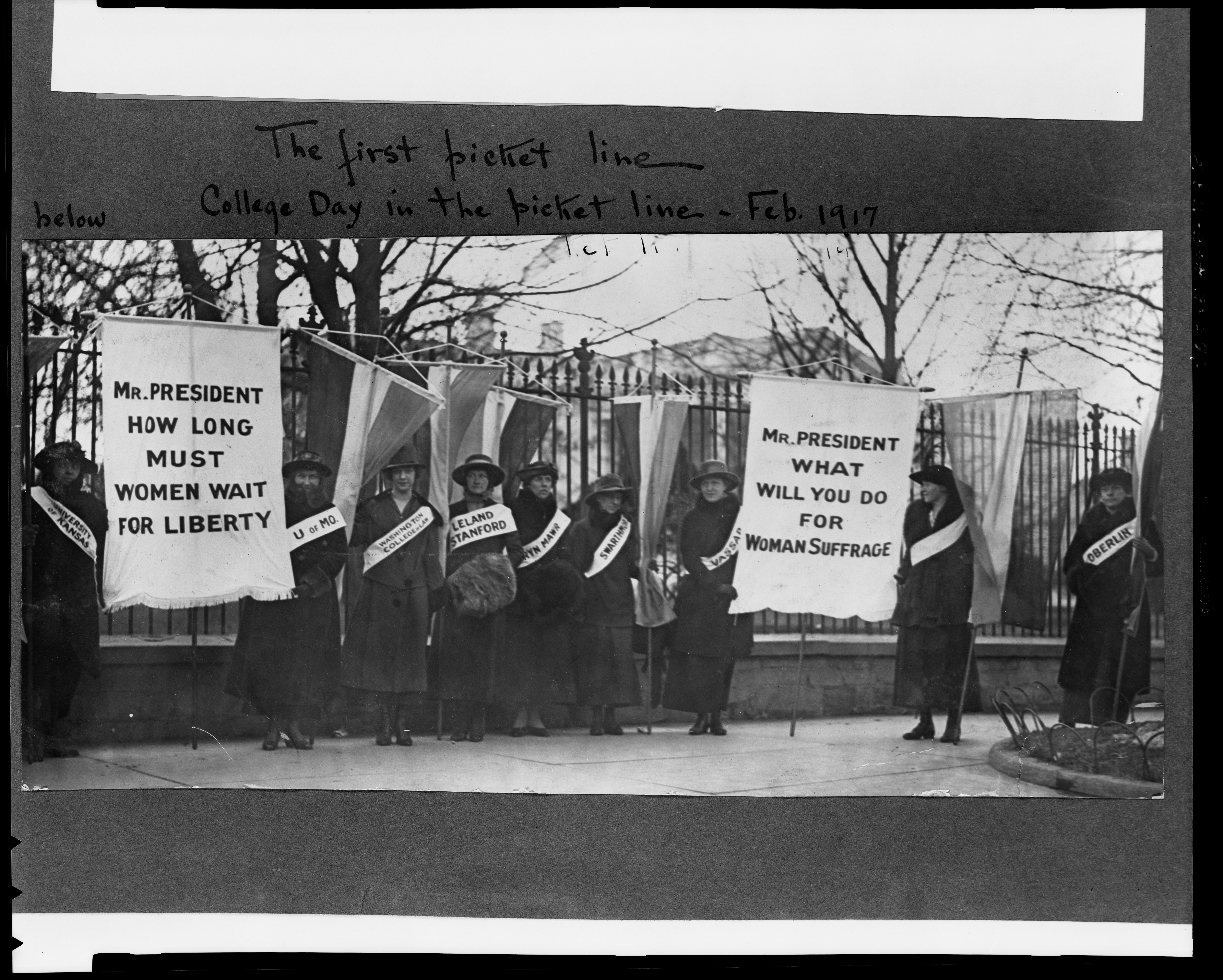
| Nineteenth | 1920 | Prohibited the denial of the right to vote on the basis of sex. |
To teach the Great Depression, you must teach the illusion of the Roaring Twenties. The engine seemed to be running beautifully, but the internal mathematics were doomed.
First, look at the demand side. The unequal distribution of wealth in the 1920s left many working-class Americans without the purchasing power to consume the massive volume of goods produced by domestic industries. You cannot sustain a mass-production economy without mass consumption.
Second, look at the supply side. Both agricultural and industrial overproduction during the 1920s created massive surpluses that severely drove down prices and corporate profits. When farmers grow too much wheat, the price of wheat collapses. When prices collapse, farmers default on loans.
Third, look at Wall Street. The stock market was entirely decoupled from economic reality because of leverage. Buying stocks "on margin" allowed investors to purchase shares by paying a small upfront percentage of the price and borrowing the rest from a broker. This is a brilliant strategy if stocks only go up. But structurally, buying on margin fueled rampant stock market speculation and created a fragile financial system highly vulnerable to sudden market downturns.
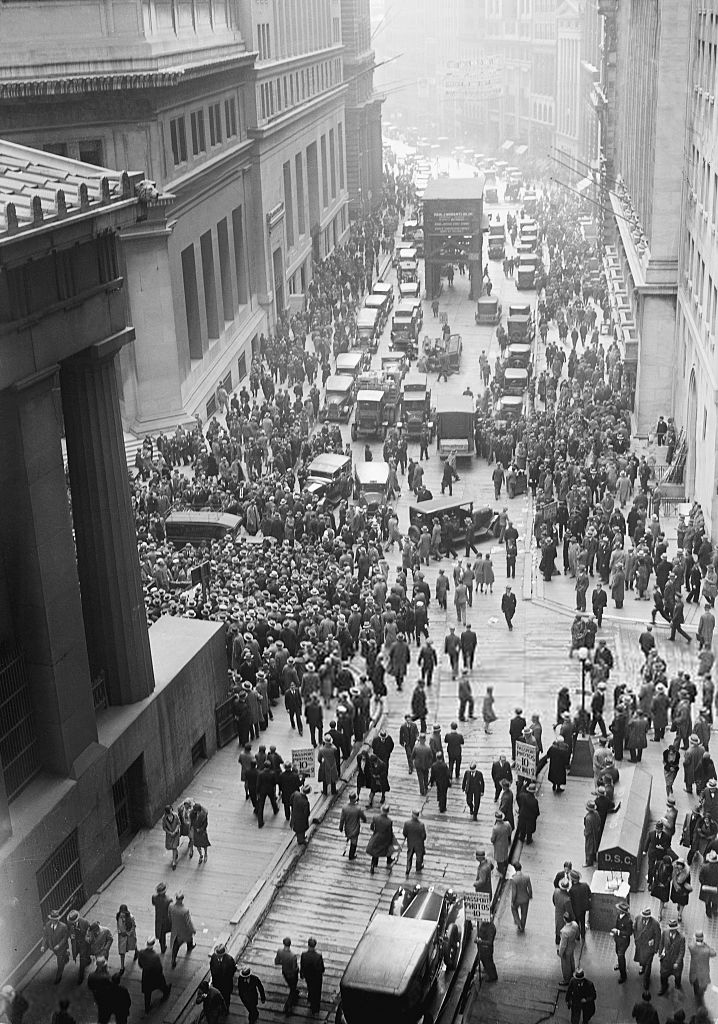
The inevitable snap back to reality was brutal. The Wall Street Crash of 1929 occurred in late October and signaled the start of the Great Depression in the United States. The definitive breaking point was Black Tuesday, which occurred on October 29, 1929, when panicked sellers traded nearly 16 million shares on the New York Stock Exchange and the market collapsed.
The stock market crash did not instantly destroy the entire country. The true Great Depression was the result of interconnected feedback loops failing one by one.
The Banking Collapse
When your students ask how a stock market crash in New York destroyed a farm in Kansas, you must teach them the mechanics of fractional-reserve banking. Banks do not keep all your deposited money in a vault; they lend it out.
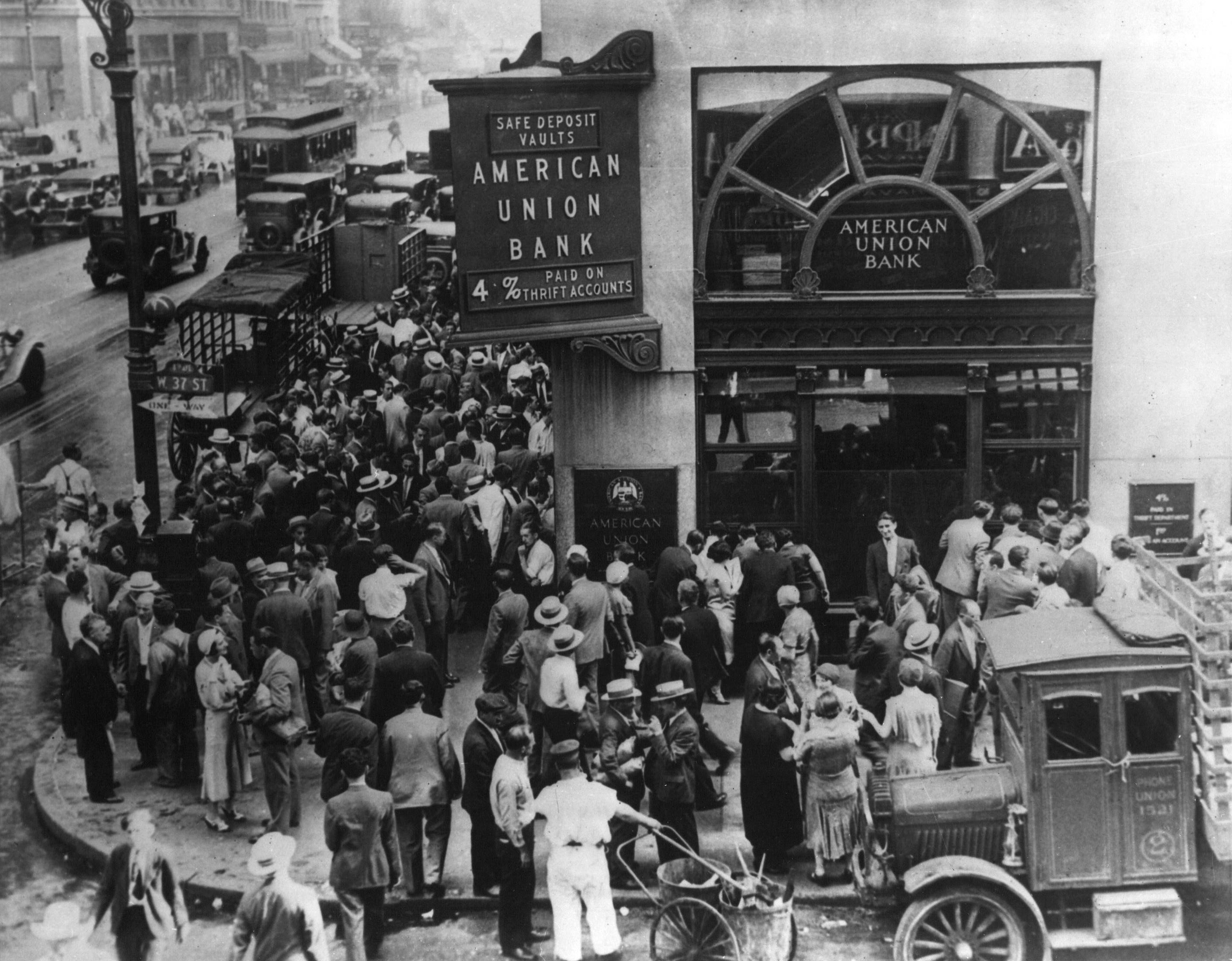
Bank runs occurred when large numbers of anxious customers withdrew their deposits simultaneously out of fear that the financial institution would become insolvent. Because of the sheer panic, frequent bank runs in the early 1930s forced thousands of banks to completely collapse because institutions did not hold enough cash in reserve to cover all immediate withdrawals. When the banks died, the lifeblood of the local economy—credit—vanished.
The Trade Collapse
In a misguided attempt to save domestic industries, Congress passed the Smoot-Hawley Tariff Act of 1930, which significantly raised United States import duties to protect domestic businesses and farmers from foreign competition.
Economics teaches us that actions have equal and opposite reactions. The Smoot-Hawley Tariff Act triggered rapid retaliatory tariffs from foreign nations and drastically reduced the volume of international trade. We walled ourselves in, and the global economy choked.
The Ecological Collapse
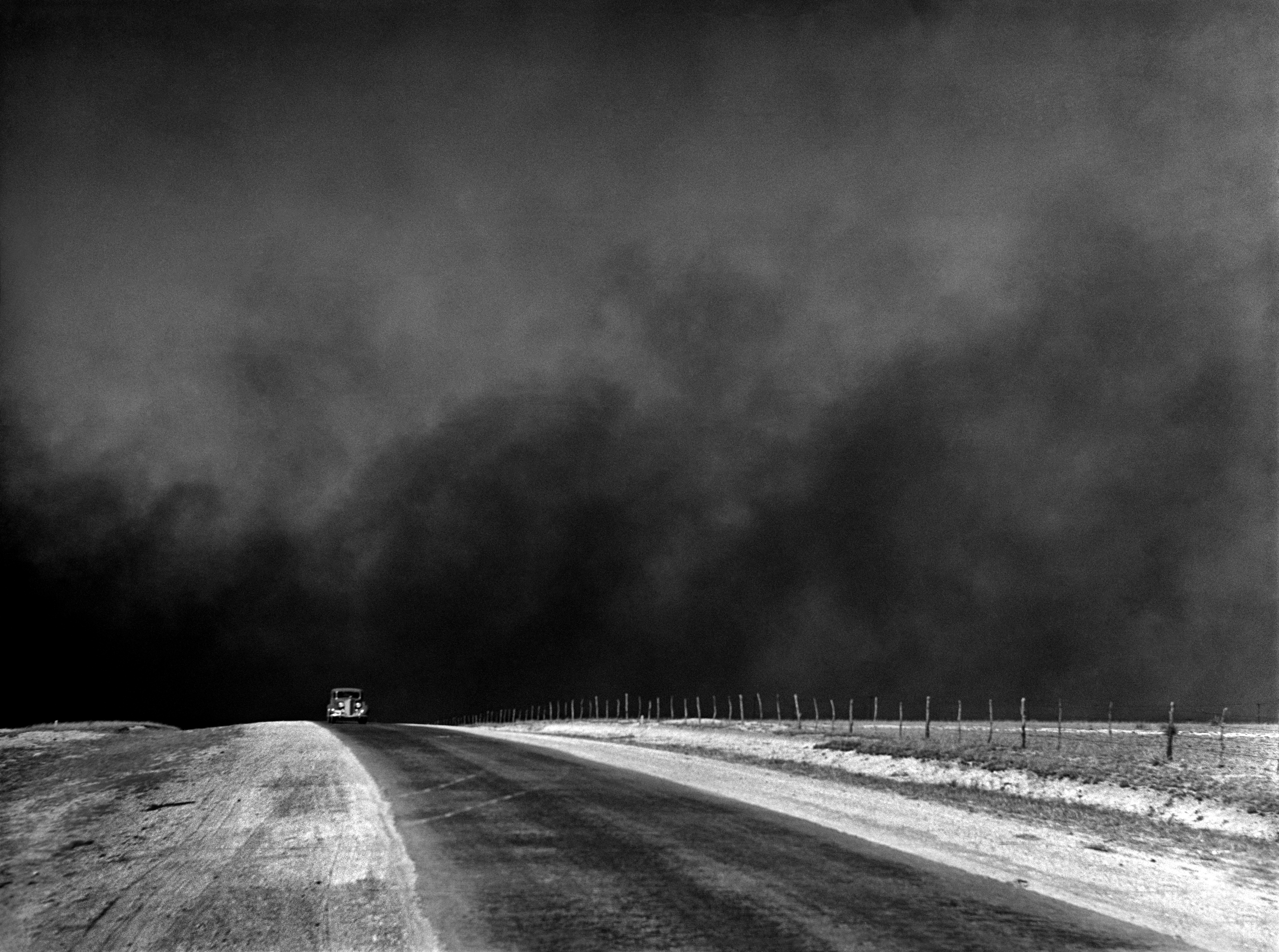
As if the financial and trade systems failing wasn't enough, geography rebelled. The Dust Bowl was a period of severe dust storms that greatly damaged the ecology and agriculture of the American prairies during the 1930s.
This was not just an act of God; it was an act of terrible farming. Severe ongoing drought and decades of extensive deep plowing without crop rotation or windbreaks caused the ecological disaster of the Dust Bowl. The soil essentially turned to powder and blew away, creating apocalyptic black blizzards.
President Herbert Hoover's initial response to the Great Depression relied on voluntary cooperation from businesses and a staunch belief in rugged individualism. He believed the market would correct itself. The American public violently disagreed. In the voting booth, Franklin D. Roosevelt defeated incumbent Herbert Hoover in a landslide during the 1932 United States presidential election.
FDR did not come to the White House with a perfect blueprint, but he came with a willingness to experiment. The New Deal was a massive series of public work projects, financial reforms, and economic regulations enacted by President Franklin D. Roosevelt.
The "Three Rs" of the New Deal: The New Deal focused on the "Three Rs": Relief for the unemployed, Recovery of the economy, and Reform of the financial system.
Fixing the Financial Plumbing (Reform)
FDR's very first move was to stop the bleeding in the banking sector. Franklin D. Roosevelt declared a four-day national bank holiday in 1933 to halt the disastrous series of bank runs and stabilize the banking system.
While the doors were locked, Congress passed the Emergency Banking Act of 1933, which allowed the federal government to inspect and reorganize national banks before permitting them to reopen.
To ensure bank runs would never happen again, Congress passed the Glass-Steagall Act of 1933. This brilliant piece of legislation did two things:
- It legally separated commercial banking activities from investment banking activities. (You cannot gamble with people's life savings).
- It created the Federal Deposit Insurance Corporation (FDIC) to insure individual bank deposits and restore public trust in the banking system.
To clean up Wall Street, the Securities and Exchange Commission (SEC) was established in 1934 to regulate the stock market and prevent corporate abuses relating to the sale of securities.
Putting People to Work (Relief & Recovery)
FDR generated a staggering "Alphabet Soup" of federal agencies aimed at jump-starting the economy and putting cash back into citizens' pockets:
- The Civilian Conservation Corps (CCC) provided manual labor jobs related to the conservation and development of natural resources for unemployed, unmarried young men.
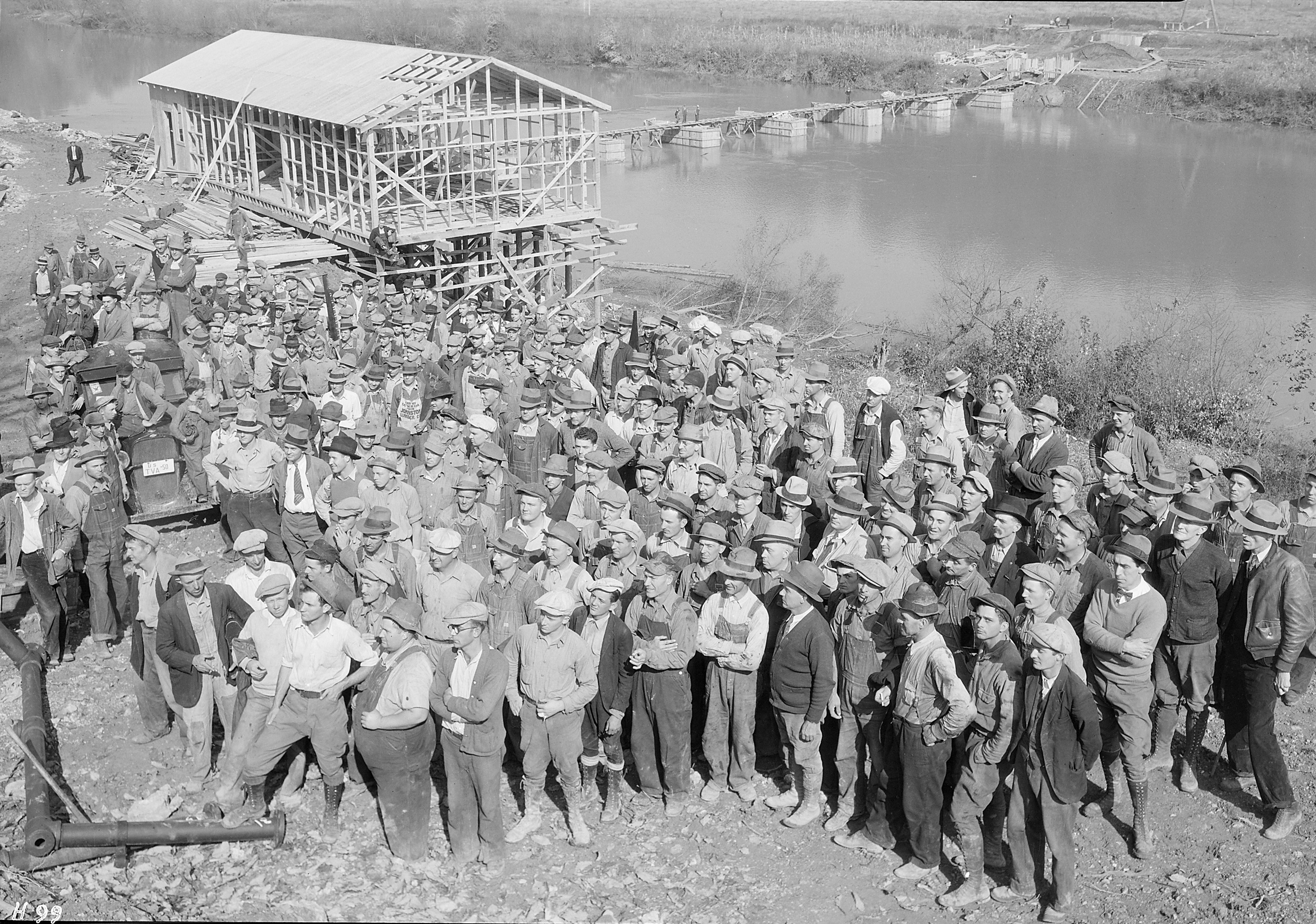
- The Tennessee Valley Authority (TVA) was created in 1933 to provide navigation, flood control, electricity generation, and regional economic development to the impoverished Tennessee Valley. (Use a map here in your classroom—show how taming one river basin electrified the rural South).
- The National Industrial Recovery Act (NIRA) of 1933 authorized the President to regulate industry for fair wages and prices in an effort to stimulate economic recovery.
- The Works Progress Administration (WPA) was an ambitious federal employment and infrastructure program created by presidential order in 1935. The WPA employed millions of job-seekers to carry out massive public works projects, including the construction of public buildings and roads. Furthermore, it recognized that culture was infrastructure: the Works Progress Administration included the Federal Art Project to provide federally funded employment to musicians, artists, writers, and actors.
Finally, the New Deal addressed the agricultural supply-and-demand nightmare. The Agricultural Adjustment Act (AAA) of 1933 offered American farmers financial subsidies in exchange for strictly limiting their production of certain crops. The economic logic was brutal but necessary: the Agricultural Adjustment Act intended to eliminate agricultural overproduction so that market crop prices and farm incomes could organically increase.
In 1935, the New Deal took a profound turn toward permanent social safety nets, establishing laws that still dictate American life today.
The National Labor Relations Act of 1935 is commonly known as the Wagner Act. It fundamentally shifted the power dynamic between boss and worker. The Wagner Act formally guaranteed the right of private sector employees to organize into trade unions, engage in collective bargaining, and execute strikes.
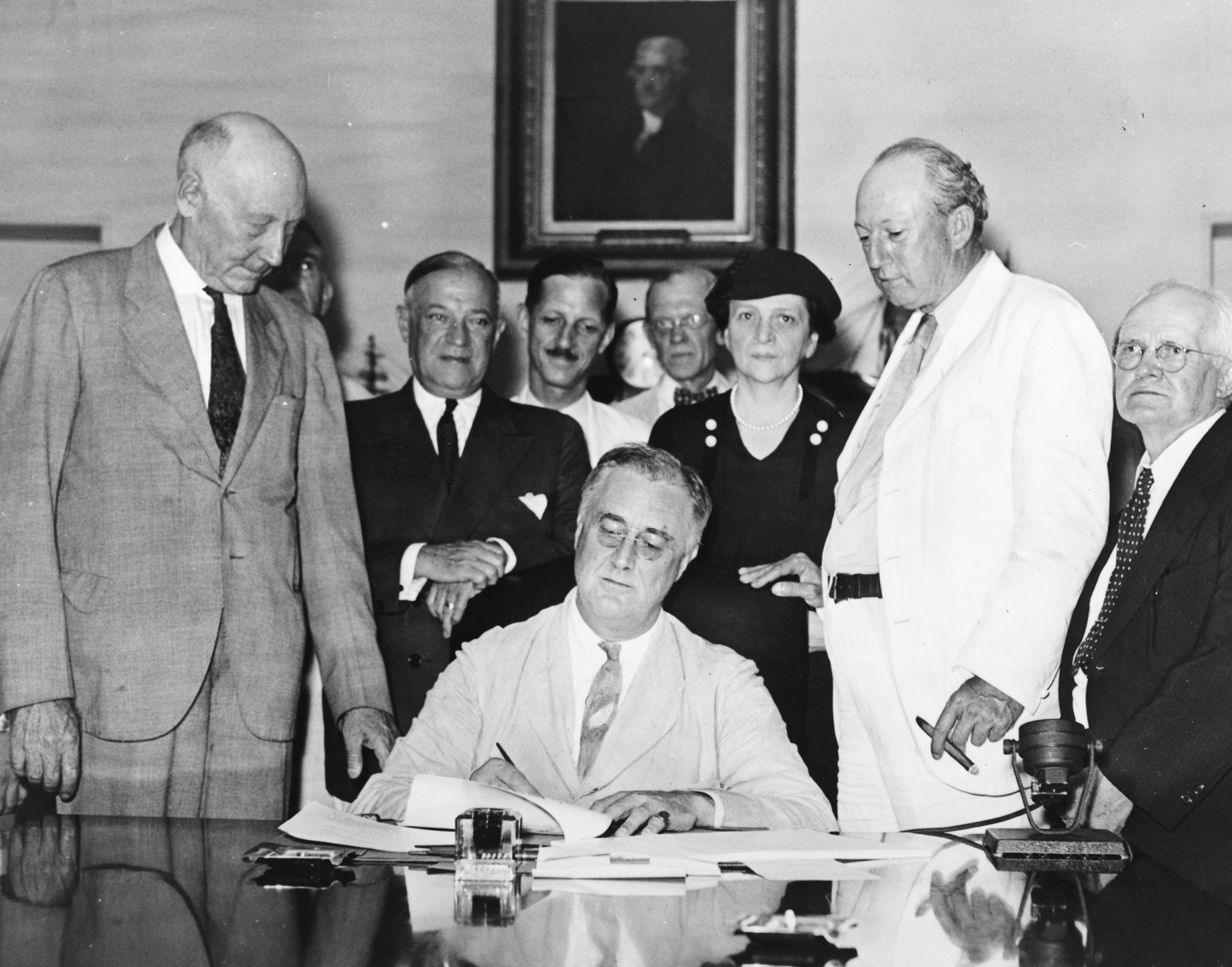
Then came the bedrock of the modern American welfare state. The Social Security Act of 1935 created a federal social insurance program designed to pay retired workers age 65 or older a continuing income after retirement. It didn't stop there; the Social Security Act established a national system of unemployment insurance and provided direct federal aid to dependent children and the physically handicapped.
When you change the operating manual of a nation, the old guards will push back. The United States Supreme Court declared key New Deal legislation, including the National Industrial Recovery Act and the Agricultural Adjustment Act, unconstitutional. They ruled FDR had overstepped executive and federal authority.
FDR, riding high on electoral popularity, made a profound political miscalculation. Franklin D. Roosevelt proposed the Judicial Procedures Reform Bill of 1937 to allow the president to appoint an additional justice to the U.S. Supreme Court for every sitting member over age 70.
The backlash was instant. FDR's Judicial Procedures Reform Bill of 1937 was widely criticized as a "court-packing" scheme to bypass judicial checks and balances. The legislative branch rebelled, and the Judicial Procedures Reform Bill of 1937 ultimately failed to pass in the United States Congress.
Evaluating the Legacy
As an educator, you must help your students evaluate the complex legacy of this era. Did FDR save America? Yes and no.
Politically, the shift was seismic. The New Deal Coalition was a powerful political alignment of diverse voting groups, including labor unions, minorities, and Southern whites, who consistently supported the Democratic Party for decades.
Administratively, the New Deal established a lasting legacy by permanently and significantly expanding the size, scope, and regulatory power of the federal government in the United States economy. The era of laissez-faire capitalism was dead.
Economically, the New Deal stabilized the American financial system and provided critical relief to millions of citizens. However, and this is a crucial distinction for the Praxis exam: the New Deal programs alone did not completely end the Great Depression or eliminate mass unemployment in the United States.
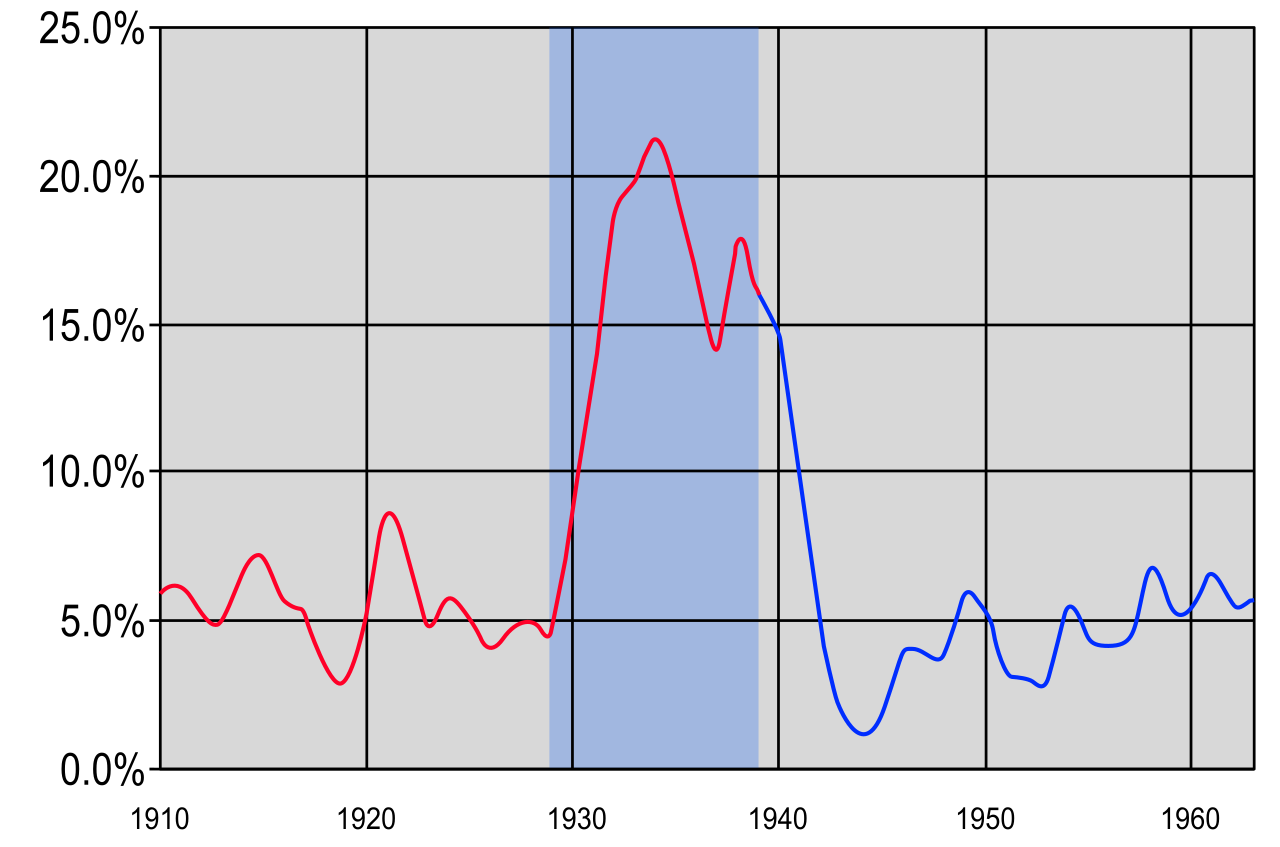
The true end of the Depression required a catalyst even larger than the New Deal. It required the ultimate government spending program. The massive industrial mobilization and military expenditures associated with the United States' entry into World War II definitively ended the Great Depression. The factories roared back to life, the unemployment lines emptied into the military, and the American economic engine was rebuilt to conquer the globe.