World War I and World War II
Not sure you’re ready?
Take the ~3-minute readiness diagnostic and see where you stand.
When studying the trajectory of the United States in the twentieth century, the pivot from a regional power jealously guarding its hemispheric isolation to the architect of a global liberal order is not a gradual evolution, but a violent rupture dictated by two world wars. To understand this era—and to teach it effectively to students who often see these conflicts as distant, black-and-white movie reels—we must look at the mechanics of national transformation. We are observing the thermodynamics of geopolitics: how economic entanglement inevitably creates political gravity, how the machinery of total war reshapes domestic civil liberties and demographics, and how the explosive ends of these conflicts dictated the structure of the modern international system.
The Illusion of Neutrality
To understand America’s entry into World War I, you must first recognize the fundamental friction between political intent and economic reality. The United States maintained an official policy of neutrality at the outbreak of World War I in 1914. The goal was to stay above the fray of European imperial entanglements. However, you cannot claim to be a dispassionate bystander when your factories and banks serve as the primary supply chain for one side of a conflict. American neutrality in early World War I was challenged by strong economic ties to Allied nations through trade and loans. As the Allied war machine required capital and munitions, the US economy became intrinsically linked to an Allied victory.
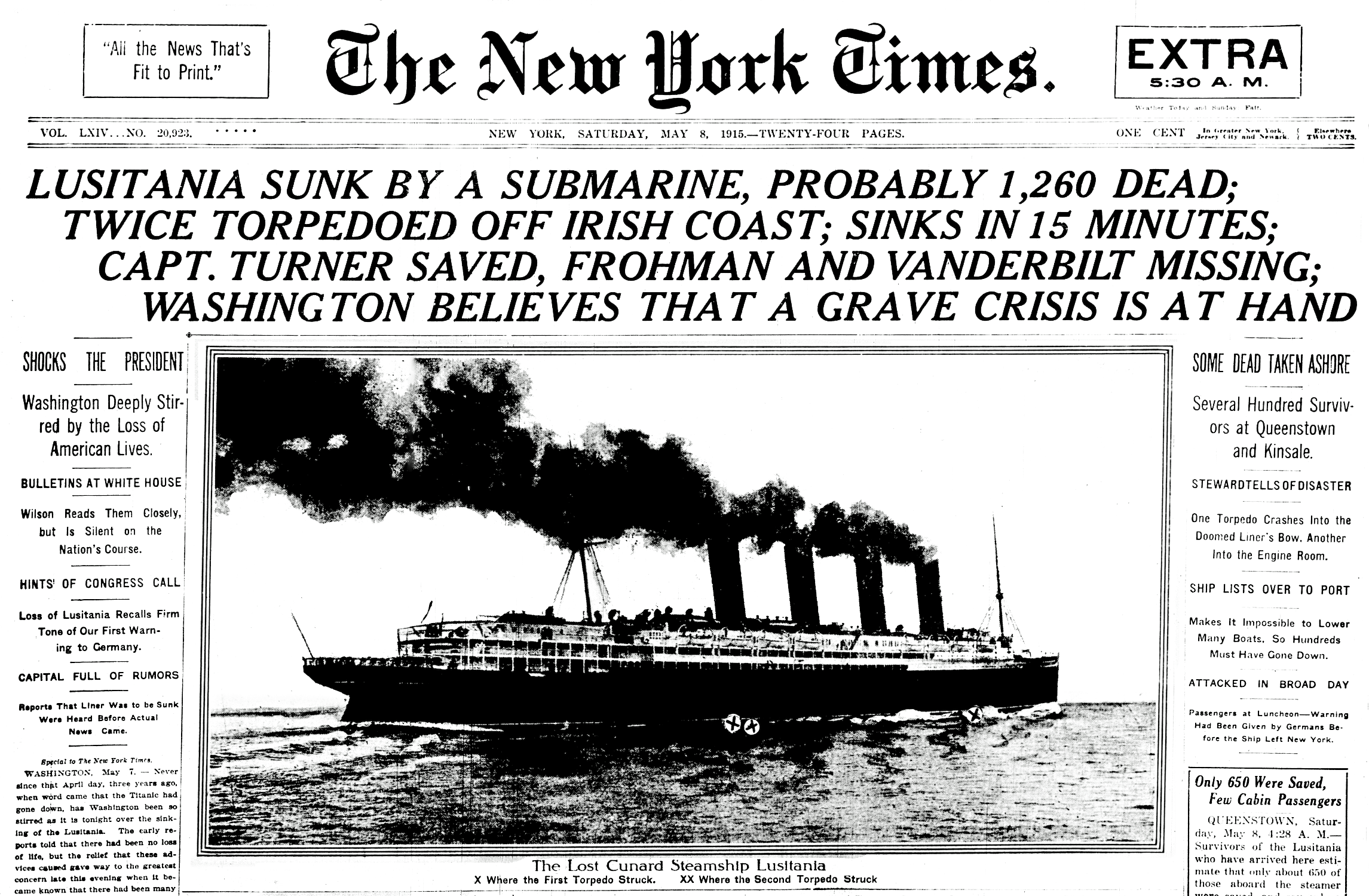
This tension snapped into sharp public focus at sea. A German submarine sank the British ocean liner Lusitania on May 7, 1915. This was not merely a tragic loss of a ship; the sinking of the Lusitania resulted in the deaths of 128 American citizens. Consequently, the sinking of the Lusitania shifted American public opinion sharply against Germany during World War I. While it did not immediately cause war, it primed the American psychological engine for intervention.
The Kinetic Triggers
The breaking point arrived in 1917 via two specific mechanisms: one at sea, and one in the shadows of intelligence.
First, Germany officially resumed unrestricted submarine warfare in early 1917, desperate to starve Britain of supplies. Germany's resumption of unrestricted submarine warfare was a primary catalyst for the United States entering World War I. You cannot sustain global trade—the lifeblood of the US economy—if your sovereign right to navigate the seas is aggressively denied.
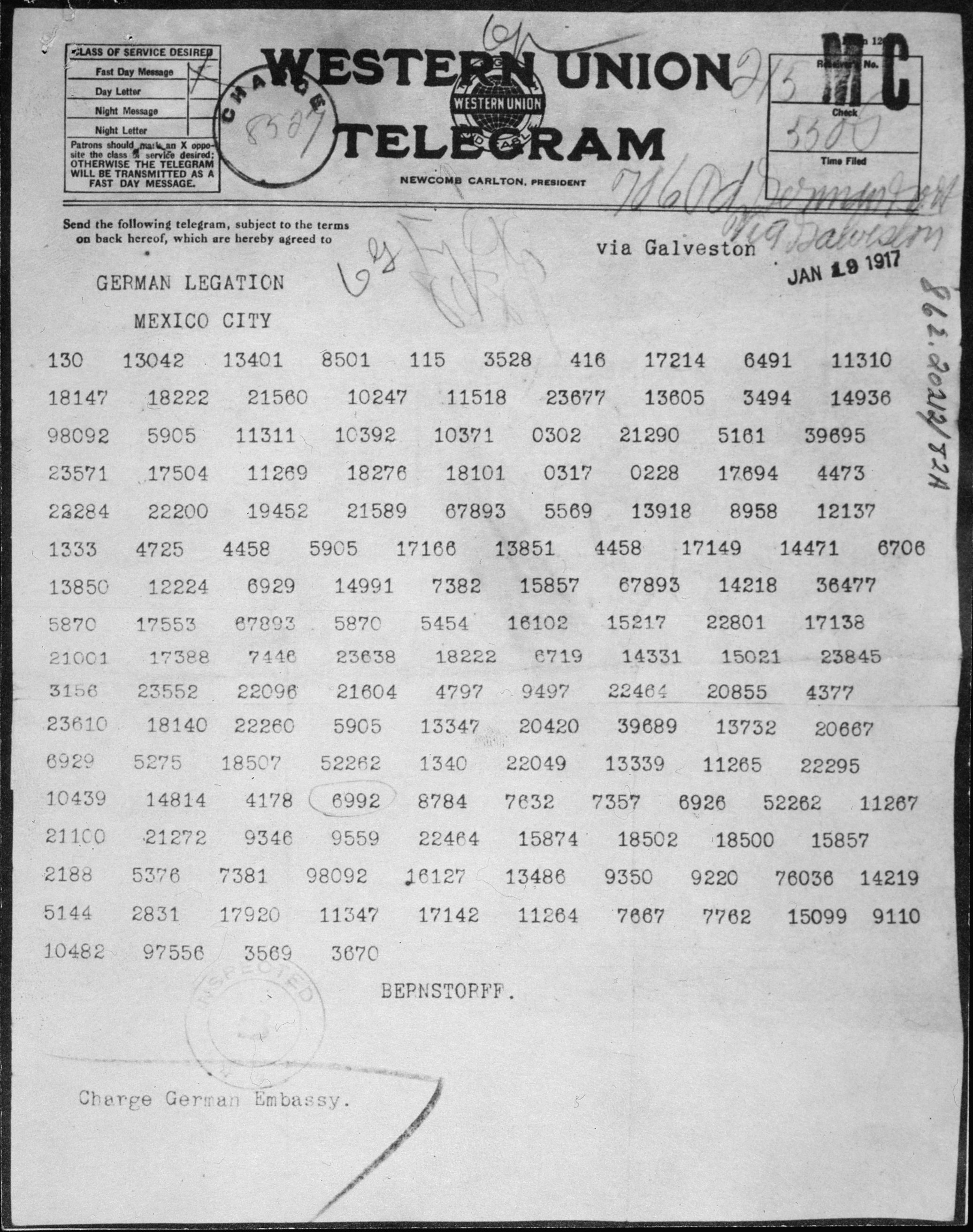
Concurrently, a diplomatic bombshell was intercepted. British intelligence intercepted the Zimmermann Telegram in January 1917. The contents were audacious: The Zimmermann Telegram proposed a military alliance between Germany and Mexico against the United States. This shifted the threat from distant European trenches directly to the American border.
Consequently, President Woodrow Wilson asked Congress for a declaration of war against Germany on April 2, 1917. Notice the rhetoric Wilson used; he did not frame this as a war for territory or simple revenge. Instead, President Woodrow Wilson framed United States entry into World War I as a necessary ideological crusade to make the world safe for democracy.
The Home Front Machinery
Fighting a total war requires an immediate, massive reorganization of society. The federal government fundamentally altered its relationship with the American citizen.
- Manpower: The United States Congress passed the Selective Service Act in May 1917 to draft men for military service.
- Industry: To equip these men, the War Industries Board coordinated industrial production and the purchase of war supplies during World War I.
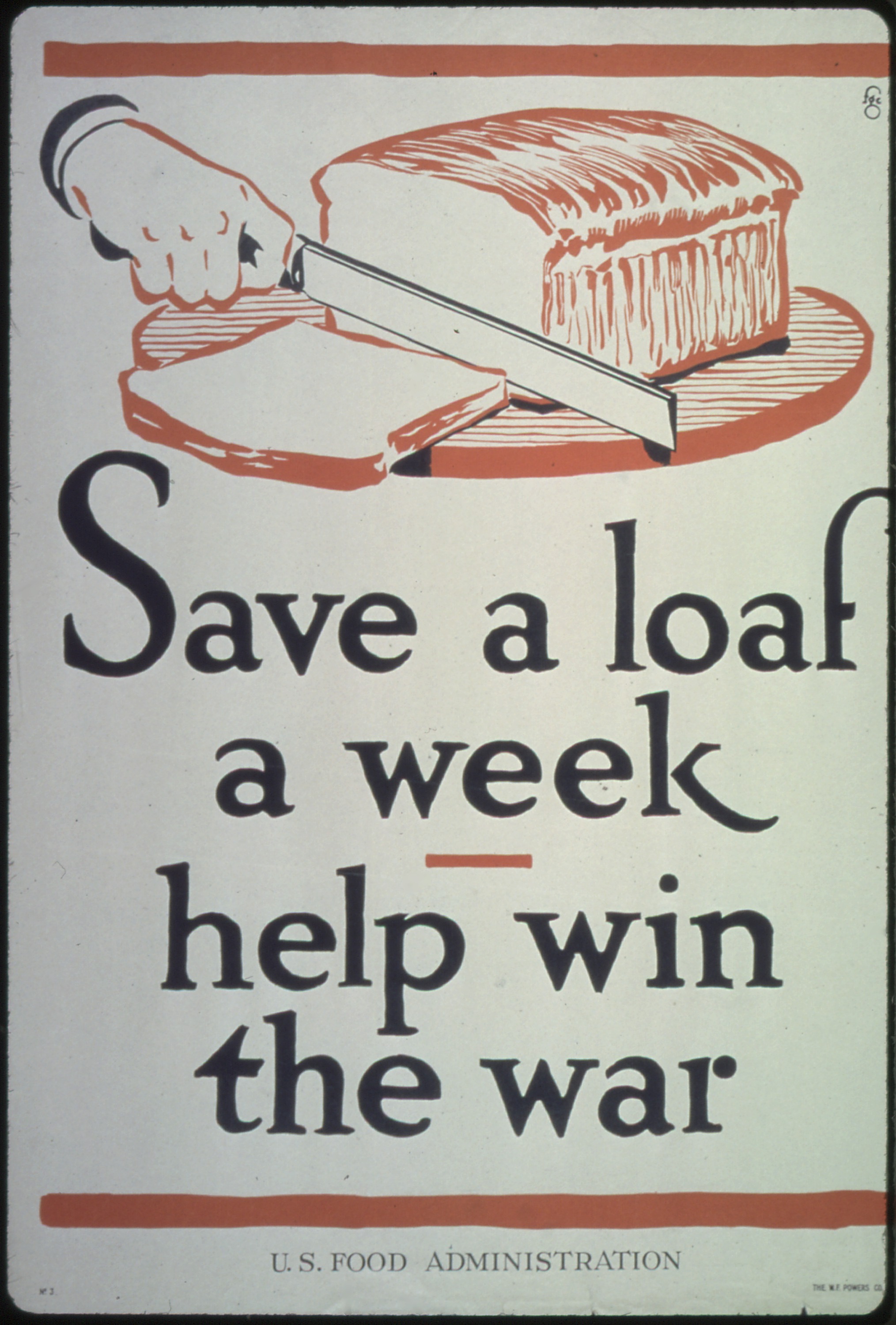
- Resources: Unlike the mandatory rationing to come in the next war, the United States Food Administration encouraged citizens to conserve food for the war effort through voluntary rationing (popularizing concepts like "Meatless Mondays").
- Psychology: Wars are fought in the mind as much as in the mud. The Committee on Public Information produced pro-war propaganda to build public support for World War I.
Civil Liberties and Social Upheaval
When a nation reorganizes for survival, civil liberties often face the firing squad. The government moved aggressively to silence dissent. The Espionage Act of 1917 established severe penalties for spying and for interfering with military recruitment. The following year, the Sedition Act of 1918 criminalized making false statements that interfered with the prosecution of the war.
Crucial Constitutional Concept: Together, the Espionage Act and Sedition Act resulted in the restriction of First Amendment free speech rights during World War I.
When challenged, the United States Supreme Court upheld the Espionage Act in the 1919 case Schenck v. United States.
Test-Taking Imperative: The Schenck v. United States decision established the clear and present danger test for limiting free speech during wartime. If you are teaching civic principles, Schenck is the canonical example of how constitutional rights are not absolute when the nation's security is perceived to be at risk.
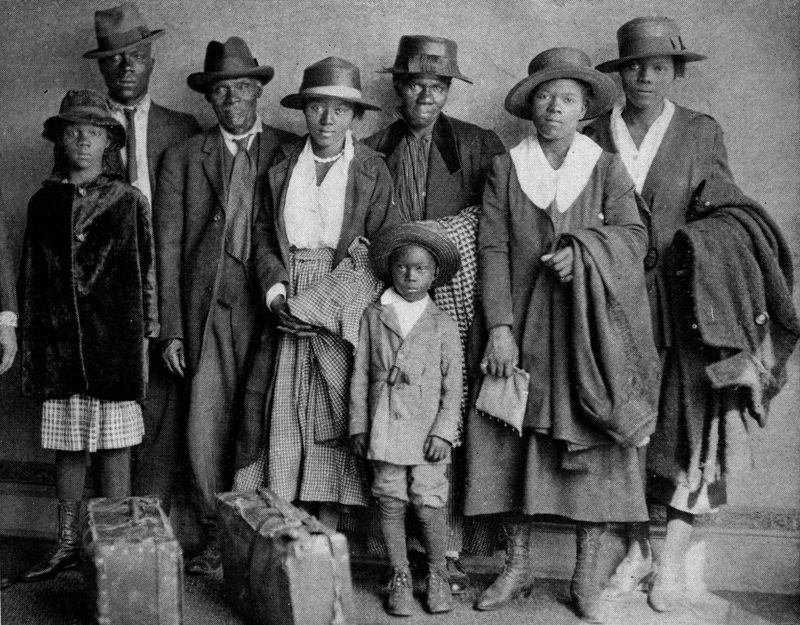
Simultaneously, the war permanently altered American demographics. The Great Migration involved the mass movement of African Americans from the rural South to Northern industrial cities. What drove this? The outbreak of World War I accelerated the Great Migration by creating severe labor shortages in Northern factories. Furthermore, thousands of American women entered the industrial workforce during World War I to replace men serving in the military, establishing a crucial precedent for female labor mobilization.
Victory and a Fractured Peace
Overseas, General John J. Pershing commanded the American Expeditionary Forces in Europe during World War I. Though arriving late, American troops provided critical combat reinforcements to Allied forces during the 1918 Meuse-Argonne Offensive, breaking the stalemate.
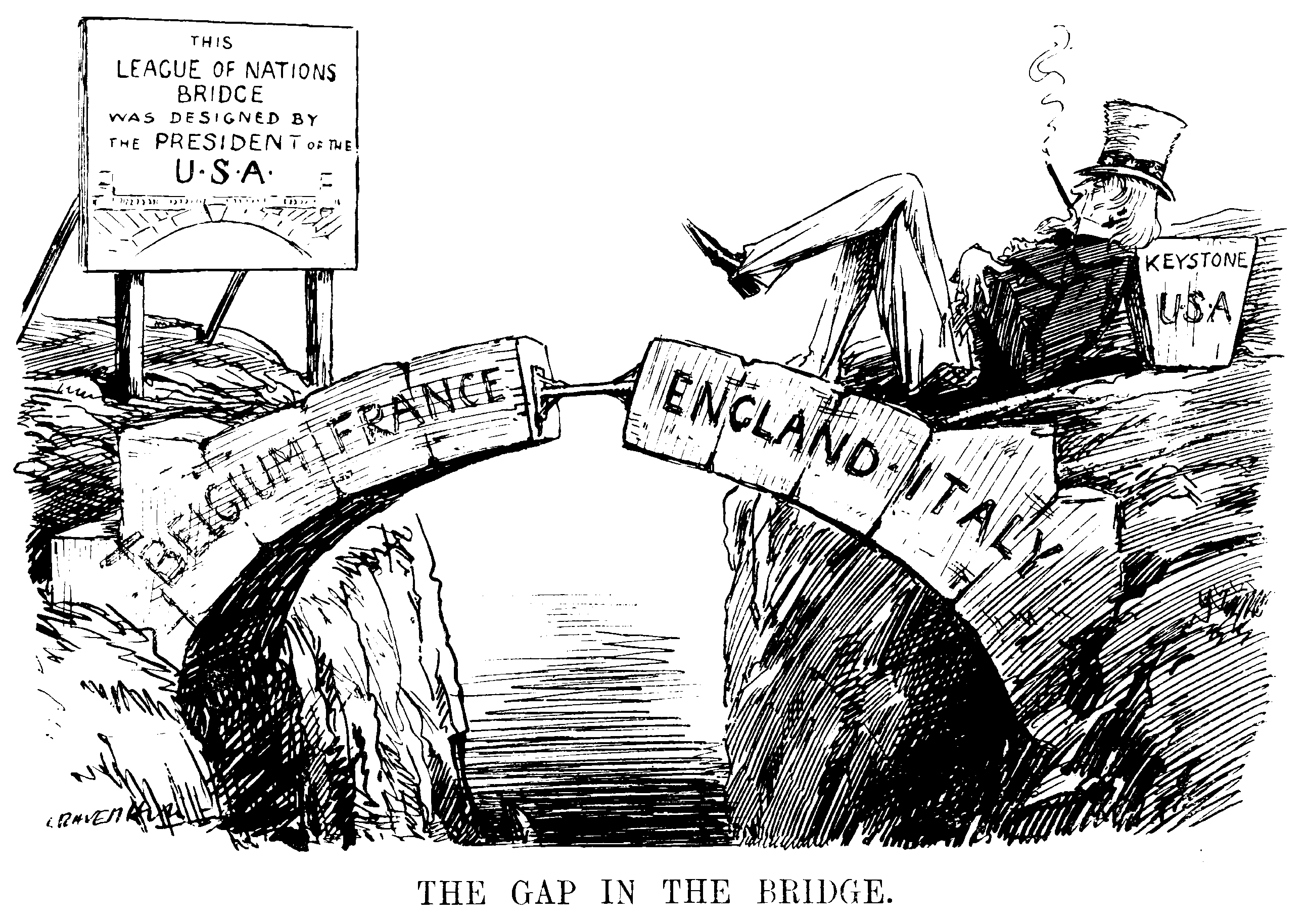
Anticipating victory, President Woodrow Wilson introduced the Fourteen Points as a blueprint for post-war peace in January 1918. The cornerstone of this vision was collective security: The Fourteen Points called for the creation of a League of Nations to resolve international disputes cooperatively.
However, the eventual peace was far from Wilson's idealistic vision. The Treaty of Versailles officially ended World War I between Germany and the Allied Powers, but it was fiercely punitive. Crucially, the Treaty of Versailles required Germany to pay extensive financial reparations to the Allied Powers, sowing the economic seeds for future conflict.
Back in Washington, Wilson's grand vision crashed into domestic politics. The United States Senate ultimately rejected the Treaty of Versailles. Why? Geography and history. The United States Senate rejected the Treaty of Versailles primarily due to fears that the League of Nations would compel American involvement in future European conflicts. Because the Senate refused to ratify the treaty, the United States never joined the League of Nations, fatally weakening the institution from its inception.
Legislating Isolation and the Slide into War
Having been burned by World War I, the United States attempted to legally mandate isolation. The United States Congress passed a series of Neutrality Acts between 1935 and 1937.
Strategic Definition: The 1930s Neutrality Acts aimed to prevent the United States from entering foreign conflicts by banning arms sales to belligerent nations.
But as totalitarianism consumed Europe, the US recognized the existential threat and began a systematic, step-by-step dismantling of its own neutrality laws:
- The 1939 Cash-and-Carry policy allowed the United States to sell military supplies to belligerent nations paying in cash and using their own transport ships.
- The United States traded 50 aging naval destroyers to Great Britain in exchange for land rights on British territories in 1940.
- Finally, the United States Congress passed the Lend-Lease Act in March 1941.
The Lend-Lease Act ended the pretense of American neutrality by allowing the United States to supply massive amounts of war materials to the Allied powers. The economic engine was fully committed. Ideologically, the nation was also aligning with Britain. President Franklin D. Roosevelt and Prime Minister Winston Churchill issued the Atlantic Charter in August 1941. The Atlantic Charter outlined a shared American and British vision for the post-World War II world based on self-determination and free trade.
The Pacific Collision
While Europe burned, the Pacific boiled. The United States imposed an oil and scrap metal embargo on Japan in July 1941. This was not an arbitrary trade dispute; the United States implemented the 1941 embargo on Japan to protest Japanese military expansion into French Indochina.
Cornered economically, Japan calculated that a preemptive strike was their only path to regional hegemony. The Japanese military launched a surprise attack on the United States naval base at Pearl Harbor on December 7, 1941. The debate over intervention evaporated instantly; the United States formally declared war on Japan on December 8, 1941.
burning_after_the_Japanese_attack_on_Pearl_Harbor-NARA_195617-_Edit.jpg)
The Total War Economy and Society
The mobilization for World War II dwarfed that of World War I. For the Praxis exam, distinguishing between the domestic policies of the two wars is essential.
| Dimension | World War I | World War II |
|---|---|---|
| Industrial Control | War Industries Board (WIB) | The War Production Board directed the conversion of civilian manufacturing industries to military production during World War II. |
| Resource Conservation | Voluntary (Food Administration) | The Office of Price Administration established a system of mandatory rationing for goods like gasoline, tires, and sugar during World War II. |
The labor force underwent a radical transformation. Over six million American women entered the civilian workforce during World War II. To drive this cultural shift, the Rosie the Riveter campaign symbolized the recruitment of female industrial workers for the American defense industry during World War II. Simultaneously, addressing massive agricultural needs, the United States government established the Bracero Program in 1942 to import temporary agricultural workers from Mexico.
Civil Rights and Civil Failures
The hypocrisy of fighting a war for freedom abroad with a segregated society at home became impossible to ignore. A. Philip Randolph threatened to lead a massive march on Washington in 1941 to protest racial discrimination in the defense industry. To avert the strike and secure war production, President Franklin D. Roosevelt issued Executive Order 8802 in 1941 to ban racial discrimination in national defense industries.
This catalyzed a broader awakening. The Double V Campaign represented the African American effort to fight fascism abroad during World War II while simultaneously fighting racism at home.
Conversely, wartime panic led to one of the most severe violations of civil liberties in American history. President Franklin D. Roosevelt signed Executive Order 9066 on February 19, 1942.
Historical Fact: Executive Order 9066 authorized the forced relocation and incarceration of approximately 120,000 Japanese Americans.
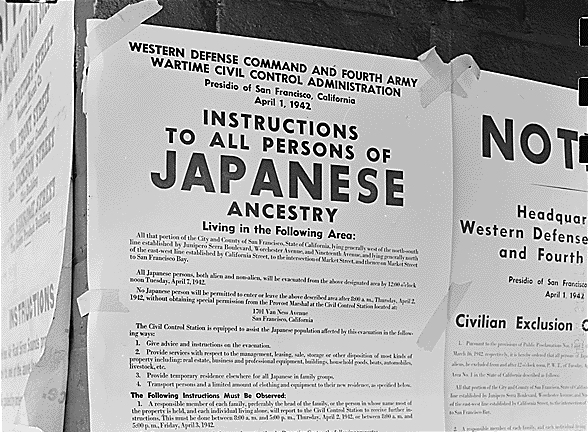
Tragically, the judiciary failed to serve as a check on executive overreach. The United States Supreme Court upheld the constitutionality of Japanese American internment in the 1944 case Korematsu v. United States. Just as Schenck limited speech in WWI, Korematsu demonstrated the fragility of equal protection during WWII.
The Theaters of War
Strategically, fighting a two-front global war required a prioritization of resources. The United States and Great Britain adopted a Europe First strategy to defeat Nazi Germany before focusing full military efforts on Japan.
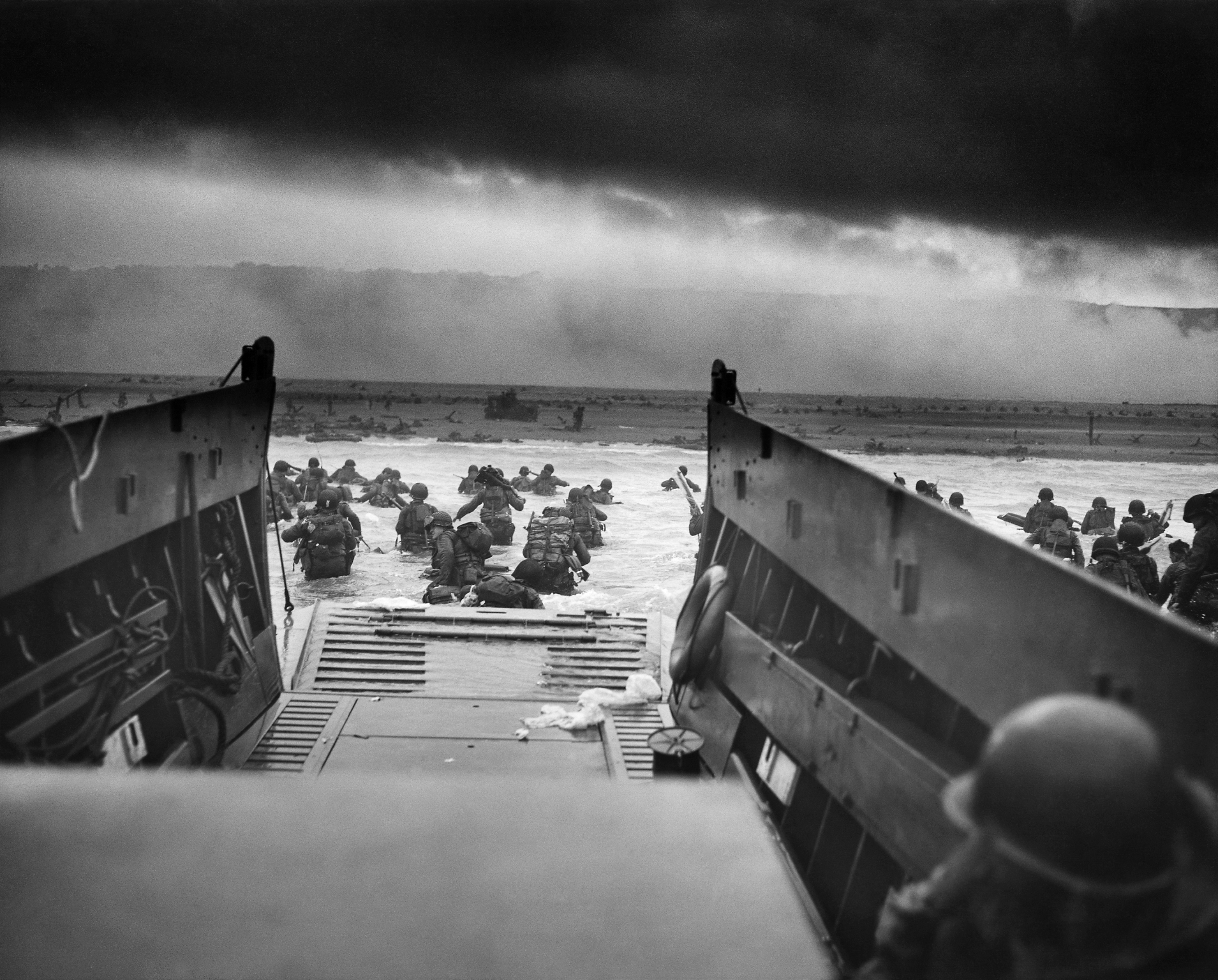
In the European Theater, this culminated in the greatest amphibious assault in history. American, British, and Canadian forces launched the D-Day invasion of Normandy on June 6, 1944. The D-Day invasion successfully opened a major second front against German forces in Western Europe, initiating the liberation of the continent.
In the Pacific, the conflict was defined by vast naval distances. The Battle of Midway in June 1942 resulted in the destruction of four Japanese aircraft carriers. Because naval air power was irrecoverable for Japan, the Battle of Midway served as the major strategic turning point for the Allies in the Pacific Theater of World War II.
From there, the US advanced systematically. The United States military utilized an island-hopping strategy in the Pacific to bypass heavily fortified Japanese positions and capture strategically important islands, bringing long-range bombers within striking distance of the Japanese home islands.
Behind the scenes, science was weaponized. The Manhattan Project was a highly classified United States government research program initiated in 1942. Driven by the brilliant minds of the era, the Manhattan Project successfully developed the first atomic weapons.
The application of this technology brought the war to a devastating, absolute conclusion. The United States Army Air Forces dropped an atomic bomb on the Japanese city of Hiroshima on August 6, 1945. Three days later, the United States dropped a second atomic bomb on the Japanese city of Nagasaki on August 9, 1945. Faced with total annihilation, Japan formally surrendered to the Allied powers on September 2, 1945.
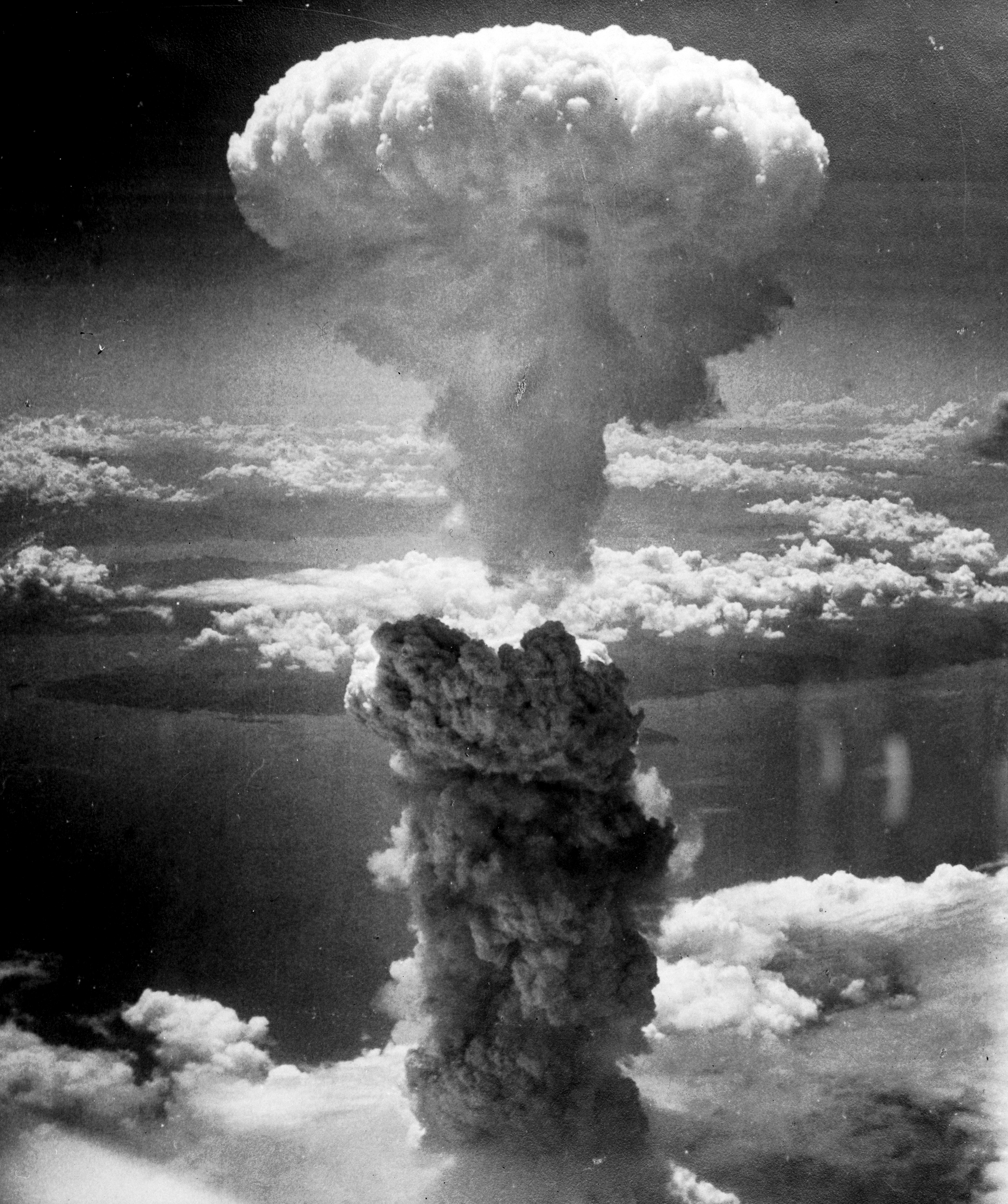
The victors of World War II resolved not to repeat the structural mistakes of the 1919 Versailles treaty. The architecture of the mid-20th century was drafted before the war even ended. The Allied leaders met at the Yalta Conference in February 1945 to discuss the post-war reorganization of Germany and Europe.
_(B%26W).jpg)
To replace the failed League of Nations, the United States participated in the establishment of the United Nations in 1945. Learning from the past, the United Nations was designed to succeed the League of Nations and prevent future international conflicts through collective security, this time backed by the active participation of both the US and the Soviet Union.
Accountability, rather than mere financial retribution, was prioritized. The United States contributed judges and prosecutors to the Nuremberg Trials to prosecute prominent Nazi leaders for war crimes, establishing modern international human rights law.
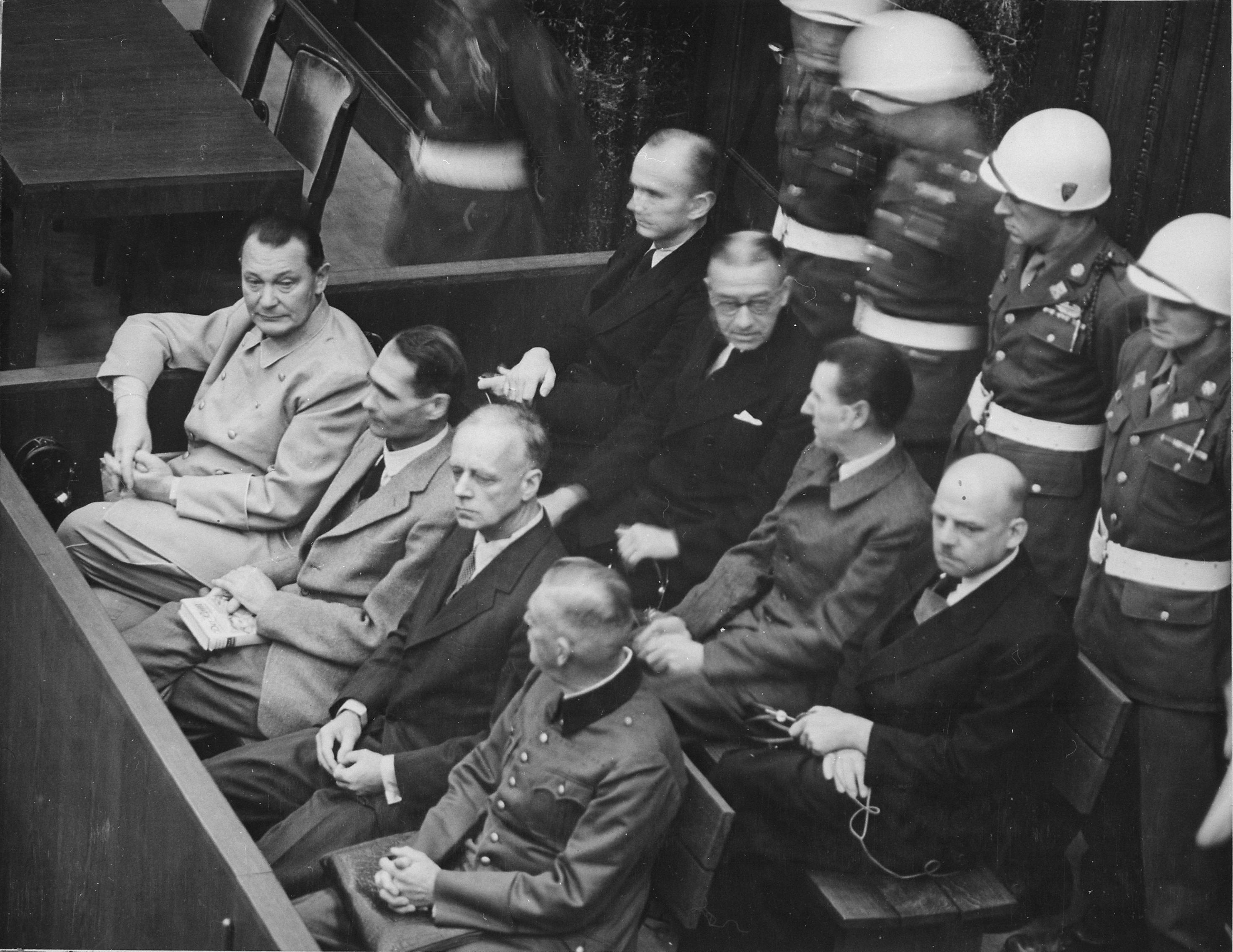
Finally, the US had to reintegrate millions of soldiers into a peacetime economy, terrified of plunging back into the Great Depression. The United States Congress passed the Servicemen's Readjustment Act of 1944. Better known as the GI Bill, the Servicemen's Readjustment Act provided returning World War II veterans with government funds for college education and housing. This single piece of legislation fundamentally built the post-war American middle class, catalyzing the suburban boom and the massive expansion of higher education.
Understanding these causes, mobilizations, and consequences gives us the exact blueprint for how the modern American state was forged. The engines built during these thirty years of crisis—military, economic, and social—continue to drive the world your students inhabit today.