Structure of the Real Number System
Not sure you’re ready?
Take the ~3-minute readiness diagnostic and see where you stand.
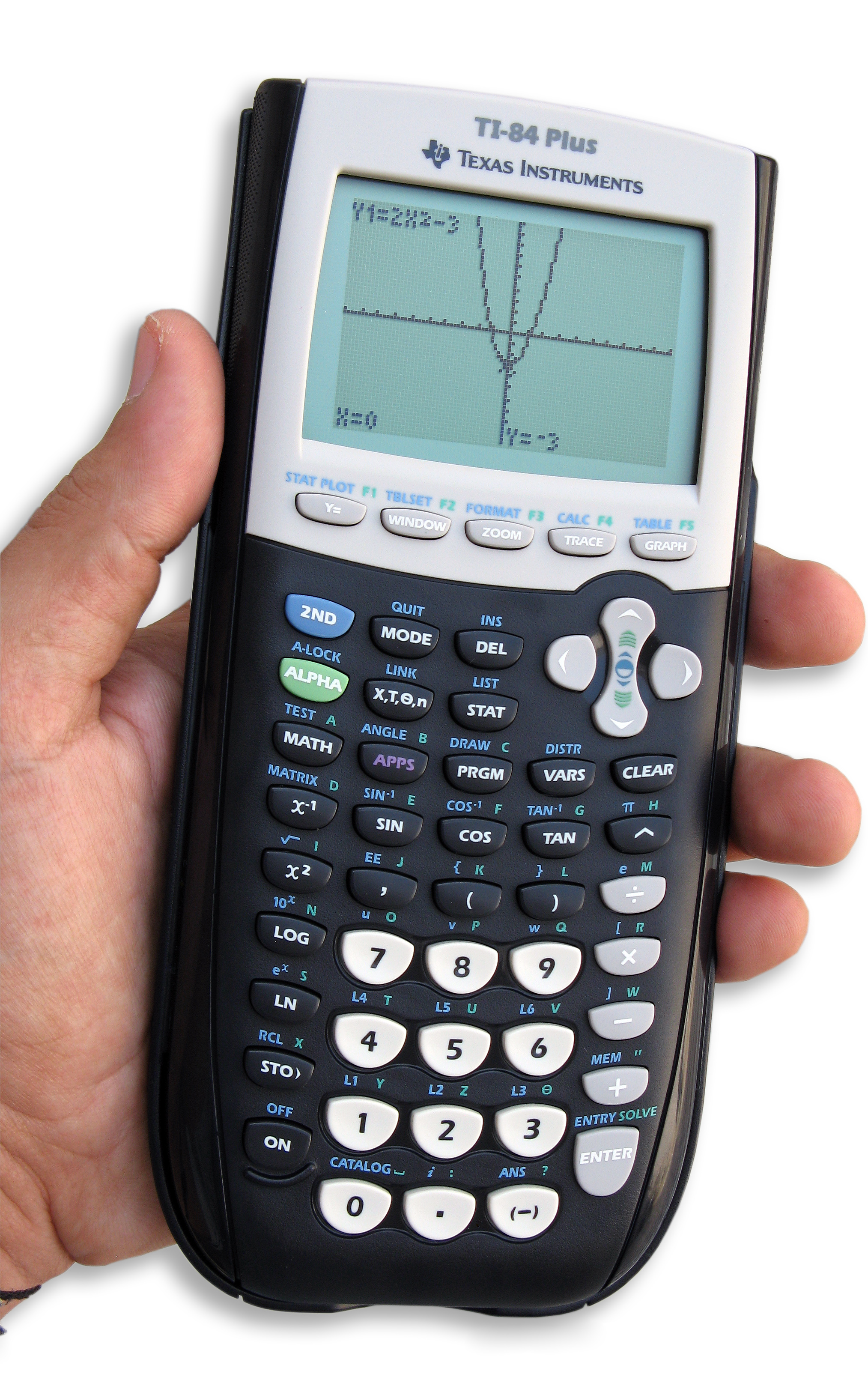
When a student first presses the x button on a graphing calculator and sees a string of digits fill the screen, they are peering over the edge of a mathematical cliff. The display abruptly stops, constrained by the hardware, creating a dangerous illusion that the number itself has come to an end. As a mathematics educator, your task is to shatter that illusion and reveal the true architecture beneath: a perfectly continuous number line constructed from infinite, disparate sets of numbers governed by unshakable structural laws. To master the Praxis (5165): Mathematics exam—and to confidently guide your students—you must understand not just how to compute within this system, but how its atomic elements interact, merge, and maintain their properties.
To understand the continuum, we must first build it from the ground up. The real number system consists of the union of the set of rational numbers and the set of irrational numbers. There are no gaps; every point on the line belongs to one of these two camps.
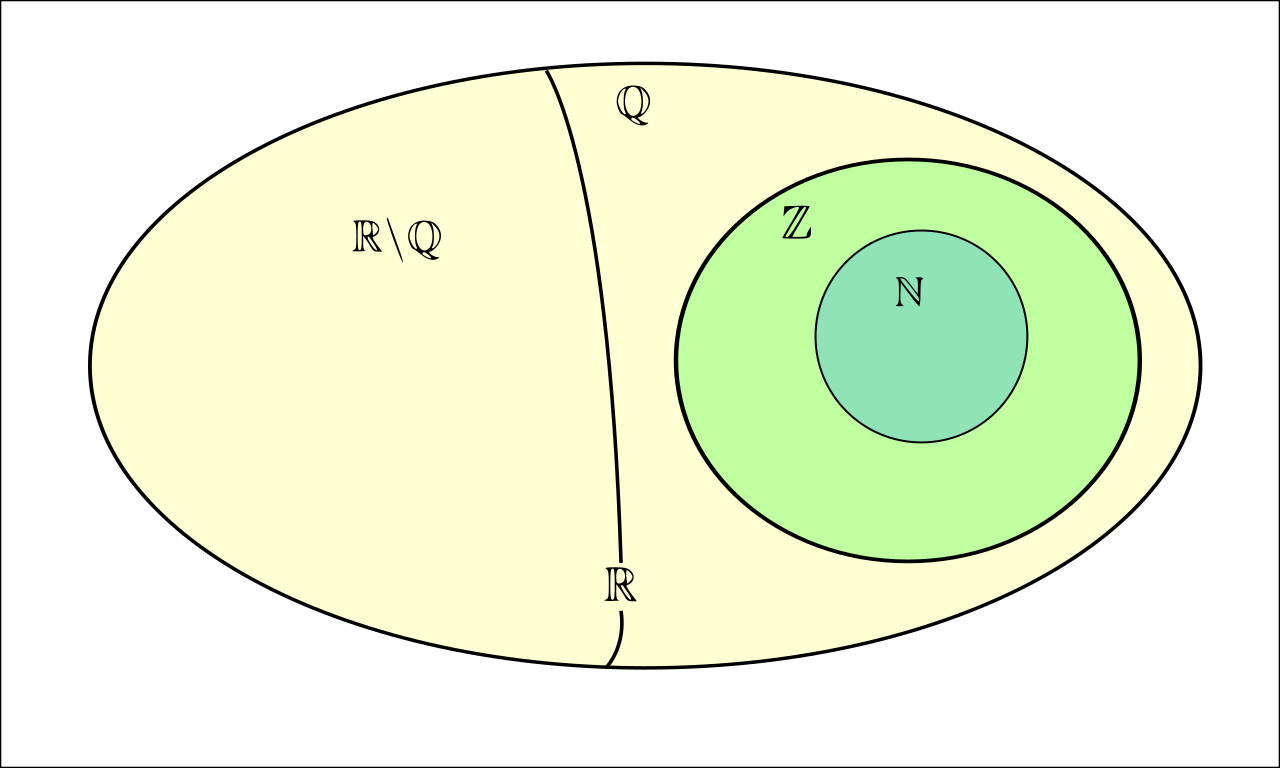
The Rational Progression
We begin with the most intuitive set: the natural numbers. These are the set of positive counting numbers starting from one ({1,2,3,…}). They arise organically from counting physical objects.
When we introduce the concept of "nothingness" or an empty set, we expand our universe to the whole numbers, which consist of all natural numbers combined with the number zero ({0,1,2,3,…}).
However, accounting and physics demand that we represent deficit and opposing directions. This necessitates the integers, which include all whole numbers and the negative counterparts of the natural numbers ({…,−3,−2,−1,0,1,2,3,…}).

But integers only describe entire units. The moment a student attempts to share three pizzas among four friends, the integers fail them. We must invent the rational number, defined rigorously as any number that can be expressed as a fraction of two integers where the denominator is not zero.
The Decimal Footprint of Rationals When you convert a rational number to a decimal, its behavior is strictly bound by the division of integers. Consequently:
- Every terminating decimal represents a rational number. (e.g., 3/4=0.75)
- Every repeating decimal represents a rational number. (e.g., 1/3=0.333…)
The Irrational Expanse
What about the numbers that escape this fraction framework? An irrational number is a real number that cannot be expressed as a fraction of two integers. They are the mathematical rebels of the number line. Because they cannot be constrained by integer ratios, their decimal behavior is entirely chaotic:
- The decimal representation of an irrational number never terminates.
- The decimal representation of an irrational number never repeats a sequence of digits.
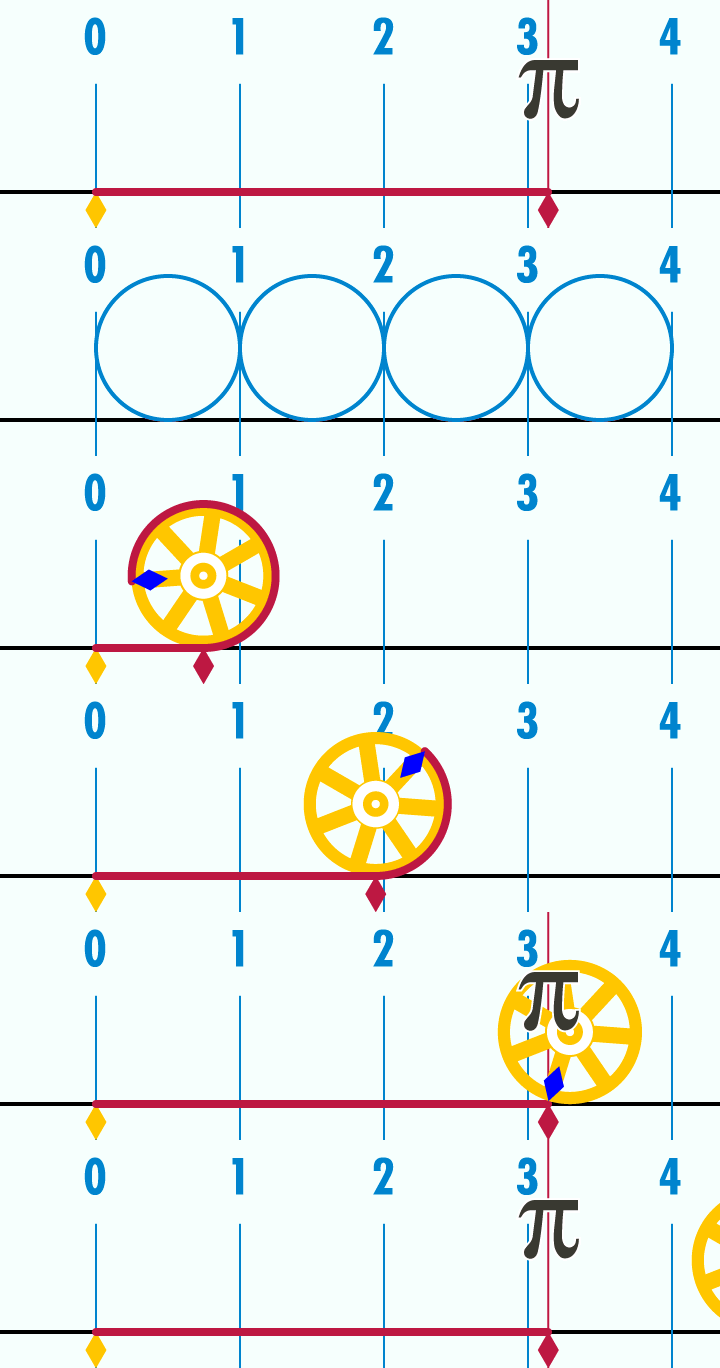
We see these numbers daily in higher mathematics. The mathematical constant pi (π) is an irrational number, capturing the ratio of a circle's circumference to its diameter in a way that defies exact fractional representation. Similarly, Euler's number (e), the foundation of continuous growth and logarithms, is an irrational number.
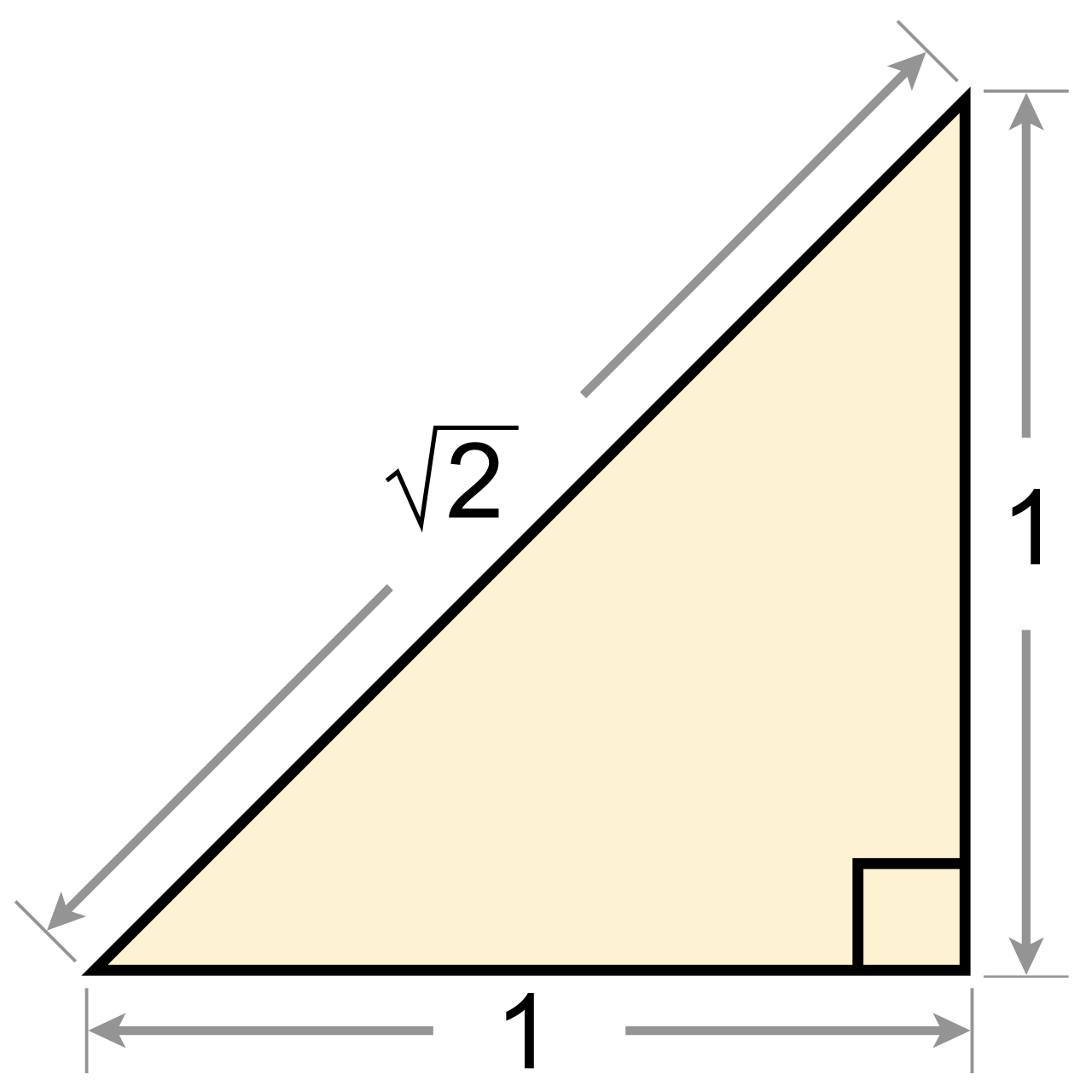
Furthermore, radicals naturally generate irrationality. The square root of any non-perfect square integer is an irrational number (e.g., 2,3,5).
Numbers do not merely exist; they interact. The real number system is governed by a strict set of operational laws. When your students inevitably make algebraic errors, they are usually violating one of these fundamental properties.
Commutativity and Associativity
These properties govern order and grouping.
- The commutative property of addition states that changing the order of addends does not change the sum. (a+b=b+a)
- The commutative property of multiplication states that changing the order of factors does not change the product. (a⋅b=b⋅a)
- The associative property of addition states that changing the grouping of addends does not change the sum. ((a+b)+c=a+(b+c))
- The associative property of multiplication states that changing the grouping of factors does not change the product. ((a⋅b)⋅c=a⋅(b⋅c))
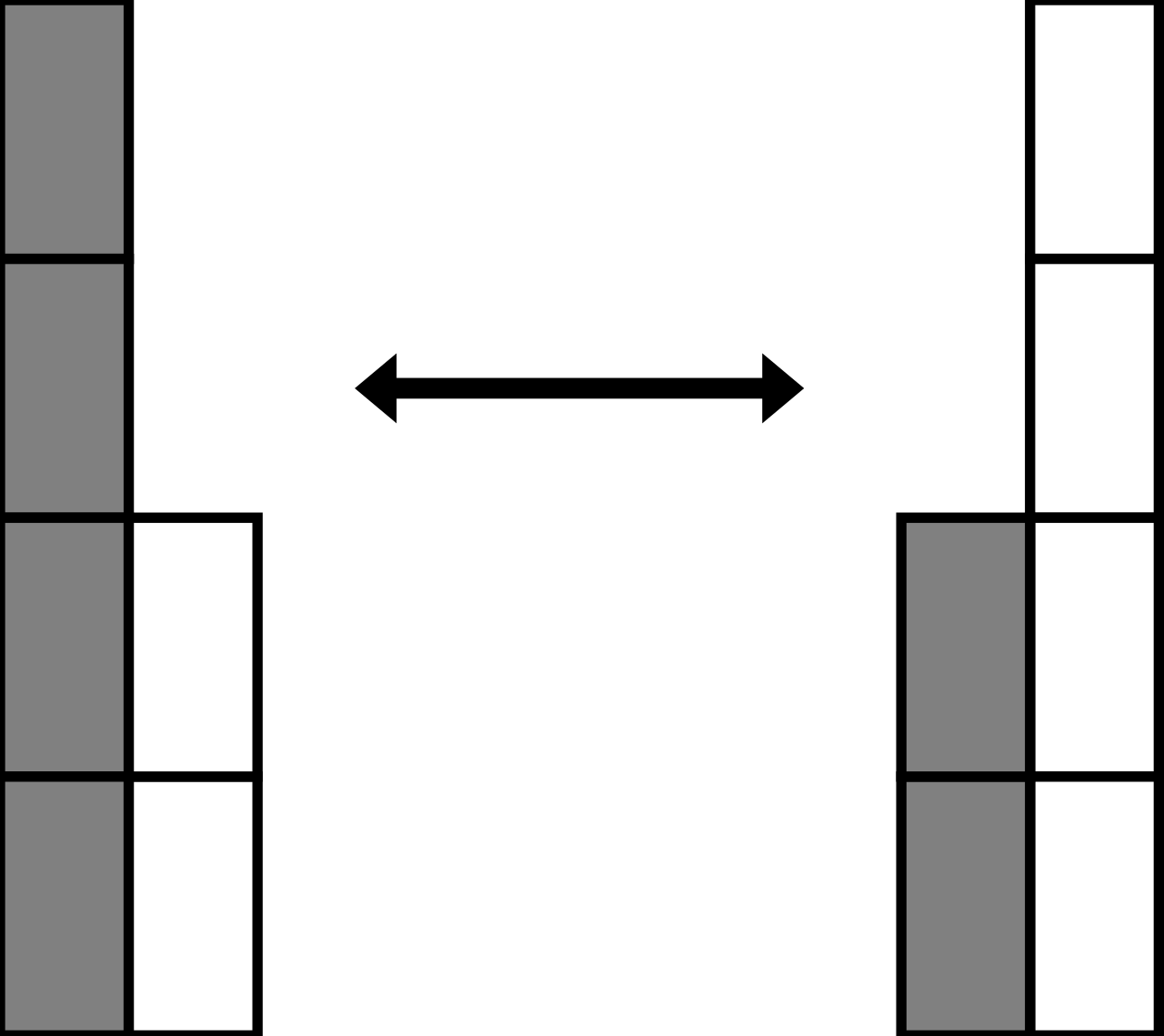
Crucial Boundaries: Students often mistakenly assume symmetry applies to all operations. You must explicitly demonstrate that the operation of subtraction is not commutative (5−3=3−5), nor is the operation of division commutative. Similarly, the operation of subtraction is not associative, and the operation of division is not associative—a fact easily proven with a calculator: (12÷4)÷2=12÷(4÷2).
Distributivity
Bridging addition and multiplication is the distributive property, which states that multiplying a sum by a number yields the same result as multiplying each individual addend by the number and adding those products (a(b+c)=ab+ac). This is the engine powering algebraic expansion and factorization.
Identities and Inverses
For a system to maintain equilibrium, it must have starting points and reset buttons.
- The additive identity property states that the sum of any real number and zero is the original real number.
- The multiplicative identity property states that the product of any real number and one is the original real number.
To "undo" an operation, we rely on inverses:
- The additive inverse property states that the sum of any real number and the negative of that real number is zero. (a+(−a)=0)
- The multiplicative inverse property states that the product of any non-zero real number and the reciprocal of that real number is one. (a⋅a1=1)
A set of numbers is considered "closed" under an operation if performing that operation on any two members of the set always produces another member of that same set. The Praxis exam heavily tests the boundaries of closure, particularly where rational and irrational numbers collide.
The Safety of Rationals
The set of rational numbers is closed under addition, subtraction, multiplication, and division by non-zero numbers. If you add, subtract, multiply, or divide two fractions, you will invariably generate another fraction.
The Volatility of Irrationals
Irrational numbers are highly volatile; their operations do not guarantee an irrational result.
- The set of irrational numbers is not closed under addition, meaning the sum of two irrational numbers can be rational. (e.g., (3+2)+(3−2)=6)
- The set of irrational numbers is not closed under multiplication, meaning the product of two irrational numbers can be rational. (e.g., 2⋅8=16=4)
Cross-Contamination
What happens when a rational number and an irrational number interact? The irrational "chaos" dominates.
- The sum of a rational number and an irrational number is always an irrational number. (2+3 cannot be simplified into a neat fraction).
- The product of a non-zero rational number and an irrational number is always an irrational number. (5⋅2 remains strictly irrational).
Peeling back the continuous real line to focus purely on the discrete integers reveals the beautiful, structural discipline of number theory.
The Building Blocks: Primes and Composites
Just as a chemist views molecules as configurations of atoms, a mathematician views integers as configurations of primes.
- A prime number is a natural number greater than one that has exactly two distinct positive divisors: one and the number itself.
- A composite number is a natural number greater than one that has more than two positive divisors.
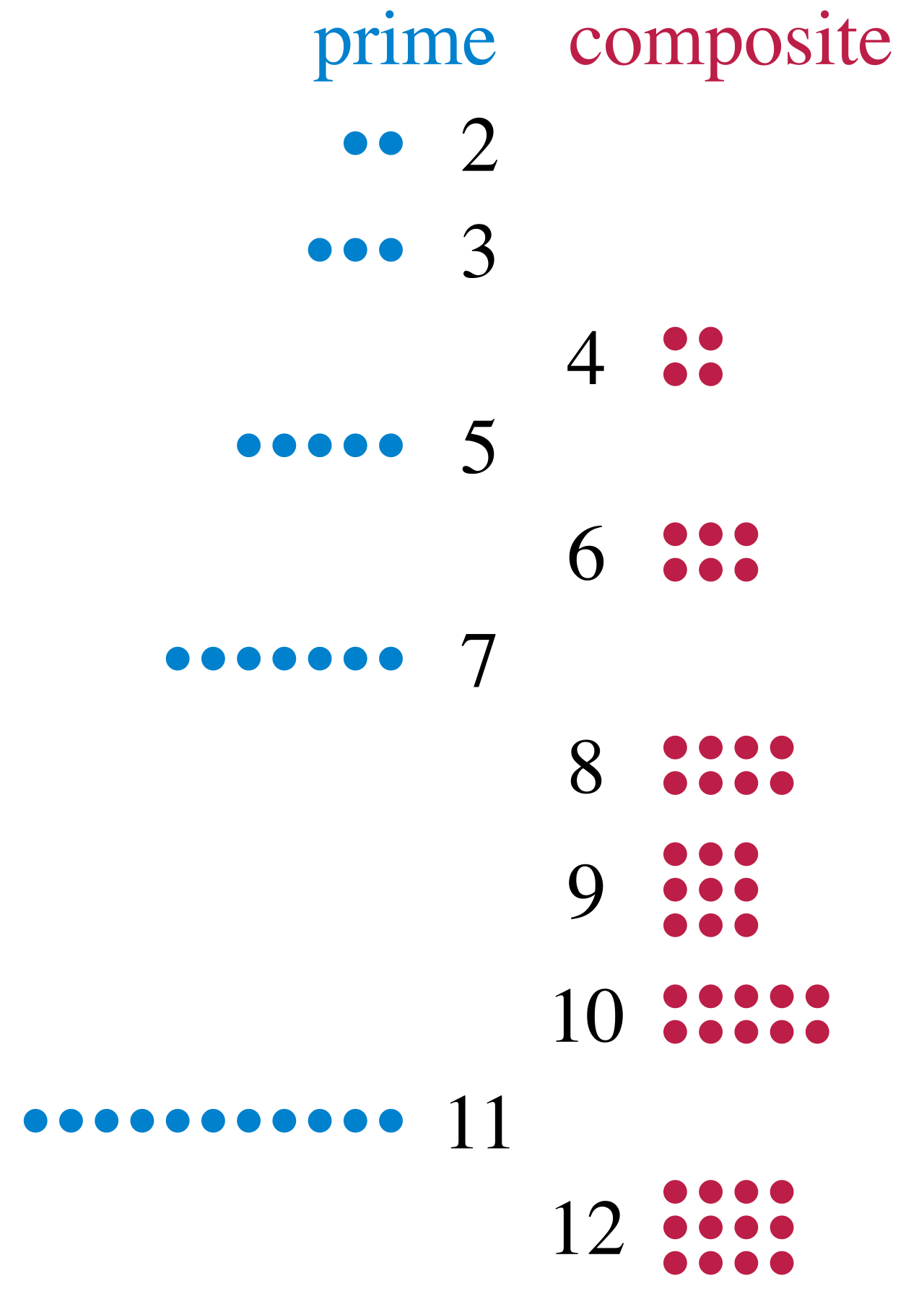
Two vital edge-cases that trip up students (and test-takers):
- The number one is neither prime nor composite. It has only one positive divisor (itself), violating the definition of both.
- The number two is the only even prime number. Every other even number is trivially divisible by two.
These definitions lead us to the crowning jewel of discrete mathematics: The Fundamental Theorem of Arithmetic states that every integer greater than one can be represented uniquely as a product of prime numbers, disregarding the order of the factors. This means the integer 60 is entirely defined by its unique prime DNA: 22⋅3⋅5.
Factors, Multiples, and Shared Traits
To navigate the integers, we track how they divide into one another.
- A factor of a specific integer is any integer that divides the specific integer without leaving a remainder. (e.g., 4 is a factor of 12).
- A multiple of a specific integer is the product of that specific integer and any integer. (e.g., 12 is a multiple of 4).
A Counterintuitive Truth: The integer zero is a multiple of every integer. Because any integer n multiplied by 0 yields 0, zero satisfies the strict mathematical definition of a multiple.
When analyzing groups of integers, we look for intersections in their structure:
- The greatest common divisor (GCD) of two or more integers is the largest positive integer that divides each of the integers without a remainder.
- The least common multiple (LCM) of two or more non-zero integers is the smallest positive integer that is a multiple of each of the integers.
When two integers share no common factors other than 1, we say those two integers are relatively prime if the greatest common divisor of the two integers is exactly one. (e.g., 8 and 15 are both composite, but they are relatively prime to one another).
Algorithms and Divisibility Mechanics
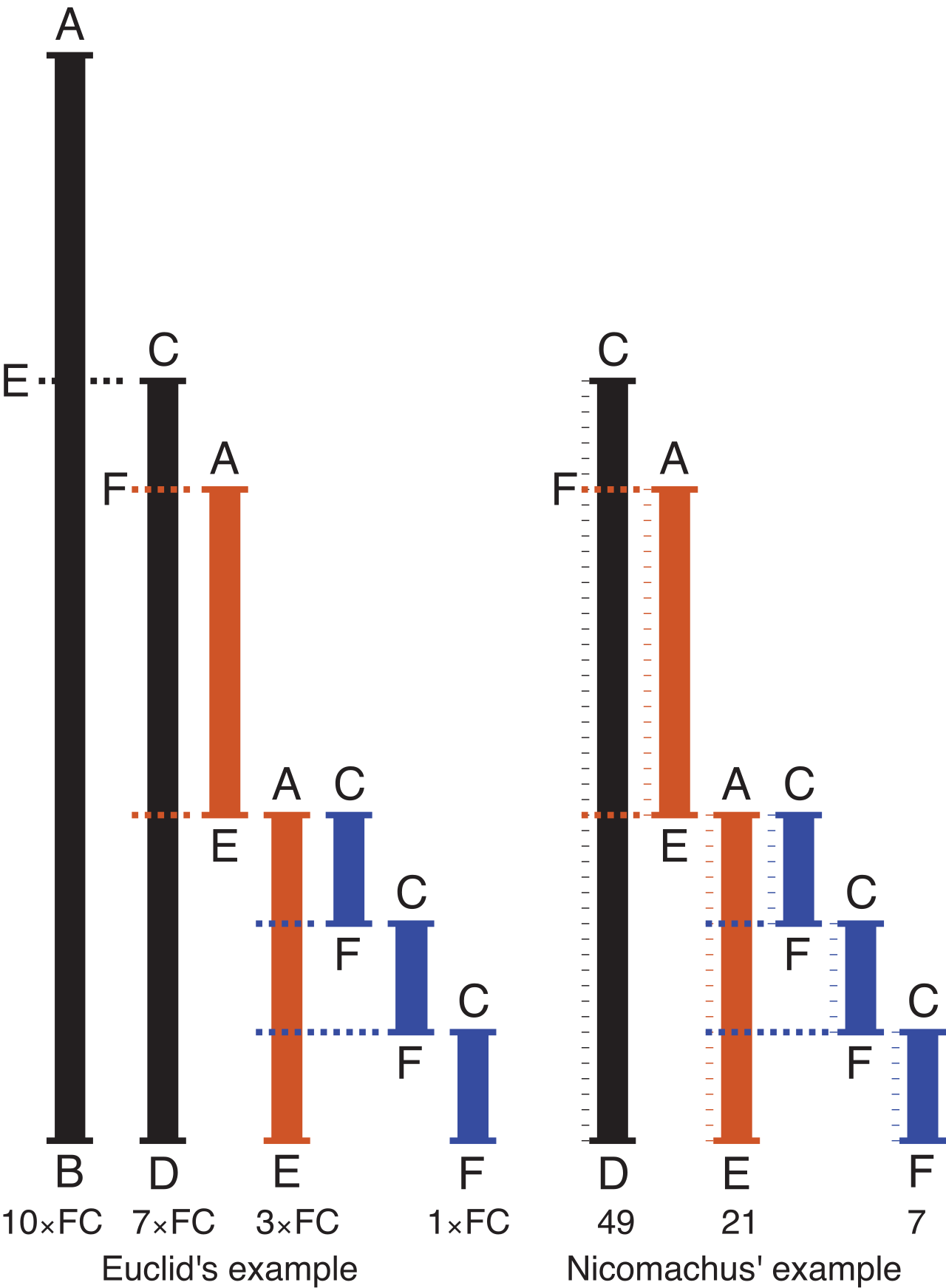
Finding the GCD of small numbers by listing factors is easy, but what if a student faces 1071 and 462? This is where we deploy ancient algorithmic power. The Euclidean algorithm is a systematic method used to compute the greatest common divisor of two integers. It relies on the principle that the GCD of two numbers also divides their difference, repeatedly using division and remainders until a remainder of zero is reached.
Finally, you must be fluent in quick diagnostic checks—the divisibility rules—to effortlessly factor large numbers on the exam:
- A natural number is divisible by two if the final digit of the natural number is an even number.
- A natural number is divisible by three if the sum of all digits in the natural number is divisible by three.
- A natural number is divisible by five if the final digit of the natural number is zero or five.
By mastering these structures—from the behavior of infinite non-repeating decimals to the unique prime factorization of integers—you will navigate the Praxis mathematics exam with absolute precision. More importantly, you will be prepared to guide your future students past the deceptive limitations of their calculator screens, revealing the true, boundless elegance of the real number system.