Potential Bias Issues in Teaching and Interacting
Not sure you’re ready?
Take the ~3-minute readiness diagnostic and see where you stand.
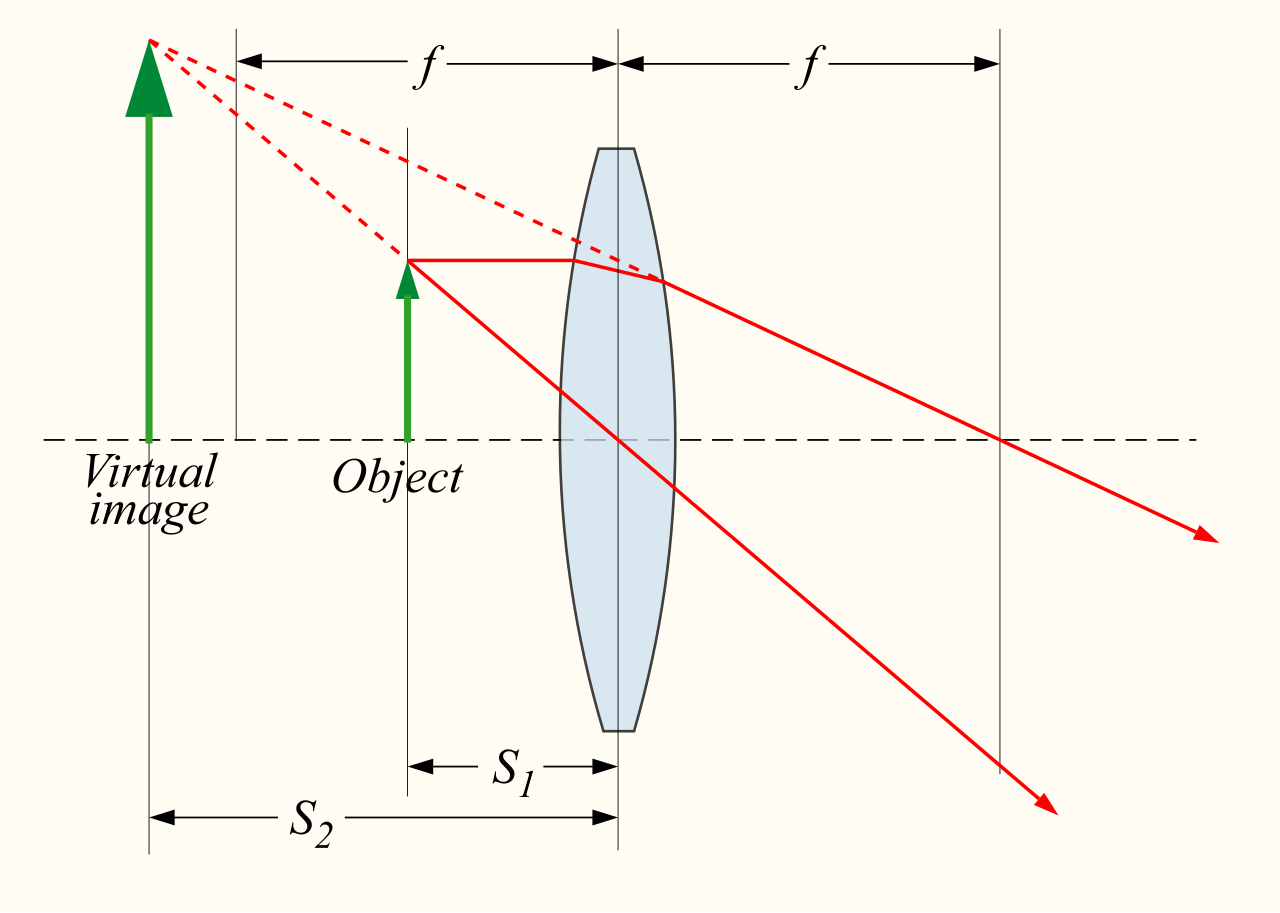
A microscope is only as good as the cleanliness of its lenses. If a smudge exists on the glass, the observer might spend hours documenting a fascinating new cellular structure, completely unaware they are merely studying their own fingerprint. The special education classroom operates on the exact same optical principles. Every behavioral observation, every academic assessment, and every referral is viewed through a human lens. When educators do not actively calibrate their lenses, they risk misdiagnosing the child entirely. In special education, our instruments of measurement are often our own perceptions, and if those perceptions are warped, the interventions we design will miss the mark.
To be an effective special education teacher, you must master the mechanics of human perception in the classroom. You must understand how biases operate, how they distort educational outcomes, and what precise, evidence-based tools you can use to correct them.
Bias is not always a loud, overt declaration of prejudice; more often, it is a quiet, mechanical failure in how our brains process information. To fix the machinery, we must first correctly identify the parts.
We can categorize bias in the educational system into three distinct levels of operation:
- Explicit bias involves conscious and deliberate attitudes or stereotypes directed toward a specific student group. This is the overt prejudice we easily recognize and unequivocally condemn.
- Implicit bias involves subconscious attitudes or stereotypes that affect human understanding, actions, and decisions in the classroom. This is the smudge on the lens. A teacher may consciously believe in total equality, yet subconsciously react with more suspicion toward a particular demographic.
- Systemic bias refers to institutional policies and practices that inherently disadvantage certain cultural or racial groups. It is the architecture of the school system itself—such as funding disparities or inherently biased standardized testing structures.
These biases do not operate in a vacuum. A student is never just one demographic category. Intersectionality is the framework for understanding how a student's various social identities combine to create unique modes of discrimination or privilege. For example, the experience of a White boy with autism is fundamentally different from the experience of a Black girl with autism. Their race, gender, and disability intersect to form an entirely unique social reality, altering how they are perceived by peers and authority figures alike.

When implicit biases leak into the classroom environment, they frequently manifest as microaggressions—subtle, everyday verbal or nonverbal slights that communicate derogatory messages to marginalized groups. A teacher expressing surprise at an emergent bilingual student's articulate essay, or repeatedly mispronouncing a student's name because it is "too hard," sends a quiet but devastating signal about who belongs and who does not.
Why does implicit bias matter so profoundly in special education? Because special education heavily relies on teacher observation and behavioral referrals. If the observer’s lens is flawed, the data is flawed.
Disproportionality in Identification and Discipline
Consider how implicit bias can lead teachers to incorrectly interpret culturally normative behaviors as defiant or disruptive. A student from a highly expressive, overlapping-conversational culture might speak out of turn out of genuine enthusiasm for the lesson. Through a biased lens, that enthusiasm is coded as "insubordination."
This miscoding creates a cascade of devastating consequences:
- Subjective behavioral referrals disproportionately expose minority students to exclusionary disciplinary actions such as out-of-school suspension.
- This dynamic is amplified in the special education space: students receiving special education services from marginalized racial groups face higher rates of exclusionary discipline than white peers with disabilities.
- When subjective behavioral interpretations drive referrals for special education, certain populations are swept into the system at staggering rates. Consequently, African American students are statistically overrepresented in special education categories such as emotional disturbance and intellectual disability.
The statistical distortion is so severe that federal law intervenes. The Individuals with Disabilities Education Act (IDEA) requires states to monitor school districts for significant racial disproportionality in special education identification. If a district is found to be disproportionately identifying minority students for special education, they are legally required to review their policies and reallocate funds to address the issue.
Important Concept: To counteract subjective bias, educators must rely on standardized, objective assessment criteria for special education referrals. This minimizes the impact of subjective teacher bias by grounding decisions in measurable, observable data rather than "gut feelings" about a student's behavior.
The Physics of Expectations
A teacher's belief about a student fundamentally alters the reality of that student’s performance.
When a teacher approaches a student from marginalized backgrounds with a mindset of deficit thinking—the belief that culturally diverse students fail academically due to internal defects or family flaws—they lower their standards. They offer less rigorous work, less wait-time for answers, and less enthusiastic feedback.
These low teacher expectations can create a self-fulfilling prophecy resulting in decreased student academic performance. The student senses the lowered bar and scales back their effort to meet it.
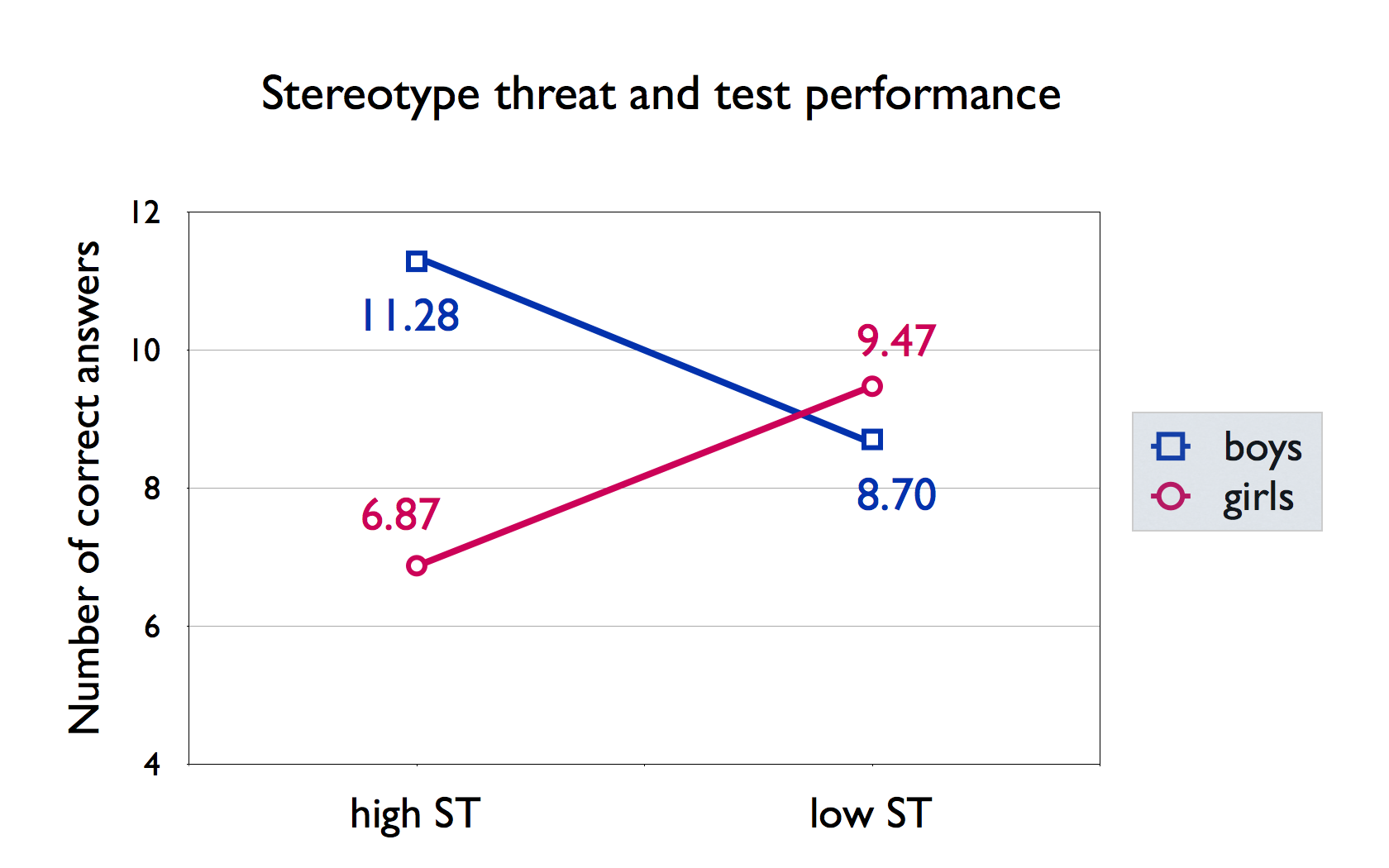
Even if the teacher says nothing, the student may still suffer from stereotype threat. This phenomenon occurs when students underperform academically due to anxiety about confirming a negative stereotype about their social group. The cognitive load of worrying, "If I fail this math test, I'll prove the stereotype that my group is bad at math," literally consumes working memory, causing the very failure the student fears.
To disrupt deficit thinking and stereotype threat, exceptional educators utilize asset-based thinking. This framework focuses on the unique strengths and cultural capital that diverse students bring to the educational environment. The student's background is not an obstacle to be overcome; it is the raw material for learning.
The Myth of Colorblindness
A common, yet deeply flawed, attempt to avoid bias is to claim, "I don't see color; I treat all my students exactly the same."
Colorblindness in education often invalidates the unique cultural experiences and specific instructional needs of minority students. By refusing to "see" culture, the educator refuses to see the complete student, erasing the rich context that could be used to anchor new academic concepts.
Principles of Culturally Responsive Teaching
Instead of colorblindness, educators must practice culturally responsive teaching, which utilizes students' cultural backgrounds and experiences as foundational assets for learning.
| Strategy | Rationale |
|---|---|
| Self-Reflection | Educators must actively recognize their own cultural lenses to prevent personal biases from negatively influencing instructional decisions. You cannot account for your blind spots until you map them. |
| High Expectations | Culturally responsive teachers maintain high academic expectations for all students regardless of cultural or linguistic background. Lowering standards is an act of pity, not equity. |
| Curricular Validation | Incorporating diverse cultural perspectives into the daily curriculum helps validate minority students' personal identities. When students see themselves in the material, engagement shifts from passive to active. |
| Blind Grading | Blind grading practices (removing names from papers or using a standardized rubric before looking at the student's identity) can help mitigate the effects of implicit bias during the evaluation of student assignments. |
A special education teacher cannot succeed by isolating the child from their family ecosystem. The Individualized Education Program (IEP) is, by law and logic, a collaborative process. However, biases regarding what a "proper" family looks like or how they should behave can fracture this collaboration before it begins.
Challenging Assumptions
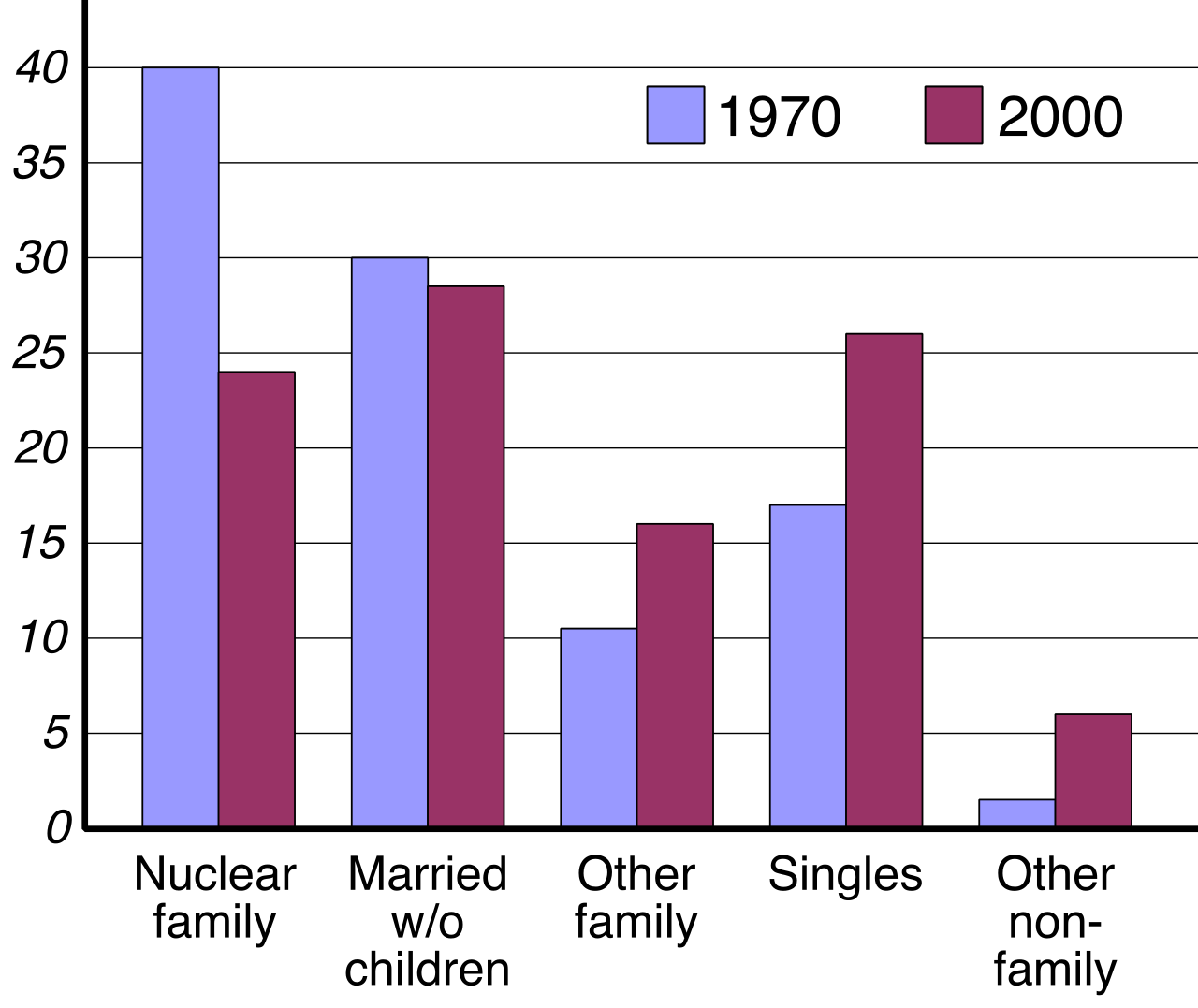
First, culturally responsive communication requires educators to recognize and value non-traditional family structures. A student may be raised by grandparents, older siblings, or a network of extended community members. Assuming the biological nuclear family is the only valid point of contact alienates crucial advocates in the child's life.
Second, educators must avoid assumptions regarding a family's dedication to education based solely on the family's socioeconomic status. If a parent working two minimum-wage shifts cannot attend a 2:00 PM Tuesday IEP meeting, it is a scheduling conflict, not a lack of love or educational dedication.
Navigating Different Cultural Lenses of Disability
You will encounter diverse philosophical paradigms regarding what a disability actually is. Cultural norms heavily influence how different families perceive the origins and implications of a childhood disability.
- Some cultures view a cognitive disability as a purely medical issue to be "cured."
- Others view it as a spiritual blessing or a reflection of fate.
- Others may attach severe social stigma to the label, fighting the special education referral entirely out of a desire to protect their child from societal shame.
When facing these differences, practice active listening. Active listening during parent-teacher interactions requires educators to withhold immediate judgment in order to fully understand the family's perspective. Do not interrupt to "correct" them with clinical IDEA definitions. Listen to understand the machinery of their worldview.
Once you understand their worldview, you can engage in cultural reciprocity. Cultural reciprocity occurs when educators explicitly share school-based cultural expectations while simultaneously learning about the family's unique cultural values. It is a two-way exchange: “Here is what the special education law requires us to do at the school, and here is how we can adapt that process to respect your family’s traditions and boundaries.”
Communication is not merely a matter of cultural respect; it is bound by stringent federal legal requirements, particularly concerning linguistic access.
When conducting an IEP meeting with a family whose primary language is not English, the stakes of miscommunication are unimaginably high. You are discussing legal rights, psychological evaluations, and binding educational placements.
Crucial Legal Fact: Using a trained, school-provided interpreter is legally required to ensure accurate communication during individualized education program meetings with non-English speaking parents.
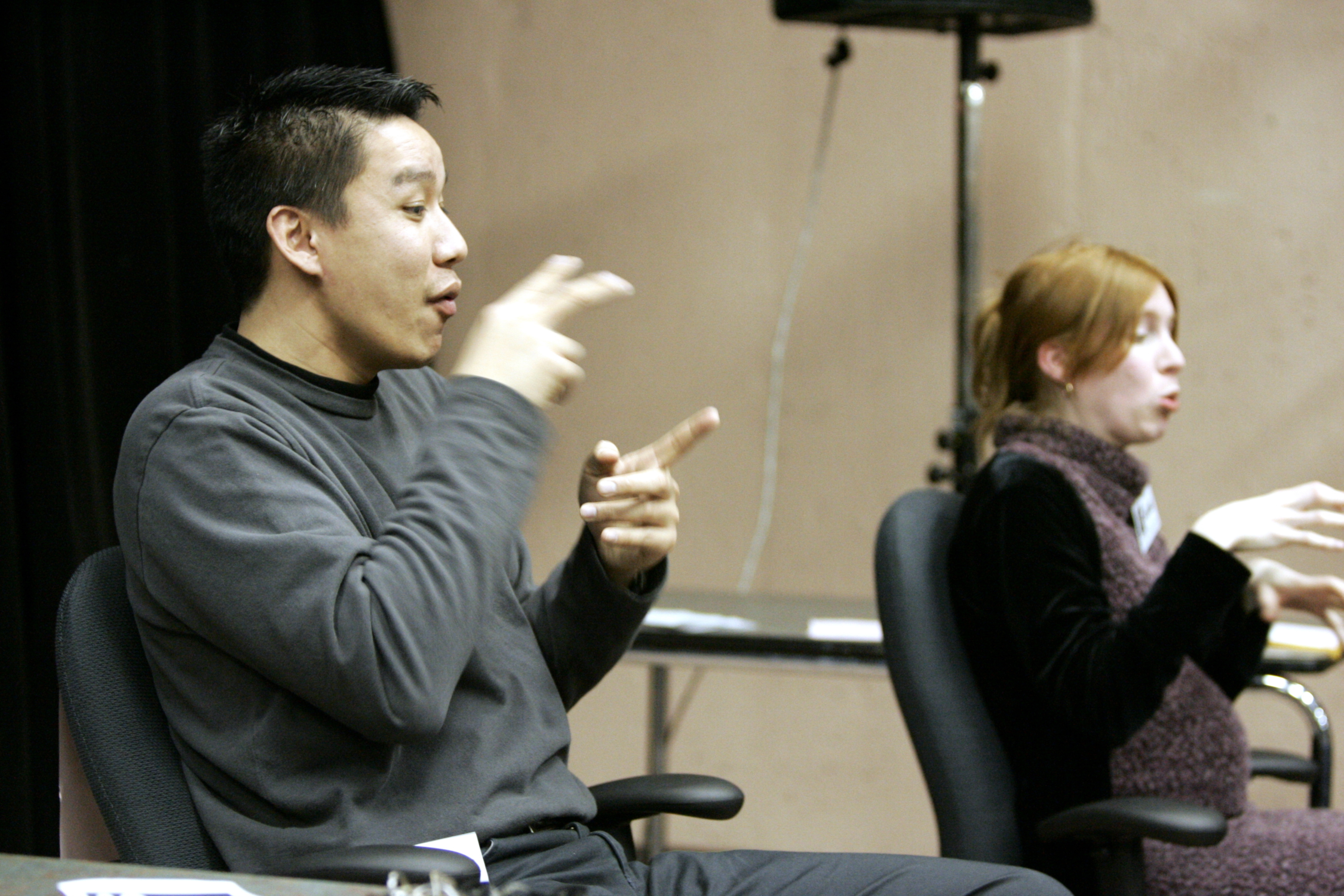
In a misguided attempt to save time, a school might ask the student, or a bilingual sibling, to translate the proceedings. This is fundamentally illegal and unethical. Relying on a student to translate special education documents for parents violates federal confidentiality and professional standards.
Consider the physics of this error: You are forcing a child to translate complex legal and medical jargon they do not understand, while simultaneously placing them in an inappropriate position of power over their own educational decisions and their parents. It destroys the integrity of the IEP process. Always secure a neutral, trained professional.
In special education, your highest calling is clarity. By understanding the invisible forces of implicit bias, dismantling deficit thinking, and engaging families with genuine cultural reciprocity, you clean the lenses of your perception. You ensure that when you look at a student, you are not seeing a stereotype, a deficit, or a reflection of your own assumptions—you are seeing the student exactly as they are, full of assets and ready to learn.