Selection of Research-Based Interventions
Not sure you’re ready?
Take the ~3-minute readiness diagnostic and see where you stand.
Imagine a cardiologist standing before a patient with a complex, potentially life-threatening arrhythmia. The physician does not prescribe a new beta-blocker simply because a colleague in the hospital breakroom mentioned it worked for their uncle. Instead, they rely on therapies tested through rigorous clinical trials, matching the intervention's empirically verified outcomes to the specific physiological profile of the patient in front of them. As a special educator, you operate with the exact same professional imperative, though your domain is cognitive and behavioral rather than cardiovascular. When a student enters your classroom struggling to decode multi-syllabic words or regulate their emotional responses, the stakes are equally profound. You cannot afford to rely on intuition or popular fads. You must select instructional interventions supported by rigorous research, ensuring that the strategies you deploy have a statistically proven probability of fundamentally altering a child’s developmental trajectory.
The selection of instructional strategies is not a matter of teacher preference; it is a matter of civil rights. Federal education law explicitly governs how we approach instruction for students with disabilities.
The Every Student Succeeds Act (ESSA) requires the use of evidence-based interventions in schools. This mandate is designed to protect vulnerable students from being subjected to educational guesswork. Furthermore, the Individuals with Disabilities Education Act (IDEA) mandates the use of peer-reviewed research for instruction whenever practicable.

When you draft an Individualized Education Program (IEP), you are essentially writing a legally binding prescription for learning. If a parent or an administrative law judge asks, "Why did you choose this reading program?" your answer cannot be, "It looked fun," or "Another teacher said it works." Anecdotal evidence is not a reliable source for selecting a research-based intervention. Your choices must be anchored in science.
In education, terms like "research-based" and "evidence-based" are often thrown around interchangeably, but they represent entirely different thresholds of scientific certainty. We can organize these terms into a strict hierarchy of reliability.
| Classification | Definition & Level of Rigor |
|---|---|
| Evidence-Based Practices (EBPs) | The gold standard. Evidence-based practices are instructional strategies supported by rigorous research studies. To achieve this status, an evidence-based practice must demonstrate positive outcomes in multiple independent research studies. |
| Research-Based Interventions | A step below EBPs. Research-based interventions have theoretical foundations, meaning they make logical sense based on what we know about the brain and learning, but research-based interventions lack the rigorous outcome data of evidence-based practices. |
| Promising Practices | The frontier of research. Promising practices have initial research support, showing isolated signs of success, but promising practices require further study to be classified as evidence-based. |
A Note on High-Leverage Practices: Do not confuse interventions with High-leverage practices, which are foundational teaching practices identified by the Council for Exceptional Children. Think of high-leverage practices (like "providing explicit instruction" or "using flexible grouping") as the verbs of teaching, while evidence-based interventions (like a specific phonemic awareness program) are the nouns. Both are required for success.
To evaluate an intervention, you must understand the machinery that produces the evidence. Peer-reviewed academic journals are reliable sources for research on educational interventions. Within these journals, researchers utilize specific methodologies to prove that an intervention—and not random chance or natural maturity—caused a student's progress.
1. Randomized Controlled Trials (RCTs)
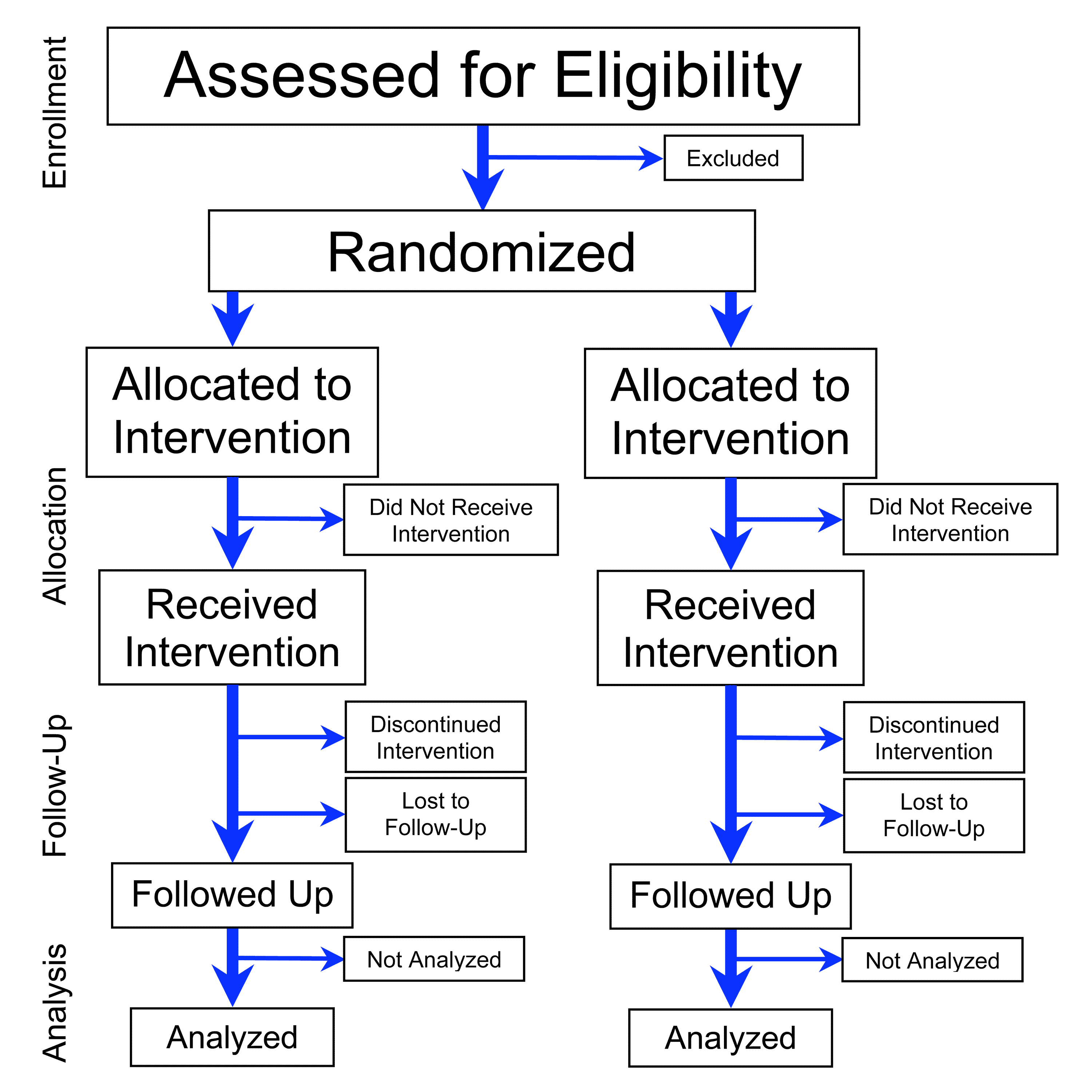
Randomized controlled trials are a rigorous method for validating an educational intervention. By randomly assigning students to either an experimental group (receiving the intervention) or a control group (business as usual), researchers can isolate the exact impact of the strategy.
2. Single-Case Design Studies
In special education, finding 500 identical students with a specific, low-incidence disability (like deaf-blindness or a highly specific chromosomal anomaly) for a randomized trial is often impossible. Therefore, single-case design studies are used to establish evidence-based practices in special education. In these studies, an individual student acts as their own control. Researchers measure the student's baseline, apply the intervention, remove the intervention, and reapply it (e.g., an ABAB design) to prove the intervention is what triggered the change in performance.

3. Meta-Analyses and Effect Size
When dozens of studies have been conducted on a single intervention, researchers use meta-analyses, which combine data from multiple research studies to evaluate the overall effectiveness of an intervention.
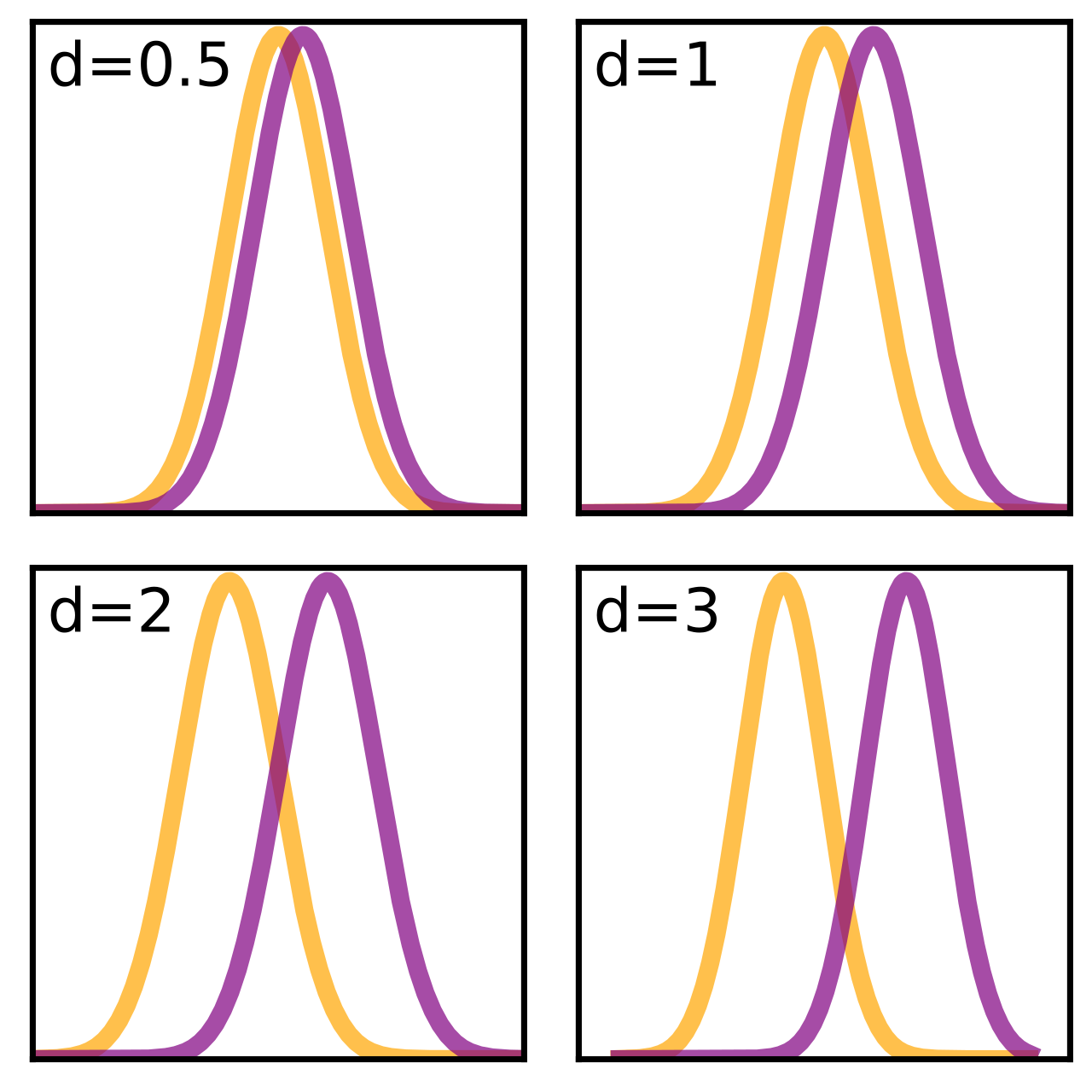
When reading these studies, you must look beyond simply whether the intervention "worked." You need to know how well it worked. Therefore, teachers should review the effect size of an intervention to determine the magnitude of the intervention's impact. Effect size is typically represented by a number (like Cohen's d).
- An effect size of 0.2 is a gentle breeze—a small impact.
- An effect size of 0.8 or higher is a hurricane—a massive impact. A large effect size indicates that an intervention had a substantial positive impact on student outcomes.
You do not have the time to read raw statistical data in academic journals every evening. Fortunately, the federal government and professional organizations have done the heavy lifting for you. The Office of Special Education Programs funds technical assistance centers that identify evidence-based practices, synthesizing complex data into accessible formats for teachers.
Here are the definitive databases you must consult:
The What Works Clearinghouse (WWC)
The What Works Clearinghouse is an initiative of the Institute of Education Sciences. Think of it as the FDA for educational programs. The What Works Clearinghouse reviews research on educational interventions, scoring them on their level of evidence and the magnitude of their effect size. If a district is proposing a new core curriculum, the WWC is your first stop to verify its efficacy.
The National Center on Intensive Intervention (NCII)
When Tier 1 and Tier 2 instruction fail, special educators turn to the NCII. This organization provides highly specific, vetted data for Tier 3 interventions.
- The National Center on Intensive Intervention publishes charts evaluating specific academic interventions (e.g., intense reading decoding or mathematics problem-solving programs).
- Crucially, the National Center on Intensive Intervention publishes charts evaluating specific behavioral interventions as well, helping educators find scientifically backed Tier 3 behavioral supports.
The IRIS Center
Vanderbilt University’s IRIS Center is a reliable source for evidence-based practices in special education. It provides highly accessible modules, case studies, and resources that translate complex EBPs into practical classroom applications.
The Council for Exceptional Children (CEC)
The leading professional organization for special educators, the Council for Exceptional Children publishes standards for identifying evidence-based practices. They provide the rubrics that dictate what constitutes high-quality research in our field.
Finding an evidence-based intervention is only the first half of the equation. A pacemaker is an evidence-based medical device, but it is entirely useless if the patient has a broken leg. You must ensure the intervention fits the specific profile of your student.
1. Pinpointing the Deficit
Teachers must align an intervention with a student's specific skill deficit. If a student is failing reading comprehension assessments because they lack basic phonological awareness, an evidence-based "reading comprehension" intervention that focuses on finding the main idea will fail. You must target the root cause.
2. Matching the Demographics
Educational research is highly contextual. An intervention that boasts a massive effect size for second graders might be entirely ineffective—or even developmentally insulting—for high schoolers.
- Educators must match the research sample for an intervention to a student's age group.
- Furthermore, educators must match the research sample for an intervention to a student's disability category. A behavioral intervention designed and tested on students with Oppositional Defiant Disorder may not be appropriate for a student whose behaviors stem from Autism Spectrum Disorder sensory processing issues.
3. Contextual and Ecological Fit
You do not teach in a laboratory; you teach in a dynamic, imperfect classroom. Teachers must verify that an intervention was tested in educational settings similar to their own classroom. If a study only showed positive results when delivered one-on-one by a Ph.D. researcher in a soundproof room, you cannot guarantee those same results in a lively resource room with five other students.
Therefore, logistics matter immensely:
- Teachers must consider the resources required by an intervention before selecting the intervention. Do you have the requisite physical materials, manipulatives, or technology?
- Teachers must consider the time constraints of the classroom schedule before selecting an intervention. If a scripted reading program requires 45 uninterrupted minutes daily to be effective, and your IEP schedule only allows for 30-minute pull-out sessions, the intervention is functionally incompatible with your reality.

Once you have selected the perfect, evidence-based, contextually matched intervention, you must execute it. This is where many well-intentioned educators fail.
Fidelity of Implementation: Fidelity of implementation means delivering an intervention exactly as designed by the researchers.
If a baker is making a soufflé, they cannot randomly substitute salt for sugar, bake it at twice the heat for half the time, and still expect it to rise. The same applies to instructional science. Modifying an evidence-based intervention can reduce the intervention's effectiveness. If the developer dictates that the lesson must include choral responding and a specific sequence of error correction, skipping those steps means you are no longer using an evidence-based practice; you are using your own untested mutation of it.
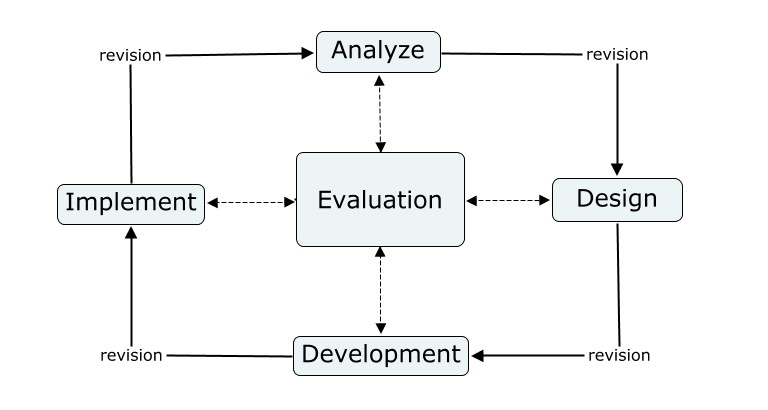
Finally, how do you know if your meticulously selected and faithfully implemented intervention is actually working? You do not wait for the annual IEP meeting. You measure it continuously. Progress monitoring data determines if an intervention is effective for an individual student. If the trend line on your progress monitoring graph does not show the student closing the gap, the intervention is not working for this student at this time. At that point, you return to the evidence, re-evaluate the deficit, and adjust the prescription. This continuous, empirical loop is the hallmark of elite special education.