Implementation of Research-Based Interventions
Not sure you’re ready?
Take the ~3-minute readiness diagnostic and see where you stand.
When a research scientist tests a new chemical compound, they do not casually alter the temperature of the crucible halfway through the experiment, nor do they estimate the volume of the reagents by eye. If they did, a failed reaction would yield no usable information; they could never know if the chemical hypothesis was flawed, or if their sloppy laboratory technique simply ruined the execution. In the special education classroom, instructional interventions follow this exact same scientific mandate. When an educator implements a targeted reading or behavioral program, the classroom becomes the laboratory. If a student fails to master a critical decoding skill or behavioral benchmark, the educator must be absolutely certain whether the intervention itself was insufficient for the learner's specific profile, or if the intervention was simply administered improperly. The rigorous intersection of executing a strategy exactly as designed and meticulously measuring the student's reaction to it forms the foundation of modern special education practice.

At the heart of any effective special education program is the principle of intervention fidelity. This is the practice of delivering a research-based intervention exactly as it was designed by its developers. To understand why this is non-negotiable, we must understand that the validity of any educational research relies on uniform application.
A common temptation for a well-meaning teacher is to tweak a program to fit a perceived classroom constraint or a student's momentary preference. However, modifying a research-based intervention's core components before initial implementation reduces the intervention's fidelity. You strip away the very mechanisms that made the program effective in clinical trials.
The Fidelity Paradox: Poor intervention fidelity makes it impossible to determine whether a student's lack of progress is due to the intervention itself or poor execution. If a student fails to progress, the teacher is left guessing. Do we need a new intervention, or do we just need to do this one correctly?
To execute with fidelity, we measure our instruction across several critical dimensions:
- Program Specificity: Before we even begin, we must understand what makes the intervention unique. Program specificity differentiates the unique components of one research-based intervention from standard tier-one instructional practices. It is the active ingredient—the specific multisensory phonics routine or the precise token economy mechanism—that separates the intervention from general, everyday teaching.
- Adherence: This is the most rigid component of intervention fidelity, involving the exact execution of the required steps in an instructional protocol. If the manual dictates a five-step correction procedure for a misread word, adherence means performing all five steps in order, every time.
- Dosage: In special education, dosage refers to the precise frequency, duration, and intensity of the intervention sessions provided to a student. If the research dictates 30 minutes, four days a week, providing 15 minutes twice a week is an improper dosage, analogous to taking half a prescribed antibiotic.
- Quality of Delivery: Two teachers can follow the exact same script, but one may be dynamic and clear while the other is disorganized. Quality of delivery measures the educator's instructional skill and clarity when executing a specific research-based intervention.
- Student Responsiveness: An intervention is a two-way street. Student responsiveness measures how actively a student participates in and reacts to the implemented intervention. A perfectly delivered lesson yields nothing if the student is entirely disengaged.
Because memory is fallible, special educators cannot rely on their "gut feeling" that they executed a program faithfully. Rigorous documentation is required.
Educators use implementation checklists to self-monitor the specific required steps taken during an intervention session. Think of this as a pilot's pre-flight checklist. It forces the teacher to objectively verify that they did not skip the fluency drill or rush the guided practice.
Simultaneously, teachers maintain an intervention log, which is a documentation tool used to record the date, duration, and specific activities of each intervention session. When a fire drill cuts ten minutes off the lesson, it goes in the log. This creates a transparent record of the actual dosage the student received. Furthermore, standard interventions often require nuanced support; therefore, instructional scaffolding must be systematically documented during intervention implementation to ensure the support aligns with the research-based model. If you use visual cues not explicitly mentioned in the baseline manual, writing them down ensures they can be replicated or removed systematically.
Self-reporting, however, has its limits. To ensure absolute objectivity, direct observation by a peer or supervisor is a valid method for formally assessing a teacher's intervention implementation fidelity. Having a colleague watch you teach with a clipboard in hand is not an evaluation of your worth as a professional; it is a vital calibration of the classroom laboratory.
Once we ensure the intervention is being executed flawlessly, we turn our gaze to the student. By law, this is not optional; the Individuals with Disabilities Education Act (IDEA) legally requires special education teachers to regularly monitor student progress toward Individualized Education Program (IEP) goals.
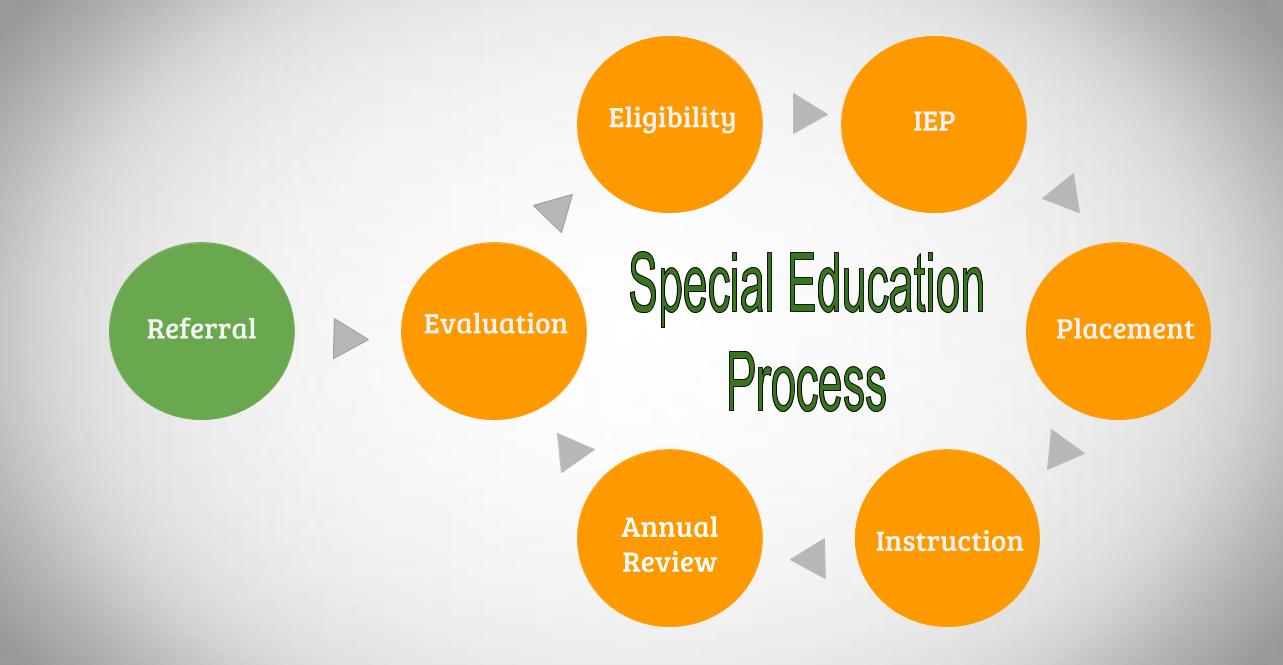
The journey of measurement begins before the first lesson. Diagnostic assessments are given before an intervention begins to pinpoint specific skill deficits and guide the selection of the intervention. They act as the compass, telling us exactly where the breakdown in learning occurs (e.g., phonemic awareness vs. reading comprehension).
With the specific deficit identified, we establish baseline data, which establishes a student's academic or behavioral performance level immediately prior to the start of an intervention. This is our starting line.
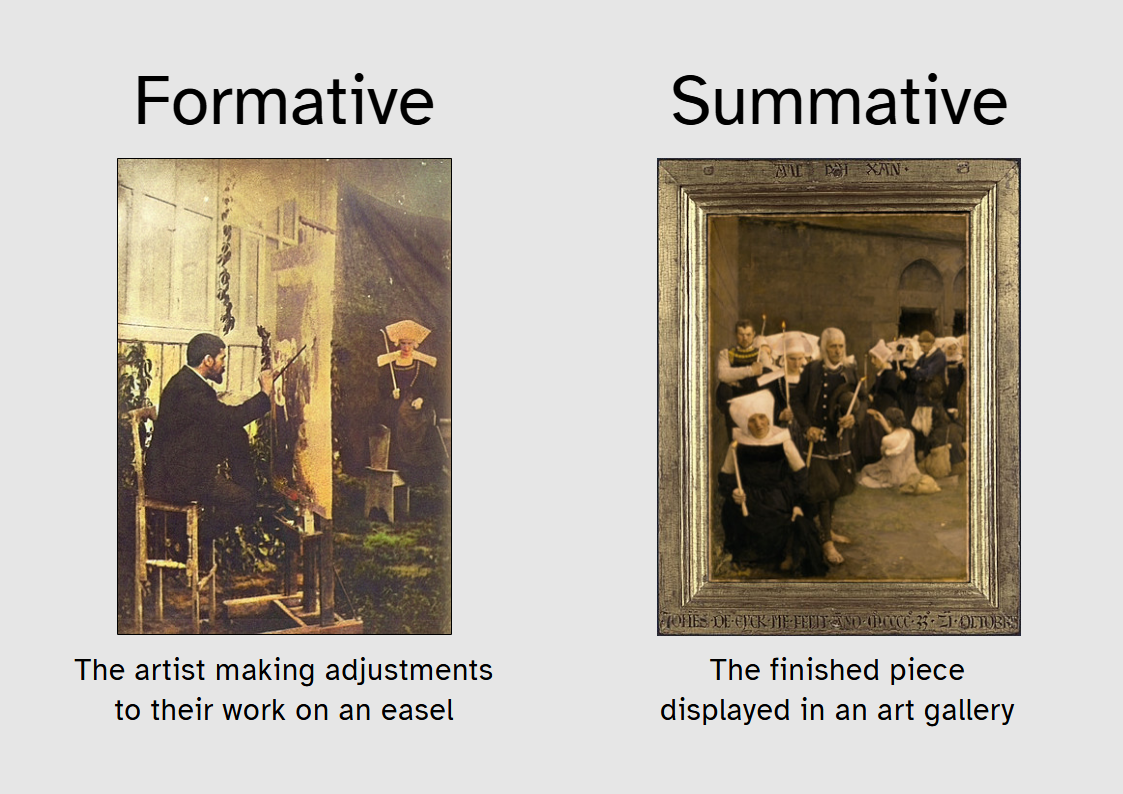
From there, we engage in progress monitoring, the systematic and frequent assessment of a student's performance to evaluate intervention effectiveness. While progress monitoring is a broad concept, a highly specific and reliable tool within this category is Curriculum-Based Measurement (CBM). CBM is a standardized form of progress monitoring used to track specific academic skills over time, utilizing brief, timed probes (like reading a grade-level passage for one minute). CBMs act as formative assessments, which provide ongoing performance data to help teachers adjust interventions during the active instructional cycle, rather than waiting for a summative end-of-year test.
Visualizing Growth: Lines on the Graph
To make sense of the data gathered through CBMs and formative assessments, special educators plot the scores on a graph. This visualization relies on a few core mathematical concepts:
| Concept | Definition in Practice | Role in the Classroom |
|---|---|---|
| Progress Monitoring Goal Line | Defines the expected rate of student improvement from the baseline to the target performance level. | The hypothetical path of success. It connects where the student is to where they need to be by the end of the IEP period. |
| Progress Monitoring Trend Line | Illustrates a student's actual rate of improvement based on collected assessment data points. | The reality of the student's learning. It is the line of best fit drawn through the actual scores the student earns each week. |
| Rate of Improvement (ROI) | Quantifies the exact amount of progress a student makes over a specified time period during an intervention. | The mathematical slope of the lines (e.g., gaining 1.5 words correct per minute, per week). |
Graphing the data is entirely useless if it does not drive instructional action. The core philosophy here is data-based decision making, which requires special educators to rely exclusively on objective performance data rather than intuition to adjust interventions. You may feel the student is doing better because they smiled today, but if their CBM scores are flatlining, the data dictates the next move.
Teachers compare the progress monitoring trend line to the goal line to make data-based instructional decisions. This comparison yields clear, algorithmic rules for action:
The Rule of Four
What happens when a student is struggling? Special education utilizes a standard threshold: a student trend line falling below the goal line for four consecutive data points indicates a need to modify or intensify the intervention. Four data points (typically four weeks) provide enough evidence to rule out a "bad day" or a momentary distraction. Once this threshold is crossed, the teacher must act. They might increase the dosage (more time), decrease the group size, or switch to an intervention with a different program specificity.
Exceeding the Goal
Conversely, what if the intervention is wildly successful? A student trend line consistently exceeding the goal line suggests the teacher should raise the student's performance goal. We do not allow students to coast on easily achievable targets; we recalibrate our expectations to maximize their potential.
The Endgame: Fading
The ultimate goal of special education interventions is to build independent, generalized skills. When a student consistently meets or exceeds performance targets, we do not abruptly rip the intervention away. Instead, we utilize fading, which is the systematic process of gradually reducing the intensity of an intervention after a student consistently meets performance targets. We might lower the dosage from four days a week to two, continuously monitoring the trend line to ensure the student's growth sustains independently.
By marrying the exact science of intervention fidelity with the rigorous mathematics of progress monitoring, special educators remove the guesswork from learning. They create a classroom environment where every instructional move is deliberate, measurable, and inherently designed to propel the student toward independence.