Age- and Ability-Appropriate Strategies
Not sure you’re ready?
Take the ~3-minute readiness diagnostic and see where you stand.
Imagine attempting to tune a complex, highly sensitive acoustic instrument using a single, rigid wrench. The instrument's varied strings respond uniquely to tension—some require delicate, micro-millimeter adjustments, while others need substantial, structural shifts to produce a clear note. Teaching a classroom of students with mild to moderate disabilities requires a similar, highly precise calibration. Instructional design is the act of selecting the exact pedagogical tools required to harmonize the varied developmental ages and cognitive abilities present in a single room. It is a dual mandate: honoring the biological reality of a student's chronological age while simultaneously meeting the neurological reality of their current developmental ability.
Here, we will dismantle the mechanics of age- and ability-appropriate strategies, moving from foundational cognitive frameworks down to the daily, high-leverage practices that dictate student success.
To teach effectively, we must first understand the architectural limits and capabilities of the learner's mind. Jean Piaget’s theory of cognitive development outlines four distinct stages of cognitive growth, giving us a map of how students process reality. When you stand in front of a room, you must know where your students reside on this map. For example, students in Piaget’s concrete operational stage require physical manipulatives to internalize mathematical concepts. You cannot lecture them into understanding fractions; they must touch the blocks. Conversely, students in Piaget’s formal operational stage can comprehend abstract concepts without relying on physical models.
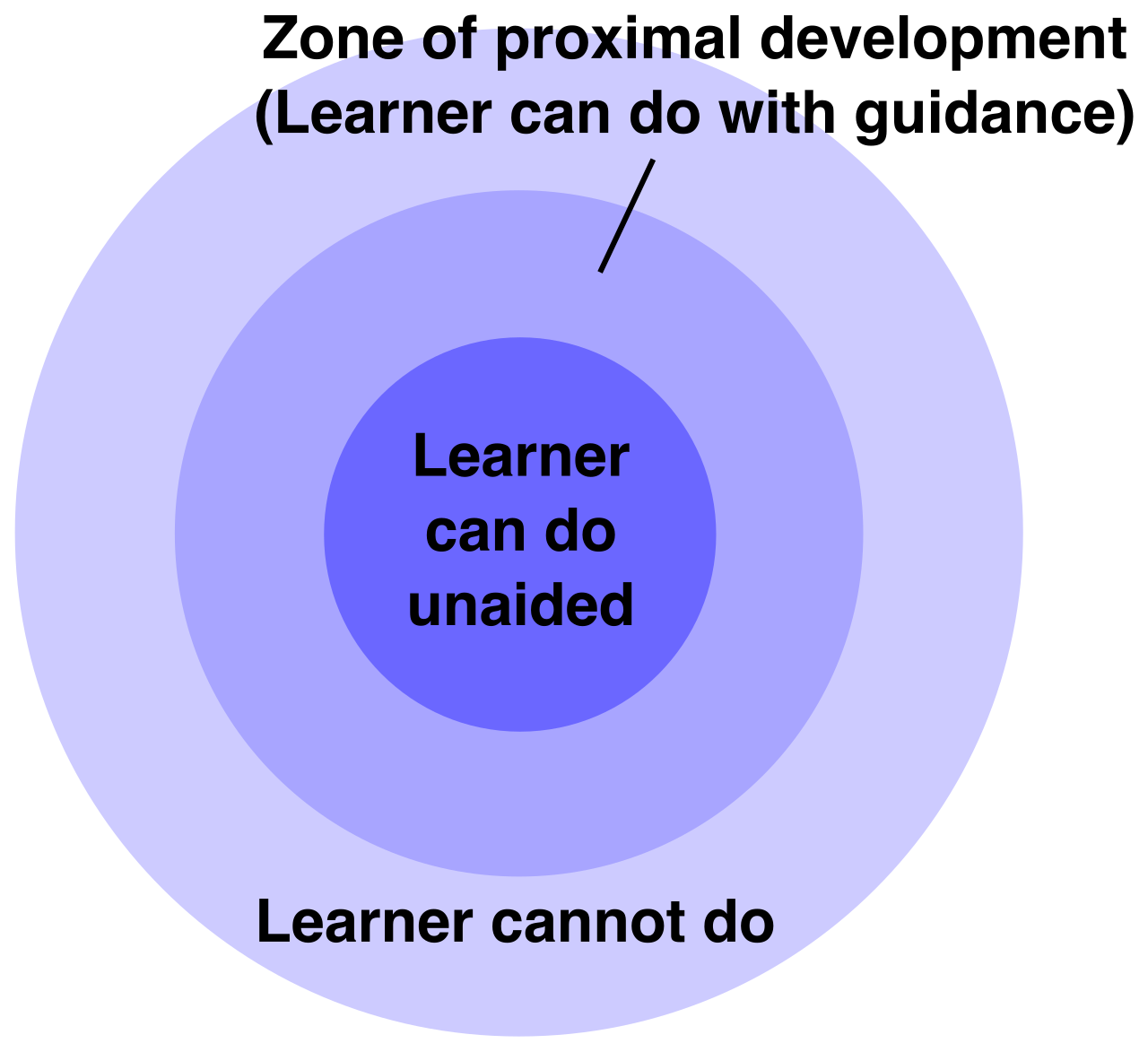
But development is not just about fixed stages; it is about motion. Lev Vygotsky developed the psychological concept of the Zone of Proximal Development, which fundamentally changed how educators view student potential.
The Zone of Proximal Development (ZPD) represents the difference between a learner's independent ability and a learner's ability with guided support.
Teaching outside the ZPD is wasted effort. If the task is too easy, no learning occurs; if it requires support beyond what is provided, the student experiences only frustration. Therefore, educators must employ ability-appropriate instruction, which aligns task complexity with a student’s cognitive or developmental level.
The Dignity of Age-Appropriate Instruction
A critical tension arises when a student's cognitive ability significantly lags behind their physical age. While we must adapt to their cognitive level, we must never ignore their chronological age. Age-appropriate instruction aligns learning materials with a student’s chronological age.
Why does this matter? Because providing juvenile learning materials to adolescents with cognitive disabilities undermines student dignity. Handing a 15-year-old a primary-grade phonics book featuring dancing farm animals may match their reading level, but it destroys their social standing and intrinsic motivation. Instead, educators must provide high-interest, low-readability texts to older students with foundational reading deficits.
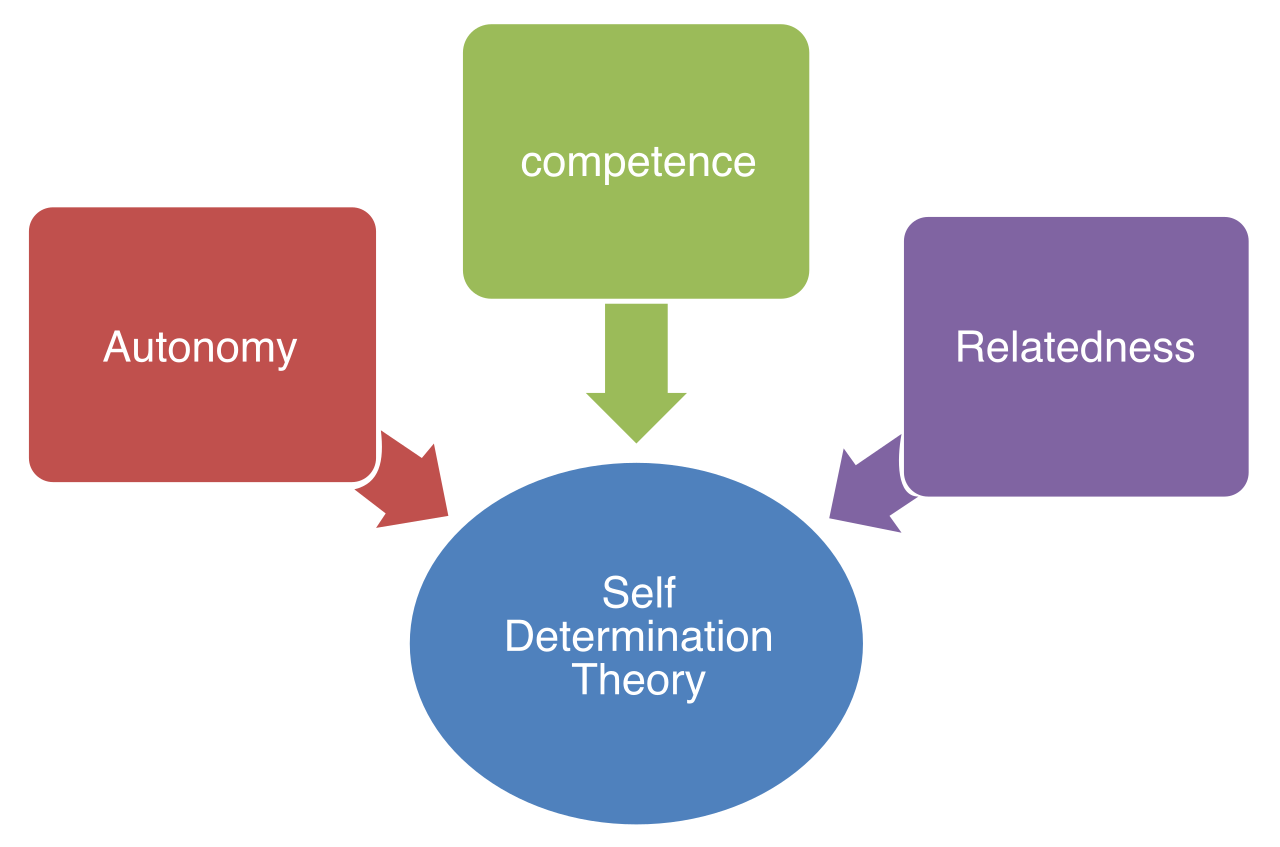
As these older students transition toward adulthood, the curriculum must pivot toward survival and independence. Secondary special education instruction must integrate functional skills relevant to post-secondary transition. A critical part of this transition is teaching students to understand and articulate their own needs, because self-advocacy is a core component of self-determination.
To manage a room full of varying ZPDs, educators rely on two distinct but complementary frameworks: Universal Design for Learning (the proactive architecture) and Differentiated Instruction (the responsive adjustment).
Universal Design for Learning is an educational framework based on research in the learning sciences. It assumes that barriers to learning are in the design of the environment, not in the student. UDL rests on three pillars:
- Universal Design for Learning provides multiple means of representation to give learners various ways of acquiring information (e.g., offering audiobooks alongside printed text).
- Universal Design for Learning provides multiple means of action and expression to provide learners alternatives for demonstrating knowledge (e.g., allowing a student to record a podcast instead of writing an essay).
- Universal Design for Learning provides multiple means of engagement to tap into learners' interests (e.g., using real-world, student-selected scenarios for math problems).
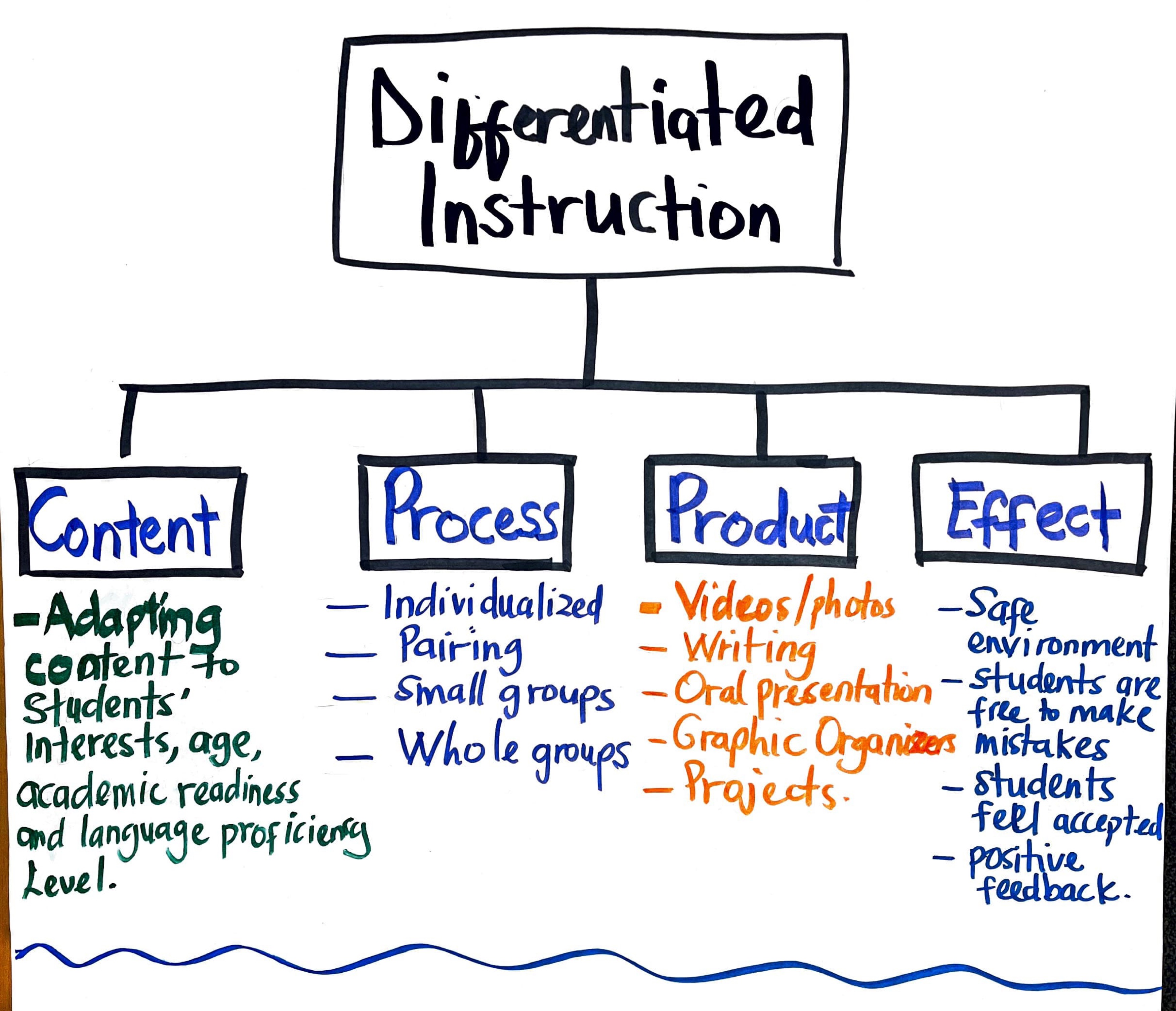
While UDL anticipates variability, differentiation responds to it. Differentiated instruction requires teachers to modify content, process, product, or the learning environment.
| Differentiation Type | Definition in Practice |
|---|---|
| Content | Instructional content modification alters the specific information or skills students learn. (e.g., adapting spelling lists based on current phonics mastery). |
| Process | Instructional process modification changes the methods used to teach students. (e.g., using manipulatives for one group while another uses formulas). |
| Product | Instructional product modification allows varied ways for students to demonstrate mastery of a topic. (e.g., choosing between a written test or an oral presentation). |
To differentiate effectively within a single lesson, educators often use tiered assignments, which offer different levels of academic complexity for the exact same learning objective. Everyone aims at the same target, but they take different paths up the mountain.
When we zoom in on the actual moment of instruction, professional standards dictate specific, rigorously tested methodologies. High-Leverage Practice 16 from the Council for Exceptional Children dictates using explicit instruction.
Explicit instruction is a systematic instructional approach featuring clear modeling. It leaves nothing to chance or discovery. A core component of this is cognitive modeling, which involves a teacher verbalizing internal thought processes while demonstrating a skill. You do not just show them what to do; you narrate how to think about it. Furthermore, explicit instruction requires teachers to provide guided practice before expecting independent performance.
For students with specific challenges, we must break reality down even further. Task analysis involves breaking a complex target behavior into smaller, teachable steps. Because of its granular nature, task analysis is highly effective for teaching multi-step life skills to students with intellectual disabilities (e.g., washing hands, using public transit).
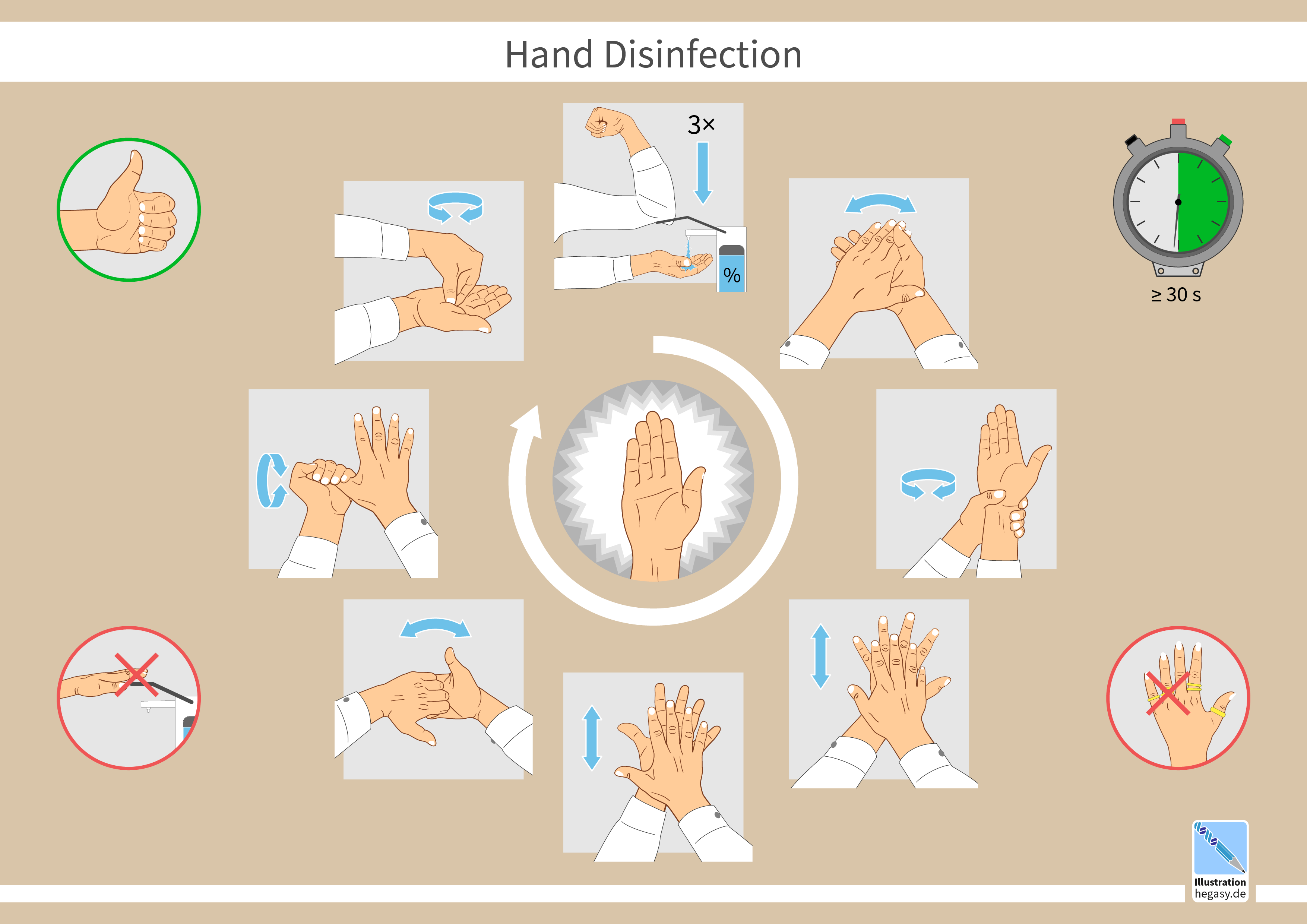
To prevent students from internalizing mistakes during these steps, educators use errorless learning, which is an instructional strategy designed to prevent students from practicing incorrect responses. Unlearning a burned-in neurological mistake requires exponentially more effort than learning it correctly the first time. We provide immediate prompts to guarantee success, then fade those prompts.
Scaffolding and Cognitive Load
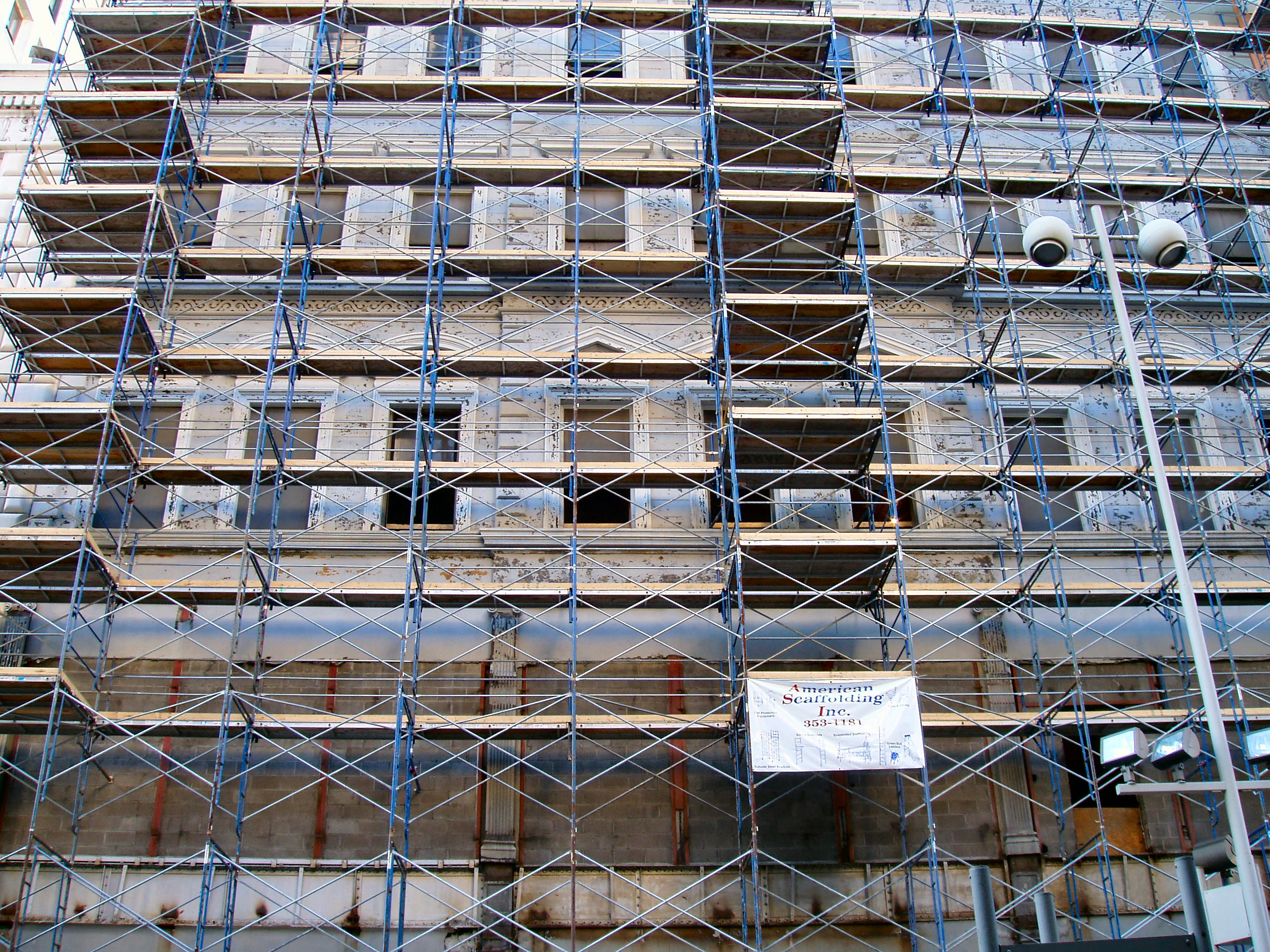
High-Leverage Practice 15 from the Council for Exceptional Children dictates providing scaffolded supports. Think of scaffolding in construction: it holds the building up while the permanent structure is built, but it is never meant to stay. Instructional scaffolding provides temporary support to a student learning a new academic task. Crucially, teachers must systematically fade instructional scaffolds as student competence increases. If you never remove the scaffold, the student never builds independent structural integrity.
We must also respect the neurological bottleneck of working memory. Chunking involves separating large quantities of information into smaller cognitive units. By doing this, chunking specifically accommodates students experiencing working memory deficits.
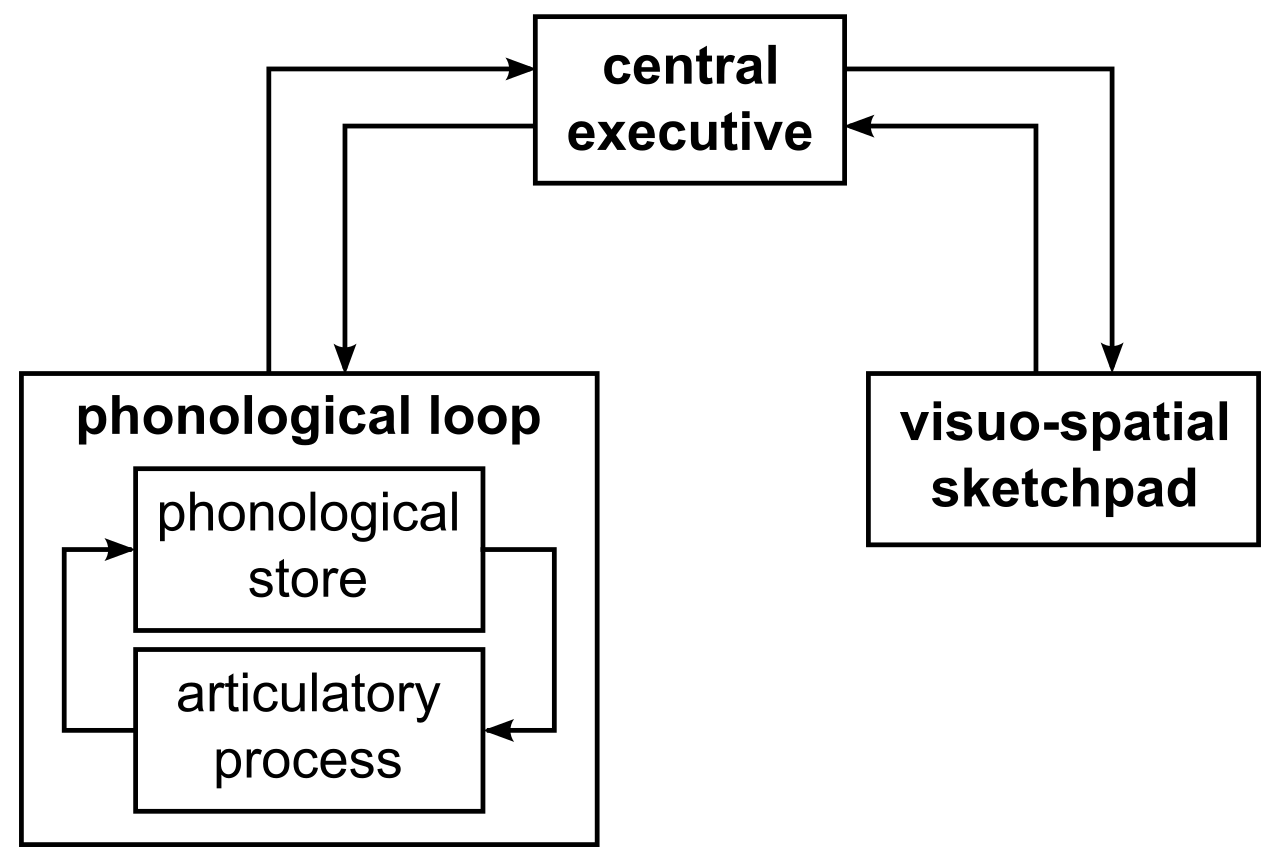
To ensure this information is actually retained:
- Mnemonic strategies improve academic recall for students with specific learning disabilities affecting memory.
- Graphic organizers visually depict the relationships between different academic concepts, moving abstract ideas into a spatial, visual format.
- Multisensory instruction simultaneously engages visual, auditory, and kinesthetic learning pathways, firing multiple areas of the brain to solidify a concept.
- Finally, teachers must adjust instructional wait time based on an individual student’s cognitive processing speed. Silence after asking a question is not dead air; it is the vital time the student’s brain requires to retrieve, sequence, and output information.
A silent classroom is rarely a learning classroom. To monitor learning in real time, educators must bypass the traditional "raise your hand" model. Active student responding strategies increase individual student engagement during whole-group instruction.
Two highly effective methods include:
- Choral responding is an active student responding strategy requiring simultaneous verbal answers from the entire class.
- Response cards are an active student responding strategy requiring simultaneous physical answers from the entire class (e.g., holding up whiteboards with the math answer).
These strategies provide immediate data. This is critical because formative assessment data dictates the daily adjustments required in instructional pacing. You cannot know whether to speed up or slow down unless every student is actively responding.
When moving out of whole-group instruction, the social architecture of the room matters. Flexible grouping places students into temporary instructional groups based on immediate learning needs rather than fixed abilities. Avoid permanent "low" or "high" groups, which breed stigma. Instead, group by the specific skill needed today.
Additionally, we can leverage the students themselves. Cooperative learning requires heterogeneous groups of students to work together on structured academic tasks, fostering shared responsibility. Furthermore, peer-mediated instruction utilizes trained classroom peers to facilitate academic or social learning, which often yields incredible results because students naturally translate adult concepts into peer-friendly language.
Teaching a skill on Tuesday does not mean the student will possess it on Friday, nor does it mean they can use it outside your classroom.
Instructional generalization requires teaching a skill across multiple settings to ensure broad mastery.
If a student learns to count money at a pristine desk with plastic coins, they must also learn to count it in a noisy cafeteria with real currency.

Finally, human memory degrades without use. Instructional maintenance requires providing periodic review to prevent the loss of previously acquired skills.
Instructional design in special education is not about lowering expectations; it is about engineering precise, individualized pathways to meet high expectations. By respecting both chronological dignity and developmental reality, you build a learning environment where every student, regardless of their specific cognitive profile, can achieve mastery.