Design and Maintenance of Safe, Supportive Classrooms
Not sure you’re ready?
Take the ~3-minute readiness diagnostic and see where you stand.
A classroom is not merely an architectural space; it is a highly sensitive behavioral ecosystem. For a student with mild to moderate disabilities, every square foot of physical space, every shift in schedule, and every ambient sound acts as a variable in a complex equation that dictates either learning or dysregulation. The Least Restrictive Environment (LRE) mandate requires students with disabilities to be educated alongside non-disabled peers to the maximum extent appropriate. However, simply placing a student in a general education setting does not fulfill the spirit of the law. Inclusive classroom design supports the legal mandate of the Least Restrictive Environment by engineering a physical, emotional, and instructional space where access to learning is genuine, friction is minimized, and safety is structurally guaranteed.
To design a supportive classroom, we must reject the notion that good behavior is an innate trait and instead view it as an explicit skill that must be constructed and supported. This is the core philosophy of the framework known as PBIS.
PBIS stands for Positive Behavioral Interventions and Supports, which is a multi-tiered framework aimed at improving student behavioral outcomes. Instead of reacting to misbehavior with punishment, PBIS engineers environments where positive behavior is the most logical and supported outcome. Research demonstrates that PBIS reduces exclusionary discipline practices, such as suspensions and expulsions, which disproportionately harm students with disabilities and distance them from the academic curriculum.
The PBIS framework operates like a public health model, structured across three escalating levels of support:
| Tier | Focus | Description in Practice |
|---|---|---|
| Tier 1 | Universal | Establishes universal behavioral expectations for all students. This is the foundation: clear rules, strong relationships, and high-quality core instruction. |
| Tier 2 | Targeted | Provides targeted interventions for at-risk students who need more than Tier 1 support. Examples include small group social skills training or daily check-in/check-out systems. |
| Tier 3 | Individualized | Involves individualized interventions for high-risk behaviors. This includes functional behavioral assessments (FBAs) and highly customized behavior intervention plans (BIPs). |
Establishing the Rules of the Ecosystem
If we want a system to run smoothly, the operating rules must be unambiguous. Positively stated classroom rules focus on desired behaviors rather than a litany of prohibitions. Instead of "Don't run," we say, "Walk with a safe body." Furthermore, classroom rules must be explicitly taught to students just as one would teach a mathematical formula—through modeling, practice, and feedback.
To ensure these rules take root in the classroom culture, co-creating classroom norms with students increases student ownership of the rules. When students have a voice in defining what respect looks and sounds like in their space, the rules transition from external mandates to internal community standards.
The physical space of your classroom is the first antecedent intervention you have at your disposal. Look at the room not as a decorator, but as an engineer analyzing traffic flow and sensory inputs.
Traffic Flow and Spatial Design
Clear pathways in the classroom prevent physical congestion during transitions. Why does this matter? Because physical congestion frequently acts as a behavioral trigger for students with disabilities. When a student with sensory processing deficits or spatial awareness challenges is bumped or crowded, their nervous system registers it as a threat, resulting in immediate behavioral escalation.
Seating is equally critical. Strategic seating arrangements minimize distractions for students with attention deficits. Placing highly distractible students away from high-traffic areas—such as the doorway, the pencil sharpener, or the teacher's desk—improves task focus. By removing the environmental stimuli, we lower the cognitive load required for the student to maintain attention.
We must also create spaces that communicate their function visually. Visual boundaries help students understand the specific purpose of different classroom areas. A taped line on the floor or a bookshelf turned outward signals where the reading corner ends and the collaborative workspace begins. Within this space, designated calming zones provide students a safe space to self-regulate. This is not a "time-out" penalty box, but a well-resourced refuge where a student can de-escalate before an emotional trigger becomes a behavioral crisis.
Sensory Management
For many students with mild to moderate disabilities, the classroom is a sensory minefield. We must aggressively filter unnecessary stimuli.
- Visuals: While it is tempting to cover walls with colorful educational posters, minimizing visual clutter on classroom walls reduces cognitive overload. A student with ADHD is continually processing every item in their field of vision; an austere, deliberate visual environment is profoundly calming.
- Lighting: Fluorescent lighting acts as a sensory trigger for some students with sensory processing issues. The imperceptible flicker and hum can cause significant distress. Diffusing lights or relying on natural light alters the baseline tension in the room.
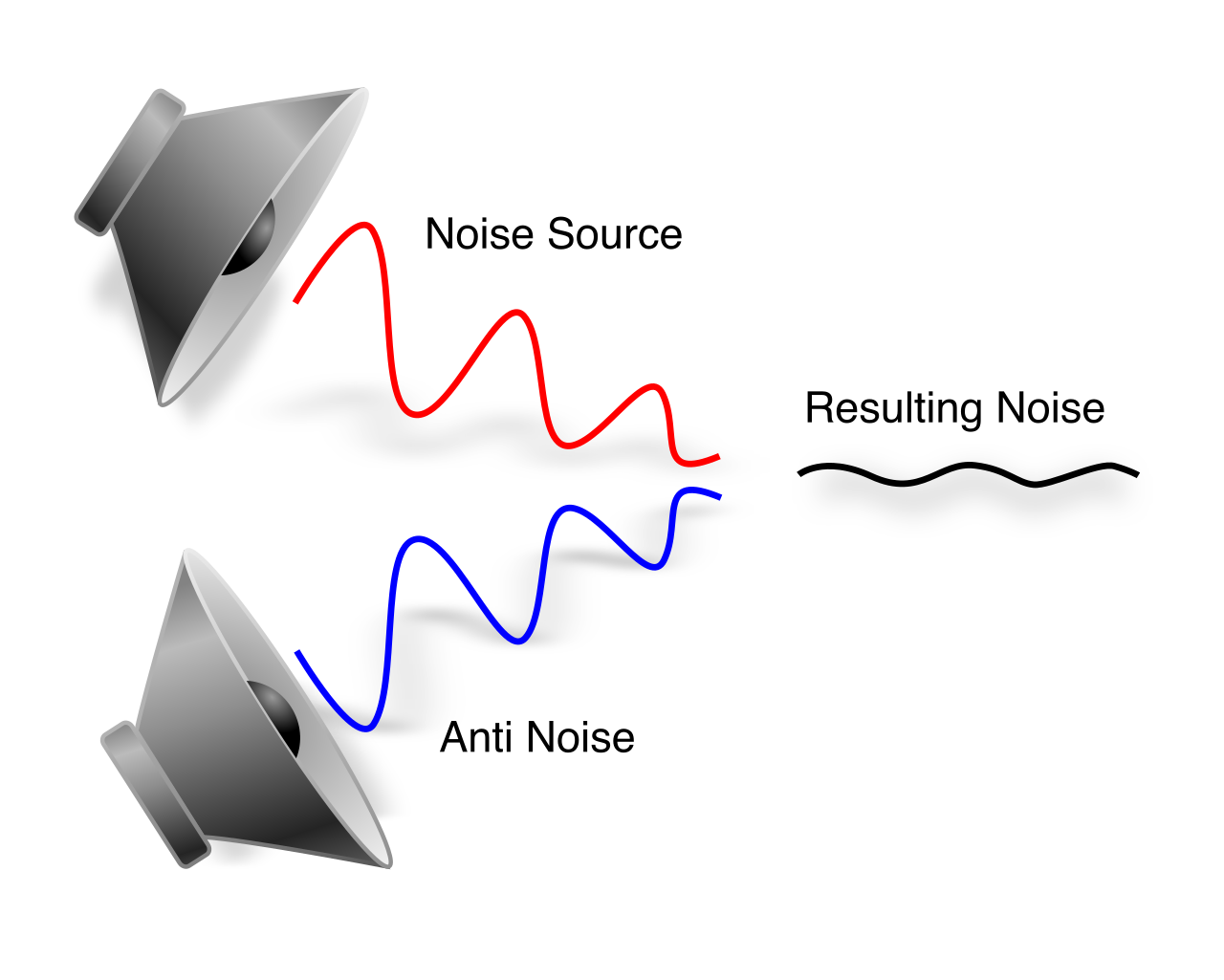
- Sound: Classrooms are loud. Providing noise-canceling headphones mitigates auditory overstimulation, allowing students to participate in the Least Restrictive Environment without their sensory thresholds being violently breached.
Time is a dimension of the classroom that causes immense anxiety if not carefully managed. Consistent daily routines reduce anxiety for students with disabilities because predictability equals safety. When a student knows exactly what is expected of them and what comes next, their brain can shift resources away from threat-detection and toward academic learning.
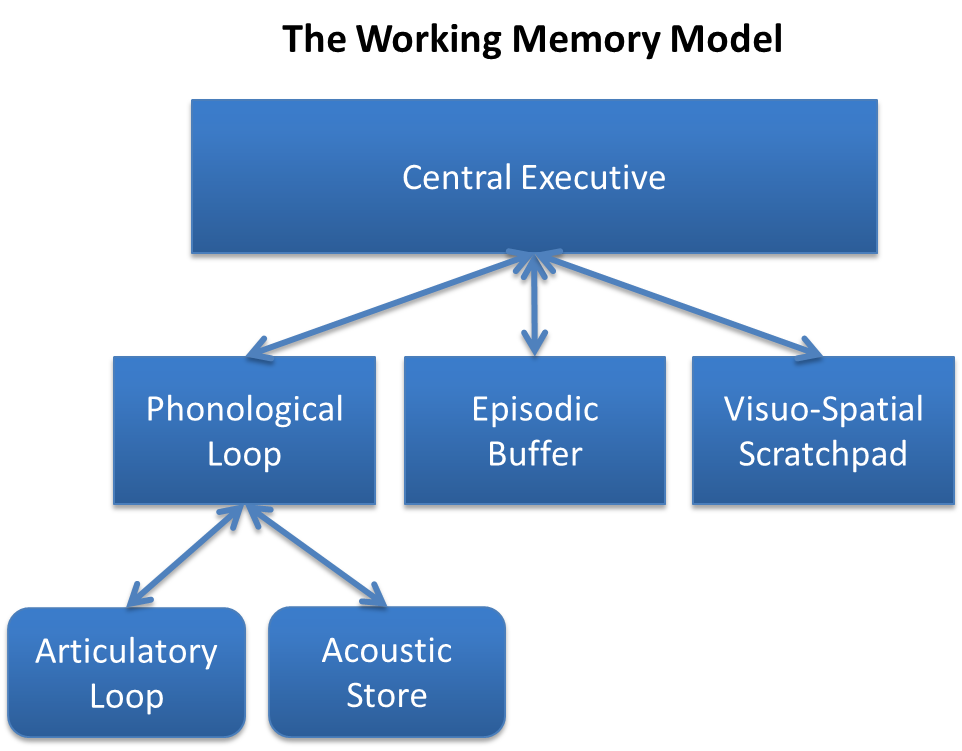
Visual schedules provide a permanent guide to the daily sequence of events. Unlike spoken instructions, which vanish the moment they are uttered, a visual schedule remains static. A student can check it repeatedly without relying on their working memory.
The Physics of Transitions
A transition is the dangerous space between two structured activities. Unstructured transition times are common triggers for disruptive behavior. The predictable scaffolding of the lesson collapses, and students must suddenly map their own actions and negotiate social space.
To mitigate this, warning students prior to a transition allows time for cognitive shifting. You cannot expect a student deeply engaged in a task (or hyper-focused due to autism) to pivot instantly. Using a visual timer makes the expectation of a transition concrete, giving them a visual representation of time evaporating. Finally, explicitly teaching transition routines reduces lost instructional time. If students know the precise choreography of moving from reading to math, the transition becomes an automated routine rather than an unstructured void.
Behavior and academics are inextricably linked. Often, what appears to be defiance is simply a student communicating, "I cannot do what you are asking me to do." Task demands exceeding a student's skill level frequently trigger off-task behavior. It is far more socially acceptable for a struggling student to act out and be sent out of the room than it is to sit quietly and feel inadequate.
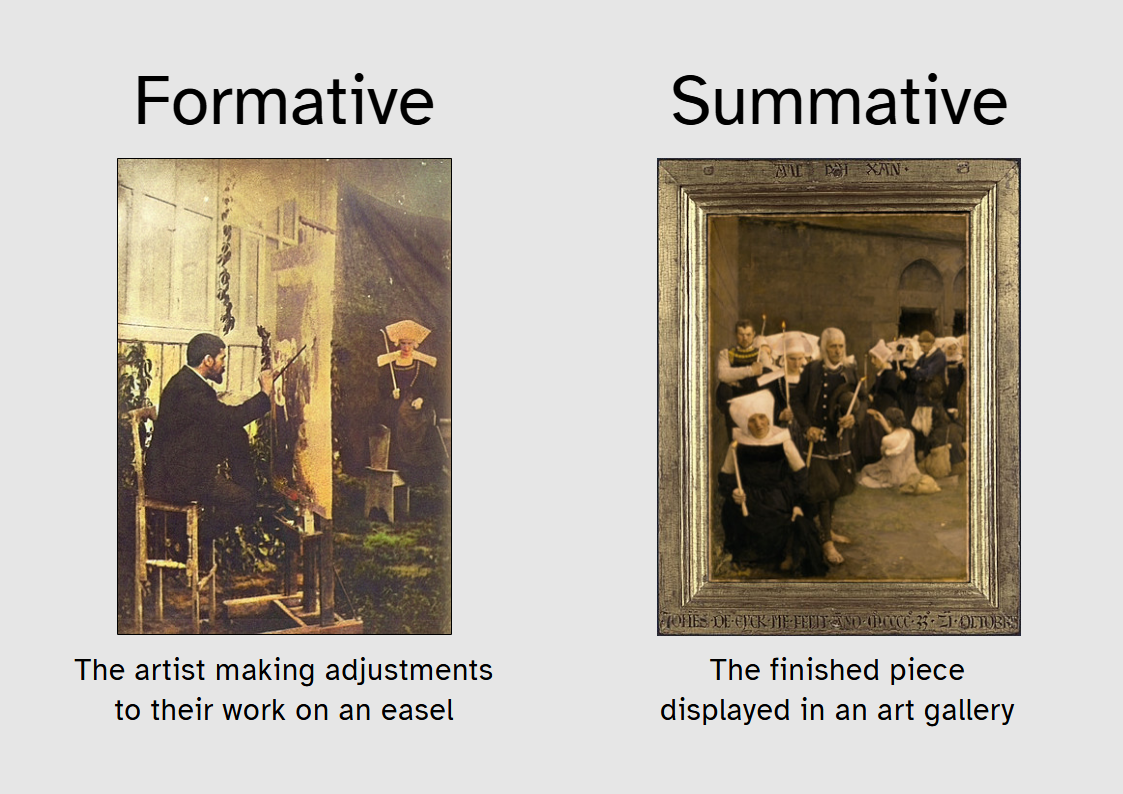
To short-circuit this cycle, we must manipulate the instructional demands. Breaking complex tasks into smaller steps prevents academic frustration. This strategy, known as task analysis, transforms an overwhelming mountain of work into a series of achievable molehills. Along the way, frequent formative feedback reduces student anxiety related to academic performance. Do not wait until Friday's test to tell a student how they are doing; give them micro-corrections and praise in real-time.
Furthermore, a lack of power drives much of human conflict. Offering choices in assignments increases student autonomy. When you give a student a choice between writing a paragraph or recording an audio response, you are sharing power. Consequently, offering choices in assignments decreases defiant behavior, as the student is now a willing participant in their own learning rather than a subordinate following orders.
Socially, academic environments can be structured to build community. Peer tutoring fosters mutual respect among students of differing ability levels, reinforcing the inclusive nature of the environment and providing accessible models of success.
No strategy, timer, or seating chart will work if the human foundation is flawed. Building positive teacher-student relationships is a primary preventative strategy for challenging behaviors. When a student knows you genuinely care about them, they will give you the benefit of the doubt when the work gets hard.
This relational work must be culturally and emotionally grounded:
- Culturally responsive teaching incorporates students' cultural references into the learning environment. When a student sees their own background reflected in the curriculum and the classroom norms, they feel a sense of belonging that naturally mitigates alienation and disruption.
- Trauma-informed care assumes that challenging behaviors may be stress responses. A student throwing a pencil may not be "naughty"; they may have a dysregulated nervous system reacting to an invisible trigger. In these moments, validating a student's feelings de-escalates emotional distress during a crisis. Say, "I can see you are incredibly frustrated right now," rather than "Calm down and stop throwing things." Validation acts as a circuit breaker for emotional panic.
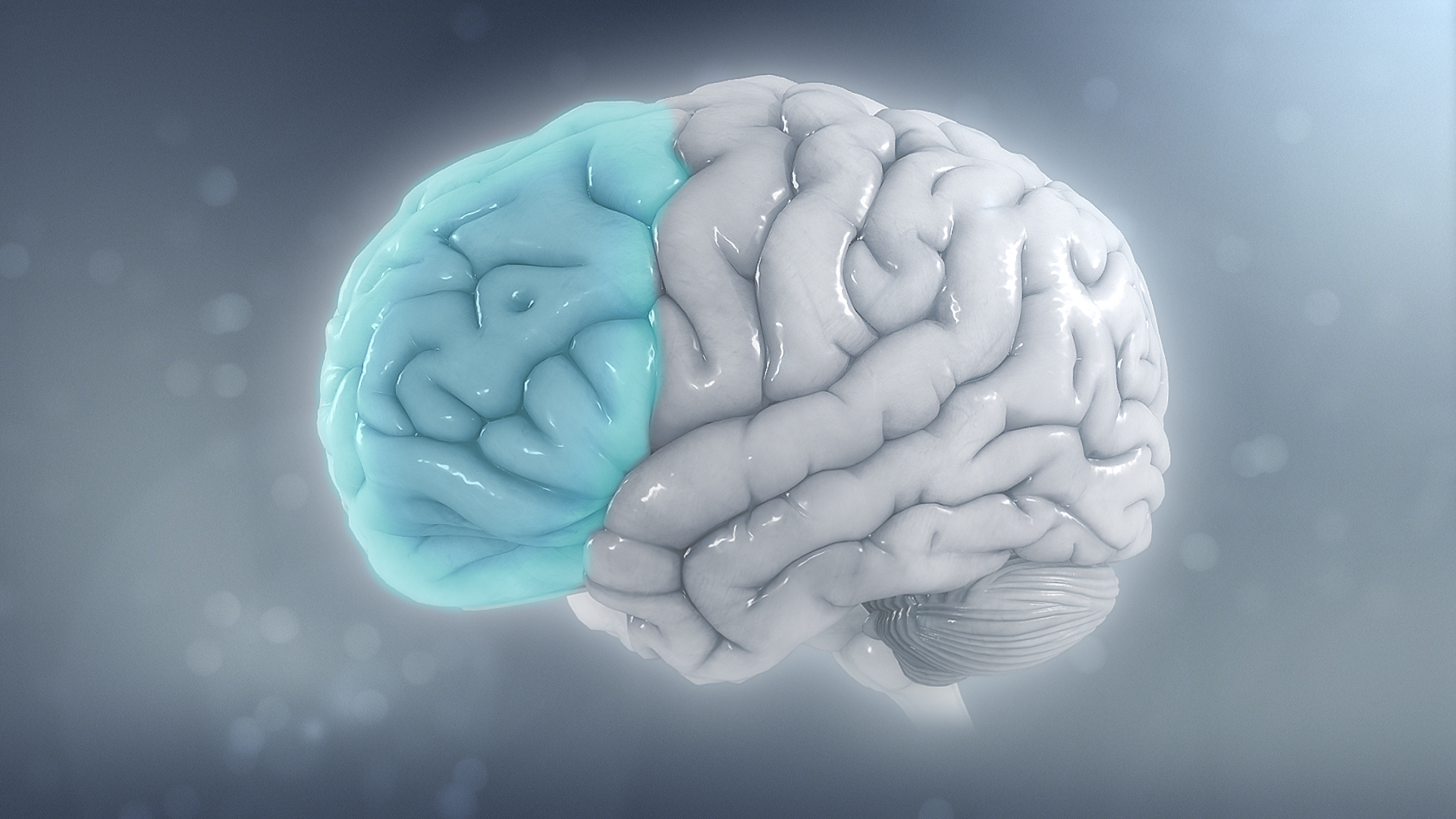
We must also respect the biological realities of our students. The brain is an organ housed in a biological body. Hunger acts as a physiological trigger for disruptive classroom behavior, and fatigue acts as a physiological trigger for emotional dysregulation. Before deploying complex behavioral interventions, ensure the student's foundational physiological needs—food, water, and sleep—are acknowledged and addressed.
Finally, the most powerful variable in the classroom ecosystem is the physical presence and action of the teacher. As special educators, we rely heavily on antecedent interventions, which modify the classroom environment before a problem behavior occurs. You are looking to alter the conditions that precipitate the behavior, rather than waiting to punish the fallout.
Pre-correction involves reminding students of expected behavior just before a challenging situation. Example: Before opening the door to the noisy hallway, you pause and say, "Remember, we are keeping our hands to ourselves and our voices off as we walk past the library." You are priming the desired behavior immediately before the stimulus is introduced.
To implement antecedent interventions, a teacher must be a dynamic force in the room. Active supervision requires teachers to continuously scan the classroom to detect early signs of frustration, such as a sigh or a tapping pencil. But scanning with the eyes is not enough; active supervision requires teachers to move around the classroom continuously.
Your physical location is a tool of behavior management. Proximity control involves a teacher standing near a student to redirect off-task behavior. You do not need to say a word or disrupt the lesson. Simply navigating the clear pathways of your room and standing near a student whose attention is drifting brings their focus back to the task through the sheer gravity of your presence.
And as you move, remember that the students need to move, too. Incorporating movement breaks prevents disruptive behavior caused by prolonged periods of sitting. The human body is not designed to be stationary for six hours.
By integrating PBIS, spatial engineering, consistent routines, calibrated academics, deep relationships, and proactive supervision, you do more than just manage a classroom. You curate an environment where a student's optimal behavior is the natural, inevitable result of the world you have built for them.