Maintenance and Generalization of Concepts
Not sure you’re ready?
Take the ~3-minute readiness diagnostic and see where you stand.
A seedling cultivated in a climate-controlled greenhouse often wilts the moment it is transplanted into the unpredictable soil of an open garden. In special education, we face a similar phenomenon: a student with a mild to moderate disability successfully masters a skill at a kidney-shaped table in a resource room, surrounded by highly structured prompts and immediate praise, only to struggle when asked to apply that same skill in the bustling general education classroom a week later. In the science of learning, teaching the initial skill is merely the construction of the greenhouse. Ensuring that the skill survives time and environmental shifts requires entirely different architectural principles.
To bridge the gap between initial acquisition and functional, long-term mastery, special educators must engineer their instruction around two critical pillars: maintenance and generalization.
Before delving into the mechanics of instructional design, we must establish precise definitions for these two foundational concepts.
Maintenance refers to a student's ability to continue performing a learned skill over time after direct instruction has ended. It is the measure of memory and endurance.
Generalization occurs when a student applies a learned skill to new settings, materials, people, or situations. It is the measure of adaptability and transfer.
If a student learns to solve two-digit addition problems on Tuesday and can still solve them the following month, they have demonstrated maintenance. If the student learns to solve those problems on a worksheet with the special educator, and later successfully adds up the cost of two items at the school store with the general education teacher, they have demonstrated generalization. Applying skills learned in a special education setting to the general education curriculum is a primary goal of skill generalization.
Historically, special education operated under a flawed assumption. Teachers would drill a skill until mastery and simply cross their fingers that the student would use it elsewhere. The phrase train and hope was coined by Stokes and Baer in 1977 to describe the ineffective practice of teaching a skill without explicitly planning for generalization.
We now know that for students with mild to moderate disabilities, transfer rarely happens by accident. Generalization must be explicitly planned and systematically taught as part of the instructional process. You do not wait until the end of a unit to think about generalization; you build the unit around it.
When a student first learns a concept, their grasp is fragile. Our goal is to cement that knowledge so it survives the end of direct instruction. We achieve this by manipulating how we practice, how we prompt, and how we reinforce.
Practice Structures: Massed vs. Distributed
When teaching a completely new skill, we often rely on massed practice, which involves concentrating practice sessions close together in time. Think of cramming for a test or drilling sight words for twenty minutes straight. While massed practice forces rapid initial acquisition, the brain rapidly sheds this information once the session ends.
To cement the skill, we must transition to distributed practice, which involves spreading out practice sessions over time. Instead of one 30-minute session on fractions, you provide three 10-minute sessions over three days. Distributed practice is highly effective for long-term skill maintenance because it forces the brain to repeatedly retrieve the information from memory, strengthening the neural pathway each time.
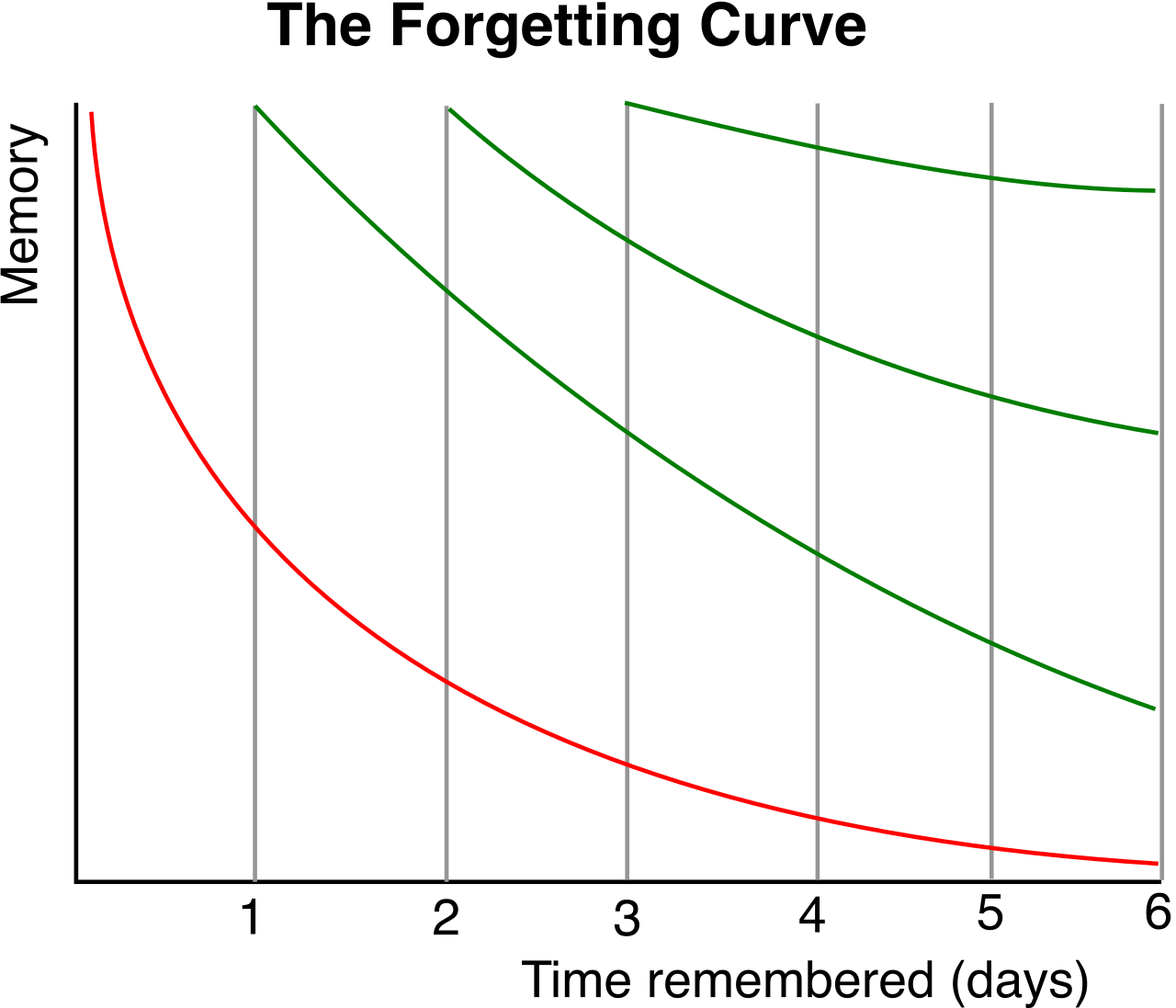
Furthermore, we utilize overlearning, which involves providing additional practice of a skill after the student has initially demonstrated mastery. If a student needs 10 successful trials to master a behavioral routine, requiring 15 successful trials constitutes overlearning. Overlearning increases the likelihood of long-term skill maintenance by making the cognitive process automatic, freeing up working memory for more complex tasks.
The Mechanics of Reinforcement
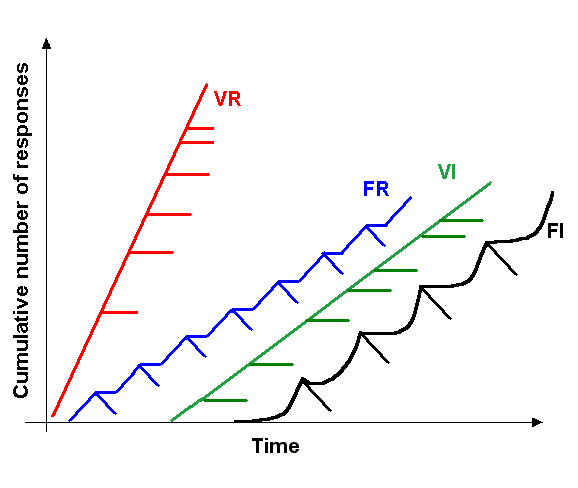
Initial skill acquisition thrives on predictability. Therefore, continuous reinforcement schedules—where every single correct response is rewarded—are highly effective for initially teaching a new skill. However, the real world does not operate on a continuous schedule. A student will not get a sticker every time they raise their hand in high school.
To ensure the behavior survives in the real world, we must alter the schedule. Intermittent reinforcement schedules promote the maintenance of behaviors better than continuous reinforcement schedules. By rewarding the behavior unpredictably (e.g., every third time, or after an average of five minutes), the student learns to persist even in the absence of immediate praise. Consequently, shifting from continuous to intermittent reinforcement helps students maintain skills after the initial learning phase ends.
Fading Prompts to Foster Independence
A prompt is an artificial crutch. If a teacher relies too heavily on physical, verbal, or visual cues, the student learns to respond to the prompt, not the actual task. Fading involves the gradual removal of instructional prompts. Systematically reducing the intensity of prompts—moving from a physical guide to a slight gesture, to a mere glance—forces the student to rely on their own internal cognitive processes. Fading instructional prompts prevents students from becoming prompt-dependent and directly promotes the maintenance of skills in independent settings.
Verifying Retention: Probes and Boosters
Because memory degrades, special educators must measure retention formally. Maintenance probes are brief assessments conducted after instruction has ended to verify long-term skill retention. Think of them as unannounced system checks. If a student who mastered a decoding strategy in October struggles during a December maintenance probe, they do not need to be re-taught the entire curriculum. Instead, the teacher administers a booster session—a brief review of a previously learned skill provided when maintenance probes indicate a decline in student performance.
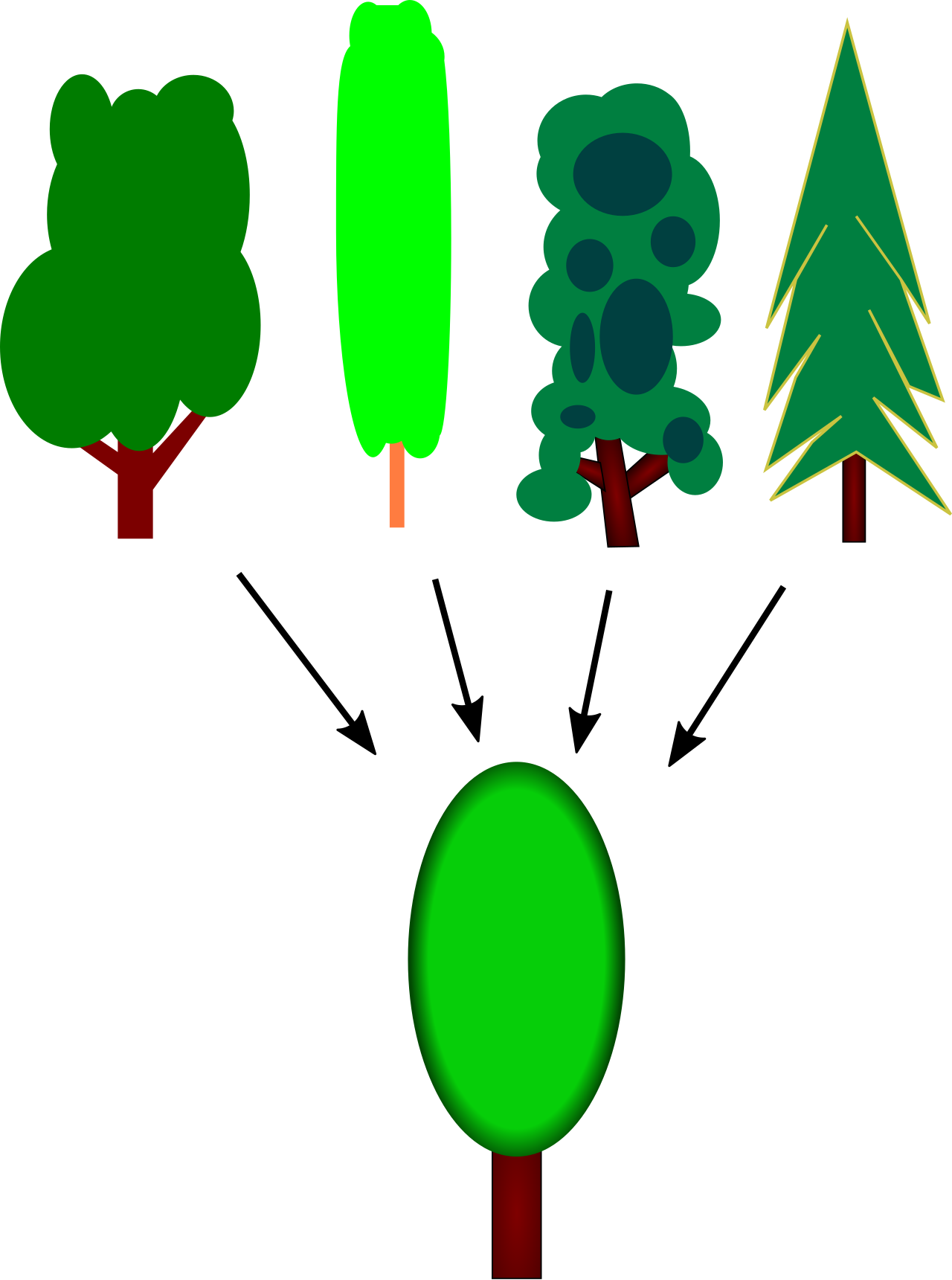
Generalization is the process of breaking a skill out of its instructional silo. We categorize this transfer into two distinct psychological mechanisms:
- Stimulus generalization occurs when a learned response is triggered by a new, untrained stimulus. (e.g., A student is taught to read the word "STOP" on a standard red octagon. Without further teaching, the student reads the word "STOP" written in blue marker on a whiteboard.)
- Response generalization occurs when a student emits a new, untrained response that serves the same function as a previously learned response. (e.g., A student is taught to greet the teacher by saying "Hello." The next day, the student spontaneously waves and says "Hi!" The functional intent is the same, but the behavior has generalized).
To engineer these phenomena, special educators use highly specific instructional tactics.
Strategies for Promoting Generalization
| Strategy | Definition | Why It Matters / Application |
|---|---|---|
| Teaching with Multiple Exemplars | Involves using a variety of materials and examples during instruction. | Using multiple exemplars helps students generalize learned skills to unfamiliar materials. If you only teach a student to count with red blocks, they may struggle to count coins. Use blocks, buttons, and beans. |
| Programming Common Stimuli | Involves incorporating elements from the natural environment into the instructional setting. | If the gen-ed math test uses blue lined paper, use blue lined paper in the resource room. Programming common stimuli facilitates the transfer of skills from a special education resource room to a general education classroom. |
| Teaching Loosely | Involves randomly varying noncritical aspects of the instructional setting. | Change your tone of voice, sit in different chairs, or alter the lighting. Teaching loosely prevents students from associating a learned skill with a single specific instructional environment. |
| General Case Programming | Involves analyzing the full range of situations a student will encounter for a specific skill, and selecting teaching examples that sample that full range. | If teaching a student to use a vending machine, don't just use one type. Sample the full range of stimulus and response variations: machines with touchscreens, machines with mechanical buttons, and machines that take exact change. |
The ultimate triumph of special education is obsolescence—the point at which the teacher is no longer needed. To achieve this, the locus of control must shift from the educator to the student and their natural environment.
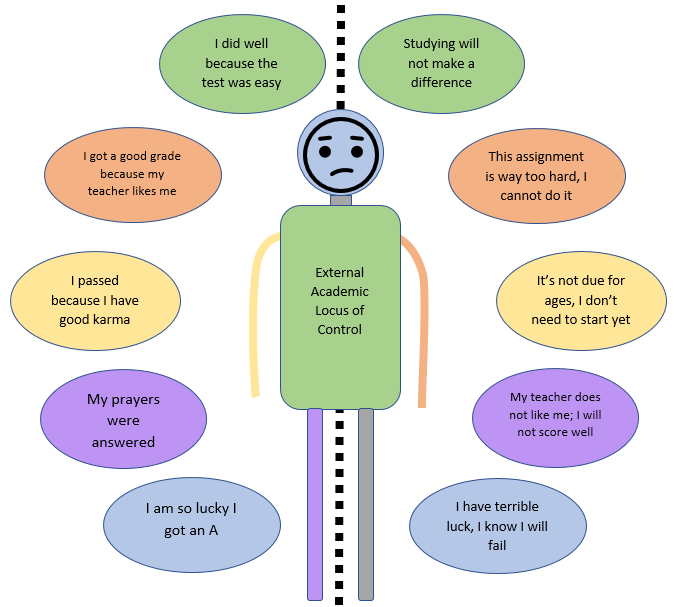
Behavior Trapping
In a resource room, a teacher might use a token board to encourage a student to initiate conversations. This is an artificial reinforcer. However, once the student initiates a conversation with a peer, the peer's smile, the resulting friendship, and the shared laughter become the reward.
These are natural contingencies of reinforcement—the typical consequences that naturally follow a behavior in everyday settings. The transition between the artificial and the natural is called behavior trapping, which involves shifting control from artificial classroom reinforcers to natural contingencies of reinforcement. Because the student is now "trapped" by the reinforcing nature of the real world, behavior trapping heavily promotes both the generalization and maintenance of target behaviors.
Mediating Generalization
When the environment cannot reliably support the student, the student must support themselves. Mediating generalization involves teaching a student a strategy to use independently across different settings.
A highly effective form of this is self-monitoring, which requires a student to observe and independently record their own behavior. A student who taps their desk to track their on-task behavior is taking the teacher's behavioral intervention with them into the general education classroom. Self-monitoring is an effective form of mediated generalization.
Similarly, for academic tasks, providing self-instruction cue cards helps students apply complex academic skills in generalized settings. A small index card taped to a desk with the steps for long division acts as a mediator, allowing the student to perform the skill anywhere the card can go.
Social Generalization and Collaborative Communication
Skills do not exist in a vacuum, nor do they transfer without a supportive ecosystem. When teaching social and behavioral competencies, the special educator is often an artificial participant. Using peers as instructional models in the general education classroom promotes the generalization of social skills for students with disabilities. A peer is a natural stimulus; when peers model positive social interactions, the target student learns to respond to the natural cues of their age group, not the prompting of an adult.
Finally, the success of these strategies depends entirely on the adults orchestrating them. If a special educator painstakingly plans for generalization, the general educator must know what to look for. Cross-setting communication between special and general educators is required to verify the generalization of targeted individualized education program skills. Through precise collaboration, educators ensure that the skills nurtured in the greenhouse do not merely survive in the wild, but thrive.