Roles and Responsibilities of the Special Education Teacher
Not sure you’re ready?
Take the ~3-minute readiness diagnostic and see where you stand.
In special education, the teacher functions simultaneously as a legal architect, a clinical scientist, and a fiercely protective advocate. You are not simply delivering a curriculum; you are binding the mechanics of cognitive development to the rigid demands of federal law. Every accommodation you write, every behavioral data point you track, and every paraprofessional you direct forms the structural integrity of a student’s right to learn. If the general education classroom is a broad highway designed for the majority, the special educator engineers the ramps, reinforcements, and safety barriers that allow students with mild to moderate exceptionalities to navigate that exact same route with equal momentum.
Understanding your professional responsibilities requires separating them into two deeply interconnected domains: the uncompromising ethical standards that govern your practice, and the rigorous logistical duties of case management.
The moral compass of the profession is not subjective. The Council for Exceptional Children (CEC) publishes the primary ethical standards for special educators in the United States. These guidelines do not merely offer suggestions for good behavior; they outline binding professional obligations that protect vulnerable populations and elevate the integrity of the educational system.
Equity, Bias, and Safety
Before a teacher can implement an effective reading intervention, they must examine the lens through which they view their students. Special education teachers must recognize personal biases to ensure equitable treatment of diverse student populations. An unexamined bias regarding a student's socioeconomic background or cultural expression can lead to drastically miscalibrated expectations or misidentified behavioral issues.
This commitment to equity translates directly into the physical and emotional environments you manage. Special educators must protect the physical safety of students with exceptionalities, anticipating spatial and environmental hazards that a student with a mild to moderate disability might not perceive. Equally critical, special educators must protect the psychological safety of their students. This means building an environment insulated from peer ridicule, frustration-induced trauma, and the subtle indignities of feeling "less than" in an academic setting.
The Ethics of Intervention The CEC ethical guidelines require professionals to challenge unethical practices within the school system. If a school administrator suggests altering a student's data to avoid providing a costly service, or if a colleague repeatedly denies a student their legally mandated accommodations, you cannot remain silent. You are obligated to disrupt systems that violate student rights.
Boundaries, Privacy, and Legal Mandates
Working closely with families and vulnerable students breeds intimacy, but it must remain strictly professional. Special education teachers must maintain professional boundaries in all relationships with students, avoiding dual relationships that blur the lines between teacher and peer. Similarly, special education teachers must maintain professional boundaries in all relationships with families, ensuring that empathy does not cross into inappropriate personal involvement or overstepping clinical expertise.
This boundary maintenance extends heavily into data privacy. Special education teachers must maintain student confidentiality in accordance with the Family Educational Rights and Privacy Act (FERPA). An Individualized Education Program (IEP) contains highly sensitive psychological, medical, and academic data. Casually discussing a student’s diagnostic profile in the teachers' lounge is not just unprofessional; it is a federal violation.
Furthermore, because of their proximity to vulnerable children, special educators carry a heavy legal burden regarding student welfare.
- Special educators are mandated reporters for suspected child abuse.
- Special educators are mandated reporters for suspected child neglect. You do not need proof; you only need reasonable suspicion to trigger your legal duty to report to the appropriate child welfare authorities.
The Science of Teaching and Lifelong Learning
We do not guess at what works. Special educators are required to use evidence-based instructional practices to support student learning. If you are teaching phonemic awareness to a student with dyslexia, you must use methods validated by peer-reviewed research, not educational fads. Because educational psychology and neurology are constantly evolving fields, special educators must engage in lifelong professional development to remain current on research and best practices.
Finally, the philosophical bedrock of all instructional decisions is the relentless pursuit of inclusion. Special education teachers must advocate for the least restrictive environment (LRE) for every student with a disability. Your goal is always to maximize a student's participation in the general education setting alongside their non-disabled peers, pulling them out for specialized instruction only when the severity of the disability absolutely demands it.
In addition to being a classroom instructor, the special education teacher serves as the primary case manager for students on an assigned caseload. Think of the case manager as the central processing unit of a student’s educational network. You are the hub through which all data, legal compliance, and instructional strategies flow.
Phase 1: Assessment and the IEP Blueprint
Before an IEP meeting can happen, the case manager must measure the student's current reality. The special education teacher conducts formal educational assessments (such as the Woodcock-Johnson or the WIAT). The special education teacher then uses these formal educational assessments to determine present levels of academic achievement and functional performance (PLAAFP). You cannot plot a route to a destination if you do not know exactly where the student is starting.
With data in hand, the logistical machinery begins:
- Scheduling: The case manager coordinates the scheduling of Individualized Education Program meetings, finding a time that aligns with parents, administrators, and general educators.
- Invitations: The case manager ensures that all legally required participants are invited to an IEP meeting. If a child is transitioning to high school, a transition coordinator must be there. If speech is discussed, the Speech-Language Pathologist must be present.
- Drafting: The special education case manager writes the draft of the Individualized Education Program prior to the team meeting. This is not a finished product meant to be rubber-stamped, but a working blueprint that allows the team to have a structured, data-driven conversation.
Throughout this entire process, the special education case manager ensures compliance with Individuals with Disabilities Education Act (IDEA) legal timelines. Missing a mandatory three-year re-evaluation date or an annual IEP deadline is a breach of federal law.
After the IEP meeting concludes and the team reaches an agreement, the paperwork is not quite finished. The case manager prepares the Prior Written Notice (PWN) document after an IEP meeting. The PWN is a formal legal summary provided to the parents detailing exactly what the school proposes to do, what it refuses to do, and the data used to make those decisions.
Phase 2: Implementation and The General Contractor
Once the IEP is finalized, it must be brought to life in the classroom. The document is useless if it simply sits in a locked filing cabinet.
| Task | The Case Manager's Action | Why It Matters |
|---|---|---|
| Information Distribution | The case manager disseminates the finalized Individualized Education Program to all relevant general education teachers. | Gen-ed teachers cannot implement legally binding accommodations if they don't know what they are. |
| Curriculum Adaptation | The special educator collaborates with general education teachers to modify the curriculum. | Ensuring the cognitive load is appropriate without diluting the core academic standards. |
| Quality Control | The case manager monitors the implementation of accommodations in the general education setting. | You must ensure that "preferential seating" or "extended time" is actually happening in the biology classroom. |
| Resource Acquisition | The case manager secures necessary assistive technology devices specified in a student Individualized Education Program. | If the IEP mandates text-to-speech software or a specialized grip, the case manager must hunt it down and ensure it works. |
A significant part of implementation relies on support staff. You cannot simply hand a schedule to a paraprofessional and walk away. The special education teacher trains paraprofessionals on specific instructional accommodations for individual students, and subsequently supervises paraprofessionals in the implementation of those accommodations. You are the instructional leader; the paraprofessional is the extension of your pedagogy.
Phase 3: The Interdisciplinary Hub
A student with mild to moderate disabilities rarely relies on a single educator. The case manager collaborates with related service providers—occupational therapists, physical therapists, speech-language pathologists, and school psychologists.
Crucially, the case manager integrates related service therapies into the academic classroom setting. If the speech therapist works on expressive language for thirty minutes a week, the special educator structures classroom discussions to reinforce those exact same speech goals for the remaining thirty hours of the week.
To bridge the gap between school and home, the case manager facilitates communication between the school team and the parents of a student with a disability. You are the translator between the complex jargon of educational law and the deeply personal concerns of a parent.
Phase 4: Data Scientist and Behavior Analyst
Once the IEP is running, you must measure its efficacy. The case manager collects progress monitoring data consistently—using weekly reading fluency checks, math probes, or behavioral charts. The case manager then evaluates student advancement toward Individualized Education Program goals using this progress monitoring data. If the data trends flat, the intervention must change. You do not wait until the end of the year to discover an instructional strategy failed.
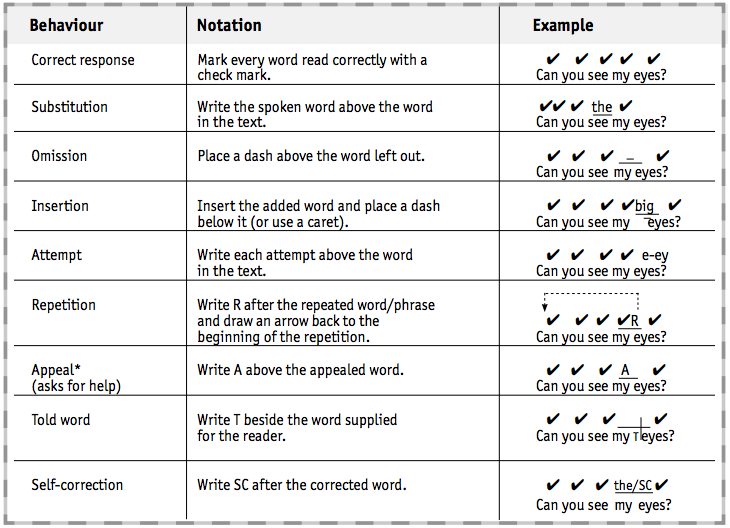
Behavior is treated with the exact same scientific rigor as academics. Special educators must maintain objective documentation of student behavioral incidents. Instead of writing, "Sarah was angry and acting out," an objective note reads, "Sarah tore her math worksheet and threw her pencil when prompted to begin independent work."
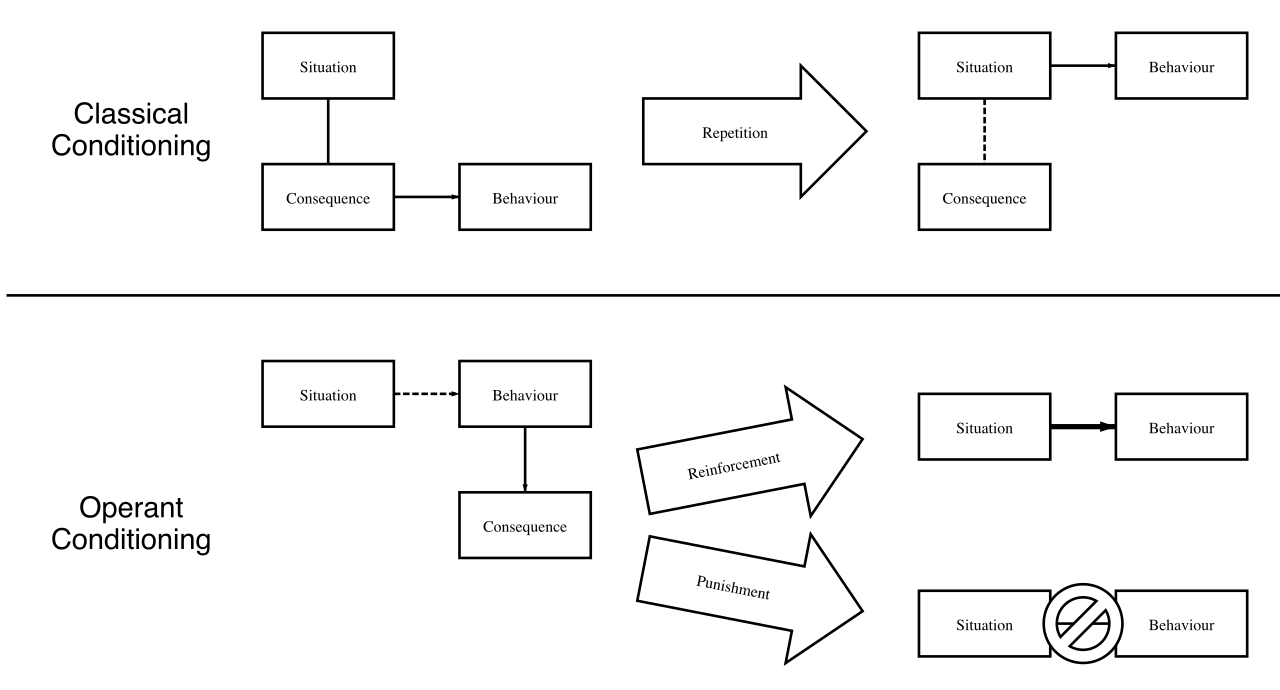
When behaviors impede learning, the case manager organizes the collection of data for a Functional Behavior Assessment (FBA). You are looking for the why—the antecedent that triggers the behavior and the consequence that reinforces it. Using that functional behavior data, the case manager drafts the Behavior Intervention Plan (BIP), designing strategies to teach the student replacement behaviors that serve the same function but in a socially and academically appropriate way.
Phase 5: The Bridge to the Future
Special education is fundamentally about preparing students for life after the school bells stop ringing. For older students, the case manager coordinates transition planning services for secondary students with disabilities. This means aligning their academic coursework, vocational training, and independent living skills with their post-secondary goals—ensuring that the bridge you have spent years building actually leads the student somewhere meaningful.